



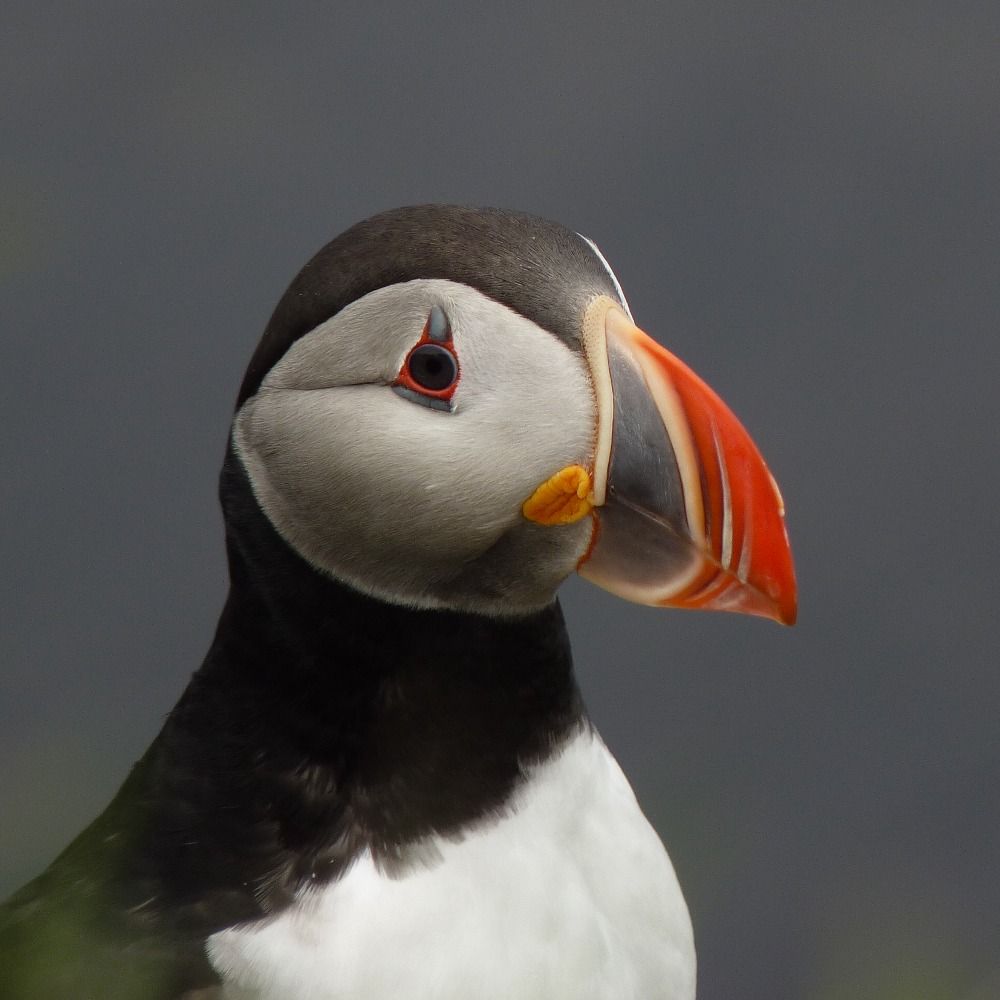
SEAPOP.bsky.social
@seapop.bsky.social
SEAPOP (SEAbird POPulations) is the long-term monitoring and mapping programme for seabirds in Norway that was established in 2005.
Drones and artificial intelligence - in SEAPOP we have started to #monitor #seabird #populations with drones. Pictures are analyzed using artificial intelligence. Here's the #method to get from drone pictures to numbers of birds per species: seapop.no/en/2026/01/d...

Drones and artificial intelligence bring new precision to seabird monitoring
Traditional seabird surveys have long been time- and resource-intensive, often with a risk of disturbing birds during the breeding season. Drones have made it possible to collect large volumes of…
seapop.no
January 28, 2026 at 5:51 PM
Drones and artificial intelligence - in SEAPOP we have started to #monitor #seabird #populations with drones. Pictures are analyzed using artificial intelligence. Here's the #method to get from drone pictures to numbers of birds per species: seapop.no/en/2026/01/d...
Marine industries & #seabirds - how can they coexist? Marine spatial planning is the word. Using SEAPOP data, the MARCIS project just launched an MSP-tool for seabirds in the North Atlantic seapop.no/en/2026/01/t...

The MARCIS tool has been launched
This bulletin was first published by the Norwegian Institute for Nature Research on January 15th, 2026 One hundred and fifty years ago, seabirds lived in a very different coastal environment from the…
seapop.no
January 19, 2026 at 11:40 AM
Marine industries & #seabirds - how can they coexist? Marine spatial planning is the word. Using SEAPOP data, the MARCIS project just launched an MSP-tool for seabirds in the North Atlantic seapop.no/en/2026/01/t...
How far do black guillemots migrate during winter? Do individuals revisit the same wintering areas in consecutive years? You find the answers to these and more questions in our latest publication #seabird #migration @ninanatureresearch.bsky.social seapop.no/en/2026/01/d...

Different migration patterns uncovered in black guillemots
Coastal zones are rich in biodiversity but also vulnerable to human impacts such as fisheries, kelp harvesting, aquaculture and climate change. The black guillemot is a seabird that breeds along the…
seapop.no
January 13, 2026 at 8:59 AM
How far do black guillemots migrate during winter? Do individuals revisit the same wintering areas in consecutive years? You find the answers to these and more questions in our latest publication #seabird #migration @ninanatureresearch.bsky.social seapop.no/en/2026/01/d...
New large-scale study based on SEAPOP data shows that #ocean #warming threatens #seabirds in the North Atlantic
@ninanatureresearch.bsky.social
@ninanatureresearch.bsky.social

Ocean warming threatens seabirds in the North Atlantic
Climate change is causing ocean warming, acidification and loss of sea ice. This, in turn, is leading to shifting biogeographic distribution and in some cases species extinction.
seapop.no
December 11, 2025 at 11:27 AM
New large-scale study based on SEAPOP data shows that #ocean #warming threatens #seabirds in the North Atlantic
@ninanatureresearch.bsky.social
@ninanatureresearch.bsky.social
#biologging #research is booming - but do #loggers actually impact the birds? Yes, they do - depending on the mass and attachment location. If you work with biologging, you should read our latest publication seapop.no/en/2025/11/l...
@ninanatureresearch.bsky.social #seabirds
@ninanatureresearch.bsky.social #seabirds

Loggers attached to birds can affect foraging behaviour
Loggers have become a central part of research on seabirds and other groups of animals over the past 20 years. In seabird research, loggers provide very useful documentation of diving behaviour…
seapop.no
November 20, 2025 at 7:12 PM
#biologging #research is booming - but do #loggers actually impact the birds? Yes, they do - depending on the mass and attachment location. If you work with biologging, you should read our latest publication seapop.no/en/2025/11/l...
@ninanatureresearch.bsky.social #seabirds
@ninanatureresearch.bsky.social #seabirds
How does the offshore wind development in Norway affect seabirds and how do SEAPOP and SEATRACK respond to knowledge needs? Have a look at the recordings of our webinar (in Norwegian language) seapop.no/2025/10/havv...

Havvind-webinar trakk mange interesserte
Norske myndigheter har en målsetning om å kunne levere 30 gigawatt (GW) elektrisk strøm pr år fra vindkraftanlegg utenfor kysten vår innen 2040. At sjøfugl vil bli berørt av slike anlegg er utvilsomt…
seapop.no
October 30, 2025 at 3:04 PM
How does the offshore wind development in Norway affect seabirds and how do SEAPOP and SEATRACK respond to knowledge needs? Have a look at the recordings of our webinar (in Norwegian language) seapop.no/2025/10/havv...
Going west or going east? Wintering strategies impact population trends in Brünnich’s guillemots from Svalbard - work by the Norwegian Polar Institute #seabirds seapop.no/en/2025/10/d...

Diverging population trends in Brünnich’s guillemots on Svalbard linked to wintering strategies
Long-term monitoring has documented sustained declines in Brünnich’s guillemot colonies in western and southern Svalbard, consistent with patterns seen across much of the Atlantic sector of the Arctic...
seapop.no
October 15, 2025 at 6:32 PM
Going west or going east? Wintering strategies impact population trends in Brünnich’s guillemots from Svalbard - work by the Norwegian Polar Institute #seabirds seapop.no/en/2025/10/d...
#Seabird monitoring used to happen with tally counters, binoculars and telescopes – but times are changing. #Drones and fixed #cameras have been implemented for monitoring in many national programs, also SEAPOP. Our latest publication sums up the advantages and challenges. seapop.no/en/2025/10/c...

Can new technologies improve seabird monitoring?
Traditionally, seabird monitoring has largely involved direct visual observations of e.g. abundance and breeding success. Although often performed according to detailed national guidelines…
seapop.no
October 1, 2025 at 1:56 PM
#Seabird monitoring used to happen with tally counters, binoculars and telescopes – but times are changing. #Drones and fixed #cameras have been implemented for monitoring in many national programs, also SEAPOP. Our latest publication sums up the advantages and challenges. seapop.no/en/2025/10/c...
SEAPOP launches new data products that show #seabird distribution, environmental value and vulnerability to offshore wind farms. Data can be downloaded free of charge in form of maps (raster or vector format) seapop.no/en/2025/08/n...

New data products from SEAPOP
SEAPOP has recently published new data products that provide information and overviews of three important parameters related to seabirds along the Norwegian coast and the adjacent marine areas: their…
seapop.no
September 15, 2025 at 1:22 PM
SEAPOP launches new data products that show #seabird distribution, environmental value and vulnerability to offshore wind farms. Data can be downloaded free of charge in form of maps (raster or vector format) seapop.no/en/2025/08/n...
Our annual key-site monitoring report is out, with information about breeding success, changes in population numbers etc. per monitored colony. seapop.no/en/2025/07/r...
@ninanatureresearch.bsky.social & Norsk Polarinstitutt
@ninanatureresearch.bsky.social & Norsk Polarinstitutt
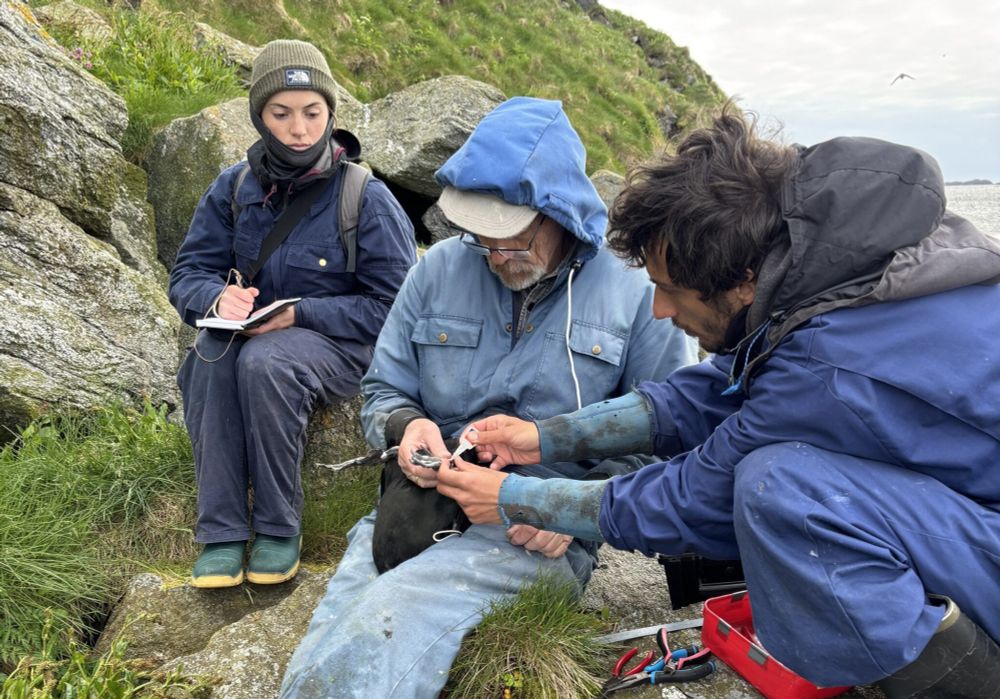
Report from the seabird monitoring in Norway in 2024
Similar to the last few years, surface-feeding seabirds generally had lower breeding success than diving species. Pelagic surface-feeders like black-legged kittiwakes had moderate to poor breeding…
seapop.no
July 21, 2025 at 12:21 PM
Our annual key-site monitoring report is out, with information about breeding success, changes in population numbers etc. per monitored colony. seapop.no/en/2025/07/r...
@ninanatureresearch.bsky.social & Norsk Polarinstitutt
@ninanatureresearch.bsky.social & Norsk Polarinstitutt
Our annual pamphlet with a summary of last year's breeding season and updates about survival and other news from the Norwegian colonies is out (in Norwegian only). A shorter version in English is coming soon. #seabirds seapop.no/2025/06/ny-a...
seapop.no
June 18, 2025 at 8:53 AM
Our annual pamphlet with a summary of last year's breeding season and updates about survival and other news from the Norwegian colonies is out (in Norwegian only). A shorter version in English is coming soon. #seabirds seapop.no/2025/06/ny-a...
Reposted by SEAPOP.bsky.social
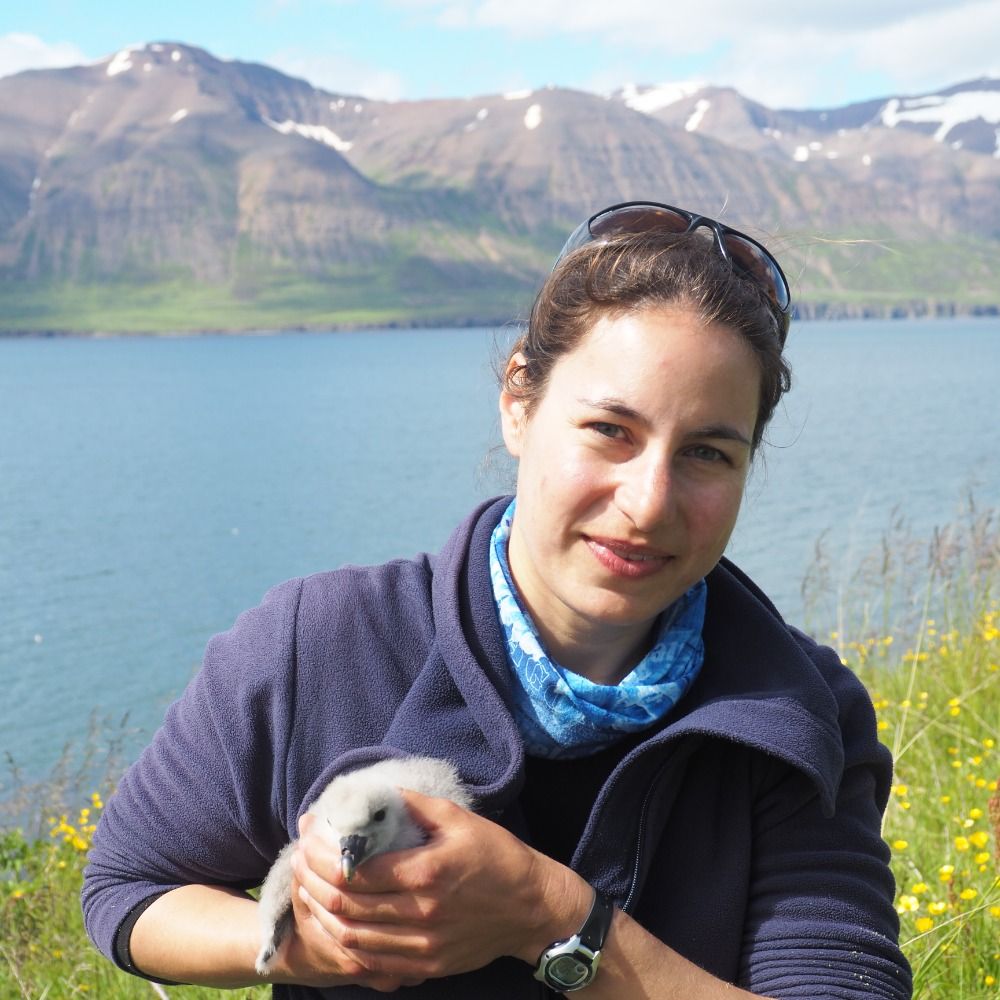
Counting kittiwakes in Rørvik with @bksandercock.bsky.social. #Fieldwork for @seapop.bsky.social has started. #seabird #research @ninanatureresearch.bsky.social
May 5, 2025 at 6:27 PM
Counting kittiwakes in Rørvik with @bksandercock.bsky.social. #Fieldwork for @seapop.bsky.social has started. #seabird #research @ninanatureresearch.bsky.social
Using 40 years of data from Svalbard, our latest study shows that early break-up of sea ice due to #globalwarming contributes to making some of the islands safer for common eider ducks to breed, as Arctic foxes cannot reach them. seapop.no/en/2025/04/s...

Sea ice affects population dynamics in common eiders
Sea ice is significant for the ecology of many arctic species. The Arctic is now heating up four times more quickly than any other place on earth, and we need to know the consequences the resulting…
seapop.no
April 24, 2025 at 12:52 PM
Using 40 years of data from Svalbard, our latest study shows that early break-up of sea ice due to #globalwarming contributes to making some of the islands safer for common eider ducks to breed, as Arctic foxes cannot reach them. seapop.no/en/2025/04/s...
SEATRACK got a new website with better functionality and better access to documents: seatrack.net Click yourself through and learn more about the non-breeding distribution of north-Atlantic seabirds!
seapop.no/en/2024/12/n...
seapop.no/en/2024/12/n...
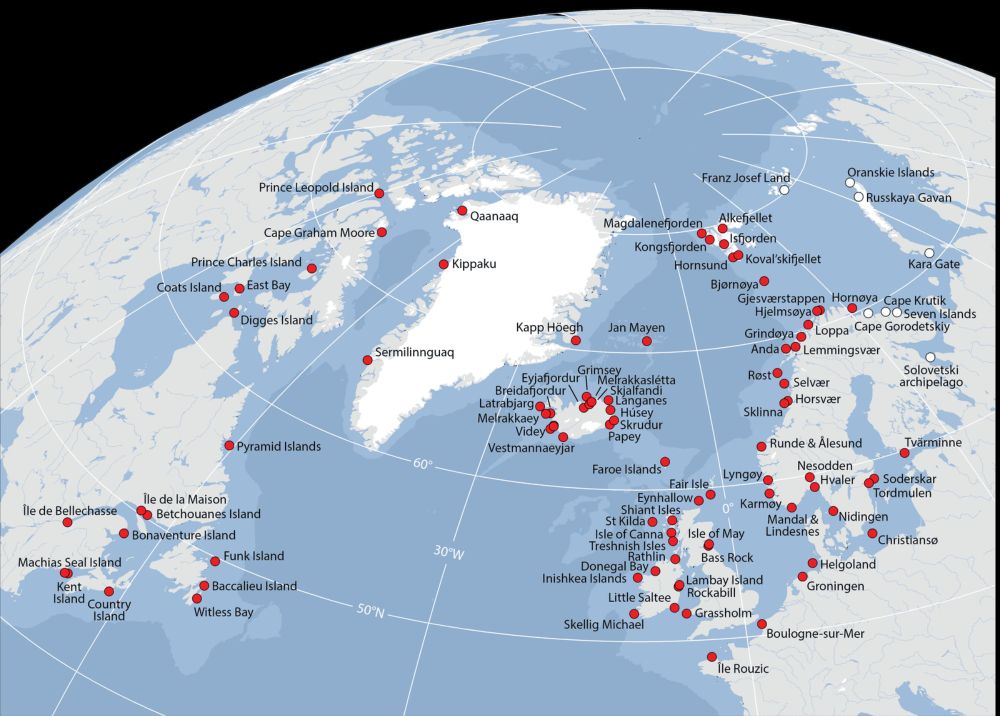
Home - SEATRACK
SEATRACKSeabird tracking The SEATRACK programme aims to map the non-breeding distribution of seabirds breeding throughout the North Atlantic and understand how changes in environmental conditions and ...
seatrack.net
December 13, 2024 at 9:35 AM
SEATRACK got a new website with better functionality and better access to documents: seatrack.net Click yourself through and learn more about the non-breeding distribution of north-Atlantic seabirds!
seapop.no/en/2024/12/n...
seapop.no/en/2024/12/n...
New report about seaweed harvesting on possible effects on #seabirds and #shorebirds from @ninadehnhard.bsky.social & colleagues at Norwegian Institute for Nature Research. GPS #tracking data from SEAPOP showed overlap in area use for some coastal seabird populations with areas that are trawled.

Er høsting av tang og tare en trussel mot fuglelivet?
Kommersiell høsting av viltvoksende tang og tare er en viktig næring langs norskekysten. Tang og tare er et uunnværlig råstoff i en rekke industrier, fra matproduksjon og dyrefôr til legemidler og bio...
www.nina.no
November 29, 2024 at 9:52 AM
New report about seaweed harvesting on possible effects on #seabirds and #shorebirds from @ninadehnhard.bsky.social & colleagues at Norwegian Institute for Nature Research. GPS #tracking data from SEAPOP showed overlap in area use for some coastal seabird populations with areas that are trawled.
Reposted by SEAPOP.bsky.social
New article on #plastics in #faeces samples of shag chicks. 25 out of 36 samples contained microplastics > 100 µm; we found 17 particles per g dry mass and clear evidence for parental transfer of plastics.
#seabirds #pollution @seapop.bsky.social
www.sciencedirect.com/science/arti...
#seabirds #pollution @seapop.bsky.social
www.sciencedirect.com/science/arti...

October 7, 2024 at 10:40 AM
New article on #plastics in #faeces samples of shag chicks. 25 out of 36 samples contained microplastics > 100 µm; we found 17 particles per g dry mass and clear evidence for parental transfer of plastics.
#seabirds #pollution @seapop.bsky.social
www.sciencedirect.com/science/arti...
#seabirds #pollution @seapop.bsky.social
www.sciencedirect.com/science/arti...
Every other year, SEAPOP organizes a seminar and gives a run-through the topics we are working with. The presentations of this years' seminar (in Norwegian) are now accessible here: seapop.no/2024/10/vell...

Vellykket SEAPOP-seminar avholdt i Asker
SEAPOP holder seminar hvert andre år, og denne gangen ble det arrangert under tittelen «Stille kyst – status og trusler for norske sjøfugler». Etter en innledning ved koordinatorene Per Fauchald og…
seapop.no
October 7, 2024 at 7:53 AM
Every other year, SEAPOP organizes a seminar and gives a run-through the topics we are working with. The presentations of this years' seminar (in Norwegian) are now accessible here: seapop.no/2024/10/vell...
Reposted by SEAPOP.bsky.social

Stark viewing: before-and-after photographs showing dramatic change to Norway's coastlines as seabirds have vanished:
www.theguardian.com/environment/...
Rob Barrett and Signe Christensen-Dalsgaard @seapop.bsky.social
Arcgis story map: storymaps.arcgis.com/stories/0906...
#birding #ecology
www.theguardian.com/environment/...
Rob Barrett and Signe Christensen-Dalsgaard @seapop.bsky.social
Arcgis story map: storymaps.arcgis.com/stories/0906...
#birding #ecology

Stark before and after photographs reveal sharp decline of Norway’s seabirds
When Rob Barrett set out to survey one of the country’s largest colonies in the 1970s there were too many birds to count. Now, his pictures and archive images show a species decline echoed around the ...
www.theguardian.com
September 17, 2024 at 6:58 AM
Stark viewing: before-and-after photographs showing dramatic change to Norway's coastlines as seabirds have vanished:
www.theguardian.com/environment/...
Rob Barrett and Signe Christensen-Dalsgaard @seapop.bsky.social
Arcgis story map: storymaps.arcgis.com/stories/0906...
#birding #ecology
www.theguardian.com/environment/...
Rob Barrett and Signe Christensen-Dalsgaard @seapop.bsky.social
Arcgis story map: storymaps.arcgis.com/stories/0906...
#birding #ecology
New study investigates the impact of multiple #threats ( #pollutants and #climate) to #seabirds and investigates causes of decline in great black-backed #gulls seapop.no/en/2024/09/m...

Modelling tool reveals causes of decline in great black-backs
Our seas are under growing pressure from multiple threats caused by human activities. For seabirds, the most important threats include climate change, pollution and overfishing. We need to understand…
seapop.no
September 24, 2024 at 2:31 PM
New study investigates the impact of multiple #threats ( #pollutants and #climate) to #seabirds and investigates causes of decline in great black-backed #gulls seapop.no/en/2024/09/m...
Reposted by SEAPOP.bsky.social
The fieldseason on Sklinna was a success also this year. Lots of data collected, lots of loggers deployed. Want to know more? - read my blog post:
ninadehnhard.wordpress.com/2024/07/20/y...
@seapop.bsky.social #seabirds #biotracking #fieldwork
ninadehnhard.wordpress.com/2024/07/20/y...
@seapop.bsky.social #seabirds #biotracking #fieldwork

July 20, 2024 at 4:07 PM
The fieldseason on Sklinna was a success also this year. Lots of data collected, lots of loggers deployed. Want to know more? - read my blog post:
ninadehnhard.wordpress.com/2024/07/20/y...
@seapop.bsky.social #seabirds #biotracking #fieldwork
ninadehnhard.wordpress.com/2024/07/20/y...
@seapop.bsky.social #seabirds #biotracking #fieldwork
Reposted by SEAPOP.bsky.social
GPS #biotracking of #shags on Sklinna done for this season. We got 59 of 60 trackers back. GPS & dive loggers help us identify important foraging areas, critical for marine spatial planning. #seabirds #mpa @seapop.bsky.social


July 6, 2024 at 8:55 PM
GPS #biotracking of #shags on Sklinna done for this season. We got 59 of 60 trackers back. GPS & dive loggers help us identify important foraging areas, critical for marine spatial planning. #seabirds #mpa @seapop.bsky.social
Reposted by SEAPOP.bsky.social
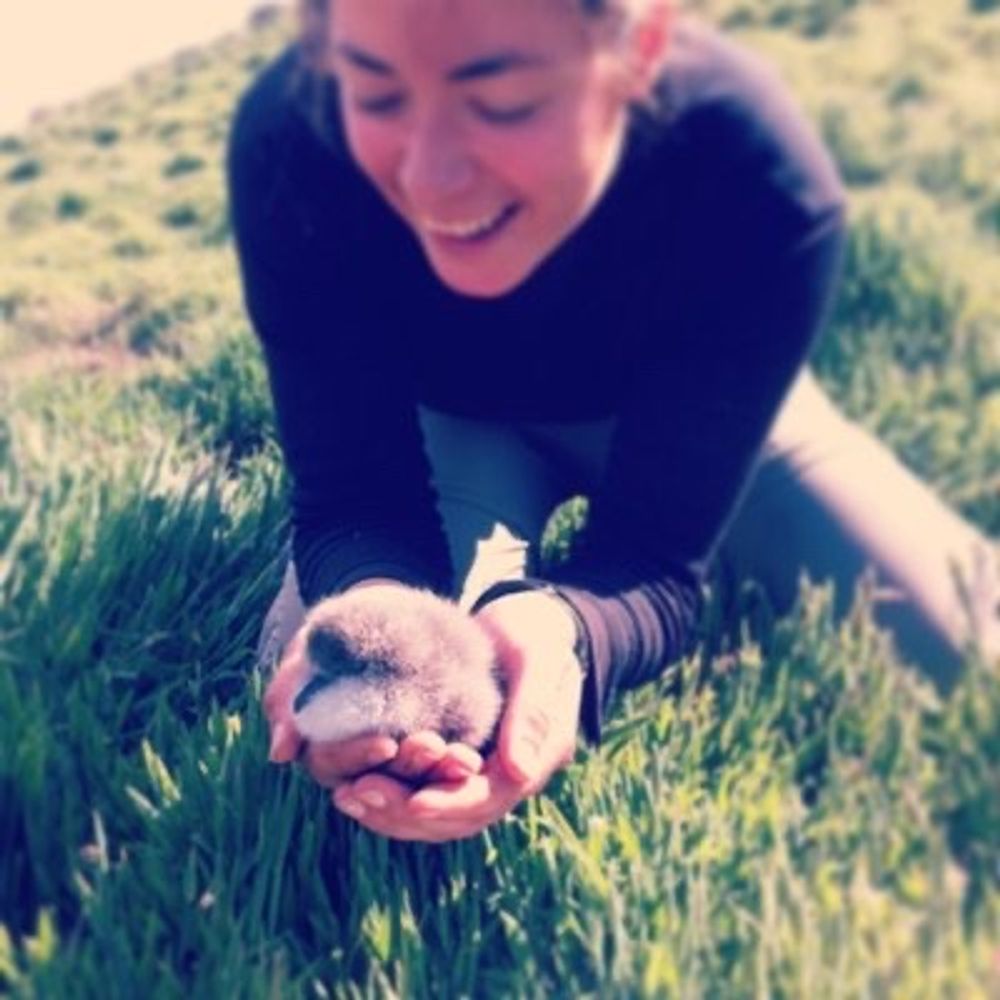
#Postdoc position in #seabirds spatial population dynamics at NINA Tromsø.
Apply by 1st September.
nina.attract.reachmee.com/jobs/57-post...
#jobs
Apply by 1st September.
nina.attract.reachmee.com/jobs/57-post...
#jobs
Norsk institutt for naturforskning | Postdoctoral position in spatial population modelling in seabirds
IntroductionNorwegian Institute for Nature Research (NINA) is the leading research institute for applied ecology in Norway. Applications are invited for a two-year postdoctoral research associate posi...
nina.attract.reachmee.com
June 28, 2024 at 10:04 AM
#Postdoc position in #seabirds spatial population dynamics at NINA Tromsø.
Apply by 1st September.
nina.attract.reachmee.com/jobs/57-post...
#jobs
Apply by 1st September.
nina.attract.reachmee.com/jobs/57-post...
#jobs
Are you joining us in Asker 25-26 September to the SEAPOP Seminar? The title this year: Stille kyst - status og trusler for norske sjøfugl. The seminar will be in Norwegian. More info and link to registration: seapop.no/2024/06/velk...

Velkommen til SEAPOP-seminar!
Det er gledelig å kunne ønske velkommen til et nytt sjøfuglseminar på Holmen Fjordhotell i Asker. Det blir som vanlig god mat, sosialt samvær og, ikke minst, gode foredrag og diskusjoner om sjøfugl og...
seapop.no
June 26, 2024 at 7:13 PM
Are you joining us in Asker 25-26 September to the SEAPOP Seminar? The title this year: Stille kyst - status og trusler for norske sjøfugl. The seminar will be in Norwegian. More info and link to registration: seapop.no/2024/06/velk...
Reposted by SEAPOP.bsky.social
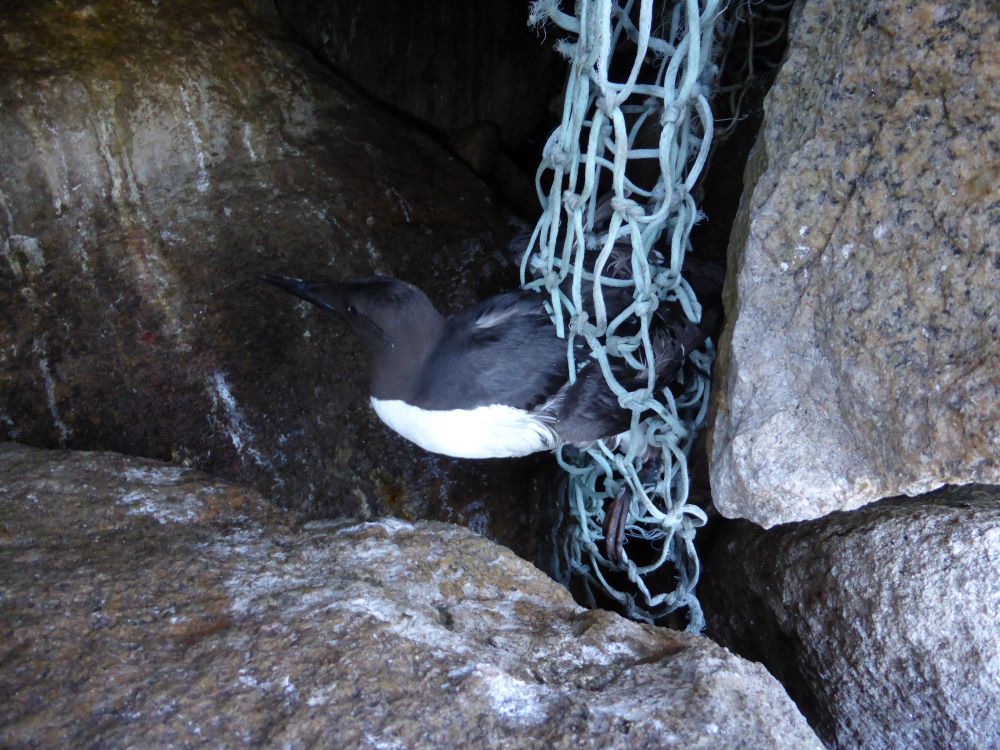
Another encounter with #fishing nets that are killing #seabirds. We couldn't save the shag anymore, but the guillemot got to live. #fieldwork at Sklinna #Norway for @seapop.bsky.social


June 6, 2024 at 6:52 PM
Another encounter with #fishing nets that are killing #seabirds. We couldn't save the shag anymore, but the guillemot got to live. #fieldwork at Sklinna #Norway for @seapop.bsky.social
Reposted by SEAPOP.bsky.social
Kittiwake count in Rørvik. #Seabirds #fieldwork for NINA & @seapop.bsky.social. Looks like the #avianinfluenza outbreak last year had no major impact on this population #HPAI #H5N1

May 30, 2024 at 10:22 AM
Kittiwake count in Rørvik. #Seabirds #fieldwork for NINA & @seapop.bsky.social. Looks like the #avianinfluenza outbreak last year had no major impact on this population #HPAI #H5N1