


MED
@mariaedenbow.bsky.social
Reposted by MED

@daiwaiolson.bsky.social #NNRC intentional self-care activities were associated with improved nurses’ health behavior scores, as reported by Marcela Brunken and colleagues in the Journal of Nursing Administration.
February 2, 2026 at 9:59 PM
@daiwaiolson.bsky.social #NNRC intentional self-care activities were associated with improved nurses’ health behavior scores, as reported by Marcela Brunken and colleagues in the Journal of Nursing Administration.
Reposted by MED
@daiwaiolson.bsky.social #UTSW #NNRC UTSW Welcomes the 2025 Virtual International Neuroscience Nursing Research Symposium (INNRS)! www.youtube.com/watch?v=XkUx...

UTSW INNRS Welcome
YouTube video by American Association of Neuroscience Nurses
www.youtube.com
February 3, 2026 at 3:18 PM
@daiwaiolson.bsky.social #UTSW #NNRC UTSW Welcomes the 2025 Virtual International Neuroscience Nursing Research Symposium (INNRS)! www.youtube.com/watch?v=XkUx...
Reposted by MED
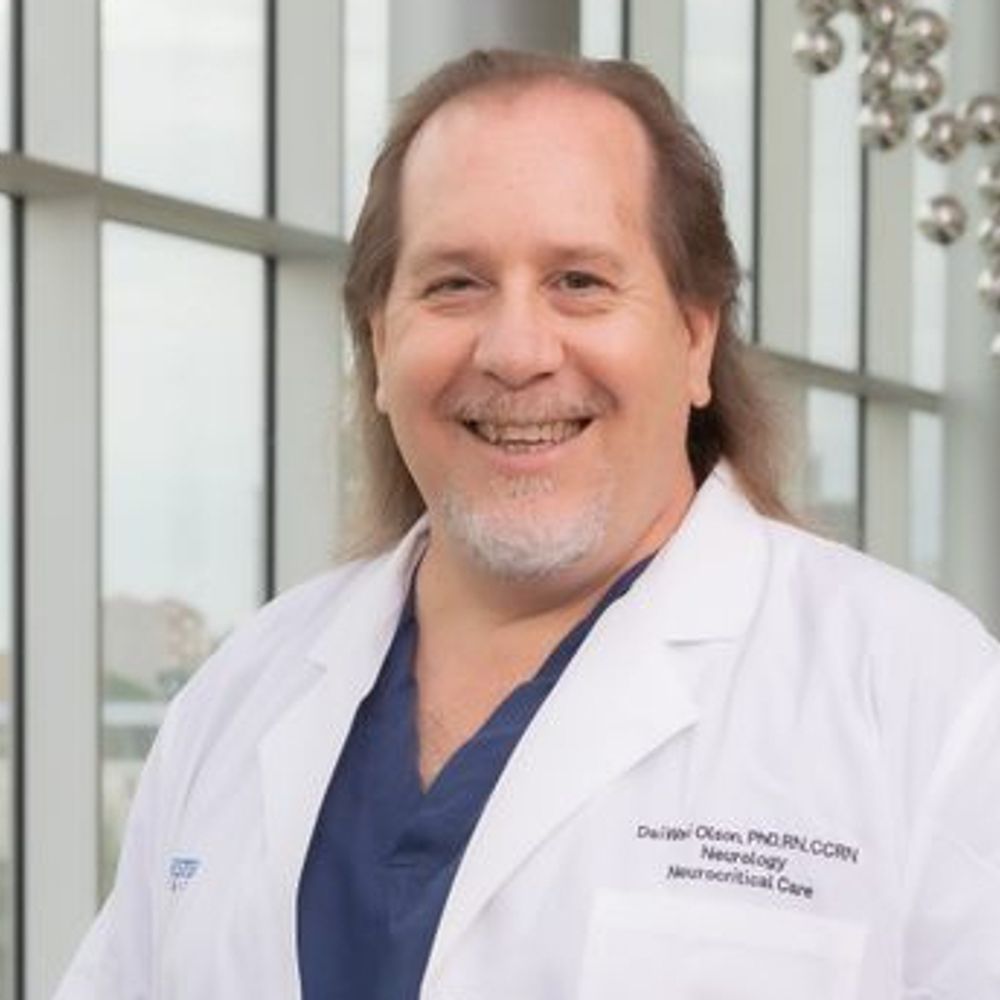
nursology.net/nurse-theori... Thank you #NURSOLOGY blog and Julie Joseph for publishing about the Cue-Response Theory for #acquiredbraininjury
#nursingtheory
#nursingtheory

Cue-Response Theory
Contributor – Julie Joseph Authors – Dai Wai Olson, PhD, RN,CCRN, and Stefany Ortega-Pérez, PhD, MSc RN, First published – 2019 Major Concepts Cue-Response Theory centers on the i…
nursology.net
February 2, 2026 at 11:51 PM
nursology.net/nurse-theori... Thank you #NURSOLOGY blog and Julie Joseph for publishing about the Cue-Response Theory for #acquiredbraininjury
#nursingtheory
#nursingtheory
Reposted by MED
Nerd out and win a bar bet by knowing the difference between average and mean. #neuronurses #neuronerds #stroke #statistics #nursingschool #neurocriticalcare #anatomy @DaiWaiOlson
February 4, 2026 at 12:18 PM
Nerd out and win a bar bet by knowing the difference between average and mean. #neuronurses #neuronerds #stroke #statistics #nursingschool #neurocriticalcare #anatomy @DaiWaiOlson
Reposted by MED
#neuronurses know that when the brain protrudes under the falx from one side to the other it is called “under the falx protrusion” or subfalcine herniation. #neuronerds #stroke #statistics #nursingschool #neurocriticalcare #anatomy @DaiWaiOlson
February 6, 2026 at 12:18 PM
#neuronurses know that when the brain protrudes under the falx from one side to the other it is called “under the falx protrusion” or subfalcine herniation. #neuronerds #stroke #statistics #nursingschool #neurocriticalcare #anatomy @DaiWaiOlson
Reposted by MED
#UTSWNeurology #neuroscience #UTSWNNRC
@daiwaiolson.bsky.social #INNRS Congratulations to UTSW and #NNRC on hosting a successful Virtual International Neuroscience Nursing Research Symposium, bringing together presenters and participants from over 20 countries.
@daiwaiolson.bsky.social #INNRS Congratulations to UTSW and #NNRC on hosting a successful Virtual International Neuroscience Nursing Research Symposium, bringing together presenters and participants from over 20 countries.

January 27, 2026 at 5:12 AM
#UTSWNeurology #neuroscience #UTSWNNRC
@daiwaiolson.bsky.social #INNRS Congratulations to UTSW and #NNRC on hosting a successful Virtual International Neuroscience Nursing Research Symposium, bringing together presenters and participants from over 20 countries.
@daiwaiolson.bsky.social #INNRS Congratulations to UTSW and #NNRC on hosting a successful Virtual International Neuroscience Nursing Research Symposium, bringing together presenters and participants from over 20 countries.
Reposted by MED
Vertebral Basilar Junction
The junction of the arteries that go through the vertebral bones and the artery at the base of the skull is the vertebral basilar junction
The junction of the arteries that go through the vertebral bones and the artery at the base of the skull is the vertebral basilar junction
January 28, 2026 at 12:18 PM
Vertebral Basilar Junction
The junction of the arteries that go through the vertebral bones and the artery at the base of the skull is the vertebral basilar junction
The junction of the arteries that go through the vertebral bones and the artery at the base of the skull is the vertebral basilar junction
Reposted by MED
The interquartile range is the range of the quartile in the middle!
#neuronurses #neuronerds #statistics #nursingschool
#neuronurses #neuronerds #statistics #nursingschool
January 30, 2026 at 12:18 PM
The interquartile range is the range of the quartile in the middle!
#neuronurses #neuronerds #statistics #nursingschool
#neuronurses #neuronerds #statistics #nursingschool
Reposted by MED
Behind the scenes with Cynthia Bautista & Michael Rodgers at INNRS—nerding out 🤓🧠
INNRS Shared Big ideas, shared passion, and the kind of conversations that move neuroscience nursing forward. #neuronurses # neuronerds
INNRS Shared Big ideas, shared passion, and the kind of conversations that move neuroscience nursing forward. #neuronurses # neuronerds
January 29, 2026 at 12:18 PM
Behind the scenes with Cynthia Bautista & Michael Rodgers at INNRS—nerding out 🤓🧠
INNRS Shared Big ideas, shared passion, and the kind of conversations that move neuroscience nursing forward. #neuronurses # neuronerds
INNRS Shared Big ideas, shared passion, and the kind of conversations that move neuroscience nursing forward. #neuronurses # neuronerds
Reposted by MED
#UTSWNeurology #neuroscience #UTSWNNRC
@daiwaiolson.bsky.social Live presentation at the Virtual International Neuroscience Nursing Research Symposium Byron Carlisle sharing current research and insights to cost Evaluation of Automation for Pupillometry Data Documentation.
@daiwaiolson.bsky.social Live presentation at the Virtual International Neuroscience Nursing Research Symposium Byron Carlisle sharing current research and insights to cost Evaluation of Automation for Pupillometry Data Documentation.

January 23, 2026 at 9:00 PM
#UTSWNeurology #neuroscience #UTSWNNRC
@daiwaiolson.bsky.social Live presentation at the Virtual International Neuroscience Nursing Research Symposium Byron Carlisle sharing current research and insights to cost Evaluation of Automation for Pupillometry Data Documentation.
@daiwaiolson.bsky.social Live presentation at the Virtual International Neuroscience Nursing Research Symposium Byron Carlisle sharing current research and insights to cost Evaluation of Automation for Pupillometry Data Documentation.
Reposted by MED
@daiwaiolson.bsky.social Live presentation at the Virtual International Neuroscience Nursing Research Symposium Ishmail Sillah from Kenya Sharing current research and insights to Modified Delphi Approach selecting the best a post-stroke screening tool!

January 23, 2026 at 9:06 PM
@daiwaiolson.bsky.social Live presentation at the Virtual International Neuroscience Nursing Research Symposium Ishmail Sillah from Kenya Sharing current research and insights to Modified Delphi Approach selecting the best a post-stroke screening tool!
Reposted by MED
@daiwaiolson.bsky.social #UTSWNeurology #UTSWNeuroRes #neuronurses #neuroscience #UTSWnurses Congratulations to Nhungoc Vo (Jenny) selected the Fifth candidate in the NNRC 2025 Fellowship program!

October 29, 2025 at 4:57 PM
@daiwaiolson.bsky.social #UTSWNeurology #UTSWNeuroRes #neuronurses #neuroscience #UTSWnurses Congratulations to Nhungoc Vo (Jenny) selected the Fifth candidate in the NNRC 2025 Fellowship program!
Reposted by MED
The container in the front is called the front container. FRONTAL LOBE #neuronurses keep #neuroanatomy simple #KISS #neuronerds #brain #stroke #nursingschool #nursingresearch
October 30, 2025 at 12:19 PM
The container in the front is called the front container. FRONTAL LOBE #neuronurses keep #neuroanatomy simple #KISS #neuronerds #brain #stroke #nursingschool #nursingresearch
Reposted by MED
@daiwaiolson.bsky.social #UTSWNeurology #UTSWNeuroRes #neuronurses #neuroscience #UTSWnurses UTSW NNRC staff resubmission with 62 comments, 5 tables, 1 figure, 30 references, 6 authors now ready for resubmission.

October 30, 2025 at 9:07 PM
@daiwaiolson.bsky.social #UTSWNeurology #UTSWNeuroRes #neuronurses #neuroscience #UTSWnurses UTSW NNRC staff resubmission with 62 comments, 5 tables, 1 figure, 30 references, 6 authors now ready for resubmission.
Reposted by MED
It is sad irony that Dr Abraham Wald, who developed statistics to reduce survivorship bias associated with WW2 plane deaths . .. himself died in a plane crash #nursingHistory #nursingresearch #neuronurses #neuronerds
October 31, 2025 at 12:19 PM
It is sad irony that Dr Abraham Wald, who developed statistics to reduce survivorship bias associated with WW2 plane deaths . .. himself died in a plane crash #nursingHistory #nursingresearch #neuronurses #neuronerds
Reposted by MED
@daiwaiolson.bsky.social #UTSWNeurology #UTSWNeuroRes #neuronurses #neuroscience #UTSWnurses NNRC October 2025 progress trending upward
November 4, 2025 at 11:42 PM
@daiwaiolson.bsky.social #UTSWNeurology #UTSWNeuroRes #neuronurses #neuroscience #UTSWnurses NNRC October 2025 progress trending upward
Reposted by MED
After being forced to leave Germany when Hitler came to power, Dr Kurt Goldstein focused on Neurology in the U.S. and focused on a holistic Theory of Brain Function. #nursingHistory #nursingresearch #neuronurses #neuronerds #Neurology
November 7, 2025 at 12:19 PM
After being forced to leave Germany when Hitler came to power, Dr Kurt Goldstein focused on Neurology in the U.S. and focused on a holistic Theory of Brain Function. #nursingHistory #nursingresearch #neuronurses #neuronerds #Neurology
Reposted by MED
@daiwaiolson.bsky.social #UTSWNeurology #UTSWNeuroRes #neuronurses #neuroscience #UTSWnurses Update NNRC trended Indices- h-index

November 7, 2025 at 3:43 PM
@daiwaiolson.bsky.social #UTSWNeurology #UTSWNeuroRes #neuronurses #neuroscience #UTSWnurses Update NNRC trended Indices- h-index
Reposted by MED
Watch: https://www.youtube.com/watch?v=EJs-6j_lmZ4
Read: https://journals.lww.com/jnnonline/citation/2025/02000/nursing_myth,_meet_nursing_evidence.1.aspx
Read: https://journals.lww.com/jnnonline/citation/2025/02000/nursing_myth,_meet_nursing_evidence.1.aspx

Nursing Myth, Meet Nursing Evidence
Read the Editorial in the JNN at https://journals.lww.com/jnnonline/citation/2025/02000/nursing_myth,_meet_nursing_evidence.1.aspx
www.youtube.com
November 10, 2025 at 12:18 PM
Reposted by MED
“Nurses can’t have coffee at the nurses’ station.” ☕️
“Listen to the stomach to confirm NG tube placement.” 👂
We’ve all heard them. Dr. DaiWai Olson’s JNN editorial reminds us: myths fade—evidence lasts.
💬 What nursing myth have YOU debunked?
#neuronursing #EBP
“Listen to the stomach to confirm NG tube placement.” 👂
We’ve all heard them. Dr. DaiWai Olson’s JNN editorial reminds us: myths fade—evidence lasts.
💬 What nursing myth have YOU debunked?
#neuronursing #EBP
Nursing Myth, Meet Nursing Evidence
Read the Editorial in the JNN at https://journals.lww.com/jnnonline/citation/2025/02000/nursing_myth,_meet_nursing_evidence.1.aspx
www.youtube.com
November 10, 2025 at 12:18 PM
“Nurses can’t have coffee at the nurses’ station.” ☕️
“Listen to the stomach to confirm NG tube placement.” 👂
We’ve all heard them. Dr. DaiWai Olson’s JNN editorial reminds us: myths fade—evidence lasts.
💬 What nursing myth have YOU debunked?
#neuronursing #EBP
“Listen to the stomach to confirm NG tube placement.” 👂
We’ve all heard them. Dr. DaiWai Olson’s JNN editorial reminds us: myths fade—evidence lasts.
💬 What nursing myth have YOU debunked?
#neuronursing #EBP
Reposted by MED
Survey says...RÁPIDO was informative, memorable, and well understood by Hispanic and Latino adults — with feedback that could make it even better.
📘 Read the full article FREE (Nov 10–Dec 8)
👉 Tap the link in comments to read.
#neuronursing #StrokeAwareness
📘 Read the full article FREE (Nov 10–Dec 8)
👉 Tap the link in comments to read.
#neuronursing #StrokeAwareness

A Cross-sectional Survey of Comprehension and Satisfaction... : Journal of Neuroscience Nursing
ion and satisfaction of a Spanish stroke awareness acronym, RÁPIDO, among community-living, Hispanic and Latino, Spanish-reading adults. METHODS: A 33-item survey was completed by 166 adults. Data on sociodemographics, language preferences, stroke education, and comprehension and satisfaction with RÁPIDO were collected. Descriptive characteristics were calculated. Fisher exact tests were performed to determine whether reading language (group 1, only or predominantly reads in Spanish; group 2, reads in Spanish and English equally or reads predominately in English) influenced survey responses. Responses to open-ended questions were categorized. RESULTS: Sixty-nine percent of the participants were born outside of the United States, 82% currently resided in the United States, 34% read only or predominately in Spanish, and 7% had a stroke. Most participants thought RÁPIDO was informative, eye-catching, and easily remembered. Significant differences were found between reading language preference groups for correctly identifying RÁPIDO images for facial drooping (group 1, 80%; group 2, 95%; P ≤ .001) and dizziness/loss of balance (group 1, 54%; group 2, 73%; P = .027). Eighty percent or more of all participants were able to correctly interpret RÁPIDO images for facial drooping, blurry vision, impaired speech, and call emergency services. Adding “911” to the RÁPIDO image of the clock was a common suggestion. CONCLUSIONS: RÁPIDO was well received among the participants. Modifications to RÁPIDO images representing dizziness/loss of balance and arm weakness, and the addition of “911” may improve its usefulness. Obtaining more extensive feedback across the United States and testing the effect of RÁPIDO on increasing knowledge of stroke signs and retention of that knowledge are necessary next steps....
journals.lww.com
November 11, 2025 at 12:18 PM
Survey says...RÁPIDO was informative, memorable, and well understood by Hispanic and Latino adults — with feedback that could make it even better.
📘 Read the full article FREE (Nov 10–Dec 8)
👉 Tap the link in comments to read.
#neuronursing #StrokeAwareness
📘 Read the full article FREE (Nov 10–Dec 8)
👉 Tap the link in comments to read.
#neuronursing #StrokeAwareness
Reposted by MED
A lesion that involves the frontal lobe and the temporal lobe is a frontotemporal lesion. #falxcerebri #neuronurses keep #neuroanatomy simple #KISS #neuronerds #brain #stroke #nursingschool #delirium #dementia #nursingresearch
November 12, 2025 at 12:19 PM
A lesion that involves the frontal lobe and the temporal lobe is a frontotemporal lesion. #falxcerebri #neuronurses keep #neuroanatomy simple #KISS #neuronerds #brain #stroke #nursingschool #delirium #dementia #nursingresearch
Reposted by MED
Today #neuronurses celebrate the life of Nurse Jane Mitchell who bravely fought to become the first African-American Nurse in the State of Delaware. #nursingHistory #nursingresearch #neuronerds #Neurology
November 13, 2025 at 12:19 PM
Today #neuronurses celebrate the life of Nurse Jane Mitchell who bravely fought to become the first African-American Nurse in the State of Delaware. #nursingHistory #nursingresearch #neuronerds #Neurology
Reposted by MED
A patient develops a sudden foreign accent… and it doesn’t fade after tumor removal.
Foreign Accent Syndrome is rare—and easy to miss.
Nurses are often the first to recognize it.
Read full case study: vist.ly/4ef7p
Foreign Accent Syndrome is rare—and easy to miss.
Nurses are often the first to recognize it.
Read full case study: vist.ly/4ef7p
November 14, 2025 at 12:19 PM
A patient develops a sudden foreign accent… and it doesn’t fade after tumor removal.
Foreign Accent Syndrome is rare—and easy to miss.
Nurses are often the first to recognize it.
Read full case study: vist.ly/4ef7p
Foreign Accent Syndrome is rare—and easy to miss.
Nurses are often the first to recognize it.
Read full case study: vist.ly/4ef7p