


@giggitygiggitee.bsky.social
Processed the highest resolution view of comet C/2013 A1 Siding Spring taken by MRO’s HIRISE

July 7, 2025 at 9:58 AM
Processed the highest resolution view of comet C/2013 A1 Siding Spring taken by MRO’s HIRISE
Processed Cassini’s best view of Aegaeon, the smallest moon of Saturn, as observed on 27 January 2010. This moon’s surface should resemble those of the Alkyonides and Polydeuces, though a much longer object than them.

June 30, 2025 at 5:37 PM
Processed Cassini’s best view of Aegaeon, the smallest moon of Saturn, as observed on 27 January 2010. This moon’s surface should resemble those of the Alkyonides and Polydeuces, though a much longer object than them.
Processed Cassini’s best view of Saturn’s moon, Polydeuces

June 27, 2025 at 2:18 PM
Processed Cassini’s best view of Saturn’s moon, Polydeuces
Reposted
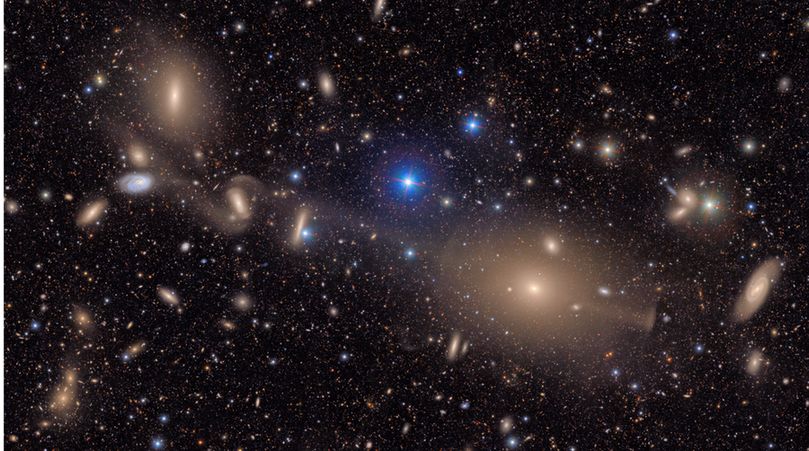
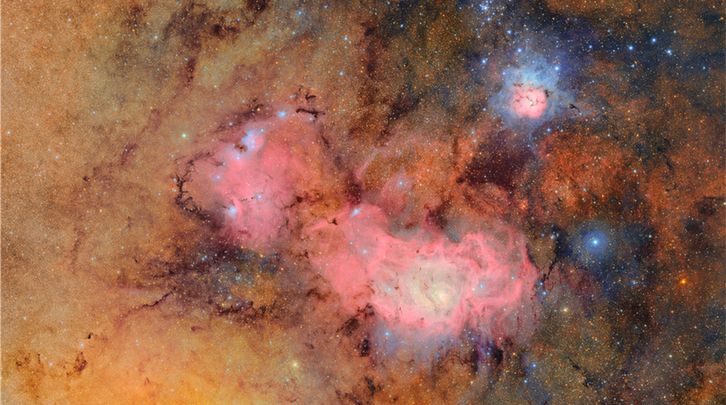
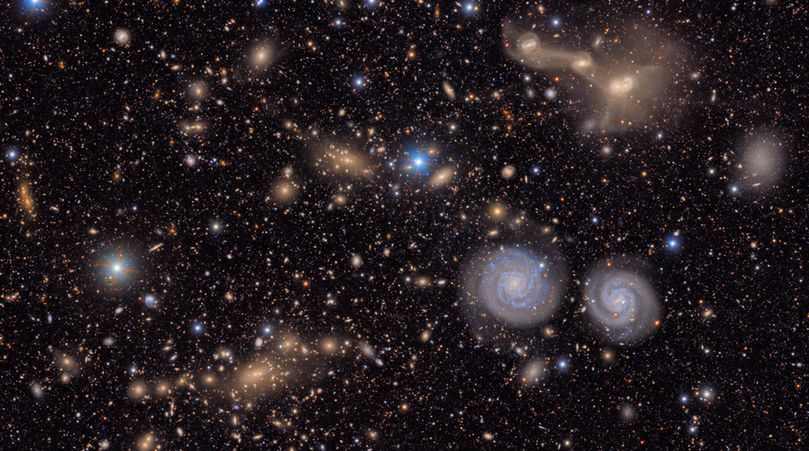
Introducing...your sneak peek at the cosmos captured by NSF–DOE Vera C. Rubin Observatory!
Can you guess these regions of sky?
This is just a small peek...join us at 11am US EDT for your full First Look at how Rubin will #CaptureTheCosmos! 🔭🧪
#RubinFirstLook
ls.st/rubin-first-look-livestream
Can you guess these regions of sky?
This is just a small peek...join us at 11am US EDT for your full First Look at how Rubin will #CaptureTheCosmos! 🔭🧪
#RubinFirstLook
ls.st/rubin-first-look-livestream
June 23, 2025 at 4:06 AM
Introducing...your sneak peek at the cosmos captured by NSF–DOE Vera C. Rubin Observatory!
Can you guess these regions of sky?
This is just a small peek...join us at 11am US EDT for your full First Look at how Rubin will #CaptureTheCosmos! 🔭🧪
#RubinFirstLook
ls.st/rubin-first-look-livestream
Can you guess these regions of sky?
This is just a small peek...join us at 11am US EDT for your full First Look at how Rubin will #CaptureTheCosmos! 🔭🧪
#RubinFirstLook
ls.st/rubin-first-look-livestream
Reposted
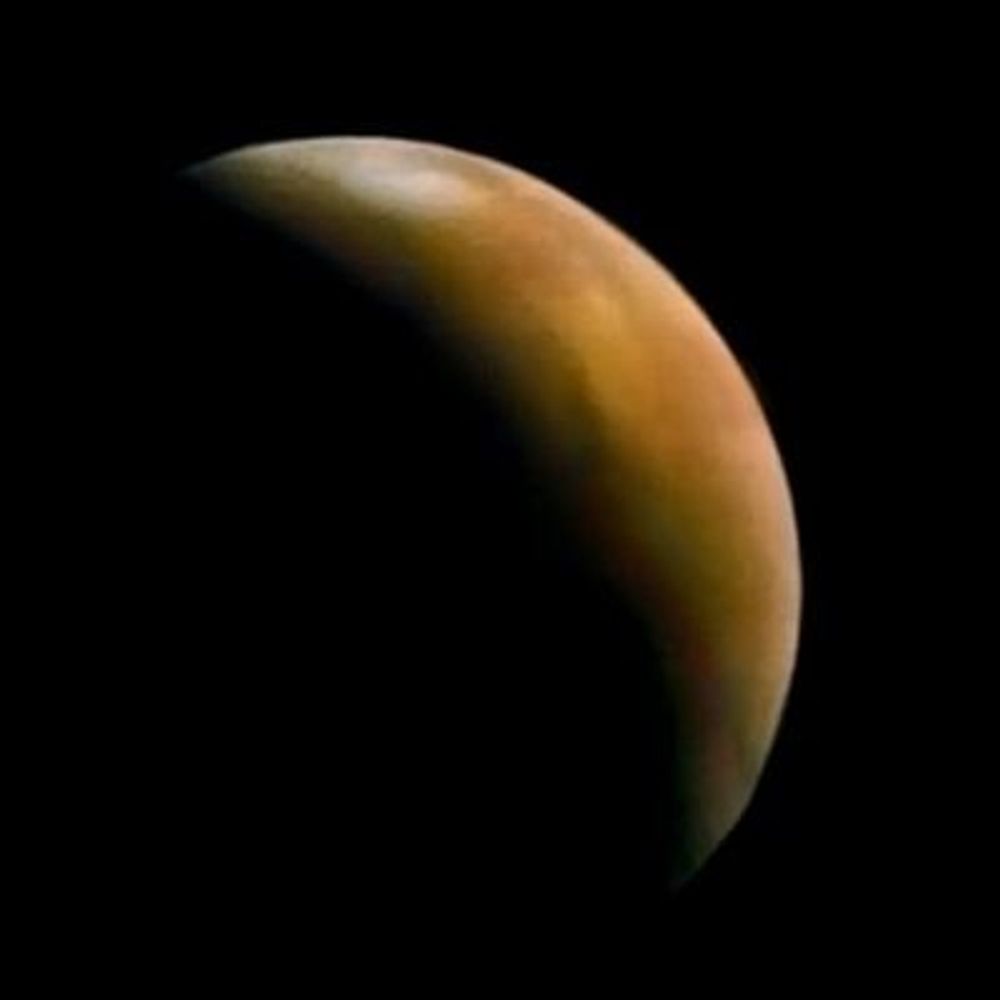
The largest prograde (orbit in the same direction as the planet rotates) moons of Neptune from Voyager 2. Nereid was the only one know prior to Voyager's approach. Please note that given what Bluesky does to photos, I can't guarantee the pixel scale is still as advertised.

June 19, 2025 at 7:21 PM
The largest prograde (orbit in the same direction as the planet rotates) moons of Neptune from Voyager 2. Nereid was the only one know prior to Voyager's approach. Please note that given what Bluesky does to photos, I can't guarantee the pixel scale is still as advertised.
Reposted

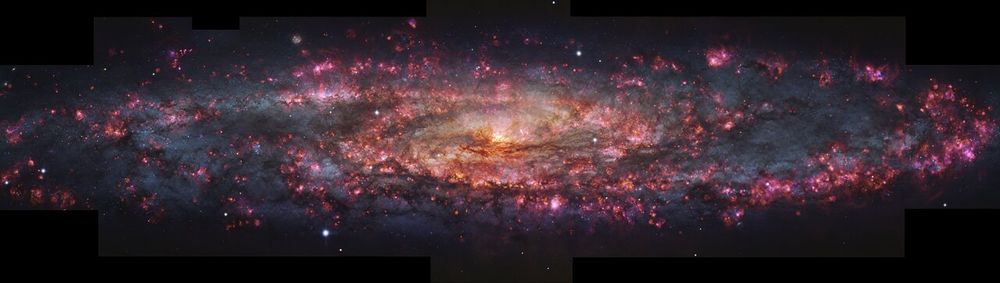
Astronomers have created a galactic masterpiece!
Using our VLT, they observed the Sculptor Galaxy in thousands of colours simultaneously 🌈
The more shades of colour there are in an image of a galaxy, the more we can learn about its inner workings.
Read more: www.eso.org/public/news/...
🔭 🧪 ☄️
Using our VLT, they observed the Sculptor Galaxy in thousands of colours simultaneously 🌈
The more shades of colour there are in an image of a galaxy, the more we can learn about its inner workings.
Read more: www.eso.org/public/news/...
🔭 🧪 ☄️
June 18, 2025 at 12:05 PM
Astronomers have created a galactic masterpiece!
Using our VLT, they observed the Sculptor Galaxy in thousands of colours simultaneously 🌈
The more shades of colour there are in an image of a galaxy, the more we can learn about its inner workings.
Read more: www.eso.org/public/news/...
🔭 🧪 ☄️
Using our VLT, they observed the Sculptor Galaxy in thousands of colours simultaneously 🌈
The more shades of colour there are in an image of a galaxy, the more we can learn about its inner workings.
Read more: www.eso.org/public/news/...
🔭 🧪 ☄️
Processed a resolved image of near-Earth asteroid 2002 NY40 taken in August 2002 by the US Department of Defense’s AEOS.

June 17, 2025 at 3:25 PM
Processed a resolved image of near-Earth asteroid 2002 NY40 taken in August 2002 by the US Department of Defense’s AEOS.
Processed New Horizons’s view of Kerberos

June 13, 2025 at 8:00 PM
Processed New Horizons’s view of Kerberos
Reposted
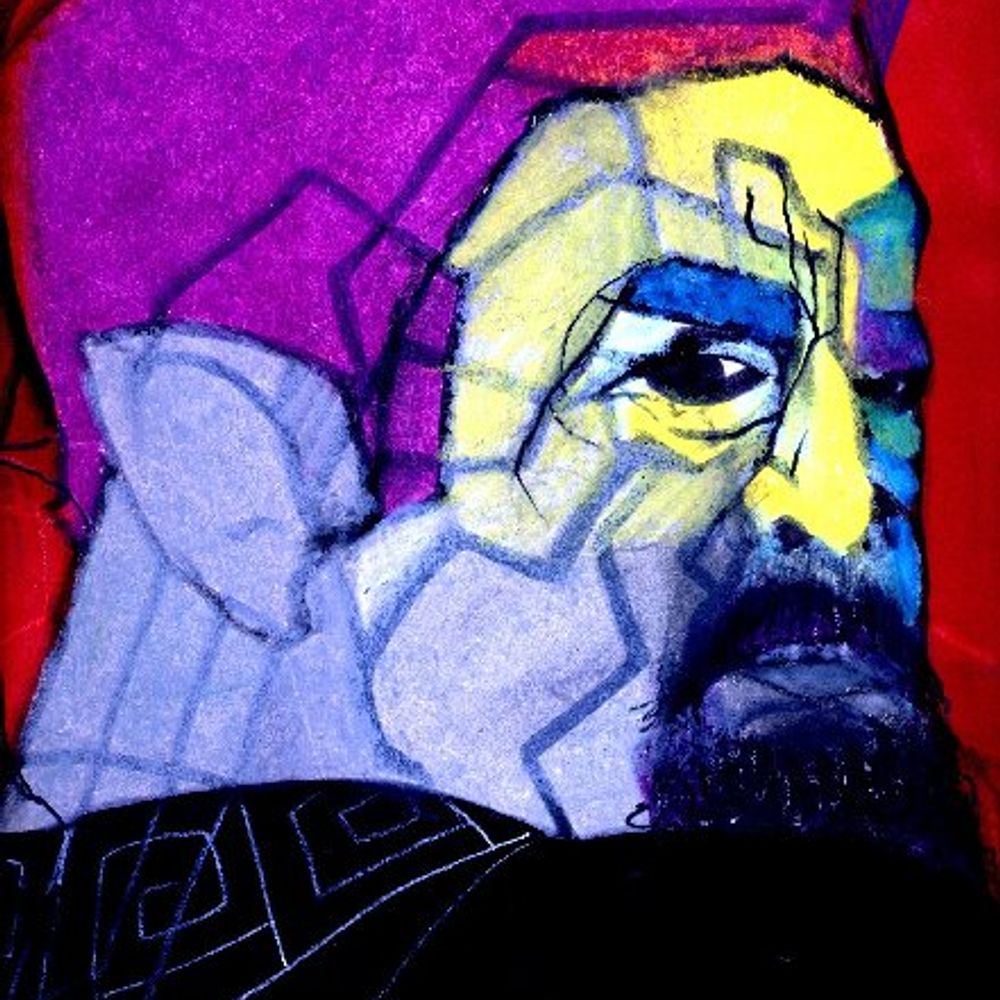
Piñata - 2025 #Nature #Art #AbstractArt #Painting #NaturalProcessPainting #FractalExpressionism #LorenGAN

June 13, 2025 at 1:06 PM
Processed Voyager 2’s best image of Cressida, a moon of Uranus.

June 11, 2025 at 1:33 PM
Processed Voyager 2’s best image of Cressida, a moon of Uranus.
Reposted

So I just woke up to hear that 2002 MS4, the largest unnamed Solar System object and the almost-dwarf planet with a huge crater, FINALLY got an official name after... (checks notes) 23 years.
A huge warm welcome to 307261 Máni!! 🔭
www.wgsbn-iau.org/files/Bullet...
A huge warm welcome to 307261 Máni!! 🔭
www.wgsbn-iau.org/files/Bullet...

June 9, 2025 at 3:51 PM
So I just woke up to hear that 2002 MS4, the largest unnamed Solar System object and the almost-dwarf planet with a huge crater, FINALLY got an official name after... (checks notes) 23 years.
A huge warm welcome to 307261 Máni!! 🔭
www.wgsbn-iau.org/files/Bullet...
A huge warm welcome to 307261 Máni!! 🔭
www.wgsbn-iau.org/files/Bullet...
A pride themed collage I made out of space images last year. Happy pride month to all 💖

June 1, 2025 at 12:30 PM
A pride themed collage I made out of space images last year. Happy pride month to all 💖
Reposted
Things can change fast. The US, after a dominant 1970s in terms of missions launched, launched now planetary spacecraft from August 18, 1978 until May 4, 1989. During that time, the Soviet Union continued to explore our planetary neighbors. The 1989 US launches were long delayed missions.


May 31, 2025 at 9:06 PM
Things can change fast. The US, after a dominant 1970s in terms of missions launched, launched now planetary spacecraft from August 18, 1978 until May 4, 1989. During that time, the Soviet Union continued to explore our planetary neighbors. The 1989 US launches were long delayed missions.
Processed the Galileo spacecraft’s best image of Jupiter’s moon, Thebe.

May 26, 2025 at 4:27 PM
Processed the Galileo spacecraft’s best image of Jupiter’s moon, Thebe.
Reposted

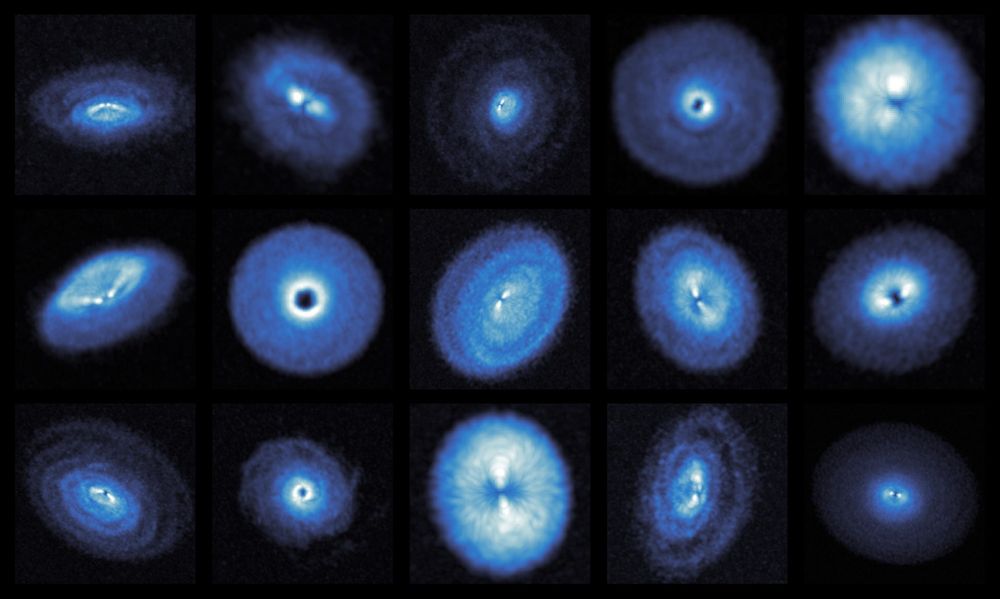
I recently visited the ALMA observatory in Chile. While I was poking around the telescopes, ALMA researchers released amazing new views of planet-forming disks around young stars.
These are the most detailed images yet of new solar systems being born. 🧪🔭
public.nrao.edu/news/exoalma/
These are the most detailed images yet of new solar systems being born. 🧪🔭
public.nrao.edu/news/exoalma/
May 22, 2025 at 3:46 AM
I recently visited the ALMA observatory in Chile. While I was poking around the telescopes, ALMA researchers released amazing new views of planet-forming disks around young stars.
These are the most detailed images yet of new solar systems being born. 🧪🔭
public.nrao.edu/news/exoalma/
These are the most detailed images yet of new solar systems being born. 🧪🔭
public.nrao.edu/news/exoalma/
Reposted
May 19, 2025 at 6:42 AM
Desmeared and processed Voyager 2’s best images of Neptune’s moons, Galatea and Naiad.


May 4, 2025 at 8:31 PM
Desmeared and processed Voyager 2’s best images of Neptune’s moons, Galatea and Naiad.
Reposted
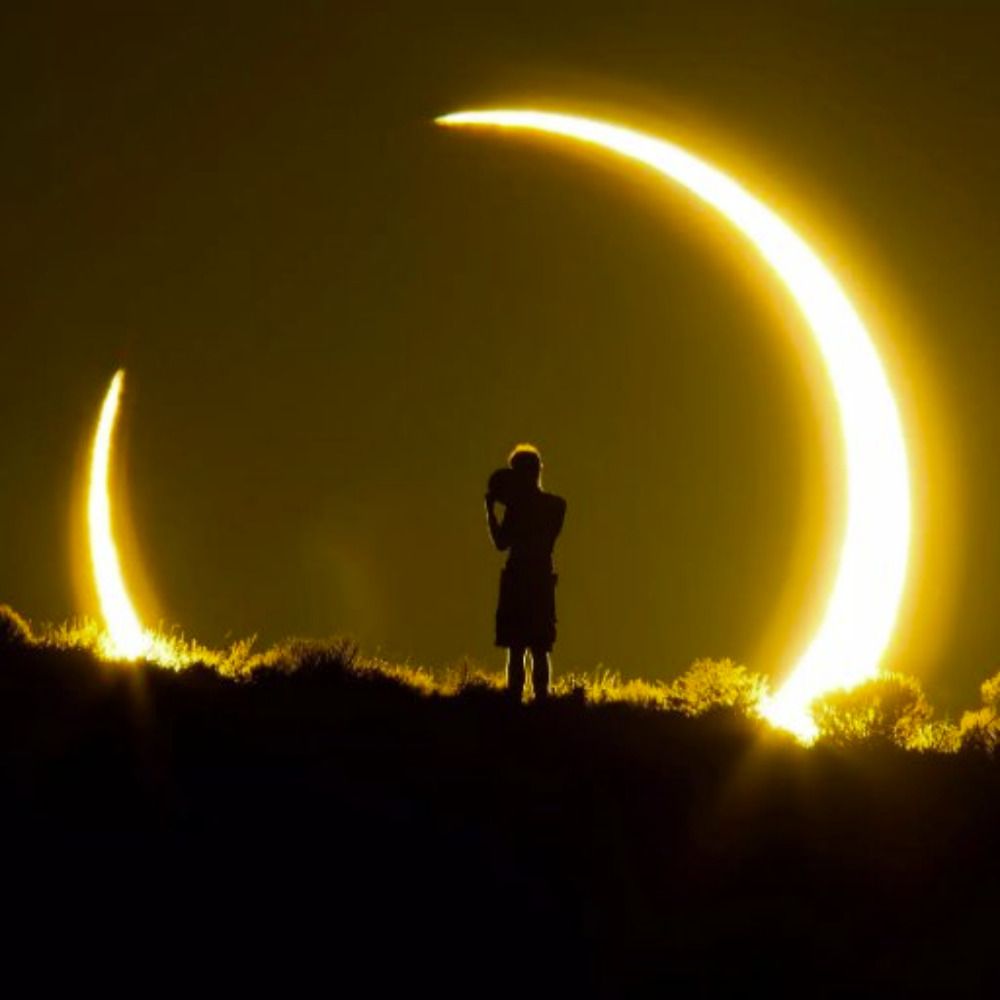
The speed of light visualized on a cosmic scale.
Credit: Dr James O'Donoghue
Credit: Dr James O'Donoghue
May 4, 2025 at 12:57 AM
The speed of light visualized on a cosmic scale.
Credit: Dr James O'Donoghue
Credit: Dr James O'Donoghue
Processed Voyager 2’s best image of Neptune’s moon, Despina.

May 3, 2025 at 11:50 PM
Processed Voyager 2’s best image of Neptune’s moon, Despina.
Reposted
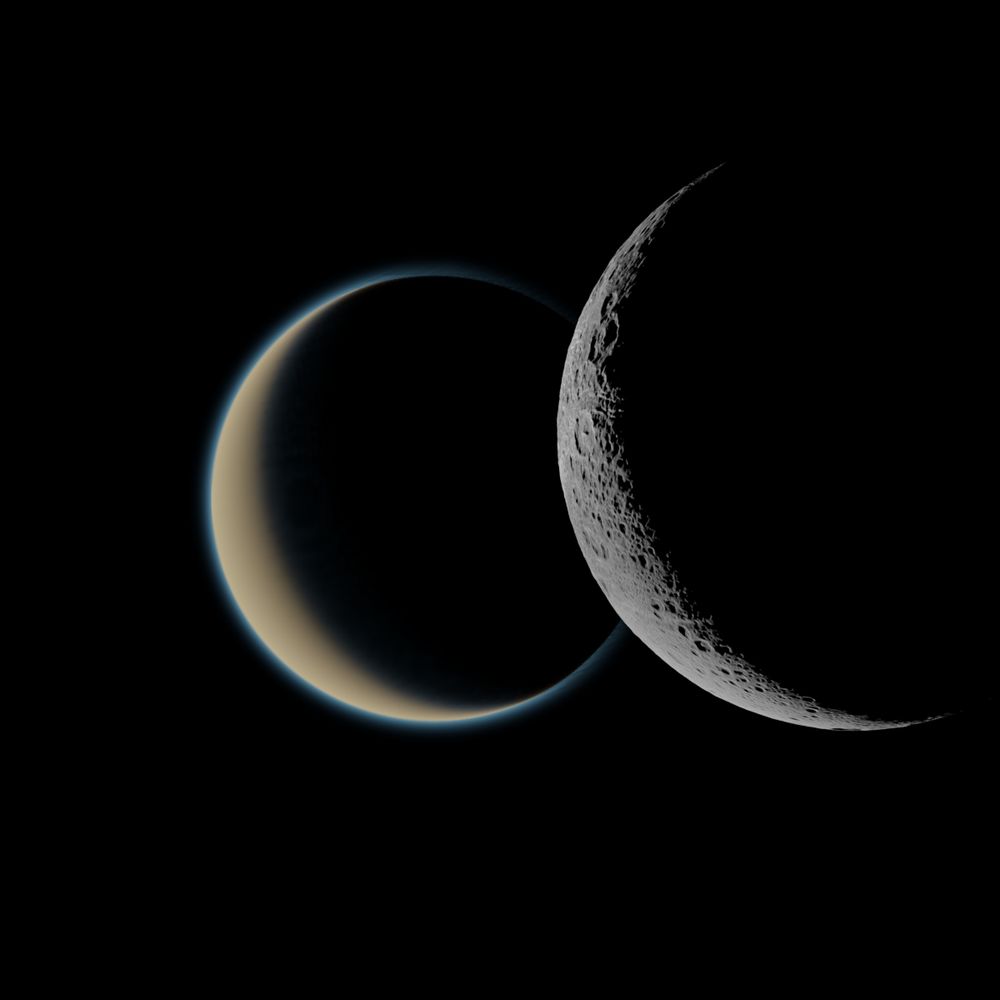
I'm developing an open source program with GUI that stores a variety of space photometry and converts them to color, TrueColorTools.
It can also process images and generate color charts. Here's the latest table of some featured objects (geometric albedo mode, sRGB color space, Illuminant E)
It can also process images and generate color charts. Here's the latest table of some featured objects (geometric albedo mode, sRGB color space, Illuminant E)

May 3, 2025 at 8:22 PM
I'm developing an open source program with GUI that stores a variety of space photometry and converts them to color, TrueColorTools.
It can also process images and generate color charts. Here's the latest table of some featured objects (geometric albedo mode, sRGB color space, Illuminant E)
It can also process images and generate color charts. Here's the latest table of some featured objects (geometric albedo mode, sRGB color space, Illuminant E)
Processed Cassini and New Horizons’s best images of Jupiter’s largest irregular moon, Himalia.


May 3, 2025 at 1:35 PM
Processed Cassini and New Horizons’s best images of Jupiter’s largest irregular moon, Himalia.
Processed the Galileo spacecraft’s best image of Metis, the closest moon of Jupiter.

May 1, 2025 at 10:24 PM
Processed the Galileo spacecraft’s best image of Metis, the closest moon of Jupiter.
Reposted
More of the surface of Triton at 360 meters/pixel from Voyager 2 in 1989. To the lower left, the relatively flat surface of a frozen nitrogen lake can be seen, with multiple islands interrupting it.

April 30, 2025 at 10:33 PM
More of the surface of Triton at 360 meters/pixel from Voyager 2 in 1989. To the lower left, the relatively flat surface of a frozen nitrogen lake can be seen, with multiple islands interrupting it.
Processed the Galileo spacecraft’s best image of the fifth largest moon of Jupiter, Amalthea. It’s prolifically cratered leading hemisphere is on the left, Lyctos and Ida facula are on the right, Pan is the large crater on the top left, and Gaea’s facula is on the bottom right.

April 19, 2025 at 4:39 PM
Processed the Galileo spacecraft’s best image of the fifth largest moon of Jupiter, Amalthea. It’s prolifically cratered leading hemisphere is on the left, Lyctos and Ida facula are on the right, Pan is the large crater on the top left, and Gaea’s facula is on the bottom right.
Processed images of asteroid (2) Pallas taken by the Very Large Telescope under Michael Marsset’s proposal between December 2022 and March 2023


March 27, 2025 at 11:28 AM
Processed images of asteroid (2) Pallas taken by the Very Large Telescope under Michael Marsset’s proposal between December 2022 and March 2023