



Charlotte Streitferdt
@cstreitferdt.bsky.social
Bio MS Student at Uni Konstanz
interested in functional morphology, movement ecology, animal behavior and cognition in particular of large carnivorans 🐅🐆
🐻amateur ursid enthusiast and fan of creepy crawlies 🦇🕷🐍
interested in functional morphology, movement ecology, animal behavior and cognition in particular of large carnivorans 🐅🐆
🐻amateur ursid enthusiast and fan of creepy crawlies 🦇🕷🐍
Reposted by Charlotte Streitferdt

This is an excellent piece and thread. This point is really important— I don't think most people outside of academia realize that separate from normal processing fees in high-impact journals, we actually have to pay to make our own papers open access. This is only sometimes covered by institutions.

As reported by the @splcenter.org, anti-trans pseudoscience groups often pay the open-access fees for researchers with friendly viewpoints.
It needs to be studied further, but this strategy seems to work for AI search. Many cited articles had their open access fees paid by an anti-trans group.
It needs to be studied further, but this strategy seems to work for AI search. Many cited articles had their open access fees paid by an anti-trans group.
![Screenshotted text.
One might imagine that algorithms like these could improve their answers to medical questions if they restricted themselves to citing the academic literature, rather than potentially partisan blogs—that is, sticking to the “science.” However, pseudoscientific disinformation campaigns are often laundered through the scientific literature itself, creating additional challenges for algorithmic systems hoping to do scientific boundary work. Prior reporting has documented how SEGM pays for open-access fees for authors publishing research congenial to their anti-transgender stances, so that their work will be freely accessible to the public instead of hidden behind paywalls. This also means, however, that the text of these articles is available to algorithmically generated search summaries like Google Search, which often cites their claims via publicly accessible text.[13] Two out of the three peer-reviewed scientific articles cited in the above summary on detransition had their open-access fees paid for by SEGM, of these, one suggests that existing research on detransition rates is flawed, and the other suggests it is higher than is widely reported. One of the articles was authored by someone whose only listed affiliation was SEGM itself.](https://cdn.bsky.app/img/feed_thumbnail/plain/did:plc:tsuexertapdaedikorpy27ck/bafkreibosvmqwvc4ddmc5aipn4awqu4hexq34cn4vtupz4eucbdgymojga@jpeg)
May 19, 2025 at 11:21 PM
This is an excellent piece and thread. This point is really important— I don't think most people outside of academia realize that separate from normal processing fees in high-impact journals, we actually have to pay to make our own papers open access. This is only sometimes covered by institutions.
Reposted by Charlotte Streitferdt

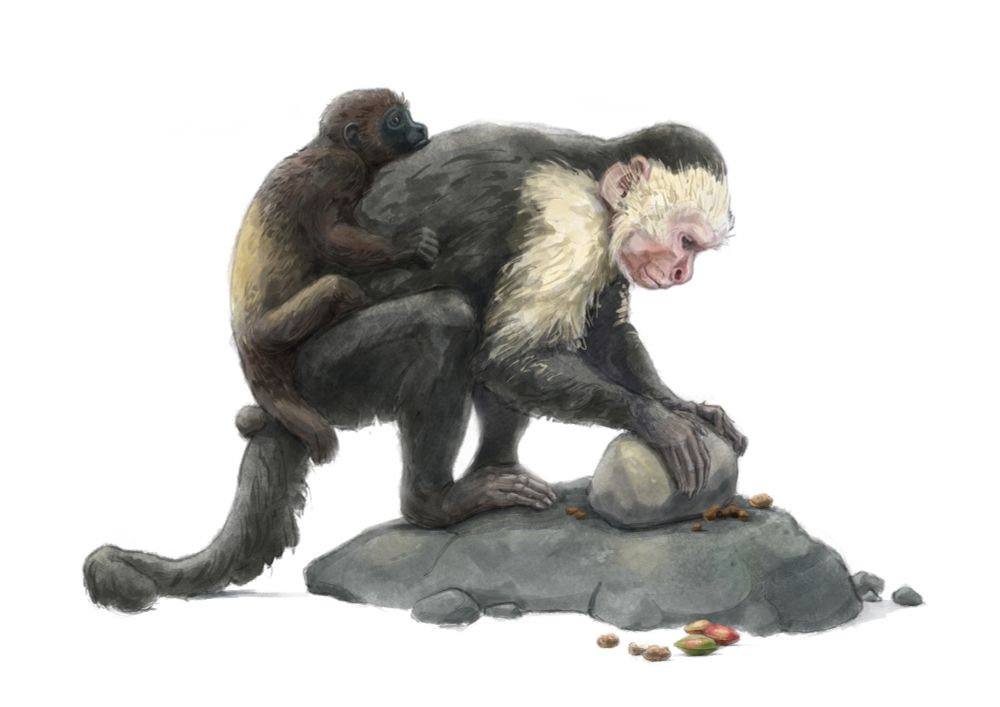
Humans have many unusual traditions. But did you know animals’ strange behaviors can become culture too? Out now in Current Biology (doi.org/10.1016/j.cu...) we show the rise and spread of a surprising tradition: interspecies infant abduction. Interactive timeline (www.ab.mpg.de/671374) 🧵 (1/12)
May 19, 2025 at 3:07 PM
Humans have many unusual traditions. But did you know animals’ strange behaviors can become culture too? Out now in Current Biology (doi.org/10.1016/j.cu...) we show the rise and spread of a surprising tradition: interspecies infant abduction. Interactive timeline (www.ab.mpg.de/671374) 🧵 (1/12)
Reposted by Charlotte Streitferdt
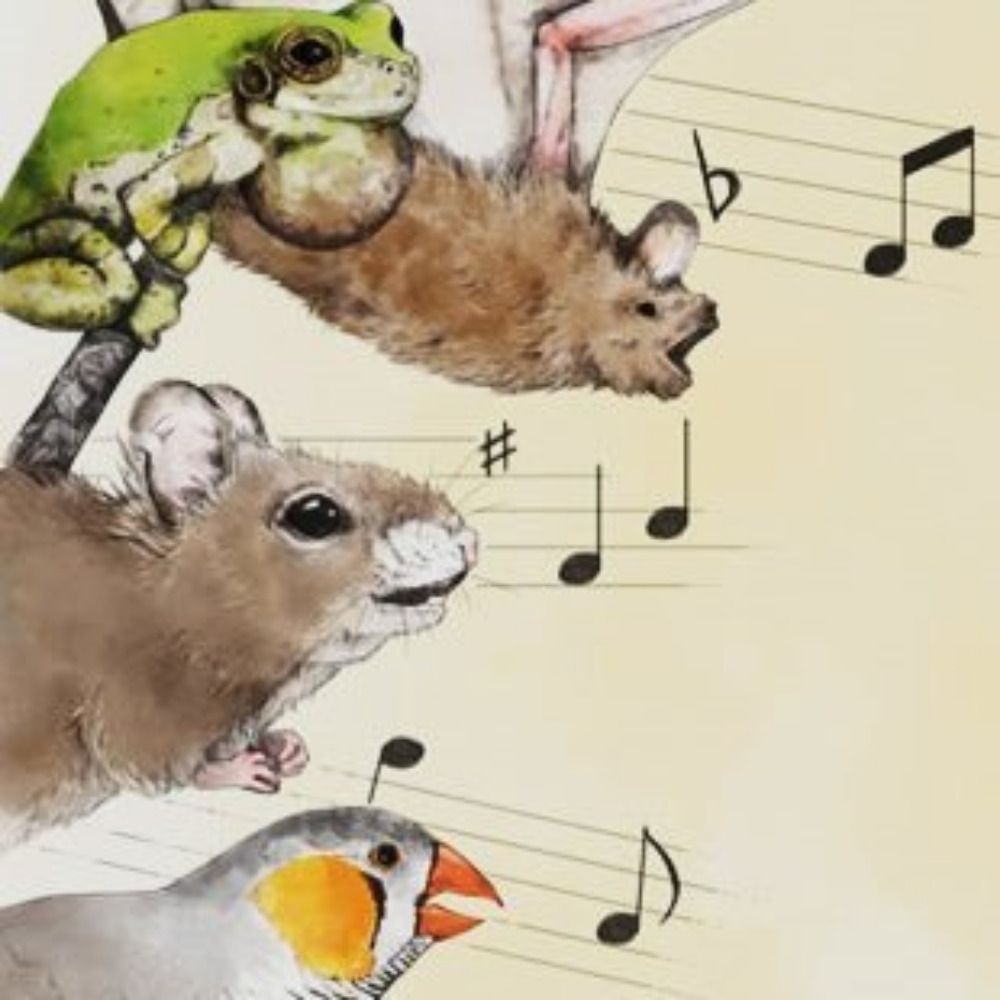
🦇👶 batble 👶🦇
@ahanaaurora.bsky.social et al. ( @berlinbatlab.bsky.social) show in @elife.bsky.social that feedback from moms shapes baby bat babbling
via "longitudinal ... recordings & behavioral monitoring of ... mother-pup pairs across [multiple colonies]" 🤯 lotta data!
#prattle 💬
#bioacoustics
@ahanaaurora.bsky.social et al. ( @berlinbatlab.bsky.social) show in @elife.bsky.social that feedback from moms shapes baby bat babbling
via "longitudinal ... recordings & behavioral monitoring of ... mother-pup pairs across [multiple colonies]" 🤯 lotta data!
#prattle 💬
#bioacoustics
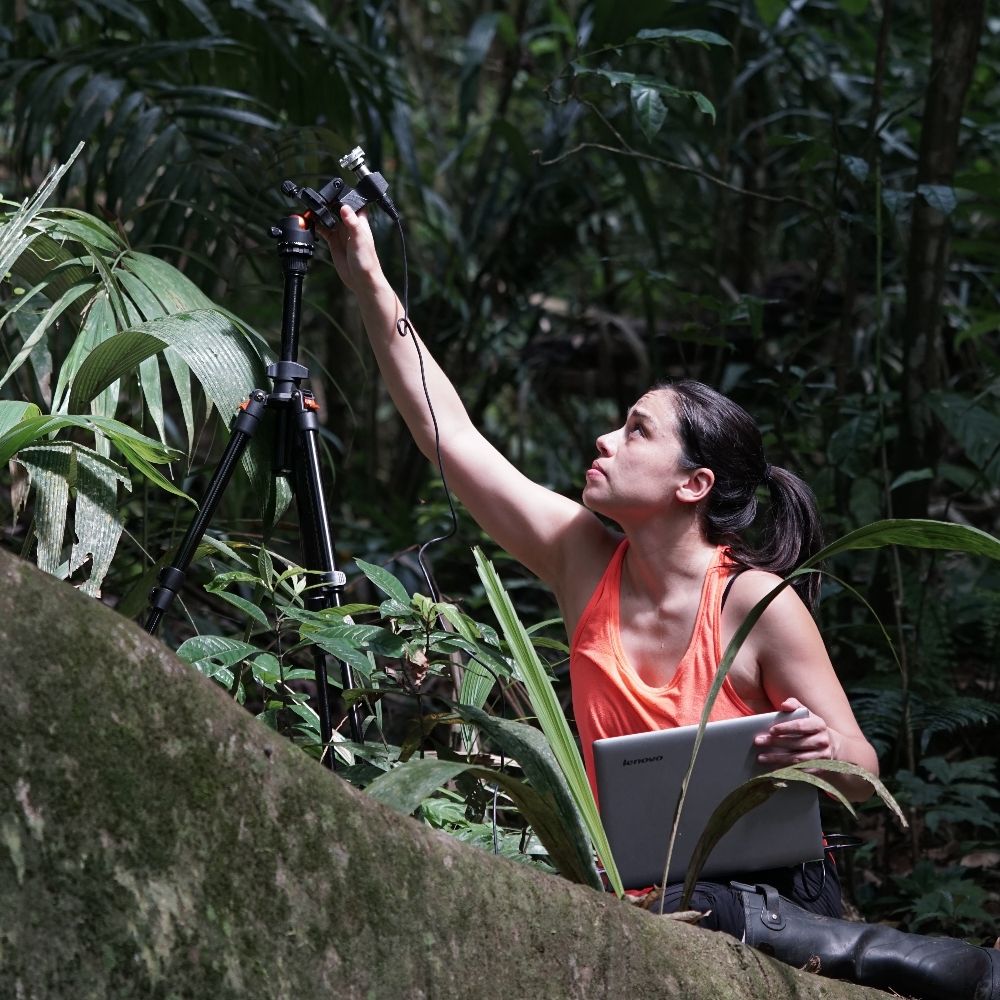
Ever wondered how baby bats learn to sing? 🦇🎶
Turns out, their moms support their practice! Our study shows that maternal feedback leads to:
More vocal practice
Higher song syllable versatility
More mature song syllables
🔗https://elifesciences.org/articles/99474
elifesciences.org/digests/9947...
Turns out, their moms support their practice! Our study shows that maternal feedback leads to:
More vocal practice
Higher song syllable versatility
More mature song syllables
🔗https://elifesciences.org/articles/99474
elifesciences.org/digests/9947...

May 18, 2025 at 4:12 PM
🦇👶 batble 👶🦇
@ahanaaurora.bsky.social et al. ( @berlinbatlab.bsky.social) show in @elife.bsky.social that feedback from moms shapes baby bat babbling
via "longitudinal ... recordings & behavioral monitoring of ... mother-pup pairs across [multiple colonies]" 🤯 lotta data!
#prattle 💬
#bioacoustics
@ahanaaurora.bsky.social et al. ( @berlinbatlab.bsky.social) show in @elife.bsky.social that feedback from moms shapes baby bat babbling
via "longitudinal ... recordings & behavioral monitoring of ... mother-pup pairs across [multiple colonies]" 🤯 lotta data!
#prattle 💬
#bioacoustics
Reposted by Charlotte Streitferdt
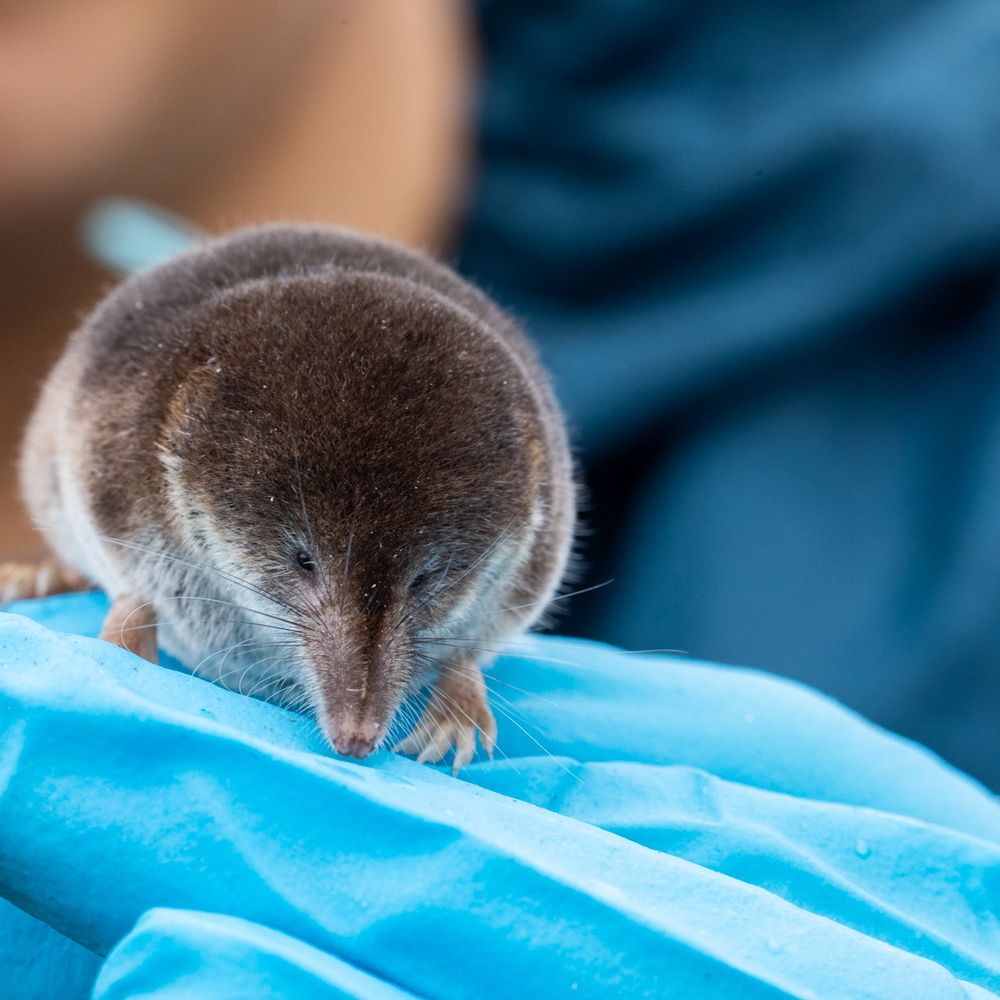
🚨Shrew paper alert!🚨
In @elife.bsky.social, in this paper led by @labdavalos.bsky.social we found that shrews reprogram their hypothalamus to shrink in winter, tweaking gene expression to save energy and survive the cold!
👉🏼 doi.org/10.7554/eLif...
@dechman.bsky.social @mpi-animalbehav.bsky.social
In @elife.bsky.social, in this paper led by @labdavalos.bsky.social we found that shrews reprogram their hypothalamus to shrink in winter, tweaking gene expression to save energy and survive the cold!
👉🏼 doi.org/10.7554/eLif...
@dechman.bsky.social @mpi-animalbehav.bsky.social

Seasonal and comparative evidence of adaptive gene expression in mammalian brain size plasticity
Adaptive gene expression in the common shrew hypothalamus connects energy homeostasis with reversible brain size changes in response to seasonal environmental challenges.
doi.org
May 2, 2025 at 12:58 PM
🚨Shrew paper alert!🚨
In @elife.bsky.social, in this paper led by @labdavalos.bsky.social we found that shrews reprogram their hypothalamus to shrink in winter, tweaking gene expression to save energy and survive the cold!
👉🏼 doi.org/10.7554/eLif...
@dechman.bsky.social @mpi-animalbehav.bsky.social
In @elife.bsky.social, in this paper led by @labdavalos.bsky.social we found that shrews reprogram their hypothalamus to shrink in winter, tweaking gene expression to save energy and survive the cold!
👉🏼 doi.org/10.7554/eLif...
@dechman.bsky.social @mpi-animalbehav.bsky.social
Reposted by Charlotte Streitferdt

For German and French speakers interested in animal culture, this doco will be well worth 43 mins of your time. For everyone else, great tits solving puzzle boxes speak for themselves 🐦🧩🧠@lucymaplin.bsky.social @mchimento.bsky.social
www.arte.tv/de/videos/11...
www.arte.tv/de/videos/11...
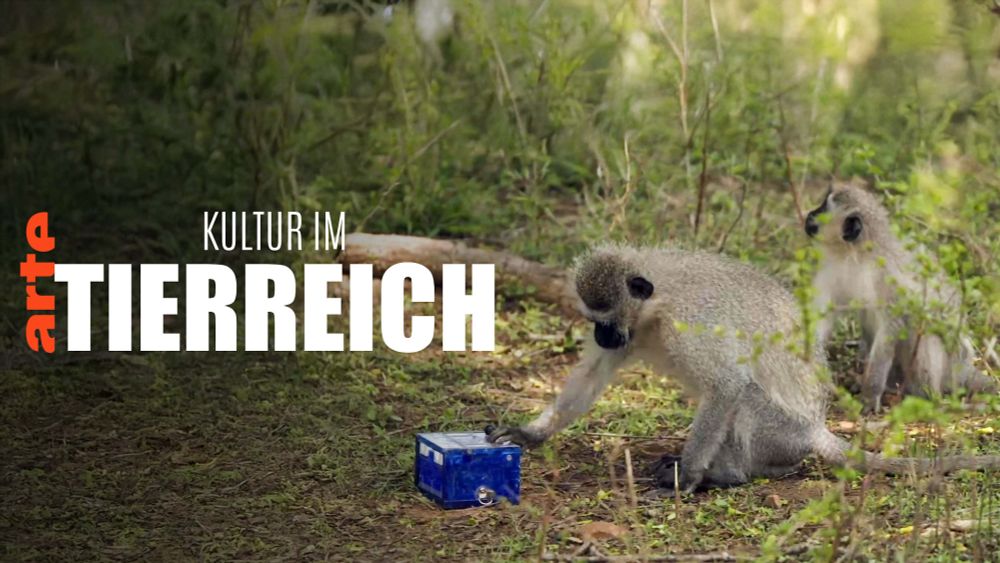
Kultur im Tierreich - Voneinander lernen - Die ganze Doku | ARTE
Bei Menschen wie bei Tieren beruht die Weitergabe von Kultur auf sozialem Lernen. Vier Arten geben Einblicke in die Kulturvermittlung im Tierreich: Kohlmeisen und Grünmeerkatzen lernen die Tricks der ...
www.arte.tv
May 5, 2025 at 2:52 PM
For German and French speakers interested in animal culture, this doco will be well worth 43 mins of your time. For everyone else, great tits solving puzzle boxes speak for themselves 🐦🧩🧠@lucymaplin.bsky.social @mchimento.bsky.social
www.arte.tv/de/videos/11...
www.arte.tv/de/videos/11...
Reposted by Charlotte Streitferdt

🚨 Out this week in @pnas.org 🚨
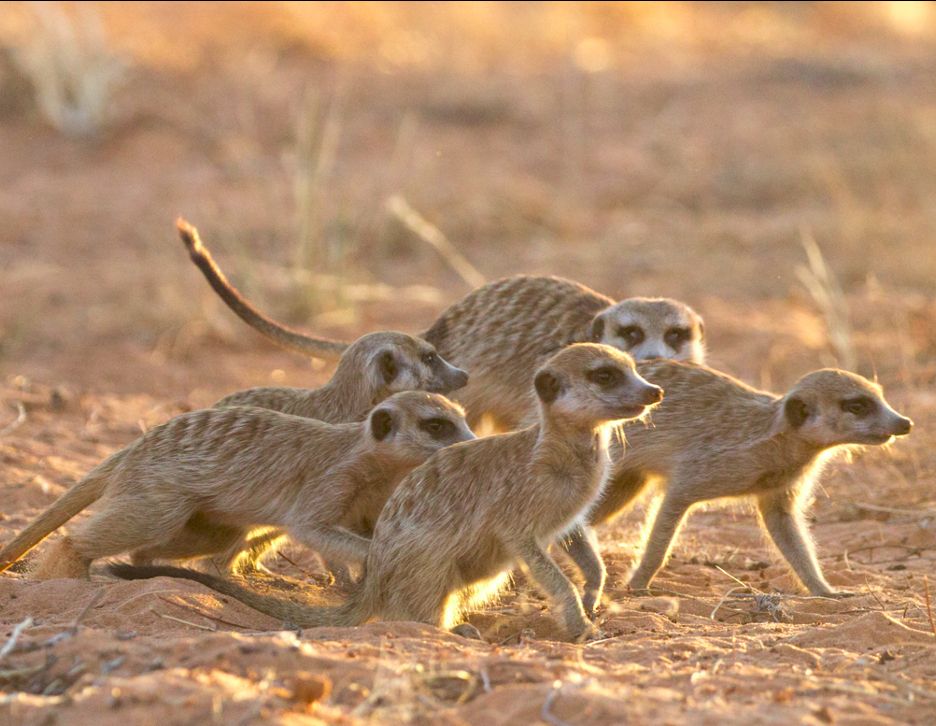
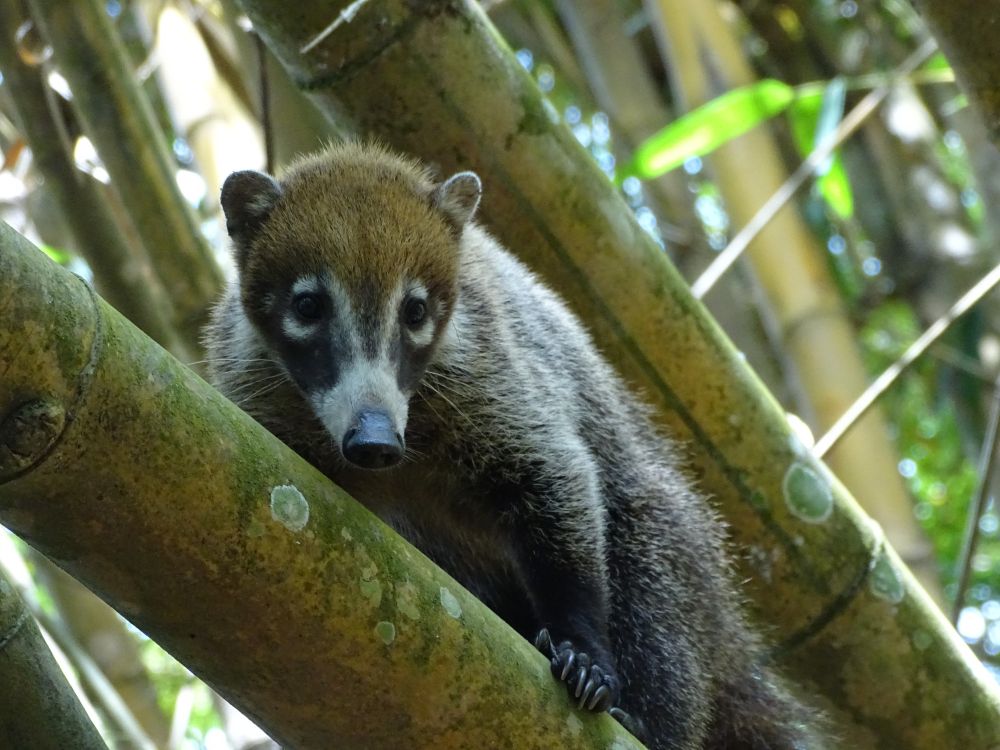
The flagship paper from my PhD @mpi-animalbehav.bsky.social @livingingroups.bsky.social - We show surprising statistical similarities in animal behaviour across states, individuals, and even species.
www.pnas.org/doi/10.1073/...
(🧵 1/10)
The flagship paper from my PhD @mpi-animalbehav.bsky.social @livingingroups.bsky.social - We show surprising statistical similarities in animal behaviour across states, individuals, and even species.
www.pnas.org/doi/10.1073/...
(🧵 1/10)
May 16, 2025 at 11:40 AM
🚨 Out this week in @pnas.org 🚨
The flagship paper from my PhD @mpi-animalbehav.bsky.social @livingingroups.bsky.social - We show surprising statistical similarities in animal behaviour across states, individuals, and even species.
www.pnas.org/doi/10.1073/...
(🧵 1/10)
The flagship paper from my PhD @mpi-animalbehav.bsky.social @livingingroups.bsky.social - We show surprising statistical similarities in animal behaviour across states, individuals, and even species.
www.pnas.org/doi/10.1073/...
(🧵 1/10)
Reposted by Charlotte Streitferdt

Tool use in insects: Assassin bugs apply resin to their forelegs before a stingless bee hunt. This makes the bees attack the bug in just the right position to be caught!
Videos will worth watching
www.pnas.org/doi/full/10....
Videos will worth watching
www.pnas.org/doi/full/10....
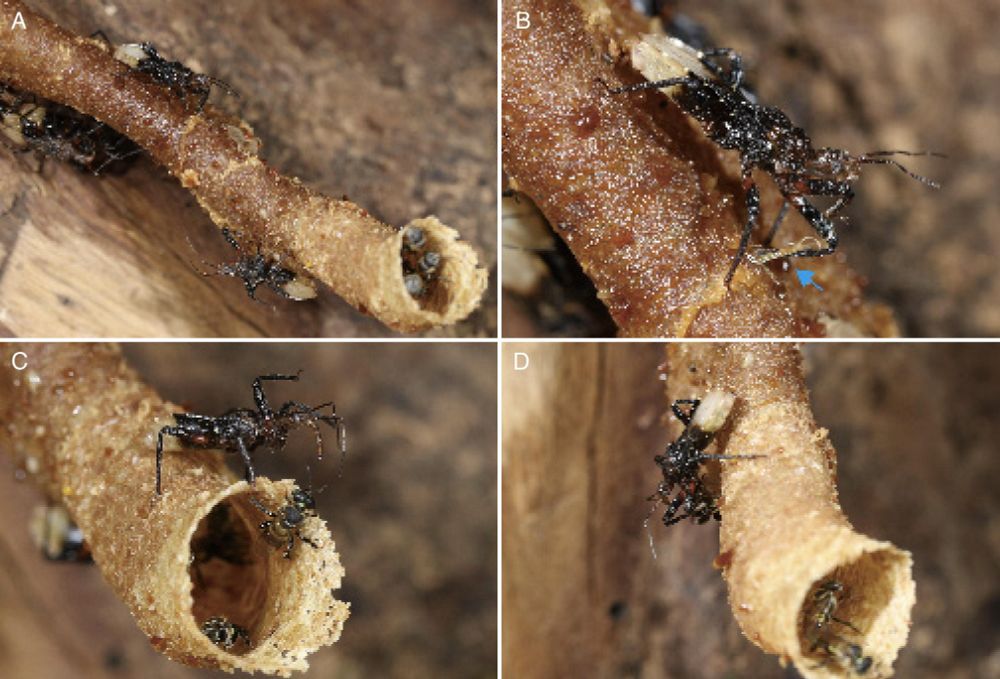
Tool use aids prey-fishing in a specialist predator of stingless bees | PNAS
Tool use is widely reported across a broad range of the animal kingdom, yet comprehensive
empirical tests of its function and evolutionary drivers ...
www.pnas.org
May 17, 2025 at 3:54 AM
Tool use in insects: Assassin bugs apply resin to their forelegs before a stingless bee hunt. This makes the bees attack the bug in just the right position to be caught!
Videos will worth watching
www.pnas.org/doi/full/10....
Videos will worth watching
www.pnas.org/doi/full/10....
Reposted by Charlotte Streitferdt

Wild! “Researchers have concluded that too many older fish have been removed from these waters, preventing the knowledge of the best spawning grounds being passed to younger, less experienced fish.”

May 11, 2025 at 2:02 PM
Wild! “Researchers have concluded that too many older fish have been removed from these waters, preventing the knowledge of the best spawning grounds being passed to younger, less experienced fish.”
Reposted by Charlotte Streitferdt

If you happen to see a friend across the street, odds are you might raise an arm and wiggle your hand to say hello. Cuttlefish apparently do something similar—and that’s not the only arm gesture they use to communicate.
Learn more: scim.ag/4j5nmQv
Learn more: scim.ag/4j5nmQv
May 13, 2025 at 7:50 PM
If you happen to see a friend across the street, odds are you might raise an arm and wiggle your hand to say hello. Cuttlefish apparently do something similar—and that’s not the only arm gesture they use to communicate.
Learn more: scim.ag/4j5nmQv
Learn more: scim.ag/4j5nmQv
Reposted by Charlotte Streitferdt
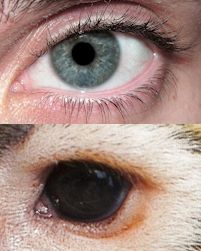
Due to the whites of the eye, humans have a uniquely communicative gaze. Other primates have dark eyes, hiding their gaze from conspecifics. We cooperate, they compete. Common knowledge – right? Yes, but it’s incorrect, as we argue in our new paper 🧵🧪1/11
onlinelibrary.wiley.com/doi/10.1111/...
onlinelibrary.wiley.com/doi/10.1111/...
May 15, 2025 at 7:26 PM
Due to the whites of the eye, humans have a uniquely communicative gaze. Other primates have dark eyes, hiding their gaze from conspecifics. We cooperate, they compete. Common knowledge – right? Yes, but it’s incorrect, as we argue in our new paper 🧵🧪1/11
onlinelibrary.wiley.com/doi/10.1111/...
onlinelibrary.wiley.com/doi/10.1111/...
Reposted by Charlotte Streitferdt
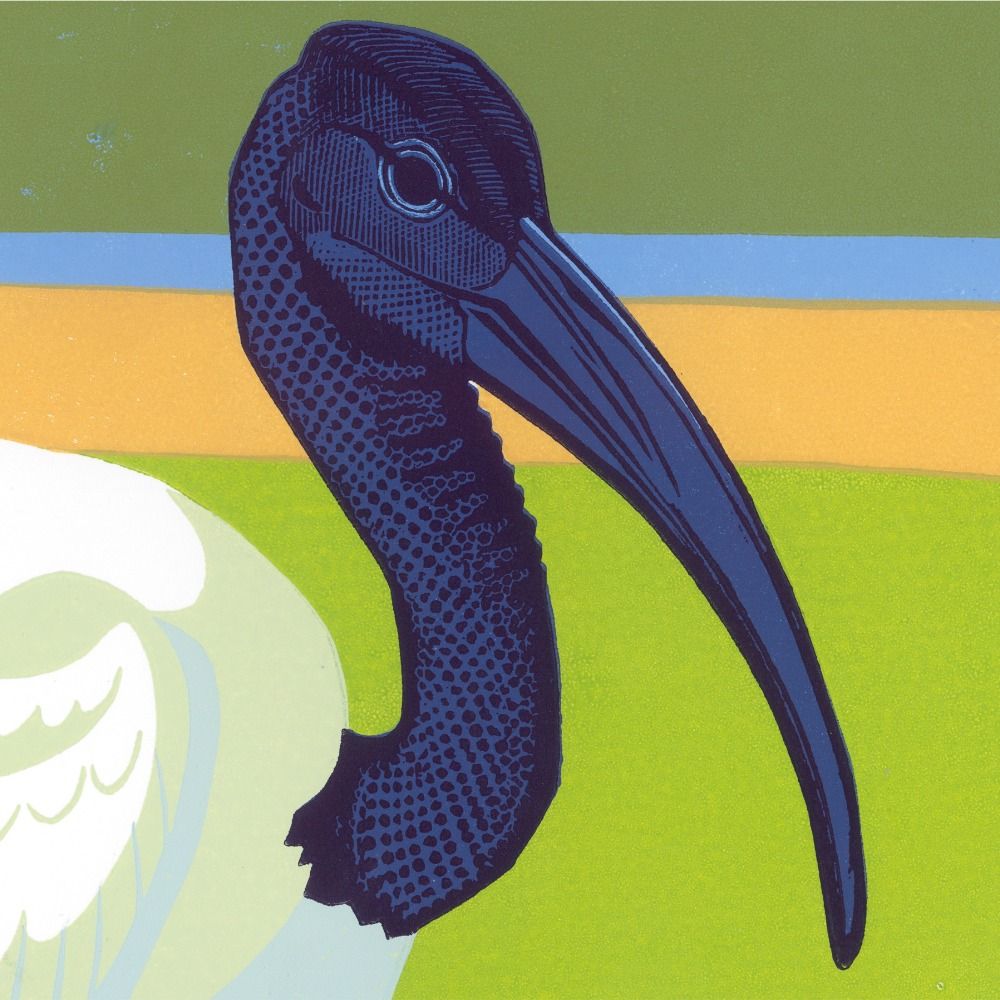
The Neophobia Hypothesis: nest decoration in birds may reduce predation by corvids | doi.org/10.1098/rsos... | Royal Society Open Science | #ornithology 🪶

May 15, 2025 at 5:59 PM
The Neophobia Hypothesis: nest decoration in birds may reduce predation by corvids | doi.org/10.1098/rsos... | Royal Society Open Science | #ornithology 🪶
Reposted by Charlotte Streitferdt

It’s finally out!! Our new study shows that wild geladas seem to recognize prosocial vocal affiliation to victims of aggression! A key insight into the evolution of empathy in primates 🔊🐒 @geladasbridges.bsky.social @ethos-research.bsky.social
journals.plos.org/plosone/arti...
journals.plos.org/plosone/arti...
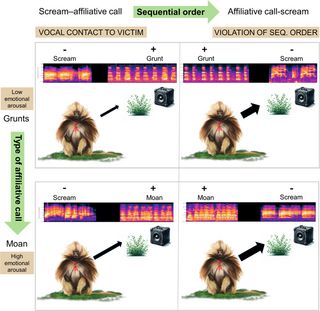
Wild gelada monkeys detect emotional and prosocial cues in vocal exchanges during aggression
Recognizing vocal behaviours intended to benefit others is a crucial yet understudied social skill. Primates with rich vocal repertoires and complex societies are excellent models to track the evoluti...
journals.plos.org
May 15, 2025 at 7:25 AM
It’s finally out!! Our new study shows that wild geladas seem to recognize prosocial vocal affiliation to victims of aggression! A key insight into the evolution of empathy in primates 🔊🐒 @geladasbridges.bsky.social @ethos-research.bsky.social
journals.plos.org/plosone/arti...
journals.plos.org/plosone/arti...
Reposted by Charlotte Streitferdt

"Findings suggest that compositionality [the capacity to combine meaningful elements into larger meaningful structures] is a prominent feature of the bonobo vocal system revealing stronger parallels with human language than previously thought." Fascinating work by @berthetmelissa.bsky.social et al.🧪

Extensive compositionality in the vocal system of bonobos
Compositionality, the capacity to combine meaningful elements into larger meaningful structures, is a hallmark of human language. Compositionality can be trivial (the combination’s meaning is the sum ...
www.science.org
April 3, 2025 at 6:45 PM
"Findings suggest that compositionality [the capacity to combine meaningful elements into larger meaningful structures] is a prominent feature of the bonobo vocal system revealing stronger parallels with human language than previously thought." Fascinating work by @berthetmelissa.bsky.social et al.🧪
Reposted by Charlotte Streitferdt
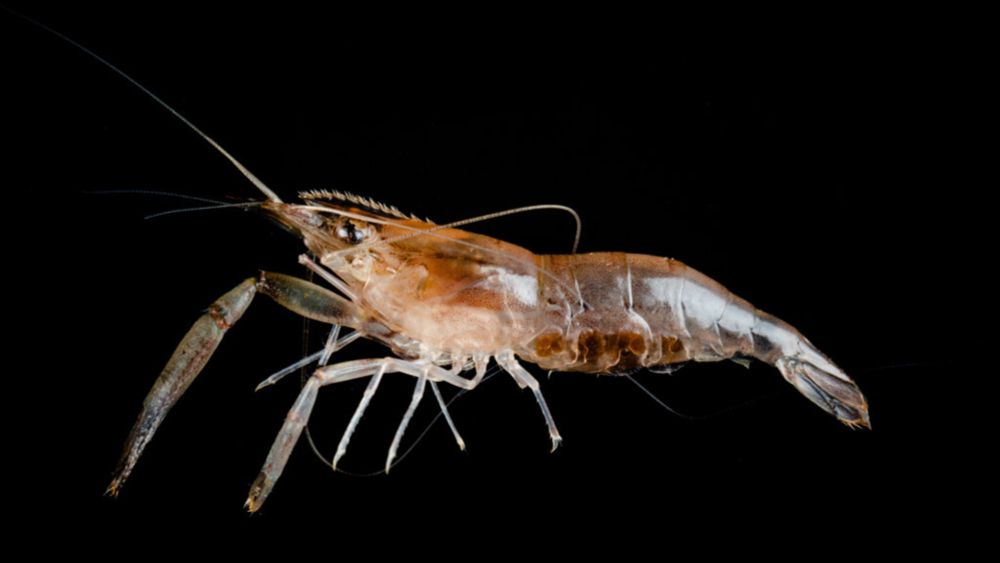
« If we cut or limit funding for curiosity-driven research, we risk shutting down the pipeline of future innovation. While the outcomes of basic science may seem unclear or esoteric at first, such work frequently forms the bedrock of future technologies, treatments, and therapies. »

April 3, 2025 at 8:41 PM
« If we cut or limit funding for curiosity-driven research, we risk shutting down the pipeline of future innovation. While the outcomes of basic science may seem unclear or esoteric at first, such work frequently forms the bedrock of future technologies, treatments, and therapies. »