




Cláudia Xavier
@claudiaxavier.bsky.social
biologist / zoologist / Ph.D researching about spiders at
@MuseuGoeldi / Taxonomy, Systematics, Morphology, CT scanning / writing about arachnids on @FaunaNews / Amazon 🇧🇷 / cake and coffee / PT/EN
@MuseuGoeldi / Taxonomy, Systematics, Morphology, CT scanning / writing about arachnids on @FaunaNews / Amazon 🇧🇷 / cake and coffee / PT/EN
Reposted by Cláudia Xavier

Exciting times ahead - I'm beyond delighted to be joining @bristolbiosci.bsky.social in 2026! 🎉🕷️🎉🐌🎉
I'm also looking for a PhD student to join @multipleye-lab.bsky.social in our new home! Come and study the effects of light pollution on the evolution and development of spider eyes with us 🌃🕷️👀 👇
I'm also looking for a PhD student to join @multipleye-lab.bsky.social in our new home! Come and study the effects of light pollution on the evolution and development of spider eyes with us 🌃🕷️👀 👇
October 17, 2025 at 1:38 PM
Exciting times ahead - I'm beyond delighted to be joining @bristolbiosci.bsky.social in 2026! 🎉🕷️🎉🐌🎉
I'm also looking for a PhD student to join @multipleye-lab.bsky.social in our new home! Come and study the effects of light pollution on the evolution and development of spider eyes with us 🌃🕷️👀 👇
I'm also looking for a PhD student to join @multipleye-lab.bsky.social in our new home! Come and study the effects of light pollution on the evolution and development of spider eyes with us 🌃🕷️👀 👇
Reposted by Cláudia Xavier

My first pseudoscorpion observation was pure luck. Happen to see this wasp and took a shot. It was only later did I see what was hanging on the antenna.
On iNaturalist [ www.inaturalist.org/observations... ]
On iNaturalist [ www.inaturalist.org/observations... ]

October 8, 2025 at 12:17 PM
My first pseudoscorpion observation was pure luck. Happen to see this wasp and took a shot. It was only later did I see what was hanging on the antenna.
On iNaturalist [ www.inaturalist.org/observations... ]
On iNaturalist [ www.inaturalist.org/observations... ]
Reposted by Cláudia Xavier

#microCT scan of the left palpal bulb (male copulatory organ) of a grass spider I found wandering Beckman's hallways last week! 😍(He was on his last legs when he was preserved for the scan). Taken in the Microscopy Suite of @beckmanillinois.bsky.social and rendered in the Visualization Lab.
October 8, 2025 at 4:16 PM
#microCT scan of the left palpal bulb (male copulatory organ) of a grass spider I found wandering Beckman's hallways last week! 😍(He was on his last legs when he was preserved for the scan). Taken in the Microscopy Suite of @beckmanillinois.bsky.social and rendered in the Visualization Lab.
Reposted by Cláudia Xavier

We love jumping spiders because they are smol, cute, active, friendly and always looking around curiously with their huge eyes. But do you know they’re also masters of mimicry? Check out the bugs they pretend to be (and some of those are really good)!💚💚

September 17, 2025 at 8:09 PM
We love jumping spiders because they are smol, cute, active, friendly and always looking around curiously with their huge eyes. But do you know they’re also masters of mimicry? Check out the bugs they pretend to be (and some of those are really good)!💚💚
Reposted by Cláudia Xavier

Using high-speed transnasal imaging, electroglottography, and acoustic analysis, this new #JRSocInterface paper studies ten distinct phonation types in a professional metal singer: royalsocietypublishing.org/doi/10.1098/... #biophysics

August 16, 2025 at 7:00 PM
Using high-speed transnasal imaging, electroglottography, and acoustic analysis, this new #JRSocInterface paper studies ten distinct phonation types in a professional metal singer: royalsocietypublishing.org/doi/10.1098/... #biophysics
Reposted by Cláudia Xavier

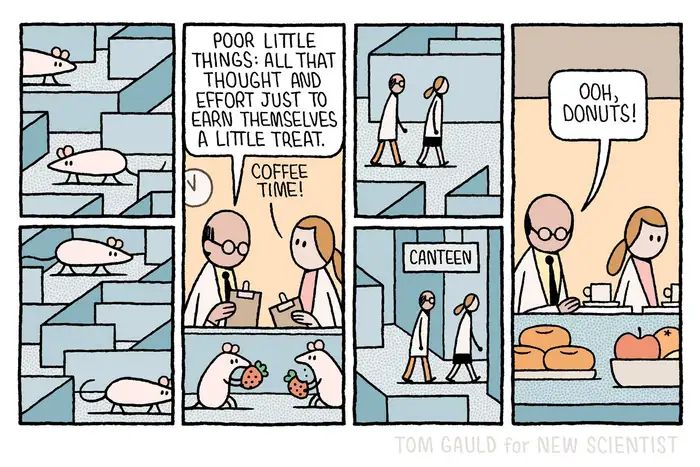
My latest cartoon for @newscientist.com
August 11, 2025 at 9:42 AM
My latest cartoon for @newscientist.com
Reposted by Cláudia Xavier

Our arachno-colleague, Dr. Peter Jaeger, has the ambitious goal of running an inclusive and low-budget scientific conference: the Asian Conference of Arachnology (ACA) 2025.
All donations will cover travel and conference expenses for students and ECR from low-income regions in Asia.
#arachnology
All donations will cover travel and conference expenses for students and ECR from low-income regions in Asia.
#arachnology

Donate to Scientific Conference in Laos, organized by Peter Jaeger
Help Empower the Next Generation of Spider Scientists in Asia!
️
We are raising funds to… Peter Jaeger needs your support for Scientific Conference in Laos
www.gofundme.com
July 9, 2025 at 1:52 PM
Our arachno-colleague, Dr. Peter Jaeger, has the ambitious goal of running an inclusive and low-budget scientific conference: the Asian Conference of Arachnology (ACA) 2025.
All donations will cover travel and conference expenses for students and ECR from low-income regions in Asia.
#arachnology
All donations will cover travel and conference expenses for students and ECR from low-income regions in Asia.
#arachnology
The curious morphology of the treehoppers can help them detect different electrical charges and even distinguish friend from foe. Excellent work!
This is one of the coolest things I've ever read!
This is one of the coolest things I've ever read!
Why do treehoppers look so weird?! Our latest paper, out this week in @pnas.org, suggests a perhaps unexpected reason - static electricity ⚡ We show that treehoppers can detect the electrostatic cues of predators and that their crazy shapes may boost their electrosensitivity! doi.org/10.1073/pnas...
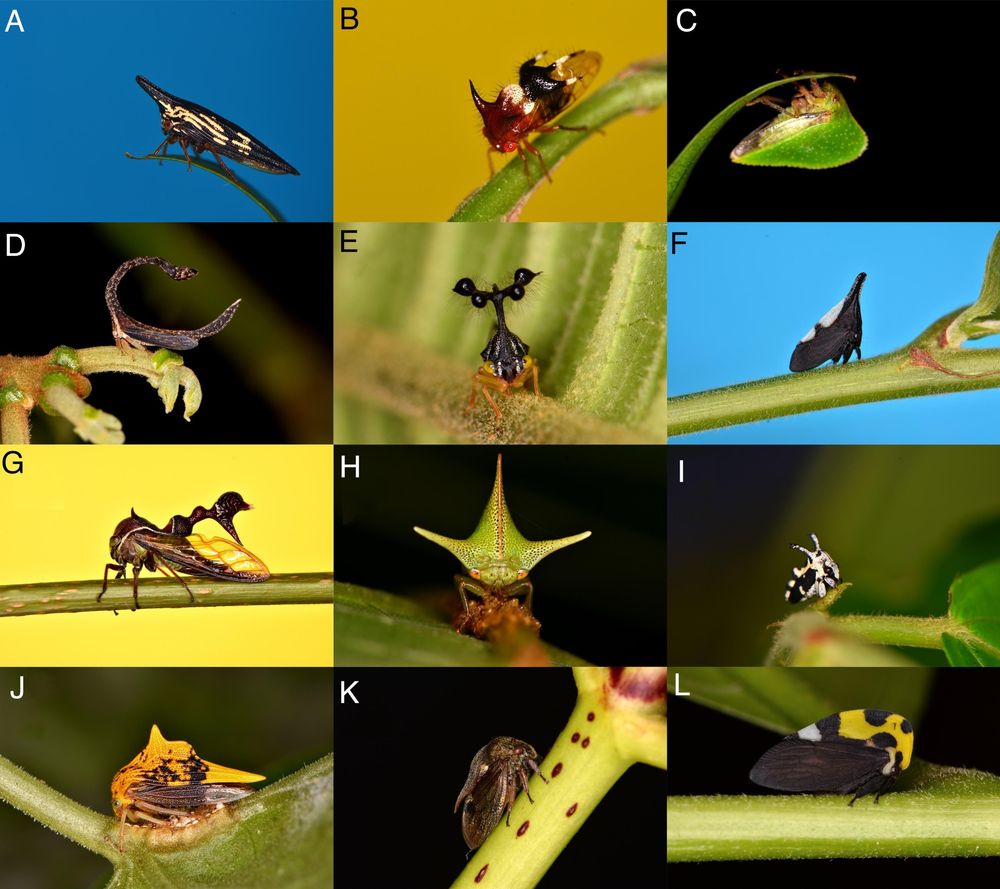
Electroreception in treehoppers: How extreme morphologies can increase electrical sensitivity | PNAS
The link between form and function of an organism’s morphology is usually apparent
or intuitive. However, some clades of organisms show remarkable ...
doi.org
July 24, 2025 at 8:23 PM
The curious morphology of the treehoppers can help them detect different electrical charges and even distinguish friend from foe. Excellent work!
This is one of the coolest things I've ever read!
This is one of the coolest things I've ever read!
@cesarfavacho.bsky.social and I made a video to present the results of our recently published paper on Tapixaua callida (subtitles in PT and EN). This fascinating spider mimics ants in a way very similar to the Asian species Pranburia mahannopi, described by arachnologist Christa Deeleman-Reinhold.
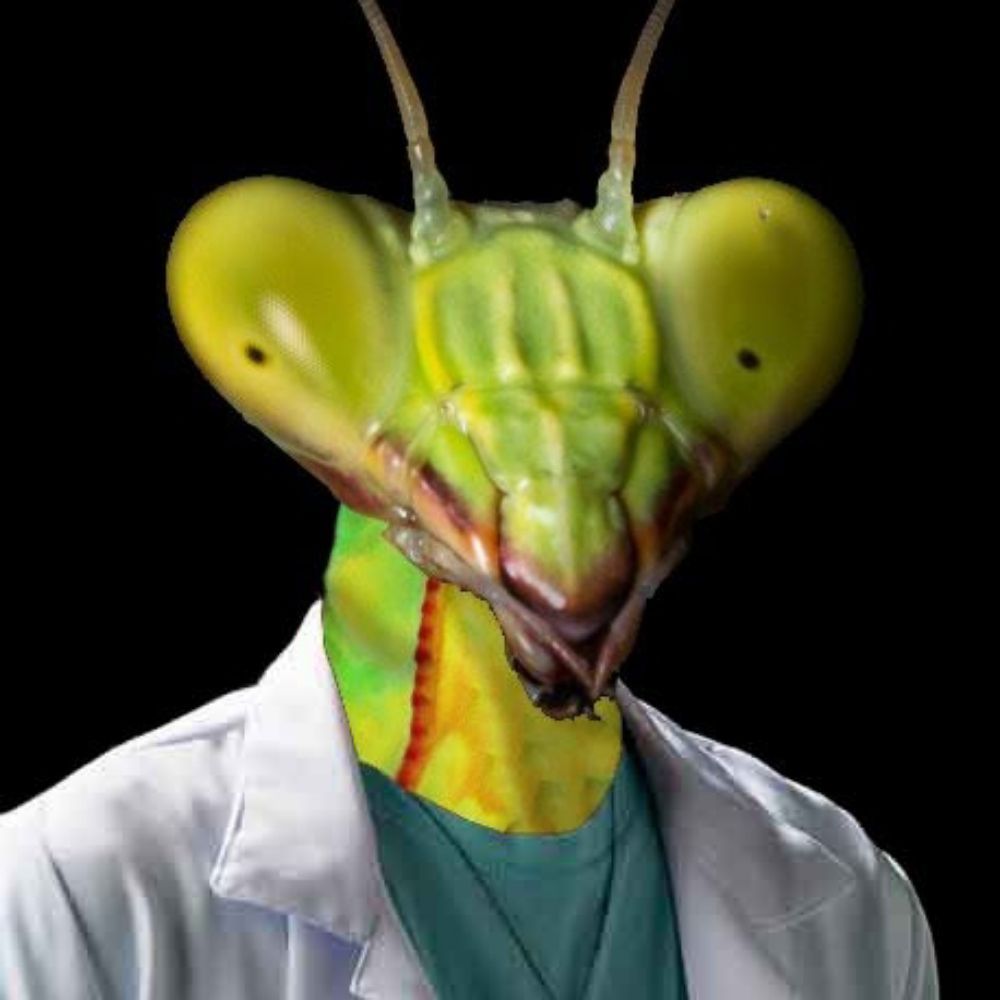
A @claudiaxavier.bsky.social e eu temos o grande prazer de compartilhar com vocês esse artigo maravilhoso que saiu recentemente no Boletim do Museu Emílio Goeldi!
Não se conheciam registros dessa aranha viva, mesmo que ela já tivesse sido descrita pela ciência há mais de 20 anos.
Não se conheciam registros dessa aranha viva, mesmo que ela já tivesse sido descrita pela ciência há mais de 20 anos.
June 10, 2025 at 9:25 PM
@cesarfavacho.bsky.social and I made a video to present the results of our recently published paper on Tapixaua callida (subtitles in PT and EN). This fascinating spider mimics ants in a way very similar to the Asian species Pranburia mahannopi, described by arachnologist Christa Deeleman-Reinhold.
Reposted by Cláudia Xavier
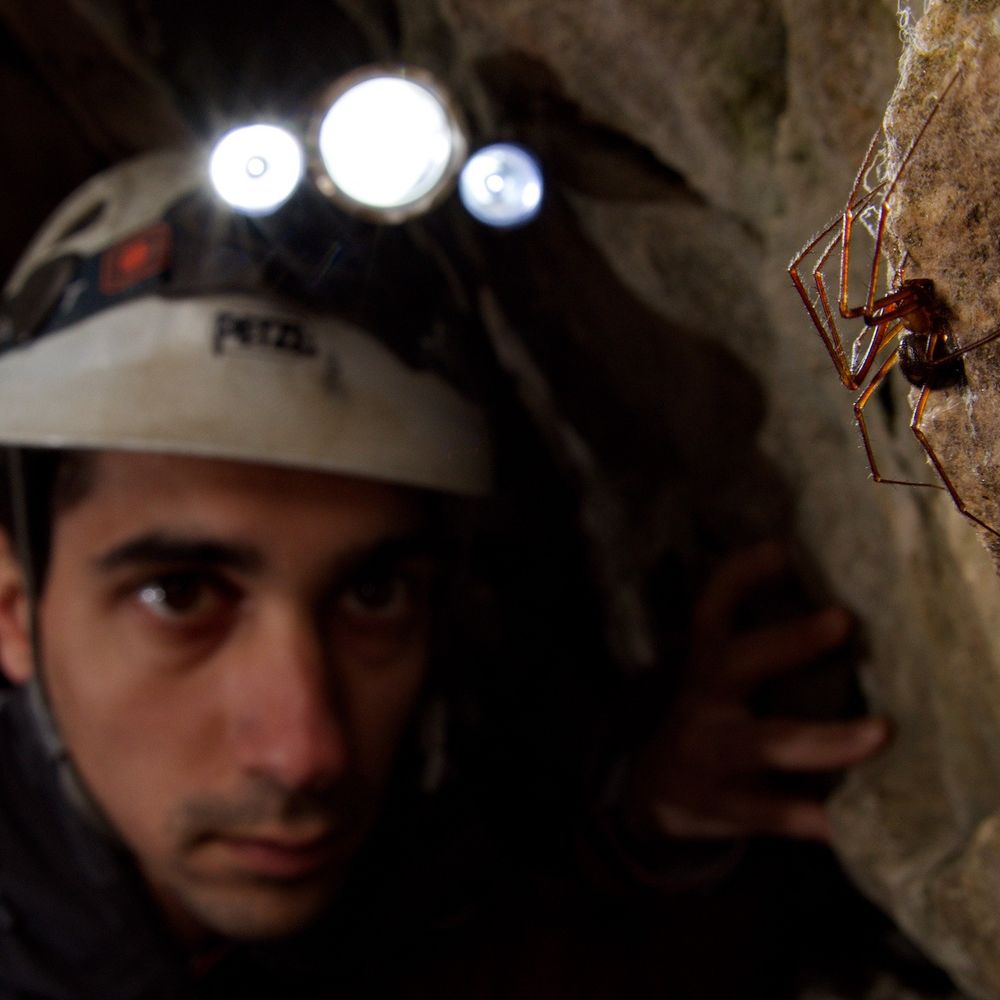
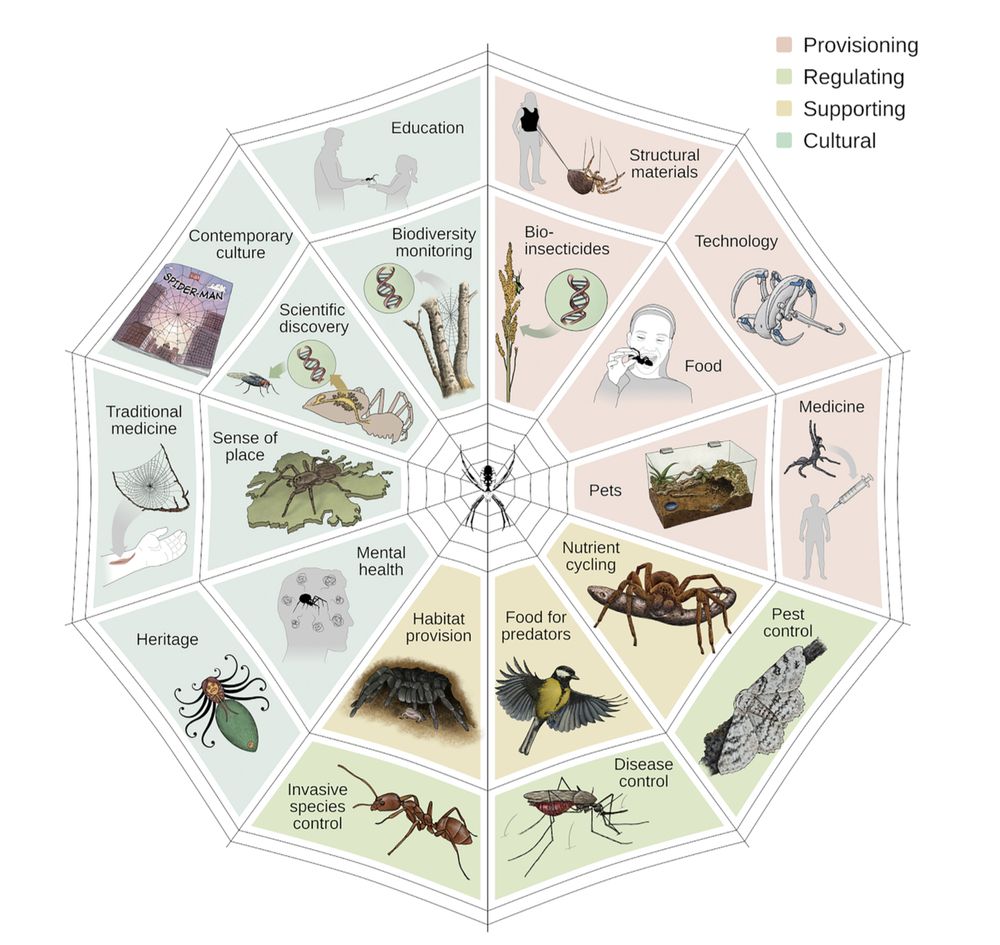
🕷️🌍🕸️ Spiders aren't creepy crawlies—they're ecosystem heroes! From pest control to biotech inspiration to key figures in our collective culture, a new review reveals the many services spiders provide:
🔗 doi.org/10.1111/brv....
(drawing by @jmalumbresolarte.bsky.social)
🔗 doi.org/10.1111/brv....
(drawing by @jmalumbresolarte.bsky.social)
June 4, 2025 at 7:44 AM
🕷️🌍🕸️ Spiders aren't creepy crawlies—they're ecosystem heroes! From pest control to biotech inspiration to key figures in our collective culture, a new review reveals the many services spiders provide:
🔗 doi.org/10.1111/brv....
(drawing by @jmalumbresolarte.bsky.social)
🔗 doi.org/10.1111/brv....
(drawing by @jmalumbresolarte.bsky.social)
Reposted by Cláudia Xavier

I had a lot of fun giving this interview - I wish my research always had dramatic music in the background

The Cozzarelli Prize honors exceptional scientific research. Watch our interview with the Class VI winners in Applied Biological, Agricultural, and Environmental Sciences to uncover the insights behind their award-winning work: www.youtube.com/watch?v=VTjX...

Caterpillars Detect Predators Using Electrostatic Charge | Cozzarelli Prize-Winning Research
YouTube video by PNAS
www.youtube.com
May 31, 2025 at 4:56 PM
I had a lot of fun giving this interview - I wish my research always had dramatic music in the background
Reposted by Cláudia Xavier

Caterpillars can sense predators before contact – by detecting their electric fields! 🐛
Recent @pnas.org study led by @samjakeengland.bsky.social won the Cozzarelli Prize. Congrats, Sam – brilliant work on insect electroreception! 🎉
🔗 www.pnas.org/doi/abs/10.1...
📽️ www.youtube.com/watch?v=VTjX...
Recent @pnas.org study led by @samjakeengland.bsky.social won the Cozzarelli Prize. Congrats, Sam – brilliant work on insect electroreception! 🎉
🔗 www.pnas.org/doi/abs/10.1...
📽️ www.youtube.com/watch?v=VTjX...

Prey can detect predators via electroreception in air | PNAS
Predators and prey benefit from detecting sensory cues of each other’s presence. As
they move through their environment, terrestrial animals accumu...
www.pnas.org
June 3, 2025 at 8:22 AM
Caterpillars can sense predators before contact – by detecting their electric fields! 🐛
Recent @pnas.org study led by @samjakeengland.bsky.social won the Cozzarelli Prize. Congrats, Sam – brilliant work on insect electroreception! 🎉
🔗 www.pnas.org/doi/abs/10.1...
📽️ www.youtube.com/watch?v=VTjX...
Recent @pnas.org study led by @samjakeengland.bsky.social won the Cozzarelli Prize. Congrats, Sam – brilliant work on insect electroreception! 🎉
🔗 www.pnas.org/doi/abs/10.1...
📽️ www.youtube.com/watch?v=VTjX...
Reposted by Cláudia Xavier
Wallace’s day at Museu Goeldi!

June 1, 2025 at 2:32 PM
Wallace’s day at Museu Goeldi!
Reposted by Cláudia Xavier
"What's the Point of Natural History Collections?" is out today on the YouTube/AntLab check it out and long live basic research!!!!!!!!!!
youtu.be/dxUbTn7d6Fw
youtu.be/dxUbTn7d6Fw

What's the Point of Natural History Collections?
YouTube video by Ant Lab
youtu.be
May 3, 2025 at 1:25 PM
"What's the Point of Natural History Collections?" is out today on the YouTube/AntLab check it out and long live basic research!!!!!!!!!!
youtu.be/dxUbTn7d6Fw
youtu.be/dxUbTn7d6Fw
Reposted by Cláudia Xavier
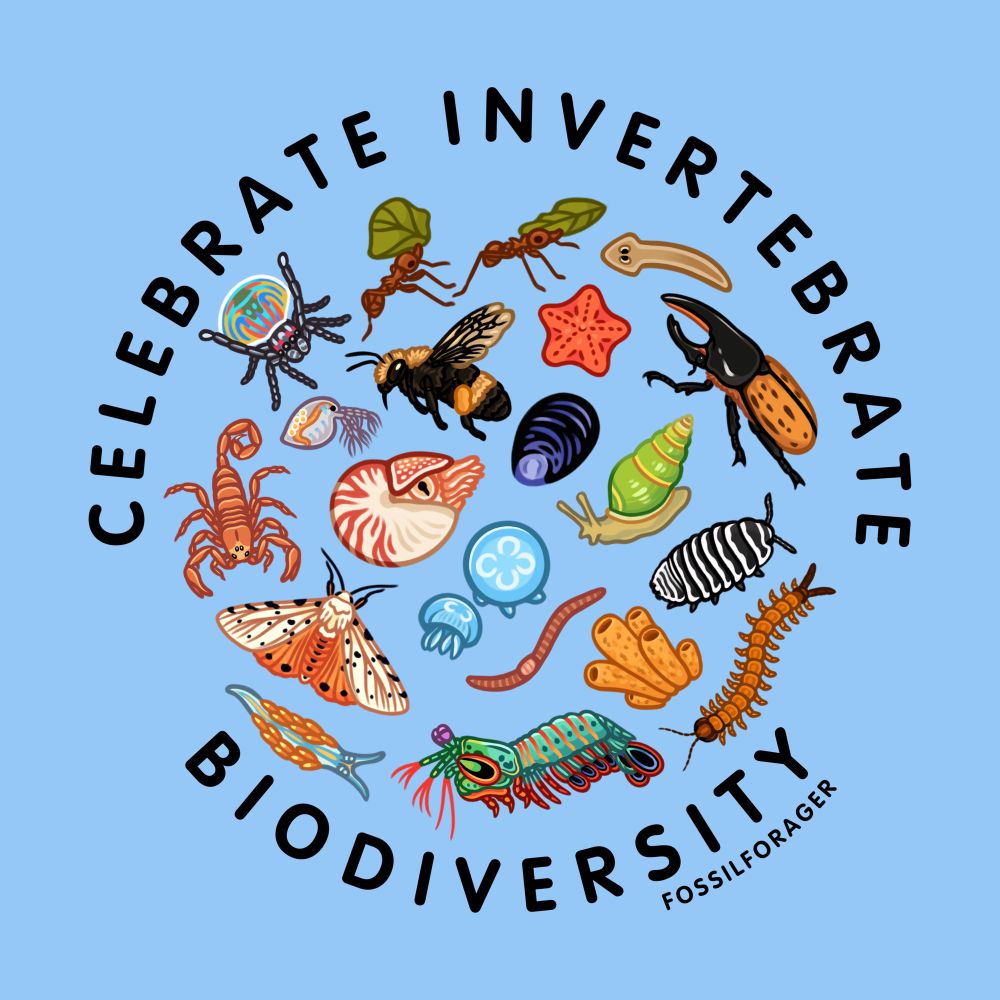
Happy #Invertefest! Celebrate invertebrate biodiversity 🐛💕
April 26, 2025 at 4:27 PM
Happy #Invertefest! Celebrate invertebrate biodiversity 🐛💕
Reposted by Cláudia Xavier

Thinking about arachnid paraphyly
⚒️🧪
⚒️🧪

March 29, 2025 at 3:02 PM
Thinking about arachnid paraphyly
⚒️🧪
⚒️🧪

March 10, 2025 at 3:56 PM
cute


March 5, 2025 at 9:26 PM
cute
Reposted by Cláudia Xavier

Arthropod decline, particularly in cities, has devastating consequences for predators. Consequently, globally invasive urban spiders are well adapted to long-term starvation (>42 weeks), as demonstrated in my first paper since my PhD. @cp-iscience.bsky.social
doi.org/10.1016/j.isci.2024.110722
doi.org/10.1016/j.isci.2024.110722

March 3, 2025 at 10:06 AM
Arthropod decline, particularly in cities, has devastating consequences for predators. Consequently, globally invasive urban spiders are well adapted to long-term starvation (>42 weeks), as demonstrated in my first paper since my PhD. @cp-iscience.bsky.social
doi.org/10.1016/j.isci.2024.110722
doi.org/10.1016/j.isci.2024.110722
Reposted by Cláudia Xavier

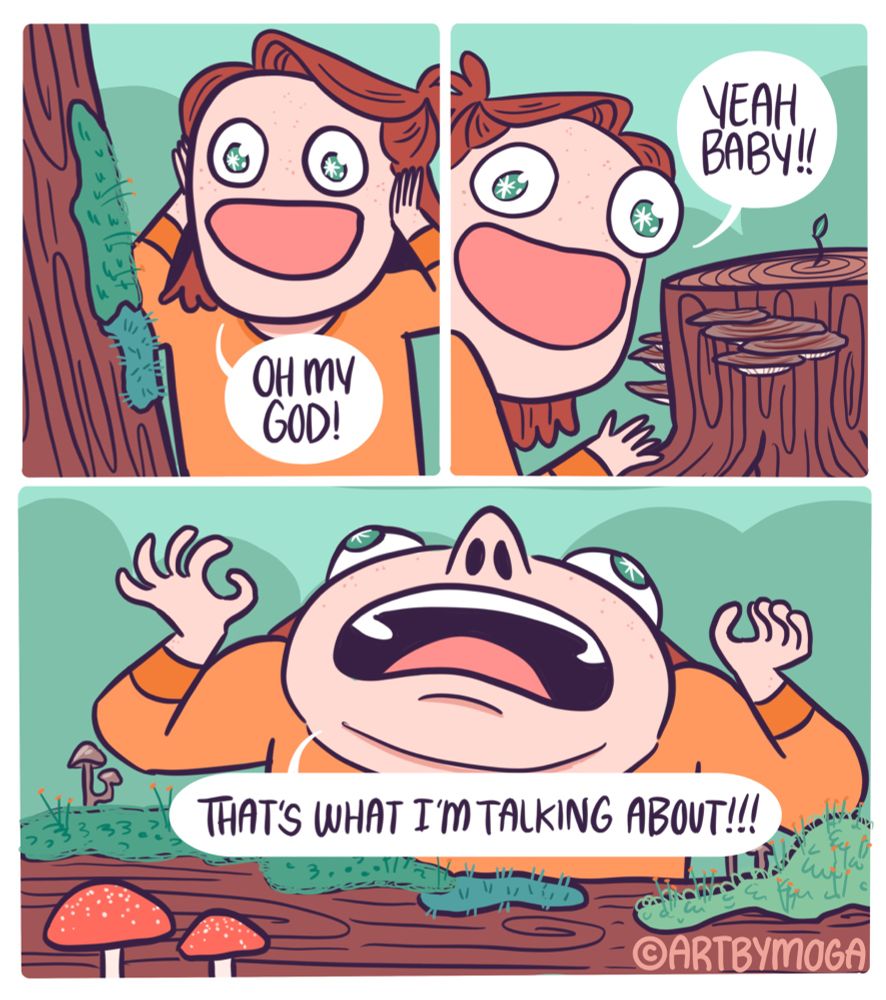
A comic about the good stuff
February 18, 2025 at 9:32 PM
A comic about the good stuff
Reposted by Cláudia Xavier

Our latest paper on the jump kinematics and choreography in the Oz Splendid Peacock spider. We filmed & analysed locomotory jumps in male & female spiders. The males are incredibly light - measuring just 2mg - and oh they can jump! Videos in the thread. Open Access - read here: tinyurl.com/4bnpz9tz
February 12, 2025 at 2:45 PM
Our latest paper on the jump kinematics and choreography in the Oz Splendid Peacock spider. We filmed & analysed locomotory jumps in male & female spiders. The males are incredibly light - measuring just 2mg - and oh they can jump! Videos in the thread. Open Access - read here: tinyurl.com/4bnpz9tz
Reposted by Cláudia Xavier
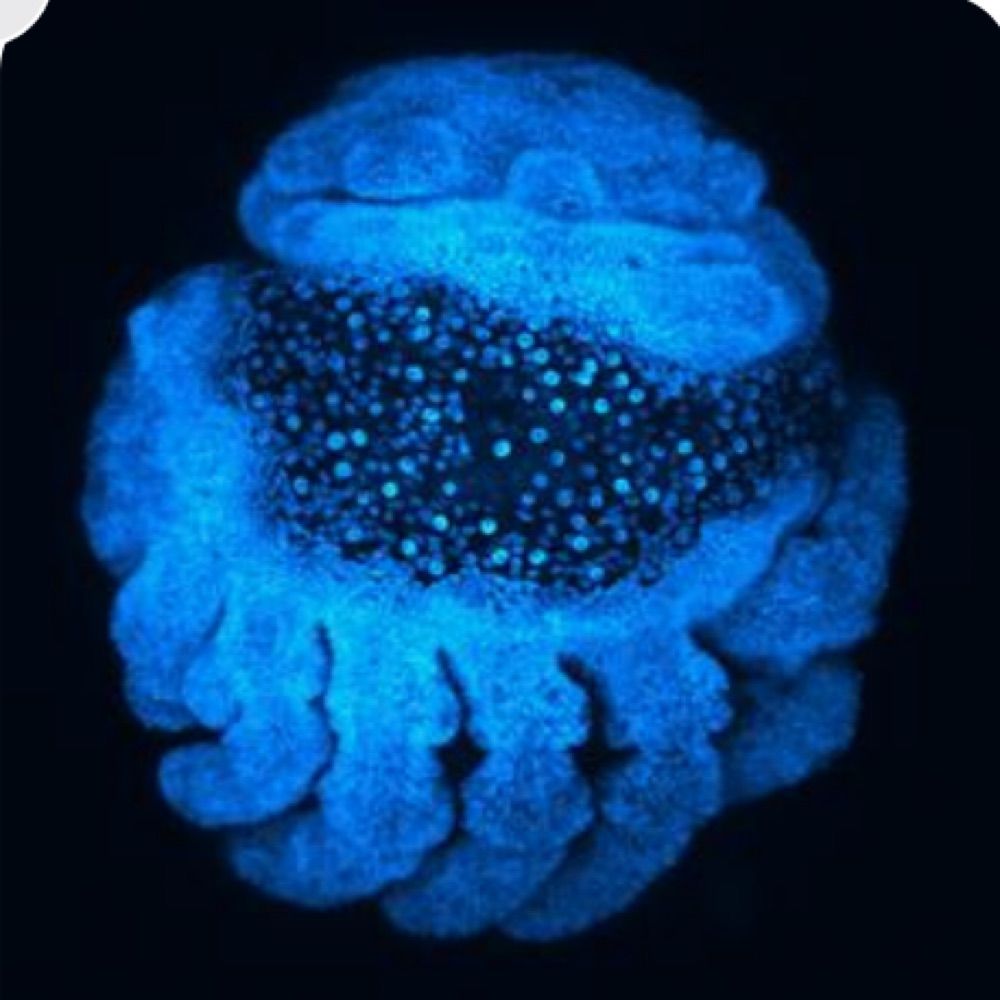
The lab is delighted to release the first genome for the giant American vinegaroon! The slowly-evolving order Uropygi captures the strongest signature yet of the arachnopulmonate whole genome duplication. #biodiversity #genomics
academic.oup.com/jhered/advan...
academic.oup.com/jhered/advan...
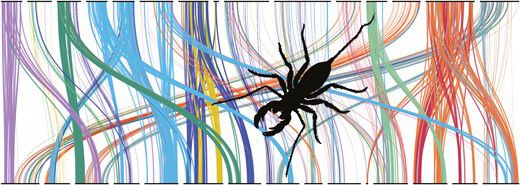
A chromosome-level genome of the giant vinegaroon Mastigoproctus giganteus exhibits the signature of pre-Silurian whole genome duplication
Abstract. Within the arachnids, chromosome-level genome assemblies have greatly accelerated the understanding of gene family evolution and developmental ge
academic.oup.com
February 7, 2025 at 5:46 PM
The lab is delighted to release the first genome for the giant American vinegaroon! The slowly-evolving order Uropygi captures the strongest signature yet of the arachnopulmonate whole genome duplication. #biodiversity #genomics
academic.oup.com/jhered/advan...
academic.oup.com/jhered/advan...
Reposted by Cláudia Xavier

In research evaluation quantitative data (publications, citations etc.) is often decisive. Yet, researchers contribute in many diverse ways.
To seek more inclusive methods, we joined the Coalition for Advancing Research Assessment (CoARA).
#AcademicSky
www.humboldt-foundation.de/en/explore/n...
To seek more inclusive methods, we joined the Coalition for Advancing Research Assessment (CoARA).
#AcademicSky
www.humboldt-foundation.de/en/explore/n...

Reappraising research
Humboldt Foundation joins the Coalition for Advancing Research Assessment.
www.humboldt-foundation.de
February 4, 2025 at 4:41 PM
In research evaluation quantitative data (publications, citations etc.) is often decisive. Yet, researchers contribute in many diverse ways.
To seek more inclusive methods, we joined the Coalition for Advancing Research Assessment (CoARA).
#AcademicSky
www.humboldt-foundation.de/en/explore/n...
To seek more inclusive methods, we joined the Coalition for Advancing Research Assessment (CoARA).
#AcademicSky
www.humboldt-foundation.de/en/explore/n...
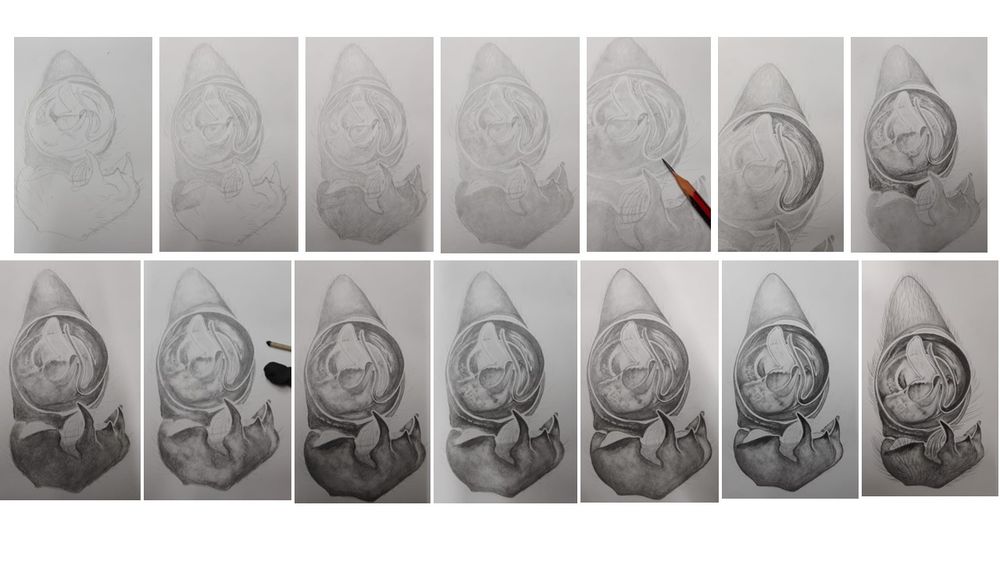
Always great to see the process :)
The process of drawing a spider male genitalia for taxonomic description. ~2:30 hours in total (only the filling; the lines in the camera lucida might have taken an additional hour or so).
February 2, 2025 at 2:46 AM
Always great to see the process :)
Reposted by Cláudia Xavier

Sea spiders (Pycnogonida) are an ancient Class of chelicerates with a fascinating evolutionary tale. A new study we just published on the EJLS uncovers their evolutionary history! 🧵 #Evolution #TheLinneanSociety #SeaSpiders #Arthropoda
academic.oup.com/evolinnean/a...
academic.oup.com/evolinnean/a...

A timescale for the evolutionary history of sea spiders (Arthropoda: Pycnogonida)
Abstract. Sea spiders (Arthropoda: Pycnogonida) are an ancient lineage of chelicerates represented by a single living order, Pantopoda, and a patchy fossil
academic.oup.com
January 27, 2025 at 5:47 PM
Sea spiders (Pycnogonida) are an ancient Class of chelicerates with a fascinating evolutionary tale. A new study we just published on the EJLS uncovers their evolutionary history! 🧵 #Evolution #TheLinneanSociety #SeaSpiders #Arthropoda
academic.oup.com/evolinnean/a...
academic.oup.com/evolinnean/a...