


Christine Sinatra
@c-sinatra.bsky.social
Reposted by Christine Sinatra
Public voting is now open for our 2026 Visualizing Science contest!
See this year’s entries & vote at txsci.net/2026VisSciEntries
#SciArt #ArtinScience #ScienceArt #ScientificArt #ArtandScience @texas-ib.bsky.social @utaustinchemistry.bsky.social @texasastronomy.bsky.social @utmsi.bsky.social
See this year’s entries & vote at txsci.net/2026VisSciEntries
#SciArt #ArtinScience #ScienceArt #ScientificArt #ArtandScience @texas-ib.bsky.social @utaustinchemistry.bsky.social @texasastronomy.bsky.social @utmsi.bsky.social
December 9, 2025 at 10:37 PM
Public voting is now open for our 2026 Visualizing Science contest!
See this year’s entries & vote at txsci.net/2026VisSciEntries
#SciArt #ArtinScience #ScienceArt #ScientificArt #ArtandScience @texas-ib.bsky.social @utaustinchemistry.bsky.social @texasastronomy.bsky.social @utmsi.bsky.social
See this year’s entries & vote at txsci.net/2026VisSciEntries
#SciArt #ArtinScience #ScienceArt #ScientificArt #ArtandScience @texas-ib.bsky.social @utaustinchemistry.bsky.social @texasastronomy.bsky.social @utmsi.bsky.social
Reposted by Christine Sinatra
On the one hand, it's pretty depressing that we still haven't directly detected dark matter (and I'd argue that, at this point, the odds aren't great that we will any time soon). On the other hand, the technology and sensitivities are incredible and open the door to other physics applications. 🧪

Experiment Sets Tightest Limits Yet on Proposed Dark Matter Particles
UT physicists involved with LUX-ZEPLIN helped analyze the largest dataset ever collected by a dark matter detector.
cns.utexas.edu
December 9, 2025 at 2:52 PM
On the one hand, it's pretty depressing that we still haven't directly detected dark matter (and I'd argue that, at this point, the odds aren't great that we will any time soon). On the other hand, the technology and sensitivities are incredible and open the door to other physics applications. 🧪
Fantastic video of the expedition being led by UT Austin’s @archaeal.bsky.social

Our latest expedition update video is live on YouTube. Learn how the #AsgardArchaea science team is looking for our microbial ancestors to understand the biological events that led to the broad diversity of complex cellular life.
youtu.be/Jy_boPdY0zo?...
youtu.be/Jy_boPdY0zo?...

The Origins of Complex Life | Searching for the Asgards
YouTube video by Schmidt Ocean
youtu.be
November 29, 2025 at 8:45 PM
Fantastic video of the expedition being led by UT Austin’s @archaeal.bsky.social
Reposted by Christine Sinatra
UT biologists have devised a 1-2 punch that could curb populations of invasive tawny crazy ants — which are wreaking havoc across the U.S. Gulf Coast from Florida to Texas — using a natural pathogen & a little elbow grease.
#InvasiveSpecies @texas-ib.bsky.social
cns.utexas.edu/news/researc...
#InvasiveSpecies @texas-ib.bsky.social
cns.utexas.edu/news/researc...

Destroying Crazy Ant Nest Structure Makes Them Vulnerable to Pathogens
Research initiated at a UT field station keeps progressing, in good news for the war on this invasive species.
cns.utexas.edu
November 21, 2025 at 10:40 PM
UT biologists have devised a 1-2 punch that could curb populations of invasive tawny crazy ants — which are wreaking havoc across the U.S. Gulf Coast from Florida to Texas — using a natural pathogen & a little elbow grease.
#InvasiveSpecies @texas-ib.bsky.social
cns.utexas.edu/news/researc...
#InvasiveSpecies @texas-ib.bsky.social
cns.utexas.edu/news/researc...
Reposted by Christine Sinatra
Excited for Adam Klivans and my other colleagues at UT working in the AI space!
Already among the most powerful artificial intelligence hubs in academia, the UT Center for Generative AI is keeping its foot on the gas. “It’s exciting to accelerate discovery and to create more opportunities for our researchers to push the boundaries of what’s possible.”

UT Doubles Size of One of World’s Most Powerful AI Computing Hubs
AUSTIN, Texas — The Center for Generative AI at The University of Texas at Austin, already among the most powerful artificial intelligence hubs in the
news.utexas.edu
November 10, 2025 at 10:54 PM
Excited for Adam Klivans and my other colleagues at UT working in the AI space!
Reposted by Christine Sinatra
Starting at 7pm Central I will be streaming from the bottom of the ocean off the coast of Uruguay!
Feel free to join and ask questions.
www.youtube.com/@SchmidtOcean
Feel free to join and ask questions.
www.youtube.com/@SchmidtOcean

Schmidt Ocean
Our Purpose: to excite interest and inform the wise stewardship of our planet.
Our Mission: Catalyze the discoveries needed to understand our ocean, sustain life, and ensure the health of our planet ...
www.youtube.com
November 14, 2025 at 7:39 PM
Starting at 7pm Central I will be streaming from the bottom of the ocean off the coast of Uruguay!
Feel free to join and ask questions.
www.youtube.com/@SchmidtOcean
Feel free to join and ask questions.
www.youtube.com/@SchmidtOcean
Reposted by Christine Sinatra
A wonderful collaboration between my lab and Andy Ellington and Edward Marcotte here at UT.
We obtained lots of thermal stable plastic degrading enzymes from the deep sea (Guaymas Basin, Gulf of California)
We obtained lots of thermal stable plastic degrading enzymes from the deep sea (Guaymas Basin, Gulf of California)

Plastic degradation by enzymes from uncultured deep sea microorganisms
Abstract. Polyethylene terephthalate (PET)-hydrolyzing enzymes (PETases) are a recently discovered enzyme class capable of plastic degradation. PETases are
academic.oup.com
November 10, 2025 at 6:04 PM
A wonderful collaboration between my lab and Andy Ellington and Edward Marcotte here at UT.
We obtained lots of thermal stable plastic degrading enzymes from the deep sea (Guaymas Basin, Gulf of California)
We obtained lots of thermal stable plastic degrading enzymes from the deep sea (Guaymas Basin, Gulf of California)
Reposted by Christine Sinatra

This new paper documents a tenfold increase in research papers using community-collected iNaturalist data over just five years: tr.ee/89Ot3I
According to the study, here are four key ways that iNaturalist data directly powers science 🧵⤵️
According to the study, here are four key ways that iNaturalist data directly powers science 🧵⤵️
July 28, 2025 at 4:37 PM
This new paper documents a tenfold increase in research papers using community-collected iNaturalist data over just five years: tr.ee/89Ot3I
According to the study, here are four key ways that iNaturalist data directly powers science 🧵⤵️
According to the study, here are four key ways that iNaturalist data directly powers science 🧵⤵️
Reposted by Christine Sinatra
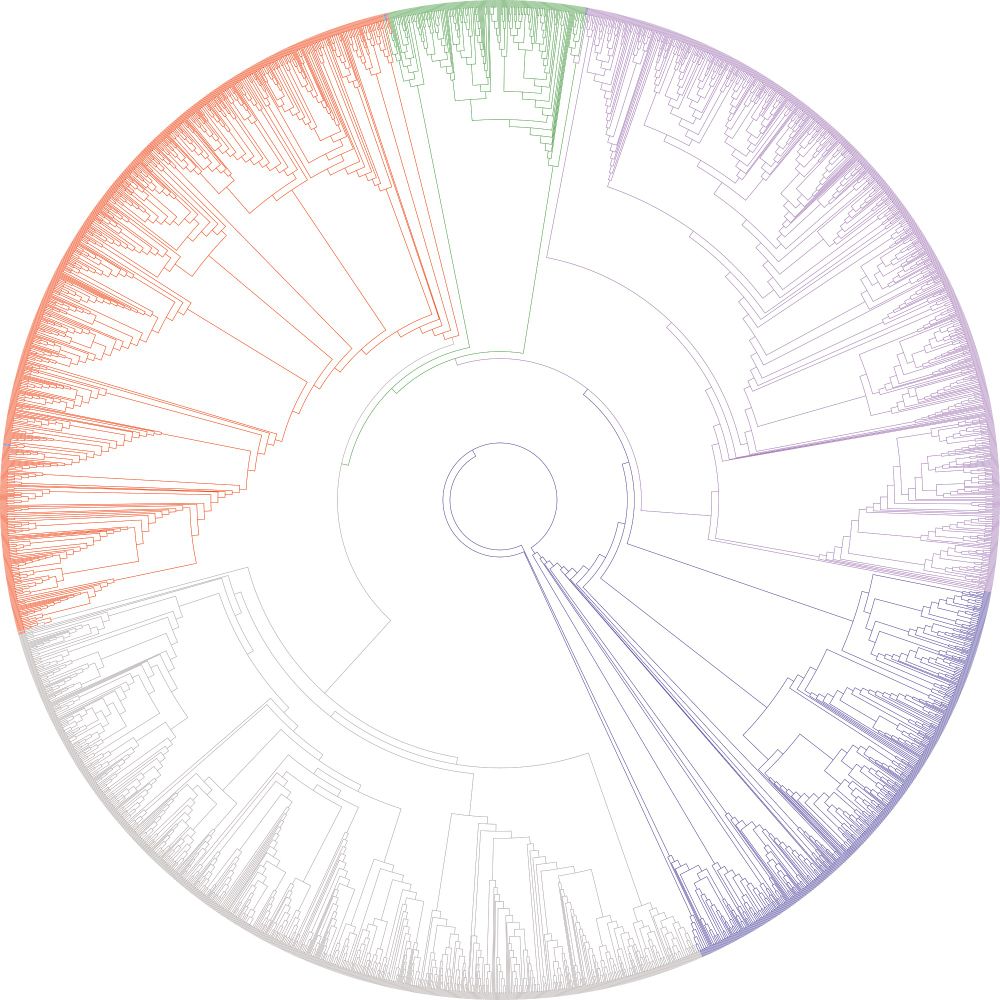
Meet new Stengl-Wyer Fellow: Tianyi Xu. Her research examines how reptile diversity responds to global change across space and time using tools from #paleobiology, #ecology, and evolutionary #biology. Blog here: tinyurl.com/eb85be2p #herpetology

Meet Steng-Wyer Fellow: Tianyi Xu
This article is about Stengl-Wyer Fellow Tianyi Xu
tinyurl.com
November 7, 2025 at 5:44 PM
Meet new Stengl-Wyer Fellow: Tianyi Xu. Her research examines how reptile diversity responds to global change across space and time using tools from #paleobiology, #ecology, and evolutionary #biology. Blog here: tinyurl.com/eb85be2p #herpetology
Reposted by Christine Sinatra

📅JOIN US TOMORROW
Dementia Risk, Prevention, and Intervention:
A Research Agenda at UT Austin
Friday, October 31st
12:00 - 1:00 pm CT
Robert L. Patton Hall, Room 1.302E
Or Virtual
More info@ liberalarts.utexas.edu/caps/events/...
Dementia Risk, Prevention, and Intervention:
A Research Agenda at UT Austin
Friday, October 31st
12:00 - 1:00 pm CT
Robert L. Patton Hall, Room 1.302E
Or Virtual
More info@ liberalarts.utexas.edu/caps/events/...

October 30, 2025 at 8:32 PM
📅JOIN US TOMORROW
Dementia Risk, Prevention, and Intervention:
A Research Agenda at UT Austin
Friday, October 31st
12:00 - 1:00 pm CT
Robert L. Patton Hall, Room 1.302E
Or Virtual
More info@ liberalarts.utexas.edu/caps/events/...
Dementia Risk, Prevention, and Intervention:
A Research Agenda at UT Austin
Friday, October 31st
12:00 - 1:00 pm CT
Robert L. Patton Hall, Room 1.302E
Or Virtual
More info@ liberalarts.utexas.edu/caps/events/...
Reposted by Christine Sinatra
New research from UT astronomers could change how we look at binary star formation.
#BinaryStars @taccutexas.bsky.social @utaustin.bsky.social @mcdonaldobs.bsky.social
oden.utexas.edu/news-and-eve...
#BinaryStars @taccutexas.bsky.social @utaustin.bsky.social @mcdonaldobs.bsky.social
oden.utexas.edu/news-and-eve...

Born Together: A New Look at Binary Stars
Two Oden faculty, postdoctoral fellow Aleksey Generozov and professor Stella Offner, published a gro...
oden.utexas.edu
October 21, 2025 at 3:51 PM
New research from UT astronomers could change how we look at binary star formation.
#BinaryStars @taccutexas.bsky.social @utaustin.bsky.social @mcdonaldobs.bsky.social
oden.utexas.edu/news-and-eve...
#BinaryStars @taccutexas.bsky.social @utaustin.bsky.social @mcdonaldobs.bsky.social
oden.utexas.edu/news-and-eve...
Reposted by Christine Sinatra

Despite having “dark” in their name, these ancient orbs would have burned bigger and brighter than our current stars. If they existed, that is.

Have Astrophysicists Spotted Evidence For ‘Dark Stars’?
Data from the Webb Space Telescope may hold evidence of ancient "dark stars," which would've been powered by dark matter, not nuclear fusion.
buff.ly
October 20, 2025 at 11:17 PM
Despite having “dark” in their name, these ancient orbs would have burned bigger and brighter than our current stars. If they existed, that is.
Reposted by Christine Sinatra

We’re thrilled to announce the 2025 class of Packard Fellows for Science and Engineering — 20 innovative early-career scientists who will each receive $875,000 over five years to pursue their research.
Meet the 2025 Packard Fellows ⬇
www.packard.org/2025fellows
Meet the 2025 Packard Fellows ⬇
www.packard.org/2025fellows
October 15, 2025 at 1:13 PM
We’re thrilled to announce the 2025 class of Packard Fellows for Science and Engineering — 20 innovative early-career scientists who will each receive $875,000 over five years to pursue their research.
Meet the 2025 Packard Fellows ⬇
www.packard.org/2025fellows
Meet the 2025 Packard Fellows ⬇
www.packard.org/2025fellows
Reposted by Christine Sinatra
Wild, wacky, and sometimes downright contradictory: Come celebrate a century of quantum mechanics with SciFri. 🎉 ⚛️

100 Years Later, Quantum Science Is Still Weird
This year marks the 100th anniversary of two papers that sparked the field of quantum mechanics.
buff.ly
October 13, 2025 at 5:41 PM
Wild, wacky, and sometimes downright contradictory: Come celebrate a century of quantum mechanics with SciFri. 🎉 ⚛️
Reposted by Christine Sinatra
UT Austin has a new “genius grant” recipient!
Texas Science professor Jason McLellan has been awarded a MacArthur Fellowship — aka the “genius grant” — by The MacArthur Foundation.
#TexasScience @mclellanlab.bsky.social #MacArthurGenius @utaustin.bsky.social
cns.utexas.edu/news/accolad...
Texas Science professor Jason McLellan has been awarded a MacArthur Fellowship — aka the “genius grant” — by The MacArthur Foundation.
#TexasScience @mclellanlab.bsky.social #MacArthurGenius @utaustin.bsky.social
cns.utexas.edu/news/accolad...

Virus Slayer Awarded ‘Genius Grant’ by MacArthur Foundation
The award recognizes Jason McLellan’s work to investigate how viruses infect our cells and to develop new treatments for infectious disease.
cns.utexas.edu
October 8, 2025 at 6:25 PM
UT Austin has a new “genius grant” recipient!
Texas Science professor Jason McLellan has been awarded a MacArthur Fellowship — aka the “genius grant” — by The MacArthur Foundation.
#TexasScience @mclellanlab.bsky.social #MacArthurGenius @utaustin.bsky.social
cns.utexas.edu/news/accolad...
Texas Science professor Jason McLellan has been awarded a MacArthur Fellowship — aka the “genius grant” — by The MacArthur Foundation.
#TexasScience @mclellanlab.bsky.social #MacArthurGenius @utaustin.bsky.social
cns.utexas.edu/news/accolad...
Reposted by Christine Sinatra
🚨 Stephen Hawking was right: when two black holes collide, the resulting black hole has a bigger surface area than the originals. Amazing finding on the 10th anniversary of gravitational wave astronomy!

Stephen Hawking Was Right: Black Holes Always Grow in Area
Researchers celebrate 10th anniversary of gravitational wave discovery, announce verification of a Hawking theorem.
cns.utexas.edu
September 10, 2025 at 4:13 PM
🚨 Stephen Hawking was right: when two black holes collide, the resulting black hole has a bigger surface area than the originals. Amazing finding on the 10th anniversary of gravitational wave astronomy!
Reposted by Christine Sinatra

Has a huge blob of dark matter been found in our galactic neighborhood? | Science | AAAS @science.org 🔭🧪https://www.science.org/content/article/has-huge-blob-dark-matter-been-found-our-galactic-neighborhood

Has a huge blob of dark matter been found in our galactic neighborhood?
If confirmed, vast cloud could test predictions about the Milky Way’s hidden architecture
www.science.org
August 29, 2025 at 9:32 PM
Has a huge blob of dark matter been found in our galactic neighborhood? | Science | AAAS @science.org 🔭🧪https://www.science.org/content/article/has-huge-blob-dark-matter-been-found-our-galactic-neighborhood
Reposted by Christine Sinatra
Congrats to Stella Offner on earning a Cottrell Scholar Singular Exceptional Endeavors of Discovery (SEED) Award for 2025!
#CottrellScholars #TexasScience @utaustin.bsky.social @texasastronomy.bsky.social @mcdonaldobs.bsky.social
#CottrellScholars #TexasScience @utaustin.bsky.social @texasastronomy.bsky.social @mcdonaldobs.bsky.social

RCSA has made awards to 10 #CottrellScholars to advance high-impact research activities through its 2025 Cottrell SEED Awards.

2025 Cottrell SEED Awards
Research Corporation for Science Advancement has made awards to ten Cottrell Scholars to advance high-impact research activities through its Cottrell SEED (Singular Exceptional Endeavors of Discovery)...
rescorp.org
August 22, 2025 at 8:41 PM
Congrats to Stella Offner on earning a Cottrell Scholar Singular Exceptional Endeavors of Discovery (SEED) Award for 2025!
#CottrellScholars #TexasScience @utaustin.bsky.social @texasastronomy.bsky.social @mcdonaldobs.bsky.social
#CottrellScholars #TexasScience @utaustin.bsky.social @texasastronomy.bsky.social @mcdonaldobs.bsky.social
Reposted by Christine Sinatra
“Everyday acts of support — whether organized or personal — can have lasting cognitive impact.”
— Sae Hwang Han, study lead & UT Austin asst. prof. of human development & family sciences
#HelpingOthers #CognitiveDecline #CognitiveAging #TexasScience @umassboston.bsky.social @utaustin.bsky.social
— Sae Hwang Han, study lead & UT Austin asst. prof. of human development & family sciences
#HelpingOthers #CognitiveDecline #CognitiveAging #TexasScience @umassboston.bsky.social @utaustin.bsky.social

Helping Others Shown To Slow Cognitive Decline
Regular volunteering or helping others outside the home can reduce the rate of cognitive aging by 15-20%.
cns.utexas.edu
August 15, 2025 at 6:57 PM
“Everyday acts of support — whether organized or personal — can have lasting cognitive impact.”
— Sae Hwang Han, study lead & UT Austin asst. prof. of human development & family sciences
#HelpingOthers #CognitiveDecline #CognitiveAging #TexasScience @umassboston.bsky.social @utaustin.bsky.social
— Sae Hwang Han, study lead & UT Austin asst. prof. of human development & family sciences
#HelpingOthers #CognitiveDecline #CognitiveAging #TexasScience @umassboston.bsky.social @utaustin.bsky.social
Reposted by Christine Sinatra
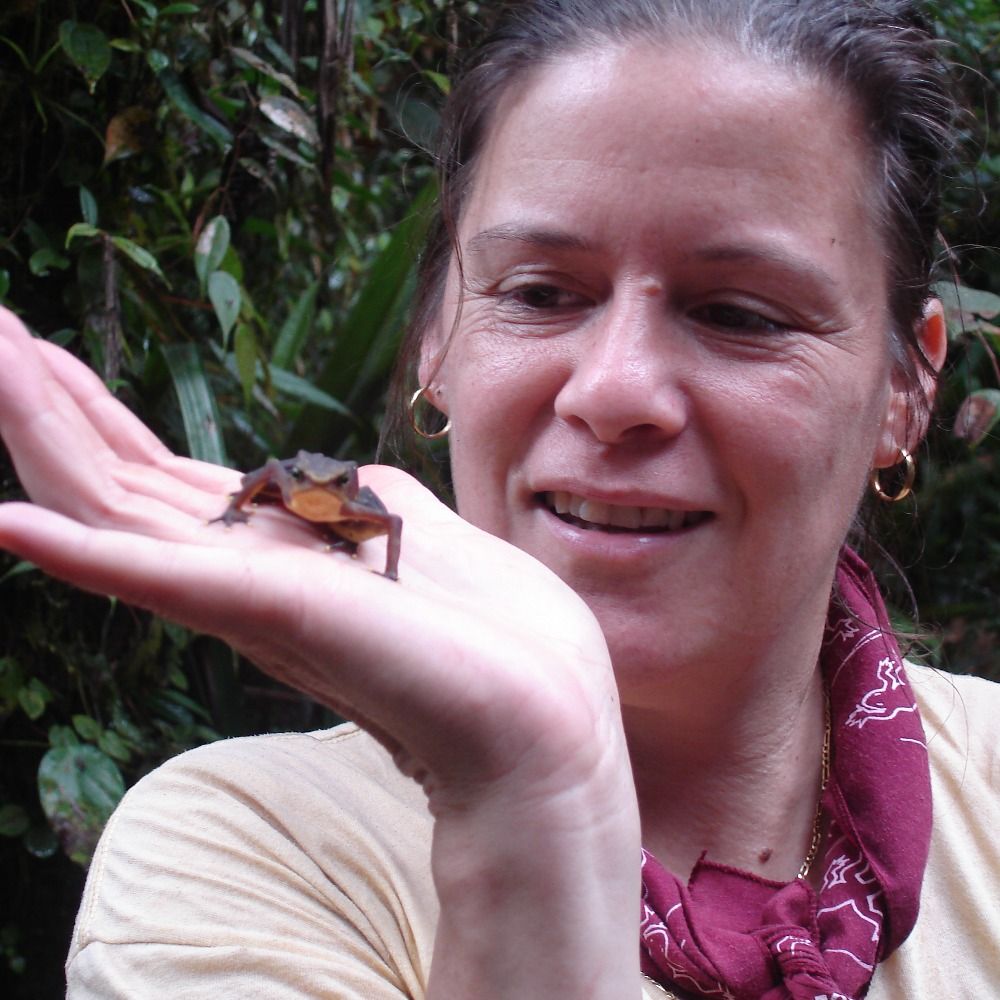
👀 👀 Attention potential post-docs! Stengl-Wyer Scholars are three year post-docs to develop independent projects at UT. If you would like to talk about potential projects please get in touch!
Applications for the 2026 Stengl-Wyer Scholars Program are open! The program provides up to 3 years of support for talented postdoctoral researchers in the broad area of the diversity of life and/or organisms in their natural environments. Learn more here: utexas.infoready4.com/CompetitionS...

August 11, 2025 at 2:24 PM
👀 👀 Attention potential post-docs! Stengl-Wyer Scholars are three year post-docs to develop independent projects at UT. If you would like to talk about potential projects please get in touch!
Reposted by Christine Sinatra

Vote to bring our panel “Revolutionizing Astronomy + AI with Next Generation Big Data” to SXSW! Register for a SXSW account & vote by clicking the heart ❤️ - open now til Aug 24!
participate.sxsw.com/flow/sxsw/sx... @stephajuneau.bsky.social @niall2.bsky.social
participate.sxsw.com/flow/sxsw/sx... @stephajuneau.bsky.social @niall2.bsky.social

PanelPicker | SXSW Conference & Festivals
PanelPicker® is the official SXSW user-generated session proposal platform. Enter ideas and vote to help shape Conference programming for SXSW and SXSW EDU.
participate.sxsw.com
August 6, 2025 at 6:39 PM
Vote to bring our panel “Revolutionizing Astronomy + AI with Next Generation Big Data” to SXSW! Register for a SXSW account & vote by clicking the heart ❤️ - open now til Aug 24!
participate.sxsw.com/flow/sxsw/sx... @stephajuneau.bsky.social @niall2.bsky.social
participate.sxsw.com/flow/sxsw/sx... @stephajuneau.bsky.social @niall2.bsky.social
Reposted by Christine Sinatra
A foundation of knowledge about AI has never mattered more. With the U.S. NSF, we are doubling down on research and initiatives to help meet demand for a highly skilled AI workforce.
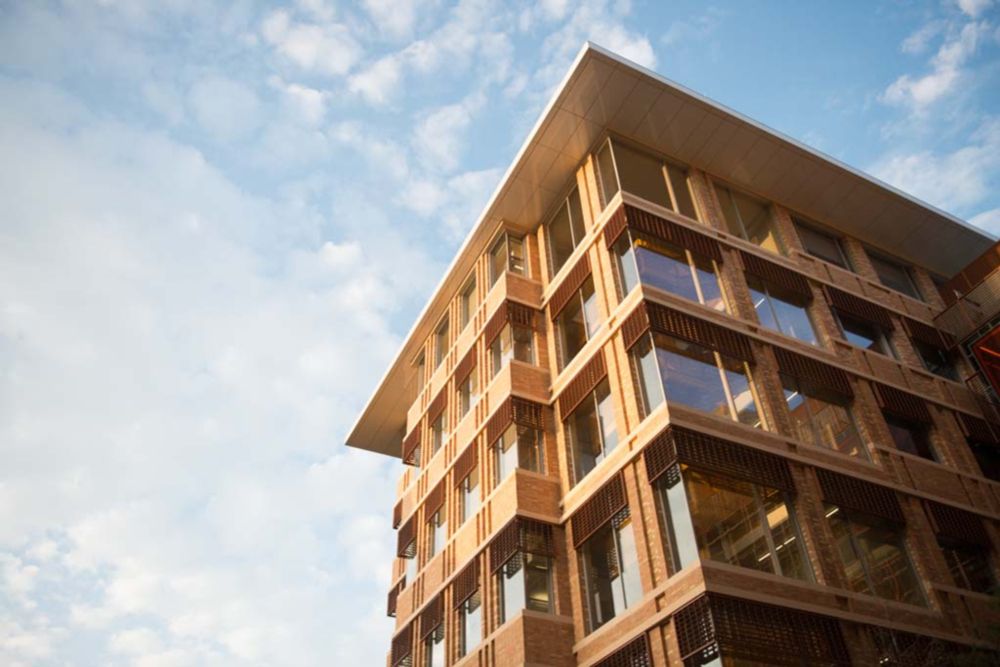
UT Expands Research on AI Accuracy and Reliability to Support Breakthroughs in Science, Technology and the Workforce
AUSTIN, Texas — A National Science Foundation artificial intelligence institute based at The University of Texas at Austin will receive continued funding
news.utexas.edu
July 29, 2025 at 9:58 PM
A foundation of knowledge about AI has never mattered more. With the U.S. NSF, we are doubling down on research and initiatives to help meet demand for a highly skilled AI workforce.
Reposted by Christine Sinatra

AlphaFold is great, but contrary to public opinion it has not completely solved the protein folding problem. Much work remains to be done.
clauswilke.substack.com/p/no-alphafo...
clauswilke.substack.com/p/no-alphafo...
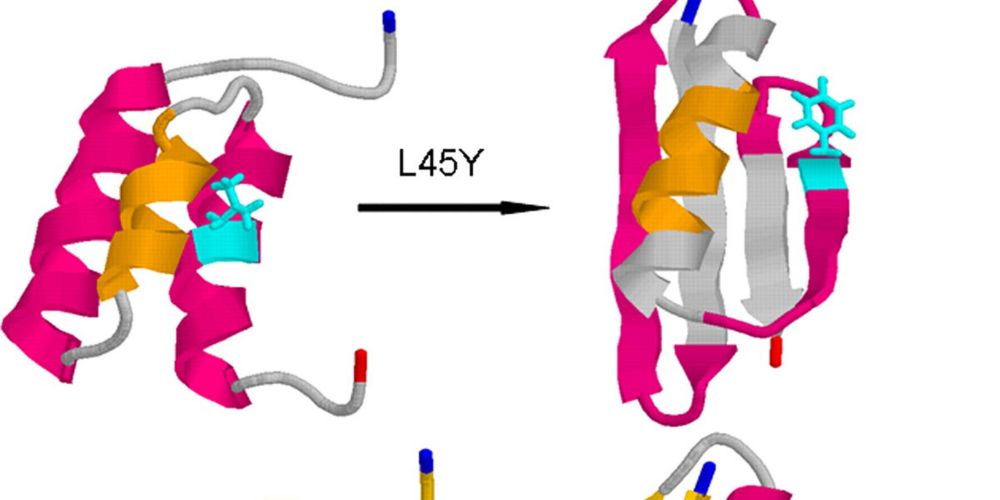
No, AlphaFold has not completely solved protein folding
Biology is hard. Yes, even for AI.
clauswilke.substack.com
July 12, 2025 at 6:19 PM
AlphaFold is great, but contrary to public opinion it has not completely solved the protein folding problem. Much work remains to be done.
clauswilke.substack.com/p/no-alphafo...
clauswilke.substack.com/p/no-alphafo...
Reposted by Christine Sinatra
An international team of geneticists & archaeologists — including UT’s Vagheesh Narasimhan — used #AncientDNA to reconstruct the prehistoric origins of two major Eurasian language families: Uralic and Yeniseian.
#TexasScience #Archaeogenetics @utaustin.bsky.social
cns.utexas.edu/news/researc...
#TexasScience #Archaeogenetics @utaustin.bsky.social
cns.utexas.edu/news/researc...
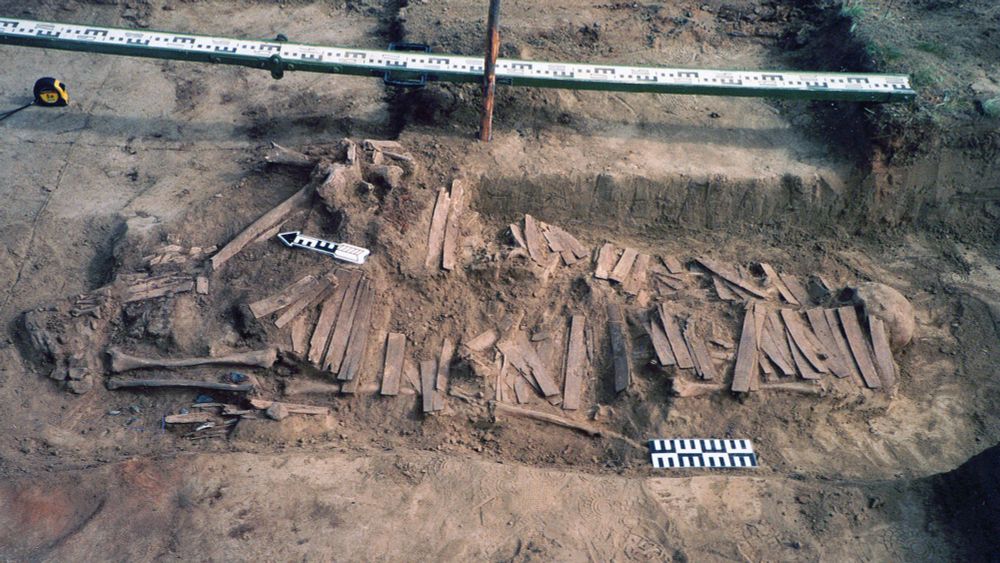
New DNA Evidence Reveals Origins of Finnish, Estonian and Hungarian Languages
The study identifies an ancestral population in Central Siberia linked to the origin of Uralic languages.
cns.utexas.edu
July 11, 2025 at 3:52 PM
An international team of geneticists & archaeologists — including UT’s Vagheesh Narasimhan — used #AncientDNA to reconstruct the prehistoric origins of two major Eurasian language families: Uralic and Yeniseian.
#TexasScience #Archaeogenetics @utaustin.bsky.social
cns.utexas.edu/news/researc...
#TexasScience #Archaeogenetics @utaustin.bsky.social
cns.utexas.edu/news/researc...
Reposted by Christine Sinatra
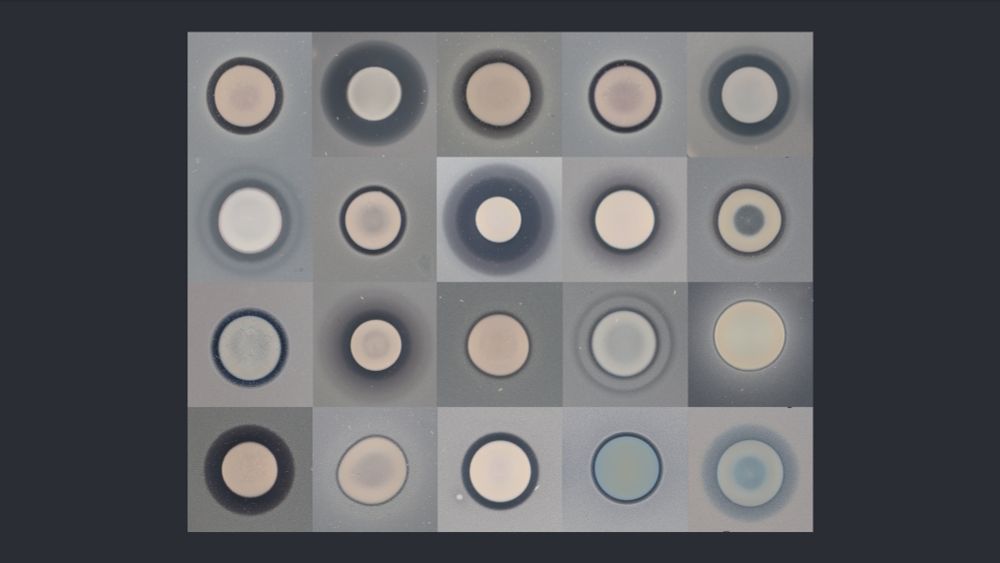
A set of weapons bacteria use to fight each other, called microcins, are much more widespread and diverse than previously thought. They might inspire new ways to combat antibiotic resistant bacteria. Learn more in Nature Communications: rdcu.be/eumkH
July 1, 2025 at 8:18 PM
A set of weapons bacteria use to fight each other, called microcins, are much more widespread and diverse than previously thought. They might inspire new ways to combat antibiotic resistant bacteria. Learn more in Nature Communications: rdcu.be/eumkH