



Butterfly
@butterfly-project.bsky.social
#HorizonEU project. We aim to enhance society’s capacity to appraise, foresee, and respond to the threats posed by cascading impacts of pollinator decline.
🌐 https://butterfly-europe.eu/
🌐 https://butterfly-europe.eu/
🧵2/5
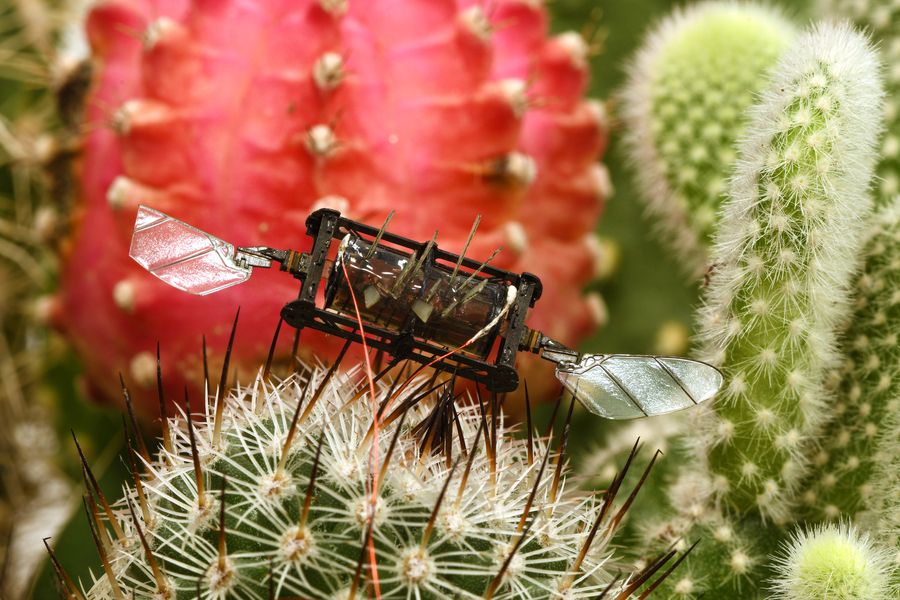
Researchers created ultrathin dielectric elastomer actuators (DEAs) rolled into tiny tubes to power robotic wings.
Apply voltage → the elastomer compresses → the wings flap.
Simple in principle, but vulnerable in practice: even microscopic flaws can trigger electrical breakdown in DEAs.
Researchers created ultrathin dielectric elastomer actuators (DEAs) rolled into tiny tubes to power robotic wings.
Apply voltage → the elastomer compresses → the wings flap.
Simple in principle, but vulnerable in practice: even microscopic flaws can trigger electrical breakdown in DEAs.
November 26, 2025 at 12:10 PM
🧵2/5
Researchers created ultrathin dielectric elastomer actuators (DEAs) rolled into tiny tubes to power robotic wings.
Apply voltage → the elastomer compresses → the wings flap.
Simple in principle, but vulnerable in practice: even microscopic flaws can trigger electrical breakdown in DEAs.
Researchers created ultrathin dielectric elastomer actuators (DEAs) rolled into tiny tubes to power robotic wings.
Apply voltage → the elastomer compresses → the wings flap.
Simple in principle, but vulnerable in practice: even microscopic flaws can trigger electrical breakdown in DEAs.
🧵 1/5
🐝✨ What bumblebees can teach us about resilient flight?
Bumblebees can lose up to 40% of a wing and still stay airborne. Most tiny flying robots, on the other hand, fail after the slightest tear. Inspired by this natural resilience, MIT engineers set out to redesign micro-aerial robots.
🐝✨ What bumblebees can teach us about resilient flight?
Bumblebees can lose up to 40% of a wing and still stay airborne. Most tiny flying robots, on the other hand, fail after the slightest tear. Inspired by this natural resilience, MIT engineers set out to redesign micro-aerial robots.

November 26, 2025 at 12:10 PM
🧵 1/5
🐝✨ What bumblebees can teach us about resilient flight?
Bumblebees can lose up to 40% of a wing and still stay airborne. Most tiny flying robots, on the other hand, fail after the slightest tear. Inspired by this natural resilience, MIT engineers set out to redesign micro-aerial robots.
🐝✨ What bumblebees can teach us about resilient flight?
Bumblebees can lose up to 40% of a wing and still stay airborne. Most tiny flying robots, on the other hand, fail after the slightest tear. Inspired by this natural resilience, MIT engineers set out to redesign micro-aerial robots.
🧵2/4
Among the plants relying on bats are the agaves — iconic succulents behind agave syrup, mezcal, and tequila.
Their nocturnal visitors, like the lesser long-nosed bat (Leptonycteris yerbabuenae), travel huge distances at night, sipping nectar and carrying pollen from bloom to bloom. 🌵🦇
Among the plants relying on bats are the agaves — iconic succulents behind agave syrup, mezcal, and tequila.
Their nocturnal visitors, like the lesser long-nosed bat (Leptonycteris yerbabuenae), travel huge distances at night, sipping nectar and carrying pollen from bloom to bloom. 🌵🦇

November 12, 2025 at 4:15 PM
🧵2/4
Among the plants relying on bats are the agaves — iconic succulents behind agave syrup, mezcal, and tequila.
Their nocturnal visitors, like the lesser long-nosed bat (Leptonycteris yerbabuenae), travel huge distances at night, sipping nectar and carrying pollen from bloom to bloom. 🌵🦇
Among the plants relying on bats are the agaves — iconic succulents behind agave syrup, mezcal, and tequila.
Their nocturnal visitors, like the lesser long-nosed bat (Leptonycteris yerbabuenae), travel huge distances at night, sipping nectar and carrying pollen from bloom to bloom. 🌵🦇
🧵1/4
When we think of pollinators, we picture bees and butterflies — but in the tropics, the night shift belongs to bats. 🌙🦇
Bats play pollinate plants that sustain ecosystems and economies — including some of our favourite crops and drinks.
phtoto: Gabriel Isaí Reyes Terrazas at inaturalist.org
When we think of pollinators, we picture bees and butterflies — but in the tropics, the night shift belongs to bats. 🌙🦇
Bats play pollinate plants that sustain ecosystems and economies — including some of our favourite crops and drinks.
phtoto: Gabriel Isaí Reyes Terrazas at inaturalist.org

November 12, 2025 at 4:15 PM
🧵1/4
When we think of pollinators, we picture bees and butterflies — but in the tropics, the night shift belongs to bats. 🌙🦇
Bats play pollinate plants that sustain ecosystems and economies — including some of our favourite crops and drinks.
phtoto: Gabriel Isaí Reyes Terrazas at inaturalist.org
When we think of pollinators, we picture bees and butterflies — but in the tropics, the night shift belongs to bats. 🌙🦇
Bats play pollinate plants that sustain ecosystems and economies — including some of our favourite crops and drinks.
phtoto: Gabriel Isaí Reyes Terrazas at inaturalist.org
🧵4/5
So next time you unwrap a bar of chocolate, remember: behind its sweetness lies a delicate web of ecology, economy, and resilience — one that begins with a flower and a midge. 🌺🍫
#ProjectButterfly #SaveThePollinators #FutureForPollinators
So next time you unwrap a bar of chocolate, remember: behind its sweetness lies a delicate web of ecology, economy, and resilience — one that begins with a flower and a midge. 🌺🍫
#ProjectButterfly #SaveThePollinators #FutureForPollinators

October 22, 2025 at 5:02 AM
🧵4/5
So next time you unwrap a bar of chocolate, remember: behind its sweetness lies a delicate web of ecology, economy, and resilience — one that begins with a flower and a midge. 🌺🍫
#ProjectButterfly #SaveThePollinators #FutureForPollinators
So next time you unwrap a bar of chocolate, remember: behind its sweetness lies a delicate web of ecology, economy, and resilience — one that begins with a flower and a midge. 🌺🍫
#ProjectButterfly #SaveThePollinators #FutureForPollinators
🧵3/5
The stakes are high. Cacao is grown mainly by smallholder farmers across West Africa, Latin America, and Southeast Asia — more than five million families who depend on it. When midges vanish, harvests fall and livelihoods falter.
The stakes are high. Cacao is grown mainly by smallholder farmers across West Africa, Latin America, and Southeast Asia — more than five million families who depend on it. When midges vanish, harvests fall and livelihoods falter.

October 22, 2025 at 5:02 AM
🧵3/5
The stakes are high. Cacao is grown mainly by smallholder farmers across West Africa, Latin America, and Southeast Asia — more than five million families who depend on it. When midges vanish, harvests fall and livelihoods falter.
The stakes are high. Cacao is grown mainly by smallholder farmers across West Africa, Latin America, and Southeast Asia — more than five million families who depend on it. When midges vanish, harvests fall and livelihoods falter.
🧵2/5
These minute insects are among the few capable of pollinating cacao’s intricate flowers. But their numbers are falling fast — victims of habitat loss, pesticides, and climate change. Even in good conditions, fewer than 1 in 10 flowers ever become pods.
(photo by U.S. National Park Service)
These minute insects are among the few capable of pollinating cacao’s intricate flowers. But their numbers are falling fast — victims of habitat loss, pesticides, and climate change. Even in good conditions, fewer than 1 in 10 flowers ever become pods.
(photo by U.S. National Park Service)

October 22, 2025 at 5:02 AM
🧵2/5
These minute insects are among the few capable of pollinating cacao’s intricate flowers. But their numbers are falling fast — victims of habitat loss, pesticides, and climate change. Even in good conditions, fewer than 1 in 10 flowers ever become pods.
(photo by U.S. National Park Service)
These minute insects are among the few capable of pollinating cacao’s intricate flowers. But their numbers are falling fast — victims of habitat loss, pesticides, and climate change. Even in good conditions, fewer than 1 in 10 flowers ever become pods.
(photo by U.S. National Park Service)
🧵1/5
🌱 The Secret Behind Your Chocolate Bar 🍫
Every piece of chocolate owes its existence to the cacao tree (Theobroma cacao). This rainforest plant underpins a $100 billion industry, yet its fate rests with one tiny pollinator: the chocolate midge (Ceratopogonidae). 🦟
🌱 The Secret Behind Your Chocolate Bar 🍫
Every piece of chocolate owes its existence to the cacao tree (Theobroma cacao). This rainforest plant underpins a $100 billion industry, yet its fate rests with one tiny pollinator: the chocolate midge (Ceratopogonidae). 🦟
October 22, 2025 at 5:02 AM
🧵1/5
🌱 The Secret Behind Your Chocolate Bar 🍫
Every piece of chocolate owes its existence to the cacao tree (Theobroma cacao). This rainforest plant underpins a $100 billion industry, yet its fate rests with one tiny pollinator: the chocolate midge (Ceratopogonidae). 🦟
🌱 The Secret Behind Your Chocolate Bar 🍫
Every piece of chocolate owes its existence to the cacao tree (Theobroma cacao). This rainforest plant underpins a $100 billion industry, yet its fate rests with one tiny pollinator: the chocolate midge (Ceratopogonidae). 🦟
🧵4/4
⚠️ Yet pollinators face threats from deforestation, pesticides and climate change. Without them, coffee could dwindle in quality and supply. Protecting pollinators safeguards ecosystems, livelihoods—and your coffee. 🌍
#ProjectButterfly #SaveThePollinators #FutureForPollinators
⚠️ Yet pollinators face threats from deforestation, pesticides and climate change. Without them, coffee could dwindle in quality and supply. Protecting pollinators safeguards ecosystems, livelihoods—and your coffee. 🌍
#ProjectButterfly #SaveThePollinators #FutureForPollinators

October 1, 2025 at 5:03 AM
🧵4/4
⚠️ Yet pollinators face threats from deforestation, pesticides and climate change. Without them, coffee could dwindle in quality and supply. Protecting pollinators safeguards ecosystems, livelihoods—and your coffee. 🌍
#ProjectButterfly #SaveThePollinators #FutureForPollinators
⚠️ Yet pollinators face threats from deforestation, pesticides and climate change. Without them, coffee could dwindle in quality and supply. Protecting pollinators safeguards ecosystems, livelihoods—and your coffee. 🌍
#ProjectButterfly #SaveThePollinators #FutureForPollinators
🧵3/4
🐝 Wild pollinators such as stingless and carpenter bees often surpass managed honeybees. Their success shows how vital biodiversity is—not only for nature’s balance but for the taste in your morning cup.
Photo: Carlos Alexandre Mattos Raposo https://f.mtr.cool/gmcqklwbgc
🐝 Wild pollinators such as stingless and carpenter bees often surpass managed honeybees. Their success shows how vital biodiversity is—not only for nature’s balance but for the taste in your morning cup.
Photo: Carlos Alexandre Mattos Raposo https://f.mtr.cool/gmcqklwbgc

October 1, 2025 at 5:03 AM
🧵3/4
🐝 Wild pollinators such as stingless and carpenter bees often surpass managed honeybees. Their success shows how vital biodiversity is—not only for nature’s balance but for the taste in your morning cup.
Photo: Carlos Alexandre Mattos Raposo https://f.mtr.cool/gmcqklwbgc
🐝 Wild pollinators such as stingless and carpenter bees often surpass managed honeybees. Their success shows how vital biodiversity is—not only for nature’s balance but for the taste in your morning cup.
Photo: Carlos Alexandre Mattos Raposo https://f.mtr.cool/gmcqklwbgc
🧵2/4
🌸 Without pollinators, coffee still fruits—but with them, yields rise 20–50%. Beans grow larger, more even, and richer in flavour. Pollinators don’t just boost quantity; they elevate quality and value.
🌸 Without pollinators, coffee still fruits—but with them, yields rise 20–50%. Beans grow larger, more even, and richer in flavour. Pollinators don’t just boost quantity; they elevate quality and value.

October 1, 2025 at 5:03 AM
🧵2/4
🌸 Without pollinators, coffee still fruits—but with them, yields rise 20–50%. Beans grow larger, more even, and richer in flavour. Pollinators don’t just boost quantity; they elevate quality and value.
🌸 Without pollinators, coffee still fruits—but with them, yields rise 20–50%. Beans grow larger, more even, and richer in flavour. Pollinators don’t just boost quantity; they elevate quality and value.
🧵1/4
☕️ Your morning coffee depends on pollinators more than you might think.
Every day, the world savours more than 2 billion cups of coffee. Yet this daily ritual relies on a hidden workforce: pollinators. Bees, butterflies and countless others ensure that coffee blossoms fulfil their potential.
☕️ Your morning coffee depends on pollinators more than you might think.
Every day, the world savours more than 2 billion cups of coffee. Yet this daily ritual relies on a hidden workforce: pollinators. Bees, butterflies and countless others ensure that coffee blossoms fulfil their potential.
October 1, 2025 at 5:03 AM
🧵1/4
☕️ Your morning coffee depends on pollinators more than you might think.
Every day, the world savours more than 2 billion cups of coffee. Yet this daily ritual relies on a hidden workforce: pollinators. Bees, butterflies and countless others ensure that coffee blossoms fulfil their potential.
☕️ Your morning coffee depends on pollinators more than you might think.
Every day, the world savours more than 2 billion cups of coffee. Yet this daily ritual relies on a hidden workforce: pollinators. Bees, butterflies and countless others ensure that coffee blossoms fulfil their potential.
🐛🧵1/4
✨ Fireflies are lighting the way—literally ✨
Scientists have drawn inspiration from the firefly’s glow to create a new kind of LED lightbulb—one that shines brighter while wasting far less energy. ⬇️
Firefly photograph by @yb_woodstock; source: www.flickr.com/.../yellow_b...
✨ Fireflies are lighting the way—literally ✨
Scientists have drawn inspiration from the firefly’s glow to create a new kind of LED lightbulb—one that shines brighter while wasting far less energy. ⬇️
Firefly photograph by @yb_woodstock; source: www.flickr.com/.../yellow_b...


September 18, 2025 at 1:05 PM
🐛🧵1/4
✨ Fireflies are lighting the way—literally ✨
Scientists have drawn inspiration from the firefly’s glow to create a new kind of LED lightbulb—one that shines brighter while wasting far less energy. ⬇️
Firefly photograph by @yb_woodstock; source: www.flickr.com/.../yellow_b...
✨ Fireflies are lighting the way—literally ✨
Scientists have drawn inspiration from the firefly’s glow to create a new kind of LED lightbulb—one that shines brighter while wasting far less energy. ⬇️
Firefly photograph by @yb_woodstock; source: www.flickr.com/.../yellow_b...
🐛🧵(4/5)
The silkworm’s story reminds us of a deeper truth: our civilisation is inseparably tied to insects. From pollination to raw materials and ecosystem services, they are woven into human survival and progress.
The silkworm’s story reminds us of a deeper truth: our civilisation is inseparably tied to insects. From pollination to raw materials and ecosystem services, they are woven into human survival and progress.

September 3, 2025 at 5:02 AM
🐛🧵(4/5)
The silkworm’s story reminds us of a deeper truth: our civilisation is inseparably tied to insects. From pollination to raw materials and ecosystem services, they are woven into human survival and progress.
The silkworm’s story reminds us of a deeper truth: our civilisation is inseparably tied to insects. From pollination to raw materials and ecosystem services, they are woven into human survival and progress.
🐛🧵(3/5)
For millennia, people unravelled these cocoons to produce raw silk. So prized was this material that it fuelled international trade and bound civilisations together along the legendary Silk Road.
For millennia, people unravelled these cocoons to produce raw silk. So prized was this material that it fuelled international trade and bound civilisations together along the legendary Silk Road.

September 3, 2025 at 5:02 AM
🐛🧵(3/5)
For millennia, people unravelled these cocoons to produce raw silk. So prized was this material that it fuelled international trade and bound civilisations together along the legendary Silk Road.
For millennia, people unravelled these cocoons to produce raw silk. So prized was this material that it fuelled international trade and bound civilisations together along the legendary Silk Road.
🐛🧵(2/5)
Among the first insects ever domesticated, silkworms shaped culture, economies, and technology. Feeding solely on mulberry leaves, they spin cocoons from one continuous filament of fibroin—a strong, lustrous protein—held together by sericin, a natural adhesive.
Among the first insects ever domesticated, silkworms shaped culture, economies, and technology. Feeding solely on mulberry leaves, they spin cocoons from one continuous filament of fibroin—a strong, lustrous protein—held together by sericin, a natural adhesive.

September 3, 2025 at 5:02 AM
🐛🧵(2/5)
Among the first insects ever domesticated, silkworms shaped culture, economies, and technology. Feeding solely on mulberry leaves, they spin cocoons from one continuous filament of fibroin—a strong, lustrous protein—held together by sericin, a natural adhesive.
Among the first insects ever domesticated, silkworms shaped culture, economies, and technology. Feeding solely on mulberry leaves, they spin cocoons from one continuous filament of fibroin—a strong, lustrous protein—held together by sericin, a natural adhesive.
🐛🧵(1/5)
🌿✨ The Silkworm: An Ancient Ally ✨🕸️
Long before factories or fibre optics, humans relied on a humble insect for one of the world’s most extraordinary materials: silk. The silkworm moth (Bombyx mori) is unusual—adults do not feed, and unlike most moths, they are not pollinators.
🌿✨ The Silkworm: An Ancient Ally ✨🕸️
Long before factories or fibre optics, humans relied on a humble insect for one of the world’s most extraordinary materials: silk. The silkworm moth (Bombyx mori) is unusual—adults do not feed, and unlike most moths, they are not pollinators.
September 3, 2025 at 5:02 AM
🐛🧵(1/5)
🌿✨ The Silkworm: An Ancient Ally ✨🕸️
Long before factories or fibre optics, humans relied on a humble insect for one of the world’s most extraordinary materials: silk. The silkworm moth (Bombyx mori) is unusual—adults do not feed, and unlike most moths, they are not pollinators.
🌿✨ The Silkworm: An Ancient Ally ✨🕸️
Long before factories or fibre optics, humans relied on a humble insect for one of the world’s most extraordinary materials: silk. The silkworm moth (Bombyx mori) is unusual—adults do not feed, and unlike most moths, they are not pollinators.
🧵1/4 🦋✨ Yet another pollinator-inspired innovation: keeping cool with butterfly wings ✨
The striking blue of the Morpho butterfly is not pigment, but microscopic wing structures that bend and scatter light. Inspired by this, researchers have created an ultra-thin film with the same optical effect.
The striking blue of the Morpho butterfly is not pigment, but microscopic wing structures that bend and scatter light. Inspired by this, researchers have created an ultra-thin film with the same optical effect.


August 27, 2025 at 8:21 AM
🧵1/4 🦋✨ Yet another pollinator-inspired innovation: keeping cool with butterfly wings ✨
The striking blue of the Morpho butterfly is not pigment, but microscopic wing structures that bend and scatter light. Inspired by this, researchers have created an ultra-thin film with the same optical effect.
The striking blue of the Morpho butterfly is not pigment, but microscopic wing structures that bend and scatter light. Inspired by this, researchers have created an ultra-thin film with the same optical effect.
🧵1/4
🐝✨ It’s no secret that honeybees have an extraordinary sense of smell. But did you know scientists are now exploring how this ability could help detect lung cancer? 👇
#ScienceForAll #BiodiversityMatters
🐝✨ It’s no secret that honeybees have an extraordinary sense of smell. But did you know scientists are now exploring how this ability could help detect lung cancer? 👇
#ScienceForAll #BiodiversityMatters


August 20, 2025 at 5:01 AM
🧵1/4
🐝✨ It’s no secret that honeybees have an extraordinary sense of smell. But did you know scientists are now exploring how this ability could help detect lung cancer? 👇
#ScienceForAll #BiodiversityMatters
🐝✨ It’s no secret that honeybees have an extraordinary sense of smell. But did you know scientists are now exploring how this ability could help detect lung cancer? 👇
#ScienceForAll #BiodiversityMatters
🐛🧵1/4
From Bees to Bots 🐝🤖✨
Honeybees, despite tiny brains, excel at communication & group decisions. Their famous “waggle dance” inspired researchers at the University of Barcelona to design a decision-making system for Kilobots.
#FutureForPollinators #BiodiversityMatters
From Bees to Bots 🐝🤖✨
Honeybees, despite tiny brains, excel at communication & group decisions. Their famous “waggle dance” inspired researchers at the University of Barcelona to design a decision-making system for Kilobots.
#FutureForPollinators #BiodiversityMatters


August 13, 2025 at 5:01 AM
🐛🧵1/4
From Bees to Bots 🐝🤖✨
Honeybees, despite tiny brains, excel at communication & group decisions. Their famous “waggle dance” inspired researchers at the University of Barcelona to design a decision-making system for Kilobots.
#FutureForPollinators #BiodiversityMatters
From Bees to Bots 🐝🤖✨
Honeybees, despite tiny brains, excel at communication & group decisions. Their famous “waggle dance” inspired researchers at the University of Barcelona to design a decision-making system for Kilobots.
#FutureForPollinators #BiodiversityMatters
🧵3/4
These new plasmonic displays use tiny metallic nanostructures to produce vivid colour by scattering natural light, just like in nature. No harsh backlighting. No eye strain. Just rich, natural hues—like a painting on your wall.
These new plasmonic displays use tiny metallic nanostructures to produce vivid colour by scattering natural light, just like in nature. No harsh backlighting. No eye strain. Just rich, natural hues—like a painting on your wall.


August 6, 2025 at 5:30 AM
🧵3/4
These new plasmonic displays use tiny metallic nanostructures to produce vivid colour by scattering natural light, just like in nature. No harsh backlighting. No eye strain. Just rich, natural hues—like a painting on your wall.
These new plasmonic displays use tiny metallic nanostructures to produce vivid colour by scattering natural light, just like in nature. No harsh backlighting. No eye strain. Just rich, natural hues—like a painting on your wall.
🧵1/4
🐛🔍 Join us for a new Wednesday series on amazing pollinators that benefit and inspire us. Are you curious? Of course you are! 😄 ⬇️🧵
#AmazingPollinators
#ProjectButterfly #ButterflyEffect #NatureIsConnected #Pollinators #PlantsForPollinators #SaveTheBees #ScienceForAll #BiodiversityMatters
🐛🔍 Join us for a new Wednesday series on amazing pollinators that benefit and inspire us. Are you curious? Of course you are! 😄 ⬇️🧵
#AmazingPollinators
#ProjectButterfly #ButterflyEffect #NatureIsConnected #Pollinators #PlantsForPollinators #SaveTheBees #ScienceForAll #BiodiversityMatters
August 6, 2025 at 5:30 AM
🧵1/4
🐛🔍 Join us for a new Wednesday series on amazing pollinators that benefit and inspire us. Are you curious? Of course you are! 😄 ⬇️🧵
#AmazingPollinators
#ProjectButterfly #ButterflyEffect #NatureIsConnected #Pollinators #PlantsForPollinators #SaveTheBees #ScienceForAll #BiodiversityMatters
🐛🔍 Join us for a new Wednesday series on amazing pollinators that benefit and inspire us. Are you curious? Of course you are! 😄 ⬇️🧵
#AmazingPollinators
#ProjectButterfly #ButterflyEffect #NatureIsConnected #Pollinators #PlantsForPollinators #SaveTheBees #ScienceForAll #BiodiversityMatters
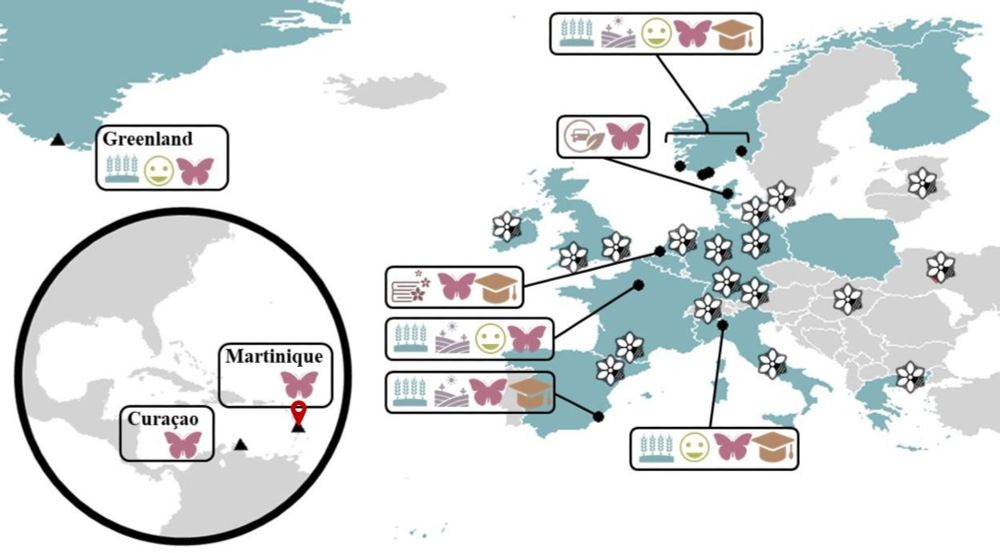
(1/3) Offcontinental locations 3/3 📍 Martinique
We are wrapping up our project location series with two exciting studies in Martinique!
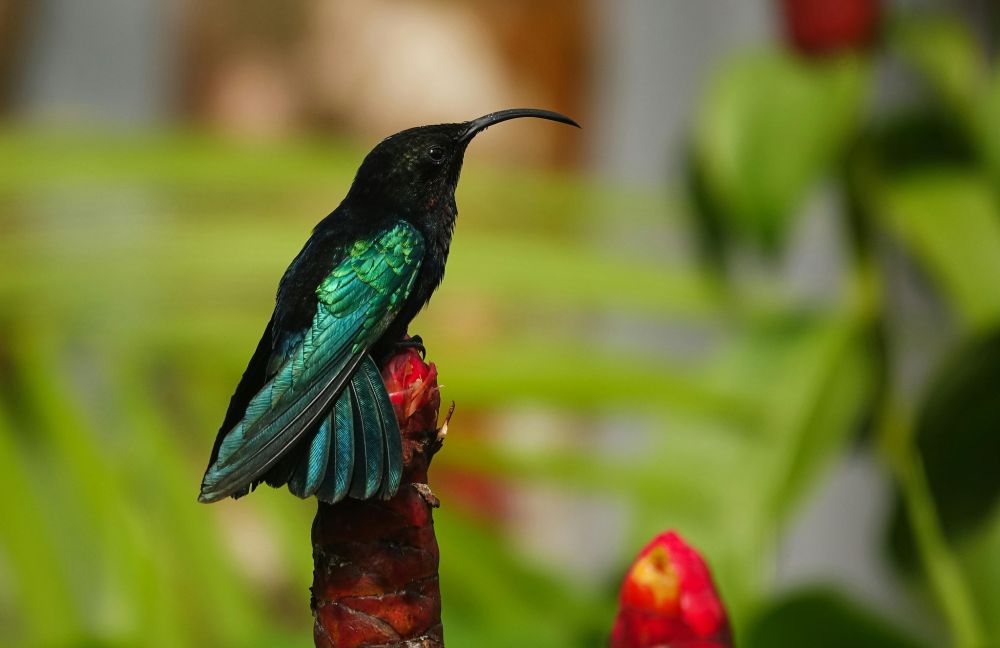
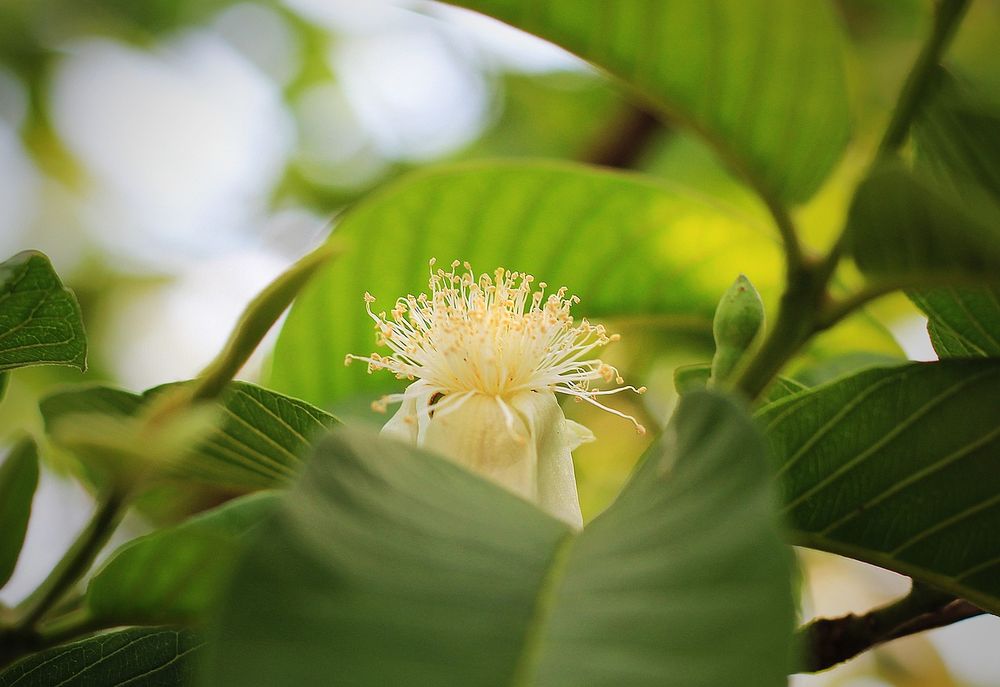
🐝🐦 Guava: a case study on this little-studied economically important tropical crop that depends on animal pollination in collaboration with FREDON Martinique.
We are wrapping up our project location series with two exciting studies in Martinique!
🐝🐦 Guava: a case study on this little-studied economically important tropical crop that depends on animal pollination in collaboration with FREDON Martinique.
August 1, 2025 at 1:05 PM
(1/3) Offcontinental locations 3/3 📍 Martinique
We are wrapping up our project location series with two exciting studies in Martinique!
🐝🐦 Guava: a case study on this little-studied economically important tropical crop that depends on animal pollination in collaboration with FREDON Martinique.
We are wrapping up our project location series with two exciting studies in Martinique!
🐝🐦 Guava: a case study on this little-studied economically important tropical crop that depends on animal pollination in collaboration with FREDON Martinique.
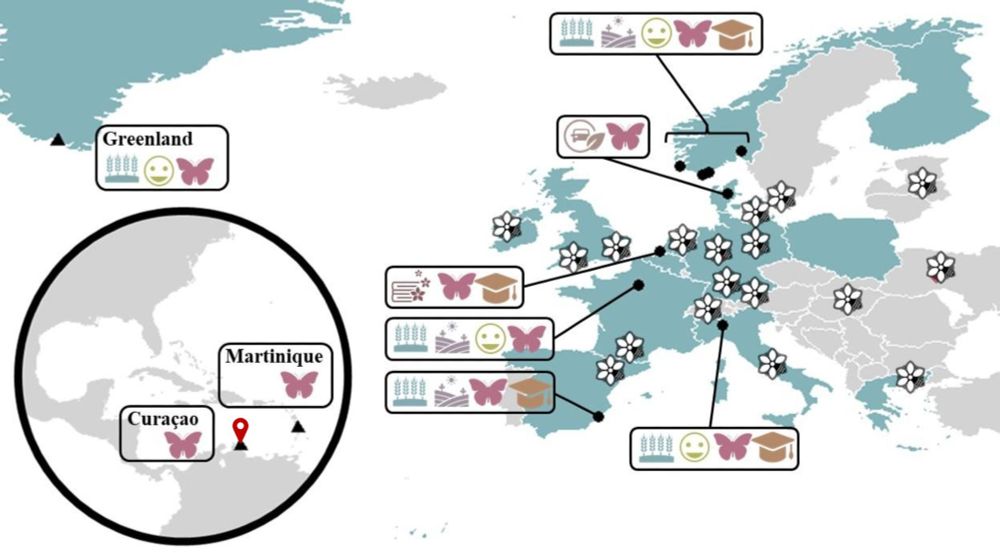
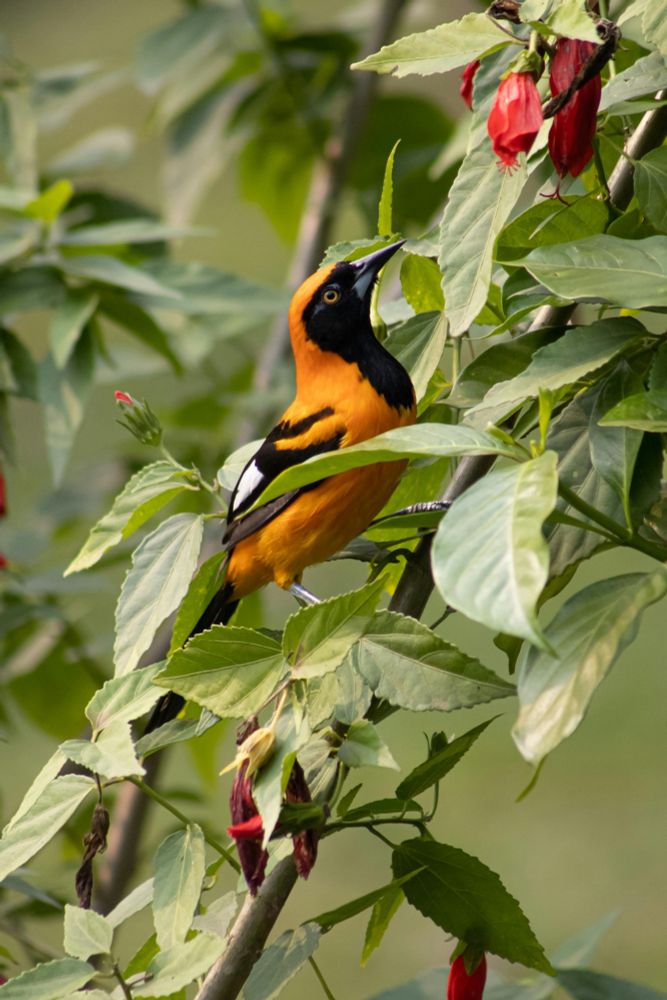
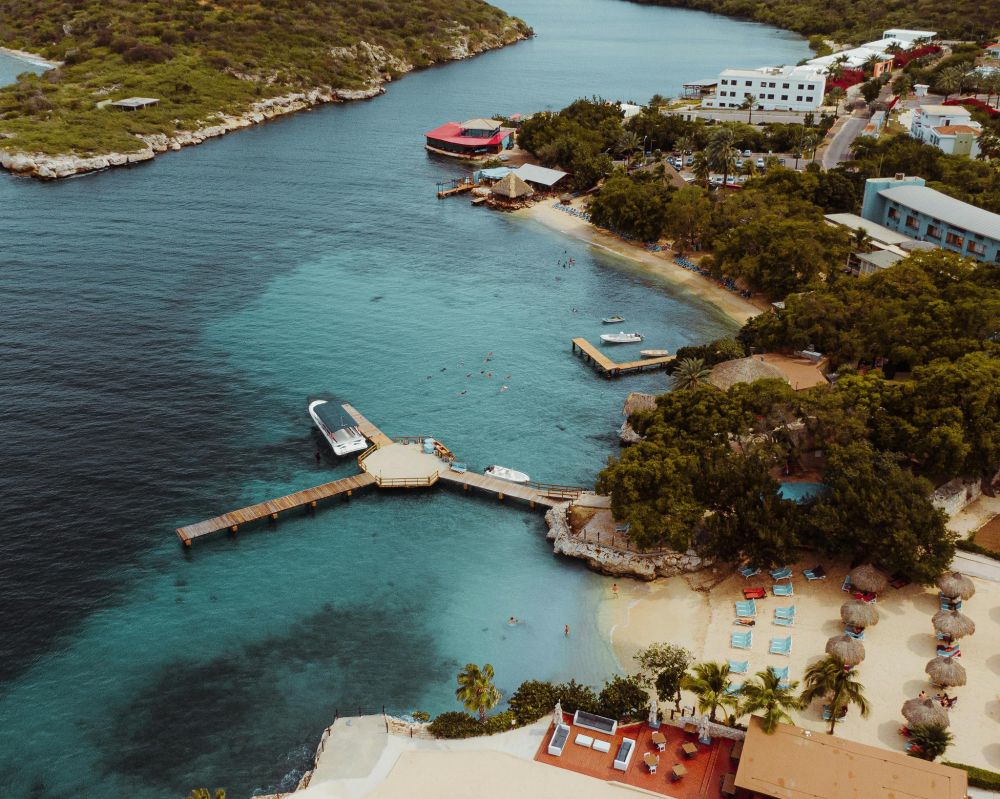
(1/2) Offcontinental locations 2/3: 📍Curaçao.
We will be teaming up with Carmabi.
Very little research has been done on pollinators in this region, so this is a great chance for us to gather valuable data and learn more about the diversity and importance of pollinators.
We will be teaming up with Carmabi.
Very little research has been done on pollinators in this region, so this is a great chance for us to gather valuable data and learn more about the diversity and importance of pollinators.
July 24, 2025 at 11:46 AM
(1/2) Offcontinental locations 2/3: 📍Curaçao.
We will be teaming up with Carmabi.
Very little research has been done on pollinators in this region, so this is a great chance for us to gather valuable data and learn more about the diversity and importance of pollinators.
We will be teaming up with Carmabi.
Very little research has been done on pollinators in this region, so this is a great chance for us to gather valuable data and learn more about the diversity and importance of pollinators.
Offcontinental locations: 1/3📍#Greenland
Rock cranberry, crowberry, cloudberry, and blueberry🫐 = important food sources for wildlife🦊 and the Indigenous communities in Greenland. Building on earlier work on pollination networks in eastern Greenland, we will expand to more populated areas in the west
Rock cranberry, crowberry, cloudberry, and blueberry🫐 = important food sources for wildlife🦊 and the Indigenous communities in Greenland. Building on earlier work on pollination networks in eastern Greenland, we will expand to more populated areas in the west


July 17, 2025 at 5:01 AM
Offcontinental locations: 1/3📍#Greenland
Rock cranberry, crowberry, cloudberry, and blueberry🫐 = important food sources for wildlife🦊 and the Indigenous communities in Greenland. Building on earlier work on pollination networks in eastern Greenland, we will expand to more populated areas in the west
Rock cranberry, crowberry, cloudberry, and blueberry🫐 = important food sources for wildlife🦊 and the Indigenous communities in Greenland. Building on earlier work on pollination networks in eastern Greenland, we will expand to more populated areas in the west