


Bono f Beeler
@bonobneuropark.bsky.social
Dog lover & all animal life and behaviour
Co-Founder Canine Neuropark®©
Co-Founder Canine Neuropark®©
Reposted by Bono f Beeler
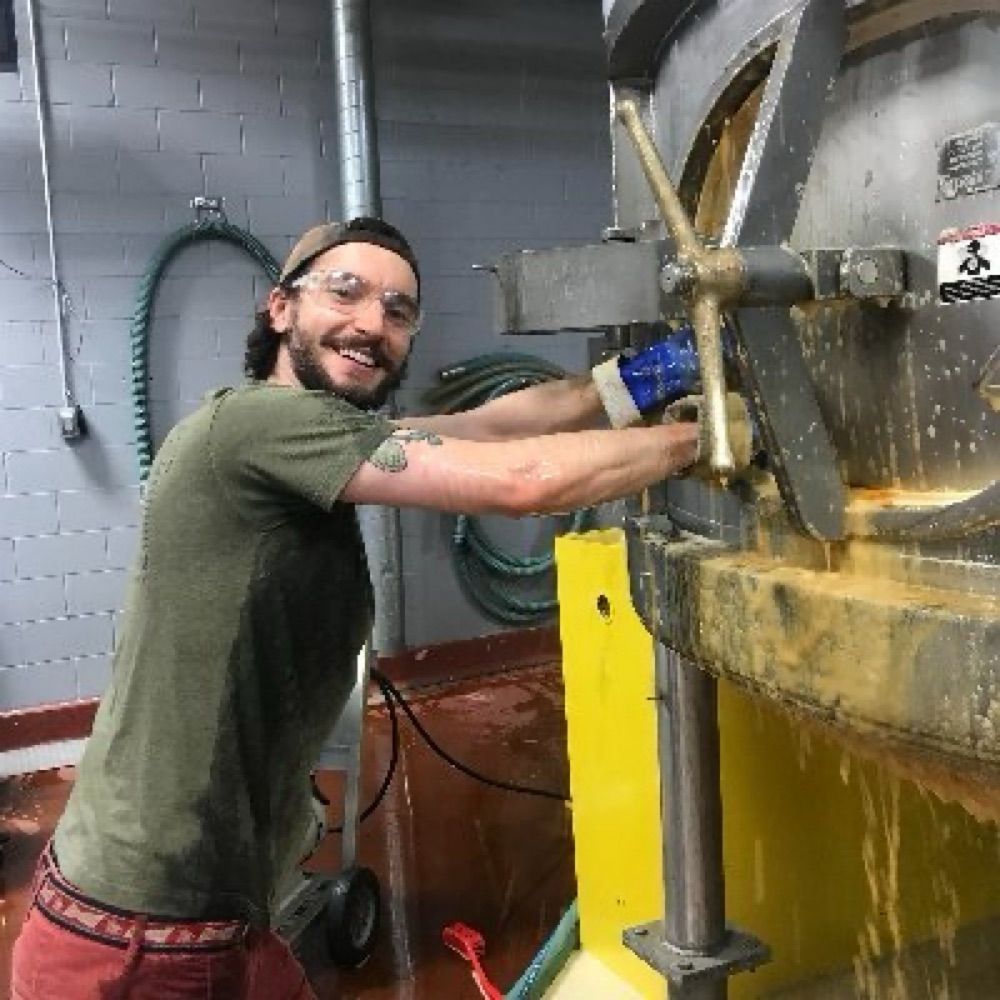
I don't always get pretty, isolated, AND transfected primary neurons in culture, but when I do I take advantage.... Rat hippocampal neuron overexpressing ThymosinB4-mScarlet and imaged for 16hr on a @zeiss-microscopy.bsky.social LSM880 with Airyscan. #FluorescenceFriday #Microscopy
December 19, 2025 at 2:01 PM
I don't always get pretty, isolated, AND transfected primary neurons in culture, but when I do I take advantage.... Rat hippocampal neuron overexpressing ThymosinB4-mScarlet and imaged for 16hr on a @zeiss-microscopy.bsky.social LSM880 with Airyscan. #FluorescenceFriday #Microscopy
Reposted by Bono f Beeler
𝗨𝗻𝗱𝗲𝗿𝘀𝘁𝗮𝗻𝗱𝗶𝗻𝗴 𝗦𝗰𝗶𝗲𝗻𝘁𝗶𝗳𝗶𝗰 𝗨𝗻𝗱𝗲𝗿𝘀𝘁𝗮𝗻𝗱𝗶𝗻𝗴
Great book about what understanding means in science. Highly recommend it.
Amazing historical account of cases studies in physics but applies to physical sciences more broadly.
Slow/repetitive at times but lots of gems if you stick with it.
Great book about what understanding means in science. Highly recommend it.
Amazing historical account of cases studies in physics but applies to physical sciences more broadly.
Slow/repetitive at times but lots of gems if you stick with it.

December 24, 2025 at 4:57 PM
𝗨𝗻𝗱𝗲𝗿𝘀𝘁𝗮𝗻𝗱𝗶𝗻𝗴 𝗦𝗰𝗶𝗲𝗻𝘁𝗶𝗳𝗶𝗰 𝗨𝗻𝗱𝗲𝗿𝘀𝘁𝗮𝗻𝗱𝗶𝗻𝗴
Great book about what understanding means in science. Highly recommend it.
Amazing historical account of cases studies in physics but applies to physical sciences more broadly.
Slow/repetitive at times but lots of gems if you stick with it.
Great book about what understanding means in science. Highly recommend it.
Amazing historical account of cases studies in physics but applies to physical sciences more broadly.
Slow/repetitive at times but lots of gems if you stick with it.
Reposted by Bono f Beeler

Message to President Trump from Greenland Tupaarnaq made by a greenlandic woman, which is a EU citizen.
December 23, 2025 at 4:09 PM
Message to President Trump from Greenland Tupaarnaq made by a greenlandic woman, which is a EU citizen.
Reposted by Bono f Beeler

Telling good science from bad – a user’s guide to navigating the scientific literature www.wiringthebrain.com/2021/08/tell...
Telling good science from bad – a user’s guide to navigating the scientific literature
“Did you find it convincing?” That’s what one of my genetics professors used to ask us, a small group of undergraduates who blinked in respo...
www.wiringthebrain.com
December 22, 2025 at 6:03 PM
Telling good science from bad – a user’s guide to navigating the scientific literature www.wiringthebrain.com/2021/08/tell...
A bunch of fluffs


December 13, 2025 at 10:04 AM
A bunch of fluffs
Yup


December 8, 2025 at 9:05 PM
Yup
What sort of meaning is made by a dogs' brain in either extreme of a spectrum; a live full of aversives and suppression - or a live full of safety restrictions (bubble wrapping)!?!
youtu.be/6qrOwNxl2LA?...
youtu.be/6qrOwNxl2LA?...

How Your Brain Creates Reality (updated)
YouTube video by Lisa Feldman Barrett
youtu.be
December 6, 2025 at 6:34 PM
What sort of meaning is made by a dogs' brain in either extreme of a spectrum; a live full of aversives and suppression - or a live full of safety restrictions (bubble wrapping)!?!
youtu.be/6qrOwNxl2LA?...
youtu.be/6qrOwNxl2LA?...
🧠 Canine Neuropark Simplified
Think of Canine Neuropark as a:
●rehab place
●safe natural niche
●"therapy" space
●"science" lab for dogs,
all rolled into one.
Where dogs & owners adapt through action
youtube.com/shorts/qd9Tr...
Think of Canine Neuropark as a:
●rehab place
●safe natural niche
●"therapy" space
●"science" lab for dogs,
all rolled into one.
Where dogs & owners adapt through action
youtube.com/shorts/qd9Tr...

how brain generalized and adaptation
YouTube video by Bono Beeler Canine Neuropark ®©
youtube.com
December 3, 2025 at 5:37 PM
🧠 Canine Neuropark Simplified
Think of Canine Neuropark as a:
●rehab place
●safe natural niche
●"therapy" space
●"science" lab for dogs,
all rolled into one.
Where dogs & owners adapt through action
youtube.com/shorts/qd9Tr...
Think of Canine Neuropark as a:
●rehab place
●safe natural niche
●"therapy" space
●"science" lab for dogs,
all rolled into one.
Where dogs & owners adapt through action
youtube.com/shorts/qd9Tr...
Reposted by Bono f Beeler
𝗪𝗵𝗮𝘁 𝗮𝗿𝗲 𝗯𝗿𝗮𝗶𝗻 𝗻𝗲𝘁𝘄𝗼𝗿𝗸𝘀?
Do they even exist...?
Join @lucinauddin.bsky.social who will present, followed by discussion in the Neuroscience & Philosophy Salon.
Open to all.
Date: Dec 9, 12pm EST-US
Register: umd.zoom.us/meeting/regi... (you need a zoom account which is free)
#neuroskyence
Do they even exist...?
Join @lucinauddin.bsky.social who will present, followed by discussion in the Neuroscience & Philosophy Salon.
Open to all.
Date: Dec 9, 12pm EST-US
Register: umd.zoom.us/meeting/regi... (you need a zoom account which is free)
#neuroskyence
Welcome! You are invited to join a meeting: NeuroPhilo Salon. After registering, you will receive a confirmation email about joining the meeting.
Welcome! You are invited to join a meeting: NeuroPhilo Salon. After registering, you will receive a confirmation email about joining the meeting.
umd.zoom.us
November 29, 2025 at 5:14 PM
𝗪𝗵𝗮𝘁 𝗮𝗿𝗲 𝗯𝗿𝗮𝗶𝗻 𝗻𝗲𝘁𝘄𝗼𝗿𝗸𝘀?
Do they even exist...?
Join @lucinauddin.bsky.social who will present, followed by discussion in the Neuroscience & Philosophy Salon.
Open to all.
Date: Dec 9, 12pm EST-US
Register: umd.zoom.us/meeting/regi... (you need a zoom account which is free)
#neuroskyence
Do they even exist...?
Join @lucinauddin.bsky.social who will present, followed by discussion in the Neuroscience & Philosophy Salon.
Open to all.
Date: Dec 9, 12pm EST-US
Register: umd.zoom.us/meeting/regi... (you need a zoom account which is free)
#neuroskyence
Wow

The biggest volcanic eruption ever seen from space, captured by two different satellites on January 15, 2022.
November 22, 2025 at 7:36 PM
Wow
Awesome
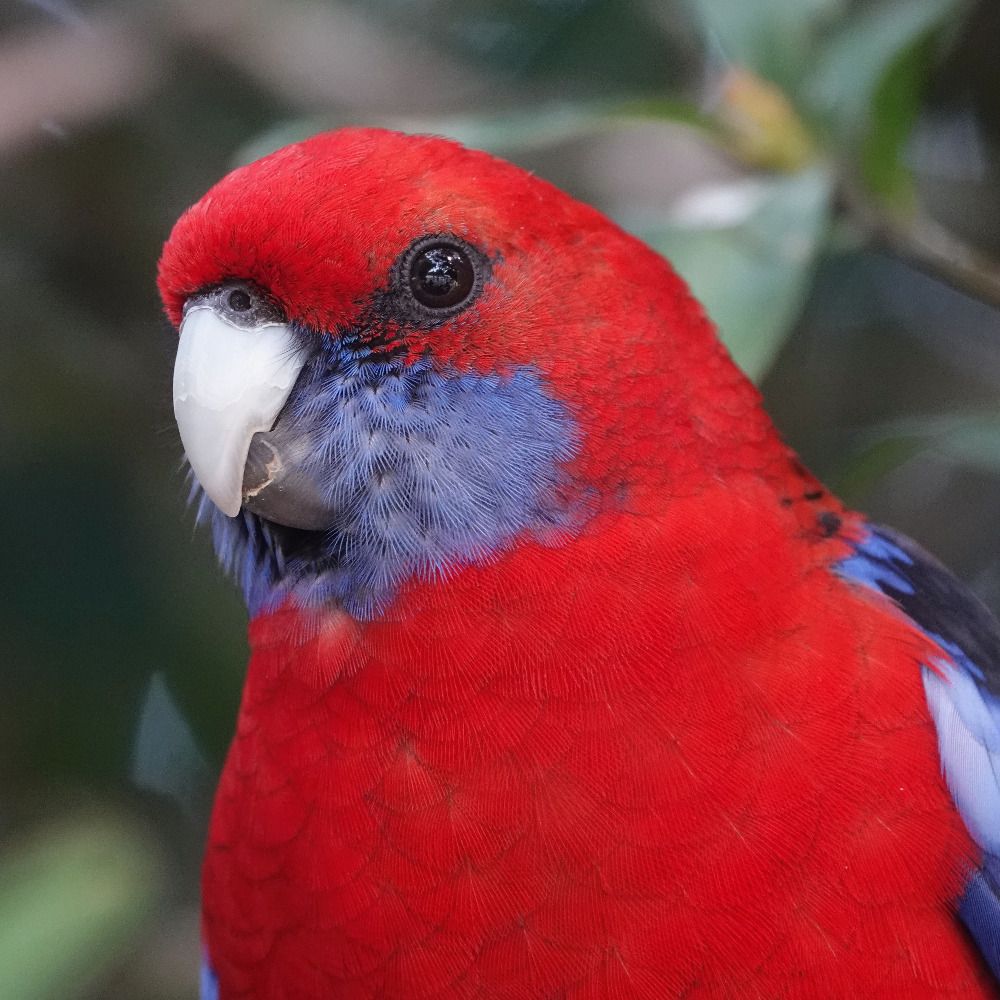
A reminder to anyone interested in #brains #birds or behaviour, our new book is available for FREE as an ebook in addition to print copies.
#neuroethology #neuroskyence #ornithology 🧪🧠🪶
direct.mit.edu/books/oa-mon...
#neuroethology #neuroskyence #ornithology 🧪🧠🪶
direct.mit.edu/books/oa-mon...

Bird Brains and Behavior: A Synthesis
From two avian neurobiologists, a captivating deep dive into the mechanisms that control avian behavior.The last few decades have produced extensive resear
direct.mit.edu
November 20, 2025 at 5:55 PM
Awesome
"It is good to learn how ideas,cane about..." few years back but still an interesting interview with György Buzáki
youtu.be/W5acSaQSEuU?...
youtu.be/W5acSaQSEuU?...

Interview to Dr. György Buzsáki
YouTube video by ENCODS
youtu.be
November 10, 2025 at 9:14 PM
"It is good to learn how ideas,cane about..." few years back but still an interesting interview with György Buzáki
youtu.be/W5acSaQSEuU?...
youtu.be/W5acSaQSEuU?...
Reposted by Bono f Beeler

What’s happening beneath the surface when you feel anxious? New podcast episode: "How #Anxiety Is Constructed In The #Brain: Insights from #Neuroscience." On The Anxious Truth podcast. theanxioustruth.com/how-anxiety-...

How Anxiety Is Constructed In The Brain (Ep 327)
How is anxiety constructed in the brain? What creates that difficult internal experience? Dr Lisa Feldman Barrett is here to talk about that.
theanxioustruth.com
October 10, 2025 at 11:45 AM
What’s happening beneath the surface when you feel anxious? New podcast episode: "How #Anxiety Is Constructed In The #Brain: Insights from #Neuroscience." On The Anxious Truth podcast. theanxioustruth.com/how-anxiety-...
Reposted by Bono f Beeler
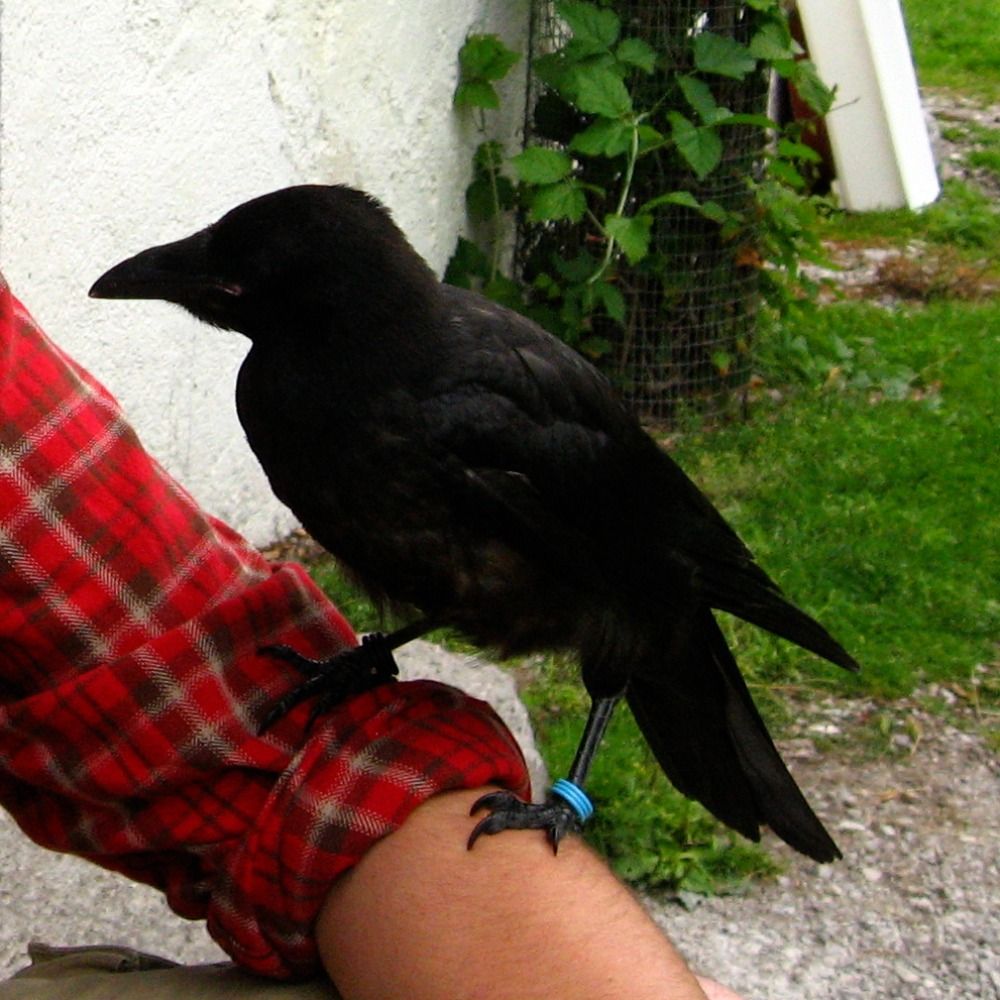
The problem is that innateness is not a neutral concept. It hinders our understanding of ontogeny by posing as a developmental explanation when it is not. Showing that a behavior is predictable across space and time is informative, but it does not reveal how it developed.

October 3, 2025 at 7:29 PM
The problem is that innateness is not a neutral concept. It hinders our understanding of ontogeny by posing as a developmental explanation when it is not. Showing that a behavior is predictable across space and time is informative, but it does not reveal how it developed.
Reposted by Bono f Beeler
But studying development prospectively is grueling and time-consuming. It's rooted in natural history, and fell outside the emphasis on Popperian falsifiable hypothesis testing. This left an opportunity for sociobiology to overlook past critiques and reintroduce innateness into animal behavior.


October 3, 2025 at 7:29 PM
But studying development prospectively is grueling and time-consuming. It's rooted in natural history, and fell outside the emphasis on Popperian falsifiable hypothesis testing. This left an opportunity for sociobiology to overlook past critiques and reintroduce innateness into animal behavior.
Reposted by Bono f Beeler
To truly understand the development of behavior, we have to observe the processes from the beginning. There is no way to predict what retroactive experiences might be causal. So we need to map out the details of the ontogenetic niches that capture a species' typical ontogenetic processes first.

October 3, 2025 at 7:29 PM
To truly understand the development of behavior, we have to observe the processes from the beginning. There is no way to predict what retroactive experiences might be causal. So we need to map out the details of the ontogenetic niches that capture a species' typical ontogenetic processes first.
Reposted by Bono f Beeler
Non-obvious factors guide development. Their existence challenged the retroactive view of development. This view posits that the presence of seemingly non-learned yet prepared responses to the environment is itself evidence of unobserved innate origins.
journals.sagepub.com/doi/full/10....
journals.sagepub.com/doi/full/10....


October 3, 2025 at 7:29 PM
Non-obvious factors guide development. Their existence challenged the retroactive view of development. This view posits that the presence of seemingly non-learned yet prepared responses to the environment is itself evidence of unobserved innate origins.
journals.sagepub.com/doi/full/10....
journals.sagepub.com/doi/full/10....
Reposted by Bono f Beeler
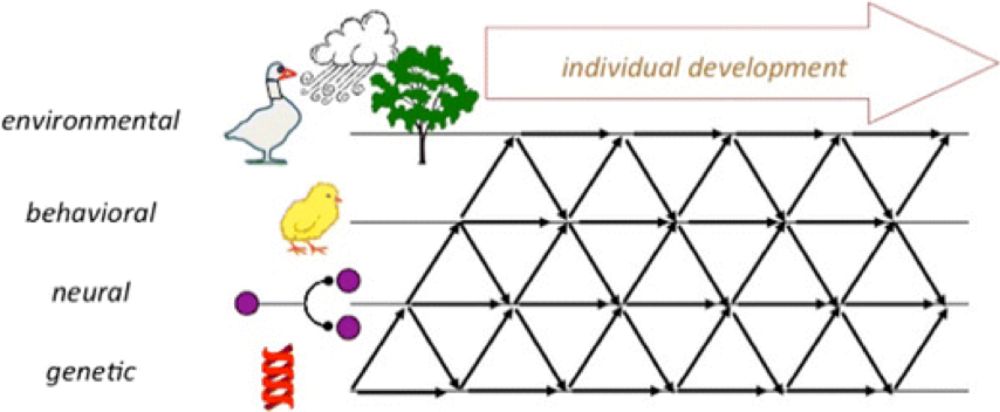
In particular, they showed that all organisms are constantly interacting and learning from (in the broad sense) their environment. "Innate" behavior that emerges in the first few seconds after hatching still has a long developmental history. Experience is etched into the organism at conception.


October 3, 2025 at 7:29 PM
In particular, they showed that all organisms are constantly interacting and learning from (in the broad sense) their environment. "Innate" behavior that emerges in the first few seconds after hatching still has a long developmental history. Experience is etched into the organism at conception.
Reposted by Bono f Beeler
At the same time, developmental psychobiologists showed that development is a radically non-linear, dynamic, and constructive process. This process depended on a network of reciprocal interactions between genes, the organism, and the environment, without prioritizing any of them.


October 3, 2025 at 7:29 PM
At the same time, developmental psychobiologists showed that development is a radically non-linear, dynamic, and constructive process. This process depended on a network of reciprocal interactions between genes, the organism, and the environment, without prioritizing any of them.
Reposted by Bono f Beeler
From this, ethologists such as Patrick Bateson, Peter Klopfer, S. A. Barnett, and Jack P. Hailman showed how moving beyond the innate vs. learned dichotomy opened new avenues for investigating the evolution of behavior. Many of these research programs are now foundational.


October 3, 2025 at 7:29 PM
From this, ethologists such as Patrick Bateson, Peter Klopfer, S. A. Barnett, and Jack P. Hailman showed how moving beyond the innate vs. learned dichotomy opened new avenues for investigating the evolution of behavior. Many of these research programs are now foundational.
Reposted by Bono f Beeler
These critiques (especially Lehrman's) convinced luminaries in ethology such as Niko Tinbergen--who pioneered the modern concept of innateness--that usage of innateness in animal behavior had reached its natural conclusion. Development overcame the dialectical opposition of innate vs. acquired.


October 3, 2025 at 7:29 PM
These critiques (especially Lehrman's) convinced luminaries in ethology such as Niko Tinbergen--who pioneered the modern concept of innateness--that usage of innateness in animal behavior had reached its natural conclusion. Development overcame the dialectical opposition of innate vs. acquired.
Reposted by Bono f Beeler
Innateness has been subjected to strong criticisms. A founder of the Animal Behavior Society, Ethel Tobach, along with Daniel Lehrman and their mentor T. C. Schneirla, convincingly argued that development could not be pigeonholed into such dichotomies. link.springer.com/article/10.1...

Revisiting T. C. Schneirla’s “Interrelationships of the ‘Innate’ and the ‘Acquired’ in Instinctive Behavior” (1956) - Biological Theory
During the postwar period, the concept of instinct came to encapsulate the debate around the importance of nature versus nurture. The fact that animals show highly organized behavior early in development suggested the presence of an underlying fixity where behavior was “inbuilt” into an animal’s biology despite an individual’s experiences. This placed a discrete and exhaustive line between the innate and acquired that became a foundation for the European-dominated field of ethology. Across the Atlantic, a group of comparative psychologists led by the American Museum of Natural History’s T. C. Schneirla contested this approach, proposing that the study of animal behavior should avoid abstract dichotomies with a renewed focus on developmental processes. While Schneirla’s theoretical and empirical work shaped the modern study of animal behavior, his legacy requires revisiting in an era where the nature versus nurture debate is regaining prominence. In this article, I revisit Schneirla’s approach to behavior with a focus on his paper “Interrelationships of the ‘Innate’ and the ‘Acquired’ in Instinctive Behavior” (published in M. Autuori et al. (1956) L’instinct dans le comportement des animaux et de l’homme; Masson, Paris, pp. 387–452) for the journal’s “Classics in Biological Theory” collection; the paper is available as supplementary material in the online version of this article. A companion article (this issue; G. M. Kohn (2024) “A Discussion on Instinct, Paris, 1954”) presents the commentary that was published with it.
link.springer.com
October 3, 2025 at 7:29 PM
Innateness has been subjected to strong criticisms. A founder of the Animal Behavior Society, Ethel Tobach, along with Daniel Lehrman and their mentor T. C. Schneirla, convincingly argued that development could not be pigeonholed into such dichotomies. link.springer.com/article/10.1...
Reposted by Bono f Beeler
This is an awe-inspiring and fascinating study that I thoroughly enjoyed reading. However, the overall framing in terms of "innate versus learned” is unnecessary. The innate versus acquired dichotomy is outdated and has been for a long time. www.nature.com/articles/s41...

Learned use of an innate sound-meaning association in birds - Nature Ecology & Evolution
Over 20 species of geographically and phylogenetically diverse bird species produce convergent whining vocalizations towards their respective brood parasites. Model presentation and playback experiments across multiple continents suggest that these learned calls provoke an innate response even among allopatric species.
www.nature.com
October 3, 2025 at 7:29 PM
This is an awe-inspiring and fascinating study that I thoroughly enjoyed reading. However, the overall framing in terms of "innate versus learned” is unnecessary. The innate versus acquired dichotomy is outdated and has been for a long time. www.nature.com/articles/s41...


Reposted by Bono f Beeler

Preprint -
Excited to present WHOLISTIC, which extends the concept of whole-brain functional imaging to the entire body. Pioneering work by incredibly talented Virginia Ruetten @vmsruetten.bsky.social, this platform reveals whole-organism cellular dynamics in vivo.
www.biorxiv.org/content/10.1...
Excited to present WHOLISTIC, which extends the concept of whole-brain functional imaging to the entire body. Pioneering work by incredibly talented Virginia Ruetten @vmsruetten.bsky.social, this platform reveals whole-organism cellular dynamics in vivo.
www.biorxiv.org/content/10.1...
September 8, 2025 at 4:25 PM
Preprint -
Excited to present WHOLISTIC, which extends the concept of whole-brain functional imaging to the entire body. Pioneering work by incredibly talented Virginia Ruetten @vmsruetten.bsky.social, this platform reveals whole-organism cellular dynamics in vivo.
www.biorxiv.org/content/10.1...
Excited to present WHOLISTIC, which extends the concept of whole-brain functional imaging to the entire body. Pioneering work by incredibly talented Virginia Ruetten @vmsruetten.bsky.social, this platform reveals whole-organism cellular dynamics in vivo.
www.biorxiv.org/content/10.1...