




UK Centre for Ecology & Hydrology (UKCEH)
@ukceh.bsky.social
Our Planet. Decoded.
🎙️ Counting The Earth podcast: https://tinyurl.com/CTEarthpodcast
📰 Newsletter sign-up: https://tinyurl.com/ukceh-news
🎙️ Counting The Earth podcast: https://tinyurl.com/CTEarthpodcast
📰 Newsletter sign-up: https://tinyurl.com/ukceh-news
Pinned

Introducing UKCEH. Our Planet. Decoded.
YouTube video by UKCEH
youtu.be
Our Planet. Decoded.
UKCEH makes sense of environmental complexity to power decisions that shape a better future.
We don’t just examine our planet, we decode it – working out how to build a better tomorrow.
🎞️ youtu.be/s9fBwN5-kxM
#UKCEH #EnvironmentalScience 🧪
UKCEH makes sense of environmental complexity to power decisions that shape a better future.
We don’t just examine our planet, we decode it – working out how to build a better tomorrow.
🎞️ youtu.be/s9fBwN5-kxM
#UKCEH #EnvironmentalScience 🧪
The latest Hydrological Summary for the UK looks back at warm and wet December 🌧️.
🔗 Full detail (PDF): https://f.mtr.cool/dupyophozf
#rivers #rainfall
🔗 Full detail (PDF): https://f.mtr.cool/dupyophozf
#rivers #rainfall

January 17, 2026 at 9:03 AM
The latest Hydrological Summary for the UK looks back at warm and wet December 🌧️.
🔗 Full detail (PDF): https://f.mtr.cool/dupyophozf
#rivers #rainfall
🔗 Full detail (PDF): https://f.mtr.cool/dupyophozf
#rivers #rainfall
We were delighted to welcome Prof Sallie Bailey and Dr @tonyjuniper.bsky.social from @naturalengland.bsky.social to our Wallingford site this week.
A great opportunity to build our strategic relationship, ensuring strong alignment between their evidence priorities and our research 🔍🧪🌱.
A great opportunity to build our strategic relationship, ensuring strong alignment between their evidence priorities and our research 🔍🧪🌱.


January 16, 2026 at 12:58 PM
We were delighted to welcome Prof Sallie Bailey and Dr @tonyjuniper.bsky.social from @naturalengland.bsky.social to our Wallingford site this week.
A great opportunity to build our strategic relationship, ensuring strong alignment between their evidence priorities and our research 🔍🧪🌱.
A great opportunity to build our strategic relationship, ensuring strong alignment between their evidence priorities and our research 🔍🧪🌱.
Reposted by UK Centre for Ecology & Hydrology (UKCEH)
This exacerbates insect population declines and reduces their ability to provide vital services for biodiversity and people from pollination to pest control.
The study by the NERC-funded @glitrs.bsky.social project is published in @natcomms.nature.com: www.nature.com/articles/s41...
2/
The study by the NERC-funded @glitrs.bsky.social project is published in @natcomms.nature.com: www.nature.com/articles/s41...
2/

Meta-analysis reveals negative but highly variable impacts of invasive alien species across terrestrial insect orders - Nature Communications
Insects are crucial for ecosystem functioning but face multiple threats, including invasive alien species. Here the authors quantify impacts of invasive alien species on four insect orders, with effec...
www.nature.com
January 15, 2026 at 12:47 PM
This exacerbates insect population declines and reduces their ability to provide vital services for biodiversity and people from pollination to pest control.
The study by the NERC-funded @glitrs.bsky.social project is published in @natcomms.nature.com: www.nature.com/articles/s41...
2/
The study by the NERC-funded @glitrs.bsky.social project is published in @natcomms.nature.com: www.nature.com/articles/s41...
2/
First global analysis of its kind, led by UKCEH, has shown the impacts of invasive alien species on insects.
The study found the non-native animals & plants on average reduce abundance of terrestrial insects by 31% and species richness by 21%.
www.ceh.ac.uk/press/insect...
🧪 1/ #biodiversity
The study found the non-native animals & plants on average reduce abundance of terrestrial insects by 31% and species richness by 21%.
www.ceh.ac.uk/press/insect...
🧪 1/ #biodiversity

January 15, 2026 at 12:47 PM
First global analysis of its kind, led by UKCEH, has shown the impacts of invasive alien species on insects.
The study found the non-native animals & plants on average reduce abundance of terrestrial insects by 31% and species richness by 21%.
www.ceh.ac.uk/press/insect...
🧪 1/ #biodiversity
The study found the non-native animals & plants on average reduce abundance of terrestrial insects by 31% and species richness by 21%.
www.ceh.ac.uk/press/insect...
🧪 1/ #biodiversity
A new study has found microplastics in greater quantities in a rural woodland than a nearby city.
It estimated up to 500 airborne particles were deposited on a sq metre of ground every day in Wytham Woods nr Oxford – almost twice as many as in the city centre.
www.ceh.ac.uk/news-and-med... 🧪
1/
It estimated up to 500 airborne particles were deposited on a sq metre of ground every day in Wytham Woods nr Oxford – almost twice as many as in the city centre.
www.ceh.ac.uk/news-and-med... 🧪
1/


January 14, 2026 at 5:18 PM
A new study has found microplastics in greater quantities in a rural woodland than a nearby city.
It estimated up to 500 airborne particles were deposited on a sq metre of ground every day in Wytham Woods nr Oxford – almost twice as many as in the city centre.
www.ceh.ac.uk/news-and-med... 🧪
1/
It estimated up to 500 airborne particles were deposited on a sq metre of ground every day in Wytham Woods nr Oxford – almost twice as many as in the city centre.
www.ceh.ac.uk/news-and-med... 🧪
1/
Latest COSMOS-UK soil moisture network data published.
Despite near-average rainfall across the UK in December, drier conditions late in month stalled recovery from year's extremely dry weather.
See the full summary via cosmos.ceh.ac.uk/resources/mo...
Despite near-average rainfall across the UK in December, drier conditions late in month stalled recovery from year's extremely dry weather.
See the full summary via cosmos.ceh.ac.uk/resources/mo...

January 13, 2026 at 2:32 PM
Latest COSMOS-UK soil moisture network data published.
Despite near-average rainfall across the UK in December, drier conditions late in month stalled recovery from year's extremely dry weather.
See the full summary via cosmos.ceh.ac.uk/resources/mo...
Despite near-average rainfall across the UK in December, drier conditions late in month stalled recovery from year's extremely dry weather.
See the full summary via cosmos.ceh.ac.uk/resources/mo...
⏰ Don't miss out! You can still secure an online place for the #FDRI Floodplain Flows workshop next month (in-person places now full)
#hydrology
#hydrology
How do we effectively measure floodplain flows? 🌊
Join a free, interactive workshop from #FDRI and @britishhydrosoc.bsky.social with experts from UKCEH, JBA Consulting and more.
Open to all! In person in Edinburgh or online (Feb 2026).
Sign up: fdri.org.uk/get-involved...
#hydrology
Join a free, interactive workshop from #FDRI and @britishhydrosoc.bsky.social with experts from UKCEH, JBA Consulting and more.
Open to all! In person in Edinburgh or online (Feb 2026).
Sign up: fdri.org.uk/get-involved...
#hydrology

January 13, 2026 at 9:50 AM
⏰ Don't miss out! You can still secure an online place for the #FDRI Floodplain Flows workshop next month (in-person places now full)
#hydrology
#hydrology
Reposted by UK Centre for Ecology & Hydrology (UKCEH)

An exciting opportunity and a great way to see some wonderful sites and species! And you have until 30th Jan to apply!
🌼🪲🌸🦋🌾🐞🏵🐛
🌼🪲🌸🦋🌾🐞🏵🐛
🦋🌿Hiring 12 x Botanists or Entomologists for 2026 field surveys in England!
4-month, full-time roles from late April to early September.
Field sites in Yorkshire, Devon, Warwickshire, Kent/Sussex, Lincolnshire/Cambridge, Essex/Suffolk.
Apply now: ceh.wd3.myworkdayjobs.com/en-US/CEH_Ca... 🧪
4-month, full-time roles from late April to early September.
Field sites in Yorkshire, Devon, Warwickshire, Kent/Sussex, Lincolnshire/Cambridge, Essex/Suffolk.
Apply now: ceh.wd3.myworkdayjobs.com/en-US/CEH_Ca... 🧪

January 13, 2026 at 8:12 AM
An exciting opportunity and a great way to see some wonderful sites and species! And you have until 30th Jan to apply!
🌼🪲🌸🦋🌾🐞🏵🐛
🌼🪲🌸🦋🌾🐞🏵🐛
Reposted by UK Centre for Ecology & Hydrology (UKCEH)

Submit your #EGU26 abstracts to www.egu26.eu/session/55947 by 15 Jan 2026.
January 13, 2026 at 9:03 AM
Submit your #EGU26 abstracts to www.egu26.eu/session/55947 by 15 Jan 2026.
Latest UK Hydrological Outlook is published. Forecast for next 3 months indicates higher-than-normal chance of it being wet.
River flows & groundwater levels likely to be in the normal range for most of UK though below normal in parts of SE & above normal in NW
More detail: hydoutuk.net 🧪
River flows & groundwater levels likely to be in the normal range for most of UK though below normal in parts of SE & above normal in NW
More detail: hydoutuk.net 🧪

January 12, 2026 at 2:16 PM
Latest UK Hydrological Outlook is published. Forecast for next 3 months indicates higher-than-normal chance of it being wet.
River flows & groundwater levels likely to be in the normal range for most of UK though below normal in parts of SE & above normal in NW
More detail: hydoutuk.net 🧪
River flows & groundwater levels likely to be in the normal range for most of UK though below normal in parts of SE & above normal in NW
More detail: hydoutuk.net 🧪
Reposted by UK Centre for Ecology & Hydrology (UKCEH)

Can you identify UK bumblebees and/or butterflies to a species level in the field?
Or do you have strong botanical survey skills (equivalent to FISC Level 4 or higher) with the ability to recognise broad and priority habitats?
See great opportunity below & please share!
Or do you have strong botanical survey skills (equivalent to FISC Level 4 or higher) with the ability to recognise broad and priority habitats?
See great opportunity below & please share!
🦋🌿Hiring 12 x Botanists or Entomologists for 2026 field surveys in England!
4-month, full-time roles from late April to early September.
Field sites in Yorkshire, Devon, Warwickshire, Kent/Sussex, Lincolnshire/Cambridge, Essex/Suffolk.
Apply now: ceh.wd3.myworkdayjobs.com/en-US/CEH_Ca... 🧪
4-month, full-time roles from late April to early September.
Field sites in Yorkshire, Devon, Warwickshire, Kent/Sussex, Lincolnshire/Cambridge, Essex/Suffolk.
Apply now: ceh.wd3.myworkdayjobs.com/en-US/CEH_Ca... 🧪
January 9, 2026 at 4:37 PM
Can you identify UK bumblebees and/or butterflies to a species level in the field?
Or do you have strong botanical survey skills (equivalent to FISC Level 4 or higher) with the ability to recognise broad and priority habitats?
See great opportunity below & please share!
Or do you have strong botanical survey skills (equivalent to FISC Level 4 or higher) with the ability to recognise broad and priority habitats?
See great opportunity below & please share!
🦋🌿Hiring 12 x Botanists or Entomologists for 2026 field surveys in England!
4-month, full-time roles from late April to early September.
Field sites in Yorkshire, Devon, Warwickshire, Kent/Sussex, Lincolnshire/Cambridge, Essex/Suffolk.
Apply now: ceh.wd3.myworkdayjobs.com/en-US/CEH_Ca... 🧪
4-month, full-time roles from late April to early September.
Field sites in Yorkshire, Devon, Warwickshire, Kent/Sussex, Lincolnshire/Cambridge, Essex/Suffolk.
Apply now: ceh.wd3.myworkdayjobs.com/en-US/CEH_Ca... 🧪
January 9, 2026 at 9:36 AM
🦋🌿Hiring 12 x Botanists or Entomologists for 2026 field surveys in England!
4-month, full-time roles from late April to early September.
Field sites in Yorkshire, Devon, Warwickshire, Kent/Sussex, Lincolnshire/Cambridge, Essex/Suffolk.
Apply now: ceh.wd3.myworkdayjobs.com/en-US/CEH_Ca... 🧪
4-month, full-time roles from late April to early September.
Field sites in Yorkshire, Devon, Warwickshire, Kent/Sussex, Lincolnshire/Cambridge, Essex/Suffolk.
Apply now: ceh.wd3.myworkdayjobs.com/en-US/CEH_Ca... 🧪
There must be a systems reset to redefine sustainable development, say scientists behind a new global study.
They offer a framework to better balance nature, economies and society.
Read more in a blog by UKCEH coauthors Helen Roy and Paula Harrison: www.ceh.ac.uk/news-and-med...
🧪 1/
They offer a framework to better balance nature, economies and society.
Read more in a blog by UKCEH coauthors Helen Roy and Paula Harrison: www.ceh.ac.uk/news-and-med...
🧪 1/


January 8, 2026 at 4:02 PM
There must be a systems reset to redefine sustainable development, say scientists behind a new global study.
They offer a framework to better balance nature, economies and society.
Read more in a blog by UKCEH coauthors Helen Roy and Paula Harrison: www.ceh.ac.uk/news-and-med...
🧪 1/
They offer a framework to better balance nature, economies and society.
Read more in a blog by UKCEH coauthors Helen Roy and Paula Harrison: www.ceh.ac.uk/news-and-med...
🧪 1/
Reposted by UK Centre for Ecology & Hydrology (UKCEH)

Record Cleaner helps biological records flow where they matter most 🌱 This FREE @ukceh.bsky.social desktop tool checks & validates records before submission, improving data quality for research & conservation. 🌍 🧪
Join our FREE webinar: www.eventbrite.co.uk/e/1976877829...
@nbntrust.bsky.social
Join our FREE webinar: www.eventbrite.co.uk/e/1976877829...
@nbntrust.bsky.social

January 2, 2026 at 5:07 PM
Record Cleaner helps biological records flow where they matter most 🌱 This FREE @ukceh.bsky.social desktop tool checks & validates records before submission, improving data quality for research & conservation. 🌍 🧪
Join our FREE webinar: www.eventbrite.co.uk/e/1976877829...
@nbntrust.bsky.social
Join our FREE webinar: www.eventbrite.co.uk/e/1976877829...
@nbntrust.bsky.social
Nitrogen pollution affects air, water, climate, biodiversity & health—costing billions.
Prof Mark Sutton reflects on #UNEA7, how global partnerships are driving progress, and why timely investment is now essential to turn plans into action.
Full post: www.ceh.ac.uk/news-and-med...
Prof Mark Sutton reflects on #UNEA7, how global partnerships are driving progress, and why timely investment is now essential to turn plans into action.
Full post: www.ceh.ac.uk/news-and-med...


January 7, 2026 at 2:52 PM
Nitrogen pollution affects air, water, climate, biodiversity & health—costing billions.
Prof Mark Sutton reflects on #UNEA7, how global partnerships are driving progress, and why timely investment is now essential to turn plans into action.
Full post: www.ceh.ac.uk/news-and-med...
Prof Mark Sutton reflects on #UNEA7, how global partnerships are driving progress, and why timely investment is now essential to turn plans into action.
Full post: www.ceh.ac.uk/news-and-med...
Reposted by UK Centre for Ecology & Hydrology (UKCEH)
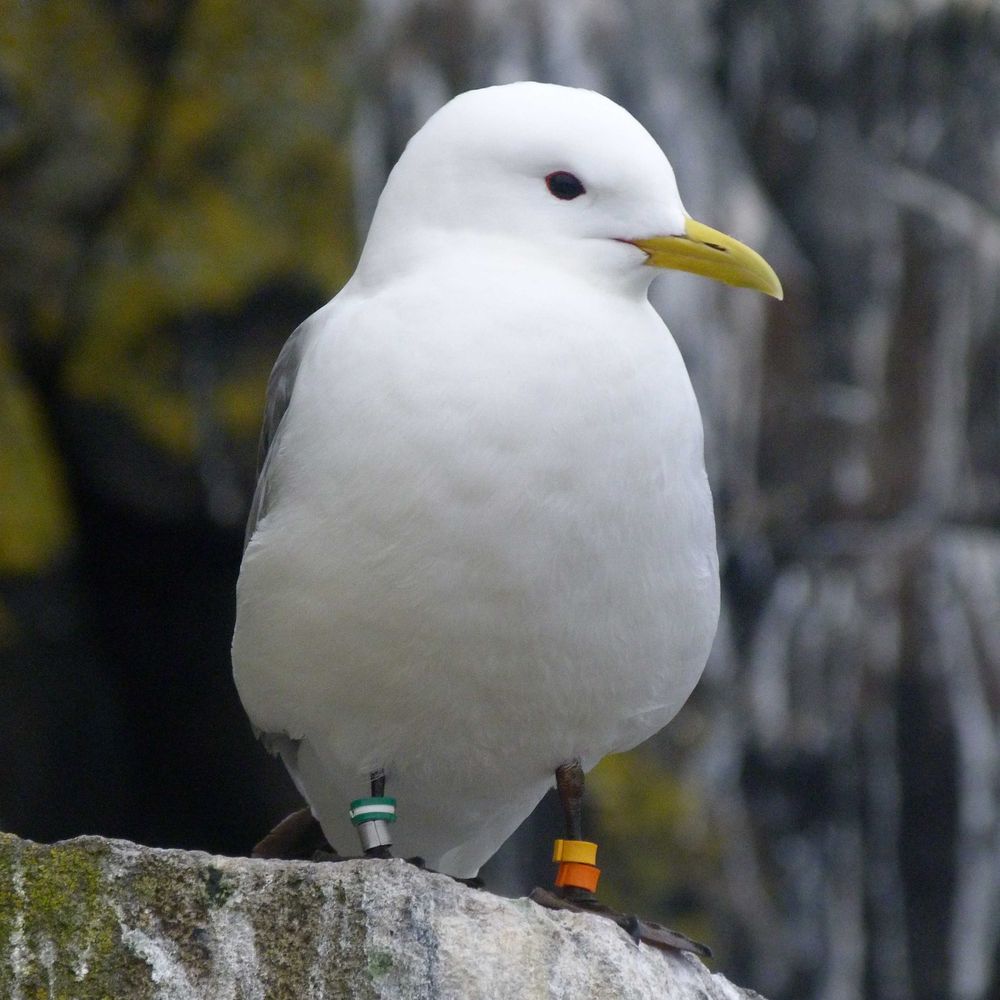
New Year, new job. Come and join the @ukceh.bsky.social team on the Isle of May
ceh.wd3.myworkdayjobs.com/en-GB/CEH_Ca...
ceh.wd3.myworkdayjobs.com/en-GB/CEH_Ca...
Avian Ecologist
Salary - £31,942 - £33,898 Depending on experience Hybrid working (50/50) Location: Edinburgh Closing date: 16th January 2026 We are looking for an enthusiastic Avian Ecologist to join our team in Edi...
ceh.wd3.myworkdayjobs.com
December 31, 2025 at 1:28 PM
New Year, new job. Come and join the @ukceh.bsky.social team on the Isle of May
ceh.wd3.myworkdayjobs.com/en-GB/CEH_Ca...
ceh.wd3.myworkdayjobs.com/en-GB/CEH_Ca...
When did hydrologists become historians? #FDRI has released 35 years of hi-res data from the Plynlimon Research Catchments!
Read about our process of unearthing 35 years of measurements and what it means for understanding river processes: https://f.mtr.cool/grqzmwiqsd 🧪
Read about our process of unearthing 35 years of measurements and what it means for understanding river processes: https://f.mtr.cool/grqzmwiqsd 🧪

January 6, 2026 at 10:11 AM
When did hydrologists become historians? #FDRI has released 35 years of hi-res data from the Plynlimon Research Catchments!
Read about our process of unearthing 35 years of measurements and what it means for understanding river processes: https://f.mtr.cool/grqzmwiqsd 🧪
Read about our process of unearthing 35 years of measurements and what it means for understanding river processes: https://f.mtr.cool/grqzmwiqsd 🧪
Oxford Real Farming Conference – Fri 9 Jan
🚜 Farmer to farmer mentoring, 9–10:20am
Lisa Norton, Jimmy Woodrow and Clare Hill to discuss lessons from DEFRA’s £1.75m
Pasture and Profit in Protected Landscapes scheme (93 farmer mentors).
https://orfc.org.uk/orfc-2026-in-person-programme/
#ORFC2026
🚜 Farmer to farmer mentoring, 9–10:20am
Lisa Norton, Jimmy Woodrow and Clare Hill to discuss lessons from DEFRA’s £1.75m
Pasture and Profit in Protected Landscapes scheme (93 farmer mentors).
https://orfc.org.uk/orfc-2026-in-person-programme/
#ORFC2026


January 5, 2026 at 4:18 PM
Oxford Real Farming Conference – Fri 9 Jan
🚜 Farmer to farmer mentoring, 9–10:20am
Lisa Norton, Jimmy Woodrow and Clare Hill to discuss lessons from DEFRA’s £1.75m
Pasture and Profit in Protected Landscapes scheme (93 farmer mentors).
https://orfc.org.uk/orfc-2026-in-person-programme/
#ORFC2026
🚜 Farmer to farmer mentoring, 9–10:20am
Lisa Norton, Jimmy Woodrow and Clare Hill to discuss lessons from DEFRA’s £1.75m
Pasture and Profit in Protected Landscapes scheme (93 farmer mentors).
https://orfc.org.uk/orfc-2026-in-person-programme/
#ORFC2026
Best wishes for the festive season and for a Happy New Year!
Our UKCEH offices will close at 2pm on Christmas Eve (Wednesday 24 December) and reopen on Friday 2 January 2026, except for our Edinburgh site, which reopens on Monday 5 January.
Our UKCEH offices will close at 2pm on Christmas Eve (Wednesday 24 December) and reopen on Friday 2 January 2026, except for our Edinburgh site, which reopens on Monday 5 January.

December 24, 2025 at 10:32 AM
Best wishes for the festive season and for a Happy New Year!
Our UKCEH offices will close at 2pm on Christmas Eve (Wednesday 24 December) and reopen on Friday 2 January 2026, except for our Edinburgh site, which reopens on Monday 5 January.
Our UKCEH offices will close at 2pm on Christmas Eve (Wednesday 24 December) and reopen on Friday 2 January 2026, except for our Edinburgh site, which reopens on Monday 5 January.
It's our last newsletter of 2025! Catch up with recent stories, including:
🤝New alliance of National Research Organisations
🌱Grassland toolkit for farmers
🔥Thoughts from COP30
☀️Flash droughts forecasting
and more!
Read it here: https://f.mtr.cool/ppiobgrmcv 🧪
🤝New alliance of National Research Organisations
🌱Grassland toolkit for farmers
🔥Thoughts from COP30
☀️Flash droughts forecasting
and more!
Read it here: https://f.mtr.cool/ppiobgrmcv 🧪

December 22, 2025 at 12:07 PM
It's our last newsletter of 2025! Catch up with recent stories, including:
🤝New alliance of National Research Organisations
🌱Grassland toolkit for farmers
🔥Thoughts from COP30
☀️Flash droughts forecasting
and more!
Read it here: https://f.mtr.cool/ppiobgrmcv 🧪
🤝New alliance of National Research Organisations
🌱Grassland toolkit for farmers
🔥Thoughts from COP30
☀️Flash droughts forecasting
and more!
Read it here: https://f.mtr.cool/ppiobgrmcv 🧪
Reposted by UK Centre for Ecology & Hydrology (UKCEH)
❄️ Will Christmas be frosty, foggy or mild? Accurate seasonal forecasts matter!
UKCEH co-develops the JULES land surface model with @metoffice.gov.uk & partners, a core part of the Met Office Unified Model used in weather & climate predictions.
More on weather models: www.ukri.org/news/nerc-fu... 🧪
UKCEH co-develops the JULES land surface model with @metoffice.gov.uk & partners, a core part of the Met Office Unified Model used in weather & climate predictions.
More on weather models: www.ukri.org/news/nerc-fu... 🧪

NERC funding helps uncover whether we’ll have a white Christmas
With a week until Christmas Day, the Met Office predicts that high pressure will move in for the Christmas week, bringing with it more settled and drier weather.
www.ukri.org
December 19, 2025 at 10:50 AM
❄️ Will Christmas be frosty, foggy or mild? Accurate seasonal forecasts matter!
UKCEH co-develops the JULES land surface model with @metoffice.gov.uk & partners, a core part of the Met Office Unified Model used in weather & climate predictions.
More on weather models: www.ukri.org/news/nerc-fu... 🧪
UKCEH co-develops the JULES land surface model with @metoffice.gov.uk & partners, a core part of the Met Office Unified Model used in weather & climate predictions.
More on weather models: www.ukri.org/news/nerc-fu... 🧪
Reposted by UK Centre for Ecology & Hydrology (UKCEH)

hydrological research observatories & helping to incorporate user priorities early in the design: recent collaborative paper from work since 2024 within the UK Flood & Drought Research Infrastructure project hess.copernicus.org/articles/29/... @ukceh.bsky.social @imperialcollegeldn.bsky.social et al
hess.copernicus.org
December 19, 2025 at 5:57 AM
hydrological research observatories & helping to incorporate user priorities early in the design: recent collaborative paper from work since 2024 within the UK Flood & Drought Research Infrastructure project hess.copernicus.org/articles/29/... @ukceh.bsky.social @imperialcollegeldn.bsky.social et al
Reposted by UK Centre for Ecology & Hydrology (UKCEH)

PhD project on tipping points and natural flood management. Deadline 08/01/2026. Collaboration between @engineering-soton.bsky.social and @ukceh.bsky.social
#phd #funding #flood #research
www.findaphd.com/phds/project...
#phd #funding #flood #research
www.findaphd.com/phds/project...

Habitat dependence of tipping points in upland soils and implications for natural flood management at University of Southampton on FindAPhD.com
PhD Project - Habitat dependence of tipping points in upland soils and implications for natural flood management at University of Southampton, listed on FindAPhD.com
www.findaphd.com
December 19, 2025 at 1:30 PM
PhD project on tipping points and natural flood management. Deadline 08/01/2026. Collaboration between @engineering-soton.bsky.social and @ukceh.bsky.social
#phd #funding #flood #research
www.findaphd.com/phds/project...
#phd #funding #flood #research
www.findaphd.com/phds/project...
Reposted by UK Centre for Ecology & Hydrology (UKCEH)

Before you press “Submit”… are your biological records really ready? Record Cleaner is a FREE tool that checks species names, taxonomy, locations and more—flagging issues before verification. Join our FREE intro webinar on Monday, 2 Feb 2026: www.eventbrite.co.uk/e/1976877829...
@ukceh.bsky.social
@ukceh.bsky.social

December 19, 2025 at 12:30 PM
Before you press “Submit”… are your biological records really ready? Record Cleaner is a FREE tool that checks species names, taxonomy, locations and more—flagging issues before verification. Join our FREE intro webinar on Monday, 2 Feb 2026: www.eventbrite.co.uk/e/1976877829...
@ukceh.bsky.social
@ukceh.bsky.social
❄️ Will Christmas be frosty, foggy or mild? Accurate seasonal forecasts matter!
UKCEH co-develops the JULES land surface model with @metoffice.gov.uk & partners, a core part of the Met Office Unified Model used in weather & climate predictions.
More on weather models: www.ukri.org/news/nerc-fu... 🧪
UKCEH co-develops the JULES land surface model with @metoffice.gov.uk & partners, a core part of the Met Office Unified Model used in weather & climate predictions.
More on weather models: www.ukri.org/news/nerc-fu... 🧪
NERC funding helps uncover whether we’ll have a white Christmas
With a week until Christmas Day, the Met Office predicts that high pressure will move in for the Christmas week, bringing with it more settled and drier weather.
www.ukri.org
December 19, 2025 at 10:50 AM
❄️ Will Christmas be frosty, foggy or mild? Accurate seasonal forecasts matter!
UKCEH co-develops the JULES land surface model with @metoffice.gov.uk & partners, a core part of the Met Office Unified Model used in weather & climate predictions.
More on weather models: www.ukri.org/news/nerc-fu... 🧪
UKCEH co-develops the JULES land surface model with @metoffice.gov.uk & partners, a core part of the Met Office Unified Model used in weather & climate predictions.
More on weather models: www.ukri.org/news/nerc-fu... 🧪