



Misha Panchenko
@paimon.github.io
CS Nerd • Software Engineer (C++/Python) • 🎮

Reposted by Misha Panchenko


December 13, 2025 at 8:00 AM
Reposted by Misha Panchenko

December 6, 2025 at 8:00 AM

Reposted by Misha Panchenko

Reposted by Misha Panchenko

The reason we know Radiation causes bit-flips in DRAM is pretty hilarious.
In the late 70s, Intel Ram was occasionally producing soft, uncorrectable errors.
Turns out, the ceramic packaging on the chip itself had a little bit of Uranium.
You know, as one does.
In the late 70s, Intel Ram was occasionally producing soft, uncorrectable errors.
Turns out, the ceramic packaging on the chip itself had a little bit of Uranium.
You know, as one does.


November 3, 2025 at 7:41 PM
The reason we know Radiation causes bit-flips in DRAM is pretty hilarious.
In the late 70s, Intel Ram was occasionally producing soft, uncorrectable errors.
Turns out, the ceramic packaging on the chip itself had a little bit of Uranium.
You know, as one does.
In the late 70s, Intel Ram was occasionally producing soft, uncorrectable errors.
Turns out, the ceramic packaging on the chip itself had a little bit of Uranium.
You know, as one does.


Reposted by Misha Panchenko
Everyone knows that the x86 ISA is big.
Modern CPUs have ~1000+ mnemonics. Guess how many make up 90% of compiled C/C++ code?
TWELVE. I'm not kidding.
The question is…what if we shrank it?
Modern CPUs have ~1000+ mnemonics. Guess how many make up 90% of compiled C/C++ code?
TWELVE. I'm not kidding.
The question is…what if we shrank it?


September 16, 2025 at 6:29 PM
Everyone knows that the x86 ISA is big.
Modern CPUs have ~1000+ mnemonics. Guess how many make up 90% of compiled C/C++ code?
TWELVE. I'm not kidding.
The question is…what if we shrank it?
Modern CPUs have ~1000+ mnemonics. Guess how many make up 90% of compiled C/C++ code?
TWELVE. I'm not kidding.
The question is…what if we shrank it?

Building a Cat-Sized Lego Train
YouTube video by Brick Technology
youtu.be
August 31, 2025 at 9:09 PM

August 31, 2025 at 4:04 PM
Interesting chart. It may help explain the current right-wing shift around the globe. With all the reservations, intergenerational transmission of values cannot be completely ignored.
Source: www.ft.com/content/a08c...
#Demographics #Politics
Source: www.ft.com/content/a08c...
#Demographics #Politics

August 31, 2025 at 3:36 PM
Interesting chart. It may help explain the current right-wing shift around the globe. With all the reservations, intergenerational transmission of values cannot be completely ignored.
Source: www.ft.com/content/a08c...
#Demographics #Politics
Source: www.ft.com/content/a08c...
#Demographics #Politics
Reposted by Misha Panchenko



Reposted by Misha Panchenko


Fallout Season 2 - Official Teaser Trailer | gamescom 2025
YouTube video by IGN
youtu.be
August 19, 2025 at 8:39 PM


Reposted by Misha Panchenko


Reposted by Misha Panchenko
Refusing to "trust the experts" is meant to be a brave, responsible position.
But (as Carl explains in the thread) there is too much knowledge in the world. You have to trust *somebody*, much of the time.
If you have no trust in experts, you end up trusting the idiots.
But (as Carl explains in the thread) there is too much knowledge in the world. You have to trust *somebody*, much of the time.
If you have no trust in experts, you end up trusting the idiots.
1. "'Trusting the experts is not a feature of either a science or democracy," Kennedy said."
It's literally a vital feature of both science and of representative democracy.
I've written a fair bit about trust in expertise as a vital mechanism in the collective epistemology of science.
It's literally a vital feature of both science and of representative democracy.
I've written a fair bit about trust in expertise as a vital mechanism in the collective epistemology of science.

RFK Jr. in interview with Scripps News: ‘Trusting the experts is not science’
HHS Secretary RFK Jr. sat down with Scripps News for a wide-ranging interview, discussing mRNA vaccine funding policy changes and a recent shooting at the Centers for Disease Control and Prevention.
www.scrippsnews.com
August 12, 2025 at 11:25 AM
Refusing to "trust the experts" is meant to be a brave, responsible position.
But (as Carl explains in the thread) there is too much knowledge in the world. You have to trust *somebody*, much of the time.
If you have no trust in experts, you end up trusting the idiots.
But (as Carl explains in the thread) there is too much knowledge in the world. You have to trust *somebody*, much of the time.
If you have no trust in experts, you end up trusting the idiots.
"Capital expenditures on AI data centers is likely around 20% of the peak spending on railroads, as a percentage of GDP, and it is still rising quickly. And we've already passed the decades ago peak in telecom spending during the dot-com bubble"
paulkedrosky.com/honey-ai-cap...
paulkedrosky.com/honey-ai-cap...

Honey, AI Capex is Eating the Economy
AI capex is so big that it's affecting economic statistics, boosting the economy, and beginning to approach the railroad boom
paulkedrosky.com
August 11, 2025 at 8:42 PM
"Capital expenditures on AI data centers is likely around 20% of the peak spending on railroads, as a percentage of GDP, and it is still rising quickly. And we've already passed the decades ago peak in telecom spending during the dot-com bubble"
paulkedrosky.com/honey-ai-cap...
paulkedrosky.com/honey-ai-cap...

Reposted by Misha Panchenko
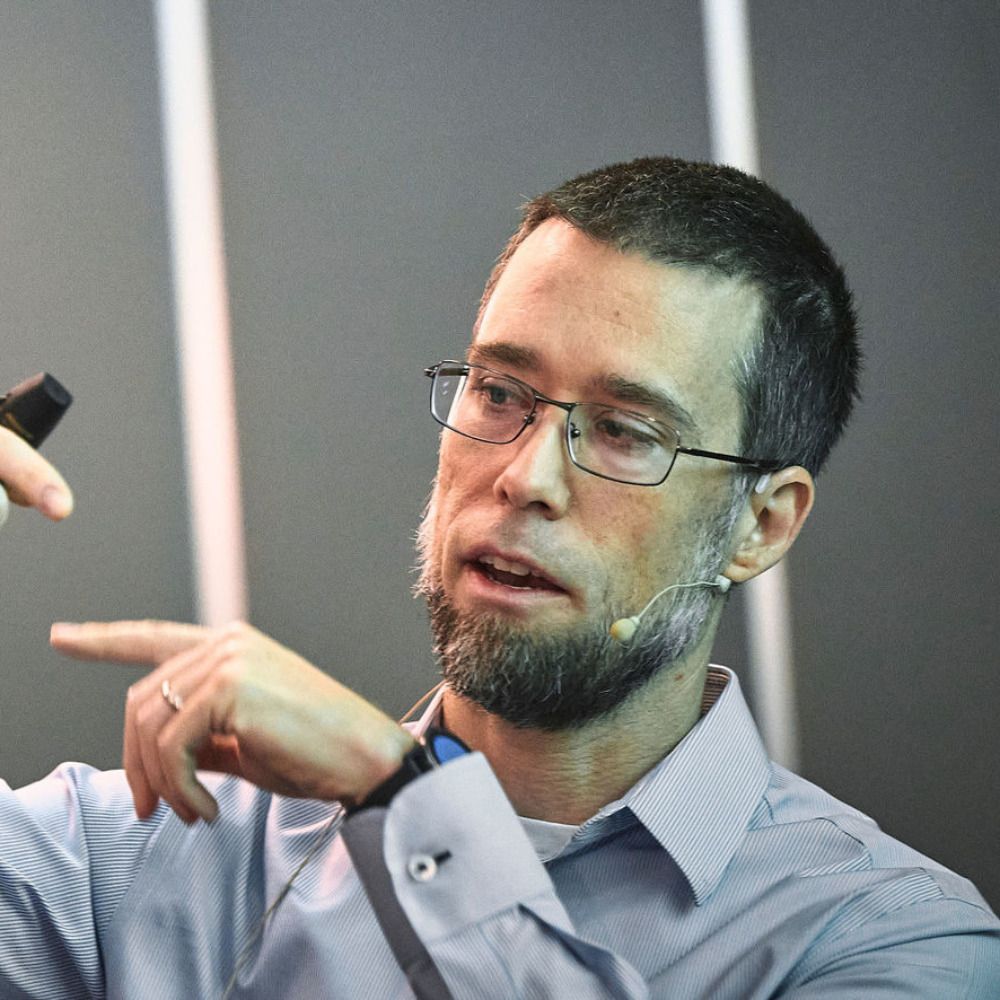
Ep 491 - Extract, Merge, Insert: C++17 Node Handles

C++ Weekly - Ep 491 - Extract, Merge, Insert: C++17 Node Handles
youtu.be
July 28, 2025 at 3:31 PM
Ep 491 - Extract, Merge, Insert: C++17 Node Handles