


Mariella Herberstein (she/her) 🌈
@mherberstein.bsky.social
I am a behavioural ecologist working with spiders. I recently moved from Macquarie University (Sydney) to the Leibniz Institute for the Analysis of Biodiversity Change in Hamburg.
Congratulations Scott!!! So well deserved!!! An excellent choice for your specialisation - very very proud!!!!

@mherberstein.bsky.social It only took like 11 years since I finished my PhD, but I'm finally about to become an attending/consultant doctor in infectious diseases.
Thank you for taking a chance on me, and even moreso for your commitment and grace, despite a tough start and times of self-doubt. 😌
Thank you for taking a chance on me, and even moreso for your commitment and grace, despite a tough start and times of self-doubt. 😌

December 31, 2025 at 8:47 PM
Congratulations Scott!!! So well deserved!!! An excellent choice for your specialisation - very very proud!!!!
Reposted by Mariella Herberstein (she/her) 🌈

A fantastic choice for #ECBB2026 plenary speaker: @mherberstein.bsky.social
If you have ideas or topics you’d love to hear in a plenary, now is the time to share them — Mariella is taking suggestions!
If you have ideas or topics you’d love to hear in a plenary, now is the time to share them — Mariella is taking suggestions!
Thank you so much for the invitation!!! I am taking requests! What would you like to hear in a plenary????
Ready to meet our third plenary speaker? We are delighted to announce it's....
🥁
🥁
🥁
The extraordinary @mherberstein.bsky.social
🥁
🥁
🥁
The extraordinary @mherberstein.bsky.social
December 18, 2025 at 8:36 AM
A fantastic choice for #ECBB2026 plenary speaker: @mherberstein.bsky.social
If you have ideas or topics you’d love to hear in a plenary, now is the time to share them — Mariella is taking suggestions!
If you have ideas or topics you’d love to hear in a plenary, now is the time to share them — Mariella is taking suggestions!
Reposted by Mariella Herberstein (she/her) 🌈

New paper out today in @ecol-evol.bsky.social led by Hansani Daluwatta Galappaththige, with @mherberstein.bsky.social. We quantified wing attack marks in Australian butterflies and found lower attack rates in temperate biomes and in males compared to females: onlinelibrary.wiley.com/doi/10.1002/...

Predictors of Wing Attacks by Birds Across Australian Butterflies
Predation pressure can vary latitudinally and across different prey communities as well as between males and females of the same prey species. Here, the variation in predation pressure on Australian ...
onlinelibrary.wiley.com
December 18, 2025 at 12:34 PM
New paper out today in @ecol-evol.bsky.social led by Hansani Daluwatta Galappaththige, with @mherberstein.bsky.social. We quantified wing attack marks in Australian butterflies and found lower attack rates in temperate biomes and in males compared to females: onlinelibrary.wiley.com/doi/10.1002/...
Reposted by Mariella Herberstein (she/her) 🌈
Missed our #ECBB2026 Plenary Speaker reveals? Not to worry!
Here is a quick recap of all the excellent speakers we'll be welcoming at September's meeting!
Here is a quick recap of all the excellent speakers we'll be welcoming at September's meeting!


December 19, 2025 at 2:47 PM
Missed our #ECBB2026 Plenary Speaker reveals? Not to worry!
Here is a quick recap of all the excellent speakers we'll be welcoming at September's meeting!
Here is a quick recap of all the excellent speakers we'll be welcoming at September's meeting!
Reposted by Mariella Herberstein (she/her) 🌈

Meet our plenary speaker Renata Sousa-Lima!
Professor at Universidade Federal do Rio Grande do Norte (Brazil), Renata ‘s research focuses on bioacoustics of aquatic mammals and has pioneered the field of ecoacoustics and soundscape ecology in Brazil.
Professor at Universidade Federal do Rio Grande do Norte (Brazil), Renata ‘s research focuses on bioacoustics of aquatic mammals and has pioneered the field of ecoacoustics and soundscape ecology in Brazil.

October 18, 2025 at 10:32 AM
Meet our plenary speaker Renata Sousa-Lima!
Professor at Universidade Federal do Rio Grande do Norte (Brazil), Renata ‘s research focuses on bioacoustics of aquatic mammals and has pioneered the field of ecoacoustics and soundscape ecology in Brazil.
Professor at Universidade Federal do Rio Grande do Norte (Brazil), Renata ‘s research focuses on bioacoustics of aquatic mammals and has pioneered the field of ecoacoustics and soundscape ecology in Brazil.
Reposted by Mariella Herberstein (she/her) 🌈
Meet our plenary speaker Eva Ringler!
Professor at the University of Bern, Eva Ringler and her research group are interested in understanding variation in animal behaviour from an ecological and evolutionary perspective focusing on Neotropical poison frogs and glassfrogs.
Professor at the University of Bern, Eva Ringler and her research group are interested in understanding variation in animal behaviour from an ecological and evolutionary perspective focusing on Neotropical poison frogs and glassfrogs.

October 21, 2025 at 5:36 PM
Meet our plenary speaker Eva Ringler!
Professor at the University of Bern, Eva Ringler and her research group are interested in understanding variation in animal behaviour from an ecological and evolutionary perspective focusing on Neotropical poison frogs and glassfrogs.
Professor at the University of Bern, Eva Ringler and her research group are interested in understanding variation in animal behaviour from an ecological and evolutionary perspective focusing on Neotropical poison frogs and glassfrogs.
Reposted by Mariella Herberstein (she/her) 🌈
Meet our plenary speaker Kulbhushansingh Suryawanshi
Director of the India Program for the Snow Leopard Trust working on snow leopards and human-wildlife coexistence in the high Himalaya. His work focuses on the interactions between large carnivores, their wild prey, and farming communities.
Director of the India Program for the Snow Leopard Trust working on snow leopards and human-wildlife coexistence in the high Himalaya. His work focuses on the interactions between large carnivores, their wild prey, and farming communities.

October 28, 2025 at 11:30 AM
Meet our plenary speaker Kulbhushansingh Suryawanshi
Director of the India Program for the Snow Leopard Trust working on snow leopards and human-wildlife coexistence in the high Himalaya. His work focuses on the interactions between large carnivores, their wild prey, and farming communities.
Director of the India Program for the Snow Leopard Trust working on snow leopards and human-wildlife coexistence in the high Himalaya. His work focuses on the interactions between large carnivores, their wild prey, and farming communities.
Reposted by Mariella Herberstein (she/her) 🌈
Meet our plenary speaker Felicity Muth!
Assistant professor at the University of California Davis, her lab group are broadly interested in cognition, especially aspects of learning and memory that have a clear function in the natural world, focusing on captive and wild bumblebees.
Assistant professor at the University of California Davis, her lab group are broadly interested in cognition, especially aspects of learning and memory that have a clear function in the natural world, focusing on captive and wild bumblebees.

November 6, 2025 at 9:43 AM
Meet our plenary speaker Felicity Muth!
Assistant professor at the University of California Davis, her lab group are broadly interested in cognition, especially aspects of learning and memory that have a clear function in the natural world, focusing on captive and wild bumblebees.
Assistant professor at the University of California Davis, her lab group are broadly interested in cognition, especially aspects of learning and memory that have a clear function in the natural world, focusing on captive and wild bumblebees.
Reposted by Mariella Herberstein (she/her) 🌈
Meet our Plenary Speaker Daniela Rößler
Fueled by curiosity and a deep love of natural history Daniela discovered a REM-like sleep state in spiders and uses integrative field, lab and comparative approaches to investigate the function, ecology, and evolution of sleep across the spider tree of life.
Fueled by curiosity and a deep love of natural history Daniela discovered a REM-like sleep state in spiders and uses integrative field, lab and comparative approaches to investigate the function, ecology, and evolution of sleep across the spider tree of life.

November 16, 2025 at 7:37 AM
Meet our Plenary Speaker Daniela Rößler
Fueled by curiosity and a deep love of natural history Daniela discovered a REM-like sleep state in spiders and uses integrative field, lab and comparative approaches to investigate the function, ecology, and evolution of sleep across the spider tree of life.
Fueled by curiosity and a deep love of natural history Daniela discovered a REM-like sleep state in spiders and uses integrative field, lab and comparative approaches to investigate the function, ecology, and evolution of sleep across the spider tree of life.
Reposted by Mariella Herberstein (she/her) 🌈
We are happy to announce that registration for ISBE2026 is now open! We encourage you to register as soon as possible to take advantage of reduced fees and to plan your trip and accommodation in advance.
Please read the information on www.isbe2026.com before proceeding with your registration.
Please read the information on www.isbe2026.com before proceeding with your registration.

November 28, 2025 at 6:57 AM
We are happy to announce that registration for ISBE2026 is now open! We encourage you to register as soon as possible to take advantage of reduced fees and to plan your trip and accommodation in advance.
Please read the information on www.isbe2026.com before proceeding with your registration.
Please read the information on www.isbe2026.com before proceeding with your registration.
Reposted by Mariella Herberstein (she/her) 🌈
Abstract (and travel award) submission deadline has been extended to the 7th of January 2026. Don’t miss the chance to submit your contribution and be part of the scientific program of ISBE2026!

December 15, 2025 at 11:00 PM
Abstract (and travel award) submission deadline has been extended to the 7th of January 2026. Don’t miss the chance to submit your contribution and be part of the scientific program of ISBE2026!
Thank you so much for the invitation!!! I am taking requests! What would you like to hear in a plenary????
Ready to meet our third plenary speaker? We are delighted to announce it's....
🥁
🥁
🥁
The extraordinary @mherberstein.bsky.social
🥁
🥁
🥁
The extraordinary @mherberstein.bsky.social

December 18, 2025 at 7:59 AM
Thank you so much for the invitation!!! I am taking requests! What would you like to hear in a plenary????
Reposted by Mariella Herberstein (she/her) 🌈
Ready to meet our third plenary speaker? We are delighted to announce it's....
🥁
🥁
🥁
The extraordinary @mherberstein.bsky.social
🥁
🥁
🥁
The extraordinary @mherberstein.bsky.social
December 12, 2025 at 1:36 PM
Ready to meet our third plenary speaker? We are delighted to announce it's....
🥁
🥁
🥁
The extraordinary @mherberstein.bsky.social
🥁
🥁
🥁
The extraordinary @mherberstein.bsky.social
Reposted by Mariella Herberstein (she/her) 🌈

✨ It’s published! ✨
🕷️ Social spiders have bigger brains… but only in the right places! Our new study shows that in social huntsman spiders, regions for memory & vision processing are proportionally larger, supporting group living.
Read more: onlinelibrary.wiley.com/doi/10.1111/...
🕷️ Social spiders have bigger brains… but only in the right places! Our new study shows that in social huntsman spiders, regions for memory & vision processing are proportionally larger, supporting group living.
Read more: onlinelibrary.wiley.com/doi/10.1111/...

Volumetric Comparison of Overall Brain and Neuropil Size Between Social and Non‐social Spiders: Exploring the Social Brain Hypothesis
Brain size may be influenced by the cognitive demands of sociality (social brain hypothesis). We used microCT to compare CNS and brain volumes in social versus solitary huntsman and crab spiders. Soc...
onlinelibrary.wiley.com
August 28, 2025 at 6:11 AM
✨ It’s published! ✨
🕷️ Social spiders have bigger brains… but only in the right places! Our new study shows that in social huntsman spiders, regions for memory & vision processing are proportionally larger, supporting group living.
Read more: onlinelibrary.wiley.com/doi/10.1111/...
🕷️ Social spiders have bigger brains… but only in the right places! Our new study shows that in social huntsman spiders, regions for memory & vision processing are proportionally larger, supporting group living.
Read more: onlinelibrary.wiley.com/doi/10.1111/...
Reposted by Mariella Herberstein (she/her) 🌈
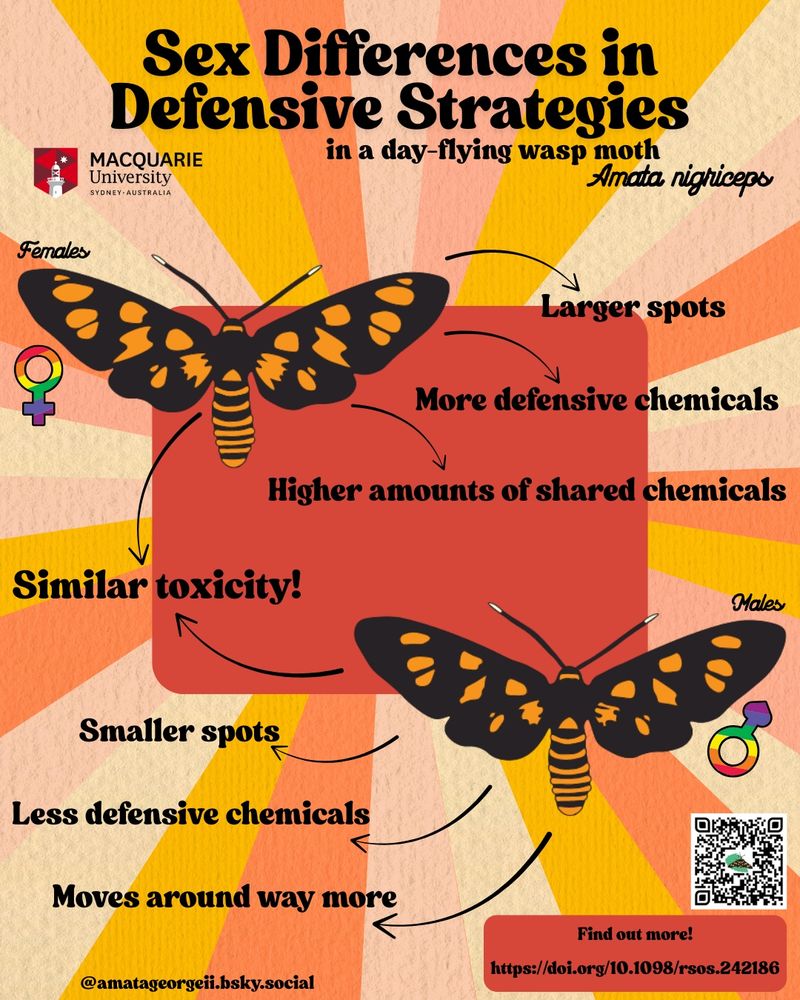
Complex signals, complex defences: there’s more to defences than meets the eye. New from @amatageorgeii.bsky.social &
@liisahamalainen.bsky.social @kateumbers.bsky.social @mherberstein.bsky.social @jmappes.bsky.social @mpic.de
royalsocietypublishing.org/doi/10.1098/...
#aposematism #chemecol
@liisahamalainen.bsky.social @kateumbers.bsky.social @mherberstein.bsky.social @jmappes.bsky.social @mpic.de
royalsocietypublishing.org/doi/10.1098/...
#aposematism #chemecol
April 23, 2025 at 8:07 AM
Complex signals, complex defences: there’s more to defences than meets the eye. New from @amatageorgeii.bsky.social &
@liisahamalainen.bsky.social @kateumbers.bsky.social @mherberstein.bsky.social @jmappes.bsky.social @mpic.de
royalsocietypublishing.org/doi/10.1098/...
#aposematism #chemecol
@liisahamalainen.bsky.social @kateumbers.bsky.social @mherberstein.bsky.social @jmappes.bsky.social @mpic.de
royalsocietypublishing.org/doi/10.1098/...
#aposematism #chemecol
Check out what these toxic moths are up to!
Shout out to @amatageorgeii.bsky.social
Shout out to @amatageorgeii.bsky.social

New paper alert! 🎉
We found some interesting differences in defensive strategies in our cute little Amata wasp moths.
royalsocietypublishing.org/doi/10.1098/...
@hannahmrowland.bsky.social @liisahamalainen.bsky.social @mherberstein.bsky.social @kateumbers.bsky.social @gmramon.bsky.social #OzInverts
We found some interesting differences in defensive strategies in our cute little Amata wasp moths.
royalsocietypublishing.org/doi/10.1098/...
@hannahmrowland.bsky.social @liisahamalainen.bsky.social @mherberstein.bsky.social @kateumbers.bsky.social @gmramon.bsky.social #OzInverts

April 25, 2025 at 7:17 AM
Check out what these toxic moths are up to!
Shout out to @amatageorgeii.bsky.social
Shout out to @amatageorgeii.bsky.social
Ever wondered whether prey always outcompete predators (aka life-dinner principle?). Turns out when prey are numerous, predators edge ahead in the evolutionary arms race - download paper here: royalsocietypublishing.org/doi/full/10....
Asymmetric arms races between predators and prey: a tug of war between the life–dinner principle and the rare-enemy principle | Proceedings of the Royal Society B: Biological Sciences
Antagonistic co-evolution can be asymmetric, where one species lags behind another.
Asymmetry in a predator–prey context is expressed by the ‘life–dinner principle’,
a classic informal model predictin...
royalsocietypublishing.org
February 20, 2025 at 3:07 AM
Ever wondered whether prey always outcompete predators (aka life-dinner principle?). Turns out when prey are numerous, predators edge ahead in the evolutionary arms race - download paper here: royalsocietypublishing.org/doi/full/10....
Sperm transfer in spiders is complex and sometimes dangerous. Our latest paper is trying to figure out what behavioural and morphological traits affect sperm transfer
doi.org/10.1111/1749...
doi.org/10.1111/1749...
doi.org
February 17, 2025 at 7:22 AM
Sperm transfer in spiders is complex and sometimes dangerous. Our latest paper is trying to figure out what behavioural and morphological traits affect sperm transfer
doi.org/10.1111/1749...
doi.org/10.1111/1749...
Reposted by Mariella Herberstein (she/her) 🌈
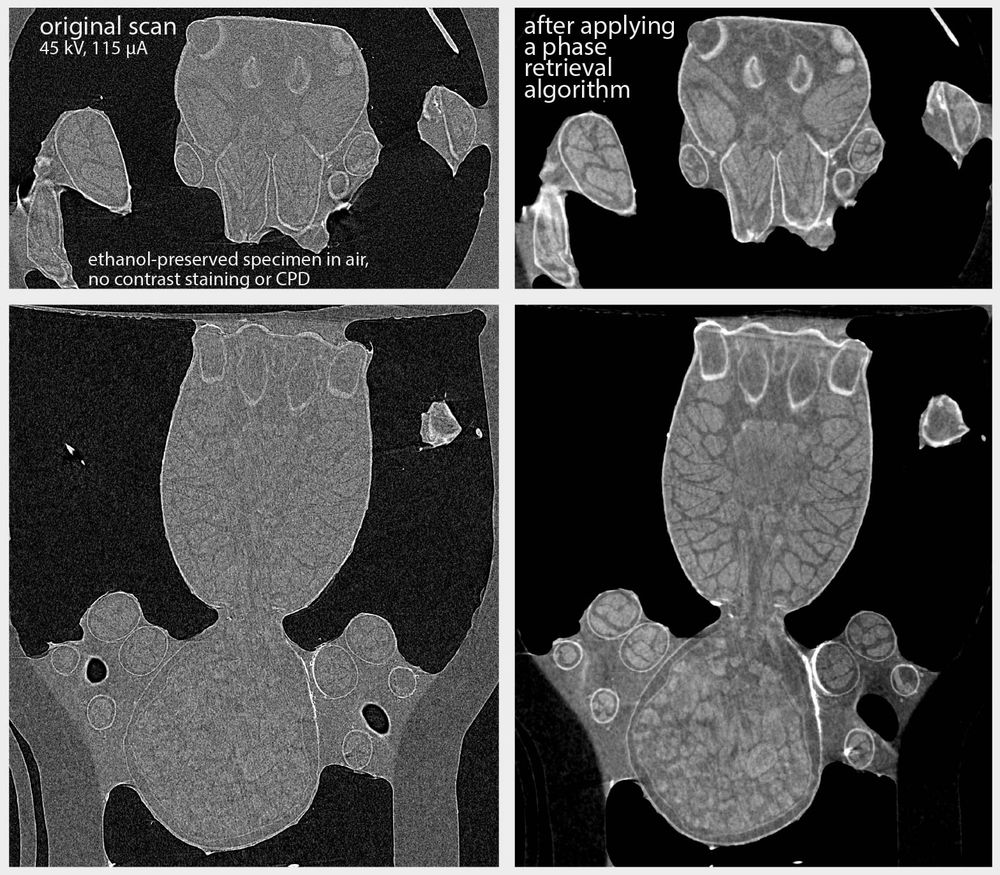
Playing with propagation-based phase contrast in #microCT scans to visualize soft tissue without contrast staining in jumping #spiders 🕷️🕷️🕷️ Sure no great image quality achieved, but good enough to measure internal structures of the eyes with @jadethurlow.bsky.social & @mherberstein.bsky.social
February 10, 2025 at 12:54 PM
Playing with propagation-based phase contrast in #microCT scans to visualize soft tissue without contrast staining in jumping #spiders 🕷️🕷️🕷️ Sure no great image quality achieved, but good enough to measure internal structures of the eyes with @jadethurlow.bsky.social & @mherberstein.bsky.social
Reposted by Mariella Herberstein (she/her) 🌈
#NewPaper 🐍 Our scientists have described two new species of African house snakes that occur in East and Northeast #Africa. It all started with an 20 year old specimen and resulted in a recent study in #Zootaxa.
Read more: www.miamiherald.com/news/nation-...
Original study: doi.org/10.11646/zoo...
Read more: www.miamiherald.com/news/nation-...
Original study: doi.org/10.11646/zoo...
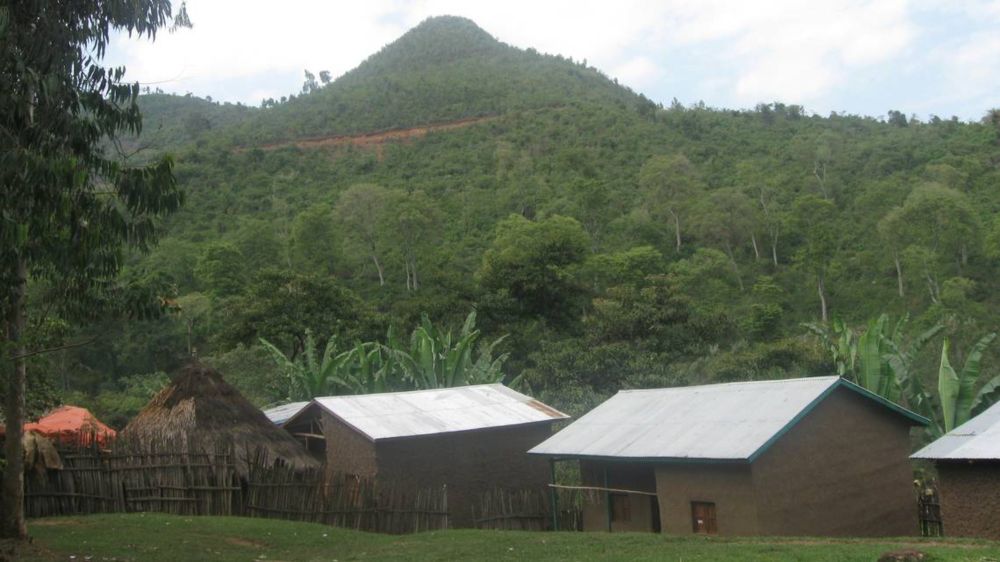
4-foot-long predator, kept in captivity for over a decade, discovered as new species
A photo shows the olive-colored creature from Ethiopia.
www.miamiherald.com
January 16, 2025 at 3:18 PM
#NewPaper 🐍 Our scientists have described two new species of African house snakes that occur in East and Northeast #Africa. It all started with an 20 year old specimen and resulted in a recent study in #Zootaxa.
Read more: www.miamiherald.com/news/nation-...
Original study: doi.org/10.11646/zoo...
Read more: www.miamiherald.com/news/nation-...
Original study: doi.org/10.11646/zoo...
Reposted by Mariella Herberstein (she/her) 🌈
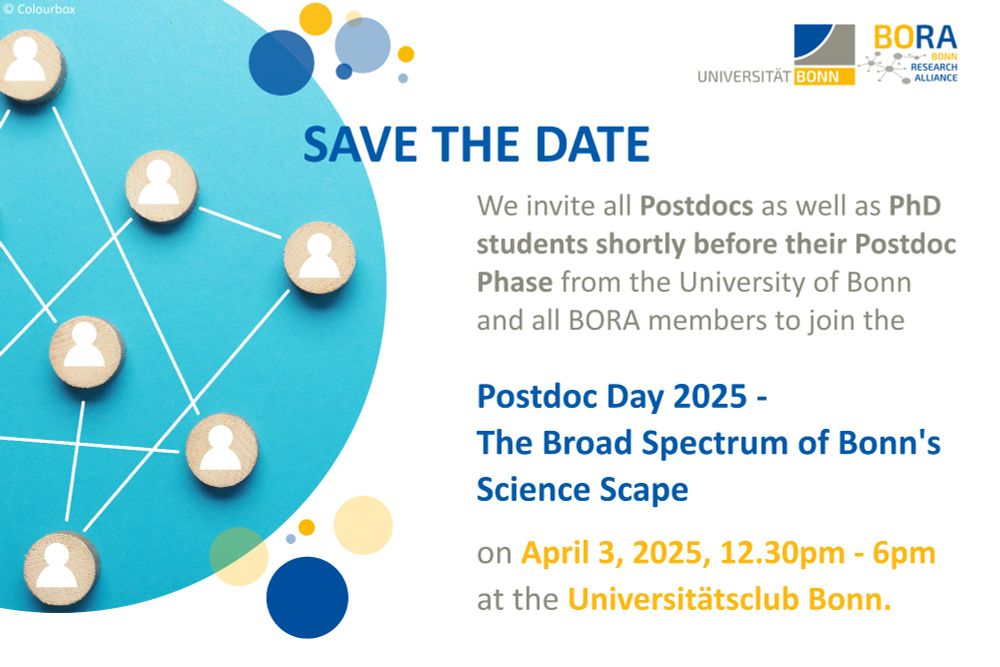
🚨Watch out postdocs and early career researchers: the #BORA_network invites you to the Postdoc Day 03 April 2025: Orientation, #Networking, #Career Opportunities 🌍🎓 . Explore the international science scape of #Bonn.
👉 www.uni-bonn.de/de/forschung...
#PostdocDay2025 @leibnizlib.bsky.social
👉 www.uni-bonn.de/de/forschung...
#PostdocDay2025 @leibnizlib.bsky.social
January 17, 2025 at 8:47 AM
🚨Watch out postdocs and early career researchers: the #BORA_network invites you to the Postdoc Day 03 April 2025: Orientation, #Networking, #Career Opportunities 🌍🎓 . Explore the international science scape of #Bonn.
👉 www.uni-bonn.de/de/forschung...
#PostdocDay2025 @leibnizlib.bsky.social
👉 www.uni-bonn.de/de/forschung...
#PostdocDay2025 @leibnizlib.bsky.social
Reposted by Mariella Herberstein (she/her) 🌈

Crabs smell with their legs too!

🕷️ Spiders Can Smell with Their Legs
Male orb-weaver spiders detect female pheromones using tiny pores (sensilla) on their legs.
This unique 'leg-nose' evolved to help them find mates - expanding our understanding of spider senses.
🔗 www.pnas.org/doi/full/10....
#SciComm #Spiders 🧪
Male orb-weaver spiders detect female pheromones using tiny pores (sensilla) on their legs.
This unique 'leg-nose' evolved to help them find mates - expanding our understanding of spider senses.
🔗 www.pnas.org/doi/full/10....
#SciComm #Spiders 🧪

Olfaction with legs—Spiders use wall-pore sensilla for pheromone detection | PNAS
The sense of smell is a central sensory modality of most terrestrial species. However,
our knowledge of olfaction is based on vertebrates and insec...
www.pnas.org
January 13, 2025 at 6:00 PM
Crabs smell with their legs too!
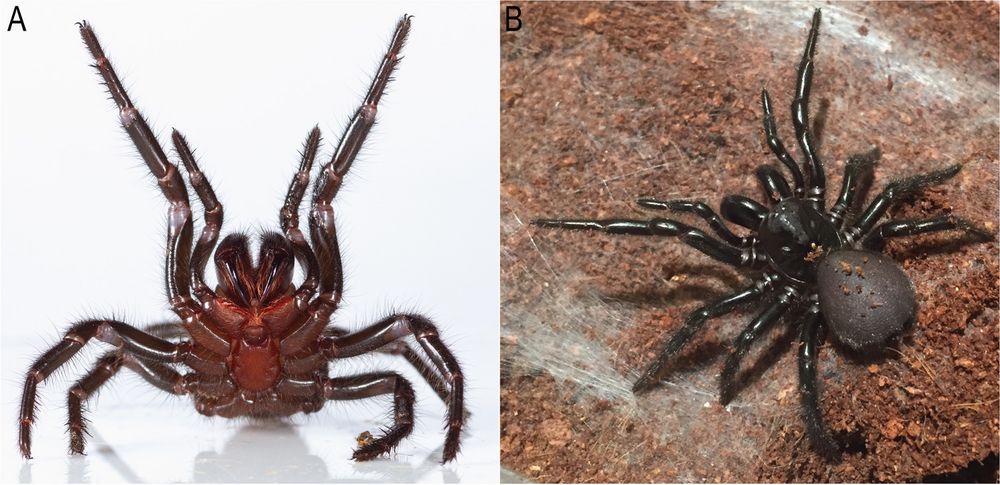
We are hiring a new entomological curator in Hamburg at the Leibniz institute for the analysis of biodiversity change…
Please share and apply!!!
8101202752.karriereportal.cloud/job/2024-20-...
Please share and apply!!!
8101202752.karriereportal.cloud/job/2024-20-...
Karriereportal
Karriereportal für Bewerbungen
8101202752.karriereportal.cloud
December 20, 2024 at 7:36 AM
We are hiring a new entomological curator in Hamburg at the Leibniz institute for the analysis of biodiversity change…
Please share and apply!!!
8101202752.karriereportal.cloud/job/2024-20-...
Please share and apply!!!
8101202752.karriereportal.cloud/job/2024-20-...