


Michael Seidl
@mfseidl.bsky.social
Associate Professor, Microbial Genome Evolution, Utrecht University, the Netherlands
Reposted by Michael Seidl

OUT NOW! Parasex generates highly recombinant progeny in Candida albicans with increased virulence
By Robert Fillinger, Scott Filler, Anna Selmecki, Richard Bennett,
Matthew Anderson & colleagues.
#microsky @annaselmecki.bsky.social
www.nature.com/articles/s41...
By Robert Fillinger, Scott Filler, Anna Selmecki, Richard Bennett,
Matthew Anderson & colleagues.
#microsky @annaselmecki.bsky.social
www.nature.com/articles/s41...

Parasex generates highly recombinant progeny in Candida albicans with increased virulence - Nature Microbiology
An alternative mating system, termed parasex, produces progeny with high levels of genotypic diversity and is able to fulfil the roles of meiosis when it is absent in the fungal pathobiont Candida alb...
www.nature.com
January 21, 2026 at 4:38 PM
OUT NOW! Parasex generates highly recombinant progeny in Candida albicans with increased virulence
By Robert Fillinger, Scott Filler, Anna Selmecki, Richard Bennett,
Matthew Anderson & colleagues.
#microsky @annaselmecki.bsky.social
www.nature.com/articles/s41...
By Robert Fillinger, Scott Filler, Anna Selmecki, Richard Bennett,
Matthew Anderson & colleagues.
#microsky @annaselmecki.bsky.social
www.nature.com/articles/s41...
Reposted by Michael Seidl

Expressions of interest: Director at MPI EvolBio (f/m/d) — We invite expressions of interest from distinguished scientists in evolutionary biology with a bold, long-term research vision that complements our Institute. More information: www.evolbio.mpg.de/3856225/Dire...

Directors
www.evolbio.mpg.de
January 21, 2026 at 11:15 AM
Expressions of interest: Director at MPI EvolBio (f/m/d) — We invite expressions of interest from distinguished scientists in evolutionary biology with a bold, long-term research vision that complements our Institute. More information: www.evolbio.mpg.de/3856225/Dire...
Reposted by Michael Seidl

very sad news. Peer Bork was one of the leaders of our field, a wonderful scientist, and he's much too young to be gone. www.embl.org/news/embl-an...

In remembrance of Peer Bork | EMBL
EMBL and its community are deeply saddened by the death of Peer Bork, the organisation’s Interim Director General.
www.embl.org
January 16, 2026 at 6:33 PM
very sad news. Peer Bork was one of the leaders of our field, a wonderful scientist, and he's much too young to be gone. www.embl.org/news/embl-an...
Reposted by Michael Seidl
This position is still open. The Weisberg lab is recruiting a postdoc or Ph.D. student to study horizontal gene transfer in plant-associated microbial communities. Please see the job ad for more information and feel free to contact me if you have any questions!
The Weisberg Lab at Oregon State University is recruiting a postdoctoral scholar in molecular microbiology to study mobile genetic element host range and transmission in microbial communities. Please see the full job description here: files-dev.cqls.oregonstate.edu/Weisberg_Lab...

January 14, 2026 at 11:57 PM
This position is still open. The Weisberg lab is recruiting a postdoc or Ph.D. student to study horizontal gene transfer in plant-associated microbial communities. Please see the job ad for more information and feel free to contact me if you have any questions!
Reposted by Michael Seidl

Now online: Effector biology and immunometabolic (re)programming: microbial strategies for compatibility: Molecular Plant www.cell.com/molecular-pl...

Effector biology and immunometabolic (re)programming: microbial strategies for compatibility
Root immunometabolism: balancing defense and accommodationPlant health depends on
balanced immune defense and microbial accommodation. As constant contact zones, roots
must exclude pathogens while fos...
www.cell.com
January 14, 2026 at 10:48 AM
Now online: Effector biology and immunometabolic (re)programming: microbial strategies for compatibility: Molecular Plant www.cell.com/molecular-pl...
Reposted by Michael Seidl
PhD position open in my team @uuplants.bsky.social !
Join us to investigate how sorghum roots interact with recently discovered Suberin-Inducing Microbes! More details: www.uu.nl/en/organisat...
Please share!
Join us to investigate how sorghum roots interact with recently discovered Suberin-Inducing Microbes! More details: www.uu.nl/en/organisat...
Please share!

January 14, 2026 at 11:45 AM
PhD position open in my team @uuplants.bsky.social !
Join us to investigate how sorghum roots interact with recently discovered Suberin-Inducing Microbes! More details: www.uu.nl/en/organisat...
Please share!
Join us to investigate how sorghum roots interact with recently discovered Suberin-Inducing Microbes! More details: www.uu.nl/en/organisat...
Please share!
Reposted by Michael Seidl

⚡️Fully funded #PhD position in my lab at Stockholm University / SciLifeLab! If you’re interested in #lichens, #symbiosis, fungal biology, or meta-omics, please apply. Deadline Feb 1. Read more here: su.varbi.com/en/what:job/...

January 12, 2026 at 2:15 PM
⚡️Fully funded #PhD position in my lab at Stockholm University / SciLifeLab! If you’re interested in #lichens, #symbiosis, fungal biology, or meta-omics, please apply. Deadline Feb 1. Read more here: su.varbi.com/en/what:job/...
Reposted by Michael Seidl
We’re delighted to welcome Prof. Saskia Hogenhout as the new BSPP President, whose pioneering research on plant-microbe-insect interactions is transforming our understanding of pathogen transmission and plant health.
More about her work @johninnescentre.bsky.social www.jic.ac.uk/people/saski...
More about her work @johninnescentre.bsky.social www.jic.ac.uk/people/saski...

January 9, 2026 at 9:15 AM
We’re delighted to welcome Prof. Saskia Hogenhout as the new BSPP President, whose pioneering research on plant-microbe-insect interactions is transforming our understanding of pathogen transmission and plant health.
More about her work @johninnescentre.bsky.social www.jic.ac.uk/people/saski...
More about her work @johninnescentre.bsky.social www.jic.ac.uk/people/saski...
Reposted by Michael Seidl

Our @theccdm.bsky.social preprint on the domain function and interactors of the effector-regulating transcription factor PnPf2 in Parastagonospora nodorum is live! 😁
Led by Shota Morikawa @callumverdonk.bsky.social
Collabs 👉 @danielcroll.bsky.social @evan-john.bsky.social
Led by Shota Morikawa @callumverdonk.bsky.social
Collabs 👉 @danielcroll.bsky.social @evan-john.bsky.social

A conserved fungal transcription factor domain drives protein-protein interactions and necrotrophic effector-mediated virulence in Parastagonospora nodorum
The fungal pathogen Parastagonospora nodorum utilises necrotrophic effectors (NEs) to cause chlorosis and necrosis on wheat. NE expression is mediated by an assortment of transcription factors (TF), t...
www.biorxiv.org
December 12, 2025 at 2:10 AM
Our @theccdm.bsky.social preprint on the domain function and interactors of the effector-regulating transcription factor PnPf2 in Parastagonospora nodorum is live! 😁
Led by Shota Morikawa @callumverdonk.bsky.social
Collabs 👉 @danielcroll.bsky.social @evan-john.bsky.social
Led by Shota Morikawa @callumverdonk.bsky.social
Collabs 👉 @danielcroll.bsky.social @evan-john.bsky.social
Reposted by Michael Seidl

Why Ambrosia Beetles Keep Only One Fungus: Competitive Asymmetry, Bottleneck Drift, and Eco-Evolutionary Fixation https://www.biorxiv.org/content/10.64898/2025.12.18.694882v1
December 22, 2025 at 6:31 AM
Why Ambrosia Beetles Keep Only One Fungus: Competitive Asymmetry, Bottleneck Drift, and Eco-Evolutionary Fixation https://www.biorxiv.org/content/10.64898/2025.12.18.694882v1
Reposted by Michael Seidl

Thrilled to finally see this work published in @narjournal.bsky.social! 🙌🏻 🥳 Huge thanks to @slavi-jan.bsky.social and everyone who collaborated on this project 🫶👏🏻

Beyond excited to see this work finally out in @narjournal.bsky.social! We show that epigenetic modifiers on fungal accessory chromosomes can contribute to the overall epigenetic profile. Many thanks to @gomezlucia93.bsky.social and our other amazing collaborators 👏🏻
academic.oup.com/nar/article/...
academic.oup.com/nar/article/...

Facultative heterochromatin mediated by core and accessory chromosome-encoded H3K27-specific methyltransferases controls virulence in a fungal phytopathogen
Abstract. In many fungal phytopathogens, infection is regulated by accessory genomic regions enriched in facultative heterochromatin, but the precise role
academic.oup.com
January 7, 2026 at 5:37 PM
Thrilled to finally see this work published in @narjournal.bsky.social! 🙌🏻 🥳 Huge thanks to @slavi-jan.bsky.social and everyone who collaborated on this project 🫶👏🏻
Reposted by Michael Seidl

🧵 Just out in Cell after more than 10 years in the making!
🎓 www.cell.com/cell/fulltex...
Plants and animals evolve radically different body plans.
Do they also operate under fundamentally different molecular evolutionary constraints during organ formation?
@cellpress.bsky.social
🎓 www.cell.com/cell/fulltex...
Plants and animals evolve radically different body plans.
Do they also operate under fundamentally different molecular evolutionary constraints during organ formation?
@cellpress.bsky.social

January 7, 2026 at 11:50 AM
🧵 Just out in Cell after more than 10 years in the making!
🎓 www.cell.com/cell/fulltex...
Plants and animals evolve radically different body plans.
Do they also operate under fundamentally different molecular evolutionary constraints during organ formation?
@cellpress.bsky.social
🎓 www.cell.com/cell/fulltex...
Plants and animals evolve radically different body plans.
Do they also operate under fundamentally different molecular evolutionary constraints during organ formation?
@cellpress.bsky.social
Reposted by Michael Seidl
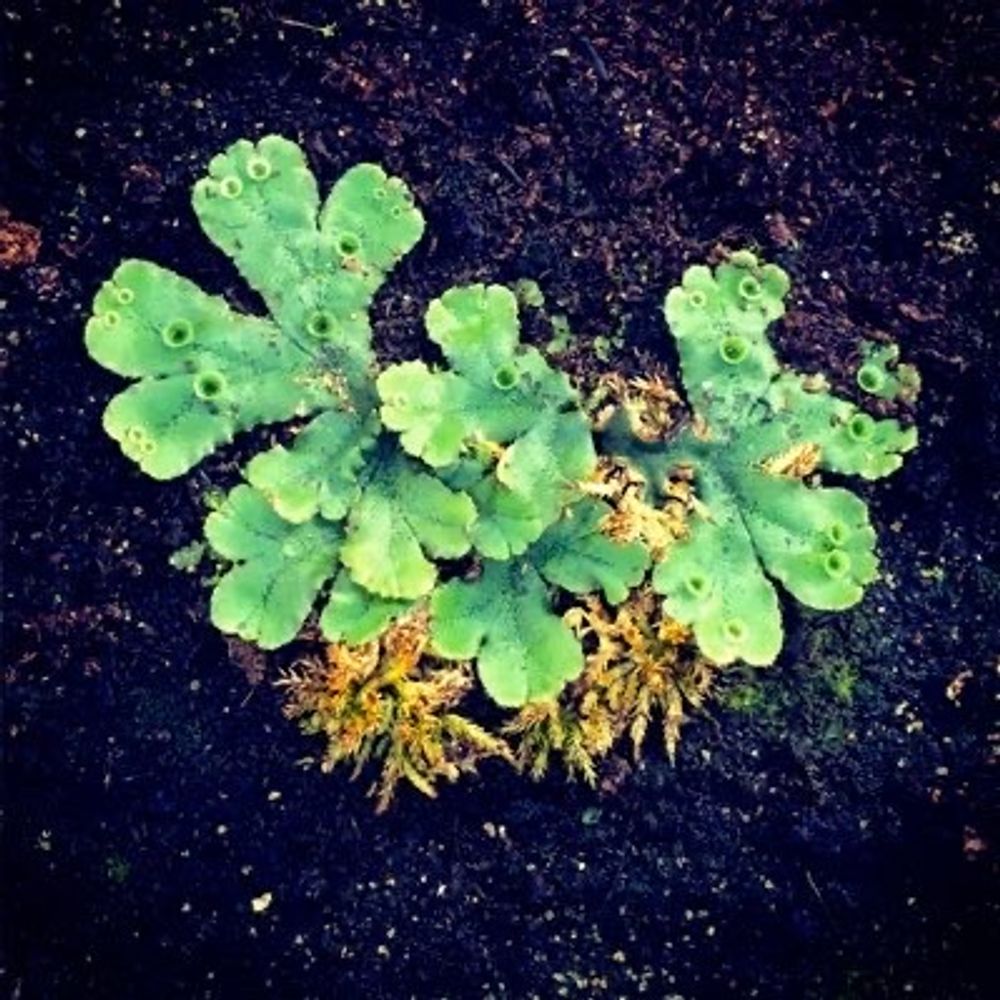
New opportunity to join our #EvoMPMI group @johninnescentre.bsky.social as a Postdoctoral Researcher working on the mechanistic basis of immunity in diverse plants. Please spread the word, reach out by email, and/or apply if interested! More details here: www.jic.ac.uk/vacancies/po...

December 16, 2025 at 11:32 AM
New opportunity to join our #EvoMPMI group @johninnescentre.bsky.social as a Postdoctoral Researcher working on the mechanistic basis of immunity in diverse plants. Please spread the word, reach out by email, and/or apply if interested! More details here: www.jic.ac.uk/vacancies/po...
Reposted by Michael Seidl

Alkemade, @timbarra.bsky.social et al. did temporal association analysis on three major fungal crop pathogens collected between 1956 and 2023, identifying genes linked to fungicide resistance and stress responses as frequent sites of adaptation.
🔗 doi.org/10.1093/gbe/evaf241
#genome #evolution
🔗 doi.org/10.1093/gbe/evaf241
#genome #evolution

Genomic Insights into Historical Adaptation of Three Key Fungal Plant Pathogens
Abstract. Fungal culture collections hold a wealth of historical isolates that could be used to study fungal evolution over the past decades, an era that c
doi.org
December 23, 2025 at 9:11 AM
Alkemade, @timbarra.bsky.social et al. did temporal association analysis on three major fungal crop pathogens collected between 1956 and 2023, identifying genes linked to fungicide resistance and stress responses as frequent sites of adaptation.
🔗 doi.org/10.1093/gbe/evaf241
#genome #evolution
🔗 doi.org/10.1093/gbe/evaf241
#genome #evolution
Reposted by Michael Seidl
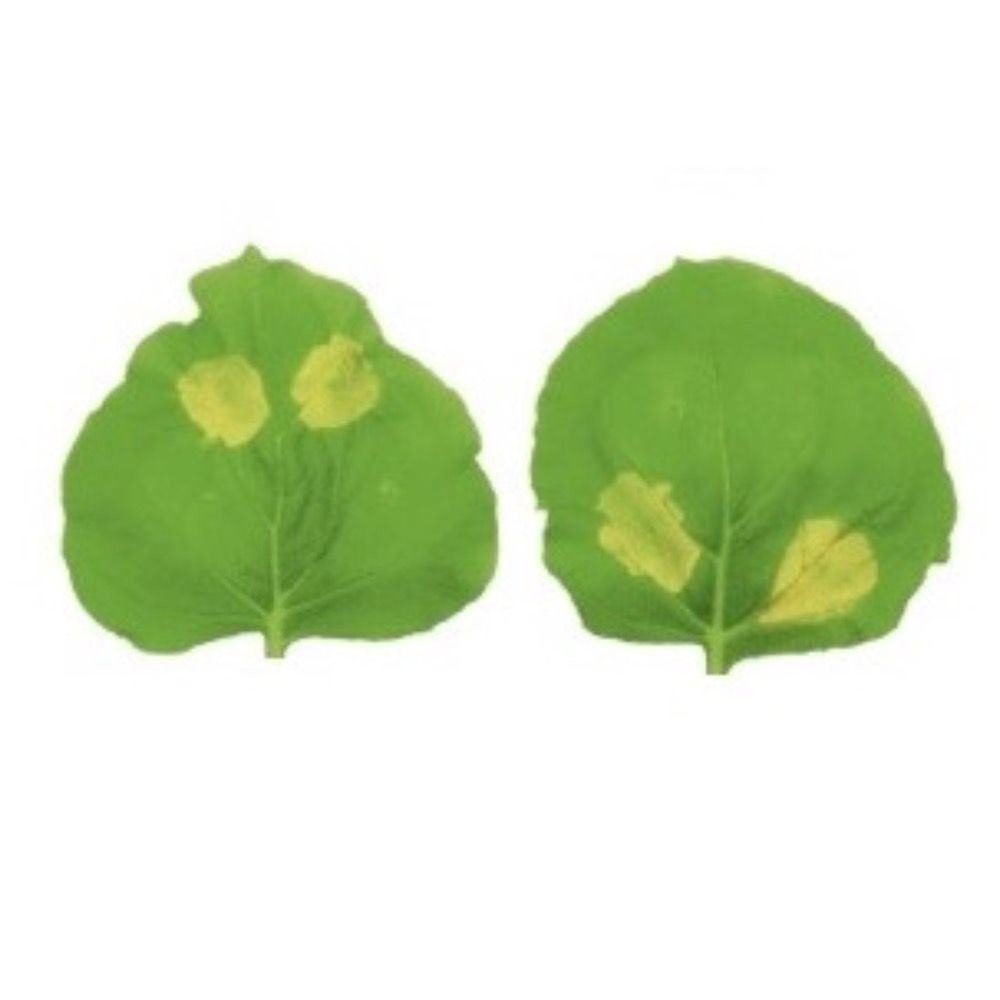
The key global crops, wheat, rice and maize, are expected to see the losses to pests increase by about 46%, 19% and 31% respectively when global heating reaches 2C 👇 www.theguardian.com/global-devel...

‘Borrowed time’: crop pests and food losses supercharged by climate crisis
Heating means pests breeding and spreading faster, warn scientists, with simplified current food system already vulnerable
www.theguardian.com
December 21, 2025 at 4:57 AM
The key global crops, wheat, rice and maize, are expected to see the losses to pests increase by about 46%, 19% and 31% respectively when global heating reaches 2C 👇 www.theguardian.com/global-devel...
Reposted by Michael Seidl

CONGRATS to team @effectomics.bsky.social and @steidele.bsky.social . Transcriptional Response of Magnaporthe oryzae Towards Barley-Microbiome Derived Bacteria | Molecular Plant-Microbe Interactions® apsjournals.apsnet.org/doi/10.1094/...

Transcriptional Response of Magnaporthe oryzae Towards Barley-Microbiome Derived Bacteria | Molecular Plant-Microbe Interactions®
The composition of the plant microbiome is shaped not only by the host plant and abiotic environmental factors, but also by inter-microbial cooperation and competition. Plant pathogens, therefore must...
apsjournals.apsnet.org
December 20, 2025 at 2:19 PM
CONGRATS to team @effectomics.bsky.social and @steidele.bsky.social . Transcriptional Response of Magnaporthe oryzae Towards Barley-Microbiome Derived Bacteria | Molecular Plant-Microbe Interactions® apsjournals.apsnet.org/doi/10.1094/...
Reposted by Michael Seidl

Members: Check your inbox for the last issue of #Interactions of 2025! Discover the latest research, meet the members leading our field, get society updates, and more. Read the December issue now! https://bit.ly/4hPkQgw

December 19, 2025 at 2:46 PM
Members: Check your inbox for the last issue of #Interactions of 2025! Discover the latest research, meet the members leading our field, get society updates, and more. Read the December issue now! https://bit.ly/4hPkQgw
Reposted by Michael Seidl

Microbial eukaryotes keep challenging assumptions about eukaryotic cell and genome biology.
Our upcoming workshop explores the frontier of protist genomics and how it shapes cell biology, ecology and evolution.
Please save the date! Talks, posters and ECR events
Websites and details coming soon
Our upcoming workshop explores the frontier of protist genomics and how it shapes cell biology, ecology and evolution.
Please save the date! Talks, posters and ECR events
Websites and details coming soon

December 13, 2025 at 10:19 AM
Microbial eukaryotes keep challenging assumptions about eukaryotic cell and genome biology.
Our upcoming workshop explores the frontier of protist genomics and how it shapes cell biology, ecology and evolution.
Please save the date! Talks, posters and ECR events
Websites and details coming soon
Our upcoming workshop explores the frontier of protist genomics and how it shapes cell biology, ecology and evolution.
Please save the date! Talks, posters and ECR events
Websites and details coming soon
Reposted by Michael Seidl
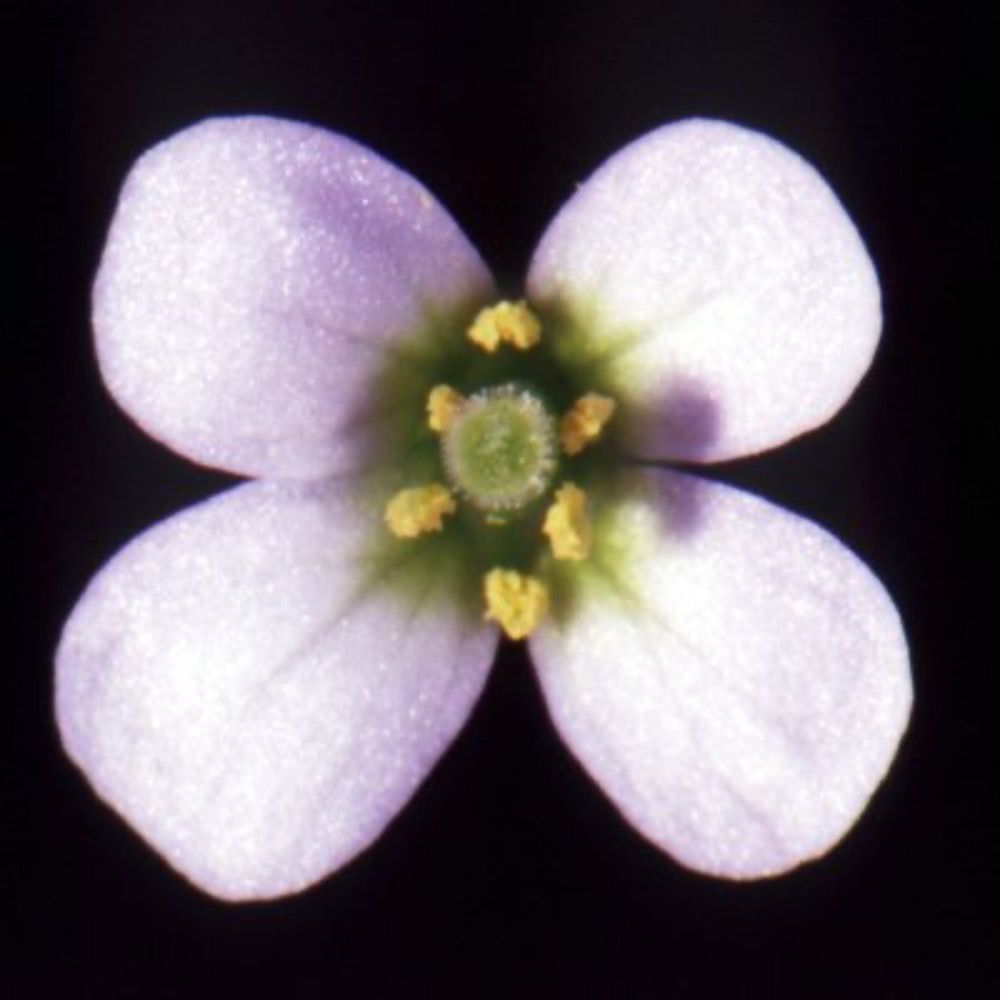
Evolution of evolvability — thought provoking essay from
@thanvisrikant.bsky.social and @hajkdrost.bsky.social!
@thanvisrikant.bsky.social and @hajkdrost.bsky.social!

Defining the epigenetic toolkit as an evolvable trait #plantscience

Defining the epigenetic toolkit as an evolvable trait
Adaptation of multicellular organisms to new environments can leave distinct signatures in their genomic architecture. Although previous efforts have unveiled the dynamics of (epi)genome evolution, our understanding remains incomplete regarding how phenotypic innovation is achieved by relaxing or constraining the identity of a genome over generations while adjusting to dynamic environments. Using plants, we first compile a list of candidate epigenetic regulators which we refer to as 'epigenetic toolkit' proteins. We propose a new framework for examining the epigenetic toolkit as an evolvable trait during plant adaptation. This could predict how feedback mechanisms between (a)biotic environmental factors and innate regulation of genome architecture can destabilize the homeostatic state of a plant and thereby inherently reshape the (epi)genetic landscapes for both short- and long-term habitat adaptation.
dlvr.it
December 12, 2025 at 3:41 PM
Evolution of evolvability — thought provoking essay from
@thanvisrikant.bsky.social and @hajkdrost.bsky.social!
@thanvisrikant.bsky.social and @hajkdrost.bsky.social!
Reposted by Michael Seidl
Soil viruses are important regulators of ecosystem function, but what are their roles in environments that face long-term degradation and restoration? In our paper published today in Nature Micro, we asked how soil viruses influence peatland recovery, and vice versa. www.nature.com/articles/s41...

Ecosystem health shapes viral ecology in peatland soils - Nature Microbiology
Metagenomics shows that viral diversity and community structure are shaped by geography and ecosystem health status, positioning viruses as unexpected players in peatland restoration.
www.nature.com
December 10, 2025 at 2:57 PM
Soil viruses are important regulators of ecosystem function, but what are their roles in environments that face long-term degradation and restoration? In our paper published today in Nature Micro, we asked how soil viruses influence peatland recovery, and vice versa. www.nature.com/articles/s41...
Reposted by Michael Seidl
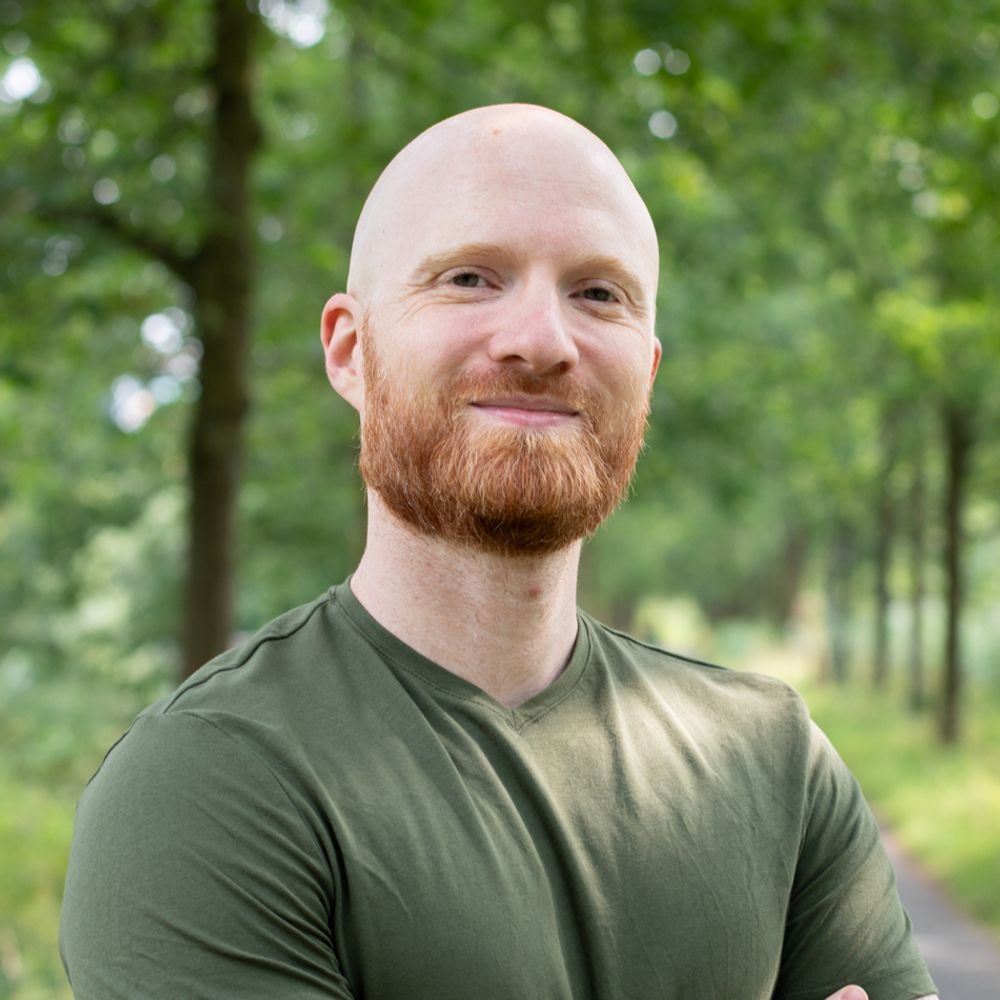
Welcome to Bluesky, @pieterhart.bsky.social!
Pieter just joined my group as a PhD student studying bacterial genome evolution—exciting years ahead!
Here he is enjoying a chat about his MSc work (w/ @kassipan.bsky.social & @ettema.bsky.social) at Science4Life @utrechtuniversity.bsky.social 🧬🦠✨
Pieter just joined my group as a PhD student studying bacterial genome evolution—exciting years ahead!
Here he is enjoying a chat about his MSc work (w/ @kassipan.bsky.social & @ettema.bsky.social) at Science4Life @utrechtuniversity.bsky.social 🧬🦠✨

December 10, 2025 at 7:31 AM
Welcome to Bluesky, @pieterhart.bsky.social!
Pieter just joined my group as a PhD student studying bacterial genome evolution—exciting years ahead!
Here he is enjoying a chat about his MSc work (w/ @kassipan.bsky.social & @ettema.bsky.social) at Science4Life @utrechtuniversity.bsky.social 🧬🦠✨
Pieter just joined my group as a PhD student studying bacterial genome evolution—exciting years ahead!
Here he is enjoying a chat about his MSc work (w/ @kassipan.bsky.social & @ettema.bsky.social) at Science4Life @utrechtuniversity.bsky.social 🧬🦠✨
Reposted by Michael Seidl

MetaPointFinder:
A new approach for detecting mutation-driven antimicrobial resistance directly from metagenomic reads.
Fills a major gap in current resistome profiling by capturing chromosomal AMR mutations that metagenome tools miss.
github.com/aldertzomer/...
A new approach for detecting mutation-driven antimicrobial resistance directly from metagenomic reads.
Fills a major gap in current resistome profiling by capturing chromosomal AMR mutations that metagenome tools miss.
github.com/aldertzomer/...
December 8, 2025 at 10:00 AM
MetaPointFinder:
A new approach for detecting mutation-driven antimicrobial resistance directly from metagenomic reads.
Fills a major gap in current resistome profiling by capturing chromosomal AMR mutations that metagenome tools miss.
github.com/aldertzomer/...
A new approach for detecting mutation-driven antimicrobial resistance directly from metagenomic reads.
Fills a major gap in current resistome profiling by capturing chromosomal AMR mutations that metagenome tools miss.
github.com/aldertzomer/...
Reposted by Michael Seidl
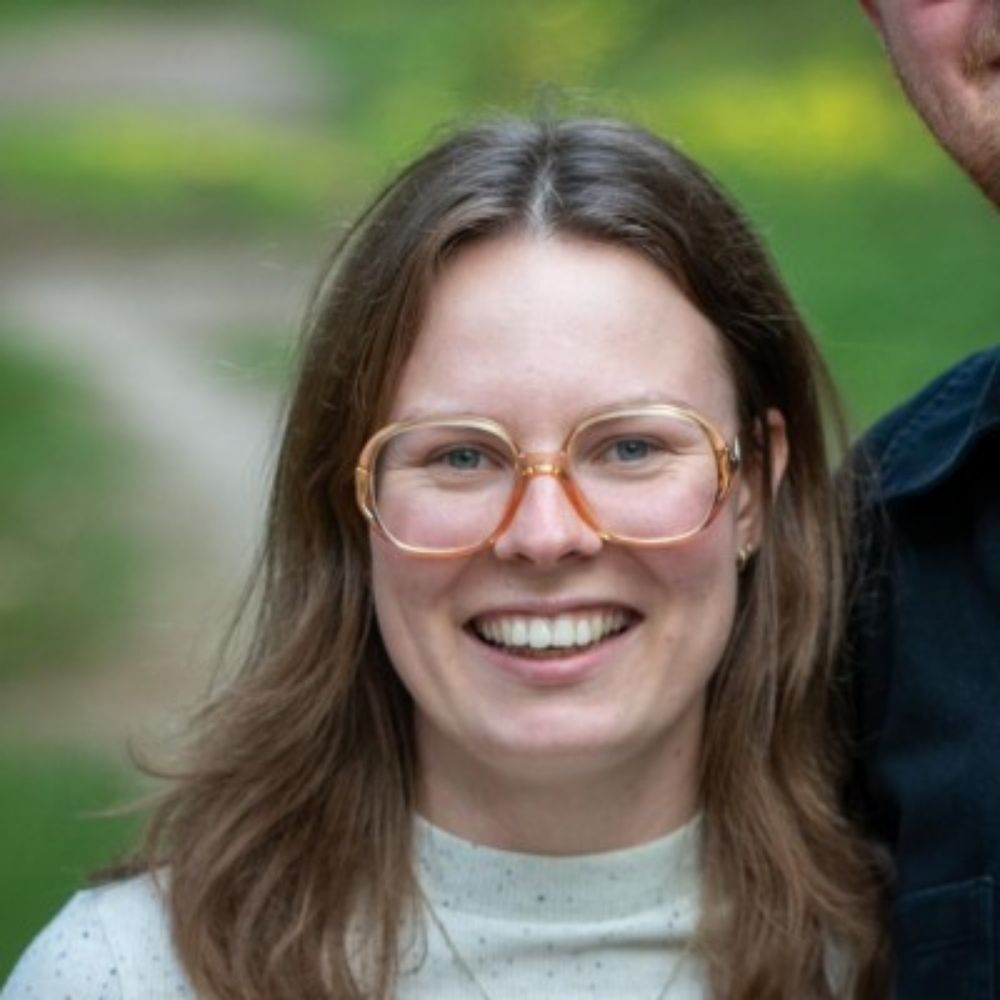
Now officially published in Current Biology 🥳🥳 @mfseidl.bsky.social @binfutrecht.bsky.social
www.cell.com/current-biol...
www.cell.com/current-biol...
December 9, 2025 at 5:20 PM
Now officially published in Current Biology 🥳🥳 @mfseidl.bsky.social @binfutrecht.bsky.social
www.cell.com/current-biol...
www.cell.com/current-biol...
Reposted by Michael Seidl

Extensive horizontal transfer of transposable elements shapes fungal mobilomes
@currentbiology.bsky.social by @jromeijn.bsky.social et al from @mfseidl.bsky.social
www.cell.com/current-biol...
@currentbiology.bsky.social by @jromeijn.bsky.social et al from @mfseidl.bsky.social
www.cell.com/current-biol...

Extensive horizontal transfer of transposable elements shapes fungal mobilomes
Romeijn et al. reveal that horizontal transposon transfer is widespread in fungi,
contributing up to 70% of transposon content in some taxa. The authors uncover thousands
of events across diverse line...
www.cell.com
December 6, 2025 at 9:22 AM
Extensive horizontal transfer of transposable elements shapes fungal mobilomes
@currentbiology.bsky.social by @jromeijn.bsky.social et al from @mfseidl.bsky.social
www.cell.com/current-biol...
@currentbiology.bsky.social by @jromeijn.bsky.social et al from @mfseidl.bsky.social
www.cell.com/current-biol...