




Jhan C. Salazar, PhD
@jhancsalazar.bsky.social
#Portejadeño, Cauca (🇨🇴) #Black, #Latino, and Proud ✊🏿 | Ph.D. - WashU | PostDoc at Mayo Clinic - Neurogenesis and Brain Tumors Lab | Brain cancer evolution | U. Icesi - Alma Mater
http://jhansalazar.weebly.com
http://jhansalazar.weebly.com
Pinned


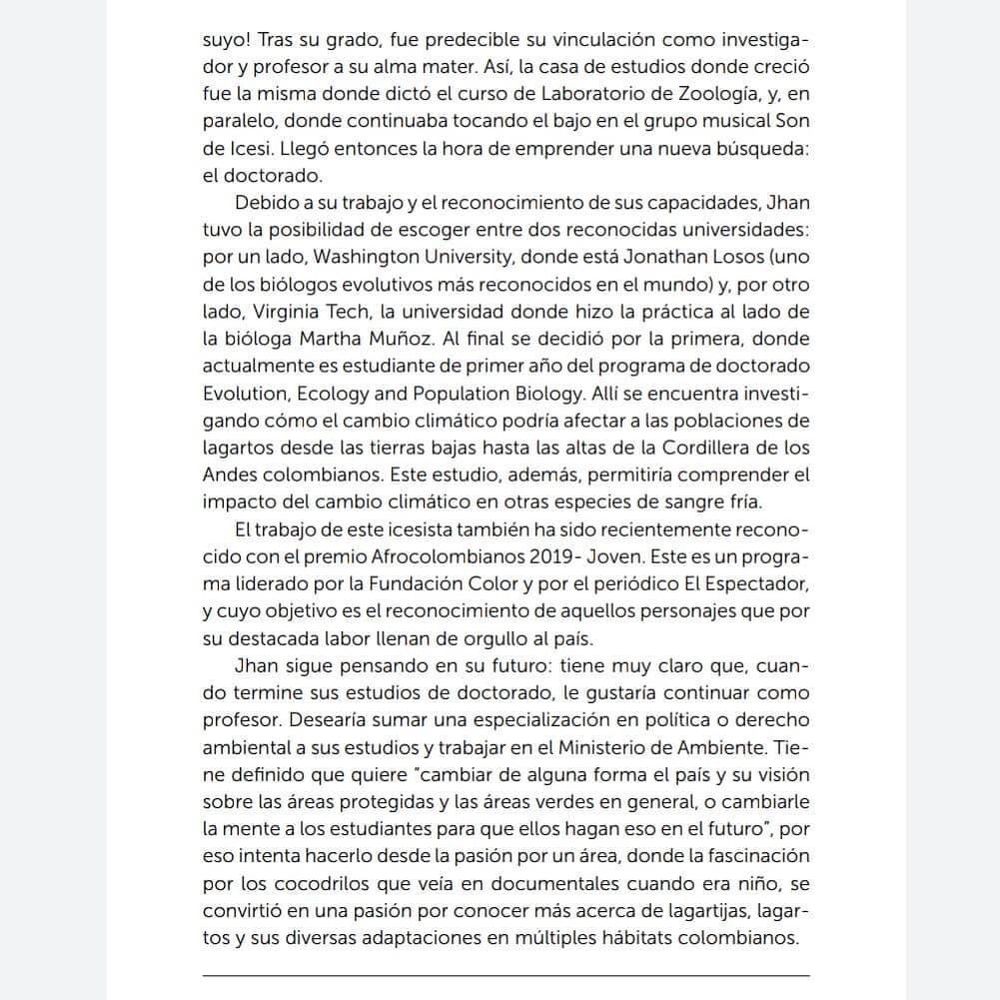
A couple of years ago, the School of Education Sciences at Universidad Icesi published a book that shares a small part of my academic and personal history. In Colombia, the Black community makes up approximately 10% of the country's population—around 4.6 million Afro-Colombians. (1/3)
Reposted by Jhan C. Salazar, PhD

Delighted to publish Forum Article by @nicolasgaltier.bsky.social et al:
"Journals run by learned societies or universities have more ethical policies while being cheaper and similarly cited"
doi.org/10.1093/jeb/...
Thank you for choosing JEB - we encourage the support of #societyjournals
"Journals run by learned societies or universities have more ethical policies while being cheaper and similarly cited"
doi.org/10.1093/jeb/...
Thank you for choosing JEB - we encourage the support of #societyjournals

Time to publish responsibly: DAFNEE, a database of academia-friendly journals in ecology and evolutionary biology
Abstract. The current economics of scientific publishing reveal a profound imbalance: academia pays prices far exceeding the actual costs of publication. R
doi.org
December 9, 2025 at 10:16 AM
Delighted to publish Forum Article by @nicolasgaltier.bsky.social et al:
"Journals run by learned societies or universities have more ethical policies while being cheaper and similarly cited"
doi.org/10.1093/jeb/...
Thank you for choosing JEB - we encourage the support of #societyjournals
"Journals run by learned societies or universities have more ethical policies while being cheaper and similarly cited"
doi.org/10.1093/jeb/...
Thank you for choosing JEB - we encourage the support of #societyjournals
Reposted by Jhan C. Salazar, PhD
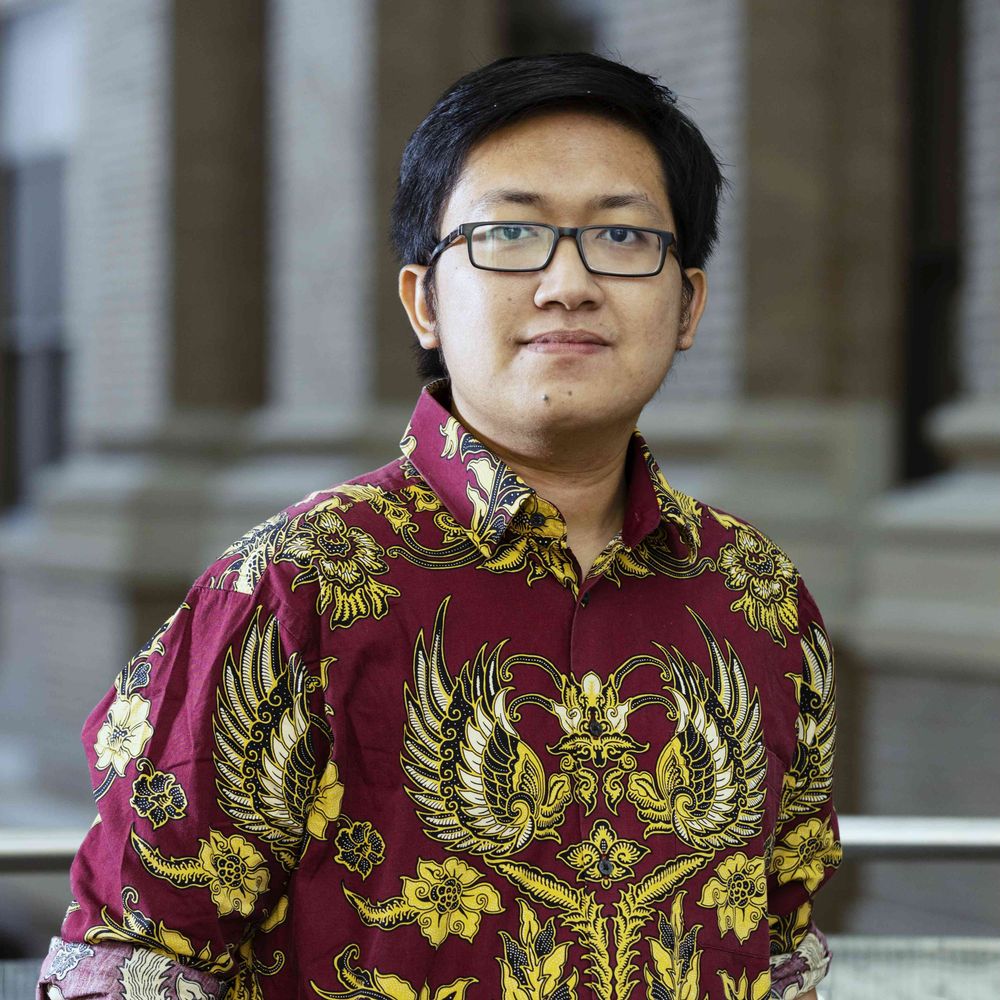
Some screenshots from this year's Phylomania - great to see familiar faces and names, even through a virtual screen :)
Also, my talk can be accessed here: sites.google.com/view/albert-...
(preprint is hopefully out soon) #evobio
Also, my talk can be accessed here: sites.google.com/view/albert-...
(preprint is hopefully out soon) #evobio


November 28, 2025 at 10:05 PM
Some screenshots from this year's Phylomania - great to see familiar faces and names, even through a virtual screen :)
Also, my talk can be accessed here: sites.google.com/view/albert-...
(preprint is hopefully out soon) #evobio
Also, my talk can be accessed here: sites.google.com/view/albert-...
(preprint is hopefully out soon) #evobio
I'm happy to share that, together with @juvelas.bsky.social and Daniel Vásquez-Restrepo to examine how Andean uplift influenced the evolution of South American squamates as part of the book Andean Herpetofauna: Explorations of Diversity, Ecology and Conservation by @springernature.com (1/3)


November 27, 2025 at 11:24 PM
I'm happy to share that, together with @juvelas.bsky.social and Daniel Vásquez-Restrepo to examine how Andean uplift influenced the evolution of South American squamates as part of the book Andean Herpetofauna: Explorations of Diversity, Ecology and Conservation by @springernature.com (1/3)
Reposted by Jhan C. Salazar, PhD
#Climate and parasite pressure jointly shape traits mediating the #coevolution between an #ant social parasite and its #host:
doi.org/10.1093/jeb/...
Erwann et al. 2025
doi.org/10.1093/jeb/...
Erwann et al. 2025

Climate and parasite pressure jointly shape traits mediating the coevolution between an ant social parasite and its host
Abstract. Host–parasite relationships are often shaped by coevolutionary arms races. While abiotic influences on these dynamics are well documented, a comb
doi.org
November 25, 2025 at 10:08 AM
#Climate and parasite pressure jointly shape traits mediating the #coevolution between an #ant social parasite and its #host:
doi.org/10.1093/jeb/...
Erwann et al. 2025
doi.org/10.1093/jeb/...
Erwann et al. 2025
Reposted by Jhan C. Salazar, PhD

Feline 40% off!!! www.amazon.com/Feline-Photo...

Feline: Photographs
Amazon.com: Feline: Photographs: 9781419773648: Flach, Tim, Losos, Jonathan: Books
www.amazon.com
November 20, 2025 at 4:41 PM
Feline 40% off!!! www.amazon.com/Feline-Photo...
Happy to share the final product of an internship I did during my PhD in the DD lab with Dr @cromanpa.bsky.social
doi.org/10.1186/s129...
doi.org/10.1186/s129...

Machine learning in biological research: key algorithms, applications, and future directions - BMC Biology
Machine learning is a robust framework to analyze questions using complex data in a variety of fields. We present definitions and recent applications of four key machine learning methods and discuss t...
doi.org
November 15, 2025 at 3:16 AM
Happy to share the final product of an internship I did during my PhD in the DD lab with Dr @cromanpa.bsky.social
doi.org/10.1186/s129...
doi.org/10.1186/s129...
Reposted by Jhan C. Salazar, PhD
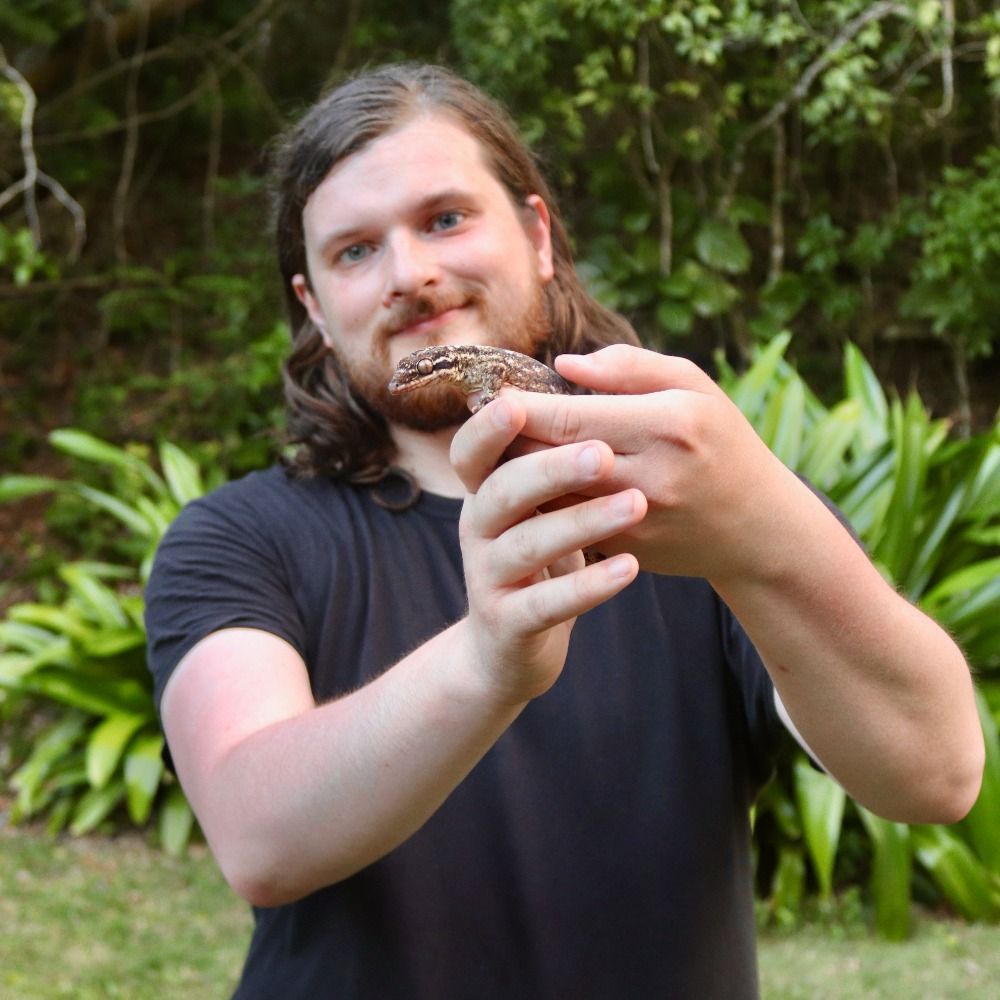
New paper out in @devdynamics.bsky.social on lizard lung development!
Project co-led w/ Kaleb Hill and also w/ @tonygamble.bsky.social @shylonatasha.bsky.social @aussiebiologist.bsky.social @bezbez.bsky.social @celestemnelson.bsky.social
anatomypubs.onlinelibrary.wiley.com/doi/10.1002/...
Project co-led w/ Kaleb Hill and also w/ @tonygamble.bsky.social @shylonatasha.bsky.social @aussiebiologist.bsky.social @bezbez.bsky.social @celestemnelson.bsky.social
anatomypubs.onlinelibrary.wiley.com/doi/10.1002/...

November 14, 2025 at 5:35 PM
New paper out in @devdynamics.bsky.social on lizard lung development!
Project co-led w/ Kaleb Hill and also w/ @tonygamble.bsky.social @shylonatasha.bsky.social @aussiebiologist.bsky.social @bezbez.bsky.social @celestemnelson.bsky.social
anatomypubs.onlinelibrary.wiley.com/doi/10.1002/...
Project co-led w/ Kaleb Hill and also w/ @tonygamble.bsky.social @shylonatasha.bsky.social @aussiebiologist.bsky.social @bezbez.bsky.social @celestemnelson.bsky.social
anatomypubs.onlinelibrary.wiley.com/doi/10.1002/...
Reposted by Jhan C. Salazar, PhD
New preprint from my postdoc work! Using fluorescent imaging, scRNA-seq, and ATAC-seq of mouse, anole, and chicken embryos, we provide evidence that birds have co-opted vascular smooth muscle to generate the pulmonary smooth muscle in their lungs. More on this later!
www.biorxiv.org/content/10.1...
www.biorxiv.org/content/10.1...

November 14, 2025 at 12:28 AM
New preprint from my postdoc work! Using fluorescent imaging, scRNA-seq, and ATAC-seq of mouse, anole, and chicken embryos, we provide evidence that birds have co-opted vascular smooth muscle to generate the pulmonary smooth muscle in their lungs. More on this later!
www.biorxiv.org/content/10.1...
www.biorxiv.org/content/10.1...
Reposted by Jhan C. Salazar, PhD
Sea #otters have undergone distinctive evolutionary changes in the offspring size–number trade-off within the #Mustelidae. The changes involve larger and fewer offspring and more investment in offspring size than expected:
doi.org/10.1093/jeb/...
Harano and Kutsukake 2025
doi.org/10.1093/jeb/...
Harano and Kutsukake 2025

November 11, 2025 at 10:44 AM
Sea #otters have undergone distinctive evolutionary changes in the offspring size–number trade-off within the #Mustelidae. The changes involve larger and fewer offspring and more investment in offspring size than expected:
doi.org/10.1093/jeb/...
Harano and Kutsukake 2025
doi.org/10.1093/jeb/...
Harano and Kutsukake 2025
Reposted by Jhan C. Salazar, PhD
By combining mark-recapture and genetic parentage data from wild #lizards, we show that the offspring of older parents do not have lower survival or reproductive success than the offspring of younger parents:
doi.org/10.1093/jeb/...
Crain et al. 2025
doi.org/10.1093/jeb/...
Crain et al. 2025

Parental age effects on offspring fitness in a wild population of a short-lived reptile
Abstract. As organisms age, the fitness of the offspring they produce can decline, which is often attributed to parental senescence. However, few studies h
doi.org
November 11, 2025 at 10:34 AM
By combining mark-recapture and genetic parentage data from wild #lizards, we show that the offspring of older parents do not have lower survival or reproductive success than the offspring of younger parents:
doi.org/10.1093/jeb/...
Crain et al. 2025
doi.org/10.1093/jeb/...
Crain et al. 2025
Reposted by Jhan C. Salazar, PhD
How to use and interpret the #adaptationinertia framework of #phylogenetic comparative methods based on the Ornstein-Uhlenbeck process to study adaptation:
doi.org/10.1093/jeb/...
Pienaar et al. 2025
doi.org/10.1093/jeb/...
Pienaar et al. 2025

Phylogenetic comparative methods for studying adaptation: the adaptation-inertia framework
Abstract. Phylogenetic comparative methods are a major tool for evaluating macroevolutionary hypotheses. Methods based on the mean-reverting stochastic Orn
doi.org
November 6, 2025 at 6:15 PM
How to use and interpret the #adaptationinertia framework of #phylogenetic comparative methods based on the Ornstein-Uhlenbeck process to study adaptation:
doi.org/10.1093/jeb/...
Pienaar et al. 2025
doi.org/10.1093/jeb/...
Pienaar et al. 2025
Reposted by Jhan C. Salazar, PhD
The genetical evolution of social preferences: where the categorical imperatives of Hamilton, Kant, and Nash meet:
doi.org/10.1093/jeb/...
doi.org/10.1093/jeb/...

The genetical evolution of social preferences: where the categorical imperatives of Hamilton, Kant, and Nash meet
Abstract. This paper models the genetical evolution of individual behaviour rules that guide the choice of strategies in pairwise assortative interactions
doi.org
November 6, 2025 at 5:54 PM
The genetical evolution of social preferences: where the categorical imperatives of Hamilton, Kant, and Nash meet:
doi.org/10.1093/jeb/...
doi.org/10.1093/jeb/...
Reposted by Jhan C. Salazar, PhD
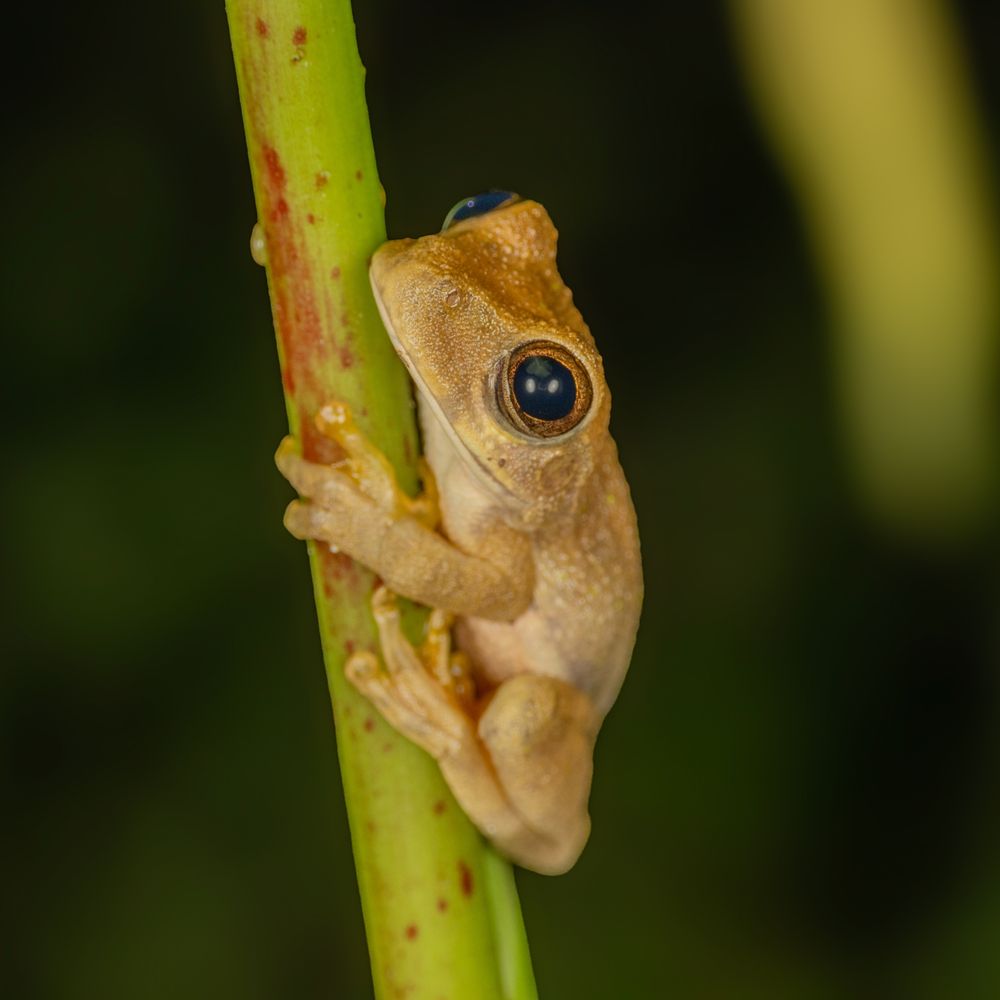
Parental care, and more complex cooperative systems of care, have independently evolved in hundreds of animal lineages. In an article published today, we explore how these behaviors evolve 𝘢𝘵 𝘢 𝘮𝘰𝘭𝘦𝘤𝘶𝘭𝘢𝘳 𝘭𝘦𝘷𝘦𝘭l shorturl.at/g5OPw /1

Convergent evolution of a conserved molecular network underlies parenting and sociality - Nature Reviews Genetics
Kay et al. review evidence that parental care, and more complex social behaviour based on parental care, evolved in multiple species through the repeated co-option of members of a pleiotropic molecula...
shorturl.at
November 4, 2025 at 3:57 PM
Parental care, and more complex cooperative systems of care, have independently evolved in hundreds of animal lineages. In an article published today, we explore how these behaviors evolve 𝘢𝘵 𝘢 𝘮𝘰𝘭𝘦𝘤𝘶𝘭𝘢𝘳 𝘭𝘦𝘷𝘦𝘭l shorturl.at/g5OPw /1
Reposted by Jhan C. Salazar, PhD
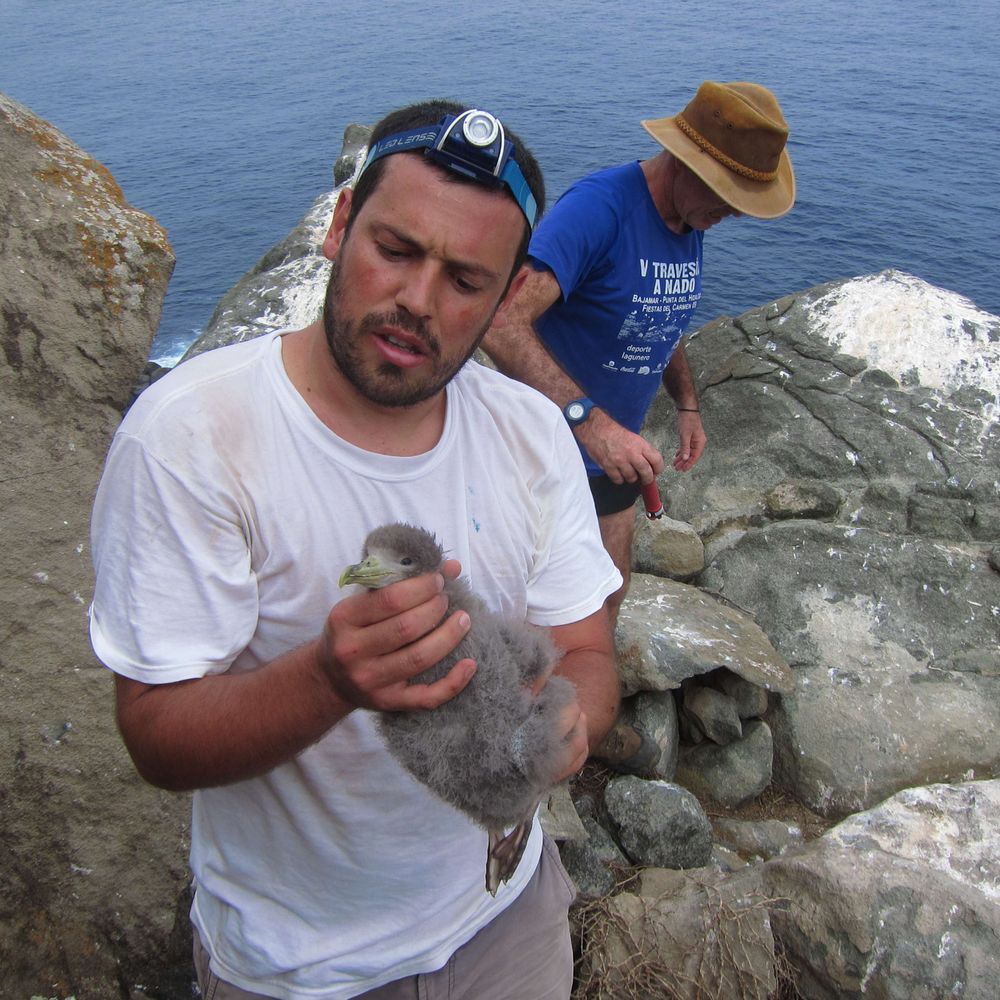
Are you looking for a #postdoc? with #seabirds or #raptors? at the @mncn-csic.bsky.social & @csic.es? Please send me an email and consider applying for a #JldC fellowship
#ornithology
Requirements: completed PhD within the last 2 years & competitive CV.
www.infosubvenciones.es/bdnstrans/GE...
#ornithology
Requirements: completed PhD within the last 2 years & competitive CV.
www.infosubvenciones.es/bdnstrans/GE...

November 4, 2025 at 9:20 AM
Are you looking for a #postdoc? with #seabirds or #raptors? at the @mncn-csic.bsky.social & @csic.es? Please send me an email and consider applying for a #JldC fellowship
#ornithology
Requirements: completed PhD within the last 2 years & competitive CV.
www.infosubvenciones.es/bdnstrans/GE...
#ornithology
Requirements: completed PhD within the last 2 years & competitive CV.
www.infosubvenciones.es/bdnstrans/GE...
Reposted by Jhan C. Salazar, PhD

A feature in Nature examines what journals are doing to confirm that the authors of a research paper are legitimate, and the downsides of more intense identity checks. #Academicsky 🧪

How to spot fake scientists and stop them from publishing papers
Journals are considering doing identity checks to expose fake authors — but there are downsides.
go.nature.com
October 31, 2025 at 10:10 PM
A feature in Nature examines what journals are doing to confirm that the authors of a research paper are legitimate, and the downsides of more intense identity checks. #Academicsky 🧪
Reposted by Jhan C. Salazar, PhD
Spoil Islands in Florida: an Opportunity for Anole Experiments in the Wild www.anoleannals.org/2025/10/30/s...

Spoil Islands in Florida: an Opportunity for Anole Experiments in the Wild
Invasive species are a growing problem across our increasingly globalized planet. They are often adept at establishing stable population sizes very quickly, which allows them to outcompete native s…
www.anoleannals.org
October 30, 2025 at 1:47 PM
Spoil Islands in Florida: an Opportunity for Anole Experiments in the Wild www.anoleannals.org/2025/10/30/s...
Reposted by Jhan C. Salazar, PhD

Reposting this open postdoc position with more detailed specifications. Couldn't find the right fit in the first round—not due to lack of strong candidates, but because we're looking for someone whose expertise matches a specific project. More details in the job ad. Apply!
tinyurl.com/2uskxyrp
tinyurl.com/2uskxyrp

Postdoctoral Research Associate - Biology
Position Summary A postdoctoral position is available in the laboratory of Dr. Andreas Kautt in the Department of Biology on the Danforth Campus at WashU in St. Louis. The Kautt Lab studies the mechan...
tinyurl.com
October 3, 2025 at 10:05 PM
Reposting this open postdoc position with more detailed specifications. Couldn't find the right fit in the first round—not due to lack of strong candidates, but because we're looking for someone whose expertise matches a specific project. More details in the job ad. Apply!
tinyurl.com/2uskxyrp
tinyurl.com/2uskxyrp
Reposted by Jhan C. Salazar, PhD

Reposted by Jhan C. Salazar, PhD

Sir David Attenborough, the British documentarian and naturalist, became the oldest person to win a Daytime Emmy on Friday at age 99. He beat the record set last year by Dick Van Dyke. www.nytimes.com/2025/10/18/a...

October 18, 2025 at 7:03 PM
Sir David Attenborough, the British documentarian and naturalist, became the oldest person to win a Daytime Emmy on Friday at age 99. He beat the record set last year by Dick Van Dyke. www.nytimes.com/2025/10/18/a...
Reposted by Jhan C. Salazar, PhD

Excited to share our new paper where we find that the rise, decline and fall of clades is not explained by the usual suspects (diversity-dependence, ecological opportunities) but rather by species' insidious loss of macroevolutionary fitness: www.nature.com/articles/s41... 1/3

Loss of macroevolutionary species fitness explains the rise and fall of clades - Nature Ecology & Evolution
The interplay between speciation and extinction rates shapes clade diversity dynamics. Using a novel phylogenetic model that includes living and fossil lineages, the authors estimate speciation and ex...
www.nature.com
October 17, 2025 at 9:12 AM
Excited to share our new paper where we find that the rise, decline and fall of clades is not explained by the usual suspects (diversity-dependence, ecological opportunities) but rather by species' insidious loss of macroevolutionary fitness: www.nature.com/articles/s41... 1/3
Reposted by Jhan C. Salazar, PhD
📣CALL FOR PAPERS!
Upcoming SPECIAL ISSUE: Evolution at species range edges
Guest Edited by Shengman Liu, John Pannell and Sophie Karrenberg
More information here: academic.oup.com/jeb/pages/ca...
Upcoming SPECIAL ISSUE: Evolution at species range edges
Guest Edited by Shengman Liu, John Pannell and Sophie Karrenberg
More information here: academic.oup.com/jeb/pages/ca...

October 8, 2025 at 2:53 PM
📣CALL FOR PAPERS!
Upcoming SPECIAL ISSUE: Evolution at species range edges
Guest Edited by Shengman Liu, John Pannell and Sophie Karrenberg
More information here: academic.oup.com/jeb/pages/ca...
Upcoming SPECIAL ISSUE: Evolution at species range edges
Guest Edited by Shengman Liu, John Pannell and Sophie Karrenberg
More information here: academic.oup.com/jeb/pages/ca...
Reposted by Jhan C. Salazar, PhD

Who would have thought.

Countrywide natural experiment links built environment to physical activity
www.nature.com/articles/s41...
www.nature.com/articles/s41...

Countrywide natural experiment links built environment to physical activity - Nature
By analysing the smartphone data of 2,112,288 participants, in particular observing and comparing the activity of the same individual in two different environments, we find that increases in the walka...
www.nature.com
August 17, 2025 at 10:16 PM
Who would have thought.
Reposted by Jhan C. Salazar, PhD
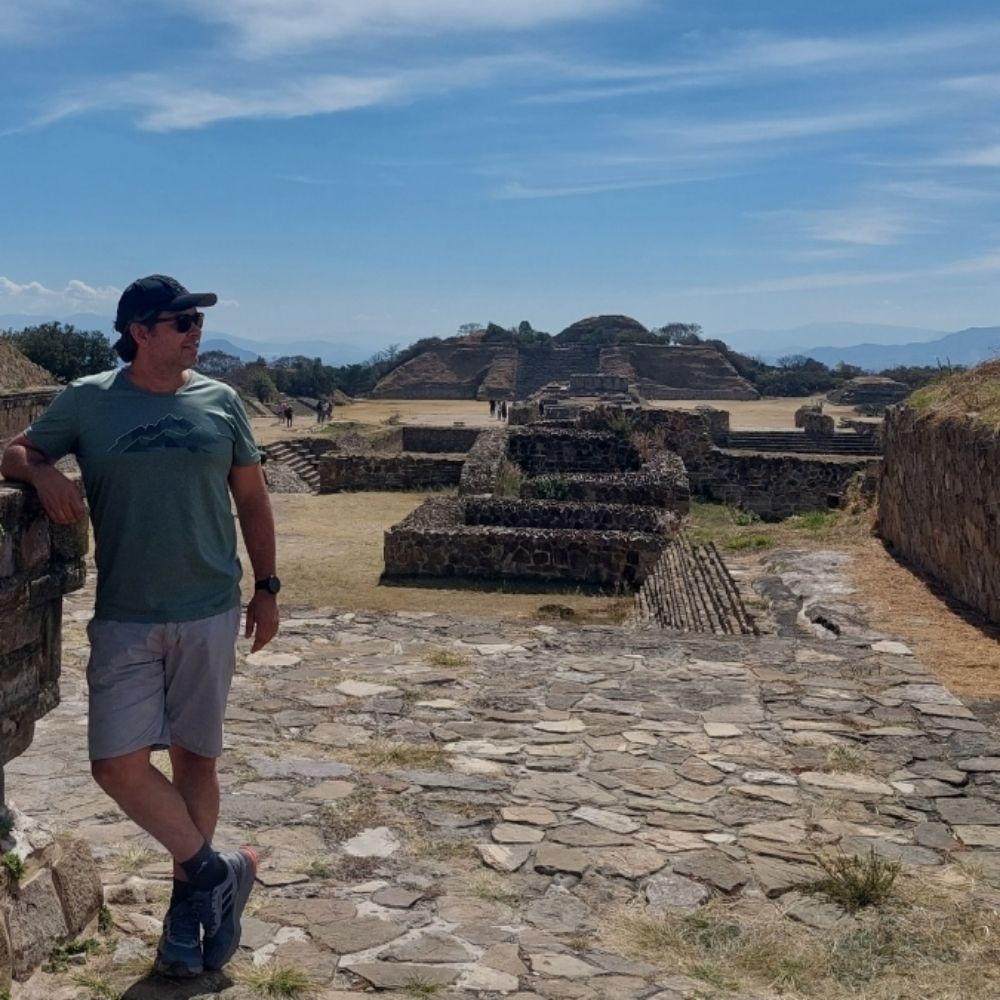
🚨🔊Our new paper is out @commsbio.nature.com! 🔥We explore the global variation in speciation rates across >7,000 amphibian species-& the environmental factors that might drive it 🌎⛰️🌡️
Dive into what we found: rdcu.be/eogmd
🙏 @fabrovillalobos.bsky.social @juvelas.bsky.social
@franzessl1.bsky.social
Dive into what we found: rdcu.be/eogmd
🙏 @fabrovillalobos.bsky.social @juvelas.bsky.social
@franzessl1.bsky.social
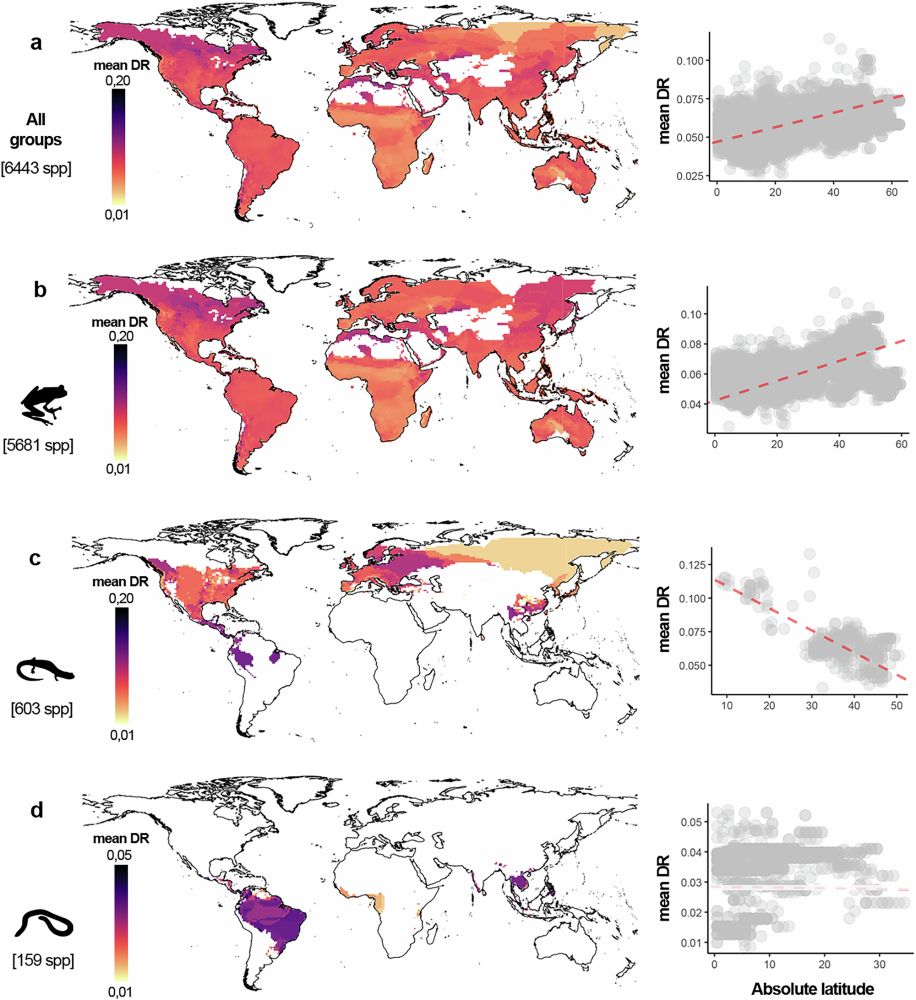
The latitudinal variation in amphibian speciation rates revisited
Communications Biology - A synthesis examining the global patterns of geographic variation in amphibian speciation rates and assessing some of the factors that may underlie them.
rdcu.be
May 29, 2025 at 9:09 AM
🚨🔊Our new paper is out @commsbio.nature.com! 🔥We explore the global variation in speciation rates across >7,000 amphibian species-& the environmental factors that might drive it 🌎⛰️🌡️
Dive into what we found: rdcu.be/eogmd
🙏 @fabrovillalobos.bsky.social @juvelas.bsky.social
@franzessl1.bsky.social
Dive into what we found: rdcu.be/eogmd
🙏 @fabrovillalobos.bsky.social @juvelas.bsky.social
@franzessl1.bsky.social
A few weeks ago, I had the joy of speaking at the Linnean Society about my research on anole lizards 🦎 and how they handle the wild temperature changes of Neotropical mountains.
m.youtube.com/watch?v=FCV8...
m.youtube.com/watch?v=FCV8...

Mountains, Lizards, and the Battle with Temperature
YouTube video by Linnean Society
m.youtube.com
August 15, 2025 at 5:09 PM
A few weeks ago, I had the joy of speaking at the Linnean Society about my research on anole lizards 🦎 and how they handle the wild temperature changes of Neotropical mountains.
m.youtube.com/watch?v=FCV8...
m.youtube.com/watch?v=FCV8...
After nearly 10 years studying the evolution of thermal physiology in Anolis lizards, I defended my PhD a few months ago! Now, I’m happy to start a new chapter: a postdoc in the Neurogenesis & Brain Tumors Lab, studying glioblastoma evolution; the most aggressive brain cancer.


July 28, 2025 at 6:36 PM
After nearly 10 years studying the evolution of thermal physiology in Anolis lizards, I defended my PhD a few months ago! Now, I’m happy to start a new chapter: a postdoc in the Neurogenesis & Brain Tumors Lab, studying glioblastoma evolution; the most aggressive brain cancer.