


curious ordinary
@curiousordinary.bsky.social
▪️Folklore▪️Myth▪️Magic▪️Art▪️
Sharing Japanese and supernatural folklore, mythology, yokai, culture and art. Also love books, cats, crows and trees.
http://linktr.ee/curiousordinary
Sharing Japanese and supernatural folklore, mythology, yokai, culture and art. Also love books, cats, crows and trees.
http://linktr.ee/curiousordinary
Yuki onna is a fearful #yokai appearing on snowy winter nights. She glides across the snow with her blue lips and transparent skin. Beware as her icy gaze can be deadly and she will suck the life force out of you and leave you to die in the snow.
#LegendaryWednesday #JapaneseFolklore
🎨Shigeru Mizuki
#LegendaryWednesday #JapaneseFolklore
🎨Shigeru Mizuki

January 28, 2026 at 12:23 PM
Yuki onna is a fearful #yokai appearing on snowy winter nights. She glides across the snow with her blue lips and transparent skin. Beware as her icy gaze can be deadly and she will suck the life force out of you and leave you to die in the snow.
#LegendaryWednesday #JapaneseFolklore
🎨Shigeru Mizuki
#LegendaryWednesday #JapaneseFolklore
🎨Shigeru Mizuki
In #JapaneseFolklore kubikajiri is a #yokai that eats the heads of its victims, living or dead. It waits in graveyards for the freshly buried dead, which it then digs up to feast on. Kubikajiri smells of blood and in some accounts it is also headless. Some believe they may...
#MythologyMonday
1/2
#MythologyMonday
1/2

January 28, 2026 at 12:21 PM
In #JapaneseFolklore tsurara onna are #yokai also known as icicle women. When lonely single men gaze at icicles during winter, they admire their beauty and wish for a wife just as beautiful. Soon after, this yokai will appear, presenting as an ordinary woman.
#FolkyFriday
1/2
#FolkyFriday
1/2

January 28, 2026 at 12:20 PM
Tsurube Otoshi are bizarre #yokai that take the form of disembodied heads. They live in treetops waiting for victims. More info below.
#WyrdWednesday #JapaneseFolklore
#WyrdWednesday #JapaneseFolklore
In #JapaneseFolklore Tsurube Otoshi are a #yokai that live in the tops of trees beside paths through forested areas. They are the disembodied heads of either humans, tengu or oni which can range in size from a regular head up to two metres across. When hungry, these giant heads...
#FolkyFriday
1/3
#FolkyFriday
1/3

January 28, 2026 at 12:17 PM
Tsurube Otoshi are bizarre #yokai that take the form of disembodied heads. They live in treetops waiting for victims. More info below.
#WyrdWednesday #JapaneseFolklore
#WyrdWednesday #JapaneseFolklore
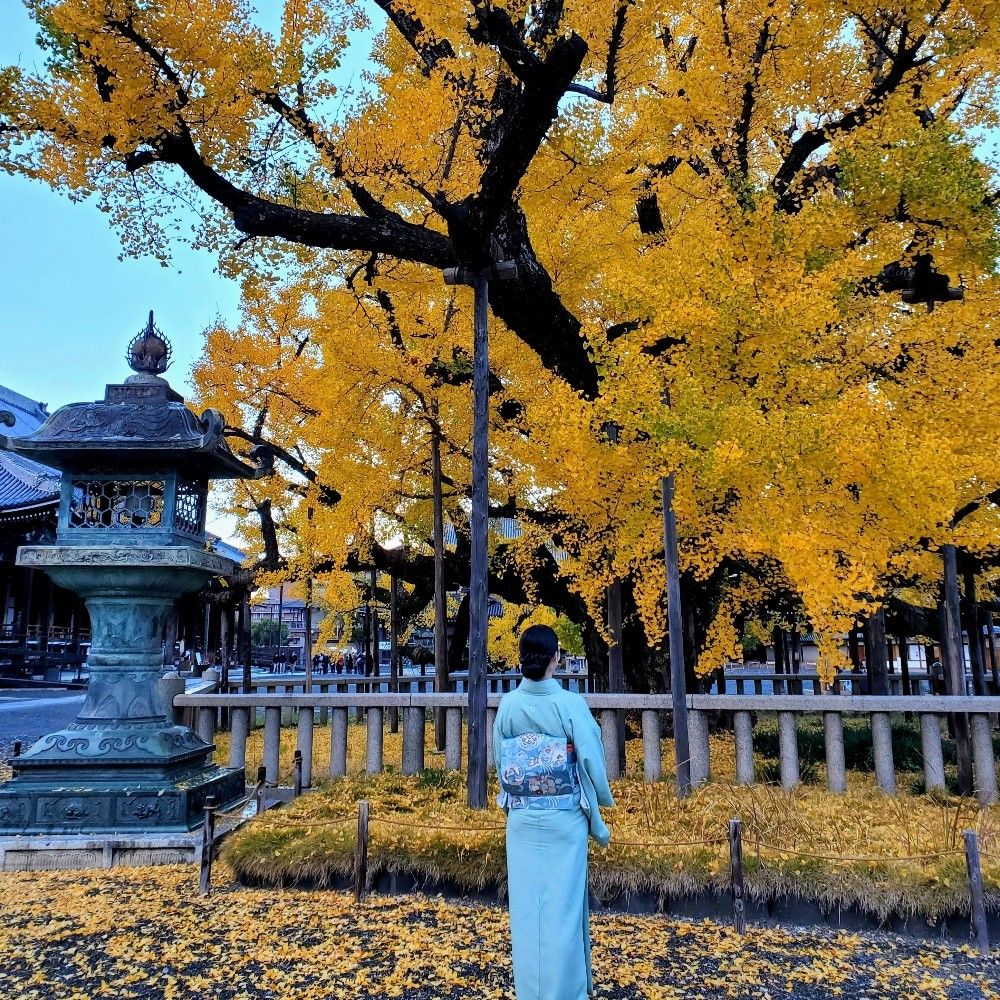
If you hear a knock on your door during a snow storm be very careful, it could be amazake baba.
#LegendaryWednesday #yokai
#LegendaryWednesday #yokai
In #JapaneseFolklore amazake baba is a #yokai from Miyagi and Aomori prefectures. She appears in the form of a haggard old woman and knocks on doors late at night calling for amazake (fermented rice drink) in a child-like voice. Whoever answers her call falls very ill, regardless...
#FolkyFriday
1/3
#FolkyFriday
1/3

January 28, 2026 at 12:12 PM
If you hear a knock on your door during a snow storm be very careful, it could be amazake baba.
#LegendaryWednesday #yokai
#LegendaryWednesday #yokai
'The Fox Kuzunoha and the Abe Baby' from the series 'Ogura Imitations of One Hundred Poems by One Hundred Poets' - Utagawa Hiroshige, 1845-48 (detail). A great thread below by @camelliakyoto.bsky.social all about Abe no Seimei and his shrine in Kyoto.
#JapaneseArt #ukiyoe #JapaneseArt
#JapaneseArt #ukiyoe #JapaneseArt

January 28, 2026 at 3:55 AM
'The Fox Kuzunoha and the Abe Baby' from the series 'Ogura Imitations of One Hundred Poems by One Hundred Poets' - Utagawa Hiroshige, 1845-48 (detail). A great thread below by @camelliakyoto.bsky.social all about Abe no Seimei and his shrine in Kyoto.
#JapaneseArt #ukiyoe #JapaneseArt
#JapaneseArt #ukiyoe #JapaneseArt
Reposted by curious ordinary

January 11, 2026 at 1:52 AM

January 27, 2026 at 12:02 PM
AI is really pissing me off today! What is the point of writing or sharing anything online anymore when everything is just stolen and repurposed for AI slop? Even AI summaries (which I try to ignore) quote my own work back to me amongst a jumble of misinformation. I'm honestly ready to give up. 😮💨
January 27, 2026 at 11:52 AM
AI is really pissing me off today! What is the point of writing or sharing anything online anymore when everything is just stolen and repurposed for AI slop? Even AI summaries (which I try to ignore) quote my own work back to me amongst a jumble of misinformation. I'm honestly ready to give up. 😮💨
Reposted by curious ordinary

December 30, 2025 at 10:23 AM
Reposted by curious ordinary

December 9, 2025 at 5:24 AM
Reposted by curious ordinary

December 30, 2025 at 1:37 AM
In Japanese mythology Amaterasu is the kami (goddess) of the Sun. She is the chief Shinto kami, ruler of the heavenly realm, and the mythical divine ancestress of the Japanese Imperial family. I've written about her most famous myth in the thread below.
🎨 Utagawa Kunisada (detail).
#MythologyMonday
🎨 Utagawa Kunisada (detail).
#MythologyMonday

January 26, 2026 at 12:22 PM
In Japanese mythology Amaterasu is the kami (goddess) of the Sun. She is the chief Shinto kami, ruler of the heavenly realm, and the mythical divine ancestress of the Japanese Imperial family. I've written about her most famous myth in the thread below.
🎨 Utagawa Kunisada (detail).
#MythologyMonday
🎨 Utagawa Kunisada (detail).
#MythologyMonday
'Crow' - Yamamoto Shunkyo, ca. 1890-1900.
#JapaneseArt
#JapaneseArt

January 25, 2026 at 1:05 AM
'Crow' - Yamamoto Shunkyo, ca. 1890-1900.
#JapaneseArt
#JapaneseArt
Reposted by curious ordinary
'Hall of the Golden Hue at Hiraizumi' - Kawase Hasui, 1957. This was Hasui's final work before his death later the same year.
#JapaneseArt #shinhanga
#JapaneseArt #shinhanga

January 1, 2026 at 3:09 AM
'Hall of the Golden Hue at Hiraizumi' - Kawase Hasui, 1957. This was Hasui's final work before his death later the same year.
#JapaneseArt #shinhanga
#JapaneseArt #shinhanga
Reposted by curious ordinary
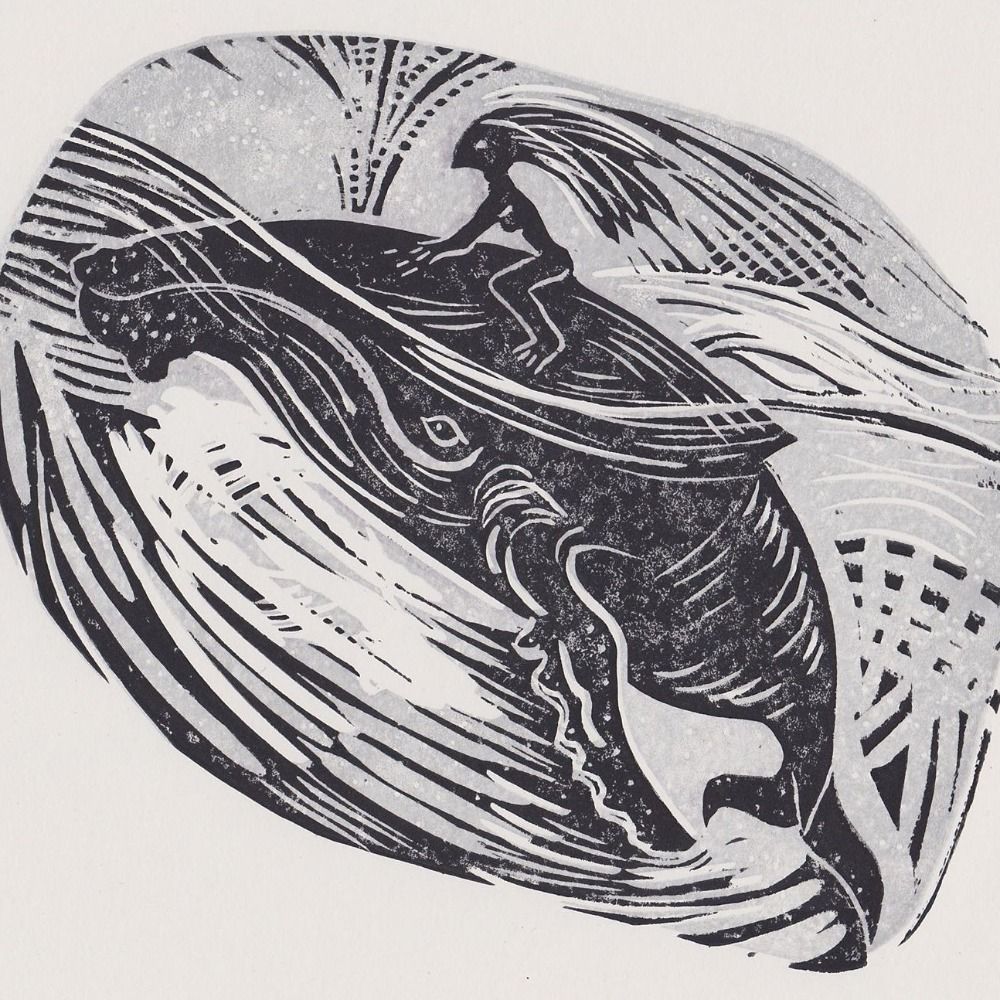
My favourite little vixen, reimagined as a many-tailed fox
#FoxFriday 🦊🌀🌒
#FoxFriday 🦊🌀🌒

January 23, 2026 at 4:43 PM
My favourite little vixen, reimagined as a many-tailed fox
#FoxFriday 🦊🌀🌒
#FoxFriday 🦊🌀🌒
Reposted by curious ordinary

Mokugyo Daruma. - [Tsukumogami] - A wooden fish which after 9 years of meditative use, sprung to life in the guise of daruma. Much like the legend himself: it stares forward with a deadpan expression & seeks enlightenment. Like Hossumori, perhaps its unstoppable... samkalensky.com/products/mok...


December 22, 2025 at 10:23 PM
Mokugyo Daruma. - [Tsukumogami] - A wooden fish which after 9 years of meditative use, sprung to life in the guise of daruma. Much like the legend himself: it stares forward with a deadpan expression & seeks enlightenment. Like Hossumori, perhaps its unstoppable... samkalensky.com/products/mok...
Reposted by curious ordinary
Eritate-Goromo - [Yokai | Tsukumogami] - The high collared Kimono of the profoundly prideful Tengu King, Sōjōbō of Mt Kurama. After decades of being worn by such a powerful yokai, the robes sprung to life. Perhaps they are just prideful as the Tengu who wore them... samkalensky.com/products/eri...


November 10, 2025 at 4:19 PM
Eritate-Goromo - [Yokai | Tsukumogami] - The high collared Kimono of the profoundly prideful Tengu King, Sōjōbō of Mt Kurama. After decades of being worn by such a powerful yokai, the robes sprung to life. Perhaps they are just prideful as the Tengu who wore them... samkalensky.com/products/eri...
Reposted by curious ordinary

January 8, 2026 at 2:08 PM
Reposted by curious ordinary
In #JapaneseFolklore there is definitely a #yokai for every occasion. When it comes to fruit, I present suika no bakemono, which appears as a watermelon-headed samurai. Very little is known about this strange supernatural creature. It comes from the Buson Yokai Emaki, a...
#BookologyThursday
1/2
#BookologyThursday
1/2

January 8, 2026 at 2:02 PM
In #JapaneseFolklore there is definitely a #yokai for every occasion. When it comes to fruit, I present suika no bakemono, which appears as a watermelon-headed samurai. Very little is known about this strange supernatural creature. It comes from the Buson Yokai Emaki, a...
#BookologyThursday
1/2
#BookologyThursday
1/2
Reposted by curious ordinary
Immortal Island (1984, Foreign Languages Press) is a hidden gem of Chinese myth and brushwork.
Du Dakei’s ethereal illustrations breathe life into celestial palaces, spirit beasts, and dreamlike realms, each page a gateway to ancient wonder. 👇 1/3
#mythology #art
Du Dakei’s ethereal illustrations breathe life into celestial palaces, spirit beasts, and dreamlike realms, each page a gateway to ancient wonder. 👇 1/3
#mythology #art

January 21, 2026 at 1:30 PM
Immortal Island (1984, Foreign Languages Press) is a hidden gem of Chinese myth and brushwork.
Du Dakei’s ethereal illustrations breathe life into celestial palaces, spirit beasts, and dreamlike realms, each page a gateway to ancient wonder. 👇 1/3
#mythology #art
Du Dakei’s ethereal illustrations breathe life into celestial palaces, spirit beasts, and dreamlike realms, each page a gateway to ancient wonder. 👇 1/3
#mythology #art
Another #yokai in #JapaneseFolklore that is said to deliver prophecies is yogen no tori, a two-headed crow. Looking at their image was also said to protect you from harm. The card below is by @yokaiparade.bsky.social (link in comments).
#WyrdWednesday
#WyrdWednesday

January 21, 2026 at 12:13 PM
Another #yokai in #JapaneseFolklore that is said to deliver prophecies is yogen no tori, a two-headed crow. Looking at their image was also said to protect you from harm. The card below is by @yokaiparade.bsky.social (link in comments).
#WyrdWednesday
#WyrdWednesday
In #JapaneseFolklore kamikakushi is the concept of being spirited away by the kami, or gods. Sometimes when people disappeared it was blamed on evil #yokai who may have taken the person to the spirit world. The Ghibli film Spirited Away is based on this concept.
#LegendaryWednesday
#LegendaryWednesday

January 21, 2026 at 11:59 AM
In #JapaneseFolklore kamikakushi is the concept of being spirited away by the kami, or gods. Sometimes when people disappeared it was blamed on evil #yokai who may have taken the person to the spirit world. The Ghibli film Spirited Away is based on this concept.
#LegendaryWednesday
#LegendaryWednesday