


Economics
EU leaders met in Antwerp to pursue a "Made in Europe" industrial strategy to boost competitiveness and strategic autonomy amid US and Chinese pressure, while the ECB urged eurobonds.

The U.S. economy added 130,000 jobs in January and the unemployment rate fell to 4.3%, beating economists’ forecasts, official data showed.

President Donald Trump said on U.S. television he raised tariffs on Swiss imports from 30% to 39% after a phone call in which he called Karin Keller-Sutter "very aggressive."

AI-powered startups and autonomous agents drove sharp declines in European wealth-manager and broker stocks, rattling financial markets and fueling concern about job displacement and industry disruption.
A majority in the U.S. House rejected Speaker Mike Johnson's attempt to block votes, clearing the way for lawmakers to vote to cancel President Trump's Canada tariffs.

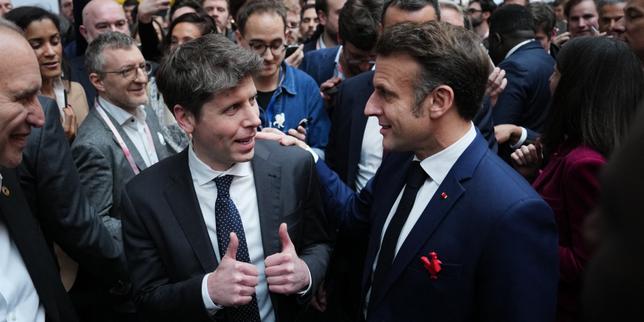
German Chancellor Friedrich Merz and Italian Prime Minister Giorgia Meloni aligned and opposed French President Emmanuel Macron’s calls for joint EU borrowing and “preference européenne” ahead of an EU summit.

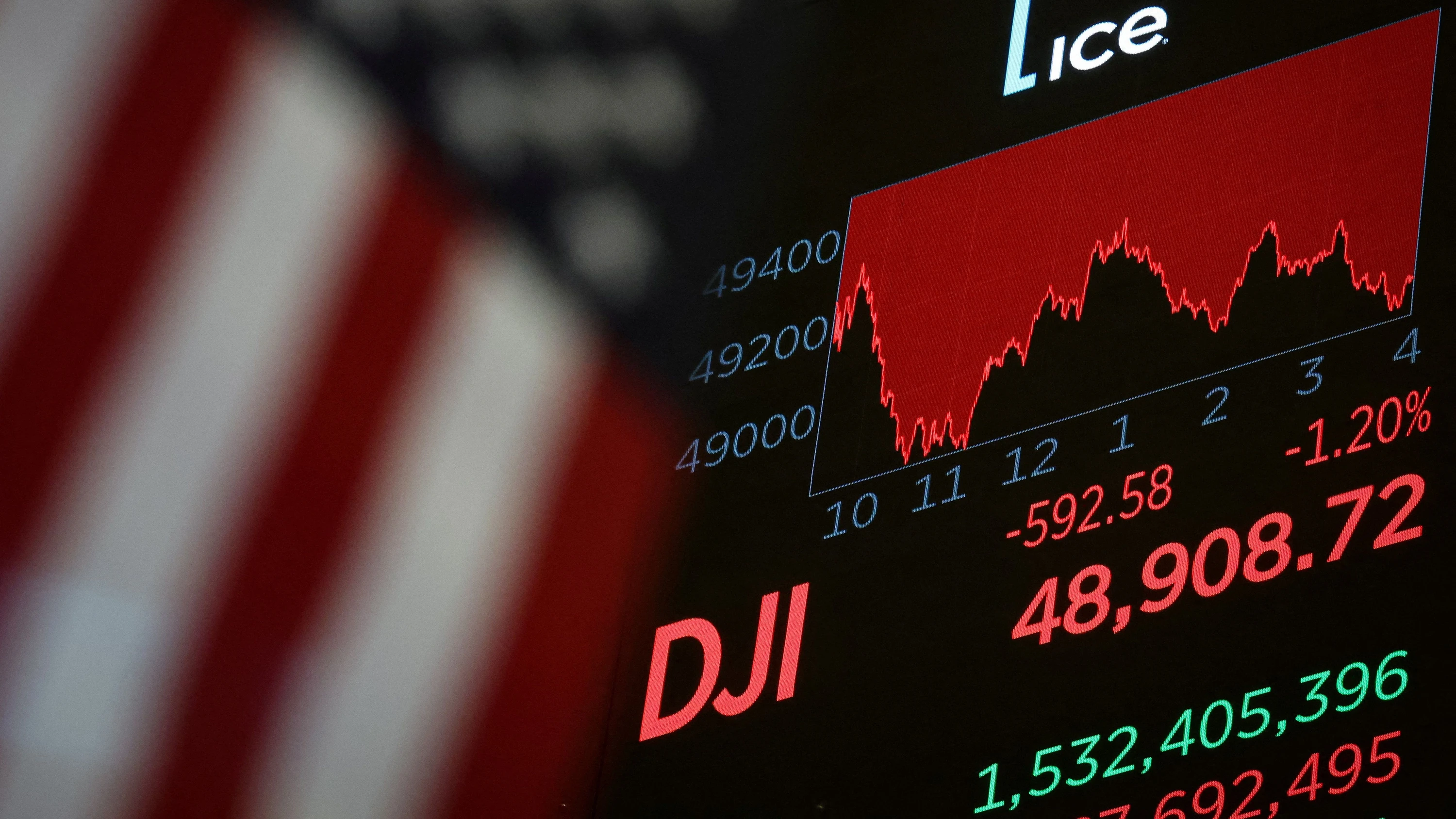
Surprisingly strong US jobs data prompted mixed reactions and left major Wall Street indexes roughly unchanged while the dollar rose and several individual stocks fell.

UK Chancellor Rachel Reeves urged Britain to speed closer ties with the EU to reassure businesses amid political turmoil, saying stronger alignment was the "biggest prize" for growth.

Von der Leyen defended preferring European-made components in strategic procurement, urged trade deals and regulatory simplification to boost competitiveness, but said such preference wasn't a universal solution.

European heavy industries pressed EU leaders at an industry summit to secure discounts on climate-related CO2 costs, and the European Commission said it would consider revising the market.

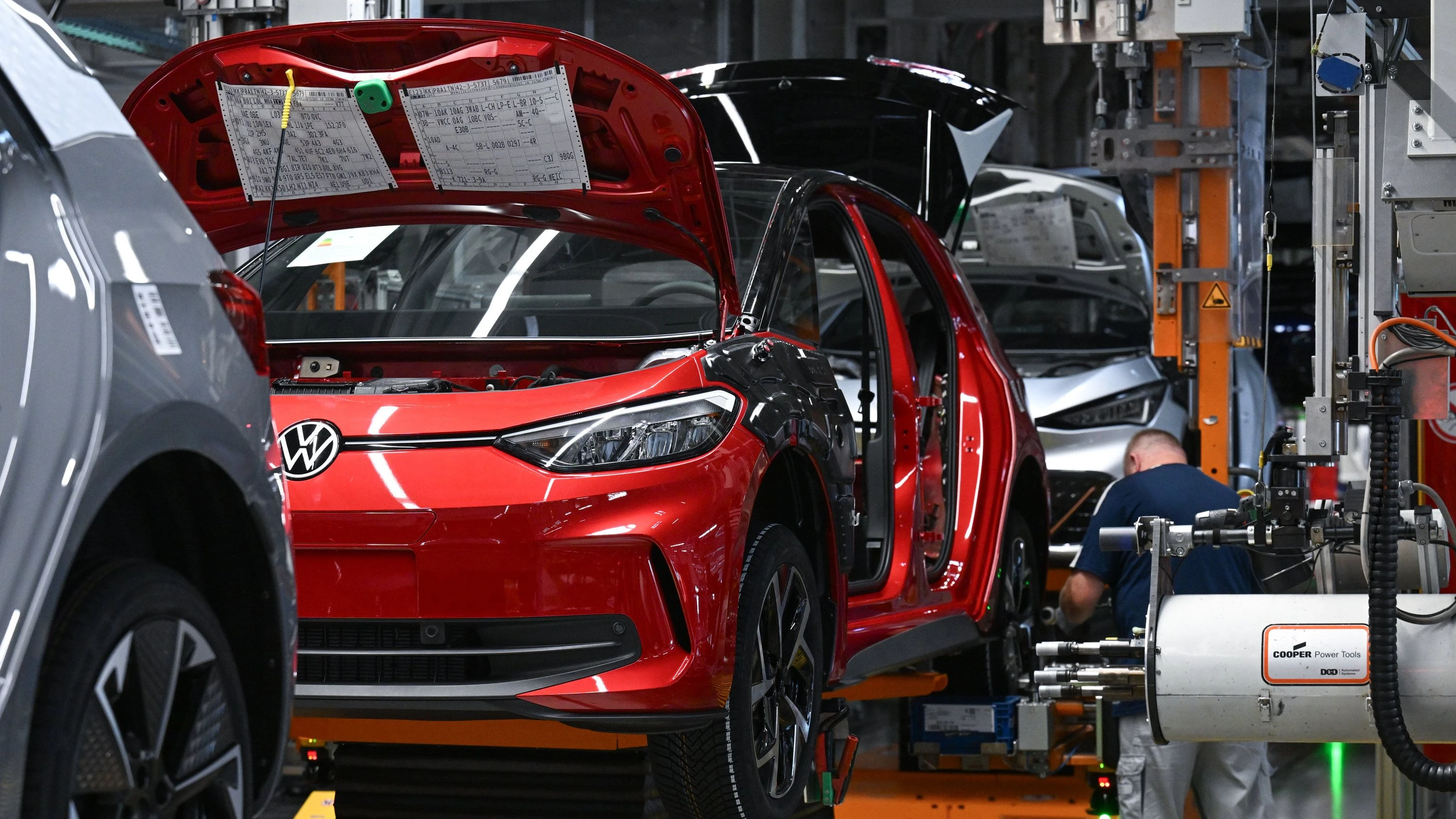
German auto companies shifted production abroad, threatening domestic jobs as Paris urged tougher China protections while Berlin hesitated, industry groups and officials said.
Bitcoin and other cryptocurrencies plunged worldwide, prompting a billionaire investor to seek buying opportunities as tech stocks and gold also fell and investors faced mounting losses.
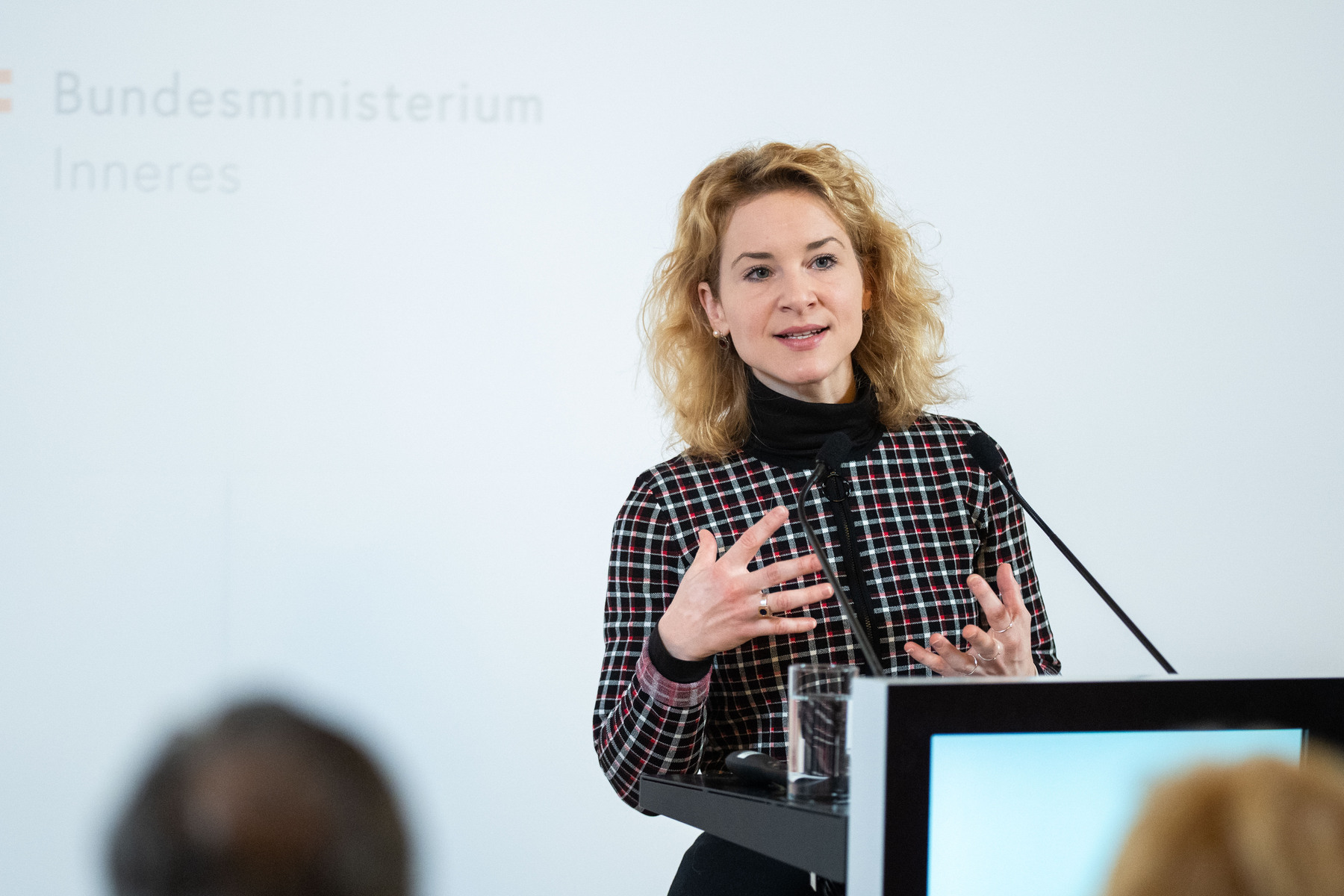
On Equal Pay Day, Feb. 11, Austria’s government announced further steps to tackle a roughly 12% gender pay gap, while critics called the campaign largely symbolic.
Lufthansa called announced strikes in Germany a "completely unnecessary escalation" ahead of Thursday, saying its Swiss, Austrian, ITA, Brussels, Eurowings and Discover units likely would not be affected.

Alphabet issued a rare 100-year bond on global markets to fund its AI expansion, drawing strong investor demand as it raised billions across multiple currencies.

Heineken announced it would cut up to 6,000 jobs globally over the next two years as falling beer demand prompted a companywide cost‑cutting drive.

Commerzbank raised its 2026 profit target to fend off UniCredit’s takeover bid after reporting near‑record 2025 results, CEO Bettina Orlopp said.
Germany recorded nearly 500 million overnight stays in 2025, a new record driven mainly by domestic travelers despite a decline in foreign guests.

Italy's commissione di Garanzia urged unions to postpone two air-transport strikes scheduled for Feb. 16 and March 7 until after the Milan–Cortina Olympics, but unions said they would proceed.

Lufthansa pilots and flight attendants struck Thursday, grounding Lufthansa, Lufthansa CityLine and Cargo flights and disrupting services to Zurich, Basel and Geneva, citing disputes over pensions and working conditions.
