



JMIR Mental Health: Determinants of Patient Use of Tele#MentalHealth Services: Representative Cross-Sectional Survey From Germany #TelePsychologie #PsychischeGesundheit #MentalHealthDeutschland #Telemedizin #COVID19Psychologie

Determinants of Patient Use of Tele#MentalHealth Services: Representative Cross-Sectional Survey From Germany
Background: Tele#MentalHealth services effectively address major challenges in #MentalHealthcare delivery. To maximize the potential of the services, it is essential to facilitate patient use and reduce use disparities. Nevertheless, determinants of patient use of tele#MentalHealth services have been scarcely investigated thus far. Objective: We aimed to identify determinants of patient use of tele#MentalHealth services since the onset of the COVID-19 pandemic and currently. Methods: In December 2023, we conducted a cross-sectional, quota-based (gender and age group) online survey. The sample comprised individuals aged 18 to 74 years, who had been using #MentalHealth services since March 2020 (n=2,082). Tele#MentalHealth services use was assessed using items that inquired whether individuals had used the services since March 2020 or currently (in the last four weeks). Logistic regressions were computed to test the associations of socioeconomic, access, #Health, COVID-19-related, psychosocial, and service factors as well as personality, and provider characteristics with patient use. Results: Younger age, a more positive patient attitude towards tele#MentalHealth services, a more positive provider attitude towards and higher provider skills for using the services were positively associated with patient use of tele#MentalHealth services since the onset of the COVID-19 pandemic. When exclusively looking at current use, positive associations with full-time employment, lower neuroticism, a more positive provider attitude towards the services, and use of the services to avoid stigmatization, long waiting times, or inconvenient scheduling were observed. Access, #Health, and COVID-19-related factors were not associated with patient use (since the onset of the COVID-19 pandemic and currently). Conclusions: Beyond socioeconomic factors, personality and a positive patient attitude towards the services, patient use of tele#MentalHealth services was associated with a positive provider attitude towards and skills for using the services, which underscores the need for provider support and training in tele#MentalHealthcare. Furthermore, avoiding stigmatization and higher convenience of the services were associated with patient use, which highlights the substantial potential of the services to address current #MentalHealthcare challenges.
dlvr.it
June 13, 2025 at 7:02 PM
JMIR Mental Health: Determinants of Patient Use of Tele#MentalHealth Services: Representative Cross-Sectional Survey From Germany #TelePsychologie #PsychischeGesundheit #MentalHealthDeutschland #Telemedizin #COVID19Psychologie
JMIR Mental Health: Determinants of Patient Satisfaction With Tele#MentalHealth Services in Germany: Representative Cross-Sectional Postpandemic Survey Study #Telemedizin #PsychischeGesundheit #Patientenzufriedenheit #OnlineTherapie #Telepsychologie
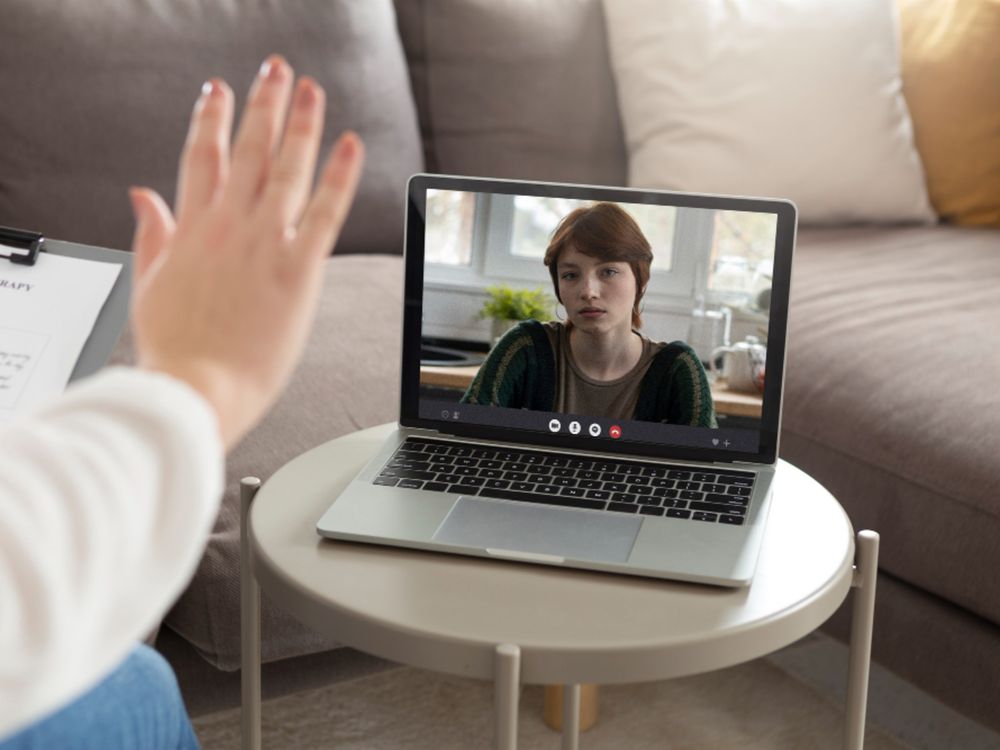
Determinants of Patient Satisfaction With Tele#MentalHealth Services in Germany: Representative Cross-Sectional Postpandemic Survey Study
Background: Increasing patient satisfaction with tele#MentalHealth services is crucial for promoting widespread implementation and ensuring consistent utilization rates in the future, where the services could be a beneficial addition to routine #MentalHealthcare. Nevertheless, knowledge regarding determinants of patient satisfaction with tele#MentalHealth services is very limited. Objective: This study aimed to identify determinants of patient satisfaction with tele#MentalHealth services. Methods: A cross-sectional, quota-based (quotas: gender and age group) online survey was conducted in December 2023 in Germany. The sample included individuals aged 18-74 years who had received tele#MentalHealth services since March 2020 (n=854). Patient satisfaction with video, telephone, and asynchronous services was measured using the Telemedicine Satisfaction Questionnaire or the Client Satisfaction Questionnaire adapted to Internet-based interventions. The association of socioeconomic, access, #Health, psychosocial, personality, and COVID-19-related factors, as well as patient preferences and provider characteristics with patient satisfaction, was tested using multiple linear regressions. Results: A positive patient attitude towards tele#MentalHealth services and greater fear of COVID-19 as well as a positive and open provider attitude and higher provider skills for using the services were positively associated with patient satisfaction in all service groups (P
dlvr.it
May 29, 2025 at 8:08 PM
JMIR Mental Health: Determinants of Patient Satisfaction With Tele#MentalHealth Services in Germany: Representative Cross-Sectional Postpandemic Survey Study #Telemedizin #PsychischeGesundheit #Patientenzufriedenheit #OnlineTherapie #Telepsychologie

Es gibt sogar welche für Telepsychologie, da ist Fernsehen aber nicht drin
www.apa.org/pubs/journal...
www.apa.org/pubs/journal...
www.apa.org
October 16, 2024 at 7:11 AM
Es gibt sogar welche für Telepsychologie, da ist Fernsehen aber nicht drin
www.apa.org/pubs/journal...
www.apa.org/pubs/journal...