


Plants
@wildlifegarden.bsky.social
Plants: Trees, Flowers, Shrubs, Gardens, Forests, Grasslands, Wetlands, Woodlands, Montane, Marine, Coastal and Indoor Plants..
Reposted by Plants
Peacock Butterfly photo taken by Teo Thorp at Little Park Farm in East Sussex, UK. #PeacockButterfly #Butterfly #Butterflies #Peacock #nature #wildlife #insect #insects #wildlifephotography #bluesky #bsky

November 30, 2025 at 7:48 AM
Peacock Butterfly photo taken by Teo Thorp at Little Park Farm in East Sussex, UK. #PeacockButterfly #Butterfly #Butterflies #Peacock #nature #wildlife #insect #insects #wildlifephotography #bluesky #bsky
Reposted by Plants
Eurasian Blue Tit (Cyanistes caeruleus): These 12cm (4.7in) little European & Asian birds nest in holes in trees. Adults develop a blue crown, white cheeks and yellow breast. Gorgeous photo taken by Martina Olivia in the UK #blue #tit #bluetit #bird #birds #wildlife #nature #wildlifephotography

November 29, 2025 at 1:25 PM
Reposted by Plants
When it gets really cold bluebirds roost together in a pile using collective body heat to help them survive. They arrange themselves so they don’t smother & alternate positions within the pile. Photo by Wildlife Rehabilitators of North Carolina (WRNC). Thank you Van Harris for sharing this. 🐦 #birds

November 29, 2025 at 2:37 AM
When it gets really cold bluebirds roost together in a pile using collective body heat to help them survive. They arrange themselves so they don’t smother & alternate positions within the pile. Photo by Wildlife Rehabilitators of North Carolina (WRNC). Thank you Van Harris for sharing this. 🐦 #birds
Reposted by Plants


Reposted by Plants

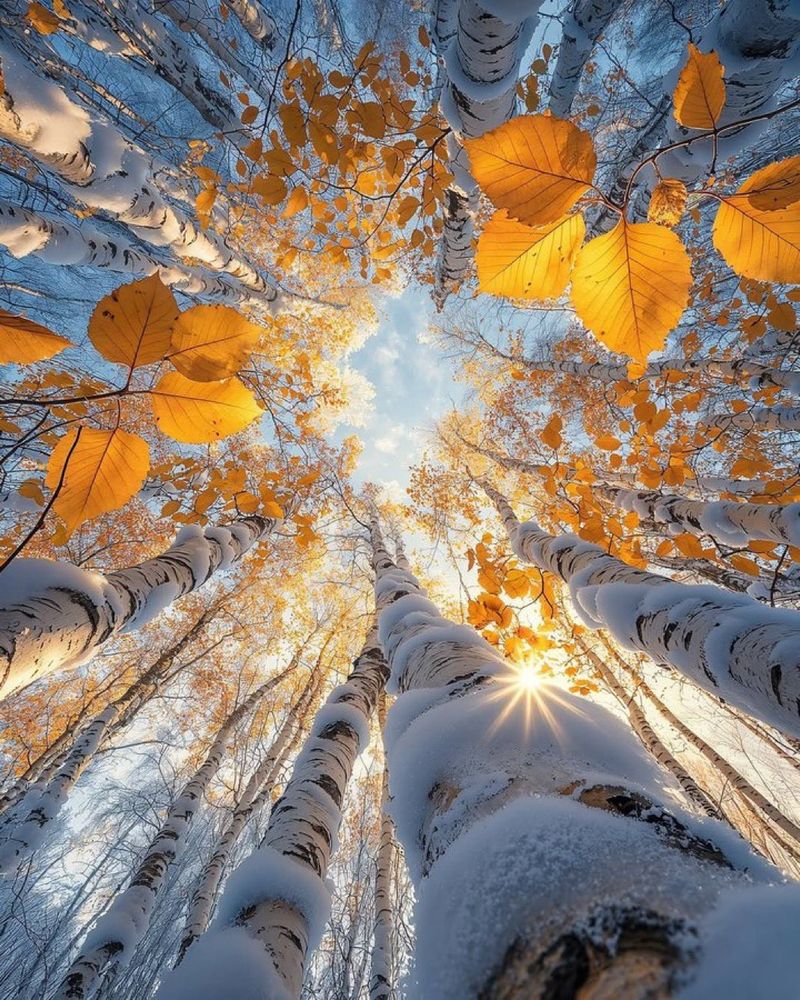
🌳 Be Kind to the trees, they're busy saving the world..
#tree #trees #sustainability #oxygen #sustainable #forest #woodland 🌍
#tree #trees #sustainability #oxygen #sustainable #forest #woodland 🌍
November 27, 2025 at 7:52 AM
🌳 Be Kind to the trees, they're busy saving the world..
#tree #trees #sustainability #oxygen #sustainable #forest #woodland 🌍
#tree #trees #sustainability #oxygen #sustainable #forest #woodland 🌍
Reposted by Plants
🇸🇬 King Cobra (Ophiophagus bungarus): Fantastic photo taken by Kelvin Leong 🐍 in Singapore. #snake #king #cobra #kingcobra #singapore #nature #wildlife #reptile #reptiles #wildlifephotography #snakes

November 26, 2025 at 11:51 PM
🇸🇬 King Cobra (Ophiophagus bungarus): Fantastic photo taken by Kelvin Leong 🐍 in Singapore. #snake #king #cobra #kingcobra #singapore #nature #wildlife #reptile #reptiles #wildlifephotography #snakes
Reposted by Plants
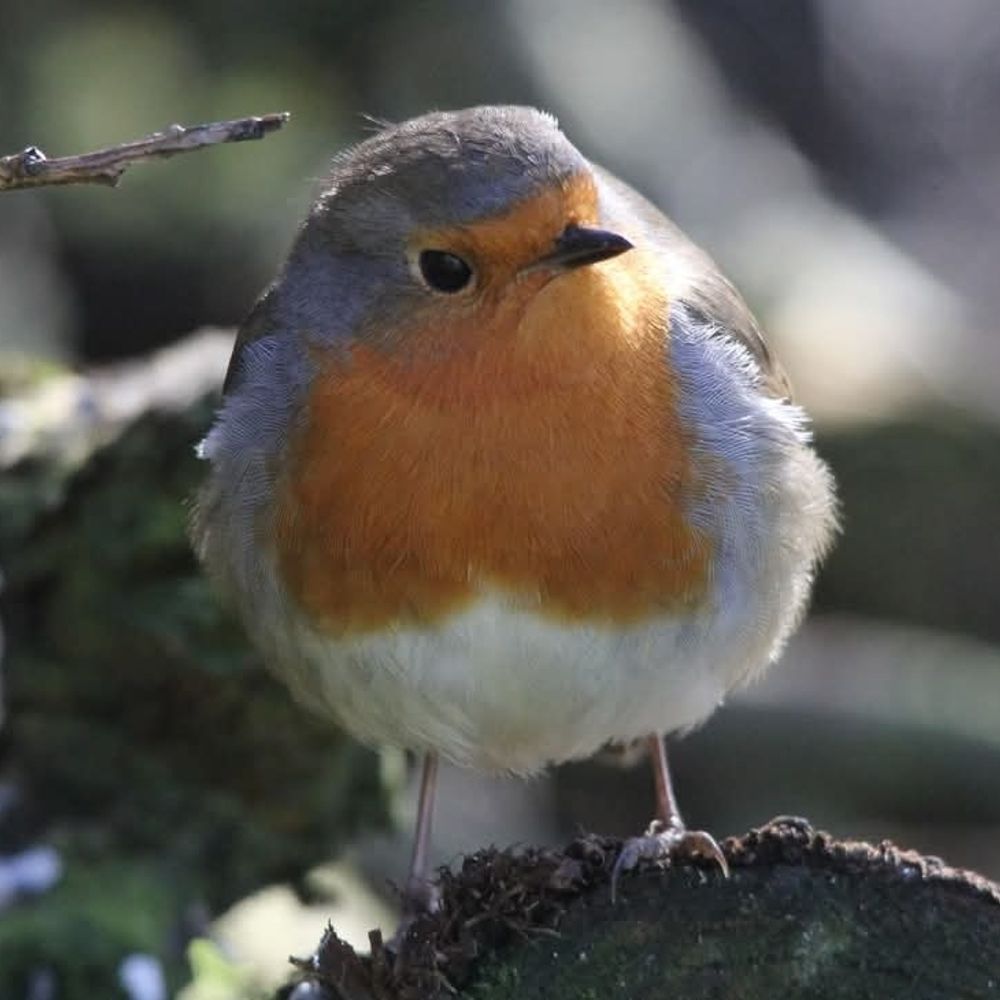
❄️ Feeding Birds when temperatures 🌡️drop really makes a difference ❄️
#robin #bird #birds #nature #wildlife
youtube.com/shorts/m91Mb...
#robin #bird #birds #nature #wildlife
youtube.com/shorts/m91Mb...

If you Live in the northern hemisphere you can help birds by supplying water & food when temps❄️drop
YouTube video by wildlife.net
youtube.com
November 26, 2025 at 1:55 PM
Reposted by Plants
Sand Lizard by Vlad Muresan in Romania. #sandlizard #lizard #reptile #reptiles #wildlife #romania #nature #wildlifephotography #photography

November 26, 2025 at 10:59 AM
Sand Lizard by Vlad Muresan in Romania. #sandlizard #lizard #reptile #reptiles #wildlife #romania #nature #wildlifephotography #photography
Reposted by Plants
Butterflies: Do you know the 4 stages of a Butterfly Lifecycle? 🦋
#butterfly #caterpillar #pupa #butterflies #wildlife #nature
#butterfly #caterpillar #pupa #butterflies #wildlife #nature
November 25, 2025 at 11:30 AM
Butterflies: Do you know the 4 stages of a Butterfly Lifecycle? 🦋
#butterfly #caterpillar #pupa #butterflies #wildlife #nature
#butterfly #caterpillar #pupa #butterflies #wildlife #nature

Reposted by Plants
Bohemian Waxwing (Bombycilla garrulous): The Waxwings that move south from northern Eurasian & N.American forests during the winter frequently appear in towns & cities. Photo taken by Wayne Knapik in Canada. #waxwing #bird #birds #birdphotography #wildlife #wildlifephotography #nature #canada

November 22, 2025 at 4:21 PM
Bohemian Waxwing (Bombycilla garrulous): The Waxwings that move south from northern Eurasian & N.American forests during the winter frequently appear in towns & cities. Photo taken by Wayne Knapik in Canada. #waxwing #bird #birds #birdphotography #wildlife #wildlifephotography #nature #canada

Reposted by Plants

Sir David Attenborough..
November 21, 2025 at 10:28 AM
Sir David Attenborough..
Reposted by Plants
🇦🇺 Australia has some of the most unique Wildlife species in the world. For those who don't remember Steve Irwin, he was a Wildlife educator and conservationist who died almost 20 yrs ago and is still greatly missed. #steveirwin #australian #nature #wildlife #protectwildlife #australia

November 21, 2025 at 2:50 AM
🇦🇺 Australia has some of the most unique Wildlife species in the world. For those who don't remember Steve Irwin, he was a Wildlife educator and conservationist who died almost 20 yrs ago and is still greatly missed. #steveirwin #australian #nature #wildlife #protectwildlife #australia
Reposted by Plants
Sulphur-crested Cockatoo (Cacatua galerita): This 55cm (21.5in) noisy bird is native to Australia, New Guinea and parts of Indonesia. Highly intelligent, they prefer woodland habitat and can gather in large numbers. Photo of this fruit eating species by Joy Bourke in Sydney, Australia. #australia

November 19, 2025 at 4:01 PM
Sulphur-crested Cockatoo (Cacatua galerita): This 55cm (21.5in) noisy bird is native to Australia, New Guinea and parts of Indonesia. Highly intelligent, they prefer woodland habitat and can gather in large numbers. Photo of this fruit eating species by Joy Bourke in Sydney, Australia. #australia
Reposted by Plants
Crimson Rosella (Platycercus elegans): 36cm (14in). This parrot is native to eastern and south eastern Australia and has been introduced to New Zealand. Most frequently found in mountain forest habitat and gardens. Lovely photo taken by Jenny Stuart in New South Wales, Australia. #rosella #australia

November 19, 2025 at 2:27 AM
Crimson Rosella (Platycercus elegans): 36cm (14in). This parrot is native to eastern and south eastern Australia and has been introduced to New Zealand. Most frequently found in mountain forest habitat and gardens. Lovely photo taken by Jenny Stuart in New South Wales, Australia. #rosella #australia
Reposted by Plants
American Goldfinch (Spinus tristis): This is a 14cm (5.5in) North American species of finch. A seed eater, this bird prefers open country habitat with weeds growing, meadows, vacant land and roadside verges. Photo taken by Mona Ross Hildebrand in Manitoba, Canada #AmericanGoldfinch #finch #goldfinch

November 18, 2025 at 2:33 AM
American Goldfinch (Spinus tristis): This is a 14cm (5.5in) North American species of finch. A seed eater, this bird prefers open country habitat with weeds growing, meadows, vacant land and roadside verges. Photo taken by Mona Ross Hildebrand in Manitoba, Canada #AmericanGoldfinch #finch #goldfinch
Reposted by Plants
Red Mason Bee (Osmia bicornis): 12mm (0.47in).This is a species of mason bee, and is known as the red mason bee due to its covering of dense gingery hair. Amazing photo taken by Laura Corkindale of a Mason bee female laying eggs and filling the cavity with food in Hampshire, UK 🐝 #redmasonbee #bee

November 16, 2025 at 5:12 AM
Red Mason Bee (Osmia bicornis): 12mm (0.47in).This is a species of mason bee, and is known as the red mason bee due to its covering of dense gingery hair. Amazing photo taken by Laura Corkindale of a Mason bee female laying eggs and filling the cavity with food in Hampshire, UK 🐝 #redmasonbee #bee
Reposted by Plants
"Kirk's Rock Agama, scientifically known as Agama kirkii, is a small species of lizard native to southeastern Africa. It is primarily found in countries including Malawi, Zambia, and Zimbabwe." Thank you Ann Warner for sharing this info and striking photo taken in Zimbabwe. #KirksRockAgama #Zimbabwe

November 15, 2025 at 2:35 AM
"Kirk's Rock Agama, scientifically known as Agama kirkii, is a small species of lizard native to southeastern Africa. It is primarily found in countries including Malawi, Zambia, and Zimbabwe." Thank you Ann Warner for sharing this info and striking photo taken in Zimbabwe. #KirksRockAgama #Zimbabwe
Reposted by Plants
Wren by Pius Notter in Switzerland #wren #bird #birds #wildlife #nature #wildlifephotography #switzerland

November 14, 2025 at 4:54 AM
Wren by Pius Notter in Switzerland #wren #bird #birds #wildlife #nature #wildlifephotography #switzerland
Reposted by Plants
Praying Mantis (order Mantodea): There are over 2400 species in this order. Mantises are found worldwide in temperate & tropical habitats. They have triangular heads with bulging eyes supported on flexible necks. Mantodea have forelegs that are greatly enlarged & adapted to catch & grip prey #mantis

November 13, 2025 at 9:24 PM
Praying Mantis (order Mantodea): There are over 2400 species in this order. Mantises are found worldwide in temperate & tropical habitats. They have triangular heads with bulging eyes supported on flexible necks. Mantodea have forelegs that are greatly enlarged & adapted to catch & grip prey #mantis