




Kitchen Sink Dharma
@waltpops.bsky.social
Podcaster interested in practical application of early Buddhist teachings and what they tell us about how to live
Our intentions and our actions matter. Even when the world is unfair and we feel powerless, our karma matters.
From the Sutta Nitapa:
‘Looking after oneself, one looks after others.
Looking after others, one looks after oneself.’
Refraining from causing division & harm is our protection.
From the Sutta Nitapa:
‘Looking after oneself, one looks after others.
Looking after others, one looks after oneself.’
Refraining from causing division & harm is our protection.

January 31, 2025 at 10:10 PM
Our intentions and our actions matter. Even when the world is unfair and we feel powerless, our karma matters.
From the Sutta Nitapa:
‘Looking after oneself, one looks after others.
Looking after others, one looks after oneself.’
Refraining from causing division & harm is our protection.
From the Sutta Nitapa:
‘Looking after oneself, one looks after others.
Looking after others, one looks after oneself.’
Refraining from causing division & harm is our protection.
There’s a protective quality to Buddhist teachings on goodwill and non-harming.
Cultivating ill will means volunteering for misery & discontent. Cultivating goodwill & friendliness frees us. It’s often easier to fall into resentment & aversion, but the mind is released when we practise goodwill.

January 31, 2025 at 12:46 PM
There’s a protective quality to Buddhist teachings on goodwill and non-harming.
Cultivating ill will means volunteering for misery & discontent. Cultivating goodwill & friendliness frees us. It’s often easier to fall into resentment & aversion, but the mind is released when we practise goodwill.
New episode: Making space
Waking up requires us to make some space, to find somewhere safe and quiet in our lives to explore. We need some stability from which to practise.
Waking up requires us to make some space, to find somewhere safe and quiet in our lives to explore. We need some stability from which to practise.

January 29, 2025 at 3:41 PM
New episode: Making space
Waking up requires us to make some space, to find somewhere safe and quiet in our lives to explore. We need some stability from which to practise.
Waking up requires us to make some space, to find somewhere safe and quiet in our lives to explore. We need some stability from which to practise.
‘I wish I could show you, when you are lonely or in darkness, the astonishing light of your own being’
-Hafiz
-Hafiz

January 22, 2025 at 10:48 AM
‘I wish I could show you, when you are lonely or in darkness, the astonishing light of your own being’
-Hafiz
-Hafiz
New episode: You have everything
If we can broaden our concept of practice so that it’s not just about finding time to sit once a day, it changes everything. We find that in every moment that we’re fully present to life with our hearts open, there’s nothing missing. We have everything we need.
If we can broaden our concept of practice so that it’s not just about finding time to sit once a day, it changes everything. We find that in every moment that we’re fully present to life with our hearts open, there’s nothing missing. We have everything we need.

January 15, 2025 at 7:50 AM
New episode: You have everything
If we can broaden our concept of practice so that it’s not just about finding time to sit once a day, it changes everything. We find that in every moment that we’re fully present to life with our hearts open, there’s nothing missing. We have everything we need.
If we can broaden our concept of practice so that it’s not just about finding time to sit once a day, it changes everything. We find that in every moment that we’re fully present to life with our hearts open, there’s nothing missing. We have everything we need.
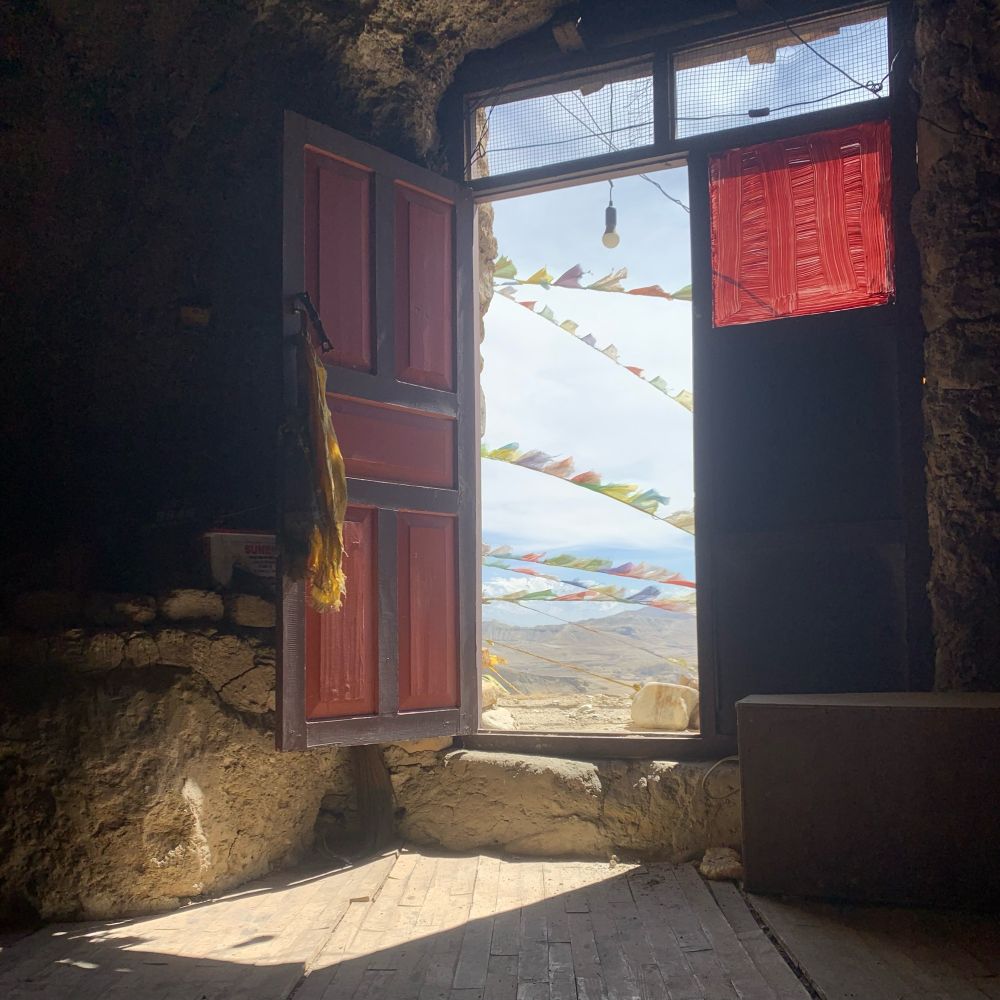
Very little grows on jagged rock.
Be ground. Be crumbled.
So wildflowers will come up
where you are.
You have been stoney for too many years.
Try something different.
Surrender.
-Rumi
Be ground. Be crumbled.
So wildflowers will come up
where you are.
You have been stoney for too many years.
Try something different.
Surrender.
-Rumi

January 13, 2025 at 1:25 PM
Very little grows on jagged rock.
Be ground. Be crumbled.
So wildflowers will come up
where you are.
You have been stoney for too many years.
Try something different.
Surrender.
-Rumi
Be ground. Be crumbled.
So wildflowers will come up
where you are.
You have been stoney for too many years.
Try something different.
Surrender.
-Rumi
New episode: The Brittleness of Perfection
We can train ourselves, get to know ourselves, explore our inner lives and cultivate peace, all of which will help us. But there's not even an ounce of happiness to be had from trying to create a perfect self.
We can train ourselves, get to know ourselves, explore our inner lives and cultivate peace, all of which will help us. But there's not even an ounce of happiness to be had from trying to create a perfect self.

January 4, 2025 at 3:48 PM
New episode: The Brittleness of Perfection
We can train ourselves, get to know ourselves, explore our inner lives and cultivate peace, all of which will help us. But there's not even an ounce of happiness to be had from trying to create a perfect self.
We can train ourselves, get to know ourselves, explore our inner lives and cultivate peace, all of which will help us. But there's not even an ounce of happiness to be had from trying to create a perfect self.
New episode: We long for nice things
Much of our mental bandwidth is taken up with craving.
Craving organises our lives. It makes us perpetually restless, a hostage to conditions.
One skilful way of responding to craving is simply to bring it into awareness. We can then start to understand it.
Much of our mental bandwidth is taken up with craving.
Craving organises our lives. It makes us perpetually restless, a hostage to conditions.
One skilful way of responding to craving is simply to bring it into awareness. We can then start to understand it.

December 18, 2024 at 10:23 AM
New episode: We long for nice things
Much of our mental bandwidth is taken up with craving.
Craving organises our lives. It makes us perpetually restless, a hostage to conditions.
One skilful way of responding to craving is simply to bring it into awareness. We can then start to understand it.
Much of our mental bandwidth is taken up with craving.
Craving organises our lives. It makes us perpetually restless, a hostage to conditions.
One skilful way of responding to craving is simply to bring it into awareness. We can then start to understand it.
New episode out today: ‘It is with much embarrassment’
Our inner reactions often go on longer than they need to, but they always fade away sooner or later. Like everything, they’re impermanent. They can’t be sustained indefinitely.
Watching them fade is a powerful practice.
Our inner reactions often go on longer than they need to, but they always fade away sooner or later. Like everything, they’re impermanent. They can’t be sustained indefinitely.
Watching them fade is a powerful practice.

December 4, 2024 at 3:42 PM
New episode out today: ‘It is with much embarrassment’
Our inner reactions often go on longer than they need to, but they always fade away sooner or later. Like everything, they’re impermanent. They can’t be sustained indefinitely.
Watching them fade is a powerful practice.
Our inner reactions often go on longer than they need to, but they always fade away sooner or later. Like everything, they’re impermanent. They can’t be sustained indefinitely.
Watching them fade is a powerful practice.
New episode: Old teachings, new values
According to scriptures, the Buddha’s respect for women set him apart from other spiritual teachers. He taught that everyone has the capacity to awaken.
Buddhist lineages largely lost sight of this and diminished the status of women. This needs to change.
According to scriptures, the Buddha’s respect for women set him apart from other spiritual teachers. He taught that everyone has the capacity to awaken.
Buddhist lineages largely lost sight of this and diminished the status of women. This needs to change.

November 20, 2024 at 2:21 PM
New episode: Old teachings, new values
According to scriptures, the Buddha’s respect for women set him apart from other spiritual teachers. He taught that everyone has the capacity to awaken.
Buddhist lineages largely lost sight of this and diminished the status of women. This needs to change.
According to scriptures, the Buddha’s respect for women set him apart from other spiritual teachers. He taught that everyone has the capacity to awaken.
Buddhist lineages largely lost sight of this and diminished the status of women. This needs to change.
New episode on Kitchen Sink Dharma: There is a middle path
The Dharma can appear contradictory sometimes. Training ourselves to stay with the opposites helps keep our minds pliable and open. It counteracts our tendency to fit everything we hear into our existing world view.
The Dharma can appear contradictory sometimes. Training ourselves to stay with the opposites helps keep our minds pliable and open. It counteracts our tendency to fit everything we hear into our existing world view.

October 23, 2024 at 3:26 PM
New episode on Kitchen Sink Dharma: There is a middle path
The Dharma can appear contradictory sometimes. Training ourselves to stay with the opposites helps keep our minds pliable and open. It counteracts our tendency to fit everything we hear into our existing world view.
The Dharma can appear contradictory sometimes. Training ourselves to stay with the opposites helps keep our minds pliable and open. It counteracts our tendency to fit everything we hear into our existing world view.
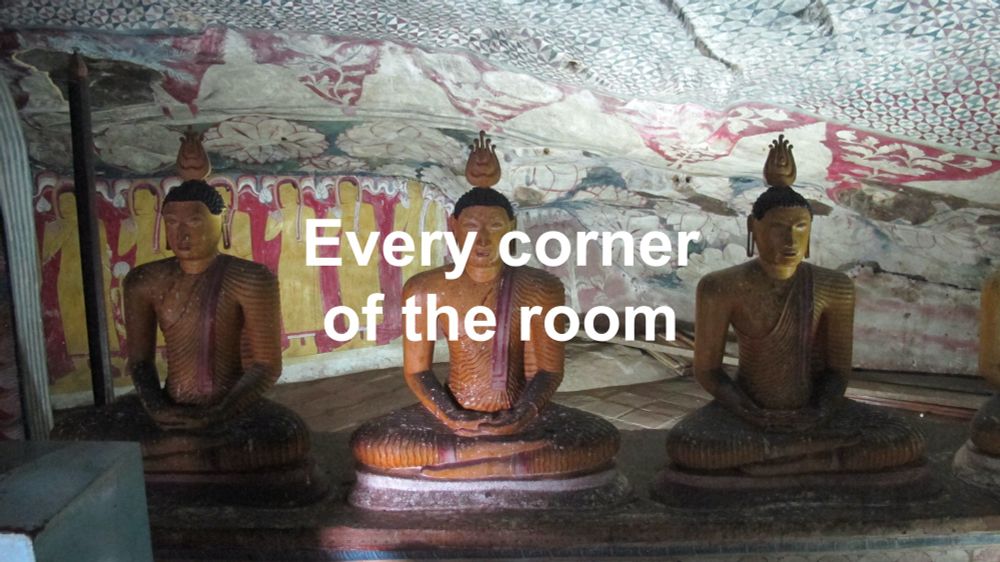
New episode: Every corner of the room
There are parts of ourselves that we don’t want to acknowledge, even to ourselves. If you ever notice yourself reacting or ruminating, it might be time to shift your attention from the outside world back inside. There’s an opportunity to learn about yourself.
There are parts of ourselves that we don’t want to acknowledge, even to ourselves. If you ever notice yourself reacting or ruminating, it might be time to shift your attention from the outside world back inside. There’s an opportunity to learn about yourself.
September 11, 2024 at 7:17 AM
New episode: Every corner of the room
There are parts of ourselves that we don’t want to acknowledge, even to ourselves. If you ever notice yourself reacting or ruminating, it might be time to shift your attention from the outside world back inside. There’s an opportunity to learn about yourself.
There are parts of ourselves that we don’t want to acknowledge, even to ourselves. If you ever notice yourself reacting or ruminating, it might be time to shift your attention from the outside world back inside. There’s an opportunity to learn about yourself.
New episode: Faith and doubt
The Pali word saddhā is often translated as faith, but a better translation might be trust or confidence.
Saddhā conveys a willingness to engage in and commit to practice. There’s no need for a higher power because saddhā is grounded in direct personal experience.
The Pali word saddhā is often translated as faith, but a better translation might be trust or confidence.
Saddhā conveys a willingness to engage in and commit to practice. There’s no need for a higher power because saddhā is grounded in direct personal experience.

July 31, 2024 at 6:24 AM
New episode: Faith and doubt
The Pali word saddhā is often translated as faith, but a better translation might be trust or confidence.
Saddhā conveys a willingness to engage in and commit to practice. There’s no need for a higher power because saddhā is grounded in direct personal experience.
The Pali word saddhā is often translated as faith, but a better translation might be trust or confidence.
Saddhā conveys a willingness to engage in and commit to practice. There’s no need for a higher power because saddhā is grounded in direct personal experience.
New episode: the factors of awakening
One of the reasons we practise meditation is to train ourselves to handle the ups & downs.
The teachings on the seven factors of awakening, which offer a map of the territory, describe a series of steps that lead us to a place of steadiness and resilience.
One of the reasons we practise meditation is to train ourselves to handle the ups & downs.
The teachings on the seven factors of awakening, which offer a map of the territory, describe a series of steps that lead us to a place of steadiness and resilience.

June 19, 2024 at 2:41 PM
New episode: the factors of awakening
One of the reasons we practise meditation is to train ourselves to handle the ups & downs.
The teachings on the seven factors of awakening, which offer a map of the territory, describe a series of steps that lead us to a place of steadiness and resilience.
One of the reasons we practise meditation is to train ourselves to handle the ups & downs.
The teachings on the seven factors of awakening, which offer a map of the territory, describe a series of steps that lead us to a place of steadiness and resilience.
New episode: Feelings & intuitions
The unconscious mind has the capacity to process information more efficiently than our conscious mind, but it can be prone to errors & biases. Emotional resistance clouds our intuitive wisdom.
Knowing about how the mind works helps us to see more clearly.
The unconscious mind has the capacity to process information more efficiently than our conscious mind, but it can be prone to errors & biases. Emotional resistance clouds our intuitive wisdom.
Knowing about how the mind works helps us to see more clearly.

June 12, 2024 at 1:07 PM
New episode: Feelings & intuitions
The unconscious mind has the capacity to process information more efficiently than our conscious mind, but it can be prone to errors & biases. Emotional resistance clouds our intuitive wisdom.
Knowing about how the mind works helps us to see more clearly.
The unconscious mind has the capacity to process information more efficiently than our conscious mind, but it can be prone to errors & biases. Emotional resistance clouds our intuitive wisdom.
Knowing about how the mind works helps us to see more clearly.
New episode: A bundle of energy
When we meditate, we find out how easily we’re distracted. Sometimes we can’t concentrate because we’re simply unwilling to accept what’s happening right now.
By sensing into the body, we’re tuning in to the present moment, accepting it, knowing it’s fine as it is.
When we meditate, we find out how easily we’re distracted. Sometimes we can’t concentrate because we’re simply unwilling to accept what’s happening right now.
By sensing into the body, we’re tuning in to the present moment, accepting it, knowing it’s fine as it is.

June 5, 2024 at 11:34 AM
New episode: A bundle of energy
When we meditate, we find out how easily we’re distracted. Sometimes we can’t concentrate because we’re simply unwilling to accept what’s happening right now.
By sensing into the body, we’re tuning in to the present moment, accepting it, knowing it’s fine as it is.
When we meditate, we find out how easily we’re distracted. Sometimes we can’t concentrate because we’re simply unwilling to accept what’s happening right now.
By sensing into the body, we’re tuning in to the present moment, accepting it, knowing it’s fine as it is.
New episode: Gratitude
As humans we have a natural negativity bias. We’re acutely sensitive to things that upset or trouble us.
Our capacity for gratitude and appreciation counteracts this. Acknowledging the good in our lives supports our sense of wellbeing and makes us less prone to depression.
As humans we have a natural negativity bias. We’re acutely sensitive to things that upset or trouble us.
Our capacity for gratitude and appreciation counteracts this. Acknowledging the good in our lives supports our sense of wellbeing and makes us less prone to depression.

May 30, 2024 at 6:16 AM
New episode: Gratitude
As humans we have a natural negativity bias. We’re acutely sensitive to things that upset or trouble us.
Our capacity for gratitude and appreciation counteracts this. Acknowledging the good in our lives supports our sense of wellbeing and makes us less prone to depression.
As humans we have a natural negativity bias. We’re acutely sensitive to things that upset or trouble us.
Our capacity for gratitude and appreciation counteracts this. Acknowledging the good in our lives supports our sense of wellbeing and makes us less prone to depression.
New episode on Kitchen Sink Dharma: There’s nothing missing
Expecting pleasant feelings to remain stable means fighting against reality. Everything that arises passes; feelings change, often within a few seconds.
And yet still we react and cling as though our lives depend on it.
Expecting pleasant feelings to remain stable means fighting against reality. Everything that arises passes; feelings change, often within a few seconds.
And yet still we react and cling as though our lives depend on it.

May 22, 2024 at 2:26 PM
New episode on Kitchen Sink Dharma: There’s nothing missing
Expecting pleasant feelings to remain stable means fighting against reality. Everything that arises passes; feelings change, often within a few seconds.
And yet still we react and cling as though our lives depend on it.
Expecting pleasant feelings to remain stable means fighting against reality. Everything that arises passes; feelings change, often within a few seconds.
And yet still we react and cling as though our lives depend on it.
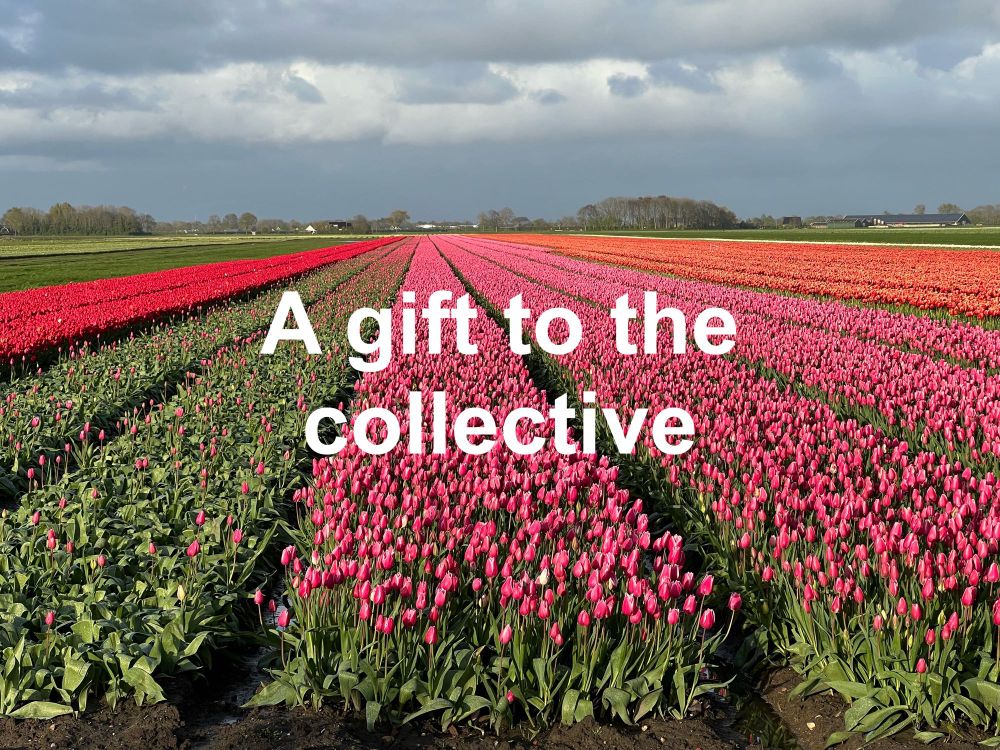
Just released on all podcast platforms: A gift to the collective
We’re not meditating so that we can rise above the world. Sometimes we have to engage with it. Sometimes we have to speak out against what’s unjust, and not from a place of hate and anger, but with openness and compassion.
We’re not meditating so that we can rise above the world. Sometimes we have to engage with it. Sometimes we have to speak out against what’s unjust, and not from a place of hate and anger, but with openness and compassion.
May 15, 2024 at 3:52 PM
Just released on all podcast platforms: A gift to the collective
We’re not meditating so that we can rise above the world. Sometimes we have to engage with it. Sometimes we have to speak out against what’s unjust, and not from a place of hate and anger, but with openness and compassion.
We’re not meditating so that we can rise above the world. Sometimes we have to engage with it. Sometimes we have to speak out against what’s unjust, and not from a place of hate and anger, but with openness and compassion.
New episode: Goodwill protects us
In our culture, saying someone is harmless isn’t necessarily considered a compliment, but it’s a big deal in early Buddhist teachings.
There’s a protective quality to the teachings on goodwill and non-harming. Harming other beings harms us.
In our culture, saying someone is harmless isn’t necessarily considered a compliment, but it’s a big deal in early Buddhist teachings.
There’s a protective quality to the teachings on goodwill and non-harming. Harming other beings harms us.

May 8, 2024 at 2:45 PM
New episode: Goodwill protects us
In our culture, saying someone is harmless isn’t necessarily considered a compliment, but it’s a big deal in early Buddhist teachings.
There’s a protective quality to the teachings on goodwill and non-harming. Harming other beings harms us.
In our culture, saying someone is harmless isn’t necessarily considered a compliment, but it’s a big deal in early Buddhist teachings.
There’s a protective quality to the teachings on goodwill and non-harming. Harming other beings harms us.
New episode: Equanimity
Your habits aren’t you. When you notice yourself reacting to something, it’s just a pattern, a movement of energy. It’s not who you are, it’s a fleeting reaction. One minute it’s there, the next it’s gone. You don’t have to identify with it.
To see that is to be free.
Your habits aren’t you. When you notice yourself reacting to something, it’s just a pattern, a movement of energy. It’s not who you are, it’s a fleeting reaction. One minute it’s there, the next it’s gone. You don’t have to identify with it.
To see that is to be free.

May 1, 2024 at 10:04 PM
New episode: Equanimity
Your habits aren’t you. When you notice yourself reacting to something, it’s just a pattern, a movement of energy. It’s not who you are, it’s a fleeting reaction. One minute it’s there, the next it’s gone. You don’t have to identify with it.
To see that is to be free.
Your habits aren’t you. When you notice yourself reacting to something, it’s just a pattern, a movement of energy. It’s not who you are, it’s a fleeting reaction. One minute it’s there, the next it’s gone. You don’t have to identify with it.
To see that is to be free.
New episode: Taking Refuge
If taking refuge in the Buddha, Dharma & Sangha doesn’t resonate for you or if it feels like something too religious, you can always take refuge in wisdom, presence and belonging instead.
If taking refuge in the Buddha, Dharma & Sangha doesn’t resonate for you or if it feels like something too religious, you can always take refuge in wisdom, presence and belonging instead.

April 24, 2024 at 11:56 AM
New episode: Taking Refuge
If taking refuge in the Buddha, Dharma & Sangha doesn’t resonate for you or if it feels like something too religious, you can always take refuge in wisdom, presence and belonging instead.
If taking refuge in the Buddha, Dharma & Sangha doesn’t resonate for you or if it feels like something too religious, you can always take refuge in wisdom, presence and belonging instead.
New episode: Overthinking
If you notice yourself lost in repetitive thinking, it’s not a bad thing, in fact it’s an opportunity to learn and grow. Simply recognise, without judgment, what’s happening: ‘This agitation has arisen and, like everything, it’ll pass’.
And gradually, it loses its grip.
If you notice yourself lost in repetitive thinking, it’s not a bad thing, in fact it’s an opportunity to learn and grow. Simply recognise, without judgment, what’s happening: ‘This agitation has arisen and, like everything, it’ll pass’.
And gradually, it loses its grip.

April 17, 2024 at 2:33 PM
New episode: Overthinking
If you notice yourself lost in repetitive thinking, it’s not a bad thing, in fact it’s an opportunity to learn and grow. Simply recognise, without judgment, what’s happening: ‘This agitation has arisen and, like everything, it’ll pass’.
And gradually, it loses its grip.
If you notice yourself lost in repetitive thinking, it’s not a bad thing, in fact it’s an opportunity to learn and grow. Simply recognise, without judgment, what’s happening: ‘This agitation has arisen and, like everything, it’ll pass’.
And gradually, it loses its grip.
New Kitchen Sink Dharma episode out: Love not willpower
We can’t change the way we are through willpower alone. But we can observe our experience, knowing our essential goodness is there, nurturing it, giving it space to grow.
This takes us closer to our deepest intentions than willpower ever can
We can’t change the way we are through willpower alone. But we can observe our experience, knowing our essential goodness is there, nurturing it, giving it space to grow.
This takes us closer to our deepest intentions than willpower ever can

April 3, 2024 at 10:47 PM
New Kitchen Sink Dharma episode out: Love not willpower
We can’t change the way we are through willpower alone. But we can observe our experience, knowing our essential goodness is there, nurturing it, giving it space to grow.
This takes us closer to our deepest intentions than willpower ever can
We can’t change the way we are through willpower alone. But we can observe our experience, knowing our essential goodness is there, nurturing it, giving it space to grow.
This takes us closer to our deepest intentions than willpower ever can