




Tudor Places
@tudorplaces.bsky.social
Tudor Places is an independent magazine exploring the sites and buildings of the Tudor world and their stories, past and present. www.tudorplaces.com
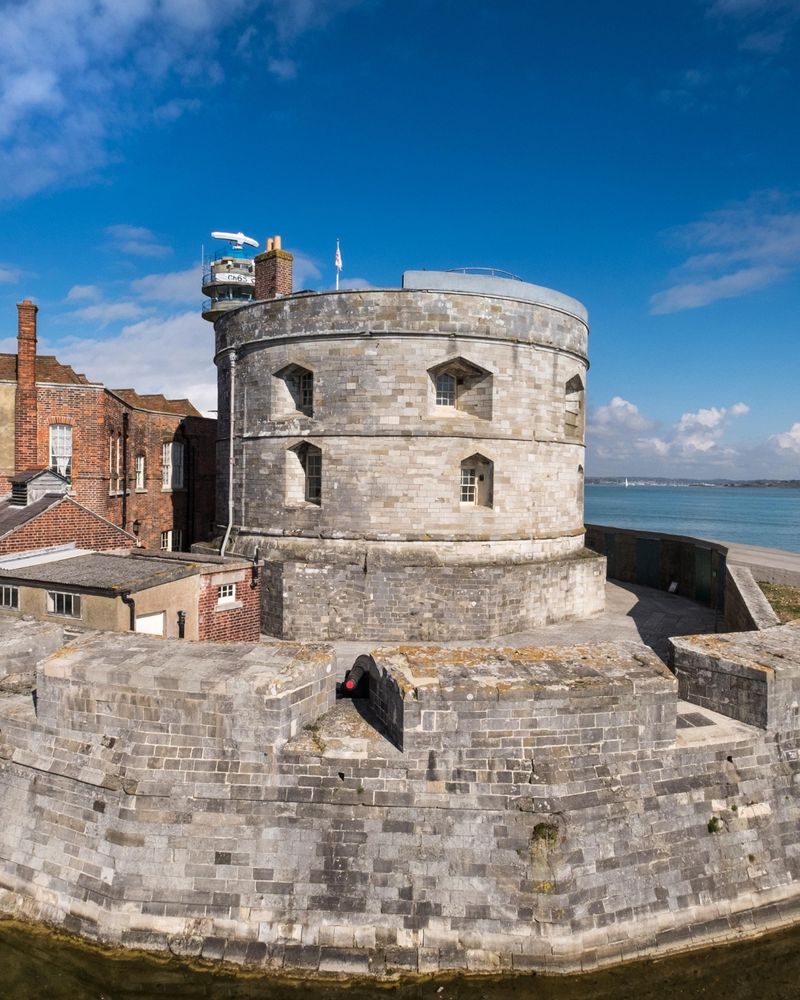
During the early 1540s, England was under serious threat of invasion from its Catholic neighbours. In response, Henry VIII expanded his fleet of warships and constructed a lengthy chain of coastal forts.



September 11, 2025 at 9:37 AM
During the early 1540s, England was under serious threat of invasion from its Catholic neighbours. In response, Henry VIII expanded his fleet of warships and constructed a lengthy chain of coastal forts.


Henry VIII’s gardens at Hampton Court have long since disappeared, but they were considered one of the most magnificent gardens of the sixteenth century in England and rivalled some of the best of Europe.


September 8, 2025 at 9:03 AM
Henry VIII’s gardens at Hampton Court have long since disappeared, but they were considered one of the most magnificent gardens of the sixteenth century in England and rivalled some of the best of Europe.
The monasteries in the north of England strenuously resisted state efforts to close them but ultimately it was to no avail. In a brutally brief four years, all the monasteries across England were dissolved.


September 3, 2025 at 9:14 AM
The monasteries in the north of England strenuously resisted state efforts to close them but ultimately it was to no avail. In a brutally brief four years, all the monasteries across England were dissolved.
In Issue 12, Sally Annesley looks at the tomb of William Parker, the last Abbot of Gloucester, its prominent position at Gloucester Cathedral opposite kings, and what it tells us about this interesting man.
bit.ly/4a0cfDI
bit.ly/4a0cfDI


September 2, 2025 at 5:31 PM
In Issue 12, Sally Annesley looks at the tomb of William Parker, the last Abbot of Gloucester, its prominent position at Gloucester Cathedral opposite kings, and what it tells us about this interesting man.
bit.ly/4a0cfDI
bit.ly/4a0cfDI
In Issue 10, Gloucester Cathedral’s Archivist, Rebecca Phillips, traces the history of the library, following the re-founding of the new Cathedral of Gloucester, and highlights some of the wonderful Tudor books and manuscripts it holds.
bit.ly/48uzOV0
bit.ly/48uzOV0

September 2, 2025 at 5:31 PM
In Issue 10, Gloucester Cathedral’s Archivist, Rebecca Phillips, traces the history of the library, following the re-founding of the new Cathedral of Gloucester, and highlights some of the wonderful Tudor books and manuscripts it holds.
bit.ly/48uzOV0
bit.ly/48uzOV0


The medieval origins of Penshurst Place in Kent, and its long-standing connection to the Sidney family, are well-known. However, its royal associations are less so. In Issue 19, Dr Elizabeth Norton examines the Tudor history and royal ownership of one of England’s finest medieval great houses.


September 1, 2025 at 3:47 PM
The medieval origins of Penshurst Place in Kent, and its long-standing connection to the Sidney family, are well-known. However, its royal associations are less so. In Issue 19, Dr Elizabeth Norton examines the Tudor history and royal ownership of one of England’s finest medieval great houses.
#OTD, 28 August 1583, William Latymer, Dean of Peterborough, was buried at Peterborough Cathedral. Born in 1499 in Suffolk, Latymer studied at Corpus Christi College at Cambridge, where he read canon law and arts and went on to become an evangelical clergyman.


August 28, 2025 at 1:47 PM
#OTD, 28 August 1583, William Latymer, Dean of Peterborough, was buried at Peterborough Cathedral. Born in 1499 in Suffolk, Latymer studied at Corpus Christi College at Cambridge, where he read canon law and arts and went on to become an evangelical clergyman.
“It gives me great pleasure and pride to share with you the completion of my latest ‘must have’ garden feature in the world of Tudor gardens: the obligatory ‘Mount’. It has taken more than three years of research and planning to facilitate this ambitious garden project.


August 27, 2025 at 7:54 PM
“It gives me great pleasure and pride to share with you the completion of my latest ‘must have’ garden feature in the world of Tudor gardens: the obligatory ‘Mount’. It has taken more than three years of research and planning to facilitate this ambitious garden project.
In Issue 12, Sarah Morris, The Tudor Travel Guide, has prepared a four-day tour of the Tudor highlights of the lovely Cotswolds, featuring Acton Court, as well as castles, cathedrals, abbeys...

August 21, 2025 at 1:22 PM
In Issue 12, Sarah Morris, The Tudor Travel Guide, has prepared a four-day tour of the Tudor highlights of the lovely Cotswolds, featuring Acton Court, as well as castles, cathedrals, abbeys...
#OTD 21 August 1535, Henry VIII came to stay at Acton Court with his second wife, Anne Boleyn, while on his summer progress around the West Country.


August 21, 2025 at 1:22 PM
#OTD 21 August 1535, Henry VIII came to stay at Acton Court with his second wife, Anne Boleyn, while on his summer progress around the West Country.
From abbot’s house to headquarters for the Council of the North, temporary palace to School for the Blind and, most recently, university campus, the King’s Manor in York has had many, varied uses over the centuries.


August 15, 2025 at 8:40 AM
From abbot’s house to headquarters for the Council of the North, temporary palace to School for the Blind and, most recently, university campus, the King’s Manor in York has had many, varied uses over the centuries.
Henry VII commissioned the Lady Chapel, with its glorious fan-vaulted ceiling, at the turn of the sixteenth century, and its centrepiece is the magnificent tomb for him and his wife, Elizabeth of York, created by the Florentine sculptor, Pietro Torrigiano.


August 8, 2025 at 10:33 AM
Henry VII commissioned the Lady Chapel, with its glorious fan-vaulted ceiling, at the turn of the sixteenth century, and its centrepiece is the magnificent tomb for him and his wife, Elizabeth of York, created by the Florentine sculptor, Pietro Torrigiano.
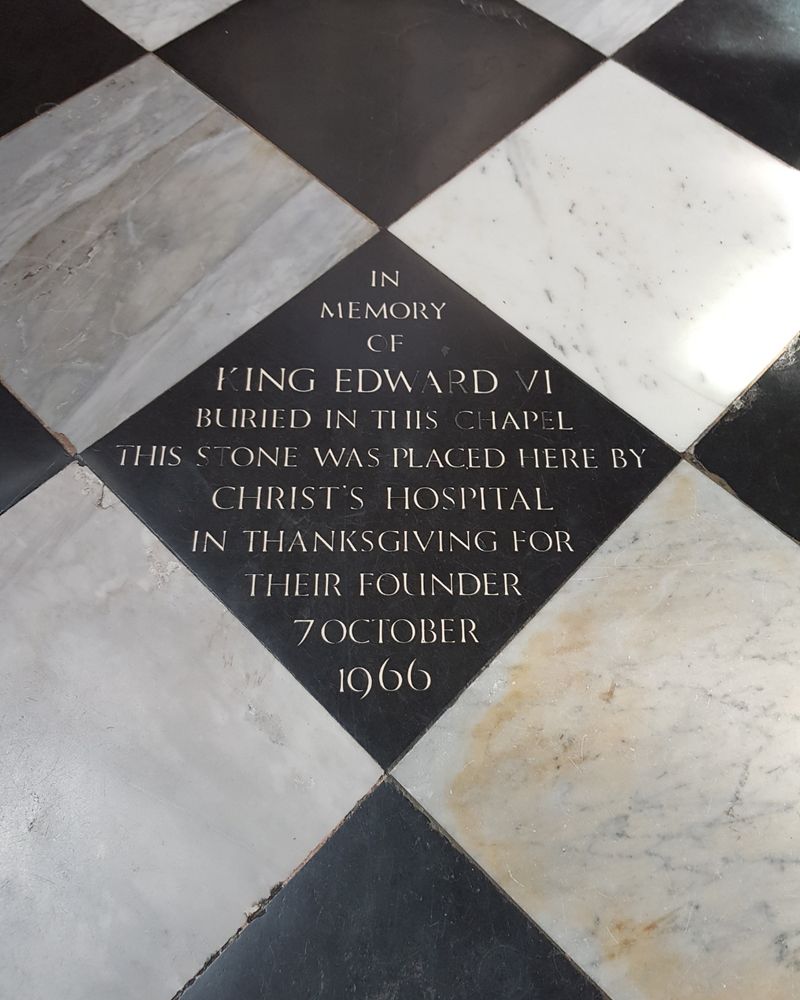
#OTD, 8 August 1553, the funeral of Edward VI, who had died the previous month on 6 July, was held at Westminster Abbey. The burial service from the English Prayer Book was used for the first time for a monarch during his funeral, and then Edward VI was laid to rest in the Abbey’s Lady Chapel.

August 8, 2025 at 10:33 AM
#OTD, 8 August 1553, the funeral of Edward VI, who had died the previous month on 6 July, was held at Westminster Abbey. The burial service from the English Prayer Book was used for the first time for a monarch during his funeral, and then Edward VI was laid to rest in the Abbey’s Lady Chapel.
In Issue 08, Sarah Morris, The Tudor Travel Guide, takes us on a tour of six fabulous historic locations associated with England’s most famous playwright, William Shakespeare, including Anne Hathaway’s Cottage and Holy Trinity Church.
bit.ly/45xDzHD
bit.ly/45xDzHD


August 6, 2025 at 9:11 AM
In Issue 08, Sarah Morris, The Tudor Travel Guide, takes us on a tour of six fabulous historic locations associated with England’s most famous playwright, William Shakespeare, including Anne Hathaway’s Cottage and Holy Trinity Church.
bit.ly/45xDzHD
bit.ly/45xDzHD
The inscription on her tombstone reads; "Here lyeth the body of Anne wife of William Shakespeare who departed this life the 6th day of August 1623 being of the age of 67 years."

August 6, 2025 at 9:11 AM
The inscription on her tombstone reads; "Here lyeth the body of Anne wife of William Shakespeare who departed this life the 6th day of August 1623 being of the age of 67 years."
Anne lies in the neighbouring grave to that of her husband at Holy Trinity Church, the oldest building in Stratford, dating back to the Saxon period.

August 6, 2025 at 9:11 AM
Anne lies in the neighbouring grave to that of her husband at Holy Trinity Church, the oldest building in Stratford, dating back to the Saxon period.
Anne was born in the cottage, which we know today as ‘Anne Hathaway’s Cottage’, at Hewlands Farm in 1556. Their home was in the village of Shottery, which lay about a mile outside of Stratford in what would have then been open countryside.


August 6, 2025 at 9:11 AM
Anne was born in the cottage, which we know today as ‘Anne Hathaway’s Cottage’, at Hewlands Farm in 1556. Their home was in the village of Shottery, which lay about a mile outside of Stratford in what would have then been open countryside.
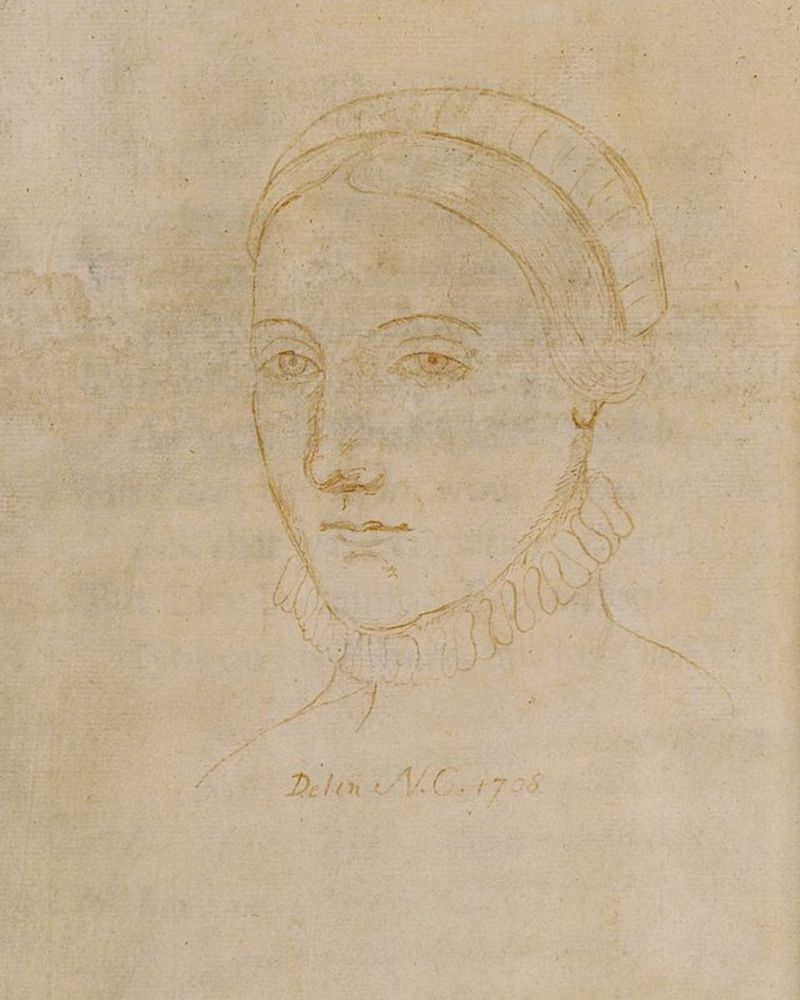
#OTD, 6 August 1623, Anne Hathaway, wife of William Shakespeare, died in Stratford-upon-Avon. Little is known about Anne, who became Shakespeare’s wife in November 1582, when she was around twenty-six years old, and William was just eighteen.
August 6, 2025 at 9:11 AM
#OTD, 6 August 1623, Anne Hathaway, wife of William Shakespeare, died in Stratford-upon-Avon. Little is known about Anne, who became Shakespeare’s wife in November 1582, when she was around twenty-six years old, and William was just eighteen.
Lady Margaret Beaufort had a network of connections with prominent figures and places in Stamford, the market town close to her palace at Collyweston and near the Lincolnshire properties she inherited from her mother, Margaret Beauchamp.


August 1, 2025 at 1:23 PM
Lady Margaret Beaufort had a network of connections with prominent figures and places in Stamford, the market town close to her palace at Collyweston and near the Lincolnshire properties she inherited from her mother, Margaret Beauchamp.
Henry VII overcame one of the strongest threats to his newly-won crown on 16 June 1487 when his forces defeated the rebel army led by John de la Pole, Earl of Lincoln and Francis, Viscount Lovell on behalf of the pretender, Lambert Simnel, at the Battle of Stoke.


July 31, 2025 at 3:29 PM
Henry VII overcame one of the strongest threats to his newly-won crown on 16 June 1487 when his forces defeated the rebel army led by John de la Pole, Earl of Lincoln and Francis, Viscount Lovell on behalf of the pretender, Lambert Simnel, at the Battle of Stoke.
Edward Seymour, Duke of Somerset, had begun building Somerset Place during the Protectorate of his nephew, Edward VI. It was only partially constructed when Somerset fell from his mighty position and was executed.

July 30, 2025 at 3:40 PM
Edward Seymour, Duke of Somerset, had begun building Somerset Place during the Protectorate of his nephew, Edward VI. It was only partially constructed when Somerset fell from his mighty position and was executed.
Originally granted Durham Place in Henry VIII’s will, Elizabeth was persuaded by the Duke of Northumberland to exchange it for Somerset Place, which came into her possession in 1553.


July 30, 2025 at 3:40 PM
Originally granted Durham Place in Henry VIII’s will, Elizabeth was persuaded by the Duke of Northumberland to exchange it for Somerset Place, which came into her possession in 1553.
The Dissolution of the Monasteries was the most significant land redistribution in English history, a four-year period of extraordinary upheaval that redefined the spiritual and economic fabric of the realm.


July 29, 2025 at 2:48 PM
The Dissolution of the Monasteries was the most significant land redistribution in English history, a four-year period of extraordinary upheaval that redefined the spiritual and economic fabric of the realm.