



Tamara Schenekar
@tschenekar.bsky.social
Molecular ecologist , conservation geneticist & #eDNA fan 🧬 @uni-graz.at. I use non-invasive genetics to track biodiversity - on land 🌄 & in freshwater 💧. Big love for southern African savannas 🐘. Free time? I’m on my road bike 🚴.
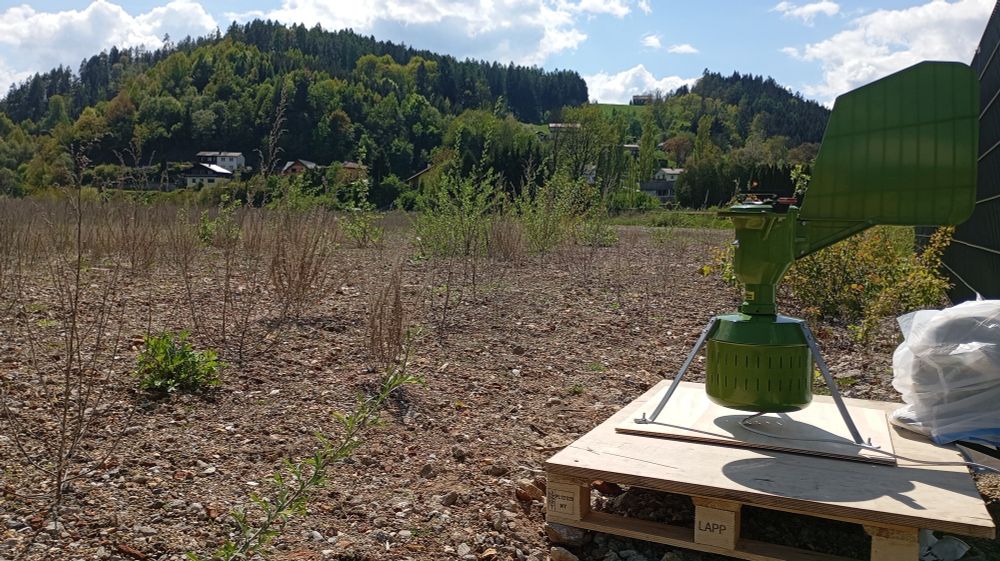
Very excited to have our pollen trap set up to collect airborne #eDNA during our second sampling week (=summer sampling). We will compare the results of the 7-day #airDNA sampling to soil sampling to assess ambient vertebrate biodiversity. If, both the trap and the eDNA survive this heatwave! 🥵 🫨 🧬
June 29, 2025 at 5:59 PM
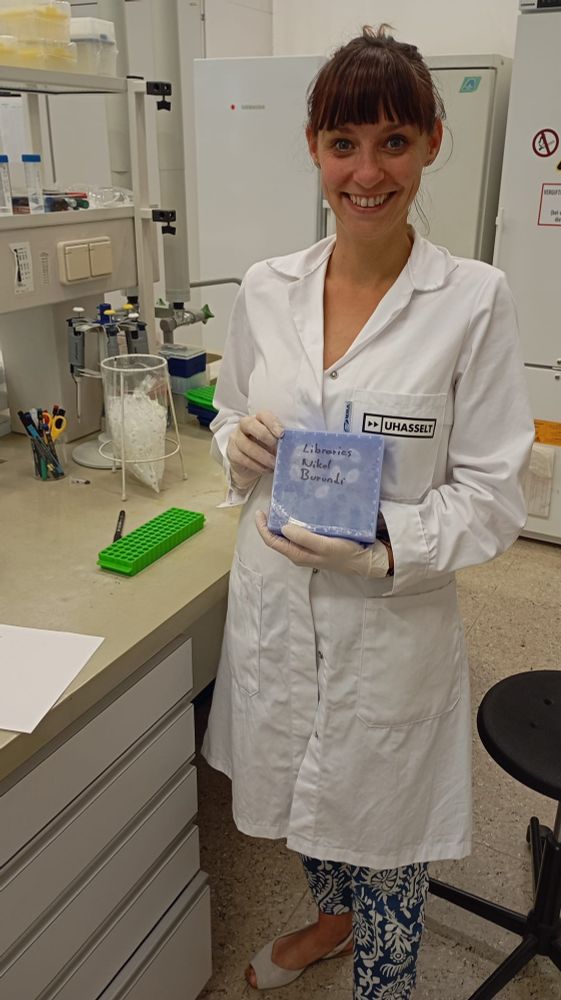
🎉 A very excited Prof. Dr. Nikol Kmentová of @uhasselt.bsky.social celebrates our first #eDNA #metabarcoding library from Burundi’s freshwater! 🌍 Her #AfroWetMap project monitors African wetlands from flatworms 🪱 to snails 🐚 (and yes, we're checking on vertebrates too! 🦛🐊).
June 11, 2025 at 11:08 AM
🎉 A very excited Prof. Dr. Nikol Kmentová of @uhasselt.bsky.social celebrates our first #eDNA #metabarcoding library from Burundi’s freshwater! 🌍 Her #AfroWetMap project monitors African wetlands from flatworms 🪱 to snails 🐚 (and yes, we're checking on vertebrates too! 🦛🐊).
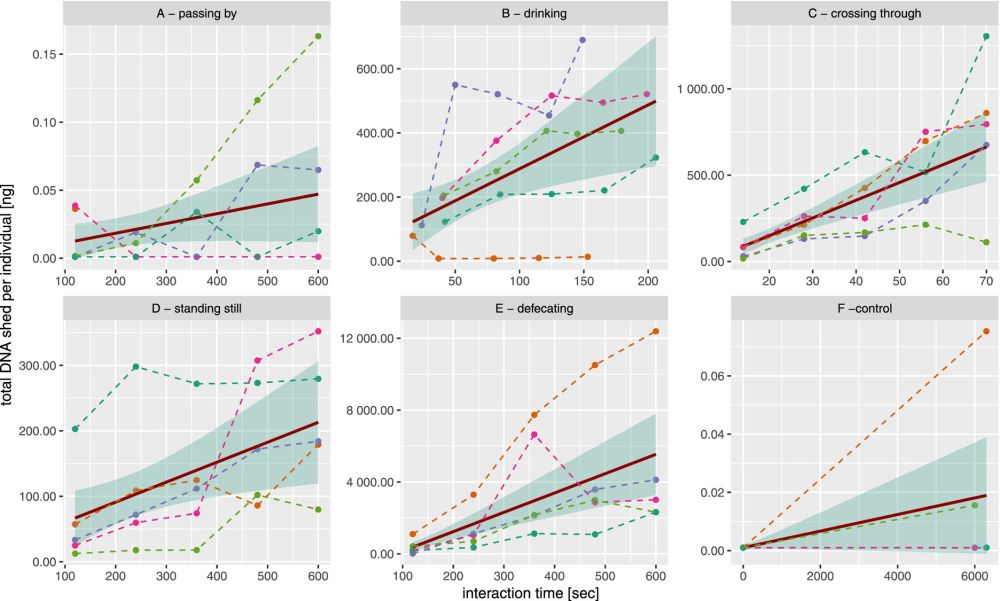
🐕🧬💧 New article is out! We tracked how terrestrial mammals like dogs shed DNA into water bodies . Results show that activities like "crossing through" and "defecating" had the highest shedding rates and how direct versus indirect interaction affect eDNA detection probabilities. #eDNA #biomonitoring
Water Interaction Type Affects Environmental DNA Shedding Rates of Terrestrial Mammal eDNA Into Surface Water Bodies
Although shedding rates for aquatic species are well studied, little is known about terrestrial mammal shedding rates in water. In this study, we quantify eDNA shedding rates from domestic dogs durin...
dx.doi.org
June 10, 2025 at 12:14 PM
🐕🧬💧 New article is out! We tracked how terrestrial mammals like dogs shed DNA into water bodies . Results show that activities like "crossing through" and "defecating" had the highest shedding rates and how direct versus indirect interaction affect eDNA detection probabilities. #eDNA #biomonitoring
Reposted by Tamara Schenekar

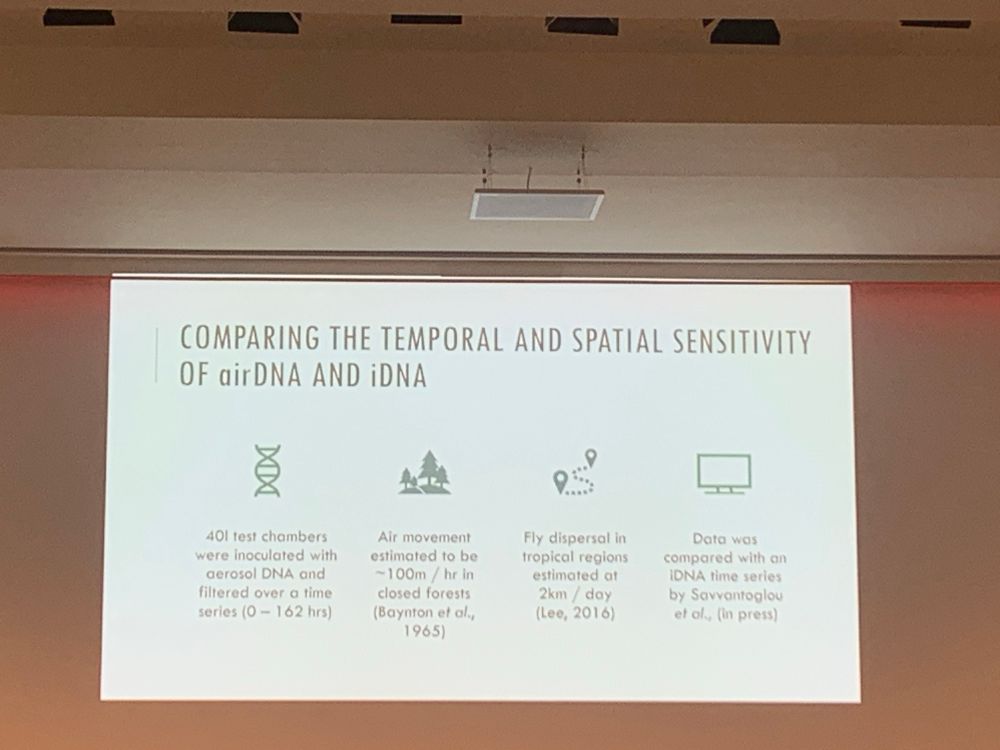
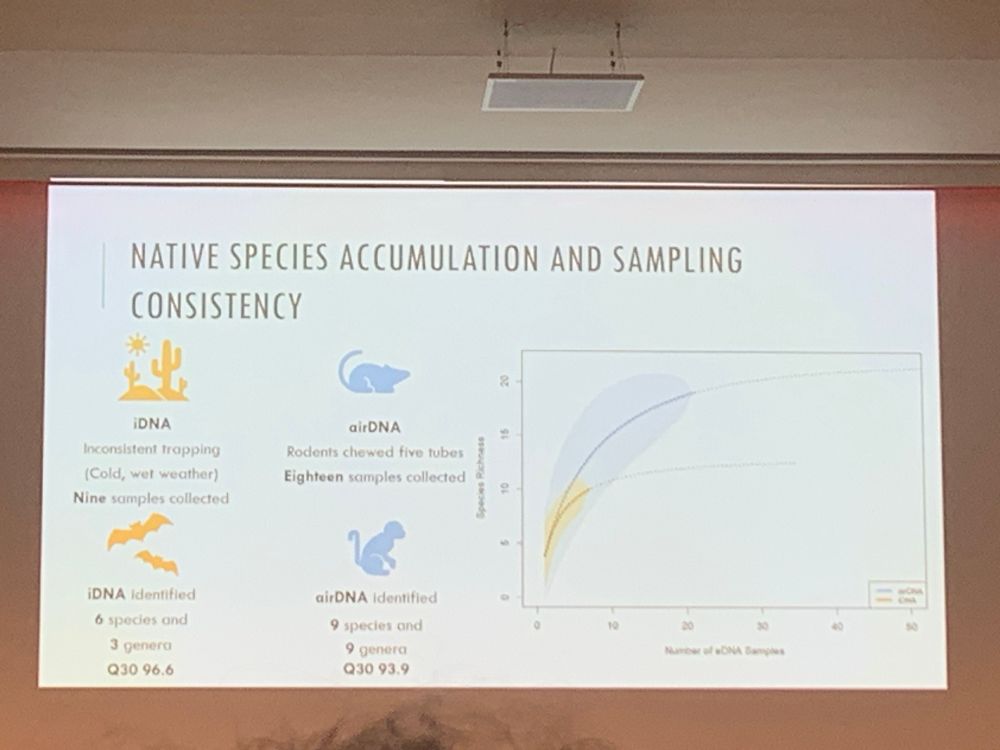
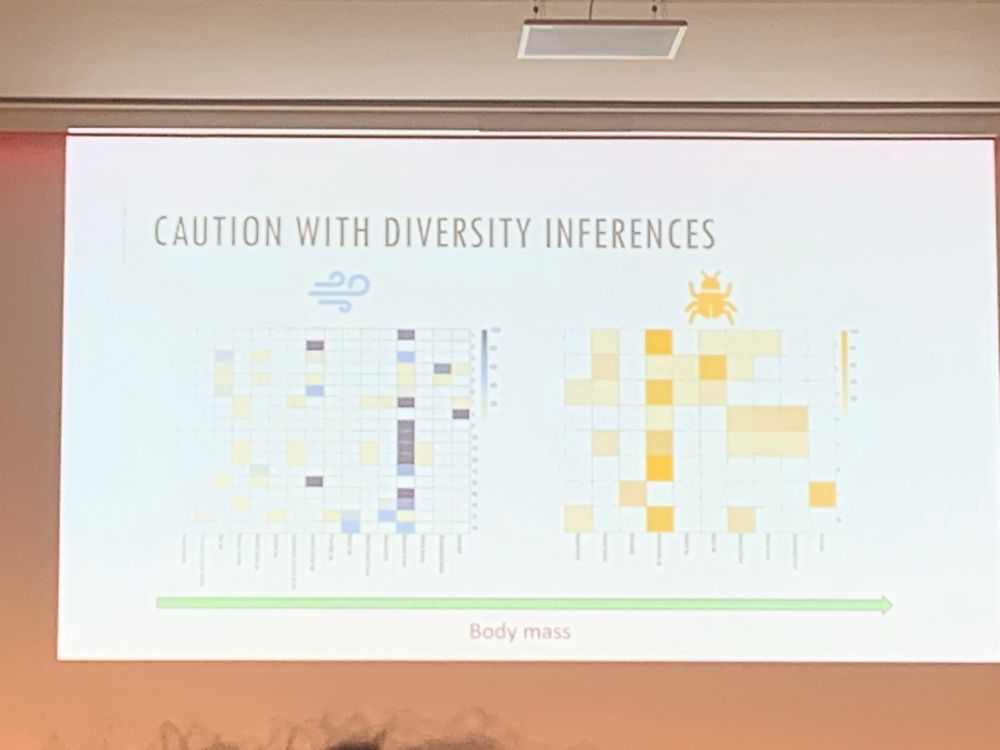
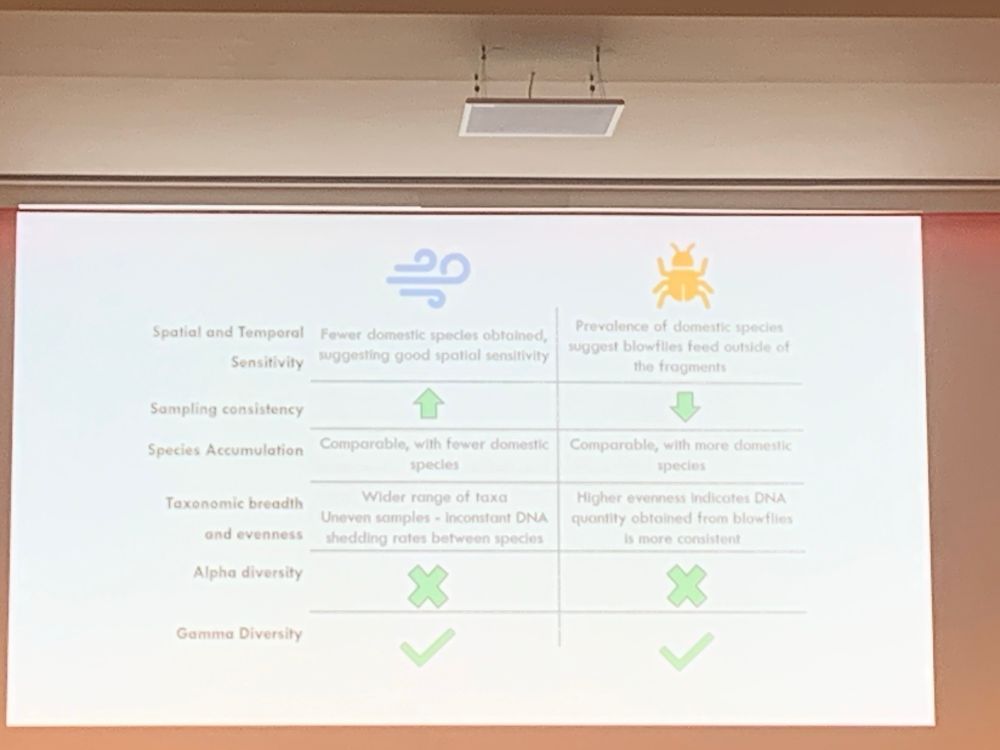
Buffy Smith @theednaconsultancy.bsky.social compared #iDNA and airborne #eDNA for #biodiversity in fragmented forest landscape. #iDNA more spatially sensitive. More domestic species detected with #iDNA than #eDNA tended to capture larger native mammals - differential shedding rates? #UKDNAWG25
May 14, 2025 at 12:45 PM
Buffy Smith @theednaconsultancy.bsky.social compared #iDNA and airborne #eDNA for #biodiversity in fragmented forest landscape. #iDNA more spatially sensitive. More domestic species detected with #iDNA than #eDNA tended to capture larger native mammals - differential shedding rates? #UKDNAWG25
Reposted by Tamara Schenekar
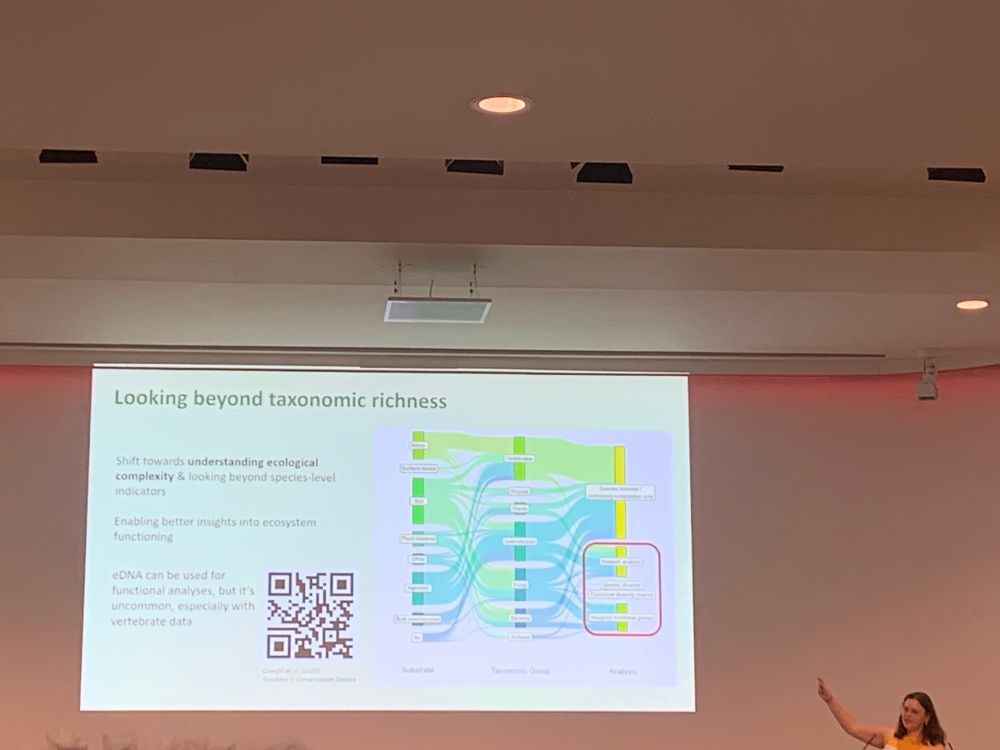
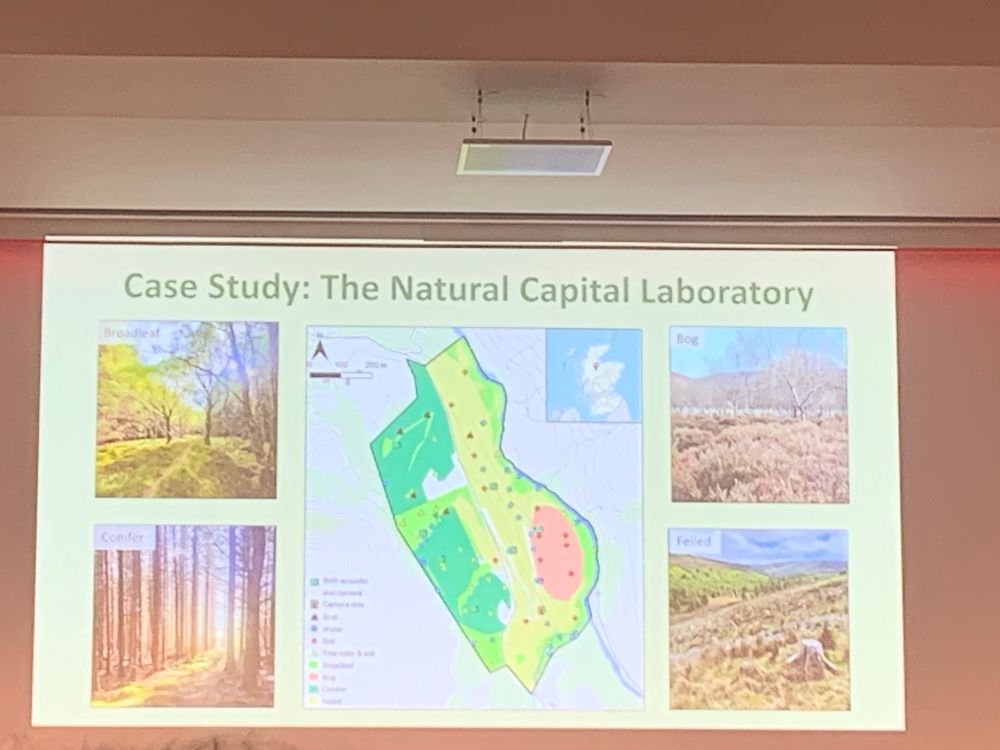
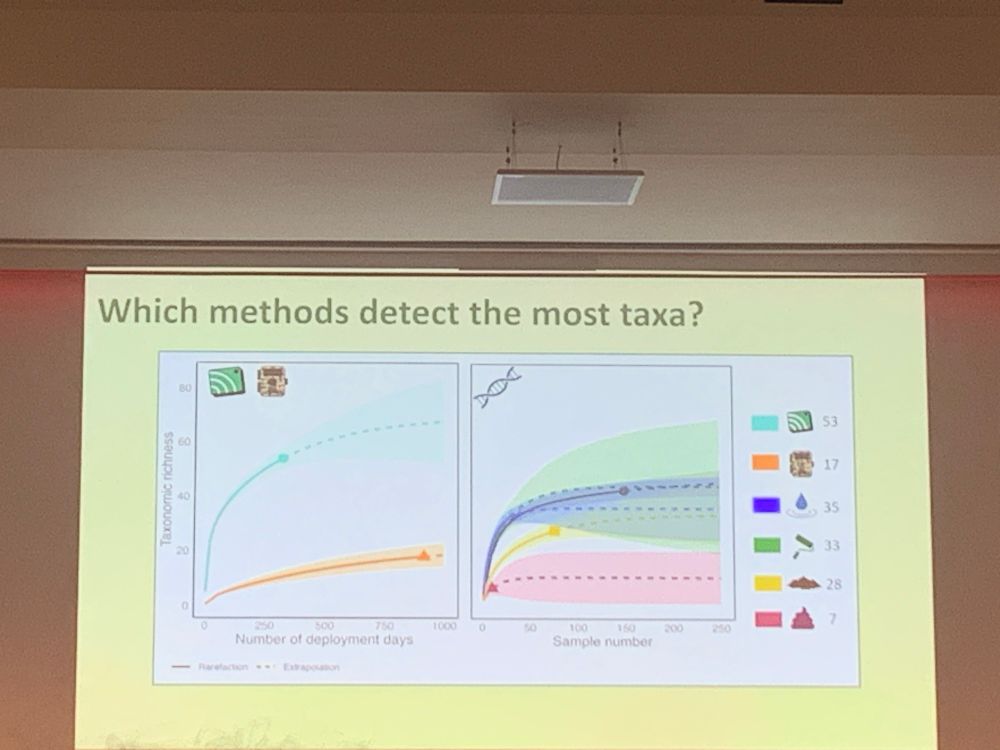
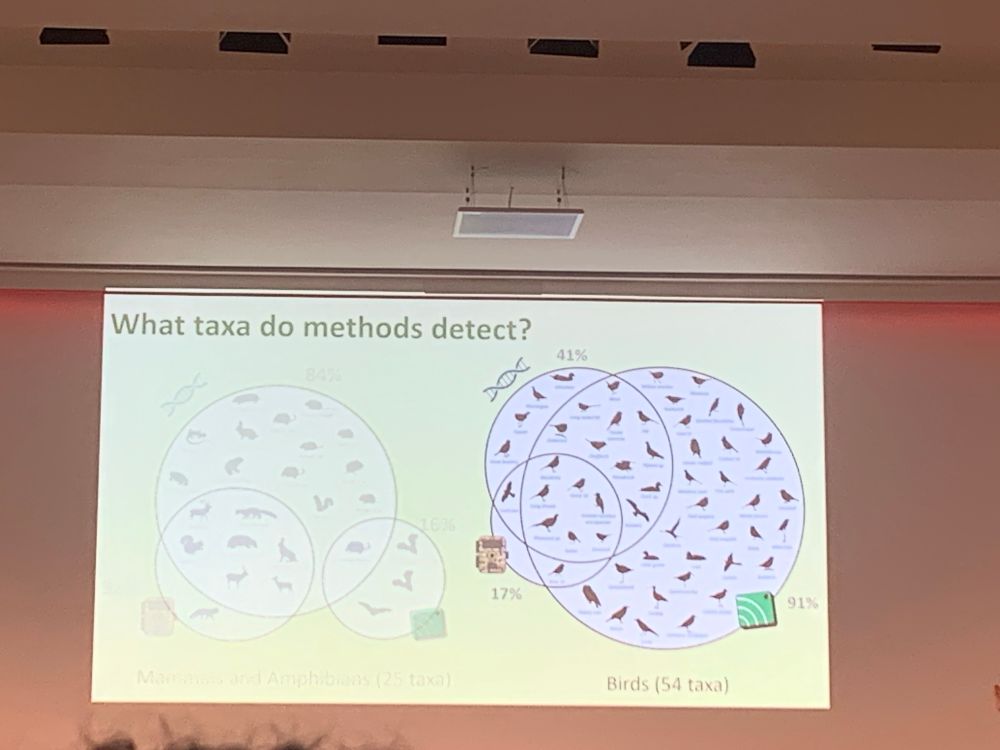
@clarecowgill.bsky.social compared #eDNA, #ecoacoustics + camera trapping for monitoring #terrestrial rewilding. Aquatic, soil + surface (tree rolling) #eDNA used. Most species with #ecoacoustics + tree rolling. More mammals + amphibians with #eDNA. More birds with #ecoacoustics #UKDNAWG25
May 14, 2025 at 1:01 PM
@clarecowgill.bsky.social compared #eDNA, #ecoacoustics + camera trapping for monitoring #terrestrial rewilding. Aquatic, soil + surface (tree rolling) #eDNA used. Most species with #ecoacoustics + tree rolling. More mammals + amphibians with #eDNA. More birds with #ecoacoustics #UKDNAWG25
Reposted by Tamara Schenekar
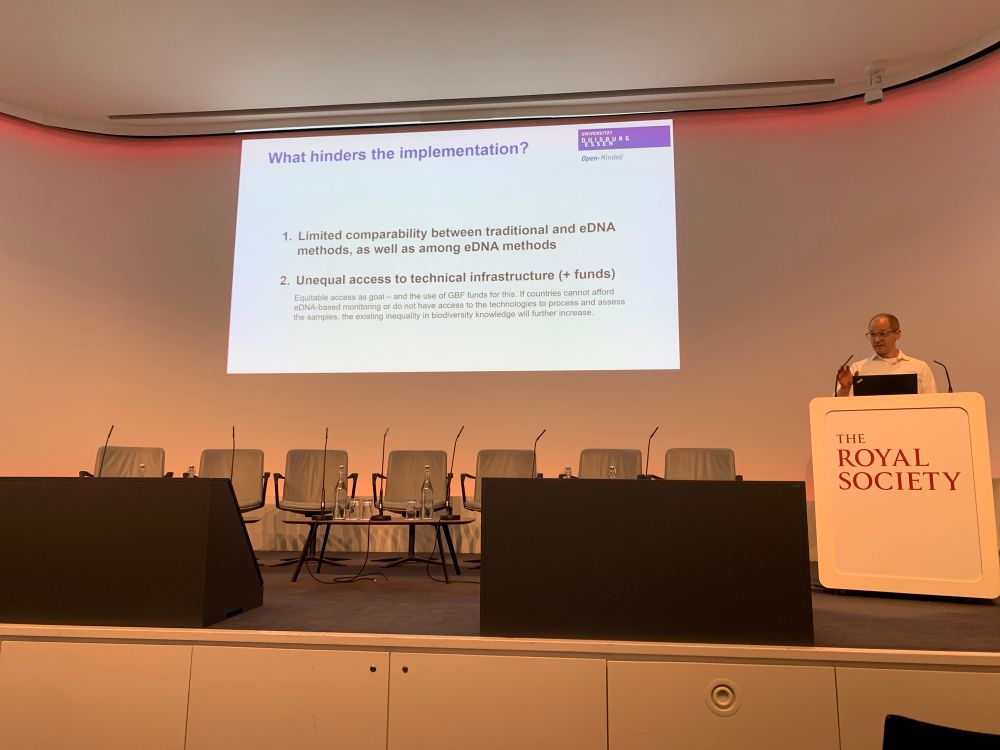
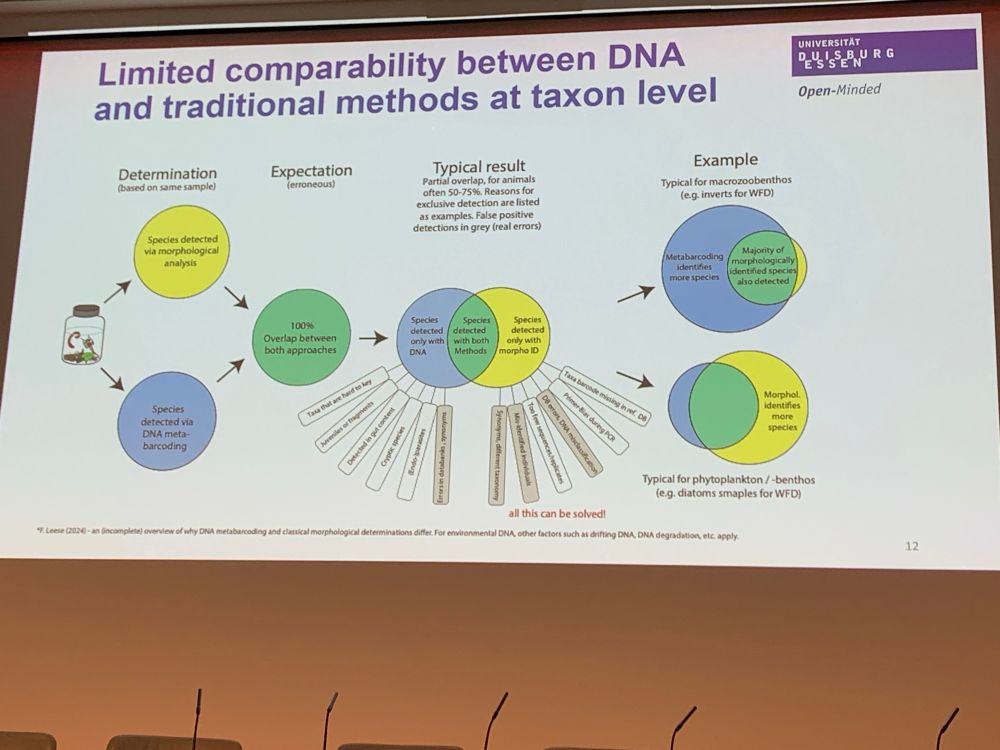
Last session of #UKDNAWG25 is standards, best practice, current knowledge gaps and future opportunities. @leeselab.bsky.social discusses how we go from wild west of #eDNA to standards. Challenges are limited comparability of methods and unequal access to technical infrastructure and funding.
May 14, 2025 at 2:15 PM
Last session of #UKDNAWG25 is standards, best practice, current knowledge gaps and future opportunities. @leeselab.bsky.social discusses how we go from wild west of #eDNA to standards. Challenges are limited comparability of methods and unequal access to technical infrastructure and funding.
Reposted by Tamara Schenekar
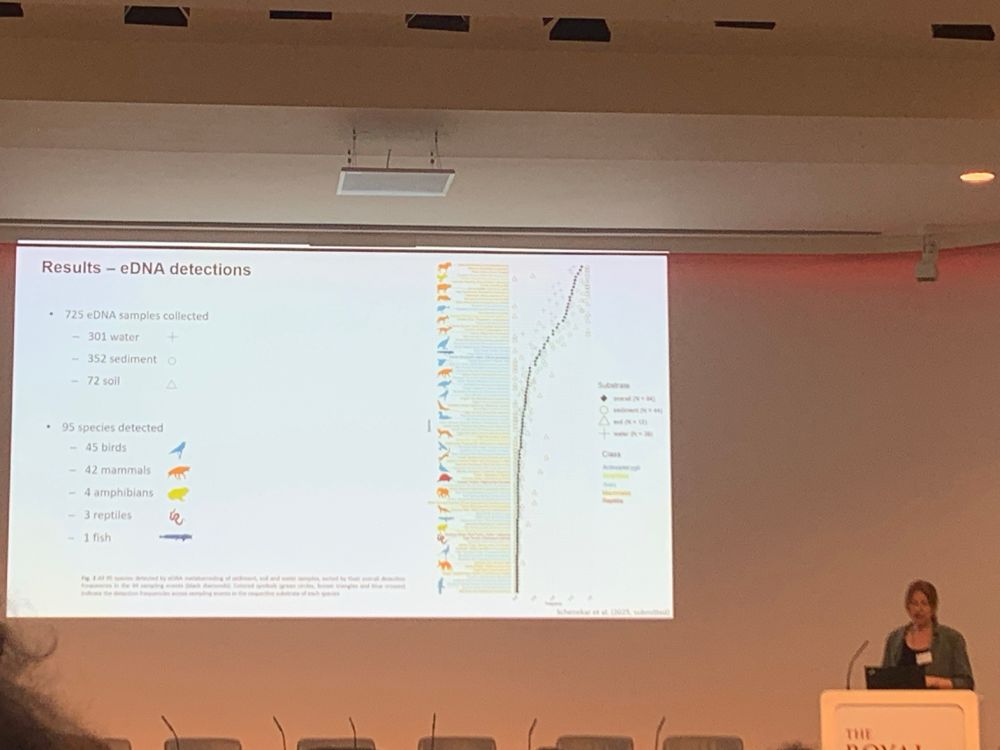
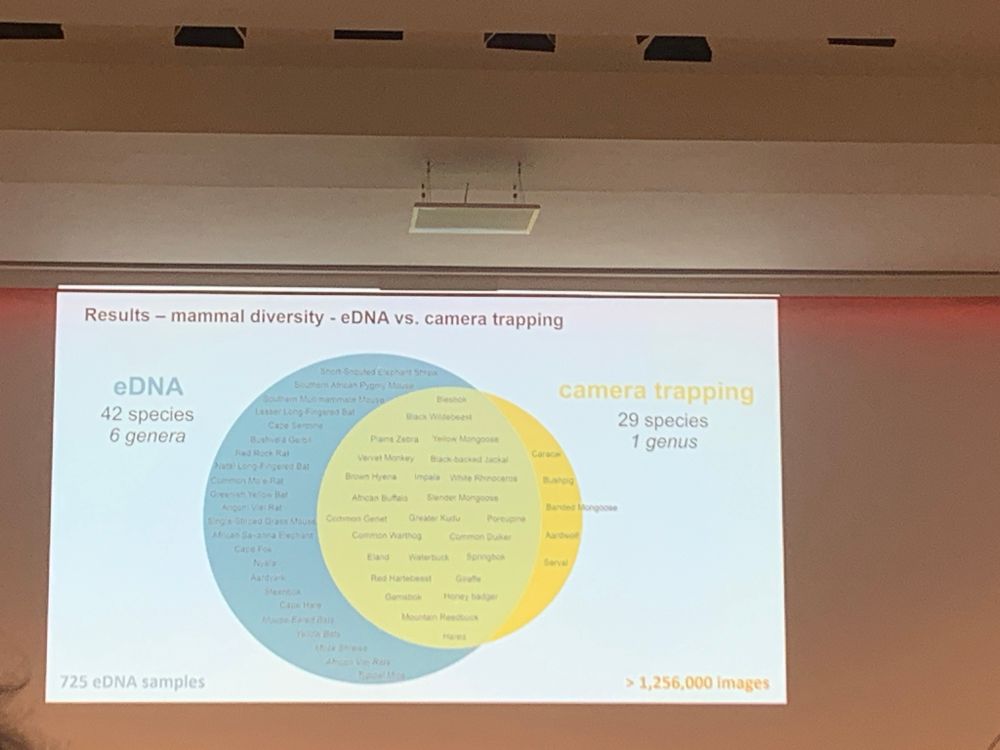
Tamara Schenekar used #eDNA from waterholes to assess #terrestrial vertebrates in Savannah ecosystems. Seasonal water + sediment sampling compared to camera traps. More species detected with #eDNA. Species identity, body length, time since visit + duration all influenced detection #UKDNAWG25
3/6
3/6
May 14, 2025 at 1:38 PM
Tamara Schenekar used #eDNA from waterholes to assess #terrestrial vertebrates in Savannah ecosystems. Seasonal water + sediment sampling compared to camera traps. More species detected with #eDNA. Species identity, body length, time since visit + duration all influenced detection #UKDNAWG25
3/6
3/6