



@trumpisawesomeness.bsky.social

Reposted

Reposted

Valley of the Goblins. Goblin Valley State Park. I thought this one kind of looks like ET. What do you see?
www.mckendrickphotography.com
www.mckendrickphotography.com

January 5, 2025 at 2:06 PM
Valley of the Goblins. Goblin Valley State Park. I thought this one kind of looks like ET. What do you see?
www.mckendrickphotography.com
www.mckendrickphotography.com
Reposted

Here are some nice mushrooms

January 5, 2025 at 2:15 PM
Here are some nice mushrooms
Reposted

January 5, 2025 at 1:05 AM
Reposted

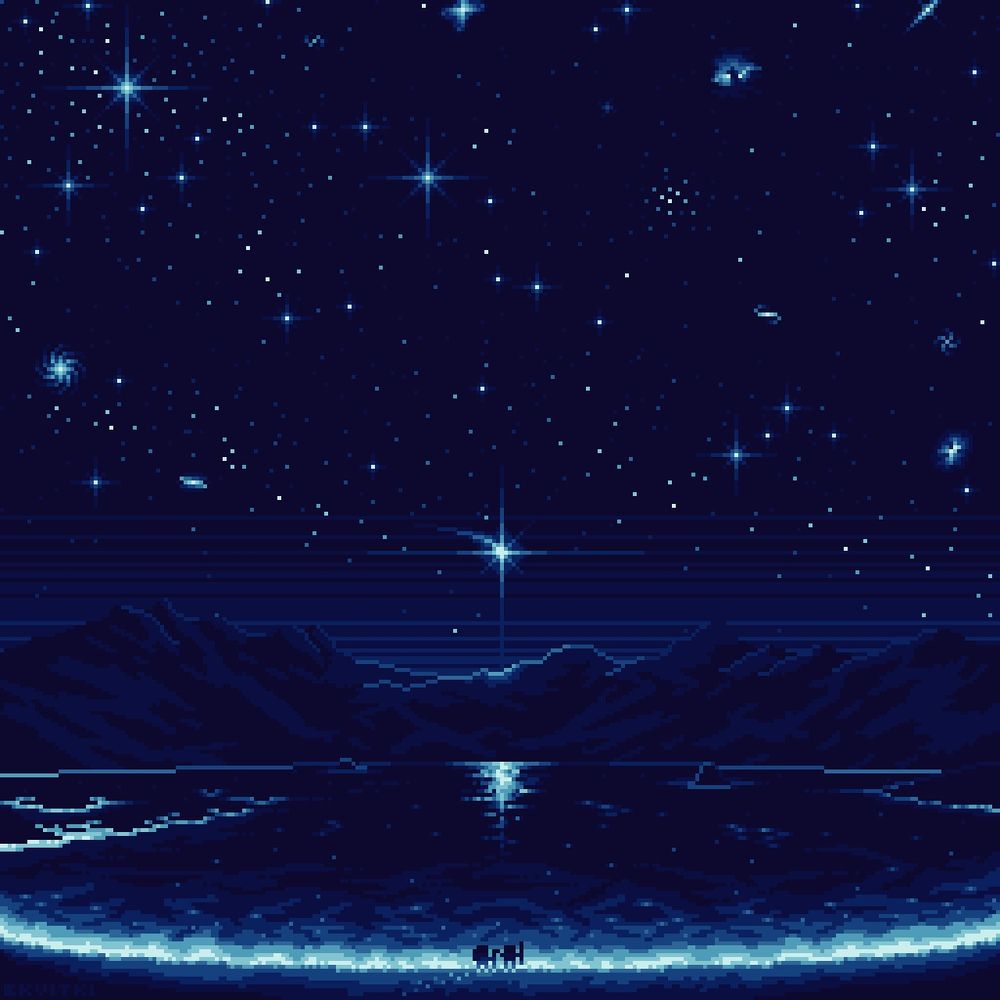
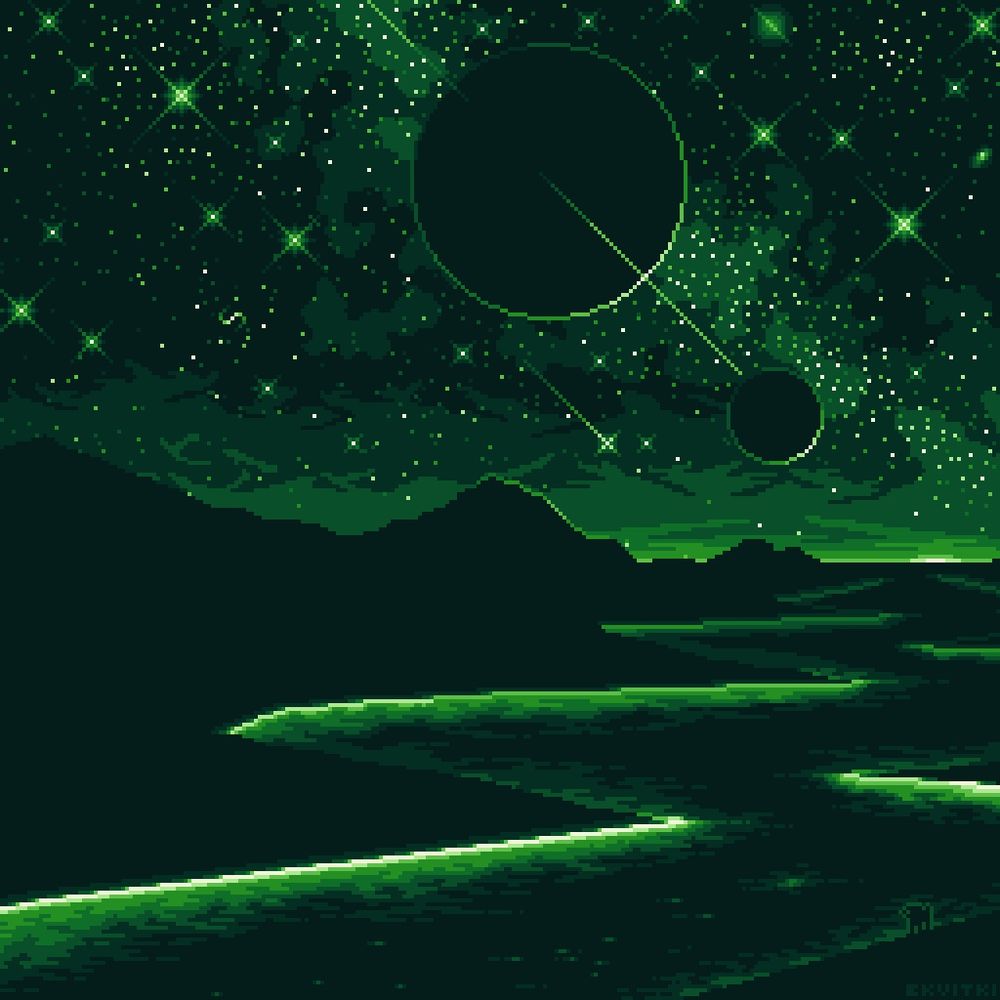
Happy aurora Sunday
January 5, 2025 at 8:27 PM
Happy aurora Sunday
Reposted

Hubble Ultra Deep Field (HUDF) by JWST.
This is what the universe looked like a few hundred million years after the Big Bang.
🔭 🧪
This is what the universe looked like a few hundred million years after the Big Bang.
🔭 🧪

January 4, 2025 at 6:15 PM
Hubble Ultra Deep Field (HUDF) by JWST.
This is what the universe looked like a few hundred million years after the Big Bang.
🔭 🧪
This is what the universe looked like a few hundred million years after the Big Bang.
🔭 🧪
Reposted
Pillars of Creation.🔭
Credit: NASA, ESA/Hubble and the Hubble Heritage Team
Credit: NASA, ESA/Hubble and the Hubble Heritage Team

January 5, 2025 at 12:48 PM
Pillars of Creation.🔭
Credit: NASA, ESA/Hubble and the Hubble Heritage Team
Credit: NASA, ESA/Hubble and the Hubble Heritage Team
Reposted

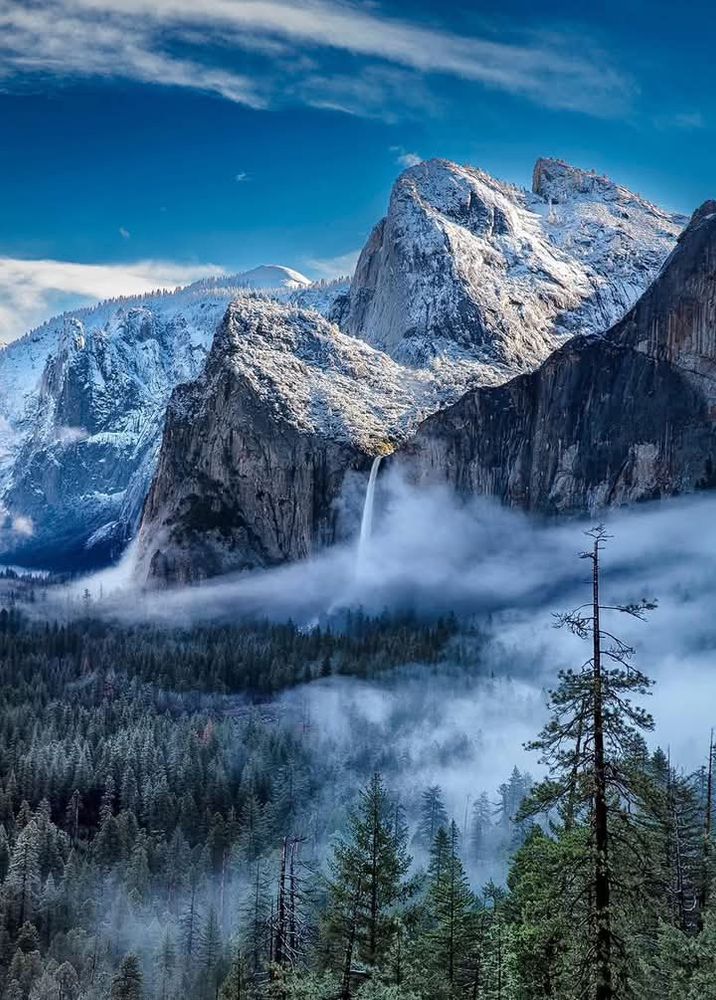
Beautiful capture …Yosemite National Park 🇺🇲
December 17, 2024 at 8:31 PM
Beautiful capture …Yosemite National Park 🇺🇲
Reposted

December 17, 2024 at 9:47 PM
Reposted
OH MY GOD!! WE HAVE THE COMBINED WEBB AND CHANDRA VIEW OF NGC 602!! IT’S SO BEAUTIFUL 🤩🌌

December 17, 2024 at 8:10 PM
OH MY GOD!! WE HAVE THE COMBINED WEBB AND CHANDRA VIEW OF NGC 602!! IT’S SO BEAUTIFUL 🤩🌌
Reposted

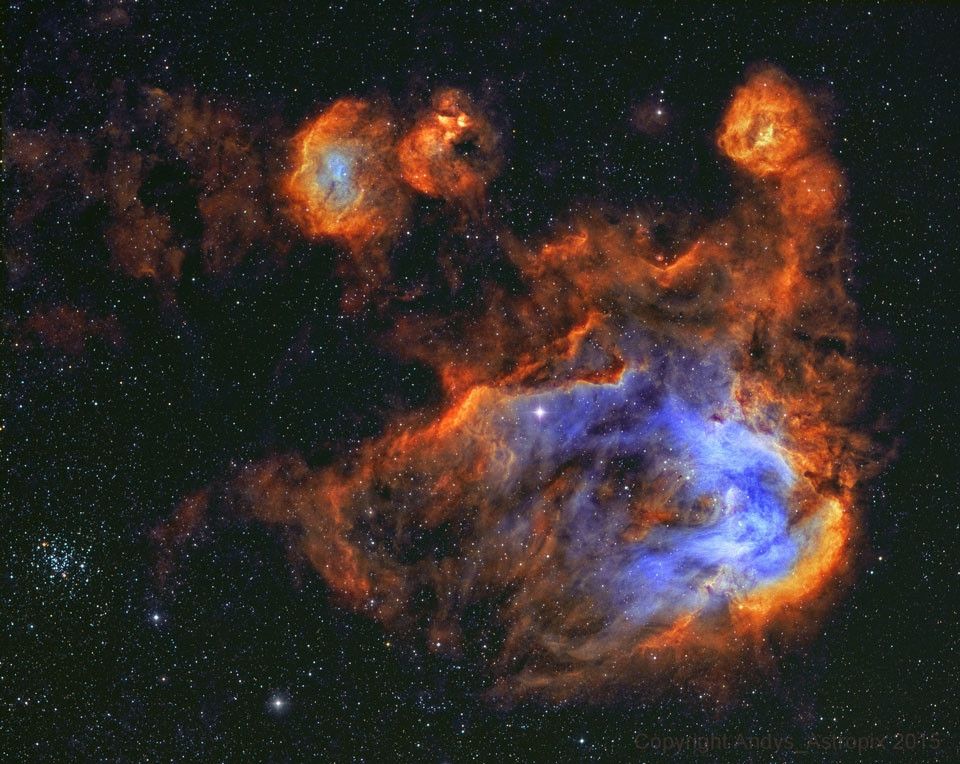
Running Chicken Nebula
December 17, 2024 at 1:34 AM
Running Chicken Nebula
Reposted
JWST CONTINUES TO EXCEED OUR EXPECTATIONS!! ✨
recently, it confirmed a 20 year-old mystery discovered by hubble, finding that there are planet-forming disks in the early universe that are longer lived than they should be, given environmental conditions!
recently, it confirmed a 20 year-old mystery discovered by hubble, finding that there are planet-forming disks in the early universe that are longer lived than they should be, given environmental conditions!

December 16, 2024 at 11:05 PM
JWST CONTINUES TO EXCEED OUR EXPECTATIONS!! ✨
recently, it confirmed a 20 year-old mystery discovered by hubble, finding that there are planet-forming disks in the early universe that are longer lived than they should be, given environmental conditions!
recently, it confirmed a 20 year-old mystery discovered by hubble, finding that there are planet-forming disks in the early universe that are longer lived than they should be, given environmental conditions!
Reposted

December 16, 2024 at 5:27 PM
Reposted

A gorgeous jet in the Carina Nebula in visible light (captured with Hubble's WFC3 detector)
(Credit: NASA, ESA, and the Hubble SM4 ERO Team)
(Credit: NASA, ESA, and the Hubble SM4 ERO Team)

December 16, 2024 at 12:05 PM
A gorgeous jet in the Carina Nebula in visible light (captured with Hubble's WFC3 detector)
(Credit: NASA, ESA, and the Hubble SM4 ERO Team)
(Credit: NASA, ESA, and the Hubble SM4 ERO Team)
Reposted
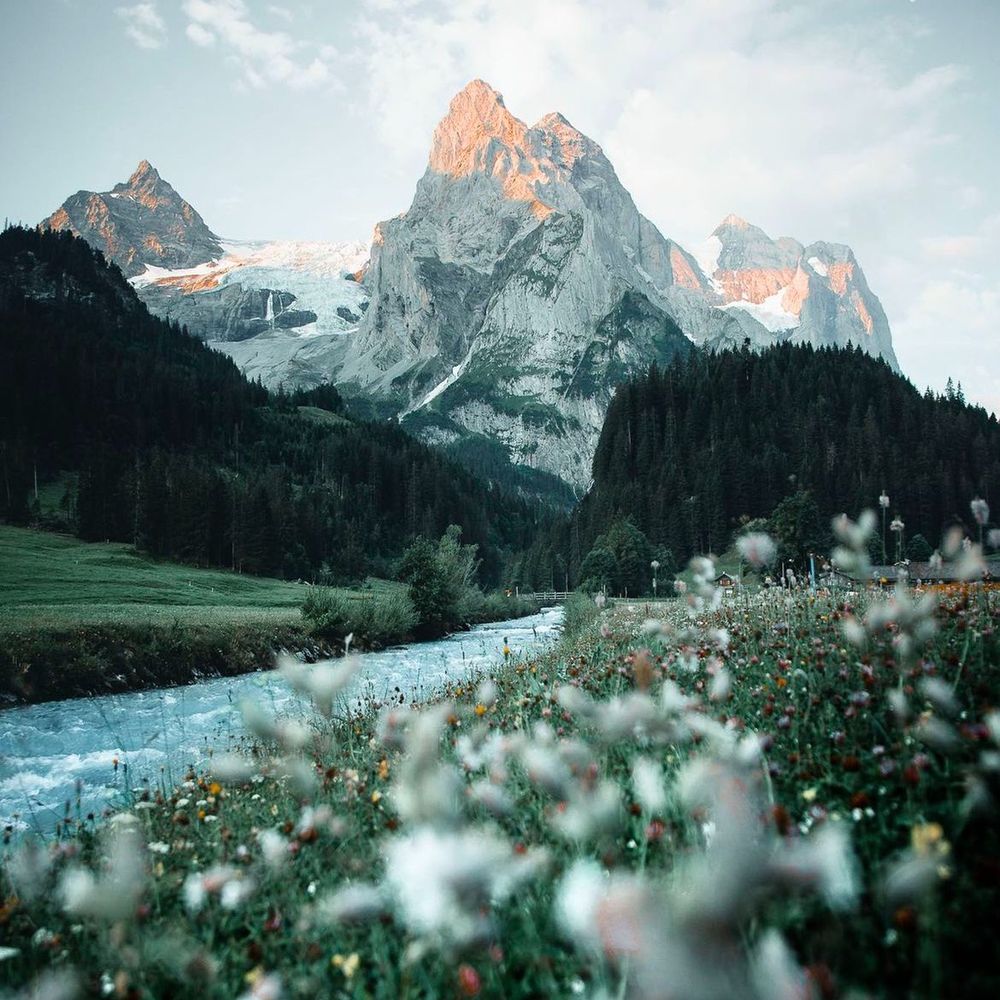
Absolutely brilliant capture
Lake Clark National Park, Alaska 🇺🇲
Lake Clark National Park, Alaska 🇺🇲

December 16, 2024 at 10:06 AM
Absolutely brilliant capture
Lake Clark National Park, Alaska 🇺🇲
Lake Clark National Park, Alaska 🇺🇲
Reposted
A digital painting of Thor's helmet nebula from 2023, an object I've re-visited a number of times throughout the years. I was really proud of my progress with this one!

December 16, 2024 at 3:49 AM
A digital painting of Thor's helmet nebula from 2023, an object I've re-visited a number of times throughout the years. I was really proud of my progress with this one!
Reposted
Hoag’s Object is a rare ring galaxy located over 600 million light-years from Earth.
A nearly perfect circle full of young blue stars surrounds a spheroid of mostly older red giant stars. In between is a gap that appears almost completely empty.
Delightfully distinctive.
📸 Credit: NASA/STScl/AURA
A nearly perfect circle full of young blue stars surrounds a spheroid of mostly older red giant stars. In between is a gap that appears almost completely empty.
Delightfully distinctive.
📸 Credit: NASA/STScl/AURA

December 16, 2024 at 4:56 AM
Hoag’s Object is a rare ring galaxy located over 600 million light-years from Earth.
A nearly perfect circle full of young blue stars surrounds a spheroid of mostly older red giant stars. In between is a gap that appears almost completely empty.
Delightfully distinctive.
📸 Credit: NASA/STScl/AURA
A nearly perfect circle full of young blue stars surrounds a spheroid of mostly older red giant stars. In between is a gap that appears almost completely empty.
Delightfully distinctive.
📸 Credit: NASA/STScl/AURA
Reposted
Absolutely Stunning timelapse of Earth rising over the Moon captured by lunar orbiter spacecraft Kaguya. 💫👏💫👏💫👏💫
📽: JAXA/NHK
📽: JAXA/NHK
December 16, 2024 at 2:23 AM
Absolutely Stunning timelapse of Earth rising over the Moon captured by lunar orbiter spacecraft Kaguya. 💫👏💫👏💫👏💫
📽: JAXA/NHK
📽: JAXA/NHK
Reposted

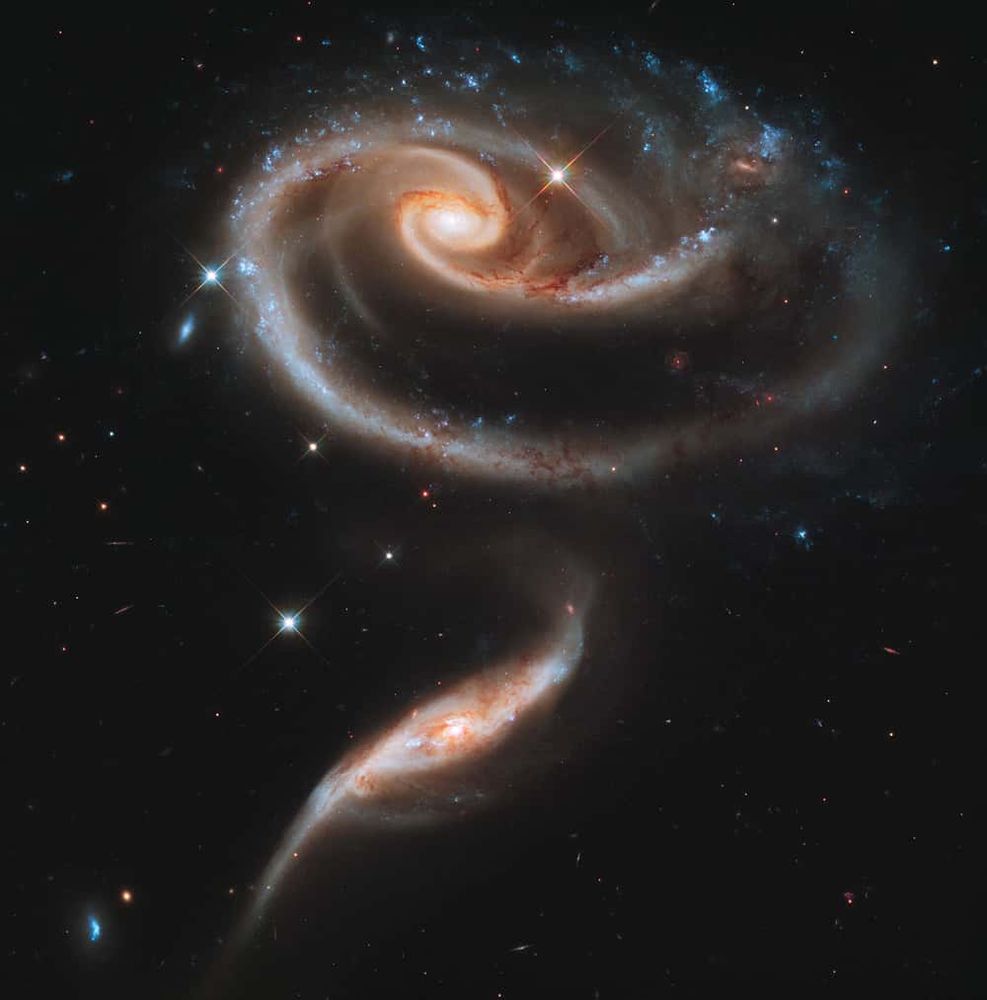
ARP 273
Photo NASA ESA and Hubble Wide Field Camera
Distance 300 million light years
Constellation Andromeda
Discovered Halton Arp 1966
Two galaxies collided to form this unique shape. It's thought that the smaller galaxy passed through the center of the larger.
Photo NASA ESA and Hubble Wide Field Camera
Distance 300 million light years
Constellation Andromeda
Discovered Halton Arp 1966
Two galaxies collided to form this unique shape. It's thought that the smaller galaxy passed through the center of the larger.
December 16, 2024 at 1:55 AM
ARP 273
Photo NASA ESA and Hubble Wide Field Camera
Distance 300 million light years
Constellation Andromeda
Discovered Halton Arp 1966
Two galaxies collided to form this unique shape. It's thought that the smaller galaxy passed through the center of the larger.
Photo NASA ESA and Hubble Wide Field Camera
Distance 300 million light years
Constellation Andromeda
Discovered Halton Arp 1966
Two galaxies collided to form this unique shape. It's thought that the smaller galaxy passed through the center of the larger.