




@stephanvroth.bsky.social
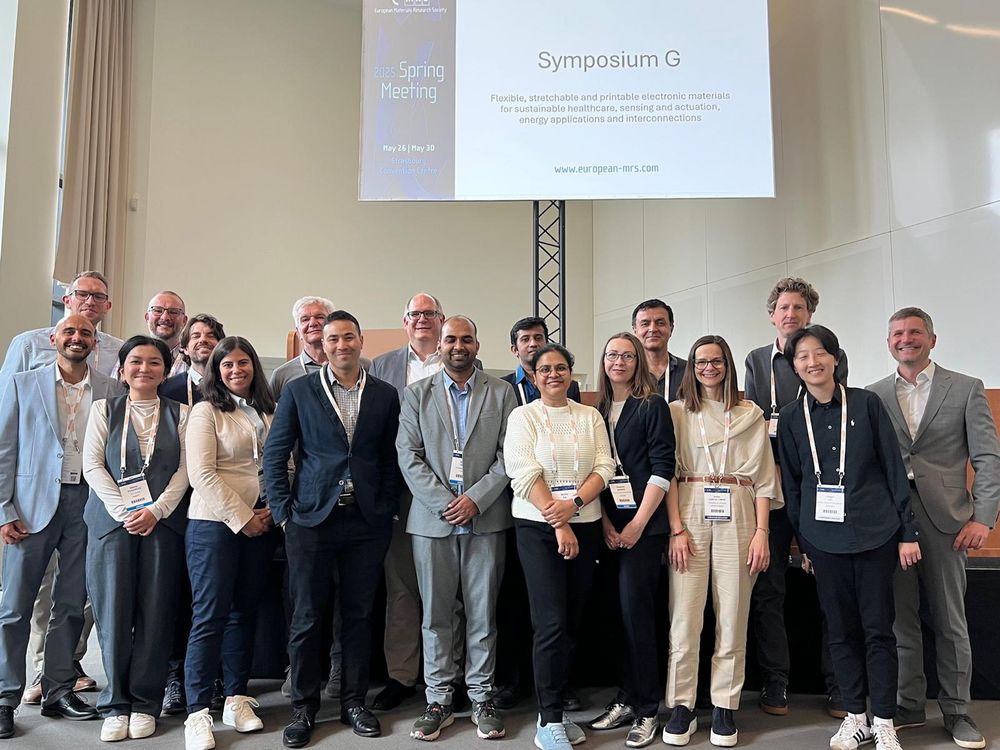
EMRS Strasbourg - Symposium G: Great talks excellently organised by Tobias Kraus, Wim Deferme, Monika Rai, Esther Garcia-Tunon, Jang-Ung Park, Shweta Saxena Agarwale.
May 28, 2025 at 4:20 PM
EMRS Strasbourg - Symposium G: Great talks excellently organised by Tobias Kraus, Wim Deferme, Monika Rai, Esther Garcia-Tunon, Jang-Ung Park, Shweta Saxena Agarwale.
Reposted

Collaborator Guozheng Shi et al. in @NatureEnergyJnl: "Overcoming #efficiency and cost barriers for large-area #quantum #dot #photovoltaics through stable #ink engineering":
Nat Energy 10, 592–604 (2025).
doi.org/10.1038/s415...
Nat Energy 10, 592–604 (2025).
doi.org/10.1038/s415...
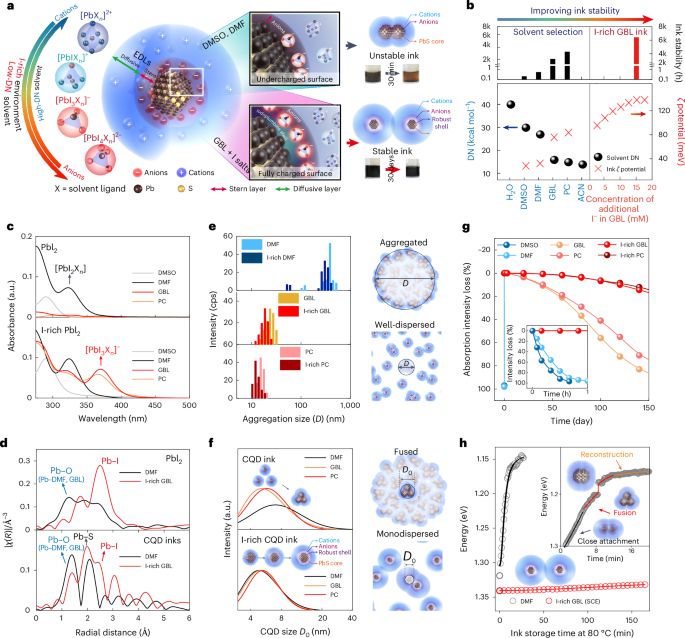
Overcoming efficiency and cost barriers for large-area quantum dot photovoltaics through stable ink engineering - Nature Energy
The instability of quantum dot inks hinders the scaling up of colloidal quantum dot electronics. Now, Shi and team stabilize the inks with an iodine-rich environment in a weakly coordinating solvent, ...
doi.org
May 26, 2025 at 4:52 PM
Collaborator Guozheng Shi et al. in @NatureEnergyJnl: "Overcoming #efficiency and cost barriers for large-area #quantum #dot #photovoltaics through stable #ink engineering":
Nat Energy 10, 592–604 (2025).
doi.org/10.1038/s415...
Nat Energy 10, 592–604 (2025).
doi.org/10.1038/s415...
Reposted
A warm welcome to two new Master students: Vitus Flamensbeck and Yuhao Zhou.


May 28, 2025 at 7:31 AM
A warm welcome to two new Master students: Vitus Flamensbeck and Yuhao Zhou.
Reposted
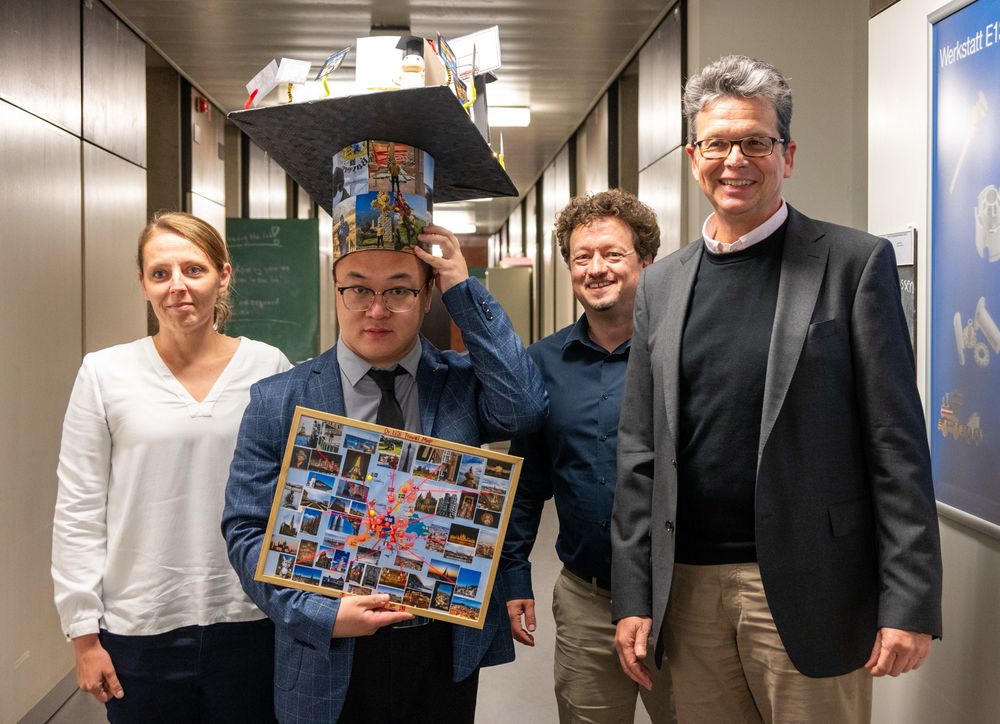
Congratulations to Zerui Li for successfully defending his PhD thesis about „#Operando Research of #Degradation Processes of Green-Solvent based #Organic #Solar Cells”
May 23, 2025 at 11:42 AM
Congratulations to Zerui Li for successfully defending his PhD thesis about „#Operando Research of #Degradation Processes of Green-Solvent based #Organic #Solar Cells”
Reposted
Collaborator Xinwei Liu et al. in ACS Applied Materials & Interfaces @ACS_AMI : "Engineering #Conjugated Bridges in #TPE-BT-Based Donor−Acceptor #Molecules for Optimized #Resistive #Random #Access #Memory":
ACS Appl. Mater. Interfaces 2025, 17, 19, 28459–28471
doi.org/10.1021/acsa...
ACS Appl. Mater. Interfaces 2025, 17, 19, 28459–28471
doi.org/10.1021/acsa...
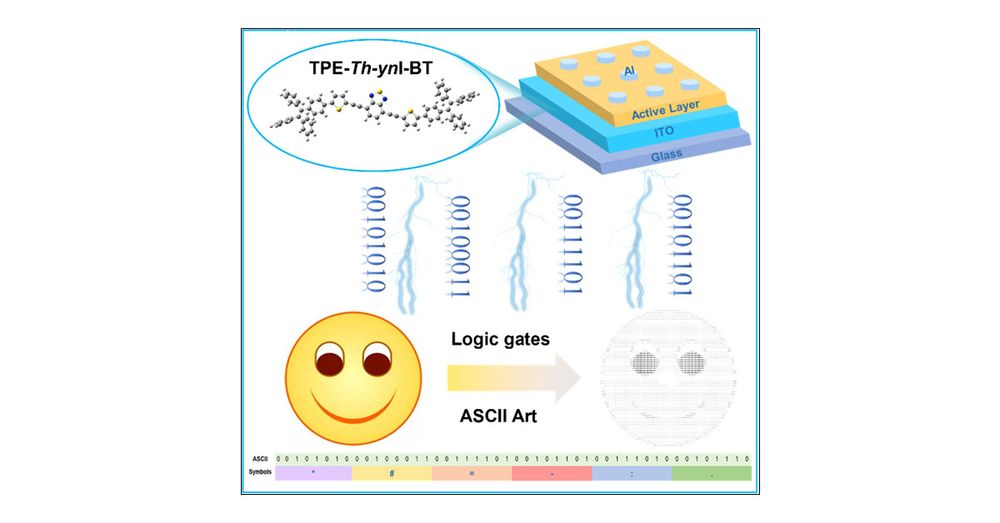
Engineering Conjugated Bridges in TPE-BT-Based Donor–Acceptor Molecules for Optimized Resistive Random Access Memory
Four donor–acceptor (D-A) type organic small molecules, namely, 4,7-bis(4-(1,2,2-triphenylvinyl)phenyl)benzo[c][1,2,5]thiadiazole(TPE-BT), 4,7-bis((4-(1,2,2-triphenylvinyl)phenyl)ethynyl)benzo[c][1,2,5]thiadiazole(TPE-ynl-BT), 4,7-bis(5-(4-(1,2,2-triphenylvinyl)phenyl)thiophen-2-yl)benzo[c][1,2,5]thiadiazole (TPE-Th-BT), and 4,7-bis((5-(4-(1,2,2-triphenylvinyl)phenyl)thiophen-2yl)ethynyl)benzo[c][1,2,5]thiadiazole(TPE-Th-ynl-BT), each incorporating unique conjugated bridges, are designed, synthesized, and integrated into resistive random access memory (RRAM) devices. Current–voltage (I–V) measurements indicate that the TPE-BT, TPE-ynl-BT and TPE-Th-BT based devices exhibit write-once-read-many-times (WORM) characteristics, while TPE-Th-ynl-BT based devices show a stable flash-type switching behavior. In comparison to TPE-BT, the memory devices constructed with TPE-ynl-BT, TPE-Th-BT and TPE-Th-ynl-BT, which include additional conjugated bridges, exhibit nonvolatile memory capabilities with reduced threshold voltages, higher ION/IOFF (104:1), enhanced stability, and improved reproducibility. The photophysical, electrochemical analyses, and X-ray diffraction (XRD) results reveal that incorporating conjugated bridges within molecular structures can enhance data storage performance while reducing power consumption. Our findings demonstrate that these conjugated bridges play a crucial role in optimizing electrical memory characteristics and resistive switching behavior. Moreover, the device fabricated with TPE-Th-ynl-BT is effectively applied to logic gate circuits and American Standard Code for Information Interchange (ASCII) art function, highlighting its promising potential as a smart sensor within artificial intelligence (AI) networks.
doi.org
May 20, 2025 at 3:46 PM
Collaborator Xinwei Liu et al. in ACS Applied Materials & Interfaces @ACS_AMI : "Engineering #Conjugated Bridges in #TPE-BT-Based Donor−Acceptor #Molecules for Optimized #Resistive #Random #Access #Memory":
ACS Appl. Mater. Interfaces 2025, 17, 19, 28459–28471
doi.org/10.1021/acsa...
ACS Appl. Mater. Interfaces 2025, 17, 19, 28459–28471
doi.org/10.1021/acsa...
Reposted
Collaborator S. Liu et al. in JACS @acsJACS : "Orientation-Driven #Chirality #Funnels in #Chiral Low-Dimensional #Lead-#Halide #Perovskite #Heterostructures":
J. Am. Chem. Soc. 2025, 147, 19, 16681–16693
doi.org/10.1021/jacs...
J. Am. Chem. Soc. 2025, 147, 19, 16681–16693
doi.org/10.1021/jacs...
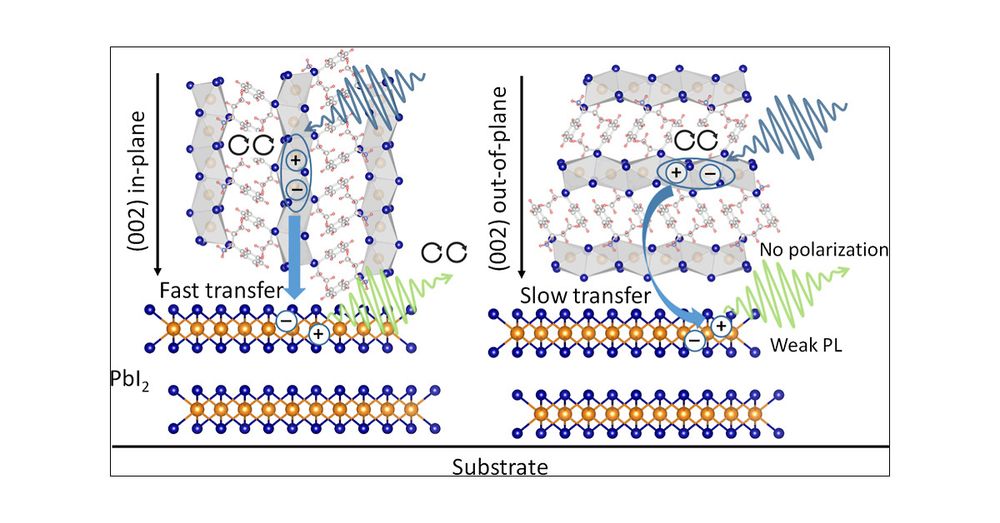
Orientation-Driven Chirality Funnels in Chiral Low-Dimensional Lead-Halide Perovskite Heterostructures
Chiral hybrid metal-halide perovskites show low-symmetry crystal structures, large Rashba splitting, spin-filtering, and strong chiroptical activity. Circular dichroism and circularly polarized photol...
doi.org
May 21, 2025 at 12:00 PM
Collaborator S. Liu et al. in JACS @acsJACS : "Orientation-Driven #Chirality #Funnels in #Chiral Low-Dimensional #Lead-#Halide #Perovskite #Heterostructures":
J. Am. Chem. Soc. 2025, 147, 19, 16681–16693
doi.org/10.1021/jacs...
J. Am. Chem. Soc. 2025, 147, 19, 16681–16693
doi.org/10.1021/jacs...
Reposted
Ivana Pivarníková et al. in Journal of Mater. Chem. A @JMaterChem : "Understanding the #structure and #mechanism of #Na+#diffusion in #NASICON solid-state #electrolytes and the effect of Sc- and Al/Y-substitution":
J. Mater. Chem. A, 2025,13, 14353-14371
doi.org/10.1039/D5TA...
J. Mater. Chem. A, 2025,13, 14353-14371
doi.org/10.1039/D5TA...
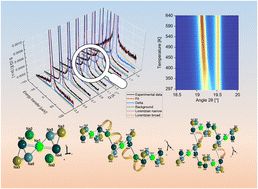
Understanding the structure and mechanism of Na+ diffusion in NASICON solid-state electrolytes and the effect of Sc- and Al/Y-substitution
NASICON (sodium superionic conductor) based ceramics are one of the most promising classes of solid-state electrolytes for all-solid-state batteries. However, the mechanism of sodium ion diffusion is ...
doi.org
May 21, 2025 at 5:16 PM
Ivana Pivarníková et al. in Journal of Mater. Chem. A @JMaterChem : "Understanding the #structure and #mechanism of #Na+#diffusion in #NASICON solid-state #electrolytes and the effect of Sc- and Al/Y-substitution":
J. Mater. Chem. A, 2025,13, 14353-14371
doi.org/10.1039/D5TA...
J. Mater. Chem. A, 2025,13, 14353-14371
doi.org/10.1039/D5TA...
Reposted

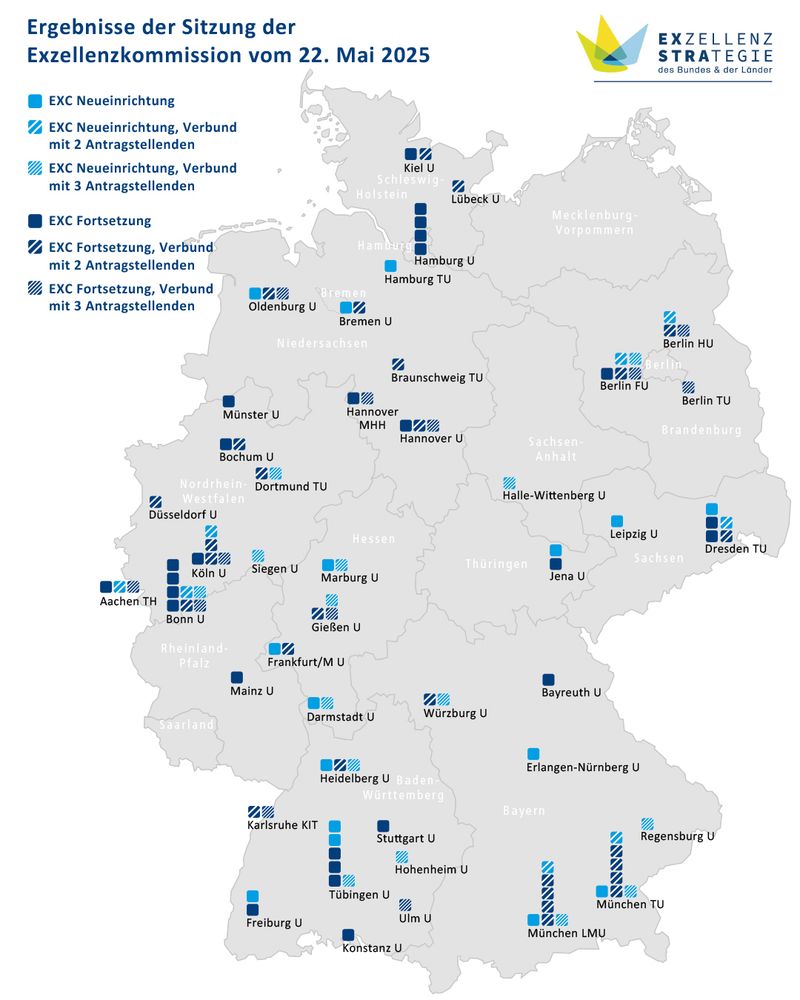
Die #Exzellenzcluster stehen fest: Heute hat die Exzellenzkommission 70 Projekte zur Förderung ausgewählt. 45 Cluster werden fortgesetzt, 25 neu eingerichtet. Die Förderung beginnt ab 1. Jan. 2026 für 7 Jahre, die Fördersumme beträgt insg. 539 Mio. €/Jahr. Die Liste: www.dfg.de/resource/blo... 1/3
May 22, 2025 at 3:05 PM
Die #Exzellenzcluster stehen fest: Heute hat die Exzellenzkommission 70 Projekte zur Förderung ausgewählt. 45 Cluster werden fortgesetzt, 25 neu eingerichtet. Die Förderung beginnt ab 1. Jan. 2026 für 7 Jahre, die Fördersumme beträgt insg. 539 Mio. €/Jahr. Die Liste: www.dfg.de/resource/blo... 1/3
Reposted
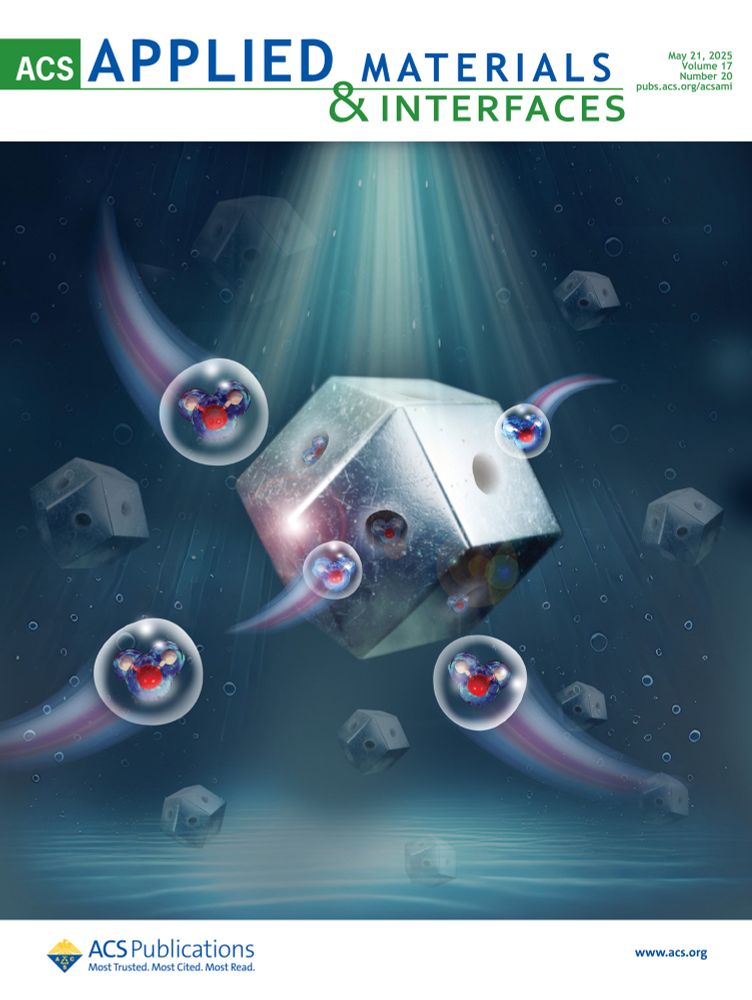
The latest issue of ACS Applied Materials & Interfaces (@ACS_AMI) is live! On the cover: “#Stable Compressible #Liquids Made of Hierarchical #MOF #Nanocrystals”
May 22, 2025 at 8:27 AM
The latest issue of ACS Applied Materials & Interfaces (@ACS_AMI) is live! On the cover: “#Stable Compressible #Liquids Made of Hierarchical #MOF #Nanocrystals”
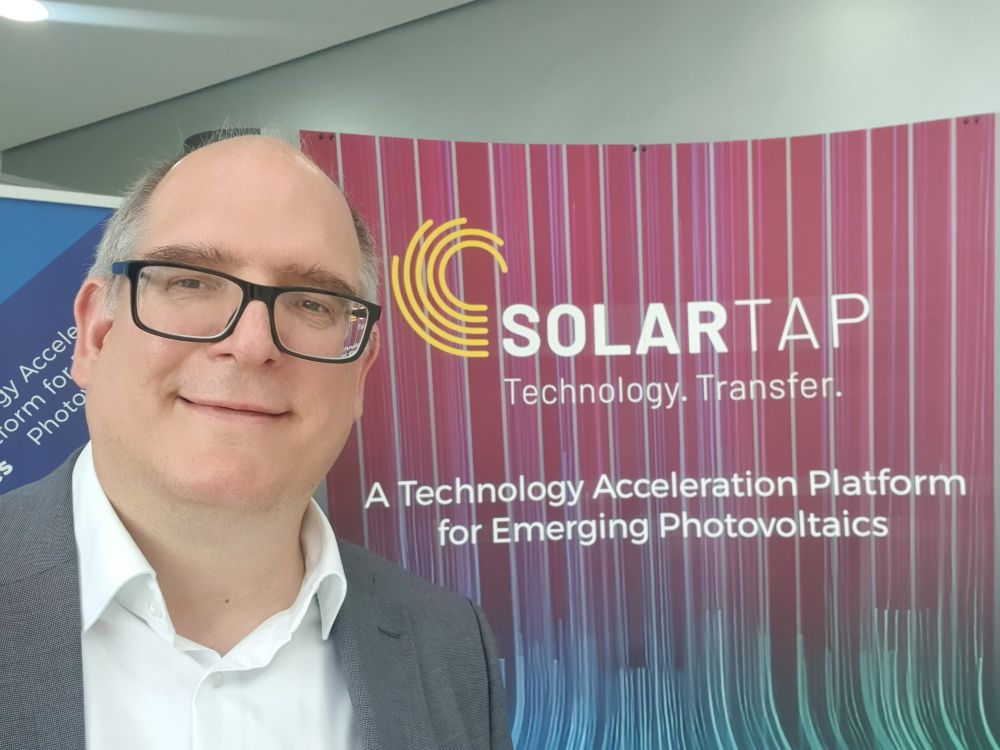
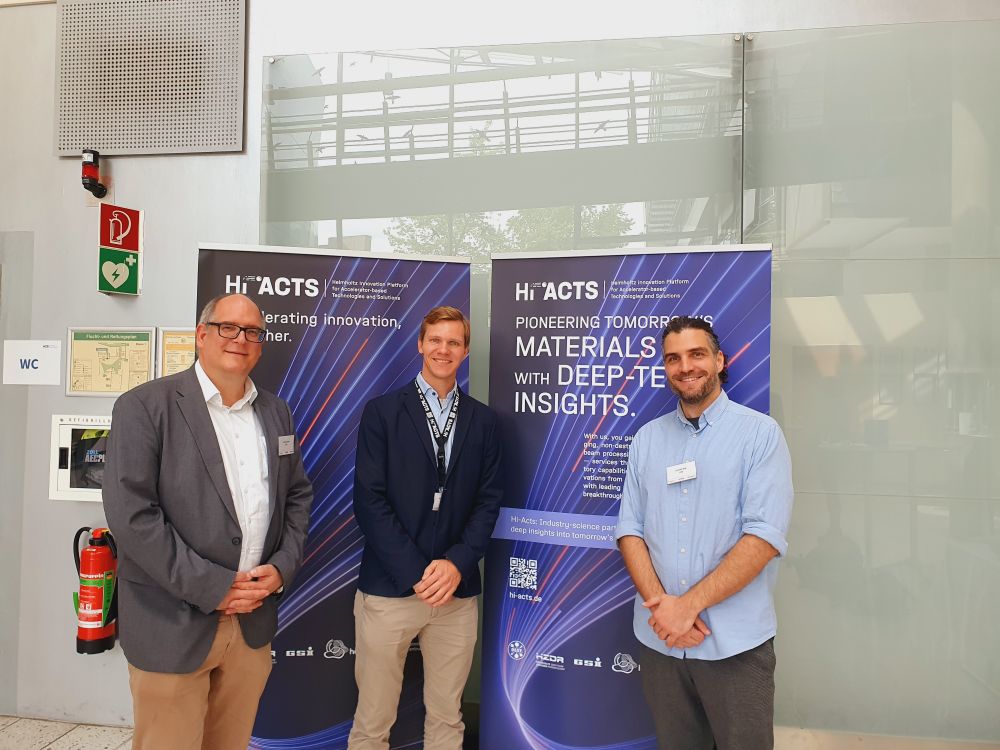
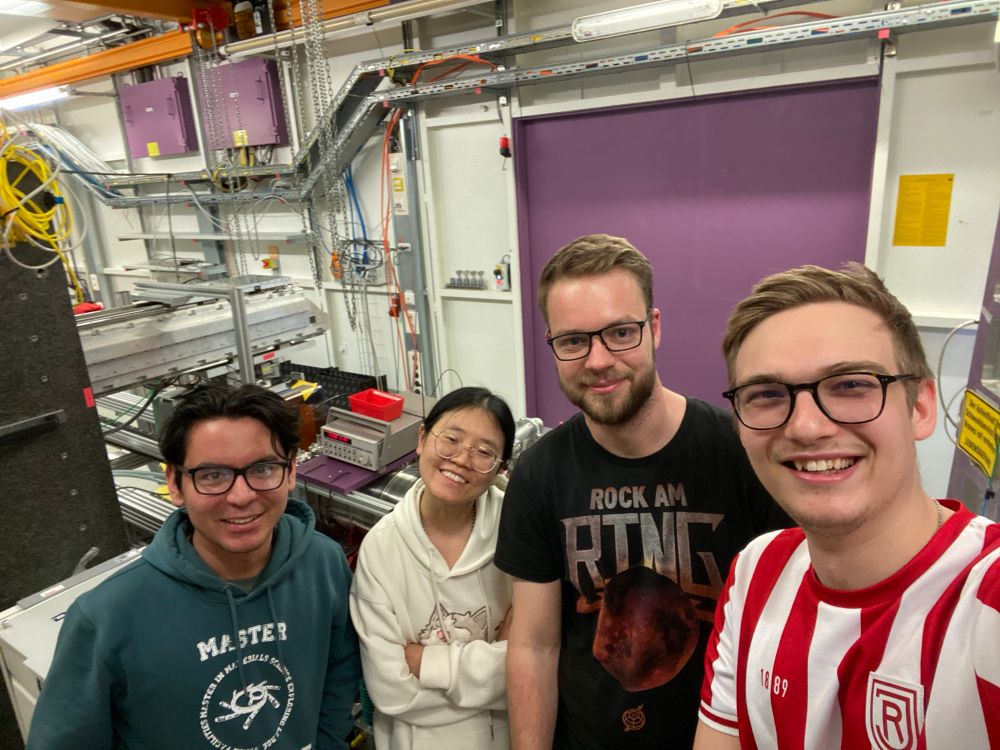
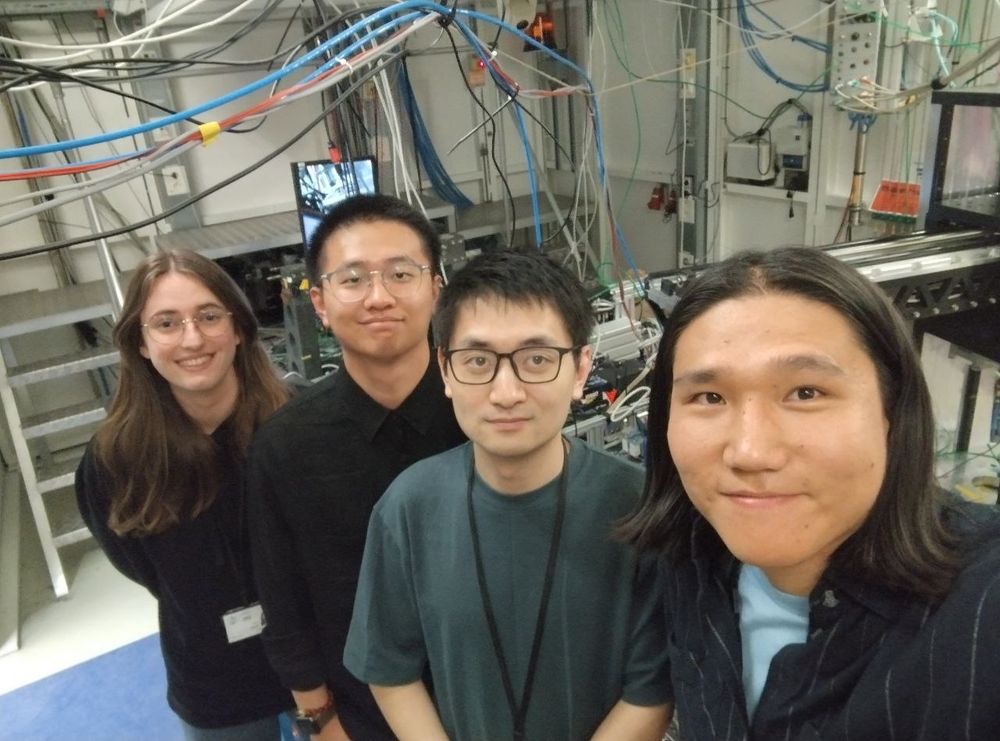
Excellent day at solartap.de/events/joint... at BESSY - meeting ITT, industry and HZB colleagues combining solar cell research and synchrotron radiation - many thanks for the great organisation!!
May 22, 2025 at 2:47 PM
Excellent day at solartap.de/events/joint... at BESSY - meeting ITT, industry and HZB colleagues combining solar cell research and synchrotron radiation - many thanks for the great organisation!!
Reposted
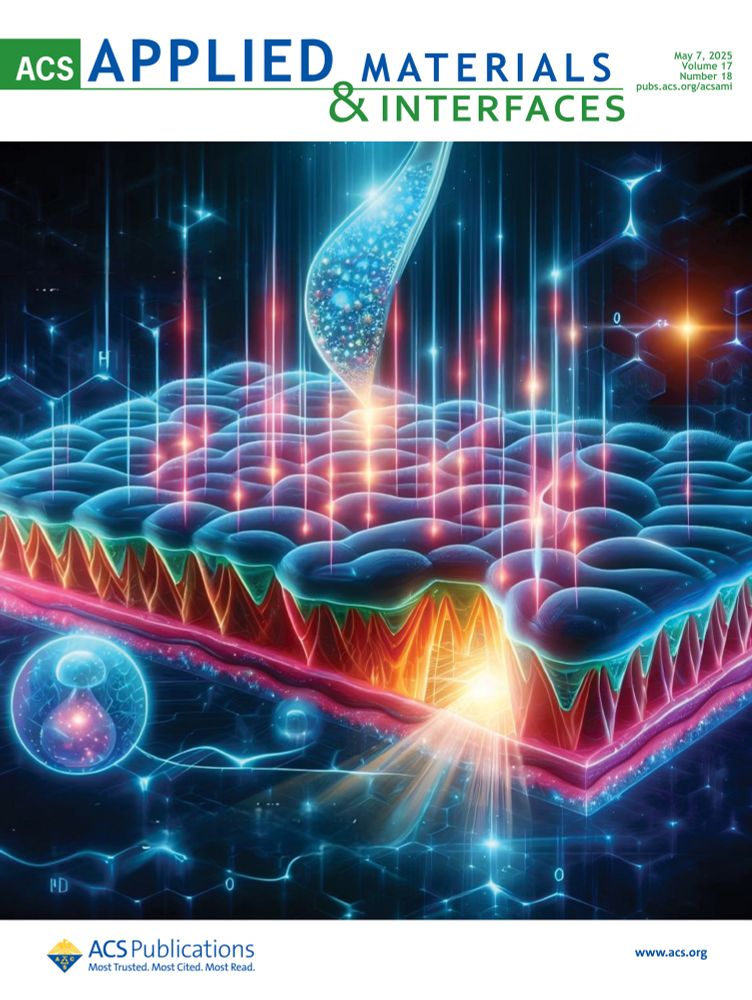
The latest issue of ACS Applied Materials & Interfaces (@ACS_AMI) is live! On the cover: “#Quality by #Design-Guided Development of #Hydrogel-Forming #Microneedlesfor Transdermal #Delivery of Enfuvirtide”
May 8, 2025 at 2:18 PM
The latest issue of ACS Applied Materials & Interfaces (@ACS_AMI) is live! On the cover: “#Quality by #Design-Guided Development of #Hydrogel-Forming #Microneedlesfor Transdermal #Delivery of Enfuvirtide”
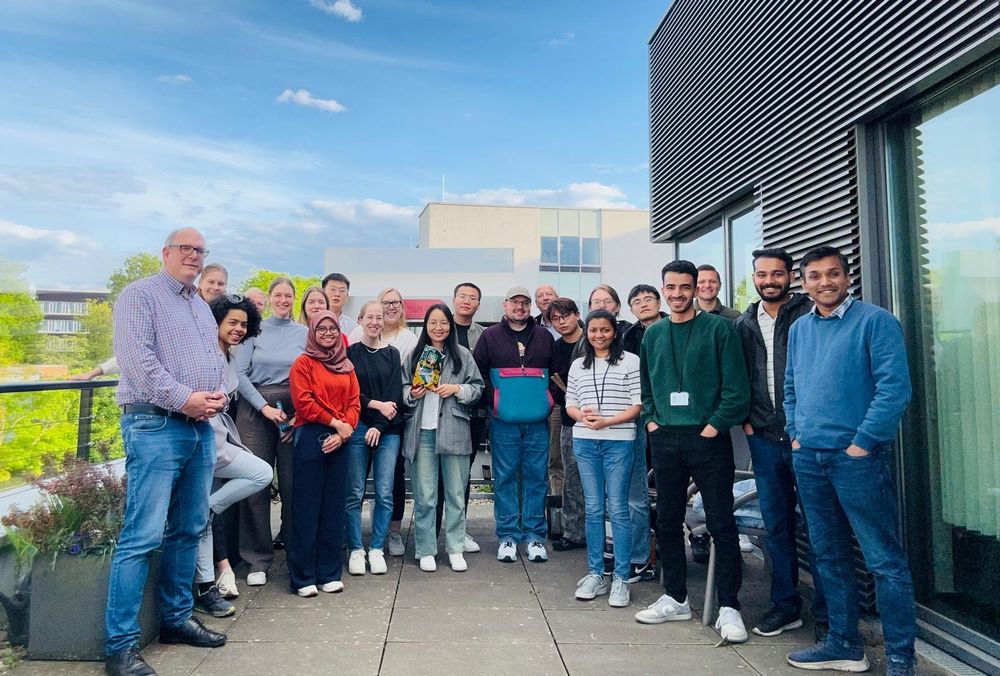
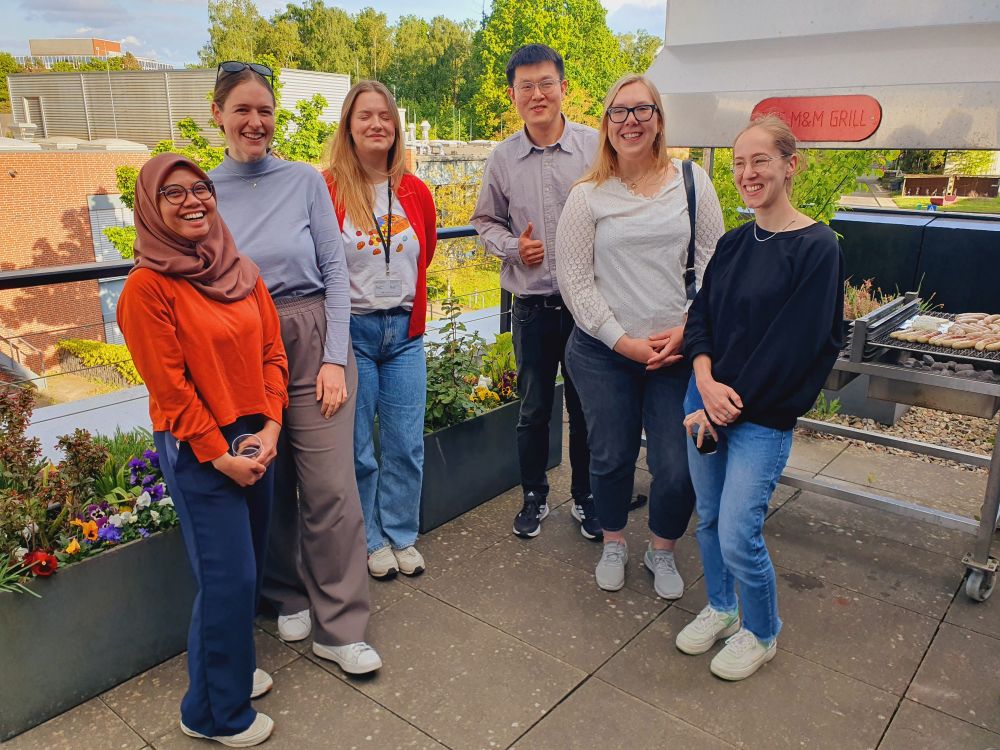
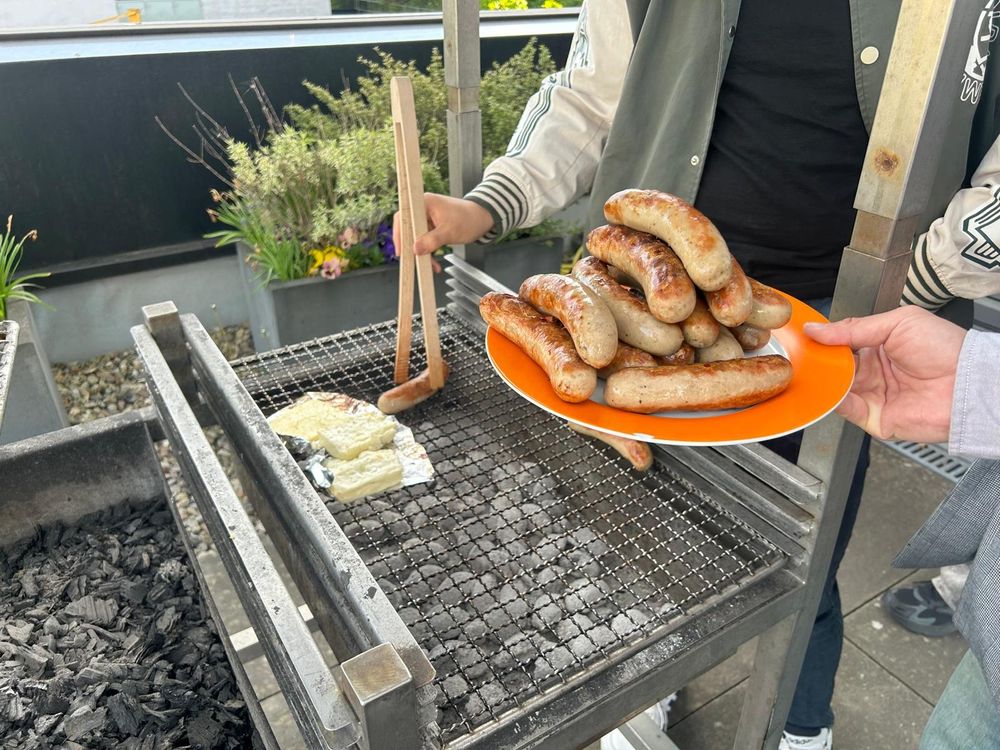
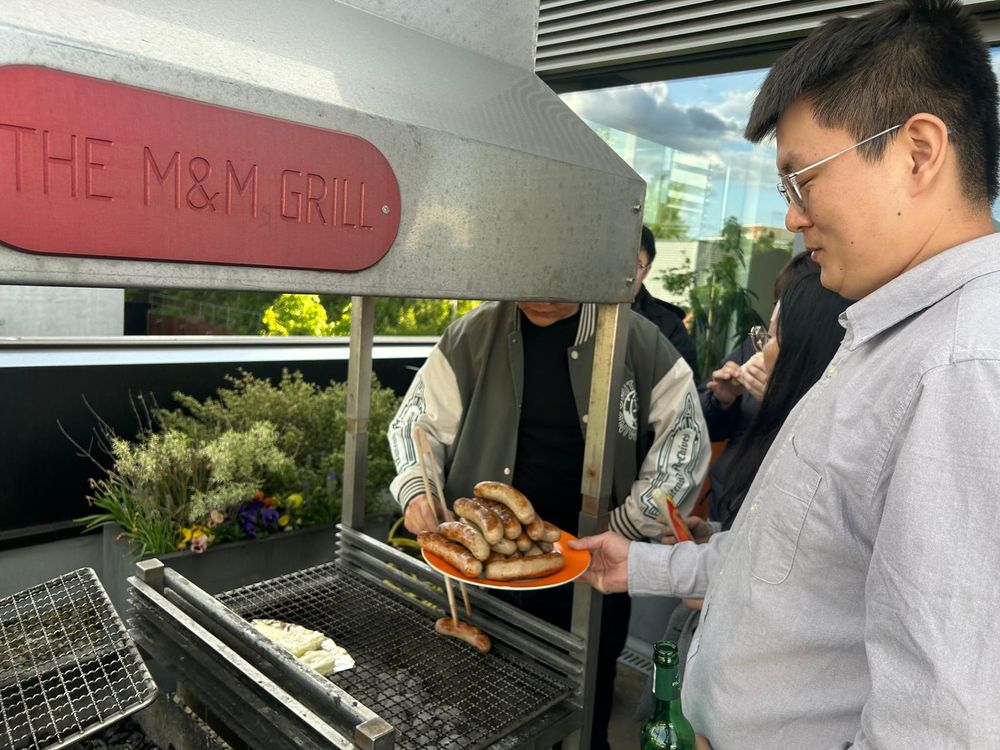
Fantastic BBQ at DESY roof top during KTH course "Synchrotron Characterization Methods in Fibre and Polymer Technology - Practice". Happy faces and good meal for KTH students, members of sustainable materials group FS-SMA, KTH/FS-SMA/TUM team at P03, and P03 staff!
May 9, 2025 at 4:03 PM
Fantastic BBQ at DESY roof top during KTH course "Synchrotron Characterization Methods in Fibre and Polymer Technology - Practice". Happy faces and good meal for KTH students, members of sustainable materials group FS-SMA, KTH/FS-SMA/TUM team at P03, and P03 staff!
Reposted
Julian E. Heger et al. in JACS Au: "Tuning the #Morphology of #Spray-Coated #Biohybrid #Beta-#lactoglobulin: #TiBALDh Films with #pH for Water-Based and #Nanostructured #Titania":
JACS Au 2025, 5, 4, 1894–1902
doi.org/10.1021/jacs...
JACS Au 2025, 5, 4, 1894–1902
doi.org/10.1021/jacs...
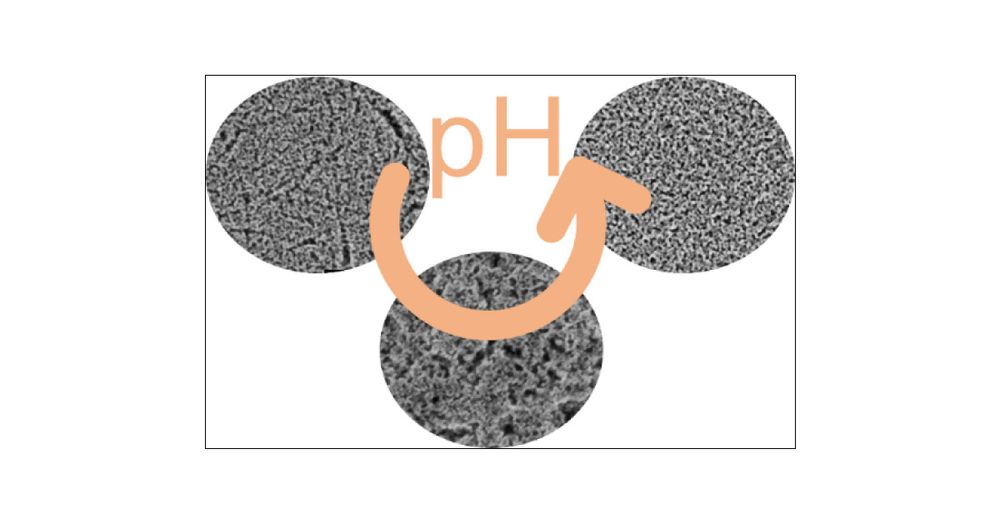
Tuning the Morphology of Spray-Coated Biohybrid Beta-lactoglobulin:TiBALDh Films with pH for Water-Based and Nanostructured Titania
The whey protein beta-lactoglobulin (β-lg) is used as a biotemplate for the water-based synthesis of nanostructured and foam-like titania films based on its variation in supramolecular structure when denatured at different pH values. Acting as a matrix, β-lg is mixed with the water-soluble titania precursor Ti(IV) bis(ammonium lactate)dihydroxide (TiBALDh) to promote biotemplated titania precipitation. Since TiBALDh is in chemical equilibrium with anatase titania nanoparticles and Ti(IV)-lactate complexes, and this equilibrium shifts with varying pH, the influence of the pH value on the final film morphology becomes essential. This work investigates this influence for three pH values: pH 7, pH 5, i.e., close to the isoelectric point of β-lg, and pH 2. Spray coating, a method of industrial relevance, is used to fabricate biohybrid β-lg:TiBALDh foam-like films. The obtained films are calcined to combust biotemplate β-lg and achieve nanostructured titania films. To understand the influence of pH on the film morphology, grazing-incidence small-angle and wide-angle X-ray scattering (GISAXS/GIWAXS) and grazing-incidence small-angle neutron scattering (GISANS), in combination with scanning electron microscopy (SEM), are applied to both the biohybrid and biotemplated titania films. With these techniques, information about domain sizes, porosity, and crystal structure is obtained with high statistical significance. Fourier-transform infrared spectroscopy (FTIR) probes the interaction of TiBALDh and β-lg on the molecular level as a function of pH. The results underline pH as a suitable tool for tuning the morphology in biotemplated titania films.
doi.org
May 6, 2025 at 10:54 AM
Julian E. Heger et al. in JACS Au: "Tuning the #Morphology of #Spray-Coated #Biohybrid #Beta-#lactoglobulin: #TiBALDh Films with #pH for Water-Based and #Nanostructured #Titania":
JACS Au 2025, 5, 4, 1894–1902
doi.org/10.1021/jacs...
JACS Au 2025, 5, 4, 1894–1902
doi.org/10.1021/jacs...
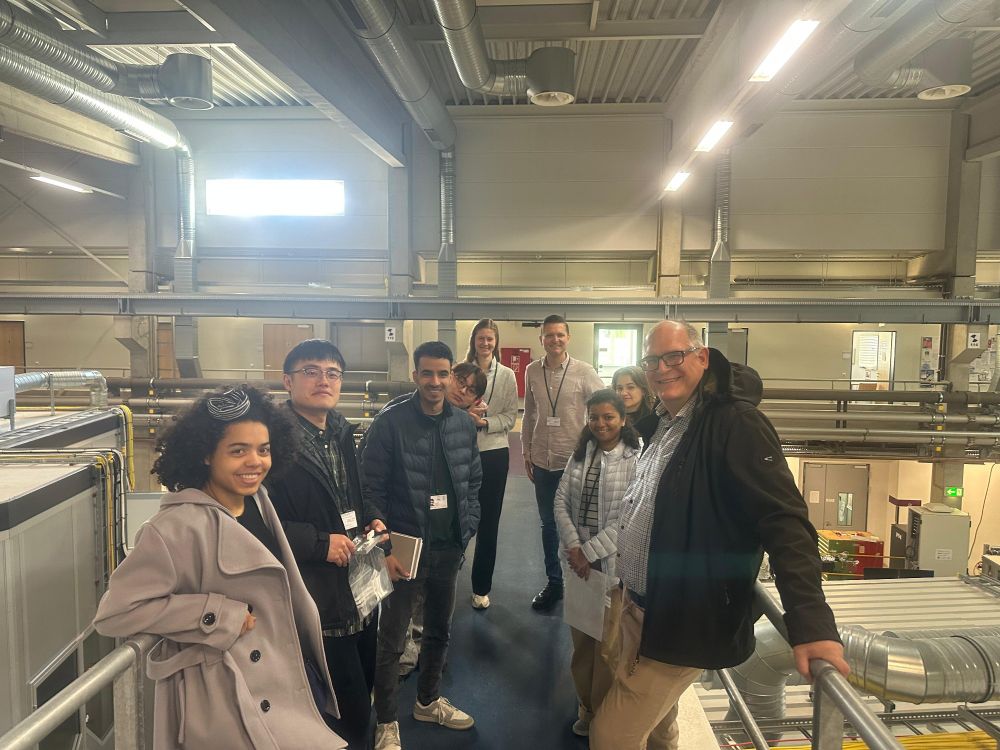
KTH course "Synchrotron Characterization Methods in Fibre and Polymer Technology - Practice" has started - welcome to the PhD students from Sweden at DESY and PETRA III for an exciting full week of SAXS, WAXS, GISAXS and GIWAXS practical studies and data analysis!
May 6, 2025 at 7:31 PM
KTH course "Synchrotron Characterization Methods in Fibre and Polymer Technology - Practice" has started - welcome to the PhD students from Sweden at DESY and PETRA III for an exciting full week of SAXS, WAXS, GISAXS and GIWAXS practical studies and data analysis!
Reposted
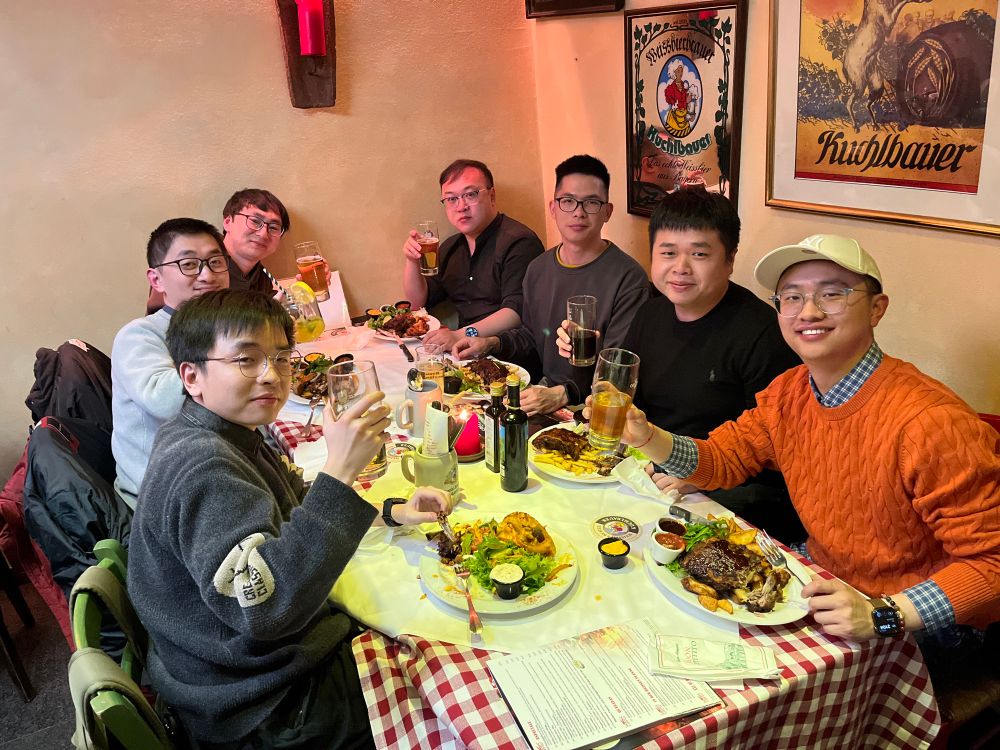
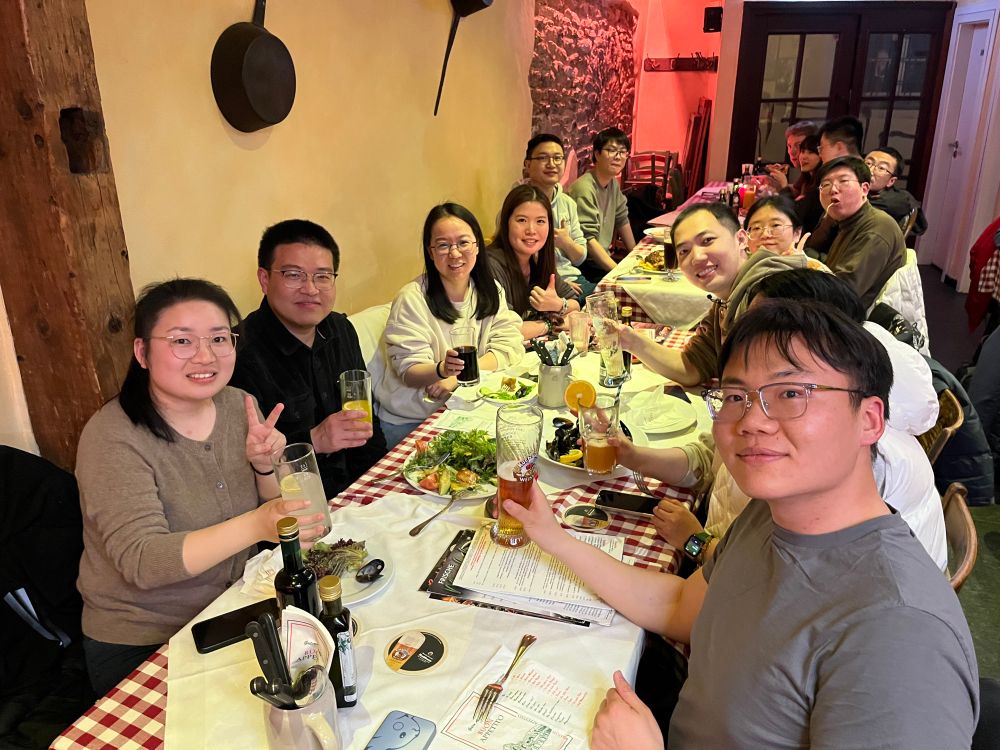
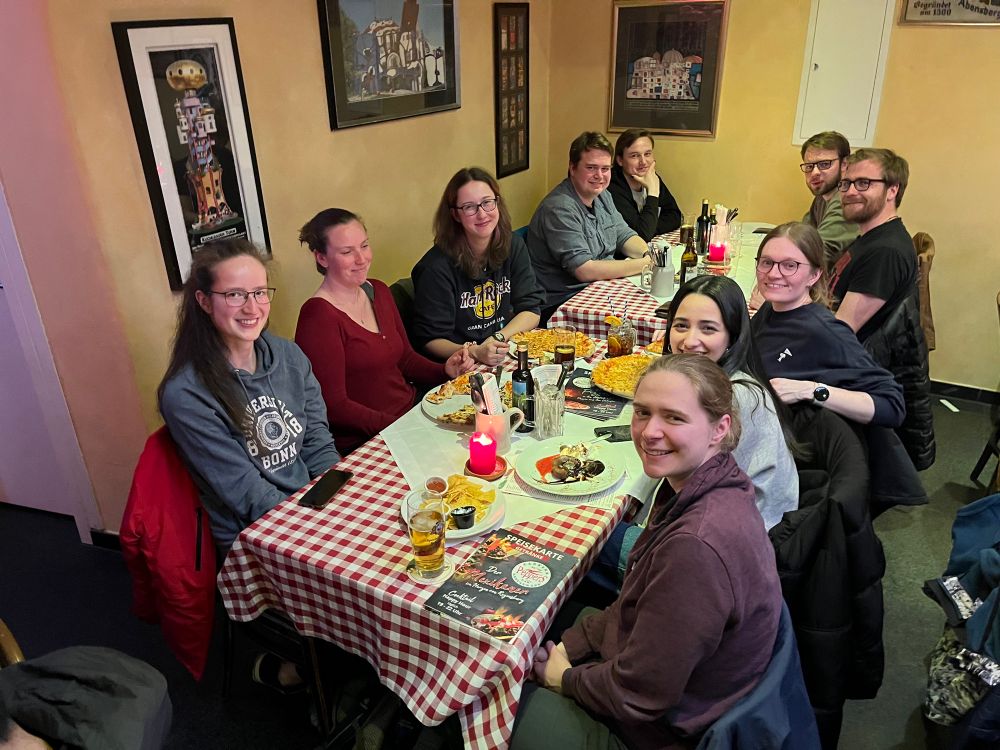
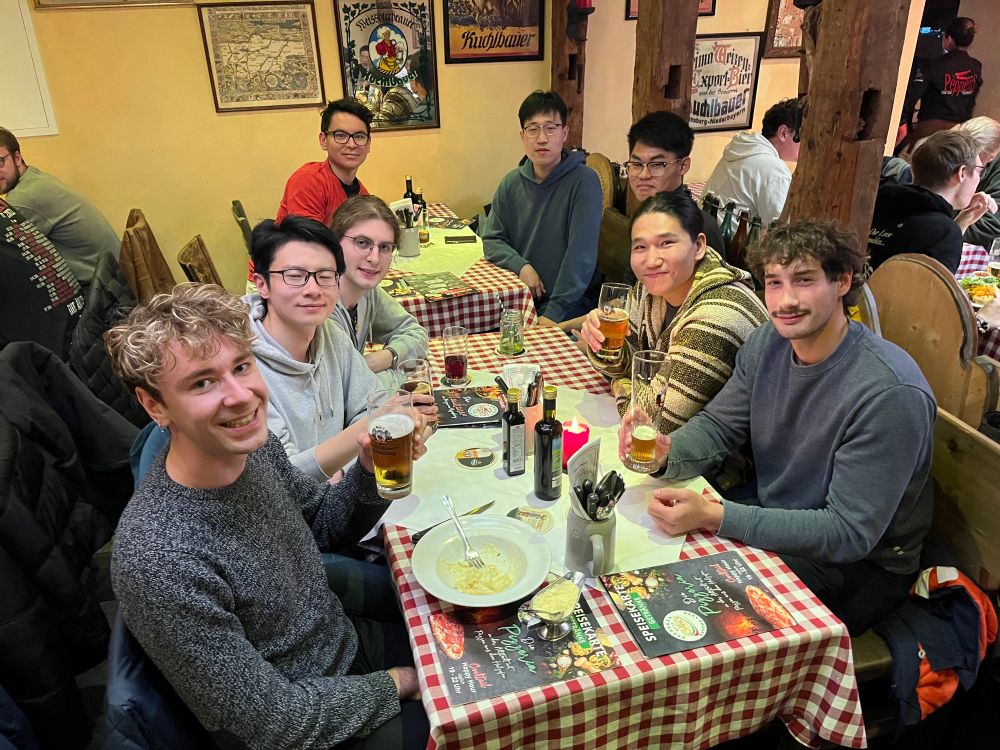
First Night dinner of the Munich and Hamburg group in #Regensburg during the #DPG Spring Meeting of #SKM - digesting the input from the conference
March 17, 2025 at 9:19 PM
First Night dinner of the Munich and Hamburg group in #Regensburg during the #DPG Spring Meeting of #SKM - digesting the input from the conference
Reposted
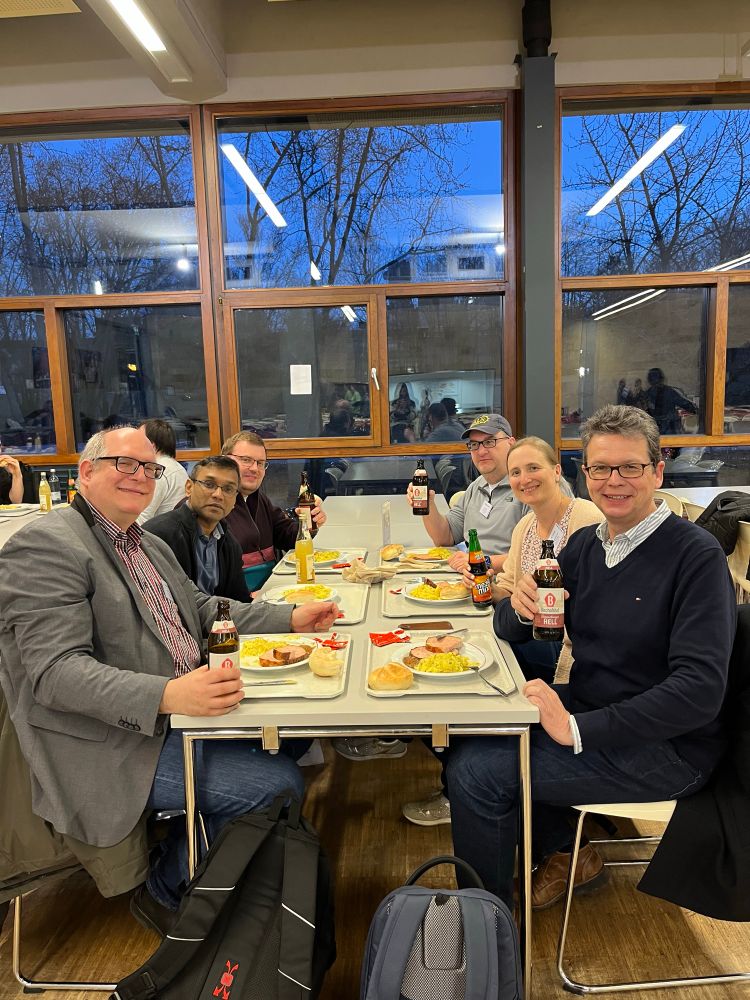
Bavarian welcome dinner in #Regensburg during the #DPG Spring Meeting of #SKM: Meeting Eva Herzig, Alexander Hexemer, Stephan Roth, Sarathlal Koyiloth Vayali and Benedikt Sochor having a joyful time
March 17, 2025 at 8:17 AM
Bavarian welcome dinner in #Regensburg during the #DPG Spring Meeting of #SKM: Meeting Eva Herzig, Alexander Hexemer, Stephan Roth, Sarathlal Koyiloth Vayali and Benedikt Sochor having a joyful time