


Manu TooManySecrets
@sotomonte.net
FreeBSD Since 4.1
Linux since 1993
Powershell, Dotnet, C, Shell Scripting, WSL, kernel, UNIX, BSD, Windows, Linux, openSUSE
Learning again, and again, and again...
Naturalist aficionado
Mastodon @toomanysecrets@mastodon.social
Linux since 1993
Powershell, Dotnet, C, Shell Scripting, WSL, kernel, UNIX, BSD, Windows, Linux, openSUSE
Learning again, and again, and again...
Naturalist aficionado
Mastodon @toomanysecrets@mastodon.social
The 1040ST was the first mass-market computer to include one megabyte of RAM, a 16/32-bit Motorola 68000 CPU, and a graphical interface derived from Digital Research’s GEM, which provided a windowed.

October 8, 2025 at 12:56 PM
The 1040ST was the first mass-market computer to include one megabyte of RAM, a 16/32-bit Motorola 68000 CPU, and a graphical interface derived from Digital Research’s GEM, which provided a windowed.

Xerox Star was the first personal computer to feature a GUI, desktop icons, and a mouse. David Smith, one of the principal designers, wrote: “Every user’s initial view of the Star is the Desktop, which resembles the top of an office desk, together with surrounding furniture.” @unix-byte.bsky.social


October 4, 2025 at 11:37 AM
Xerox Star was the first personal computer to feature a GUI, desktop icons, and a mouse. David Smith, one of the principal designers, wrote: “Every user’s initial view of the Star is the Desktop, which resembles the top of an office desk, together with surrounding furniture.” @unix-byte.bsky.social
In the 1980s, during the Cold War, US restricted computer exports to the Soviet Union. The Soviets nevertheless cloned VAX/VMS. In response, DEC etched onto the #VAX chip in Russian: "VAX... when you care enough to steal the very best" Via @unix-byte.bsky.social


October 3, 2025 at 11:30 PM
In the 1980s, during the Cold War, US restricted computer exports to the Soviet Union. The Soviets nevertheless cloned VAX/VMS. In response, DEC etched onto the #VAX chip in Russian: "VAX... when you care enough to steal the very best" Via @unix-byte.bsky.social
Layers was AT&T’s proprietary windowing system, shipped with the #UNIX PC (PC 7300), predating the widespread adoption of X11. Layers acted like a graphical multiplexer—a distant ancestor of tmux or screen—but ran directly on a bitmap display with rudimentary window management. Via @unix-byte.bsky.

October 2, 2025 at 6:12 PM
Layers was AT&T’s proprietary windowing system, shipped with the #UNIX PC (PC 7300), predating the widespread adoption of X11. Layers acted like a graphical multiplexer—a distant ancestor of tmux or screen—but ran directly on a bitmap display with rudimentary window management. Via @unix-byte.bsky.
In 1985, AT&T introduced the #UNIX PC (known as the PC 7300). It featured a Motorola 68010 CPU running at 10 MHz and ran UNIX System V. Its built-in monochrome green monitor had a resolution of 720×348. The system sold for $5,500 ($16,500 in today’s dollars) Via @unix-byte.bsky.social


October 2, 2025 at 6:10 PM
In 1985, AT&T introduced the #UNIX PC (known as the PC 7300). It featured a Motorola 68010 CPU running at 10 MHz and ran UNIX System V. Its built-in monochrome green monitor had a resolution of 720×348. The system sold for $5,500 ($16,500 in today’s dollars) Via @unix-byte.bsky.social
"Unix was a very small.So it was very beneficial to a lot of people, especially at universities, because it was very hard to teach computing from an IBM end-user point of view. That was the origin of the so-called #Unix culture." Ken Thompson, 1999 IEEE Computer interview
Via @unix-byte.bsky.social
Via @unix-byte.bsky.social

October 1, 2025 at 10:30 AM
"Unix was a very small.So it was very beneficial to a lot of people, especially at universities, because it was very hard to teach computing from an IBM end-user point of view. That was the origin of the so-called #Unix culture." Ken Thompson, 1999 IEEE Computer interview
Via @unix-byte.bsky.social
Via @unix-byte.bsky.social
One of the first reviews of #Linux appeared in BYTE from Sep 1994. It was a Linux distribution packaged and sold by Fintronic USA
Via @unix-byte.bsky.social
Via @unix-byte.bsky.social


September 26, 2025 at 5:18 AM
One of the first reviews of #Linux appeared in BYTE from Sep 1994. It was a Linux distribution packaged and sold by Fintronic USA
Via @unix-byte.bsky.social
Via @unix-byte.bsky.social
Before BYTE became the go-to magazine for computer enthusiasts, there was Creative Computing. Published from 1974 to 1985, it was one of the first popular magazines dedicated to computer hobbyists.
Via @unix-byte.bsky.social
Via @unix-byte.bsky.social


September 24, 2025 at 12:27 PM
Before BYTE became the go-to magazine for computer enthusiasts, there was Creative Computing. Published from 1974 to 1985, it was one of the first popular magazines dedicated to computer hobbyists.
Via @unix-byte.bsky.social
Via @unix-byte.bsky.social
BYTE, in November 1984, reviewed the Agat computer (АГАТ КОМПЬЮТЕР)—Russia's first microcomputer—in unflattering terms. Nevertheless, for many years the Agat remained a popular computer in Soviet schools. Image by Sergei Frolov, leningrad.su/museum/
Via @unix-byte.bsky.social
Via @unix-byte.bsky.social


September 18, 2025 at 12:56 PM
BYTE, in November 1984, reviewed the Agat computer (АГАТ КОМПЬЮТЕР)—Russia's first microcomputer—in unflattering terms. Nevertheless, for many years the Agat remained a popular computer in Soviet schools. Image by Sergei Frolov, leningrad.su/museum/
Via @unix-byte.bsky.social
Via @unix-byte.bsky.social
"People think of Bill Joy as this software guy, but he is also a great chip designer [...] he was in my office every day with a new idea. They were brilliant ideas [...] Finally I had to say, Bill leave me alone" Anant Agrawal, the lead designer of #SPARC chip
#UNIX #BSD Via @unix-byte.bsky.social
#UNIX #BSD Via @unix-byte.bsky.social


September 15, 2025 at 7:32 PM
"People think of Bill Joy as this software guy, but he is also a great chip designer [...] he was in my office every day with a new idea. They were brilliant ideas [...] Finally I had to say, Bill leave me alone" Anant Agrawal, the lead designer of #SPARC chip
#UNIX #BSD Via @unix-byte.bsky.social
#UNIX #BSD Via @unix-byte.bsky.social
UNIX/WORLD from 1984: #Unix is great not only because it implements elegant concepts, but because it is portable and available in source [...] it is modifiable- it can become anything you want it to be. But if it becomes "standard", will it still be Unix?
Via @unix-byte.bsky.social
Via @unix-byte.bsky.social


September 13, 2025 at 8:30 AM
UNIX/WORLD from 1984: #Unix is great not only because it implements elegant concepts, but because it is portable and available in source [...] it is modifiable- it can become anything you want it to be. But if it becomes "standard", will it still be Unix?
Via @unix-byte.bsky.social
Via @unix-byte.bsky.social
"Thompson decided that #Unix—possibly it had not even been named yet—needed a system programming language. After a rapidly scuttled attempt at Fortran, he created instead a language of his own, which he called B. B can be thought of as C without types;" Dennis Ritchie, 1993
V @unix-byte.bsky.social
V @unix-byte.bsky.social

September 1, 2025 at 12:22 PM
"Thompson decided that #Unix—possibly it had not even been named yet—needed a system programming language. After a rapidly scuttled attempt at Fortran, he created instead a language of his own, which he called B. B can be thought of as C without types;" Dennis Ritchie, 1993
V @unix-byte.bsky.social
V @unix-byte.bsky.social
In August 1988, BYTE featured an article by Brian Kernighan and Dennis Ritchie on the state of #C, followed by Bjarne Stroustrup’s article “A Better C?”, introducing #Cplusplus
Via @unix-byte.bsky.social
Via @unix-byte.bsky.social


August 18, 2025 at 4:01 PM
In August 1988, BYTE featured an article by Brian Kernighan and Dennis Ritchie on the state of #C, followed by Bjarne Stroustrup’s article “A Better C?”, introducing #Cplusplus
Via @unix-byte.bsky.social
Via @unix-byte.bsky.social
Flame wars from 1982: "I have never even seen an advertisement for a programmer with #Unix or #C experience"
Via @unix-byte.bsky.social
Via @unix-byte.bsky.social

August 17, 2025 at 2:43 PM
Flame wars from 1982: "I have never even seen an advertisement for a programmer with #Unix or #C experience"
Via @unix-byte.bsky.social
Via @unix-byte.bsky.social
In 2002, #Microsoft Platforms co-president Jim Allchin wrote that the company was “not on a path to win against Linux” and urged that the #Windows marketing team, led by Bill Veghte, receive additional resources and conduct a detailed public teardown of #Linux.
Via @unix-byte.bsky.social
Via @unix-byte.bsky.social

August 15, 2025 at 9:01 AM
In 2002, #Microsoft Platforms co-president Jim Allchin wrote that the company was “not on a path to win against Linux” and urged that the #Windows marketing team, led by Bill Veghte, receive additional resources and conduct a detailed public teardown of #Linux.
Via @unix-byte.bsky.social
Via @unix-byte.bsky.social
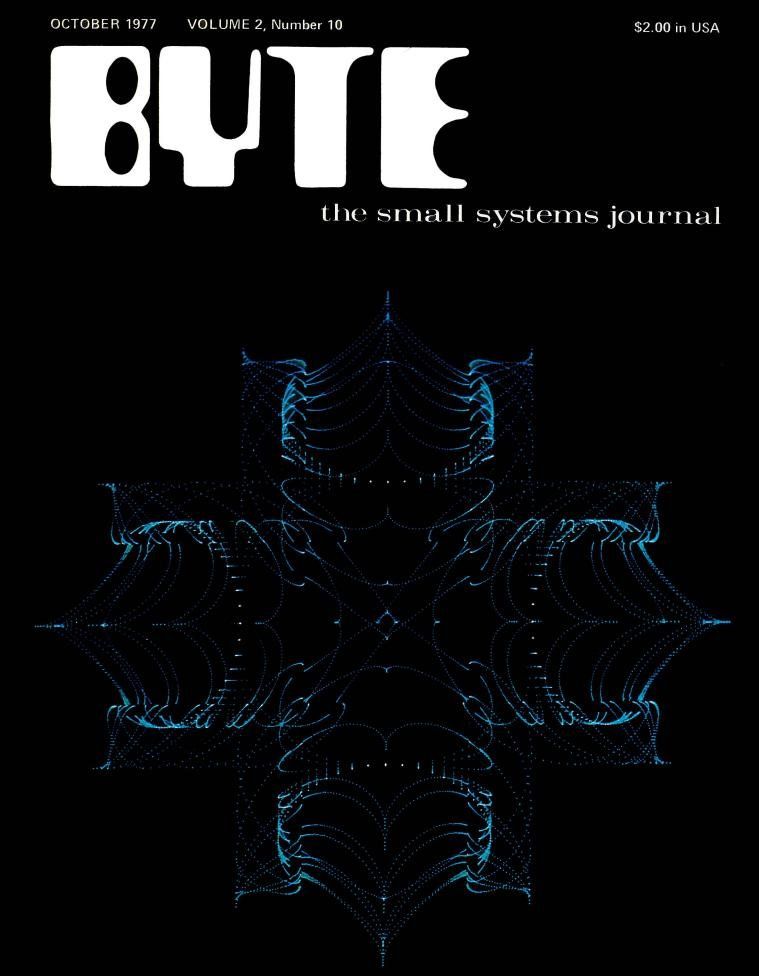
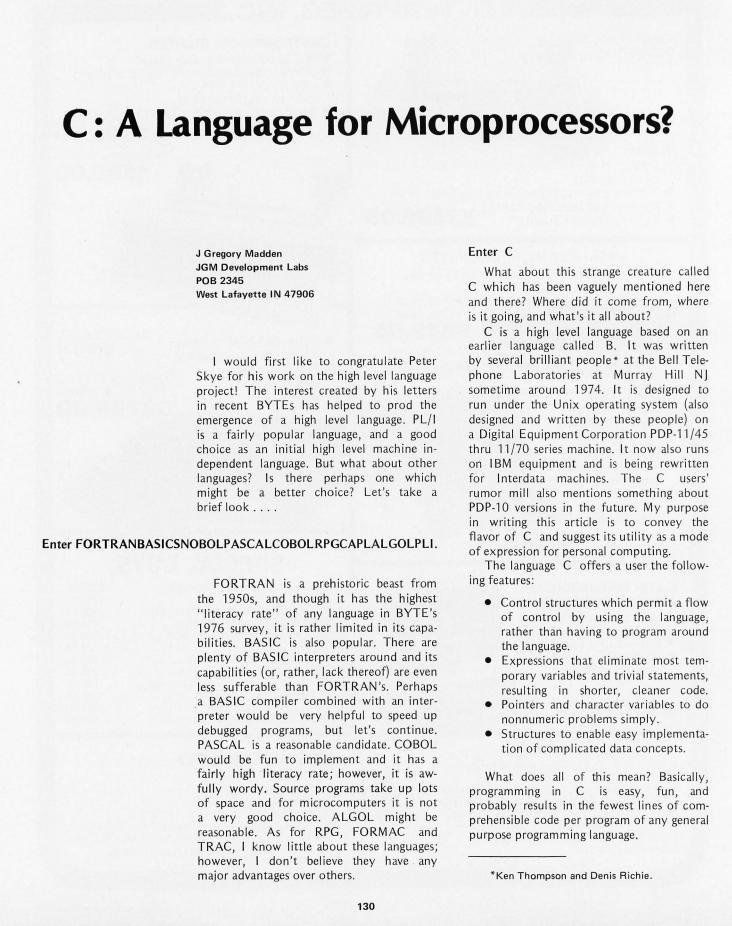
"C is a high level language based on an earlier language called B...It is designed to run under the Unix operating system (also designed and written by these people)" BYTE from Oct 1977 introduced readers to the C programming language
#Clang
Via @unix-byte.bsky.social
#Clang
Via @unix-byte.bsky.social
August 3, 2025 at 1:02 PM
"C is a high level language based on an earlier language called B...It is designed to run under the Unix operating system (also designed and written by these people)" BYTE from Oct 1977 introduced readers to the C programming language
#Clang
Via @unix-byte.bsky.social
#Clang
Via @unix-byte.bsky.social
John Lions announced his now-famous commentary on #UNIX in Unix News from March 1977. Lions' work provided a line-by-line explanation of the Sixth Edition kernel source code, widely considered a masterclass in UNIX kernel internals
Via unix_byte
Via unix_byte

July 25, 2025 at 1:04 PM
John Lions announced his now-famous commentary on #UNIX in Unix News from March 1977. Lions' work provided a line-by-line explanation of the Sixth Edition kernel source code, widely considered a masterclass in UNIX kernel internals
Via unix_byte
Via unix_byte


33 años después, vuelvo a tener una #Microhobby en las manos, la nº 218.
Puntazo increíble: la editorial la firma Amalio Gómez, el mismo que la despidió en el nº 217.
Y la portada es un homenaje precioso a Ponce y al primer número. Pura emoción.
#lagrimas #Retro #8bits #ZXSpectrum
Puntazo increíble: la editorial la firma Amalio Gómez, el mismo que la despidió en el nº 217.
Y la portada es un homenaje precioso a Ponce y al primer número. Pura emoción.
#lagrimas #Retro #8bits #ZXSpectrum


July 23, 2025 at 9:30 AM
33 años después, vuelvo a tener una #Microhobby en las manos, la nº 218.
Puntazo increíble: la editorial la firma Amalio Gómez, el mismo que la despidió en el nº 217.
Y la portada es un homenaje precioso a Ponce y al primer número. Pura emoción.
#lagrimas #Retro #8bits #ZXSpectrum
Puntazo increíble: la editorial la firma Amalio Gómez, el mismo que la despidió en el nº 217.
Y la portada es un homenaje precioso a Ponce y al primer número. Pura emoción.
#lagrimas #Retro #8bits #ZXSpectrum
Plan 9 was developed at Bell Labs in the late 1980s. It was brilliant but alien: its design centred on a mouse-first workflow, which felt unnatural to #Unix users. Despite elegant ideas like a unified namespace and the 9P protocol, #Plan9 broke too far from Unix conventions
Via @unix_byte
Via @unix_byte

July 16, 2025 at 2:44 PM


The only known port of Microsoft Word to a System V–style #Unix was announced in 1990 by #SCO. It saw little adoption and was quietly discontinued by 1991–1992, likely due to challenges in maintaining compatibility with the rapidly evolving Windows version of Word
#MSWORD
Via unix_byte
#MSWORD
Via unix_byte


June 28, 2025 at 12:26 PM