



Sophie Berdugo
@sophieberdugo.bsky.social
Staff Writer at Live Science with words in New Scientist, the Observer, BBC Wildlife, and Live Science. Finalist for the ABSW's 2025 "Newcomer of the Year" award. DPhil on chimp learning and tool use.
https://www.clippings.me/sophieberdugo
https://www.clippings.me/sophieberdugo
Reposted by Sophie Berdugo

More than 60 ancient tools found in France and Spain have been identified as whale bone, and the evidence shows that people made tools from this material a thousand years earlier than previously thought
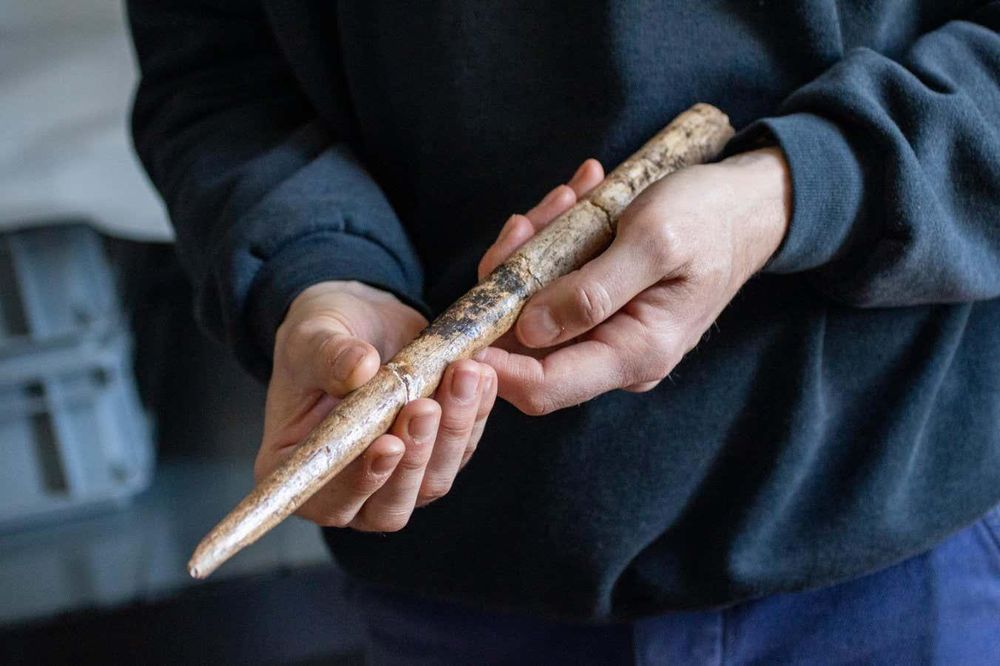
Humans were crafting tools from whale bones 20,000 years ago
More than 60 ancient tools found in France and Spain have been identified as whale bone, and the evidence shows that people made tools from this material a thousand years earlier than previously thought
www.newscientist.com
May 27, 2025 at 5:28 PM
More than 60 ancient tools found in France and Spain have been identified as whale bone, and the evidence shows that people made tools from this material a thousand years earlier than previously thought
Reposted by Sophie Berdugo

🆕Newcomer of the Year
#ABSWawards #finalists
Thanks to @abpi.bsky.social
👉 @sophieberdugo.bsky.social
@newscientist.com
🔗zurl.co/DLH8A
👉 @maevecullinan.bsky.social @dailytelegraphnews.bsky.social
🔗zurl.co/nwFDL
👉 @francesjones.bsky.social Research Professional News
🔗 zurl.co/gqWWJ
zurl.co/gWdMb
#ABSWawards #finalists
Thanks to @abpi.bsky.social
👉 @sophieberdugo.bsky.social
@newscientist.com
🔗zurl.co/DLH8A
👉 @maevecullinan.bsky.social @dailytelegraphnews.bsky.social
🔗zurl.co/nwFDL
👉 @francesjones.bsky.social Research Professional News
🔗 zurl.co/gqWWJ
zurl.co/gWdMb
May 23, 2025 at 8:00 AM
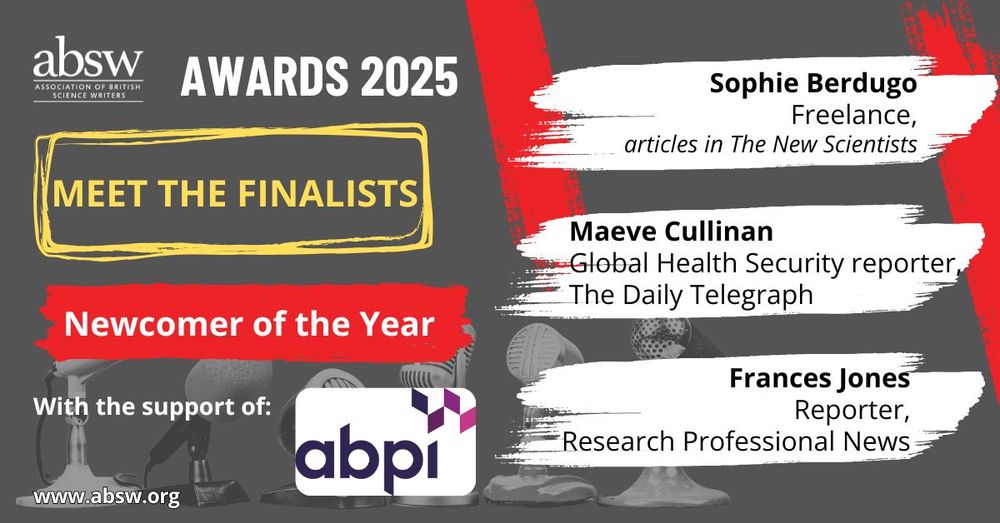
🆕Newcomer of the Year
#ABSWawards #finalists
Thanks to @abpi.bsky.social
👉 @sophieberdugo.bsky.social
@newscientist.com
🔗zurl.co/DLH8A
👉 @maevecullinan.bsky.social @dailytelegraphnews.bsky.social
🔗zurl.co/nwFDL
👉 @francesjones.bsky.social Research Professional News
🔗 zurl.co/gqWWJ
zurl.co/gWdMb
#ABSWawards #finalists
Thanks to @abpi.bsky.social
👉 @sophieberdugo.bsky.social
@newscientist.com
🔗zurl.co/DLH8A
👉 @maevecullinan.bsky.social @dailytelegraphnews.bsky.social
🔗zurl.co/nwFDL
👉 @francesjones.bsky.social Research Professional News
🔗 zurl.co/gqWWJ
zurl.co/gWdMb
Wow - absolutely thrilled to be a finalist for the ABSW's "Newcomer of the Year" award!
And a huge congrats to my fellow finalists @francesjones.bsky.social and @maevecullinan.bsky.social - it's amazing to be in such great company!
And a huge congrats to my fellow finalists @francesjones.bsky.social and @maevecullinan.bsky.social - it's amazing to be in such great company!
#ABSWawards
The moment you've been waiting for...
👇 Stay tuned!
📅 Monday at noon
www.absw.org.uk/pages/18-awa...
The moment you've been waiting for...
👇 Stay tuned!
📅 Monday at noon
www.absw.org.uk/pages/18-awa...

May 20, 2025 at 5:48 PM
Wow - absolutely thrilled to be a finalist for the ABSW's "Newcomer of the Year" award!
And a huge congrats to my fellow finalists @francesjones.bsky.social and @maevecullinan.bsky.social - it's amazing to be in such great company!
And a huge congrats to my fellow finalists @francesjones.bsky.social and @maevecullinan.bsky.social - it's amazing to be in such great company!
Reposted by Sophie Berdugo
The way bonobos combine vocal sounds to create new meanings suggests the evolutionary building blocks of human language are shared with our closest relatives
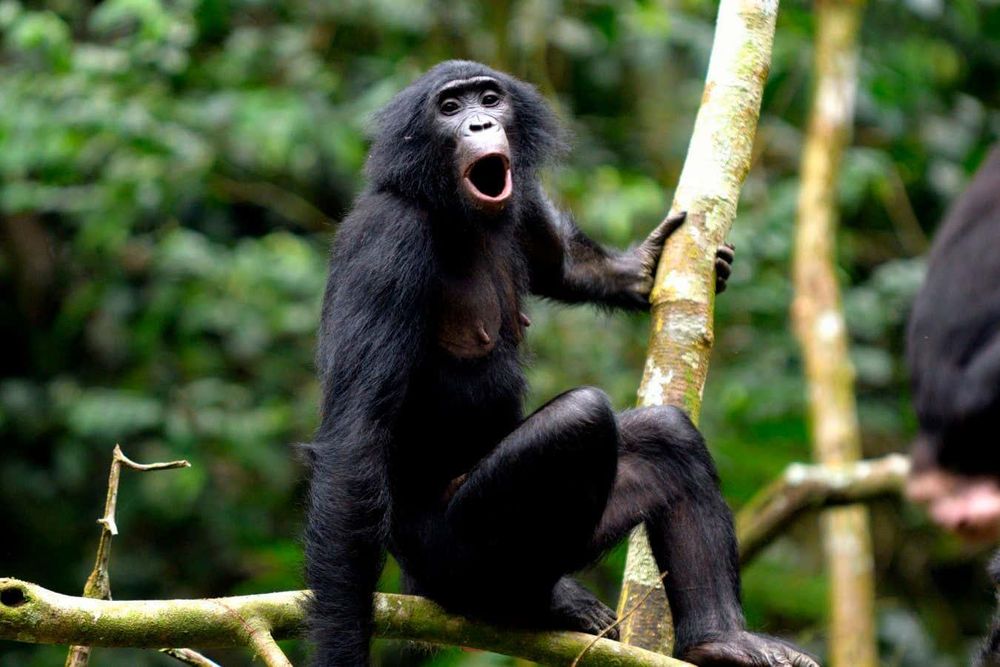
Bonobos use a kind of syntax once thought to be unique to humans
The way bonobos combine vocal sounds to create new meanings suggests the evolutionary building blocks of human language are shared with our closest relatives
www.newscientist.com
April 3, 2025 at 10:33 PM
The way bonobos combine vocal sounds to create new meanings suggests the evolutionary building blocks of human language are shared with our closest relatives
Reposted by Sophie Berdugo
#MonthlyShowcase
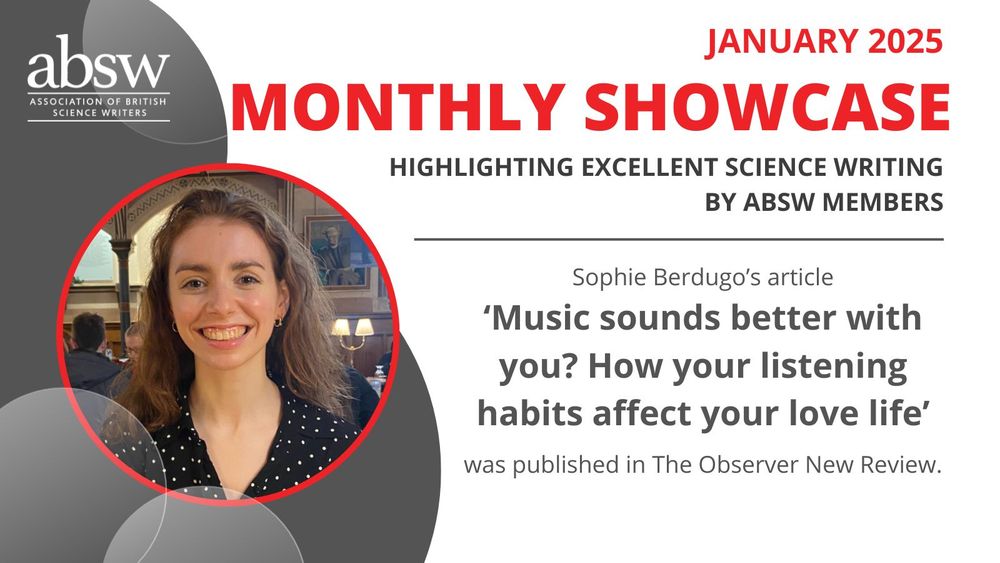
Sophie Berdugo's article 'Music sounds better with you? How your listening habits affect your love life' was selected as January 2025's showcase. The article was published in The Observer New Review.
🔗 zurl.co/D6rLO
@sophieberdugo.bsky.social @ObserverUK
Sophie Berdugo's article 'Music sounds better with you? How your listening habits affect your love life' was selected as January 2025's showcase. The article was published in The Observer New Review.
🔗 zurl.co/D6rLO
@sophieberdugo.bsky.social @ObserverUK
April 1, 2025 at 11:08 AM
#MonthlyShowcase
Sophie Berdugo's article 'Music sounds better with you? How your listening habits affect your love life' was selected as January 2025's showcase. The article was published in The Observer New Review.
🔗 zurl.co/D6rLO
@sophieberdugo.bsky.social @ObserverUK
Sophie Berdugo's article 'Music sounds better with you? How your listening habits affect your love life' was selected as January 2025's showcase. The article was published in The Observer New Review.
🔗 zurl.co/D6rLO
@sophieberdugo.bsky.social @ObserverUK
Reposted by Sophie Berdugo
Young black-and-white snub-nosed monkeys often want to hold other females’ infants, but mothers are more willing to pass their infant to an experienced caregiver
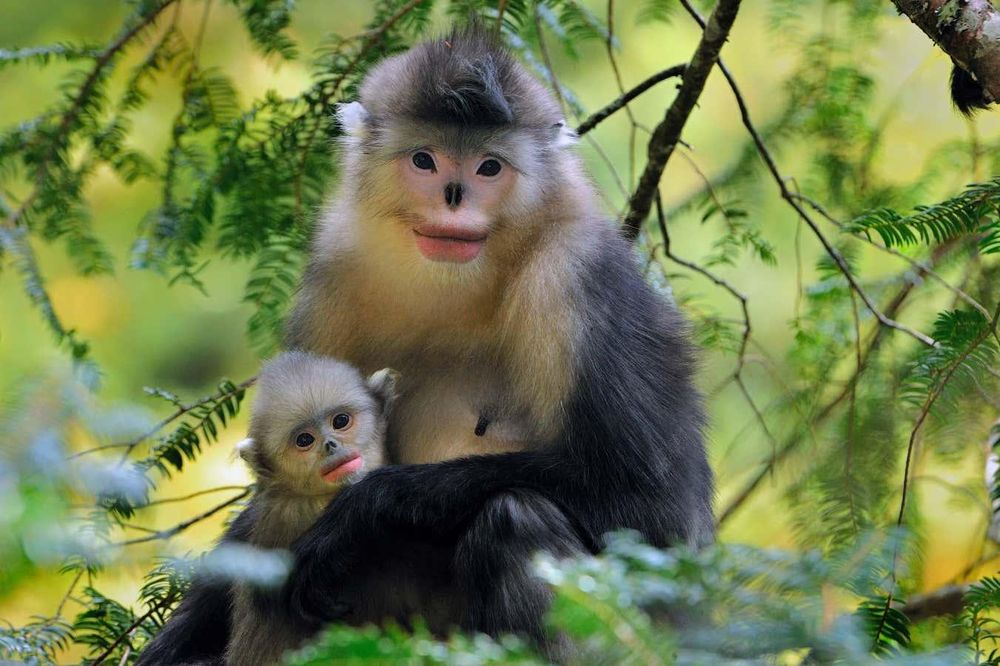
Monkeys choose babysitters based on who has more parenting experience
www.newscientist.com
March 20, 2025 at 7:38 PM
Young black-and-white snub-nosed monkeys often want to hold other females’ infants, but mothers are more willing to pass their infant to an experienced caregiver
Reposted by Sophie Berdugo
🌌America turns its back on science and the cosmos
🌳Photosynthesis problems with high [CO2]
🧠Mysterious memory illusion
www.youtube.com/watch?v=cz7u...
With: @pennysarchet.bsky.social, @jjaron.bsky.social, @tinymaddie.bsky.social, @sophieberdugo.bsky.social
🌳Photosynthesis problems with high [CO2]
🧠Mysterious memory illusion
www.youtube.com/watch?v=cz7u...
With: @pennysarchet.bsky.social, @jjaron.bsky.social, @tinymaddie.bsky.social, @sophieberdugo.bsky.social
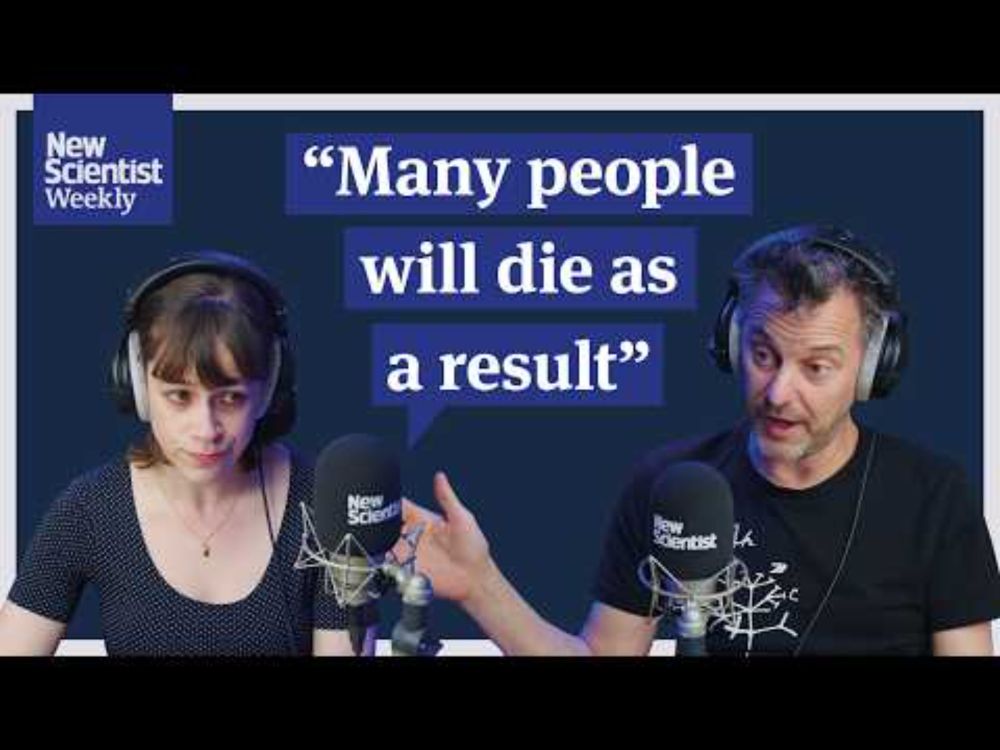
America is turning its back on science and the cosmos
YouTube video by New Scientist
www.youtube.com
March 14, 2025 at 5:01 PM
🌌America turns its back on science and the cosmos
🌳Photosynthesis problems with high [CO2]
🧠Mysterious memory illusion
www.youtube.com/watch?v=cz7u...
With: @pennysarchet.bsky.social, @jjaron.bsky.social, @tinymaddie.bsky.social, @sophieberdugo.bsky.social
🌳Photosynthesis problems with high [CO2]
🧠Mysterious memory illusion
www.youtube.com/watch?v=cz7u...
With: @pennysarchet.bsky.social, @jjaron.bsky.social, @tinymaddie.bsky.social, @sophieberdugo.bsky.social
Reposted by Sophie Berdugo
Chimps (aggro) and bonobos (hippies) aren't so behaviourally different as we think. On this week's podcast we hear from primatologists Jake Brooker, Katarina Almeida-Warren and @sophieberdugo.bsky.social. www.youtube.com/watch?v=jxrX...
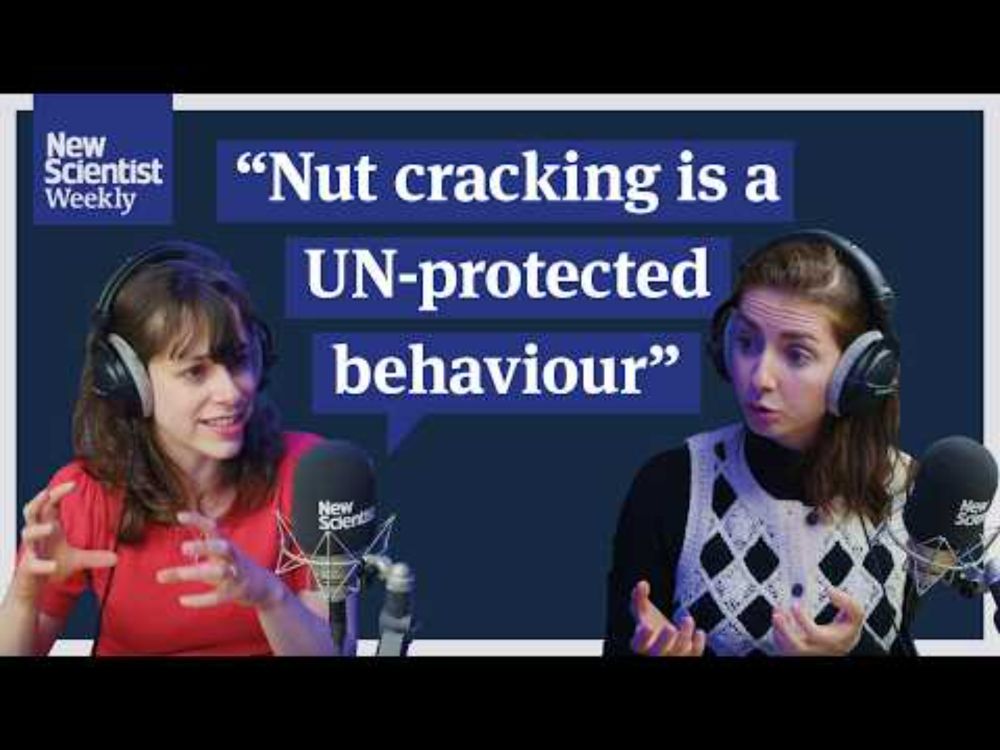
Chimps, bonobos and humans have more in common than you might think
YouTube video by New Scientist
www.youtube.com
March 8, 2025 at 8:57 AM
Chimps (aggro) and bonobos (hippies) aren't so behaviourally different as we think. On this week's podcast we hear from primatologists Jake Brooker, Katarina Almeida-Warren and @sophieberdugo.bsky.social. www.youtube.com/watch?v=jxrX...
Reposted by Sophie Berdugo
When you see red, how do you know someone else isn't seeing it as the colour you call green? A new way to measure our individual experience of colour suggests this long-standing philosophical question has an answer.
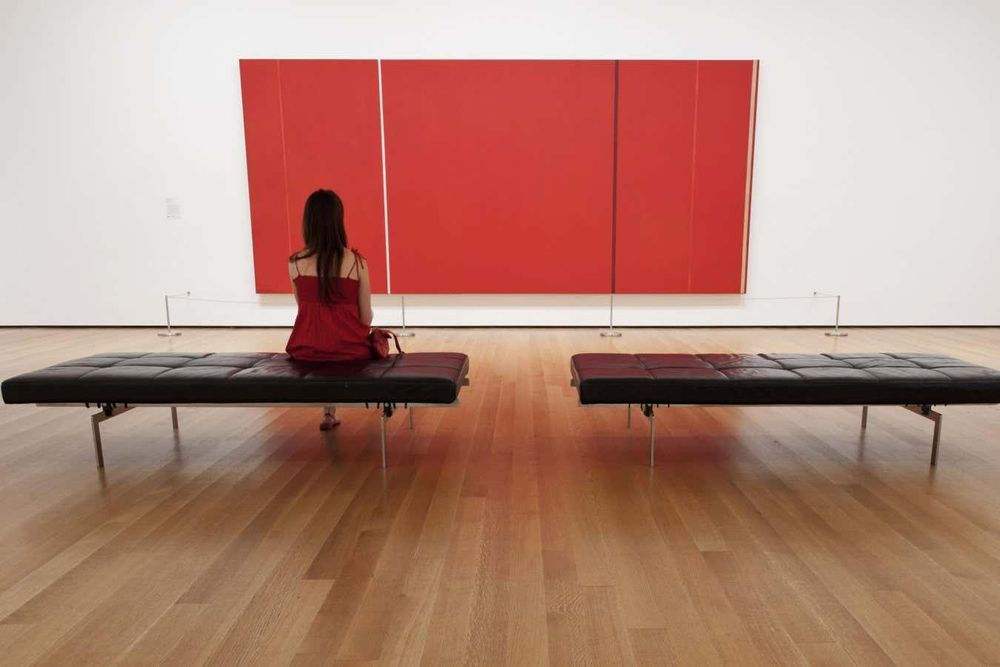
Do we all see red as the same colour? We finally have an answer
It is impossible for us to know exactly how another person's experience of the world compares to our own, but a new experiment is helping to reveal that colour is indeed a shared phenomenon
www.newscientist.com
March 6, 2025 at 3:46 PM
When you see red, how do you know someone else isn't seeing it as the colour you call green? A new way to measure our individual experience of colour suggests this long-standing philosophical question has an answer.
Reposted by Sophie Berdugo
When did the first water molecules form? A new simulation of exploding stars suggests it could have been far earlier than anyone thought possible.

The first water may have formed surprisingly soon after the big bang
Water is an essential part of life on Earth, and possibly elsewhere – and now it we know it may have formed not long after the start of the universe
www.newscientist.com
March 4, 2025 at 9:43 PM
When did the first water molecules form? A new simulation of exploding stars suggests it could have been far earlier than anyone thought possible.
Reposted by Sophie Berdugo
While experimenting with waves, researchers discovered that vibrating a container of liquid would cause bubble to "gallop" across its surface
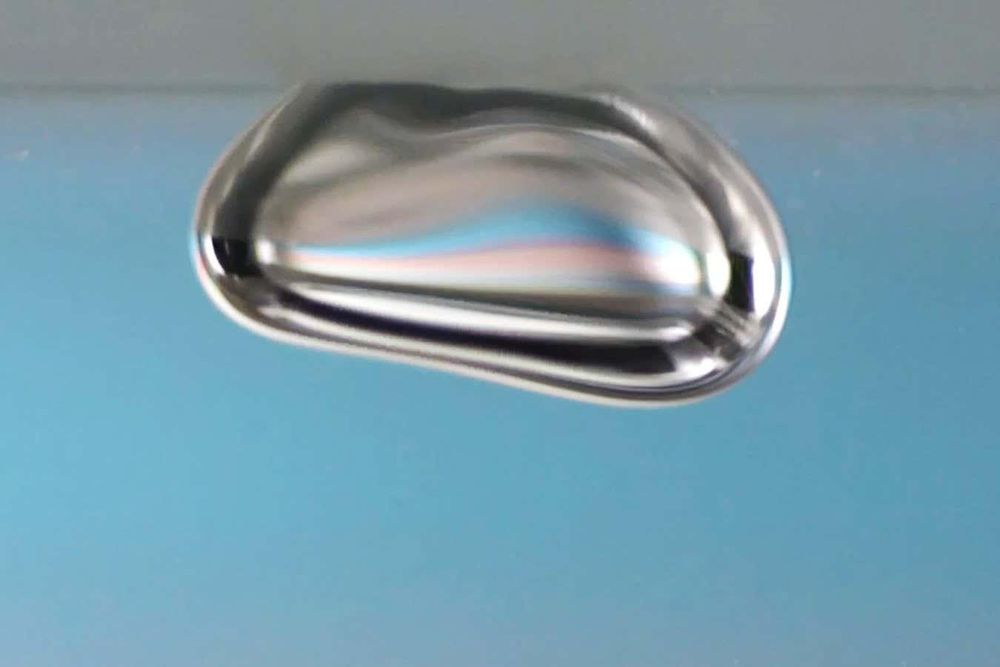
'Galloping' bubbles could act as tiny robotic vacuum cleaners
While experimenting with waves, researchers discovered that vibrating a container of liquid would cause bubble to "gallop" across its surface
www.newscientist.com
February 27, 2025 at 3:03 PM
While experimenting with waves, researchers discovered that vibrating a container of liquid would cause bubble to "gallop" across its surface
Reposted by Sophie Berdugo
Bonobos are quick to help a person who doesn’t know what they know, a sign that they are able to deduce the mental states of others. www.newscientist.com/article/2466...
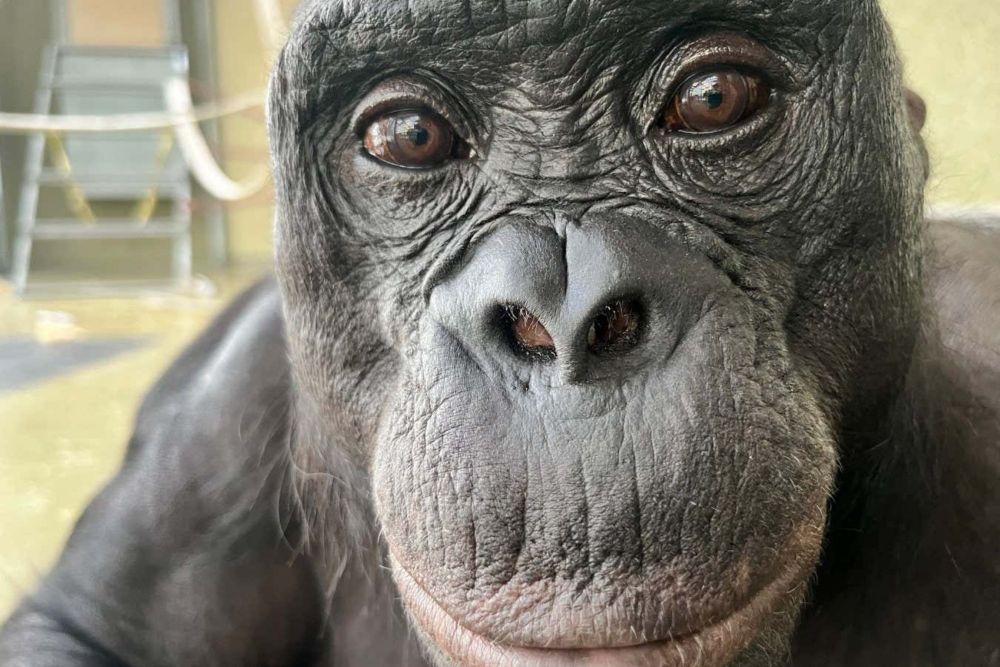
Bonobos can tell when they know something you don't
Recognising that someone lacks information you possess is key for effective communication and cooperation, and bonobos seem to share this skill with humans
www.newscientist.com
February 3, 2025 at 9:49 PM
Bonobos are quick to help a person who doesn’t know what they know, a sign that they are able to deduce the mental states of others. www.newscientist.com/article/2466...