




Giss
@sealblade.bsky.social
Reposted by Giss
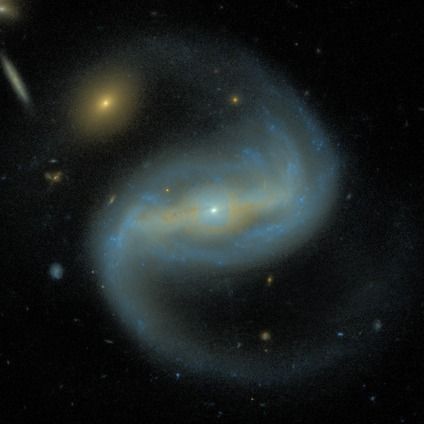
A barred spiral galaxy, possibly merging, observed with the Hubble Space Telescope in the COSMOS survey.
It is at redshift 0.18 (lookback time 2.30 billion years) with coordinates (150.74612, 2.34301).
47 volunteers classified this galaxy in Galaxy Zoo: Hubble.
It is at redshift 0.18 (lookback time 2.30 billion years) with coordinates (150.74612, 2.34301).
47 volunteers classified this galaxy in Galaxy Zoo: Hubble.
June 12, 2025 at 9:19 PM
A barred spiral galaxy, possibly merging, observed with the Hubble Space Telescope in the COSMOS survey.
It is at redshift 0.18 (lookback time 2.30 billion years) with coordinates (150.74612, 2.34301).
47 volunteers classified this galaxy in Galaxy Zoo: Hubble.
It is at redshift 0.18 (lookback time 2.30 billion years) with coordinates (150.74612, 2.34301).
47 volunteers classified this galaxy in Galaxy Zoo: Hubble.
Reposted by Giss
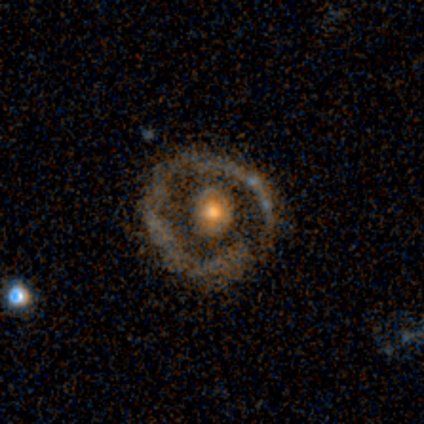
A ring galaxy, observed with the Hubble Space Telescope in the AEGIS survey.
It is at redshift 0.90 (lookback time 7.52 billion years) with coordinates (215.13736, 53.08949).
140 volunteers classified this galaxy in Galaxy Zoo: Hubble.🔭
It is at redshift 0.90 (lookback time 7.52 billion years) with coordinates (215.13736, 53.08949).
140 volunteers classified this galaxy in Galaxy Zoo: Hubble.🔭
May 22, 2025 at 5:22 PM
A ring galaxy, observed with the Hubble Space Telescope in the AEGIS survey.
It is at redshift 0.90 (lookback time 7.52 billion years) with coordinates (215.13736, 53.08949).
140 volunteers classified this galaxy in Galaxy Zoo: Hubble.🔭
It is at redshift 0.90 (lookback time 7.52 billion years) with coordinates (215.13736, 53.08949).
140 volunteers classified this galaxy in Galaxy Zoo: Hubble.🔭
Reposted by Giss
A barred spiral galaxy, observed with the Hubble Space Telescope in the COSMOS survey.
It is at redshift 0.54 (lookback time 5.50 billion years) with coordinates (149.66278, 1.60950).
49 volunteers classified this galaxy in Galaxy Zoo: Hubble.
It is at redshift 0.54 (lookback time 5.50 billion years) with coordinates (149.66278, 1.60950).
49 volunteers classified this galaxy in Galaxy Zoo: Hubble.
May 6, 2025 at 6:33 PM
A barred spiral galaxy, observed with the Hubble Space Telescope in the COSMOS survey.
It is at redshift 0.54 (lookback time 5.50 billion years) with coordinates (149.66278, 1.60950).
49 volunteers classified this galaxy in Galaxy Zoo: Hubble.
It is at redshift 0.54 (lookback time 5.50 billion years) with coordinates (149.66278, 1.60950).
49 volunteers classified this galaxy in Galaxy Zoo: Hubble.
Reposted by Giss
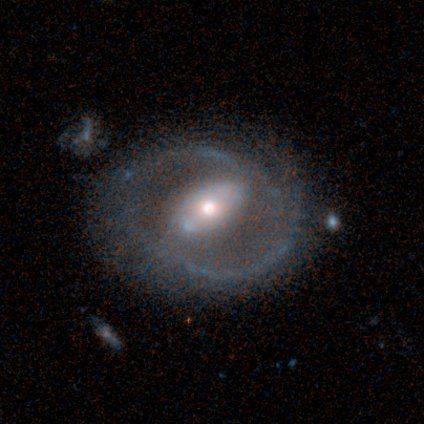
A spiral galaxy with a ring, observed with the Hubble Space Telescope in the GEMS survey.
It is at redshift 0.24 (lookback time 2.94 billion years) with coordinates (53.34991, -27.86085).
129 volunteers classified this galaxy in Galaxy Zoo: Hubble.
It is at redshift 0.24 (lookback time 2.94 billion years) with coordinates (53.34991, -27.86085).
129 volunteers classified this galaxy in Galaxy Zoo: Hubble.
April 26, 2025 at 1:53 AM
A spiral galaxy with a ring, observed with the Hubble Space Telescope in the GEMS survey.
It is at redshift 0.24 (lookback time 2.94 billion years) with coordinates (53.34991, -27.86085).
129 volunteers classified this galaxy in Galaxy Zoo: Hubble.
It is at redshift 0.24 (lookback time 2.94 billion years) with coordinates (53.34991, -27.86085).
129 volunteers classified this galaxy in Galaxy Zoo: Hubble.
Reposted by Giss
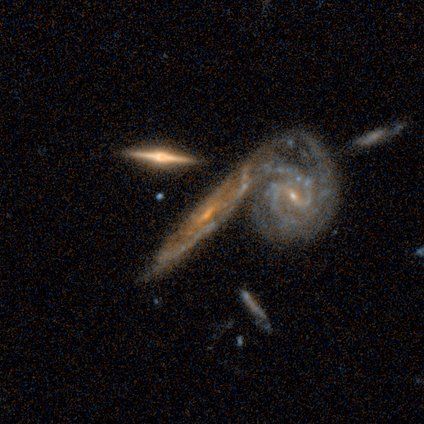
A spiral galaxy in a merger, observed with the Hubble Space Telescope in the AEGIS survey.
It is at redshift 0.51 (lookback time 5.28 billion years) with coordinates (214.95475, 52.87661).
28 volunteers classified this galaxy in Galaxy Zoo: Hubble.
It is at redshift 0.51 (lookback time 5.28 billion years) with coordinates (214.95475, 52.87661).
28 volunteers classified this galaxy in Galaxy Zoo: Hubble.
March 23, 2025 at 4:14 AM
A spiral galaxy in a merger, observed with the Hubble Space Telescope in the AEGIS survey.
It is at redshift 0.51 (lookback time 5.28 billion years) with coordinates (214.95475, 52.87661).
28 volunteers classified this galaxy in Galaxy Zoo: Hubble.
It is at redshift 0.51 (lookback time 5.28 billion years) with coordinates (214.95475, 52.87661).
28 volunteers classified this galaxy in Galaxy Zoo: Hubble.
Reposted by Giss
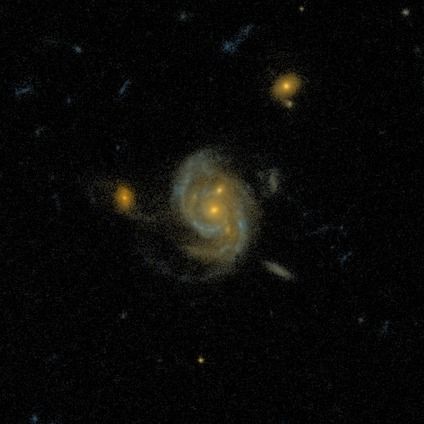
A spiral galaxy in a merger, observed with the Hubble Space Telescope in the COSMOS survey.
It is at redshift 0.44 (lookback time 4.75 billion years) with coordinates (150.09286, 2.73446).
45 volunteers classified this galaxy in Galaxy Zoo: Hubble.
It is at redshift 0.44 (lookback time 4.75 billion years) with coordinates (150.09286, 2.73446).
45 volunteers classified this galaxy in Galaxy Zoo: Hubble.
March 10, 2025 at 5:10 AM
A spiral galaxy in a merger, observed with the Hubble Space Telescope in the COSMOS survey.
It is at redshift 0.44 (lookback time 4.75 billion years) with coordinates (150.09286, 2.73446).
45 volunteers classified this galaxy in Galaxy Zoo: Hubble.
It is at redshift 0.44 (lookback time 4.75 billion years) with coordinates (150.09286, 2.73446).
45 volunteers classified this galaxy in Galaxy Zoo: Hubble.
Reposted by Giss

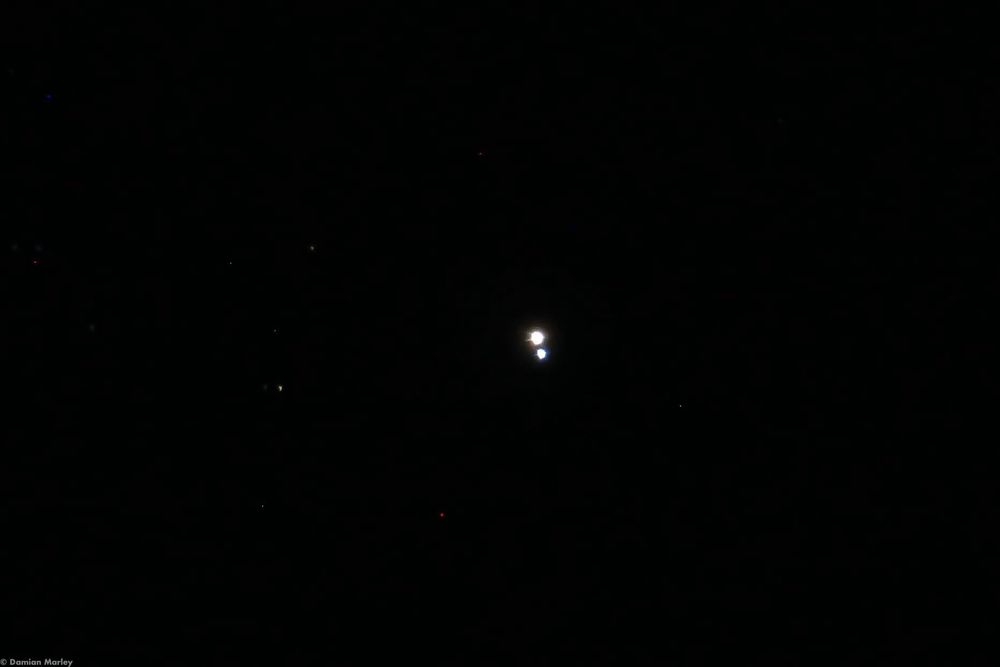
γ Volantis, a binary star system 130 light years away. The brightest star γ2 Volantis is 12 times bigger than our Sun, γ1 and γ2 Volantis are separated by 87 billion kilometres. March 8th 2025. #astrophotography
March 10, 2025 at 6:49 AM
γ Volantis, a binary star system 130 light years away. The brightest star γ2 Volantis is 12 times bigger than our Sun, γ1 and γ2 Volantis are separated by 87 billion kilometres. March 8th 2025. #astrophotography
Reposted by Giss
A barred spiral galaxy, observed with the Hubble Space Telescope in the COSMOS survey.
It is at redshift unknown (lookback time unknown) with coordinates (150.22859, 2.52392).
44 volunteers classified this galaxy in Galaxy Zoo: Hubble.
It is at redshift unknown (lookback time unknown) with coordinates (150.22859, 2.52392).
44 volunteers classified this galaxy in Galaxy Zoo: Hubble.
March 9, 2025 at 5:09 AM
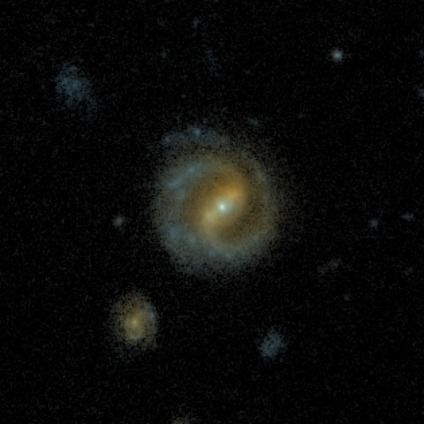
A barred spiral galaxy, observed with the Hubble Space Telescope in the COSMOS survey.
It is at redshift unknown (lookback time unknown) with coordinates (150.22859, 2.52392).
44 volunteers classified this galaxy in Galaxy Zoo: Hubble.
It is at redshift unknown (lookback time unknown) with coordinates (150.22859, 2.52392).
44 volunteers classified this galaxy in Galaxy Zoo: Hubble.
Reposted by Giss
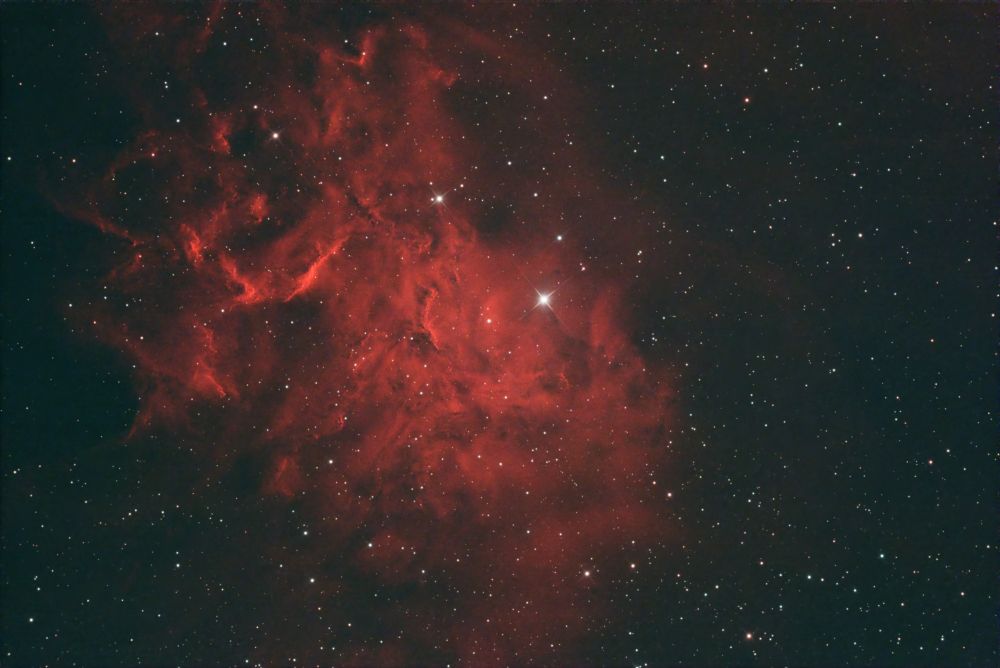
Picture of the day. The Flaming Star Nebula, in the constellation Auriga, is about 1,500 light years away. This is just over two hours of data I collected from somewhere in northern Illinois (I think). #photography #photo #astrophotography #nightsky #night #sky #universe #stars #nebula #red
March 6, 2025 at 10:56 PM
Picture of the day. The Flaming Star Nebula, in the constellation Auriga, is about 1,500 light years away. This is just over two hours of data I collected from somewhere in northern Illinois (I think). #photography #photo #astrophotography #nightsky #night #sky #universe #stars #nebula #red
Reposted by Giss
A spiral galaxy, observed with the Hubble Space Telescope in the COSMOS survey.
It is at redshift 1.02 (lookback time 8.03 billion years) with coordinates (150.06283, 2.57411).
47 volunteers classified this galaxy in Galaxy Zoo: Hubble.
It is at redshift 1.02 (lookback time 8.03 billion years) with coordinates (150.06283, 2.57411).
47 volunteers classified this galaxy in Galaxy Zoo: Hubble.
March 6, 2025 at 10:11 PM
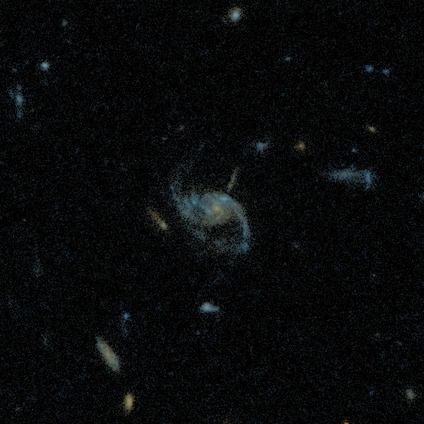
A spiral galaxy, observed with the Hubble Space Telescope in the COSMOS survey.
It is at redshift 1.02 (lookback time 8.03 billion years) with coordinates (150.06283, 2.57411).
47 volunteers classified this galaxy in Galaxy Zoo: Hubble.
It is at redshift 1.02 (lookback time 8.03 billion years) with coordinates (150.06283, 2.57411).
47 volunteers classified this galaxy in Galaxy Zoo: Hubble.
Reposted by Giss
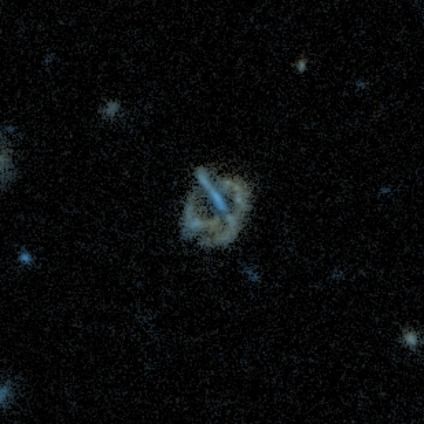
An irregular galaxy, observed with the Hubble Space Telescope in the COSMOS survey.
It is at redshift 0.99 (lookback time 7.91 billion years) with coordinates (150.49017, 2.03051).
50 volunteers classified this galaxy in Galaxy Zoo: Hubble.
It is at redshift 0.99 (lookback time 7.91 billion years) with coordinates (150.49017, 2.03051).
50 volunteers classified this galaxy in Galaxy Zoo: Hubble.
March 7, 2025 at 12:58 AM
An irregular galaxy, observed with the Hubble Space Telescope in the COSMOS survey.
It is at redshift 0.99 (lookback time 7.91 billion years) with coordinates (150.49017, 2.03051).
50 volunteers classified this galaxy in Galaxy Zoo: Hubble.
It is at redshift 0.99 (lookback time 7.91 billion years) with coordinates (150.49017, 2.03051).
50 volunteers classified this galaxy in Galaxy Zoo: Hubble.

Reposted by Giss

if you are a democrat who is retreating on and abandoning trans people, you are evil and throwing all trans people under the bus won’t stop them for coming after you next
March 7, 2025 at 12:54 AM
if you are a democrat who is retreating on and abandoning trans people, you are evil and throwing all trans people under the bus won’t stop them for coming after you next
Reposted by Giss
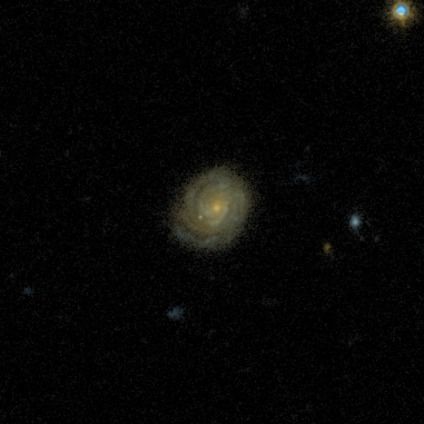
A spiral galaxy, observed with the Hubble Space Telescope in the COSMOS survey.
It is at redshift 0.52 (lookback time 5.35 billion years) with coordinates (149.48594, 1.78949).
49 volunteers classified this galaxy in Galaxy Zoo: Hubble.
It is at redshift 0.52 (lookback time 5.35 billion years) with coordinates (149.48594, 1.78949).
49 volunteers classified this galaxy in Galaxy Zoo: Hubble.
March 6, 2025 at 7:13 AM
A spiral galaxy, observed with the Hubble Space Telescope in the COSMOS survey.
It is at redshift 0.52 (lookback time 5.35 billion years) with coordinates (149.48594, 1.78949).
49 volunteers classified this galaxy in Galaxy Zoo: Hubble.
It is at redshift 0.52 (lookback time 5.35 billion years) with coordinates (149.48594, 1.78949).
49 volunteers classified this galaxy in Galaxy Zoo: Hubble.
Reposted by Giss
Hubble's 31st anniversary image of AG Carinae.
Credit:
NASA, ESA and STScI
esahubble.org/images/heic2...
Credit:
NASA, ESA and STScI
esahubble.org/images/heic2...
March 6, 2025 at 9:28 PM
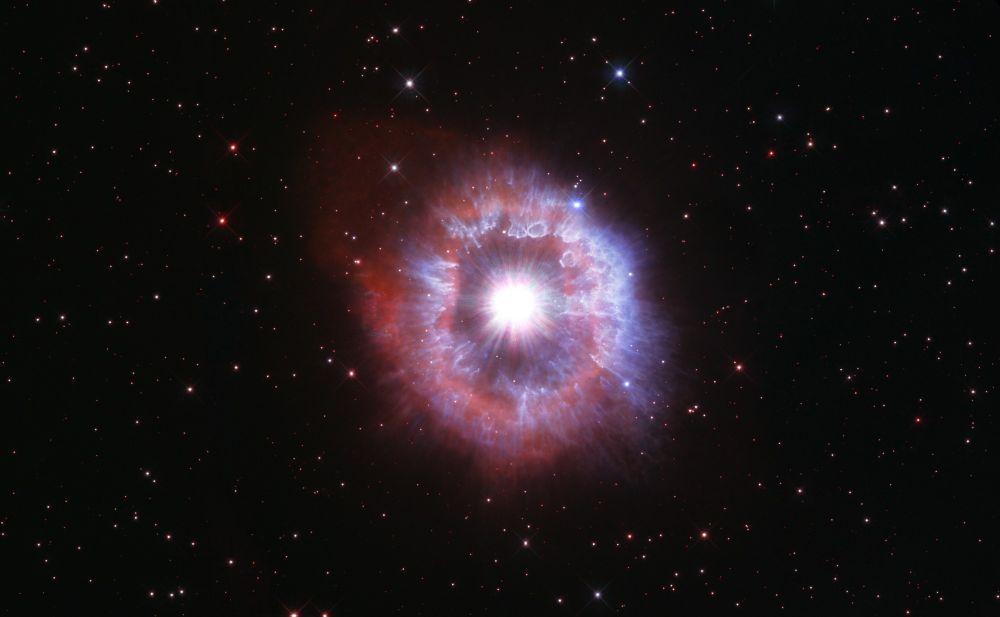
Hubble's 31st anniversary image of AG Carinae.
Credit:
NASA, ESA and STScI
esahubble.org/images/heic2...
Credit:
NASA, ESA and STScI
esahubble.org/images/heic2...
Reposted by Giss
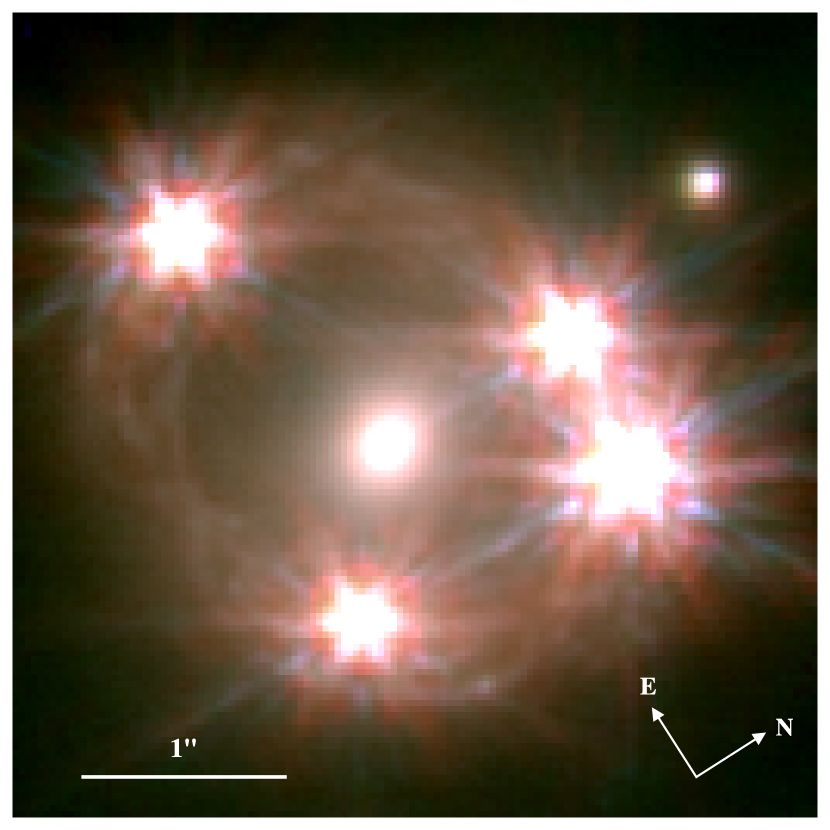
New NIRCam image of WFI2033-4723, a quadruply-imaged quasar, was released in a recent article.
arxiv.org/abs/2503.000...
arxiv.org/abs/2503.000...
March 5, 2025 at 8:40 PM
New NIRCam image of WFI2033-4723, a quadruply-imaged quasar, was released in a recent article.
arxiv.org/abs/2503.000...
arxiv.org/abs/2503.000...
Reposted by Giss

i need to do this again, i was genuinely at my happiest
March 6, 2025 at 2:57 AM
i need to do this again, i was genuinely at my happiest
Reposted by Giss
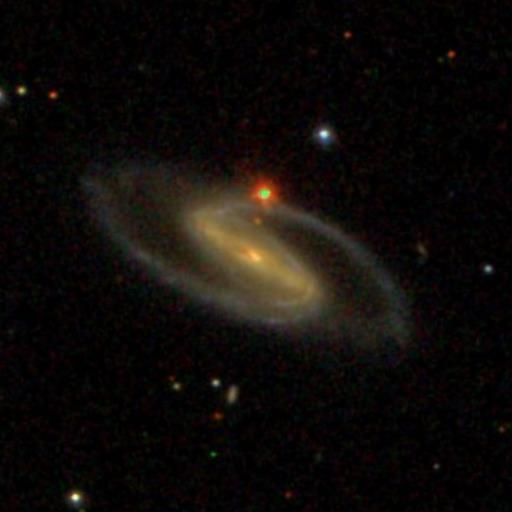
A barred spiral galaxy, observed with the Apache Point 2.5m Telescope in the SDSS survey.
It is at redshift 0.028 (lookback time 397.0 million years) with coordinates (231.46912, 7.81962).
45 volunteers classified this galaxy in Galaxy Zoo 2.
It is at redshift 0.028 (lookback time 397.0 million years) with coordinates (231.46912, 7.81962).
45 volunteers classified this galaxy in Galaxy Zoo 2.
March 4, 2025 at 5:11 PM
A barred spiral galaxy, observed with the Apache Point 2.5m Telescope in the SDSS survey.
It is at redshift 0.028 (lookback time 397.0 million years) with coordinates (231.46912, 7.81962).
45 volunteers classified this galaxy in Galaxy Zoo 2.
It is at redshift 0.028 (lookback time 397.0 million years) with coordinates (231.46912, 7.81962).
45 volunteers classified this galaxy in Galaxy Zoo 2.
Reposted by Giss
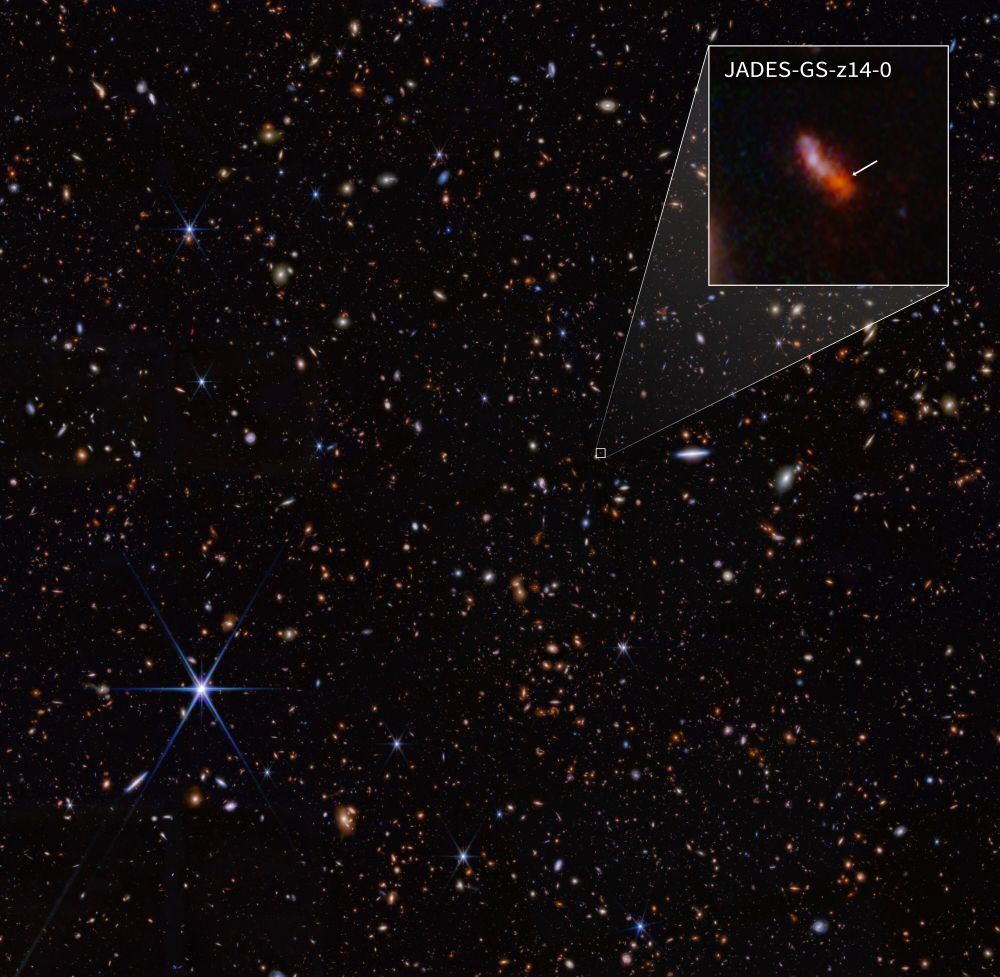
Most distant object known to humanity - JADES-GS-z14-0.
NASA, ESA, CSA, STScI, B. Robertson (UC Santa Cruz), B. Johnson (CfA), S. Tacchella (Cambridge), P. Cargile (CfA)
NASA, ESA, CSA, STScI, B. Robertson (UC Santa Cruz), B. Johnson (CfA), S. Tacchella (Cambridge), P. Cargile (CfA)
March 1, 2025 at 12:03 AM
Most distant object known to humanity - JADES-GS-z14-0.
NASA, ESA, CSA, STScI, B. Robertson (UC Santa Cruz), B. Johnson (CfA), S. Tacchella (Cambridge), P. Cargile (CfA)
NASA, ESA, CSA, STScI, B. Robertson (UC Santa Cruz), B. Johnson (CfA), S. Tacchella (Cambridge), P. Cargile (CfA)
Reposted by Giss
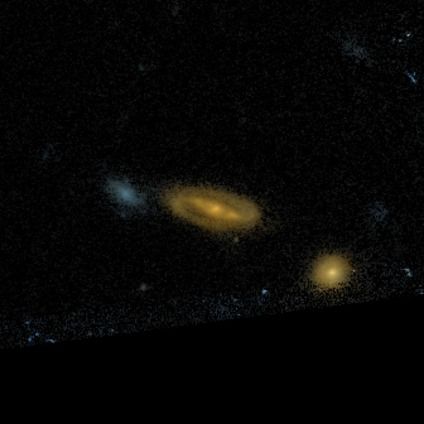
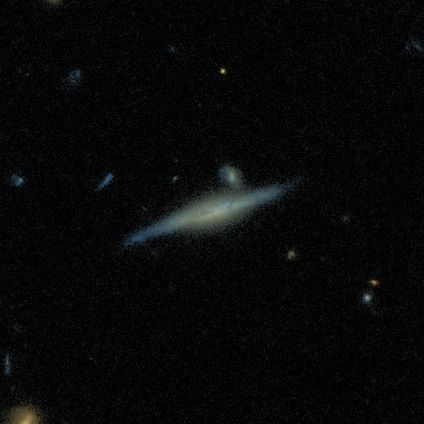
An edge-on disk galaxy, possibly merging, observed with the Hubble Space Telescope in the COSMOS survey.
It is at redshift 0.09 (lookback time 1.22 billion years) with coordinates (150.61401, 1.75096).
59 volunteers classified this galaxy in Galaxy Zoo: Hubble.
It is at redshift 0.09 (lookback time 1.22 billion years) with coordinates (150.61401, 1.75096).
59 volunteers classified this galaxy in Galaxy Zoo: Hubble.
March 3, 2025 at 12:23 PM
An edge-on disk galaxy, possibly merging, observed with the Hubble Space Telescope in the COSMOS survey.
It is at redshift 0.09 (lookback time 1.22 billion years) with coordinates (150.61401, 1.75096).
59 volunteers classified this galaxy in Galaxy Zoo: Hubble.
It is at redshift 0.09 (lookback time 1.22 billion years) with coordinates (150.61401, 1.75096).
59 volunteers classified this galaxy in Galaxy Zoo: Hubble.
Reposted by Giss
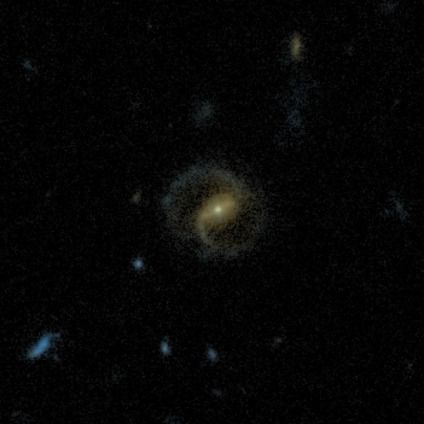
A barred spiral galaxy, observed with the Hubble Space Telescope in the COSMOS survey.
It is at redshift 0.67 (lookback time 6.33 billion years) with coordinates (150.24453, 2.07585).
55 volunteers classified this galaxy in Galaxy Zoo: Hubble.
It is at redshift 0.67 (lookback time 6.33 billion years) with coordinates (150.24453, 2.07585).
55 volunteers classified this galaxy in Galaxy Zoo: Hubble.
February 20, 2025 at 2:14 AM
A barred spiral galaxy, observed with the Hubble Space Telescope in the COSMOS survey.
It is at redshift 0.67 (lookback time 6.33 billion years) with coordinates (150.24453, 2.07585).
55 volunteers classified this galaxy in Galaxy Zoo: Hubble.
It is at redshift 0.67 (lookback time 6.33 billion years) with coordinates (150.24453, 2.07585).
55 volunteers classified this galaxy in Galaxy Zoo: Hubble.
Reposted by Giss
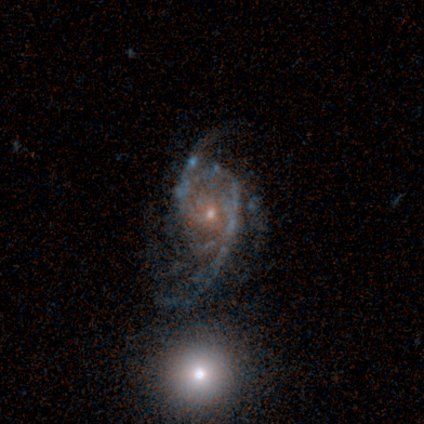
A spiral galaxy, possibly merging, observed with the Hubble Space Telescope in the GEMS survey.
It is at redshift 0.51 (lookback time 5.28 billion years) with coordinates (53.15303, -27.62379).
31 volunteers classified this galaxy in Galaxy Zoo: Hubble.
It is at redshift 0.51 (lookback time 5.28 billion years) with coordinates (53.15303, -27.62379).
31 volunteers classified this galaxy in Galaxy Zoo: Hubble.
February 20, 2025 at 11:10 AM
A spiral galaxy, possibly merging, observed with the Hubble Space Telescope in the GEMS survey.
It is at redshift 0.51 (lookback time 5.28 billion years) with coordinates (53.15303, -27.62379).
31 volunteers classified this galaxy in Galaxy Zoo: Hubble.
It is at redshift 0.51 (lookback time 5.28 billion years) with coordinates (53.15303, -27.62379).
31 volunteers classified this galaxy in Galaxy Zoo: Hubble.
Reposted by Giss
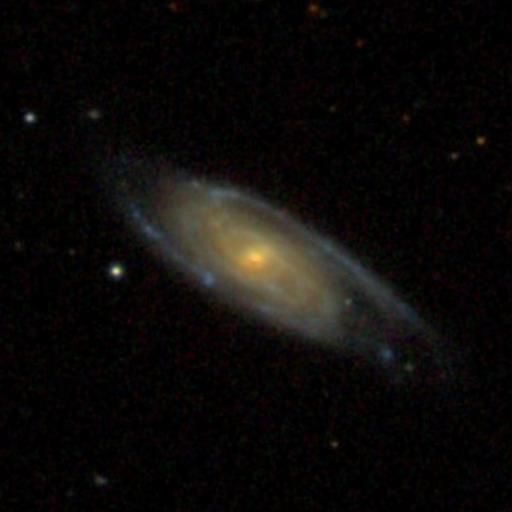
A spiral galaxy, observed with the Apache Point 2.5m Telescope in the SDSS survey.
It is at redshift 0.018 (lookback time 257.3 million years) with coordinates (155.60172, 3.99735).
39 volunteers classified this galaxy in Galaxy Zoo 2.🔭
It is at redshift 0.018 (lookback time 257.3 million years) with coordinates (155.60172, 3.99735).
39 volunteers classified this galaxy in Galaxy Zoo 2.🔭
February 22, 2025 at 2:09 AM
A spiral galaxy, observed with the Apache Point 2.5m Telescope in the SDSS survey.
It is at redshift 0.018 (lookback time 257.3 million years) with coordinates (155.60172, 3.99735).
39 volunteers classified this galaxy in Galaxy Zoo 2.🔭
It is at redshift 0.018 (lookback time 257.3 million years) with coordinates (155.60172, 3.99735).
39 volunteers classified this galaxy in Galaxy Zoo 2.🔭
Reposted by Giss
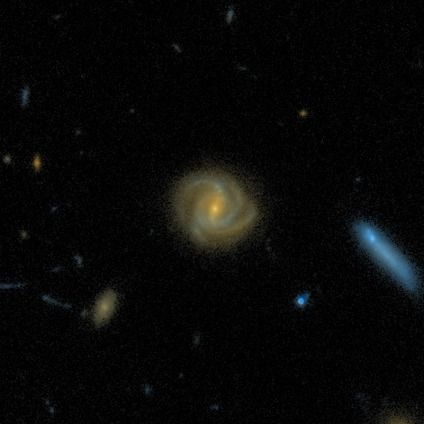
A barred spiral galaxy, observed with the Hubble Space Telescope in the COSMOS survey.
It is at redshift 0.35 (lookback time 4.00 billion years) with coordinates (149.97569, 2.46144).
50 volunteers classified this galaxy in Galaxy Zoo: Hubble.
It is at redshift 0.35 (lookback time 4.00 billion years) with coordinates (149.97569, 2.46144).
50 volunteers classified this galaxy in Galaxy Zoo: Hubble.
February 23, 2025 at 8:14 AM
A barred spiral galaxy, observed with the Hubble Space Telescope in the COSMOS survey.
It is at redshift 0.35 (lookback time 4.00 billion years) with coordinates (149.97569, 2.46144).
50 volunteers classified this galaxy in Galaxy Zoo: Hubble.
It is at redshift 0.35 (lookback time 4.00 billion years) with coordinates (149.97569, 2.46144).
50 volunteers classified this galaxy in Galaxy Zoo: Hubble.
Reposted by Giss
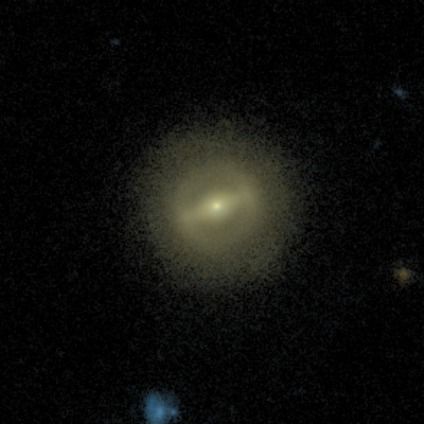
A ring galaxy, observed with the Hubble Space Telescope in the COSMOS survey.
It is at redshift 0.11 (lookback time 1.47 billion years) with coordinates (150.51635, 2.56990).
47 volunteers classified this galaxy in Galaxy Zoo: Hubble.
It is at redshift 0.11 (lookback time 1.47 billion years) with coordinates (150.51635, 2.56990).
47 volunteers classified this galaxy in Galaxy Zoo: Hubble.
February 24, 2025 at 12:23 PM
A ring galaxy, observed with the Hubble Space Telescope in the COSMOS survey.
It is at redshift 0.11 (lookback time 1.47 billion years) with coordinates (150.51635, 2.56990).
47 volunteers classified this galaxy in Galaxy Zoo: Hubble.
It is at redshift 0.11 (lookback time 1.47 billion years) with coordinates (150.51635, 2.56990).
47 volunteers classified this galaxy in Galaxy Zoo: Hubble.