




okenia
@okenia.bsky.social
Geology geek and activist investor.
"Work as if you live in the early days of a better nation" - Alasdair Gray
"Work as if you live in the early days of a better nation" - Alasdair Gray

November 1, 2025 at 9:41 PM
At nice n sleazy last night (a young person’s drinking haunt with a room below)

October 17, 2025 at 8:46 PM
At nice n sleazy last night (a young person’s drinking haunt with a room below)
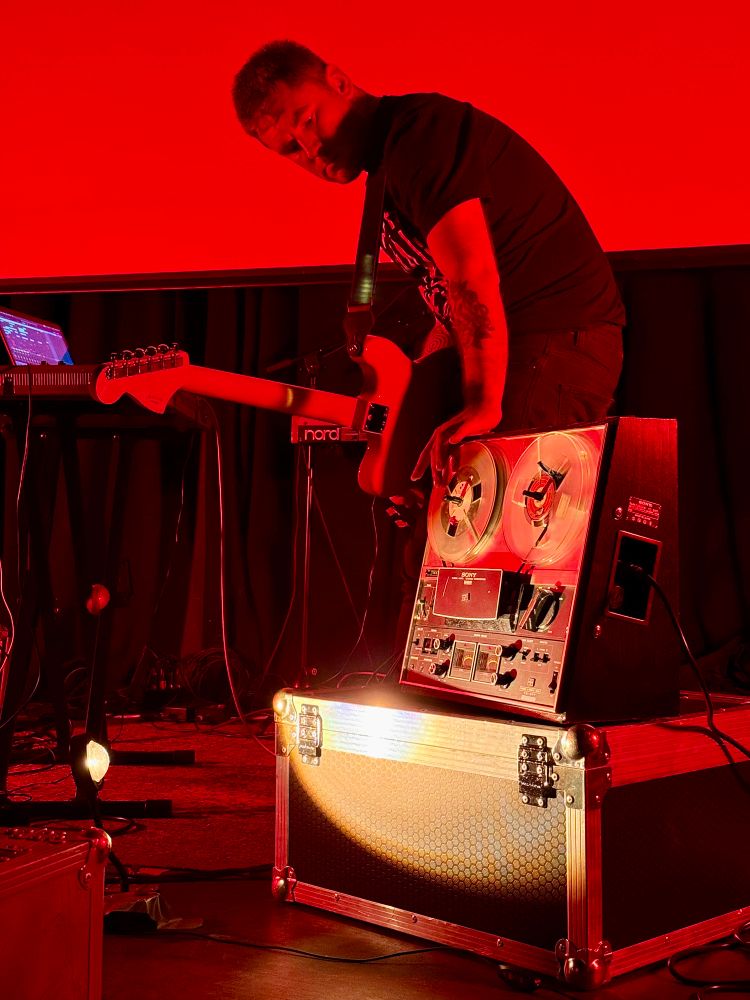
Are you supporting Coldplay?
😂
😂
July 19, 2025 at 9:31 AM
Are you supporting Coldplay?
😂
😂
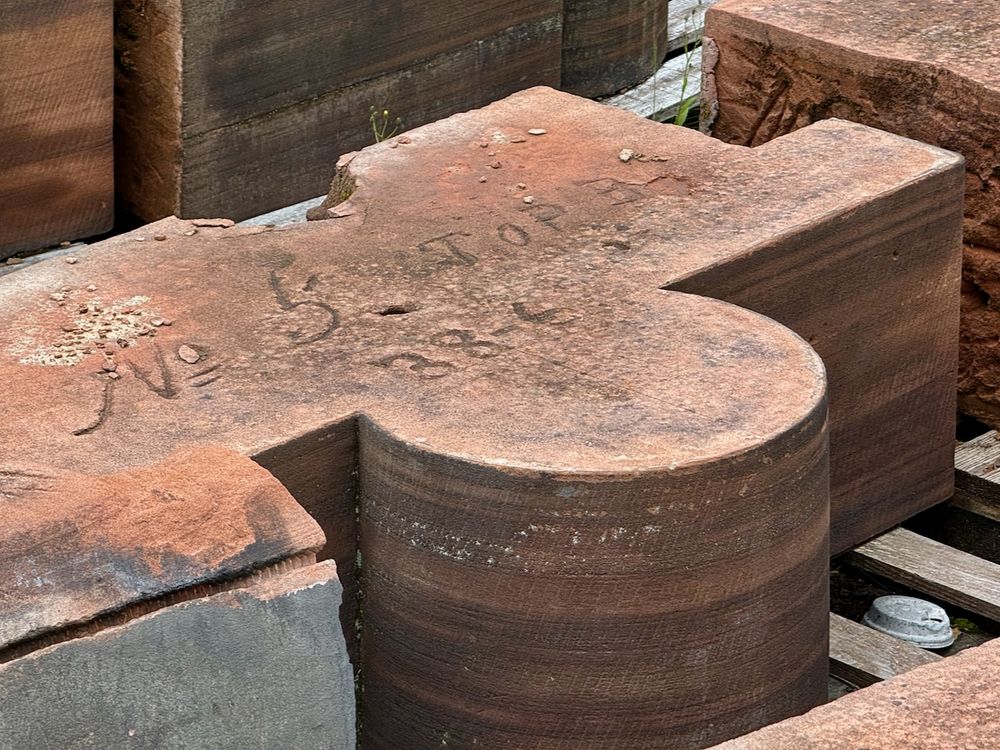
Although sad to see in bits, the saved stones of the Sir John Maxwell school gives an insight into "assembly by numbers"
@murphyniallgla.bsky.social
@murphyniallgla.bsky.social



June 5, 2025 at 4:06 PM
Although sad to see in bits, the saved stones of the Sir John Maxwell school gives an insight into "assembly by numbers"
@murphyniallgla.bsky.social
@murphyniallgla.bsky.social


To be fair, the word is there. What I think is also important is the cooperative nature of the DNA-dependent TF:TF interactions, which give a much steeper response curve to [TF]. I wonder whether that's the big driver here, allowing more specificity in these more complex metazoan situations?

June 2, 2025 at 12:31 PM
To be fair, the word is there. What I think is also important is the cooperative nature of the DNA-dependent TF:TF interactions, which give a much steeper response curve to [TF]. I wonder whether that's the big driver here, allowing more specificity in these more complex metazoan situations?
There's also a simple rule of base pairing for the tRNA:codon interaction. A TF:DNA interaction is a less exact process with more of a continuum of binding affinities to different sequences, making it more 'analog' (sensu Ball).

June 1, 2025 at 7:51 AM
There's also a simple rule of base pairing for the tRNA:codon interaction. A TF:DNA interaction is a less exact process with more of a continuum of binding affinities to different sequences, making it more 'analog' (sensu Ball).
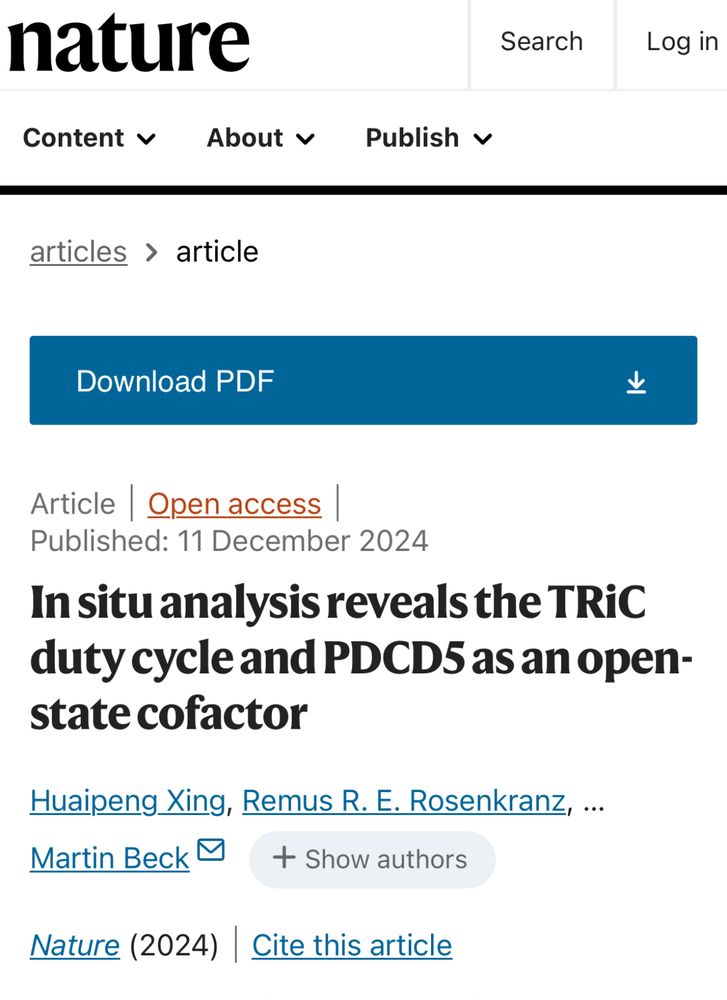
Is the issue here though that it’s trying to be non-technical, using natural language, but you think of other things that could be “the origin of human replication” iyswim?
In which case make it more obscure such as this:
www.nature.com/articles/s41...
In which case make it more obscure such as this:
www.nature.com/articles/s41...
December 14, 2024 at 1:58 PM
Is the issue here though that it’s trying to be non-technical, using natural language, but you think of other things that could be “the origin of human replication” iyswim?
In which case make it more obscure such as this:
www.nature.com/articles/s41...
In which case make it more obscure such as this:
www.nature.com/articles/s41...
The concept dates back to the late 1980's although the use of "licensing" and "licensing factor" (the whole MCM/CDC complex) came a bit later - here's Julian talking about it in 1995 in another (Nature) paper with licensing in the title :)
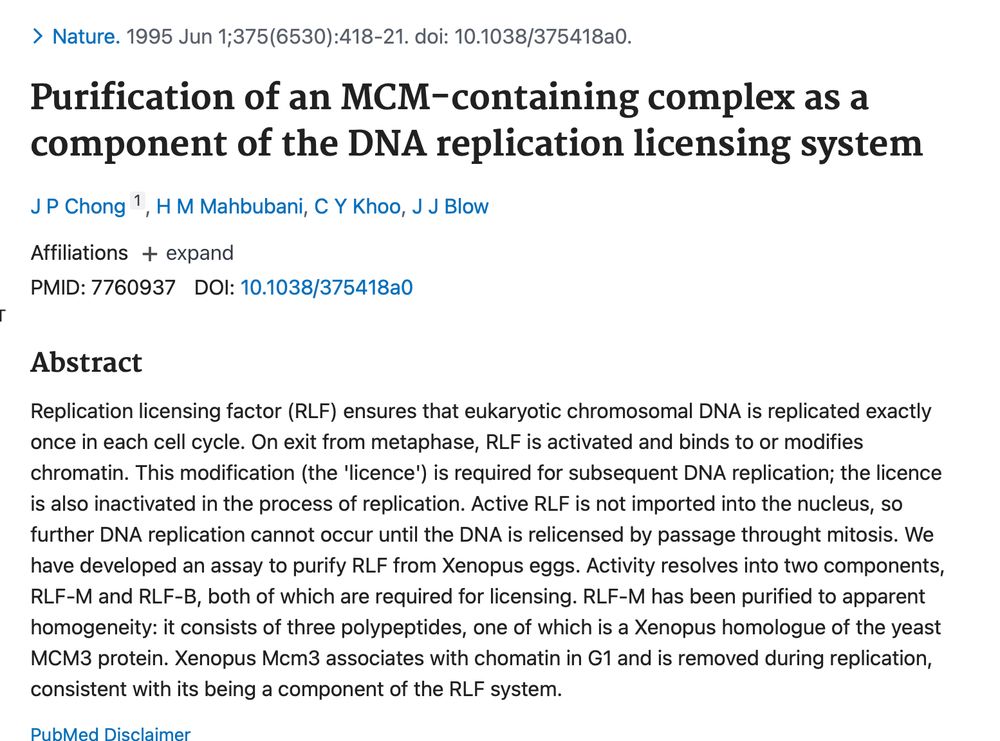
December 14, 2024 at 1:15 PM
The concept dates back to the late 1980's although the use of "licensing" and "licensing factor" (the whole MCM/CDC complex) came a bit later - here's Julian talking about it in 1995 in another (Nature) paper with licensing in the title :)
Your post placing on my feed 😳

November 21, 2024 at 9:12 AM
Your post placing on my feed 😳
Wow what’s going on there ? The way the light bends.

August 28, 2024 at 8:35 PM
Wow what’s going on there ? The way the light bends.