


Nicole Douglas
@nicoledouglasmusic.bsky.social
Music teacher and music edu enthusiast. Lover of all things music edu tech (see the iPad Piano Teachers Group). Business and marketing product consultant. Life long questioner. Curious about everything.
Day 13 - Music can diffuse tension
From the book Music and Mind. Quoting from the Foreword by Francis Collins, MD:
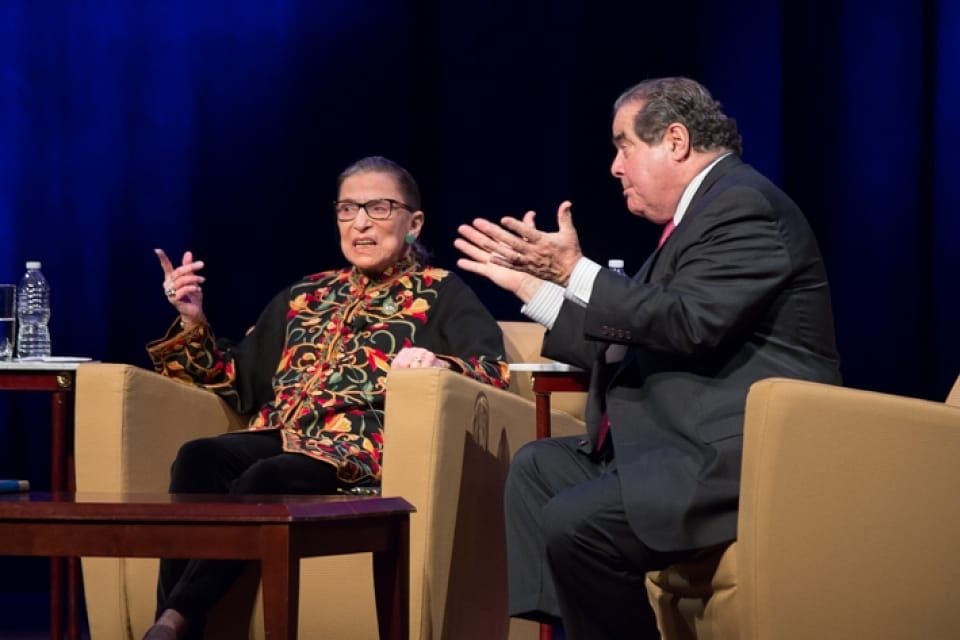
"It was Sat, June 27, 2015. My wife & I were invited to a dinner of Washingtonian professionals, held at an elegant country inn. Attending the event were 3 Supreme Court justices...
From the book Music and Mind. Quoting from the Foreword by Francis Collins, MD:
"It was Sat, June 27, 2015. My wife & I were invited to a dinner of Washingtonian professionals, held at an elegant country inn. Attending the event were 3 Supreme Court justices...


February 22, 2025 at 7:38 AM
Day 13 - Music can diffuse tension
From the book Music and Mind. Quoting from the Foreword by Francis Collins, MD:
"It was Sat, June 27, 2015. My wife & I were invited to a dinner of Washingtonian professionals, held at an elegant country inn. Attending the event were 3 Supreme Court justices...
From the book Music and Mind. Quoting from the Foreword by Francis Collins, MD:
"It was Sat, June 27, 2015. My wife & I were invited to a dinner of Washingtonian professionals, held at an elegant country inn. Attending the event were 3 Supreme Court justices...
Day 12 - Book Review Sample
One more review I wrote. This time, The Musical Brain by Lois Svard.
For the full article, see Piano Magazine, Vol 15, No 4 (Winter 2023-2024); pg 60-61.
"Upon first seeing the title of this book, one might expect to delve into the brain science involved in learning to
One more review I wrote. This time, The Musical Brain by Lois Svard.
For the full article, see Piano Magazine, Vol 15, No 4 (Winter 2023-2024); pg 60-61.
"Upon first seeing the title of this book, one might expect to delve into the brain science involved in learning to

February 20, 2025 at 8:11 PM
Day 12 - Book Review Sample
One more review I wrote. This time, The Musical Brain by Lois Svard.
For the full article, see Piano Magazine, Vol 15, No 4 (Winter 2023-2024); pg 60-61.
"Upon first seeing the title of this book, one might expect to delve into the brain science involved in learning to
One more review I wrote. This time, The Musical Brain by Lois Svard.
For the full article, see Piano Magazine, Vol 15, No 4 (Winter 2023-2024); pg 60-61.
"Upon first seeing the title of this book, one might expect to delve into the brain science involved in learning to
Day 11 - Book Review Sample
I have a confession. I'm exhausted. This past week has been full of late-night orchestra pit rehearsals for a nearby high school musical. So today I'm sharing portions of a book review I wrote for Piano Magazine (Vol 15, No 3; Autumn 2023.; pg 56-57)
See comments
I have a confession. I'm exhausted. This past week has been full of late-night orchestra pit rehearsals for a nearby high school musical. So today I'm sharing portions of a book review I wrote for Piano Magazine (Vol 15, No 3; Autumn 2023.; pg 56-57)
See comments

February 20, 2025 at 4:15 AM
Day 11 - Book Review Sample
I have a confession. I'm exhausted. This past week has been full of late-night orchestra pit rehearsals for a nearby high school musical. So today I'm sharing portions of a book review I wrote for Piano Magazine (Vol 15, No 3; Autumn 2023.; pg 56-57)
See comments
I have a confession. I'm exhausted. This past week has been full of late-night orchestra pit rehearsals for a nearby high school musical. So today I'm sharing portions of a book review I wrote for Piano Magazine (Vol 15, No 3; Autumn 2023.; pg 56-57)
See comments
Day 10 - Music learning promotes forgiving & letting go of perfectionism
I still remember when it dawned on me: I was preaching all day to students that making mistakes is an important part of learning, yet I wasn't believing that for myself. I was in my therapist's office as a 30-something adult...
I still remember when it dawned on me: I was preaching all day to students that making mistakes is an important part of learning, yet I wasn't believing that for myself. I was in my therapist's office as a 30-something adult...

February 19, 2025 at 6:37 AM
Day 10 - Music learning promotes forgiving & letting go of perfectionism
I still remember when it dawned on me: I was preaching all day to students that making mistakes is an important part of learning, yet I wasn't believing that for myself. I was in my therapist's office as a 30-something adult...
I still remember when it dawned on me: I was preaching all day to students that making mistakes is an important part of learning, yet I wasn't believing that for myself. I was in my therapist's office as a 30-something adult...
Day 9 - Music teaches students to think about others
One of my favorite lessons to do with students is our pre-recital chat where we talk about creating a good experience for others. Music is meant to be shared, and…
One of my favorite lessons to do with students is our pre-recital chat where we talk about creating a good experience for others. Music is meant to be shared, and…

February 18, 2025 at 4:09 AM
Day 9 - Music teaches students to think about others
One of my favorite lessons to do with students is our pre-recital chat where we talk about creating a good experience for others. Music is meant to be shared, and…
One of my favorite lessons to do with students is our pre-recital chat where we talk about creating a good experience for others. Music is meant to be shared, and…
Here is another person I’m thankful for who shared statistics with sources so I can delve into their research and learn for myself. Very interesting.
My take on what's happening since Trump took office in agriculture. Please share!
farmergeorgiewrites.substack.com/p/the-devast...
farmergeorgiewrites.substack.com/p/the-devast...

The Devastating Impact of Trump 2.0 on U.S. Farmers
The fallout begins...
farmergeorgiewrites.substack.com
February 16, 2025 at 10:37 AM
Here is another person I’m thankful for who shared statistics with sources so I can delve into their research and learn for myself. Very interesting.
I’m thankful for people who share statistics with sources so I can delve into their research and learn for myself. This post is very interesting.


February 16, 2025 at 10:33 AM
I’m thankful for people who share statistics with sources so I can delve into their research and learn for myself. This post is very interesting.
Day 8 - Music helps develop self-control
From The Music Advantage by Anita Collins, Ch9: “The ideas & the actions of sharing & waiting are fundamental skills in behavior development for our children. Both of these skills require control, specifically what is known as impulse or inhibitory control."
From The Music Advantage by Anita Collins, Ch9: “The ideas & the actions of sharing & waiting are fundamental skills in behavior development for our children. Both of these skills require control, specifically what is known as impulse or inhibitory control."

February 16, 2025 at 3:08 AM
Day 8 - Music helps develop self-control
From The Music Advantage by Anita Collins, Ch9: “The ideas & the actions of sharing & waiting are fundamental skills in behavior development for our children. Both of these skills require control, specifically what is known as impulse or inhibitory control."
From The Music Advantage by Anita Collins, Ch9: “The ideas & the actions of sharing & waiting are fundamental skills in behavior development for our children. Both of these skills require control, specifically what is known as impulse or inhibitory control."
Day 7 - Music can build bridges
There are so many people who have given great speeches about how the arts and music bring people together. This one seemed extra relevant this week.
From a speech given by President John F. Kennedy, Nov 29, 1962:
There are so many people who have given great speeches about how the arts and music bring people together. This one seemed extra relevant this week.
From a speech given by President John F. Kennedy, Nov 29, 1962:

February 14, 2025 at 7:39 PM
Day 7 - Music can build bridges
There are so many people who have given great speeches about how the arts and music bring people together. This one seemed extra relevant this week.
From a speech given by President John F. Kennedy, Nov 29, 1962:
There are so many people who have given great speeches about how the arts and music bring people together. This one seemed extra relevant this week.
From a speech given by President John F. Kennedy, Nov 29, 1962:
Day 6 - Music builds unity
From the book The Musical Brain, by Lois Svard
"[S]everal cities have developed music programs for the homeless, usually involving choirs since no instruments are needed. ...The Dallas Street Choir has become one of the most visible."
From the book The Musical Brain, by Lois Svard
"[S]everal cities have developed music programs for the homeless, usually involving choirs since no instruments are needed. ...The Dallas Street Choir has become one of the most visible."

February 13, 2025 at 5:44 PM
Day 6 - Music builds unity
From the book The Musical Brain, by Lois Svard
"[S]everal cities have developed music programs for the homeless, usually involving choirs since no instruments are needed. ...The Dallas Street Choir has become one of the most visible."
From the book The Musical Brain, by Lois Svard
"[S]everal cities have developed music programs for the homeless, usually involving choirs since no instruments are needed. ...The Dallas Street Choir has become one of the most visible."
Day 5 - music lowers stress and anxiety
From "Wired for Music" by Adriana Barton (greystonebooks.com/products/wir...)
“When music builds to a peak moment…we get a surge of dopamine. Then, if the climax exceeds our expectations—with, perhaps, a spectacular crash of cymbals—dopamine spikes again.”
From "Wired for Music" by Adriana Barton (greystonebooks.com/products/wir...)
“When music builds to a peak moment…we get a surge of dopamine. Then, if the climax exceeds our expectations—with, perhaps, a spectacular crash of cymbals—dopamine spikes again.”

February 13, 2025 at 2:03 AM
Day 5 - music lowers stress and anxiety
From "Wired for Music" by Adriana Barton (greystonebooks.com/products/wir...)
“When music builds to a peak moment…we get a surge of dopamine. Then, if the climax exceeds our expectations—with, perhaps, a spectacular crash of cymbals—dopamine spikes again.”
From "Wired for Music" by Adriana Barton (greystonebooks.com/products/wir...)
“When music builds to a peak moment…we get a surge of dopamine. Then, if the climax exceeds our expectations—with, perhaps, a spectacular crash of cymbals—dopamine spikes again.”
Day 4 - Test scores
Because learning to process musical sounds, motions, and symbols teaches the brain to get better at identifying patterns and sorting information, studies are showing a high correlation with improved test scores. Causation is hard to prove, but this is pretty convincing!
Because learning to process musical sounds, motions, and symbols teaches the brain to get better at identifying patterns and sorting information, studies are showing a high correlation with improved test scores. Causation is hard to prove, but this is pretty convincing!

February 11, 2025 at 3:33 PM
Day 4 - Test scores
Because learning to process musical sounds, motions, and symbols teaches the brain to get better at identifying patterns and sorting information, studies are showing a high correlation with improved test scores. Causation is hard to prove, but this is pretty convincing!
Because learning to process musical sounds, motions, and symbols teaches the brain to get better at identifying patterns and sorting information, studies are showing a high correlation with improved test scores. Causation is hard to prove, but this is pretty convincing!
Day 3 - Music can heal the brain
After decades of successfully improving diagnoses of autism, attention deficits, brain injury, dyslexia, and sensory processing disorder at The Listening Centre (see www.listeningcentre.com), scientists started looking into why it worked so well. (read my comments)
After decades of successfully improving diagnoses of autism, attention deficits, brain injury, dyslexia, and sensory processing disorder at The Listening Centre (see www.listeningcentre.com), scientists started looking into why it worked so well. (read my comments)

February 10, 2025 at 7:26 PM
Day 3 - Music can heal the brain
After decades of successfully improving diagnoses of autism, attention deficits, brain injury, dyslexia, and sensory processing disorder at The Listening Centre (see www.listeningcentre.com), scientists started looking into why it worked so well. (read my comments)
After decades of successfully improving diagnoses of autism, attention deficits, brain injury, dyslexia, and sensory processing disorder at The Listening Centre (see www.listeningcentre.com), scientists started looking into why it worked so well. (read my comments)
Reposted by Nicole Douglas

🎶 Music calms the womb?
A study finds that classical music exposure makes foetal heart rhythms more stable and predictable in late pregnancy, with effects lasting after the music stops.
This suggests music may influence early heart development before birth.
🔗 doi.org/10.1063/5.02...
#SciComm 🧪
A study finds that classical music exposure makes foetal heart rhythms more stable and predictable in late pregnancy, with effects lasting after the music stops.
This suggests music may influence early heart development before birth.
🔗 doi.org/10.1063/5.02...
#SciComm 🧪

Response to music on the nonlinear dynamics of human fetal heart rate fluctuations: A recurrence plot analysis
Music has been shown to influence physiological functions in humans, but its effects on fetal heart rate variability (fHRV) are not well understood. This study
doi.org
February 8, 2025 at 8:54 PM
🎶 Music calms the womb?
A study finds that classical music exposure makes foetal heart rhythms more stable and predictable in late pregnancy, with effects lasting after the music stops.
This suggests music may influence early heart development before birth.
🔗 doi.org/10.1063/5.02...
#SciComm 🧪
A study finds that classical music exposure makes foetal heart rhythms more stable and predictable in late pregnancy, with effects lasting after the music stops.
This suggests music may influence early heart development before birth.
🔗 doi.org/10.1063/5.02...
#SciComm 🧪
So precious! Teachers/Parents, we’re providing that scaffolding as our students/children start to go ahead on their own.
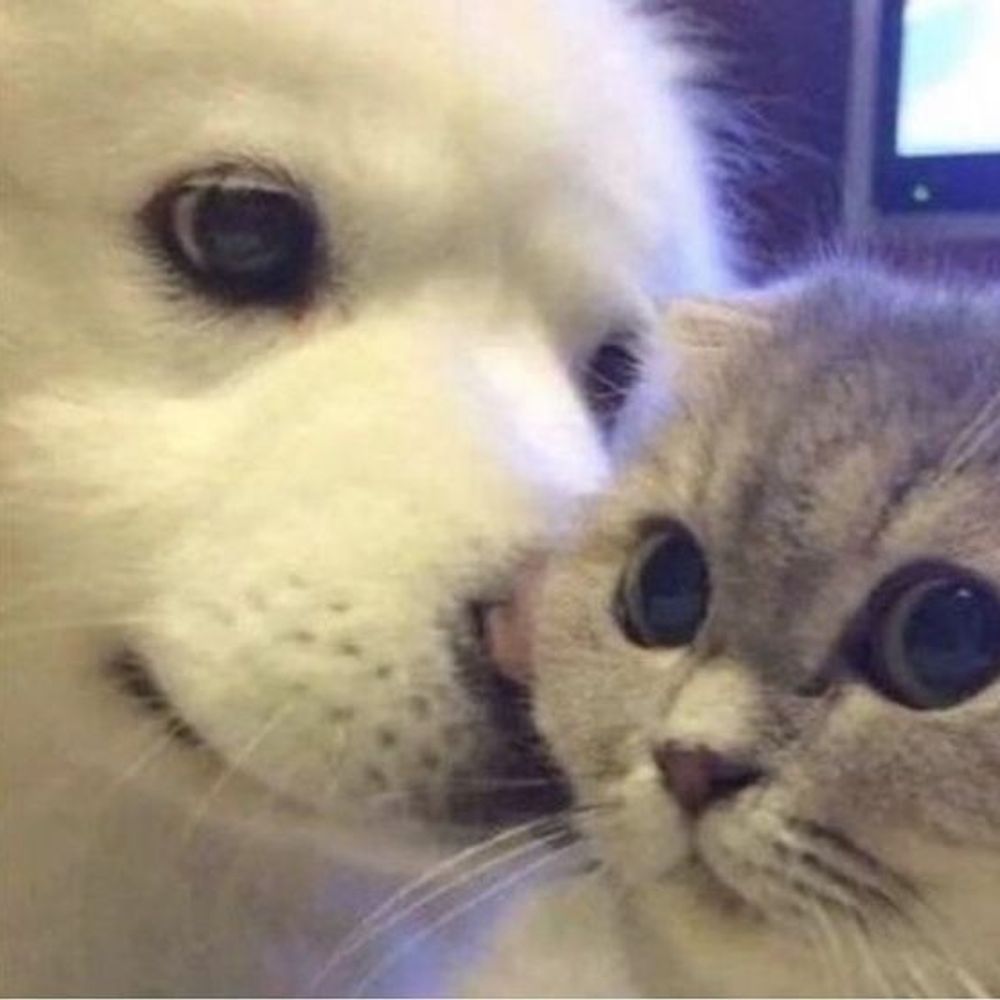
Dog supporting his best friend in his first steps 🥰
February 8, 2025 at 9:39 PM
So precious! Teachers/Parents, we’re providing that scaffolding as our students/children start to go ahead on their own.
Day 2 - It is never too early or too late to let music influence your brain for good.
Bullets from this article in comments:
"The Argument for Music Education" by Nina Kraus and Travis White-Schwoch, American Scientist, July/Aug 2020, Vol 108, No 4, pg 210. www.americanscientist.org/article/the-...
Bullets from this article in comments:
"The Argument for Music Education" by Nina Kraus and Travis White-Schwoch, American Scientist, July/Aug 2020, Vol 108, No 4, pg 210. www.americanscientist.org/article/the-...

February 8, 2025 at 5:15 PM
Day 2 - It is never too early or too late to let music influence your brain for good.
Bullets from this article in comments:
"The Argument for Music Education" by Nina Kraus and Travis White-Schwoch, American Scientist, July/Aug 2020, Vol 108, No 4, pg 210. www.americanscientist.org/article/the-...
Bullets from this article in comments:
"The Argument for Music Education" by Nina Kraus and Travis White-Schwoch, American Scientist, July/Aug 2020, Vol 108, No 4, pg 210. www.americanscientist.org/article/the-...
Between Cardiff U's & my own school district's recent announcements about removing music education, the trend to dismiss music learning feels like it's growing. I have decided to do a 14-day campaign sharing the latest research on why music learning improves cognitive & social skills. Please share!

February 7, 2025 at 5:49 PM
Between Cardiff U's & my own school district's recent announcements about removing music education, the trend to dismiss music learning feels like it's growing. I have decided to do a 14-day campaign sharing the latest research on why music learning improves cognitive & social skills. Please share!
More details on the possible closing of the music dept at Cardiff U.
Statement from the Royal Musical Association on the School of Music at Cardiff University: www.rma.ac.uk/2025/02/03/s...
Statement from the Royal Musical Association on the School of Music at Cardiff University – Royal Musical Association
www.rma.ac.uk
February 3, 2025 at 1:52 PM
More details on the possible closing of the music dept at Cardiff U.
So sad. This is me wishing BlueSky had more reaction emojis than just ❤️ing a post. ☹️🥺😢😭
Music education has proven to make a difference in lower grades based on research shared by Better Bigger Brains. Highly recommend Dr Anita Collins’s book The Music Advantage for all school administrators.
Music education has proven to make a difference in lower grades based on research shared by Better Bigger Brains. Highly recommend Dr Anita Collins’s book The Music Advantage for all school administrators.

It's a grim time for arts education in the UK. The latest in a series of such announcements, Cardiff University has announced plans to close its music department (along with a host of other subjects). Please sign and share the petition if you can.

Sign the Petition
SAVE CARDIFF UNIVERSITY SCHOOL OF MUSIC
www.change.org
February 3, 2025 at 2:24 AM
So sad. This is me wishing BlueSky had more reaction emojis than just ❤️ing a post. ☹️🥺😢😭
Music education has proven to make a difference in lower grades based on research shared by Better Bigger Brains. Highly recommend Dr Anita Collins’s book The Music Advantage for all school administrators.
Music education has proven to make a difference in lower grades based on research shared by Better Bigger Brains. Highly recommend Dr Anita Collins’s book The Music Advantage for all school administrators.