



Nicola Oberbeckmann-Winter
@nicolaoberbeckmann.bsky.social
Chemistry publisher - proud parent - committed to sustainability / views are my own
ORCID: 0000-0001-9778-1920
ORCID: 0000-0001-9778-1920
Reposted by Nicola Oberbeckmann-Winter

(ABioanChem) A tunable analytical platform for bile acid isomers: from molecular recognition to pharmaceutical quality control: This study presents an innovative Trapped Ion Mobility Spectrometry-Mass Spectrometry (TIMS-MS) approach employing rifampicin (RFP) and Ba2+ coordination… #MassSpecRSS

A tunable analytical platform for bile acid isomers: from molecular recognition to pharmaceutical quality control
This study presents an innovative Trapped Ion Mobility Spectrometry-Mass Spectrometry (TIMS-MS) approach employing rifampicin (RFP) and Ba2+ coordination chemistry to address the analytical challenges posed by structurally similar bile acid (BA) isomers. Our methodology facilitates the formation of distinctive ternary complexes that enable effective isomer separation, achieving separation resolution (Rp-p) values reached to 2.77. Otherwise, theoretical calculation modeling revealed that the differential binding interactions between RFP/Ba2+ and various BA isomers underlie the separation mechanism, with theoretical predictions showing remarkable consistency with experimental results (≤ 3.0% error). The technique demonstrates outstanding quantitative reliability (R2 > 0.99) and has been successfully implemented in both pharmaceutical formulation analysis and serum sample testing. Characterized by its operational simplicity, rapid analysis time, and high sensitivity, this robust analytical platform offers significant potential for advancing BA research in pharmaceutical quality control, clinical diagnostics, and regulatory compliance applications.
dlvr.it
October 28, 2025 at 6:15 PM
(ABioanChem) A tunable analytical platform for bile acid isomers: from molecular recognition to pharmaceutical quality control: This study presents an innovative Trapped Ion Mobility Spectrometry-Mass Spectrometry (TIMS-MS) approach employing rifampicin (RFP) and Ba2+ coordination… #MassSpecRSS
Reposted by Nicola Oberbeckmann-Winter

Next Newsletter coming out!
Yes, you are already following us here. But honestly, we all miss a post from time to time because we can't be online 24/7.
So if you don't want to miss anything - our newsletter is just 2 clicks away.
https://www.nfdi4chem.de/newsletter/
##chemistry #researchdata #rdm
Yes, you are already following us here. But honestly, we all miss a post from time to time because we can't be online 24/7.
So if you don't want to miss anything - our newsletter is just 2 clicks away.
https://www.nfdi4chem.de/newsletter/
##chemistry #researchdata #rdm

October 29, 2025 at 9:03 AM
Next Newsletter coming out!
Yes, you are already following us here. But honestly, we all miss a post from time to time because we can't be online 24/7.
So if you don't want to miss anything - our newsletter is just 2 clicks away.
https://www.nfdi4chem.de/newsletter/
##chemistry #researchdata #rdm
Yes, you are already following us here. But honestly, we all miss a post from time to time because we can't be online 24/7.
So if you don't want to miss anything - our newsletter is just 2 clicks away.
https://www.nfdi4chem.de/newsletter/
##chemistry #researchdata #rdm
Reposted by Nicola Oberbeckmann-Winter
(ABioanChem) Noncovalent crown ether–assisted separation of stereoisomeric glycosphingosines using cyclic ion mobility spectrometry: Glycosphingosines (GlycoSphs), a class of simple glycosphingolipids (GSLs), are abundant in the brain and crucial in neurodegenerative diseases. Specific… #MassSpecRSS

Noncovalent crown ether–assisted separation of stereoisomeric glycosphingosines using cyclic ion mobility spectrometry
Glycosphingosines (GlycoSphs), a class of simple glycosphingolipids (GSLs), are abundant in the brain and crucial in neurodegenerative diseases. Specific GlycoSphs, including glucosyl-sphingosine (GlcSph) and galactosyl-sphingosine (GalSph), exhibit distinct biological roles due to subtle structural isomeric differences, including anomeric configurations (α, β). These variations influence solubility, membrane interactions, and pathological outcomes, with GlcSph linked to immune modulation and GalSph to neurodegeneration. Standard mass spectrometry (MS) enables rapid analysis of biochemical mixtures but lacks the capability to separate isomers. The integration of ion mobility spectrometry (IMS) with MS overcomes this limitation by providing orthogonal analyte separation based on size and shape. In particular, a high-resolution variant of IMS called cyclic IMS (cIMS) has successfully separated some stereoisomeric mixtures; however, the structural diversity of GSLs remains challenging to fully characterize due to their high degree of structural similarity among multiple stereoisomers. This study investigates the potential of crown ether non-covalent modification to enable the separation of four GlycoSph isomers (GlcSph-α, GlcSph-β, GalSph-α, and GalSph-β). Whereas cIMS analysis of all six binary mixtures without crown ether modification resulted in no observable separation after >50 passes, cIMS analysis of complexes with 15-crown-5, 18-crown-6, and dibenzo-21-crown-7 resulted in varying degrees of separation for GlycoSph stereoisomer mixtures. In particular, 18-crown-6 complexation resulted in three identifiable peaks when separating the mixture of all four isomers and enabled separation of five out of six possible GlycoSph binary mixtures. This approach demonstrates promise for precise monitoring of GlycoSph isomer levels, necessary for biomarker identification and GlycoSph mechanism studies.
Graphical abstract
dlvr.it
October 24, 2025 at 7:04 PM
(ABioanChem) Noncovalent crown ether–assisted separation of stereoisomeric glycosphingosines using cyclic ion mobility spectrometry: Glycosphingosines (GlycoSphs), a class of simple glycosphingolipids (GSLs), are abundant in the brain and crucial in neurodegenerative diseases. Specific… #MassSpecRSS
Reposted by Nicola Oberbeckmann-Winter
(ABioanChem) Development and evaluation of sample preparation methods for the determination of organic micropollutants in soil samples utilizing GC-APCI-QToF MS: Soil pollution poses a serious threat to terrestrial ecosystems and human health, yet studies often focus on a handful of… #MassSpecRSS

Development and evaluation of sample preparation methods for the determination of organic micropollutants in soil samples utilizing GC-APCI-QToF MS
Soil pollution poses a serious threat to terrestrial ecosystems and human health, yet studies often focus on a handful of pollutant classes per study. Wide-scope methodologies are necessary to account for the complexity and diversity of the soil matrix and the organic micropollutant mixture of both known and novel compounds it may contain. Thus, to facilitate comprehensive monitoring of the organic micropollutant burden in soil with gas chromatography coupled with high-resolution mass spectrometry (GC-HRMS), three wide-scope methods were developed and compared: modified QuEChERS (mQuEChERS), Accelerated Solvent Extraction (ASE), and Ultrasonic Assisted Extraction (UAE). Comparison of the three methods and the final choice of the modified QuEChERS were achieved via an examination of the performance characteristics, such as the number of analytes detected, recoveries, matrix effect, and precision, through a smart validation scheme that encompassed 38 analytes belonging to diverse pollutant classes. The mQuEChERS method was then fully validated for the simultaneous quantification of 75 analytes, including pesticides, polycyclic aromatic hydrocarbons (PAHs), polychlorinated biphenyls (PCBs), polychlorinated naphthalenes (PCNs), and organochlorine pesticides (OCPs). The method’s limits of detection (MLOD) ranged from 0.04 to 2.77 μg kg−1 d.w. Linearity was demonstrated within a concentration range of 30 to 300 μg kg−1 d.w. Recoveries ranged from 70 to 120%. Method precision was deemed optimal (RSD
dlvr.it
October 25, 2025 at 6:14 PM
(ABioanChem) Development and evaluation of sample preparation methods for the determination of organic micropollutants in soil samples utilizing GC-APCI-QToF MS: Soil pollution poses a serious threat to terrestrial ecosystems and human health, yet studies often focus on a handful of… #MassSpecRSS
Reposted by Nicola Oberbeckmann-Winter
(ABioanChem) Ion mobility–mass spectrometry of palytoxin-like compounds produced by Ostreopsis cf. ovata: Palytoxin (PLTX) and its analogues from Ostreopsis cf. ovata are significant health concerns. They show potent vasoconstrictive properties, often causing seafood poisoning. PLTX… #MassSpecRSS

Ion mobility–mass spectrometry of palytoxin-like compounds produced by Ostreopsis cf. ovata
Palytoxin (PLTX) and its analogues from Ostreopsis cf. ovata are significant health concerns. They show potent vasoconstrictive properties, often causing seafood poisoning. PLTX analogues have chiral centers, resulting in many isomers, making their separation by liquid chromatography and identification/characterization by mass spectrometry challenging. This study explores for the first time the ion mobility spectrometry (IMS) behavior of these compounds to address these analytical challenges. Drift tube ion mobility spectrometry (DTIMS) and traveling wave ion mobility spectrometry (TWIMS) were used and compared. Additionally, trapped ion mobility spectrometry (TIMS) and molecular dynamics simulation were employed to explain unexpected results. TIMS provided higher resolution, distinguishing isomeric ions generated in the electrospray source by losing water molecules from different toxin sites. Computational studies offered theoretical insights into the ion mobility of triply charged calcium and sodium adduct ions, suggesting a folded conformation. DTCCSN2 (collisional cross section using DTIMS and nitrogen as buffer gas) values were obtained for PLTX (standard), ovatoxin-a, and ovatoxin-b from microalgae samples in Sant Andreu de Llavaneres (Barcelona, Spain). These values were comparable (ΔCCSs
dlvr.it
October 17, 2025 at 7:04 PM
(ABioanChem) Ion mobility–mass spectrometry of palytoxin-like compounds produced by Ostreopsis cf. ovata: Palytoxin (PLTX) and its analogues from Ostreopsis cf. ovata are significant health concerns. They show potent vasoconstrictive properties, often causing seafood poisoning. PLTX… #MassSpecRSS
Reposted by Nicola Oberbeckmann-Winter
(ABioanChem) Ultra-high-resolution mass spectrometric analysis of mercury–DOM complexes extracted from lake water at ambient pH: Understanding the elemental and structural composition of mercury-dissolved organic matter (Hg-DOM) complexes is crucial for comprehending Hg speciation,… #MassSpecRSS

Ultra-high-resolution mass spectrometric analysis of mercury–DOM complexes extracted from lake water at ambient pH
Understanding the elemental and structural composition of mercury-dissolved organic matter (Hg-DOM) complexes is crucial for comprehending Hg speciation, bioavailability, and transformations in aquatic ecosystems. However, low concentrations of these organo-metal complexes in natural waters and extraction at acidic pH constrain their characterization. Here, we used solid phase extraction (SPE) methodology to extract Hg-DOM complexes at ambient pH and validated their preconcentration by preserving the composition for identification using ultra-high-resolution Fourier transform ion cyclotron resonance mass spectrometry (FT-ICR-MS). While the dissolved organic carbon (DOC) extraction efficiency was higher with cartridges containing styrene divinylbenzene copolymer (PPL) than silica structure bonded with hydrocarbon chains (C18), Hg in both extracts showed no significant difference. FT-ICR-MS analysis revealed that Hg-DOM complexes extracted by C18 cartridges were aliphatic with smaller carbon chains (16–18), whereas complexes extracted with PPL exhibited both aliphatic and aromatic characteristics with a wide distribution of carbon chains ranging from 17 to 25. The C18 cartridge appeared to be selective in extracting and preserving the nonpolar complexes, as evidenced by the identification of two molecular formulae, C16H31HgNO3 and C16H35HgNO2S, with m/z ratios of 487.2 and 507.21, across triplicate extractions. This study addresses the challenge of the spectroscopic limitation of Hg-DOM identification by extracting these complexes at circumneutral pH and presumably preserving them from dissociation during extraction.
Graphical abstract
dlvr.it
October 18, 2025 at 7:04 PM
(ABioanChem) Ultra-high-resolution mass spectrometric analysis of mercury–DOM complexes extracted from lake water at ambient pH: Understanding the elemental and structural composition of mercury-dissolved organic matter (Hg-DOM) complexes is crucial for comprehending Hg speciation,… #MassSpecRSS
Reposted by Nicola Oberbeckmann-Winter
(ABioanChem) A new elemental analytical approach for microplastic sum parameter analysis—ETV/ICP-MS with CO2: Microplastics (MPs) are pervasive environmental pollutants and are considered one of the main challenges of our time. However, a fast and comprehensive analytical approach for… #MassSpecRSS

A new elemental analytical approach for microplastic sum parameter analysis—ETV/ICP-MS with CO2
Microplastics (MPs) are pervasive environmental pollutants and are considered one of the main challenges of our time. However, a fast and comprehensive analytical approach for MP analysis in complex matrices traceable to SI units is still lacking. In this context, we report a fast screening tool for the sum parameter analysis of MPs using electrothermal vaporization (ETV) coupled to inductively coupled plasma-mass spectrometry (ICP-MS). In our proof-of-concept study, we observed size-independent detection of MPs as peaks above the 13C+ signal background in the nano- to micrometer range without limitations regarding the polymer type. Quantification of the 13C+ MP signals was accomplished via an external gas calibration utilizing dynamic dilution of carbon dioxide with argon, yielding recovery rates of 80–96% for MP reference material (RM) of polymer types commonly found in the environment. The applicability to a soil sample was demonstrated through spiking experiments with a polyethylene (PE) MP RM in soil. The limit of detection (LOD) was estimated to be 0.13 µg C, equaling the detection of a single spherical low-density-PE particle of about 70 µm, and a limit of quantification (LOQ) of 0.42 µg C.
Graphical abstract
dlvr.it
October 20, 2025 at 6:14 PM
(ABioanChem) A new elemental analytical approach for microplastic sum parameter analysis—ETV/ICP-MS with CO2: Microplastics (MPs) are pervasive environmental pollutants and are considered one of the main challenges of our time. However, a fast and comprehensive analytical approach for… #MassSpecRSS
Reposted by Nicola Oberbeckmann-Winter

GDCh and the Chinese Chemical Society (CCS) signed a memorandum of understanding (MoU) in Beijing, extending their existing collaboration for an additional five years, from 2025 to 2030. The partnership aims to strengthen ties between the Chinese and German chemistry communities.

October 21, 2025 at 2:50 PM
GDCh and the Chinese Chemical Society (CCS) signed a memorandum of understanding (MoU) in Beijing, extending their existing collaboration for an additional five years, from 2025 to 2030. The partnership aims to strengthen ties between the Chinese and German chemistry communities.
Reposted by Nicola Oberbeckmann-Winter
(ABioanChem) Optimized method for analyzing volatile compounds in edible yeast using headspace SPME-GC-MS: Volatile compounds produced by edible yeasts play a critical role in food flavor and consumer perception. This study aimed to evaluate how different yeast preparation methods… #MassSpecRSS

Optimized method for analyzing volatile compounds in edible yeast using headspace SPME-GC-MS
Volatile compounds produced by edible yeasts play a critical role in food flavor and consumer perception. This study aimed to evaluate how different yeast preparation methods influence the detection of volatile compounds using gas chromatography-mass spectrometry (GC-MS) coupled with headspace solid-phase microextraction (HS-SPME). Saccharomyces cerevisiae was prepared using four methods—broth culture, agar culture, supernatant, and yeast cell pellet—and volatile profiles were compared with non-polar (DB-5), mid-polar (DB-17), and polar (VF-WAX) GC columns. The supernatant consistently exhibited the greatest diversity and abundant volatile compounds, whereas agar cultures and cell pellets led to fewer volatiles. Principal component analysis (PCA) demonstrated distinct clustering of volatile profiles according to the preparation method, with major compounds such as hexanoic acid ethyl ester and phenylethyl alcohol contributing to group separation. Additionally, the effect of salting-out agents (NaCl and H2NaPO4) on volatiles extraction efficiency was examined, showing that NaCl led to increased levels of alcohols, while H2NaPO4 enhanced acid extraction. These findings underscore the importance of optimizing sample preparation conditions, column polarity, and extraction parameters for accurate and reproducible analysis of yeast-derived volatiles. The results provide practical insights into targeted flavor profiling and the development of yeast-derived flavor applications in the food and fermentation processes.
dlvr.it
October 22, 2025 at 6:14 PM
(ABioanChem) Optimized method for analyzing volatile compounds in edible yeast using headspace SPME-GC-MS: Volatile compounds produced by edible yeasts play a critical role in food flavor and consumer perception. This study aimed to evaluate how different yeast preparation methods… #MassSpecRSS
Reposted by Nicola Oberbeckmann-Winter
Be a leader in chemistry! 🏆 ⚗️
It is already possible today to store your research data FAIR. Do you want to lead the way? Then apply with your FAIR data set for the #FAIR4Chem Award 2026 and a 500 euro prize! 💰
https://bit.ly/3sCGoct
##chemistry #FAIR
It is already possible today to store your research data FAIR. Do you want to lead the way? Then apply with your FAIR data set for the #FAIR4Chem Award 2026 and a 500 euro prize! 💰
https://bit.ly/3sCGoct
##chemistry #FAIR

September 29, 2025 at 10:06 AM
Be a leader in chemistry! 🏆 ⚗️
It is already possible today to store your research data FAIR. Do you want to lead the way? Then apply with your FAIR data set for the #FAIR4Chem Award 2026 and a 500 euro prize! 💰
https://bit.ly/3sCGoct
##chemistry #FAIR
It is already possible today to store your research data FAIR. Do you want to lead the way? Then apply with your FAIR data set for the #FAIR4Chem Award 2026 and a 500 euro prize! 💰
https://bit.ly/3sCGoct
##chemistry #FAIR
Reposted by Nicola Oberbeckmann-Winter
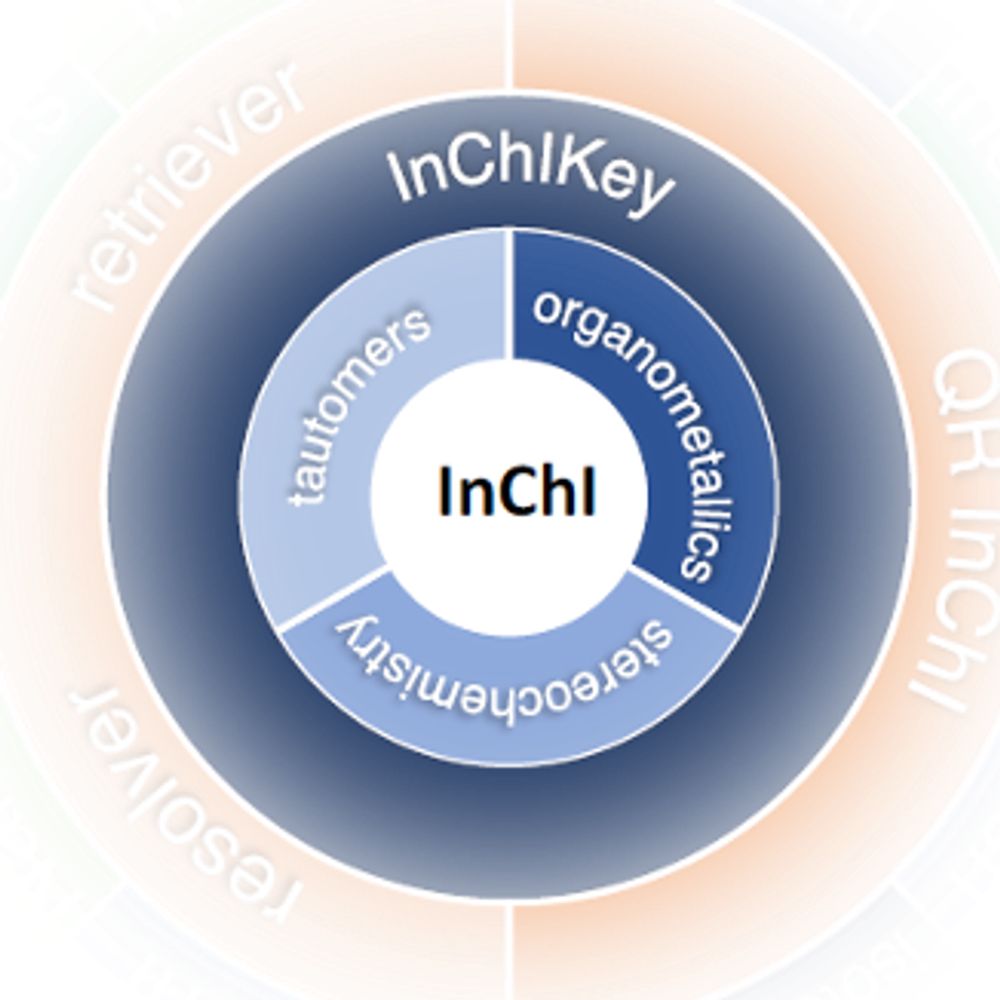
Thanks to all the participants in the InChI Trust Board meeting yesterday, and to @herreslab.bsky.social for hosting in lovely Aachen

August 27, 2025 at 10:17 AM
Thanks to all the participants in the InChI Trust Board meeting yesterday, and to @herreslab.bsky.social for hosting in lovely Aachen
Reposted by Nicola Oberbeckmann-Winter
You don't have to reinvent the wheel in teaching data literacy
The DALIA project (Data Literacy Alliance) aims to promote #data #literacy by providing high-quality, openly accessible educational resources (OER).
Read the report about their latest Meeting:
https://t1p.de/0wndf
##chemistry #rdm
The DALIA project (Data Literacy Alliance) aims to promote #data #literacy by providing high-quality, openly accessible educational resources (OER).
Read the report about their latest Meeting:
https://t1p.de/0wndf
##chemistry #rdm

August 21, 2025 at 7:18 AM
You don't have to reinvent the wheel in teaching data literacy
The DALIA project (Data Literacy Alliance) aims to promote #data #literacy by providing high-quality, openly accessible educational resources (OER).
Read the report about their latest Meeting:
https://t1p.de/0wndf
##chemistry #rdm
The DALIA project (Data Literacy Alliance) aims to promote #data #literacy by providing high-quality, openly accessible educational resources (OER).
Read the report about their latest Meeting:
https://t1p.de/0wndf
##chemistry #rdm
Reposted by Nicola Oberbeckmann-Winter
(ABioanChem) Analytical dissection of minor glycoforms and glycoprotein associations in rAAV preparations by multimodal glycoproteomics: Accurate glycan analysis of viral vectors is essential for evaluating pharmaceutical quality. Recent advances in mass spectrometry–based analytical… #MassSpecRSS

Analytical dissection of minor glycoforms and glycoprotein associations in rAAV preparations by multimodal glycoproteomics
Accurate glycan analysis of viral vectors is essential for evaluating pharmaceutical quality. Recent advances in mass spectrometry–based analytical technologies have achieved glycosylation detection in adeno-associated viruses (AAVs). However, because only a minor subpopulation (
dlvr.it
August 8, 2025 at 3:04 AM
(ABioanChem) Analytical dissection of minor glycoforms and glycoprotein associations in rAAV preparations by multimodal glycoproteomics: Accurate glycan analysis of viral vectors is essential for evaluating pharmaceutical quality. Recent advances in mass spectrometry–based analytical… #MassSpecRSS
Reposted by Nicola Oberbeckmann-Winter
(ABioanChem) Leveraging open cheminformatics tools for non-targeted metabolomics analysis of C. elegans: a workflow comparison and application to strains related to xenobiotic metabolism and neurodegeneration: Caenorhabditis elegans (C. elegans) is a well-established nematode model for… #MassSpecRSS

Leveraging open cheminformatics tools for non-targeted metabolomics analysis of C. elegans: a workflow comparison and application to strains related to xenobiotic metabolism and neurodegeneration
Caenorhabditis elegans (C. elegans) is a well-established nematode model for studying metabolism and neurodegenerative disorders, such as Alzheimer’s (AD) and Parkinson’s disease (PD). Non-targeted metabolomics via liquid chromatography coupled with tandem mass spectrometry (LC–MS/MS) has proven useful for uncovering metabolic changes in biological systems. Here, we present workflows for C. elegans metabolomics, leveraging advanced open science tools. We compared two metabolite extraction methods: a monophasic extraction, which provided broader metabolite coverage in analyses conducted in hydrophilic interaction with positive polarity (HILIC POS), and a biphasic extraction, which yielded more features in reverse-phase C18 chromatography with negative polarity (RPLC NEG) analyses. Data were processed using patRoon, integrating IPO, XCMS, CAMERA, and MetFrag, which incorporated PubChemLite compounds and C. elegans–specific metabolites from an expanded WormJam database enhanced with PubChem and literature sources. MS-DIAL was also employed for data processing, allowing for expanded annotations with predicted spectra for the expanded WormJam metabolites calculated using CFM-ID. Significant metabolite differences were identified when comparing the Bristol (N2) wild-type strain with two knockout strains of xenobiotic-metabolizing enzymes and two transgenic strains related to neurodegenerative pathways. Pooled quality control (QC) samples for each strain ensured robust data quality and the detection of strain-related metabolites. Our study demonstrates the potential of non-targeted metabolomics for metabolite discovery employing open science tools in model organisms.
dlvr.it
August 8, 2025 at 10:11 PM
(ABioanChem) Leveraging open cheminformatics tools for non-targeted metabolomics analysis of C. elegans: a workflow comparison and application to strains related to xenobiotic metabolism and neurodegeneration: Caenorhabditis elegans (C. elegans) is a well-established nematode model for… #MassSpecRSS
Reposted by Nicola Oberbeckmann-Winter
(ABioanChem) Single-cell Raman and mass spectrometry analysis to probe cellular heterogeneity in tamoxifen uptake and metabolism: Current drug discovery is limited by the lack of single-cell data on drug uptake, metabolism, and effects, as population-level methods obscure cellular… #MassSpecRSS

Single-cell Raman and mass spectrometry analysis to probe cellular heterogeneity in tamoxifen uptake and metabolism
Current drug discovery is limited by the lack of single-cell data on drug uptake, metabolism, and effects, as population-level methods obscure cellular heterogeneity. While single-cell RNA sequencing has revealed drug resistance mechanisms, it cannot simultaneously measure drug concentrations and cellular responses. Raman spectroscopy probes single-cell drug effects but lacks sensitivity for drug or its metabolite quantification, whereas single-cell mass spectrometry (MS) offers high sensitivity but consumes samples, preventing repeated measurements. Integrating Raman spectroscopy with MS enables simultaneous assessment of cellular states and drug metabolism. However, existing studies are limited by small sample sizes and single drug concentrations. We employ a combined single-cell Raman and mass spectrometry (Raman-MS) approach to investigate variability in drug uptake, metabolism, and effects in HepG2 liver cancer cells. The cells were exposed to three concentrations of tamoxifen, after which we quantified the heterogeneity in tamoxifen and its hepatotoxic metabolites. This validates the potential of single-cell analysis for advancing drug discovery and cancer research. Our results indicated that tamoxifen induces concentration-dependent metabolic changes in single liver cancer cells, as revealed by Raman spectroscopy and mass spectrometry. The findings highlight a potential threshold concentration beyond which cellular integrity is compromised, underscoring the importance of single-cell approaches for understanding drug uptake, metabolism, and therapeutic heterogeneity.
Graphical Abstract
dlvr.it
August 14, 2025 at 10:10 PM
(ABioanChem) Single-cell Raman and mass spectrometry analysis to probe cellular heterogeneity in tamoxifen uptake and metabolism: Current drug discovery is limited by the lack of single-cell data on drug uptake, metabolism, and effects, as population-level methods obscure cellular… #MassSpecRSS
Reposted by Nicola Oberbeckmann-Winter

A main output of my post-doc at the University of Luxembourg is published!
Leveraging open cheminformatics tools for non-targeted metabolomics analysis of C. elegans: a workflow comparison and application to strains related to xenobiotic metabolism and neurodegeneration
🔗 doi.org/10.1007/s002...
Leveraging open cheminformatics tools for non-targeted metabolomics analysis of C. elegans: a workflow comparison and application to strains related to xenobiotic metabolism and neurodegeneration
🔗 doi.org/10.1007/s002...

Leveraging open cheminformatics tools for non-targeted metabolomics analysis of C. elegans: a workflow comparison and application to strains related to xenobiotic metabolism and neurodegeneration - An...
Caenorhabditis elegans (C. elegans) is a well-established nematode model for studying metabolism and neurodegenerative disorders, such as Alzheimer’s (AD) and Parkinson’s disease (PD). Non-targeted me...
doi.org
August 9, 2025 at 6:17 PM
A main output of my post-doc at the University of Luxembourg is published!
Leveraging open cheminformatics tools for non-targeted metabolomics analysis of C. elegans: a workflow comparison and application to strains related to xenobiotic metabolism and neurodegeneration
🔗 doi.org/10.1007/s002...
Leveraging open cheminformatics tools for non-targeted metabolomics analysis of C. elegans: a workflow comparison and application to strains related to xenobiotic metabolism and neurodegeneration
🔗 doi.org/10.1007/s002...
Reposted by Nicola Oberbeckmann-Winter
IMAGINE: Somebody in your team deletes or overwrites data.
Have you ever lost a year's worth of research because your data is gone? Hopefully not, but it happens!
On @chemistryviews.bsky.social we present 10 foolproof ways to lose your data. Plus, how you can prevent it.
https://bit.ly/4lNwTOC
Have you ever lost a year's worth of research because your data is gone? Hopefully not, but it happens!
On @chemistryviews.bsky.social we present 10 foolproof ways to lose your data. Plus, how you can prevent it.
https://bit.ly/4lNwTOC

June 16, 2025 at 8:54 AM
IMAGINE: Somebody in your team deletes or overwrites data.
Have you ever lost a year's worth of research because your data is gone? Hopefully not, but it happens!
On @chemistryviews.bsky.social we present 10 foolproof ways to lose your data. Plus, how you can prevent it.
https://bit.ly/4lNwTOC
Have you ever lost a year's worth of research because your data is gone? Hopefully not, but it happens!
On @chemistryviews.bsky.social we present 10 foolproof ways to lose your data. Plus, how you can prevent it.
https://bit.ly/4lNwTOC
Reposted by Nicola Oberbeckmann-Winter
(ABioanChem) Understanding the chemical stability of peptidomimetic therapeutics using high-resolution mass spectrometry: a study of terlipressin and its degradation products: Terlipressin, a synthetic 12-amino acid peptidomimetic of vasopressin, is a critical therapeutic agent for… #MassSpecRSS

Understanding the chemical stability of peptidomimetic therapeutics using high-resolution mass spectrometry: a study of terlipressin and its degradation products
Terlipressin, a synthetic 12-amino acid peptidomimetic of vasopressin, is a critical therapeutic agent for hepatorenal syndrome and oesophageal variceal hemorrhage. The inherent susceptibility of therapeutic peptides to hydrolytic and oxidative degradation necessitates thorough stability profiling. Conformational changes in the peptide, arising from hydrolysis and oxidative degradation, can hinder effective target binding and thereby diminish its capacity to elicit intended downstream effects, leading to reduced efficacy. For synthetic peptides, the most relevant stability testing principles are derived from the parent International Council for Harmonisation (ICH) stability testing guidelines Q1A(R2) and Q5C [1,2]. This study investigated the intrinsic degradation pathways of terlipressin under systematically varied stress conditions, including acidic, basic, neutral, and oxidative (H₂O₂) exposure at room temperature. Terlipressin exhibited sensitivity across all tested conditions, yielding a total of eleven distinct degradation products (DPs). To facilitate the separation of these DPs, a gradient reversed-phase high-performance liquid chromatography (RP-HPLC) method was developed utilizing an XSelect® CSH™ C18 (130 Å, 2.5 µm, 4.6 × 150 mm) column. The analytical assay method was validated according to ICH Q2(R1) guidelines. The intramolecular disulfide linkage between two cysteine residues presented a challenge for DP characterization. To address this, a chemical reduction strategy employing dithiothreitol (DTT) was integrated with ultra-high performance liquid chromatography-high resolution tandem mass spectrometry (UHPLC-HRMS/MS). This approach enabled the successful elucidation of the eleven DPs, revealing modifications such as truncation, deamidation, acetylation, and oxidation. The characterized fragmentation patterns and identified degradation products provide fundamental insights into the stability behavior of disulfide-containing therapeutic peptides, directly contributing to rational formulation design and development.
Graphical abstract
dlvr.it
June 17, 2025 at 1:02 AM
(ABioanChem) Understanding the chemical stability of peptidomimetic therapeutics using high-resolution mass spectrometry: a study of terlipressin and its degradation products: Terlipressin, a synthetic 12-amino acid peptidomimetic of vasopressin, is a critical therapeutic agent for… #MassSpecRSS
Reposted by Nicola Oberbeckmann-Winter

Der Countdown läuft! Am Dienstag treffen Expert*innen aus Wissenschaft und Politik bei #ScienceOnTheSpree zusammen und gehen der Frage nach: Wie passen wir uns an die Folgen des Klimawandels an? Jetzt anmelden und in Berlin oder per Livestream dabei sein: go.sn.pub/yr0inp #Klimawandel #Wissenschaft
June 18, 2025 at 3:57 PM
Der Countdown läuft! Am Dienstag treffen Expert*innen aus Wissenschaft und Politik bei #ScienceOnTheSpree zusammen und gehen der Frage nach: Wie passen wir uns an die Folgen des Klimawandels an? Jetzt anmelden und in Berlin oder per Livestream dabei sein: go.sn.pub/yr0inp #Klimawandel #Wissenschaft
Reposted by Nicola Oberbeckmann-Winter
Mitochondria are the powerhouse of the cell, right? Well, it turns out they might be way more complicated than that, and that could have implications for everything from diet and exercise to treating mental health conditions. Listen to Science Quickly to learn more:

Mitochondria Do More Than Power the Cell
New discoveries about mitochondria could reshape how we understand the body’s response to stress, aging and illness
spklr.io
June 9, 2025 at 4:12 PM
Mitochondria are the powerhouse of the cell, right? Well, it turns out they might be way more complicated than that, and that could have implications for everything from diet and exercise to treating mental health conditions. Listen to Science Quickly to learn more:
Reposted by Nicola Oberbeckmann-Winter
(ABioanChem) Development of a candidate reference method for the simultaneous quantification of betaine, choline and trimethylamine N-oxide in serum samples by two-dimensional liquid chromatography and isotope dilution tandem mass spectrometry: Serum choline, betaine and trimethylamine… #MassSpecRSS

Development of a candidate reference method for the simultaneous quantification of betaine, choline and trimethylamine N-oxide in serum samples by two-dimensional liquid chromatography and isotope dilution tandem mass spectrometry
Serum choline, betaine and trimethylamine N-oxide levels are associated with the risk of cardiovascular events. However, no reference procedure for the determination of these compounds in serum has been developed so far. This work describes the combination of IDMS and two-dimensional liquid chromatography operating in multiple heart-cutting mode for the simultaneous quantification of the three compounds in human serum by isotope dilution tandem mass spectrometry. A reversed-phase separation is proposed as the first dimension and coupled with cation exchange chromatography in the second dimension. The online isolation of the single fraction in which the three analytes co-elute from the first dimension enables a rapid chromatographic separation in the second dimension through cation exchange. The method was validated according to the Clinical and Laboratory Standards Institute (CLSI) guidelines and applied to the analysis of 74 serum samples from patients who had suffered from an ischemic stroke in the past 24 h for further study of these metabolites as potential biomarkers to predict an ischemic stroke patient’s prognosis.
Graphical Abstract
dlvr.it
May 24, 2025 at 2:08 AM
(ABioanChem) Development of a candidate reference method for the simultaneous quantification of betaine, choline and trimethylamine N-oxide in serum samples by two-dimensional liquid chromatography and isotope dilution tandem mass spectrometry: Serum choline, betaine and trimethylamine… #MassSpecRSS
Reposted by Nicola Oberbeckmann-Winter
(ABioanChem) Evaluation of extraction methodologies for PFAS analysis in mascara: a comparative study of SPME and automated µSPE: Research efforts have primarily focused on identifying per- and polyfluoroalkyl substances (PFAS) in common environmental media like water, air, soil, and… #MassSpecRSS

Evaluation of extraction methodologies for PFAS analysis in mascara: a comparative study of SPME and automated µSPE
Research efforts have primarily focused on identifying per- and polyfluoroalkyl substances (PFAS) in common environmental media like water, air, soil, and biological samples. However, there is limited research on PFAS detection in complex samples such as personal care products, including cosmetics. PFAS are used in cosmetics for emulsification, surfactant action, and stabilization, and have been detected in products such as foundation, powders, and nail polish. The complexity of cosmetic formulations, with various additives, makes the analysis of these samples extremely challenging. This study aimed to explore and develop convenient extraction methods to accurately quantify eight anionic PFAS in mascara products. Solid-phase microextraction (SPME) and automated micro solid-phase extraction (µSPE) were evaluated, and quantification was performed using liquid chromatography-tandem mass spectrometry (LC–MS/MS). Six mascara products, including waterproof and non-waterproof types, were analyzed, optimizing methanol–water mixtures as dispersive media to maximize PFAS recovery. Elution solution composition, volume, and dispensing speed were optimized for the µSPE method to ensure quantitative elution of the PFAS from the extraction phase. For the SPME method, the extraction time was optimized to account for the varying diffusion behavior of PFAS in the mixed-phase medium. Both extraction methods were evaluated in terms of greenness and practicality, with SPME achieving the best overall scores. Method validation demonstrated good linearity (0.025 to 25 ng/g) for both protocols, with µSPE providing lower limits of quantification (LOQ) for the most hydrophobic PFAS. 6:2 diPAP was quantified in real samples at concentrations ranging from 1.26 to 3.48 ng/g in 4 of the 9 mascaras tested.
Graphical Abstract
dlvr.it
May 25, 2025 at 2:07 AM
(ABioanChem) Evaluation of extraction methodologies for PFAS analysis in mascara: a comparative study of SPME and automated µSPE: Research efforts have primarily focused on identifying per- and polyfluoroalkyl substances (PFAS) in common environmental media like water, air, soil, and… #MassSpecRSS
Reposted by Nicola Oberbeckmann-Winter
Die Initiative "MINT Zukunft schaffen!" zeichnet 2025 Schulen als "MINT-freundliche Schule" oder "Digitale Schule" aus. Bis 31.05. können sich alle Schularten bewerben. Die GDCh unterstützt die Initiative: mintzukunftschaffen.de/2025/03/31/b... #chemsky @mintzukunft.bsky.social

Bewerbungsphase für „MINT-freundliche Schulen“ und „Digitale Schulen“ 2025 gestartet
Berlin. Die bundesweite Initiative „MINT Zukunft schaffen!“ vergibt auch 2025 die renommierten Siegel „MINT-freundliche Schule“ und „Digitale Schule“. Ab sofort bis zum 31. Mai 2025 werden sich Hunder...
mintzukunftschaffen.de
April 22, 2025 at 1:31 PM
Die Initiative "MINT Zukunft schaffen!" zeichnet 2025 Schulen als "MINT-freundliche Schule" oder "Digitale Schule" aus. Bis 31.05. können sich alle Schularten bewerben. Die GDCh unterstützt die Initiative: mintzukunftschaffen.de/2025/03/31/b... #chemsky @mintzukunft.bsky.social
Reposted by Nicola Oberbeckmann-Winter
(ABioanChem) Novel chlorinated phospholipids—possible biomarkers of chlorine gas exposure: Biomarkers are needed to verify suspected exposure to chlorine gas in chemical attacks. Here, we aimed to expand upon the array of known biomarkers of chlorine gas exposure. 1-Palmitoyl-… #MassSpecRSS

Novel chlorinated phospholipids—possible biomarkers of chlorine gas exposure
Biomarkers are needed to verify suspected exposure to chlorine gas in chemical attacks. Here, we aimed to expand upon the array of known biomarkers of chlorine gas exposure. 1-Palmitoyl- 2-oleoyl-sn-glycero- 3-phosphocholine (POPC), a phospholipid belonging to the phosphatidylcholine (PC) class, was chosen as the study material. The lipids were chlorinated using chlorine gas, followed by analysis for chlorinated PCs using liquid chromatography (LC) coupled with mass spectrometry (MS), using unit- (MS, MS/MS) and high-resolution (HRMS, MS/HRMS). By interpreting accurate masses, isotopic patterns, and fragmentation patterns, PC chlorohydrin, PC dichloride, the chlorinated PC with m/z 794.54611 (here denoted as PC A) and 10 novel chlorinated PCs were identified: four PCs chlorinated at the glycerol backbone and six chlorinated peroxy-diphospholipids. Similar experiments with 1-palmitoyl-2-oleoyl-sn-glycero-3-phosphoethanolamine (POPE) resulted in the formation of the corresponding chlorohydrin and dichloride, as well as five chlorinated phosphatidylethanolamines (PEs) with chlorine in the glycerol backbone. Surprisingly, no chlorinated forms of 1-palmitoyl-2-stearoyl-sn-glycero-3-phosphocholine (PSPC) were observed in similar experiments. In total, 15 novel chlorinated lipids were found. Furthermore, to determine the relevance of the novel lipids as biomarkers, a pig lung tissue sample was chlorinated in vitro. Two monomeric chlorinated PCs and two chlorinated peroxy-diphospholipids were identified from the chlorine-exposed lung sample, showing that the novel lipid compounds are potential biomarkers for chlorine gas exposure.
Graphical Abstract
dlvr.it
April 12, 2025 at 4:02 AM
(ABioanChem) Novel chlorinated phospholipids—possible biomarkers of chlorine gas exposure: Biomarkers are needed to verify suspected exposure to chlorine gas in chemical attacks. Here, we aimed to expand upon the array of known biomarkers of chlorine gas exposure. 1-Palmitoyl-… #MassSpecRSS
Reposted by Nicola Oberbeckmann-Winter
(ABioanChem) Study of sampling phases for body odor sampling prior to analysis by TD-GC×GC/ToFMS: Body odor consists of a complex matrix of volatile organic compounds (VOCs), which has garnered increasing interest in fields like medicine for its potential in disease diagnosis. However,… #MassSpecRSS

Study of sampling phases for body odor sampling prior to analysis by TD-GC×GC/ToFMS
Body odor consists of a complex matrix of volatile organic compounds (VOCs), which has garnered increasing interest in fields like medicine for its potential in disease diagnosis. However, the field of body odor analysis is advancing slowly, partly due to a lack of standardized methodologies. Although gas chromatography–mass spectrometry (GC-MS) is widely used for VOC analysis, there is a broad range of sampling and extraction methods, leading to different or even sometimes contradictory results. To move toward standardized procedures, this study compares five sampling phases for direct body odor sampling in terms of analytical cleanliness and VOC trapping/release efficiency: gauze, glass beads, PowerSorb®, Getxent® microtubes, and passive sampling pillows (PSP). Thermodesorption was employed to simplify the protocol and minimize contamination or sample loss, which often occurs during multistep processes. Given the matrix’s complexity and the need to detect trace-level compounds, comprehensive two-dimensional gas chromatography coupled with time-of-flight mass spectrometry (GC×GC/ToFMS) was used to achieve high sensitivity and peak capacity. PSP and PowerSorb® demonstrated the best performance, with mean recovery yields of 95% and 71%, respectively, and 22% and 10% variability, ensuring good repeatability. These findings, initially obtained under simulated conditions with a synthetic mixture, were validated with real body odor samples, with an optimal sampling duration estimated between 30 min and 1 h. This study not only highlights these effective sampling solutions but also emphasizes the risks associated with using sorbent phases that lack adequate analytical cleanliness (i.e., clean blank) such as gauze.
Graphical abstract
dlvr.it
April 15, 2025 at 4:02 AM
(ABioanChem) Study of sampling phases for body odor sampling prior to analysis by TD-GC×GC/ToFMS: Body odor consists of a complex matrix of volatile organic compounds (VOCs), which has garnered increasing interest in fields like medicine for its potential in disease diagnosis. However,… #MassSpecRSS