


Nadeem Khan
@nadeemkhan78.bsky.social
Reposted by Nadeem Khan
A barred spiral galaxy, observed with the Apache Point 2.5m Telescope in the SDSS survey.
It is at redshift 0.039 (lookback time 549.7 million years) with coordinates (237.60797, 18.13958).
44 volunteers classified this galaxy in Galaxy Zoo 2.
It is at redshift 0.039 (lookback time 549.7 million years) with coordinates (237.60797, 18.13958).
44 volunteers classified this galaxy in Galaxy Zoo 2.

September 2, 2025 at 7:14 PM
A barred spiral galaxy, observed with the Apache Point 2.5m Telescope in the SDSS survey.
It is at redshift 0.039 (lookback time 549.7 million years) with coordinates (237.60797, 18.13958).
44 volunteers classified this galaxy in Galaxy Zoo 2.
It is at redshift 0.039 (lookback time 549.7 million years) with coordinates (237.60797, 18.13958).
44 volunteers classified this galaxy in Galaxy Zoo 2.
Reposted by Nadeem Khan
A smooth galaxy, observed with the Apache Point 2.5m Telescope in the SDSS survey.
It is at redshift 0.039 (lookback time 549.7 million years) with coordinates (181.96228, 42.57187).
42 volunteers classified this galaxy in Galaxy Zoo 2.
It is at redshift 0.039 (lookback time 549.7 million years) with coordinates (181.96228, 42.57187).
42 volunteers classified this galaxy in Galaxy Zoo 2.

June 9, 2025 at 9:22 AM
A smooth galaxy, observed with the Apache Point 2.5m Telescope in the SDSS survey.
It is at redshift 0.039 (lookback time 549.7 million years) with coordinates (181.96228, 42.57187).
42 volunteers classified this galaxy in Galaxy Zoo 2.
It is at redshift 0.039 (lookback time 549.7 million years) with coordinates (181.96228, 42.57187).
42 volunteers classified this galaxy in Galaxy Zoo 2.

Reposted by Nadeem Khan

In a related study, the ALMA observatory finds hints of planets being born around stars in our galaxy's "central molecular zone." This region is dense and turbulent, with a supermassive black hole at the center -- yet planets seem to be forming there anyway. 🧪🔭
www.uni-koeln.de/en/universit...
www.uni-koeln.de/en/universit...

May 22, 2025 at 4:14 AM
In a related study, the ALMA observatory finds hints of planets being born around stars in our galaxy's "central molecular zone." This region is dense and turbulent, with a supermassive black hole at the center -- yet planets seem to be forming there anyway. 🧪🔭
www.uni-koeln.de/en/universit...
www.uni-koeln.de/en/universit...
Reposted by Nadeem Khan

Ukrainian MiG-29 pilot shot down a Russian Shahed drone over Ukraine with an R-73 air-to-air missile.
April 29, 2025 at 5:49 PM
Ukrainian MiG-29 pilot shot down a Russian Shahed drone over Ukraine with an R-73 air-to-air missile.
Reposted by Nadeem Khan

Even though Stephan’s Quintet is called a quintet, only four of the galaxies here are close together (about 290 million light-years away from Earth). The fifth and leftmost galaxy, NGC 7320, is only about 40 million light-years away: bit.ly/42MkBik 🔭 🧪

March 28, 2025 at 2:43 PM
Even though Stephan’s Quintet is called a quintet, only four of the galaxies here are close together (about 290 million light-years away from Earth). The fifth and leftmost galaxy, NGC 7320, is only about 40 million light-years away: bit.ly/42MkBik 🔭 🧪
Reposted by Nadeem Khan

⭕ A stunning cosmic lens!
A distant background spiral galaxy appears to be wrapped around a closer foreground elliptical galaxy, forming an Einstein ring.
Captured by the NASA/ESA/CSA James #Webb Space Telescope. Read more 👉 www.esa.int/ESA_Multimed...
🔭 🧪 ☄️
A distant background spiral galaxy appears to be wrapped around a closer foreground elliptical galaxy, forming an Einstein ring.
Captured by the NASA/ESA/CSA James #Webb Space Telescope. Read more 👉 www.esa.int/ESA_Multimed...
🔭 🧪 ☄️

March 27, 2025 at 9:01 AM
⭕ A stunning cosmic lens!
A distant background spiral galaxy appears to be wrapped around a closer foreground elliptical galaxy, forming an Einstein ring.
Captured by the NASA/ESA/CSA James #Webb Space Telescope. Read more 👉 www.esa.int/ESA_Multimed...
🔭 🧪 ☄️
A distant background spiral galaxy appears to be wrapped around a closer foreground elliptical galaxy, forming an Einstein ring.
Captured by the NASA/ESA/CSA James #Webb Space Telescope. Read more 👉 www.esa.int/ESA_Multimed...
🔭 🧪 ☄️
Reposted by Nadeem Khan
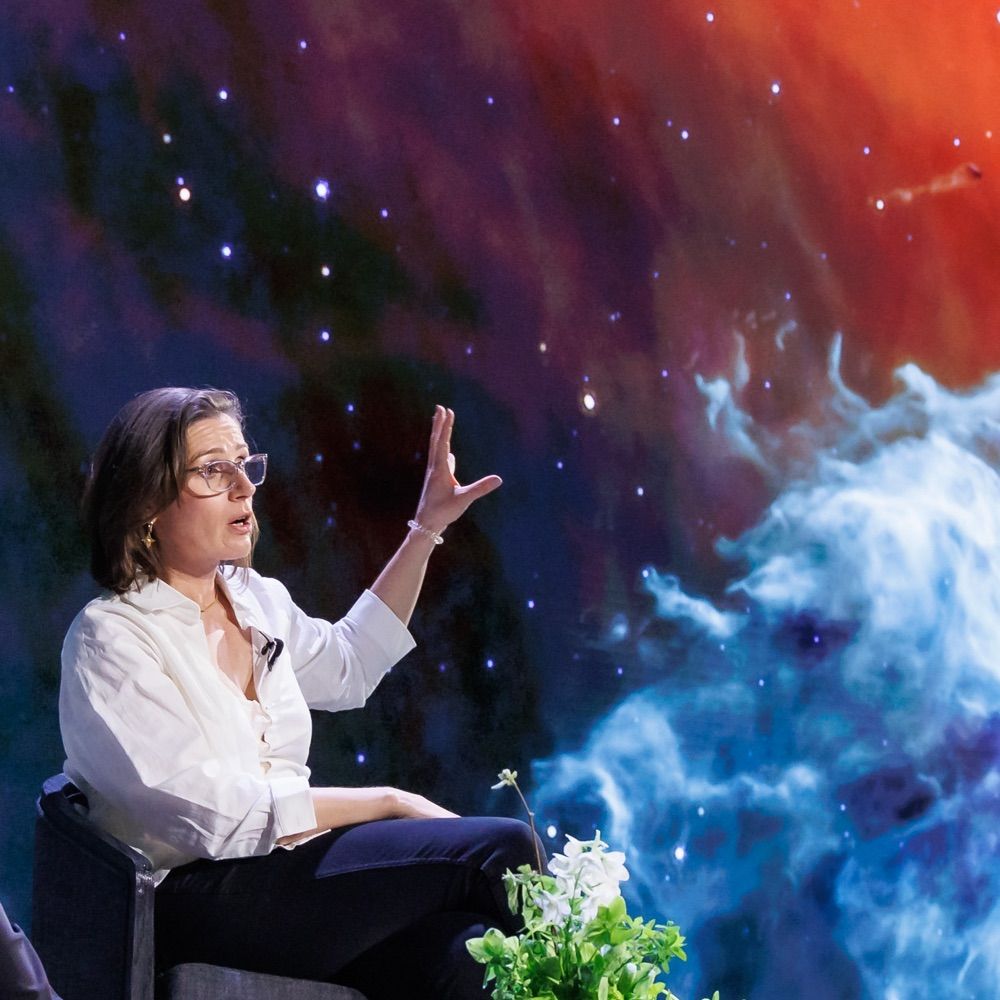
CRAZY new image from #JWST of a distant spiral wrapped around a foreground elliptical through gravitational lensing - perfectly aligned, forming a perfect Einstein ring. A serendipitous discovery led by G. Mahler of @universitedeliege.bsky.social 🇧🇪 🔭
Image credit: ESA/Webb, NASA & CSA, G. Mahler
Image credit: ESA/Webb, NASA & CSA, G. Mahler

March 27, 2025 at 3:29 PM
CRAZY new image from #JWST of a distant spiral wrapped around a foreground elliptical through gravitational lensing - perfectly aligned, forming a perfect Einstein ring. A serendipitous discovery led by G. Mahler of @universitedeliege.bsky.social 🇧🇪 🔭
Image credit: ESA/Webb, NASA & CSA, G. Mahler
Image credit: ESA/Webb, NASA & CSA, G. Mahler
Reposted by Nadeem Khan
An edge-on disk galaxy, observed with the Hubble Space Telescope in the COSMOS survey.
It is at redshift 0.38 (lookback time 4.26 billion years) with coordinates (149.65200, 2.21004).
31 volunteers classified this galaxy in Galaxy Zoo: Hubble.
It is at redshift 0.38 (lookback time 4.26 billion years) with coordinates (149.65200, 2.21004).
31 volunteers classified this galaxy in Galaxy Zoo: Hubble.

March 23, 2025 at 4:13 PM
An edge-on disk galaxy, observed with the Hubble Space Telescope in the COSMOS survey.
It is at redshift 0.38 (lookback time 4.26 billion years) with coordinates (149.65200, 2.21004).
31 volunteers classified this galaxy in Galaxy Zoo: Hubble.
It is at redshift 0.38 (lookback time 4.26 billion years) with coordinates (149.65200, 2.21004).
31 volunteers classified this galaxy in Galaxy Zoo: Hubble.
Reposted by Nadeem Khan
A barred spiral galaxy, observed with the Hubble Space Telescope in the AEGIS survey.
It is at redshift 0.37 (lookback time 4.17 billion years) with coordinates (214.79275, 52.86437).
145 volunteers classified this galaxy in Galaxy Zoo: Hubble.
It is at redshift 0.37 (lookback time 4.17 billion years) with coordinates (214.79275, 52.86437).
145 volunteers classified this galaxy in Galaxy Zoo: Hubble.

March 22, 2025 at 6:15 PM
A barred spiral galaxy, observed with the Hubble Space Telescope in the AEGIS survey.
It is at redshift 0.37 (lookback time 4.17 billion years) with coordinates (214.79275, 52.86437).
145 volunteers classified this galaxy in Galaxy Zoo: Hubble.
It is at redshift 0.37 (lookback time 4.17 billion years) with coordinates (214.79275, 52.86437).
145 volunteers classified this galaxy in Galaxy Zoo: Hubble.
Reposted by Nadeem Khan
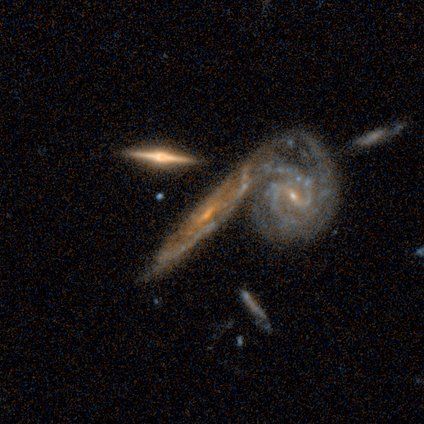
A spiral galaxy in a merger, observed with the Hubble Space Telescope in the AEGIS survey.
It is at redshift 0.51 (lookback time 5.28 billion years) with coordinates (214.95475, 52.87661).
28 volunteers classified this galaxy in Galaxy Zoo: Hubble.
It is at redshift 0.51 (lookback time 5.28 billion years) with coordinates (214.95475, 52.87661).
28 volunteers classified this galaxy in Galaxy Zoo: Hubble.
March 23, 2025 at 4:14 AM
A spiral galaxy in a merger, observed with the Hubble Space Telescope in the AEGIS survey.
It is at redshift 0.51 (lookback time 5.28 billion years) with coordinates (214.95475, 52.87661).
28 volunteers classified this galaxy in Galaxy Zoo: Hubble.
It is at redshift 0.51 (lookback time 5.28 billion years) with coordinates (214.95475, 52.87661).
28 volunteers classified this galaxy in Galaxy Zoo: Hubble.
Reposted by Nadeem Khan
A merger, observed with the Hubble Space Telescope in the CANDELS-GOODS survey.
It is at redshift 0.99 (lookback time 7.91 billion years) with coordinates (53.15277, -27.77528).
70 volunteers classified this galaxy in Galaxy Zoo CANDELS.
It is at redshift 0.99 (lookback time 7.91 billion years) with coordinates (53.15277, -27.77528).
70 volunteers classified this galaxy in Galaxy Zoo CANDELS.

March 18, 2025 at 3:25 AM
A merger, observed with the Hubble Space Telescope in the CANDELS-GOODS survey.
It is at redshift 0.99 (lookback time 7.91 billion years) with coordinates (53.15277, -27.77528).
70 volunteers classified this galaxy in Galaxy Zoo CANDELS.
It is at redshift 0.99 (lookback time 7.91 billion years) with coordinates (53.15277, -27.77528).
70 volunteers classified this galaxy in Galaxy Zoo CANDELS.
Reposted by Nadeem Khan
#NASAWebb was built to see the early universe. Earendel, the most distant star Webb has seen, is thought to exist about 1 billion years after the big bang. The most distant galaxy Webb has seen is even farther, around 300 million years after the big bang: bit.ly/40ZyR4L 🔭 🧪

March 18, 2025 at 2:42 PM
#NASAWebb was built to see the early universe. Earendel, the most distant star Webb has seen, is thought to exist about 1 billion years after the big bang. The most distant galaxy Webb has seen is even farther, around 300 million years after the big bang: bit.ly/40ZyR4L 🔭 🧪
Reposted by Nadeem Khan


Reposted by Nadeem Khan
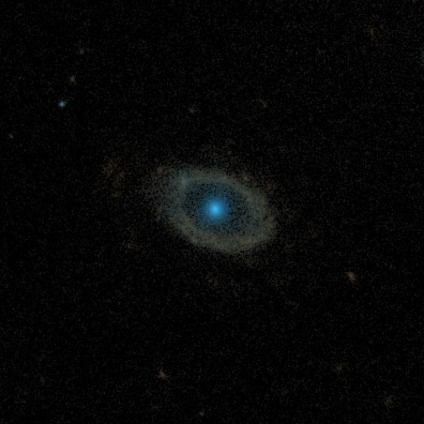
A ring galaxy, observed with the Hubble Space Telescope in the COSMOS survey.
It is at redshift unknown (lookback time unknown) with coordinates (149.72790, 2.31586).
38 volunteers classified this galaxy in Galaxy Zoo: Hubble.
It is at redshift unknown (lookback time unknown) with coordinates (149.72790, 2.31586).
38 volunteers classified this galaxy in Galaxy Zoo: Hubble.
February 23, 2025 at 6:14 PM
A ring galaxy, observed with the Hubble Space Telescope in the COSMOS survey.
It is at redshift unknown (lookback time unknown) with coordinates (149.72790, 2.31586).
38 volunteers classified this galaxy in Galaxy Zoo: Hubble.
It is at redshift unknown (lookback time unknown) with coordinates (149.72790, 2.31586).
38 volunteers classified this galaxy in Galaxy Zoo: Hubble.
Reposted by Nadeem Khan
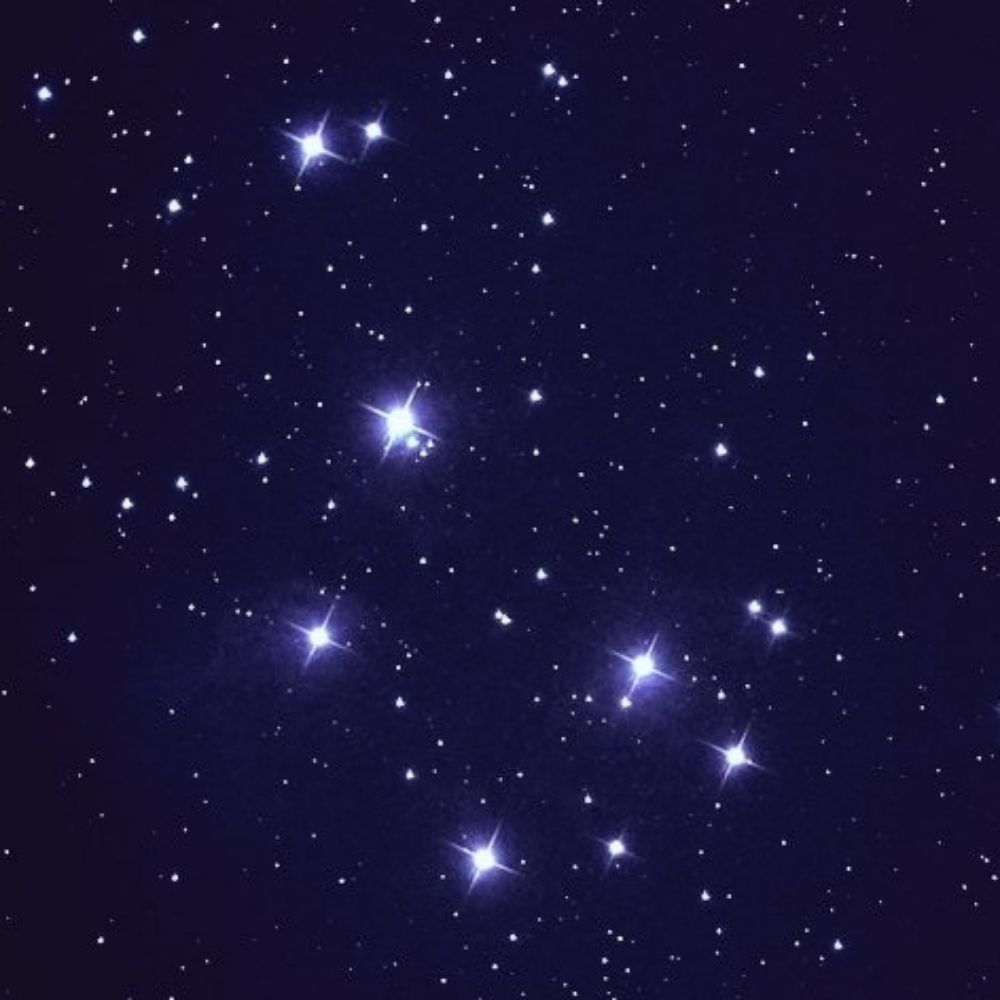
This is the actual supermassive black hole at the center of our galaxy (Saggitrarius A*), observed by JWST (NIRCam) for over 9 hours.
The flickers you see are solar flares on a mind-boggling scale, bright enough to shine across 26,000 light-years of space.
webbtelescope.org/contents/new...
The flickers you see are solar flares on a mind-boggling scale, bright enough to shine across 26,000 light-years of space.
webbtelescope.org/contents/new...
February 19, 2025 at 6:06 PM
This is the actual supermassive black hole at the center of our galaxy (Saggitrarius A*), observed by JWST (NIRCam) for over 9 hours.
The flickers you see are solar flares on a mind-boggling scale, bright enough to shine across 26,000 light-years of space.
webbtelescope.org/contents/new...
The flickers you see are solar flares on a mind-boggling scale, bright enough to shine across 26,000 light-years of space.
webbtelescope.org/contents/new...
Reposted by Nadeem Khan

Capitalist society. 🎯🎯💥

February 17, 2025 at 1:07 AM
Capitalist society. 🎯🎯💥
Reposted by Nadeem Khan


Reposted by Nadeem Khan
Phoenix Galaxy Cluster by Webb (IR), Chandra (X-ray), Hubble (Visible), and VLA (radio).
🔭 🧪
🔭 🧪

February 14, 2025 at 9:02 PM
Phoenix Galaxy Cluster by Webb (IR), Chandra (X-ray), Hubble (Visible), and VLA (radio).
🔭 🧪
🔭 🧪
Reposted by Nadeem Khan
A merger, observed with the Hubble Space Telescope in the CANDELS-GOODS survey.
It is at redshift 0.51 (lookback time 5.28 billion years) with coordinates (53.15558, -27.85762).
77 volunteers classified this galaxy in Galaxy Zoo CANDELS.
It is at redshift 0.51 (lookback time 5.28 billion years) with coordinates (53.15558, -27.85762).
77 volunteers classified this galaxy in Galaxy Zoo CANDELS.

February 13, 2025 at 8:15 AM
A merger, observed with the Hubble Space Telescope in the CANDELS-GOODS survey.
It is at redshift 0.51 (lookback time 5.28 billion years) with coordinates (53.15558, -27.85762).
77 volunteers classified this galaxy in Galaxy Zoo CANDELS.
It is at redshift 0.51 (lookback time 5.28 billion years) with coordinates (53.15558, -27.85762).
77 volunteers classified this galaxy in Galaxy Zoo CANDELS.
Reposted by Nadeem Khan
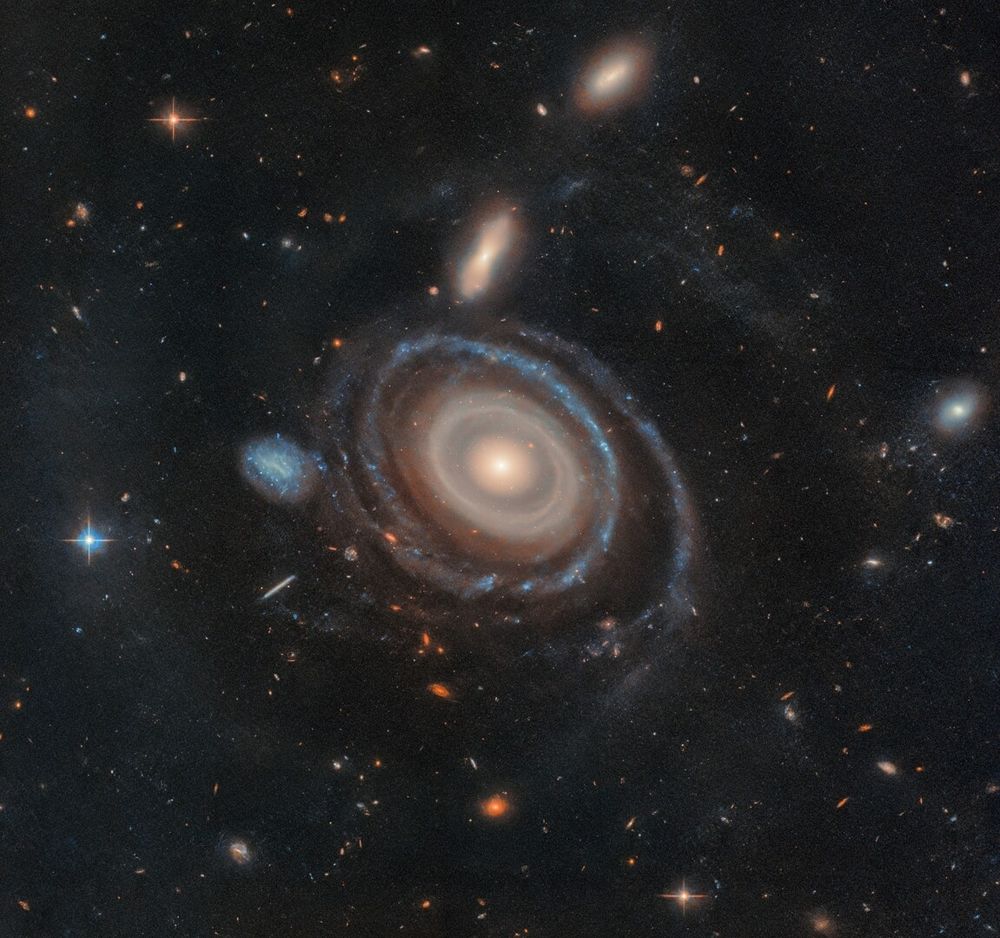
Released from Hubble a few days ago - the image shows a giant among galaxies LEDA 1313424 or, the Bullseye.
A smaller blue dwarf galaxy went through the centre leaving 9 star filled rings.
Like dropping a pebble into a pond!
Credit: #NASA, #ESA, Imad Pasha, Pieter van Dokkum
🔭 #Space #Astronomy
A smaller blue dwarf galaxy went through the centre leaving 9 star filled rings.
Like dropping a pebble into a pond!
Credit: #NASA, #ESA, Imad Pasha, Pieter van Dokkum
🔭 #Space #Astronomy
February 6, 2025 at 11:38 AM
Released from Hubble a few days ago - the image shows a giant among galaxies LEDA 1313424 or, the Bullseye.
A smaller blue dwarf galaxy went through the centre leaving 9 star filled rings.
Like dropping a pebble into a pond!
Credit: #NASA, #ESA, Imad Pasha, Pieter van Dokkum
🔭 #Space #Astronomy
A smaller blue dwarf galaxy went through the centre leaving 9 star filled rings.
Like dropping a pebble into a pond!
Credit: #NASA, #ESA, Imad Pasha, Pieter van Dokkum
🔭 #Space #Astronomy
Reposted by Nadeem Khan

February 5, 2025 at 7:39 PM
Reposted by Nadeem Khan
A merger, observed with the Hubble Space Telescope in the COSMOS survey.
It is at redshift 0.13 (lookback time 1.72 billion years) with coordinates (150.34665, 2.40413).
33 volunteers classified this galaxy in Galaxy Zoo: Hubble.
It is at redshift 0.13 (lookback time 1.72 billion years) with coordinates (150.34665, 2.40413).
33 volunteers classified this galaxy in Galaxy Zoo: Hubble.

February 6, 2025 at 9:11 PM
A merger, observed with the Hubble Space Telescope in the COSMOS survey.
It is at redshift 0.13 (lookback time 1.72 billion years) with coordinates (150.34665, 2.40413).
33 volunteers classified this galaxy in Galaxy Zoo: Hubble.
It is at redshift 0.13 (lookback time 1.72 billion years) with coordinates (150.34665, 2.40413).
33 volunteers classified this galaxy in Galaxy Zoo: Hubble.
Reposted by Nadeem Khan

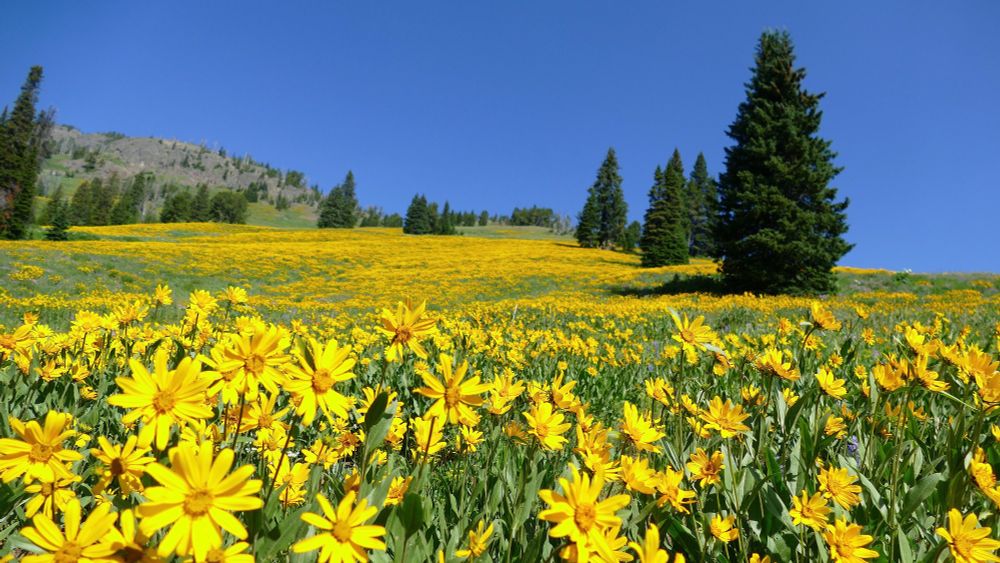
Somebody somewhere
Needs flowers tonight
Needs flowers tonight
February 4, 2025 at 11:56 PM
Somebody somewhere
Needs flowers tonight
Needs flowers tonight
Reposted by Nadeem Khan
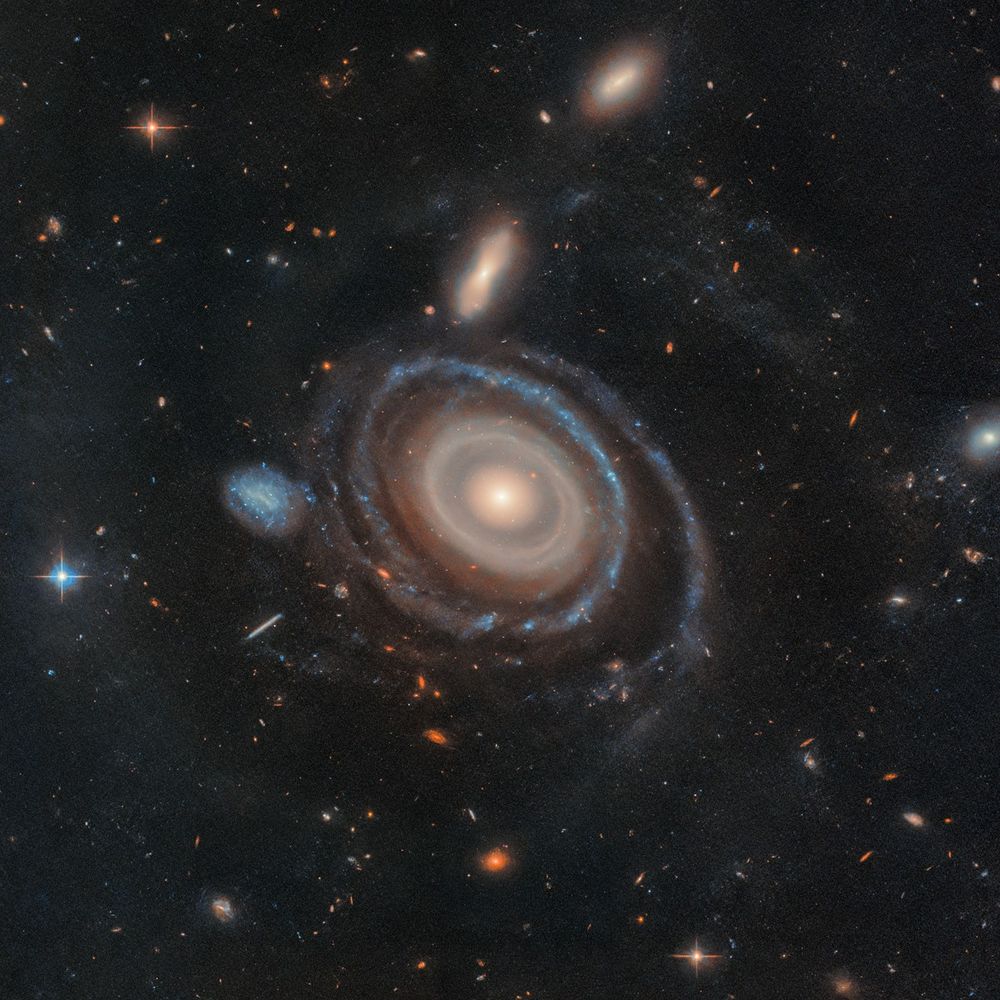
Bullseye! Researchers using Hubble found a massive galaxy rippling with nine star-filled rings after an “arrow,” the blue dwarf galaxy to its center-left, plunged through its core 50 million years ago. A thin trail of gas still links the pair: bit.ly/4hcX52n 🔭 🧪
February 4, 2025 at 3:04 PM
Bullseye! Researchers using Hubble found a massive galaxy rippling with nine star-filled rings after an “arrow,” the blue dwarf galaxy to its center-left, plunged through its core 50 million years ago. A thin trail of gas still links the pair: bit.ly/4hcX52n 🔭 🧪