



Moudhy Al-Rashid (she/her)
@moudhy.bsky.social
Assyriologist at Wolfson College (Oxford), writer plagued by self-doubt, lover of dead languages. I think we should all be doing what we can to save the planet.
My book 😎 https://lnk.to/BetweenTwoRivers
My book 😎 https://lnk.to/BetweenTwoRivers
I actually googled this and yes but also WHAT? I am so surprised that Flaubert was on team cuneiform??

November 30, 2025 at 7:31 PM
I actually googled this and yes but also WHAT? I am so surprised that Flaubert was on team cuneiform??
Just a friendly reminder on this hallowed day of overconsumption via @earthlyeducation.bsky.social

November 28, 2025 at 6:23 AM
Just a friendly reminder on this hallowed day of overconsumption via @earthlyeducation.bsky.social
This is what’s left of an ornament or pendant made out of shell. It’s a sandal with straps.
It’s only about 2cm long, and shows the intricate criss-cross of sandals.
It’s only about 2cm long, and shows the intricate criss-cross of sandals.

November 26, 2025 at 9:03 AM
This is what’s left of an ornament or pendant made out of shell. It’s a sandal with straps.
It’s only about 2cm long, and shows the intricate criss-cross of sandals.
It’s only about 2cm long, and shows the intricate criss-cross of sandals.
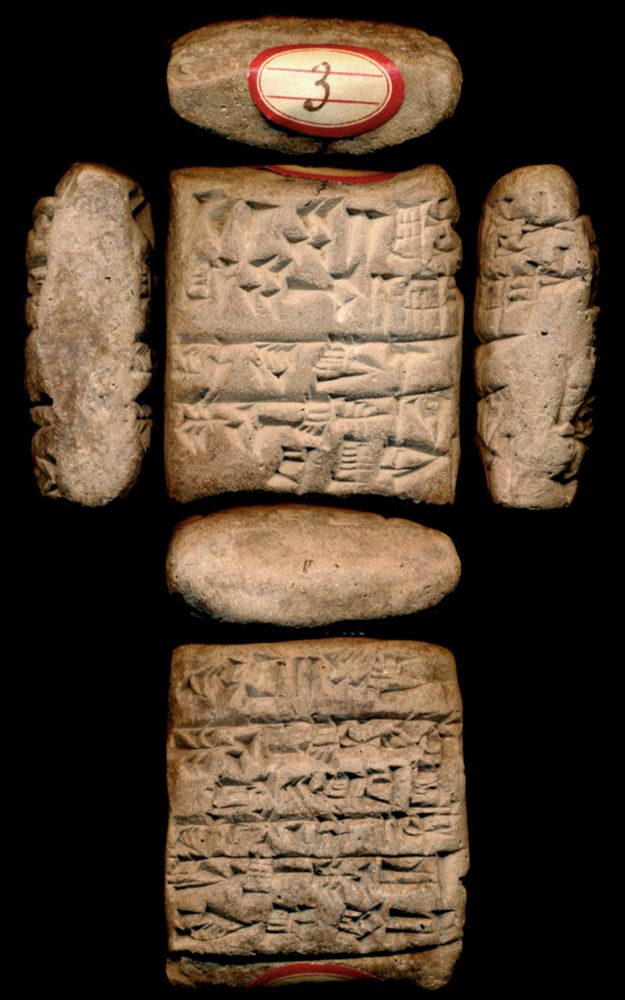
Cuneiform records on clay tell us that shoes were often made of leather, and some go into incredible detail.
The shoe archive of Puzrish-Dagan ~2100-2000 BCE is a goldmine of info on shoe production. One text tells us the workshop produced 702 shoes in 14 months.
The shoe archive of Puzrish-Dagan ~2100-2000 BCE is a goldmine of info on shoe production. One text tells us the workshop produced 702 shoes in 14 months.
November 26, 2025 at 9:03 AM
Cuneiform records on clay tell us that shoes were often made of leather, and some go into incredible detail.
The shoe archive of Puzrish-Dagan ~2100-2000 BCE is a goldmine of info on shoe production. One text tells us the workshop produced 702 shoes in 14 months.
The shoe archive of Puzrish-Dagan ~2100-2000 BCE is a goldmine of info on shoe production. One text tells us the workshop produced 702 shoes in 14 months.
Missing shoes also tell us a bit about footwear practices. Statues that depict people in worship, or statues destined for temples, show people without shoes.
Gudea, a Sumerian ruler from the ~2100s BCE, left behind numerous barefoot statues. Entering a temple may have meant you had to remove shoes
Gudea, a Sumerian ruler from the ~2100s BCE, left behind numerous barefoot statues. Entering a temple may have meant you had to remove shoes

November 26, 2025 at 9:03 AM
Missing shoes also tell us a bit about footwear practices. Statues that depict people in worship, or statues destined for temples, show people without shoes.
Gudea, a Sumerian ruler from the ~2100s BCE, left behind numerous barefoot statues. Entering a temple may have meant you had to remove shoes
Gudea, a Sumerian ruler from the ~2100s BCE, left behind numerous barefoot statues. Entering a temple may have meant you had to remove shoes
Recent studies have uncovered the vibrant colours that once covered ancient Assyrian palace reliefs.
Sandals were often red and black, two predominant colours in the reliefs of king Ashurnasirpal II’s palace at Nimrud.
Source: antiquity.ac.uk/projgall/sou...
Sandals were often red and black, two predominant colours in the reliefs of king Ashurnasirpal II’s palace at Nimrud.
Source: antiquity.ac.uk/projgall/sou...

November 26, 2025 at 9:03 AM
Recent studies have uncovered the vibrant colours that once covered ancient Assyrian palace reliefs.
Sandals were often red and black, two predominant colours in the reliefs of king Ashurnasirpal II’s palace at Nimrud.
Source: antiquity.ac.uk/projgall/sou...
Sandals were often red and black, two predominant colours in the reliefs of king Ashurnasirpal II’s palace at Nimrud.
Source: antiquity.ac.uk/projgall/sou...
First of all, how can we learn about shoes from ancient Mesopotamia when they were mainly made of things that degraded over time?
Stone reliefs from ancient Assyrian palaces show the king’s footwear for various occasions. Here, king Ashurnasirpal II wears sandals while he drinks a bowl of wine
Stone reliefs from ancient Assyrian palaces show the king’s footwear for various occasions. Here, king Ashurnasirpal II wears sandals while he drinks a bowl of wine


November 26, 2025 at 9:03 AM
First of all, how can we learn about shoes from ancient Mesopotamia when they were mainly made of things that degraded over time?
Stone reliefs from ancient Assyrian palaces show the king’s footwear for various occasions. Here, king Ashurnasirpal II wears sandals while he drinks a bowl of wine
Stone reliefs from ancient Assyrian palaces show the king’s footwear for various occasions. Here, king Ashurnasirpal II wears sandals while he drinks a bowl of wine
this was the prelude to her deciding that actually the computer had no business being on my lap
November 24, 2025 at 10:19 AM
this was the prelude to her deciding that actually the computer had no business being on my lap
proof that any dog can be a lap dog, provided there is a lap and a dog

November 24, 2025 at 10:16 AM
proof that any dog can be a lap dog, provided there is a lap and a dog
good evening from one normal dog and one Ridgeback
November 22, 2025 at 8:55 PM
good evening from one normal dog and one Ridgeback
How can a creature like this recommend anything other than “Everything is Awesome” from the 2014 Lego Movie? I love dogs, but Tom is right. We simply cannot rely on them for album recommendations

November 22, 2025 at 3:35 PM
How can a creature like this recommend anything other than “Everything is Awesome” from the 2014 Lego Movie? I love dogs, but Tom is right. We simply cannot rely on them for album recommendations
My current view

November 22, 2025 at 9:52 AM
My current view
I think it’s this tablet published by Prof Eleanor Robson for those who wish to go down a rabbit hole www.sciamvs.org/files/SCIAMV...

November 22, 2025 at 8:23 AM
I think it’s this tablet published by Prof Eleanor Robson for those who wish to go down a rabbit hole www.sciamvs.org/files/SCIAMV...
An ancient multiplication table in clay by a student named Suen-apil-Urim from the 1800s BCE

November 22, 2025 at 8:21 AM
An ancient multiplication table in clay by a student named Suen-apil-Urim from the 1800s BCE
In order of appearance in this video:
1. second most ridiculous dog
2. most ridiculous dog
1. second most ridiculous dog
2. most ridiculous dog
November 21, 2025 at 7:41 PM
In order of appearance in this video:
1. second most ridiculous dog
2. most ridiculous dog
1. second most ridiculous dog
2. most ridiculous dog
We are fostering a Ridgeback, and I am happy to report that she is the second most ridiculous dog I’ve ever met

November 21, 2025 at 7:36 PM
We are fostering a Ridgeback, and I am happy to report that she is the second most ridiculous dog I’ve ever met
My favourite part of this ancient Assyrian letter to an ancient Assyrian goldsmith, is the last bit where the writer basically declares that the “house where they purify silver” absolutely does not pass the vibe check.
“They are drunk and silver is stolen”
“They are drunk and silver is stolen”

November 21, 2025 at 9:16 AM
My favourite part of this ancient Assyrian letter to an ancient Assyrian goldsmith, is the last bit where the writer basically declares that the “house where they purify silver” absolutely does not pass the vibe check.
“They are drunk and silver is stolen”
“They are drunk and silver is stolen”
This ancient clay letter is a response to a goldsmith named Nabû-zeru-iddin, who must have at some point complained that the letter-writer had not yet replied to him.
The writer blames the delayed reply on another person who was in hot water with his stepmother, leaving him embroiled in a lawsuit
The writer blames the delayed reply on another person who was in hot water with his stepmother, leaving him embroiled in a lawsuit

November 21, 2025 at 9:16 AM
This ancient clay letter is a response to a goldsmith named Nabû-zeru-iddin, who must have at some point complained that the letter-writer had not yet replied to him.
The writer blames the delayed reply on another person who was in hot water with his stepmother, leaving him embroiled in a lawsuit
The writer blames the delayed reply on another person who was in hot water with his stepmother, leaving him embroiled in a lawsuit
Well this 2,600-year-old clay letter was a journey.
It comes from the archive of a goldsmith named Nabû-zeru-iddin in the heart of ancient Assyria. We’ve got someone left on read, a lawsuit, a mean step-mom, and people who get drunk and steal silver.
It comes from the archive of a goldsmith named Nabû-zeru-iddin in the heart of ancient Assyria. We’ve got someone left on read, a lawsuit, a mean step-mom, and people who get drunk and steal silver.

November 21, 2025 at 9:16 AM
Well this 2,600-year-old clay letter was a journey.
It comes from the archive of a goldsmith named Nabû-zeru-iddin in the heart of ancient Assyria. We’ve got someone left on read, a lawsuit, a mean step-mom, and people who get drunk and steal silver.
It comes from the archive of a goldsmith named Nabû-zeru-iddin in the heart of ancient Assyria. We’ve got someone left on read, a lawsuit, a mean step-mom, and people who get drunk and steal silver.
This Hittite building ritual (which I stress I cannot read in the original language so I apologise for any mistakes) has many symbolic elements that interlace ideas about kingship, divinity, fertility, and nature.
But what struck me is that one does not take without asking and giving back.
But what struck me is that one does not take without asking and giving back.

November 20, 2025 at 12:15 PM
This Hittite building ritual (which I stress I cannot read in the original language so I apologise for any mistakes) has many symbolic elements that interlace ideas about kingship, divinity, fertility, and nature.
But what struck me is that one does not take without asking and giving back.
But what struck me is that one does not take without asking and giving back.
Once the ritual is complete, the carpenters have made beams from the wood, and the building’s foundations have been laid, people make offerings to various wooden objects. The tree’s sacrifice is recognised.
At the end, the king makes offerings to the new hearth, where new trees are planted.
At the end, the king makes offerings to the new hearth, where new trees are planted.

November 20, 2025 at 12:15 PM
Once the ritual is complete, the carpenters have made beams from the wood, and the building’s foundations have been laid, people make offerings to various wooden objects. The tree’s sacrifice is recognised.
At the end, the king makes offerings to the new hearth, where new trees are planted.
At the end, the king makes offerings to the new hearth, where new trees are planted.
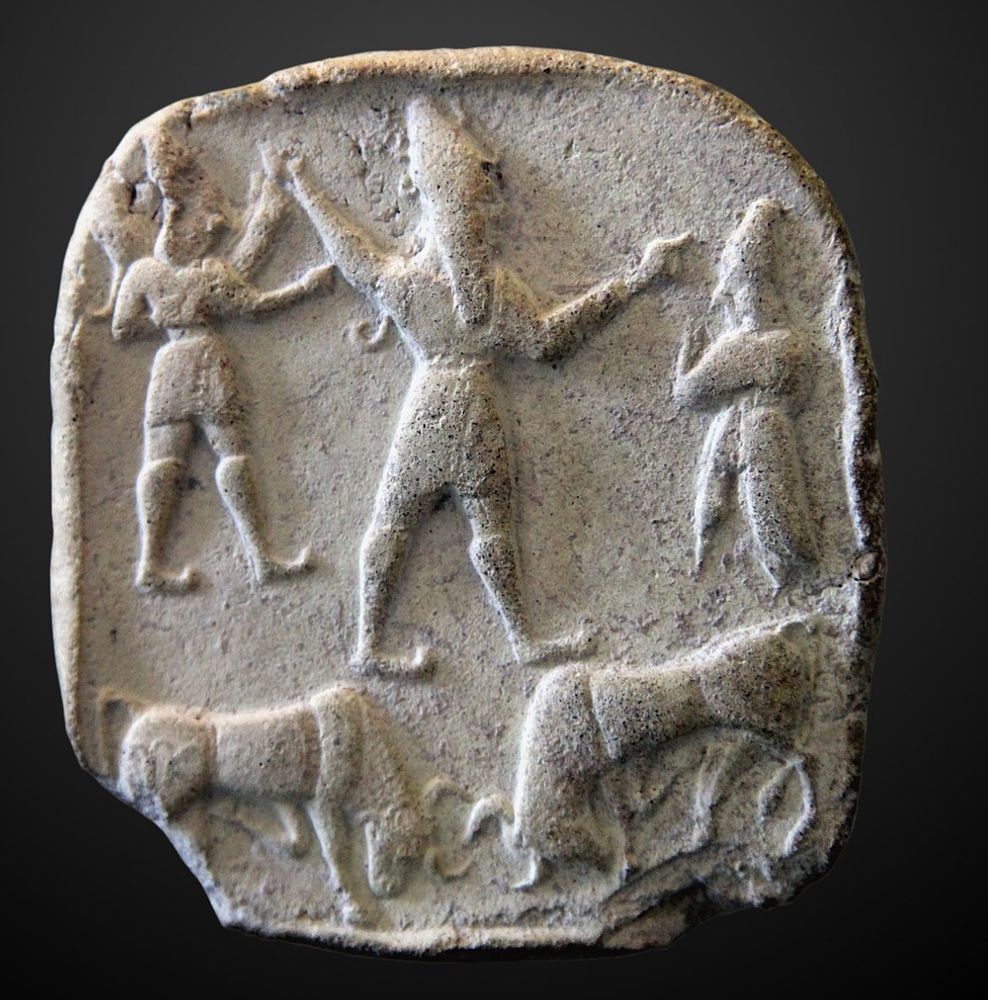
The Hittite king must ask the Storm god for a tree to build with, he must secure permission to cut down a living thing that has taken decades to grow strong and long enough to be used for construction.
And he doesn’t just need permission.
And he doesn’t just need permission.
November 20, 2025 at 12:15 PM
The Hittite king must ask the Storm god for a tree to build with, he must secure permission to cut down a living thing that has taken decades to grow strong and long enough to be used for construction.
And he doesn’t just need permission.
And he doesn’t just need permission.
Something about this Hittite ritual stuck with me since I learned about it from scholar Eleanor Home.
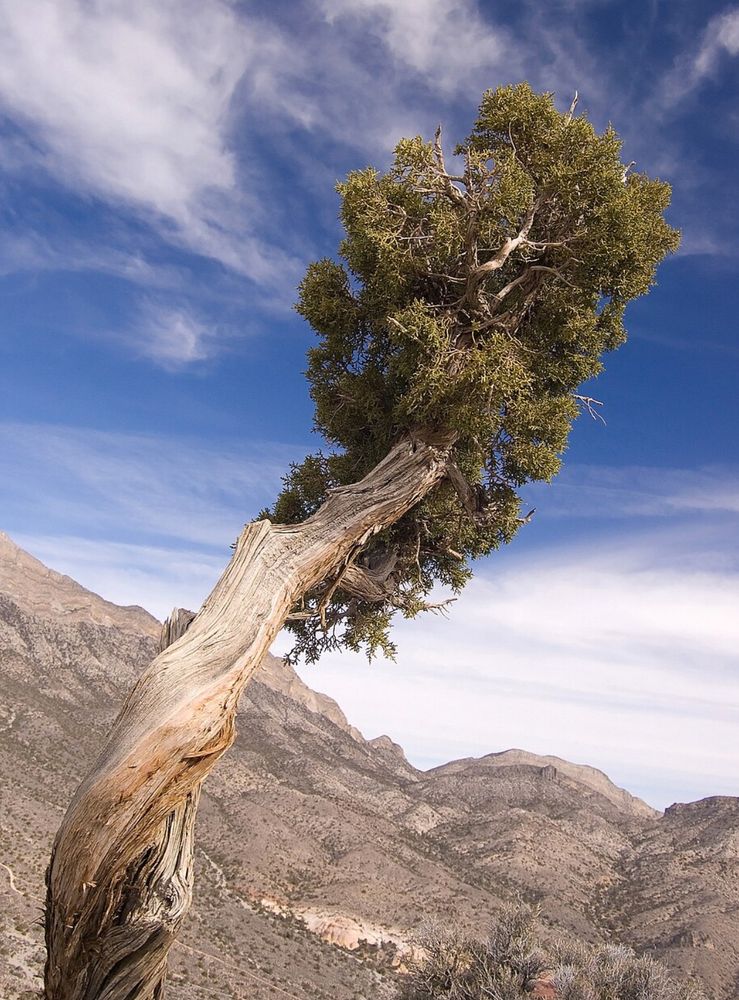
To build a palace, you need wood, and for wood, you need to cut down a tree. But even a Hittite king didn’t just desecrate a forest.
Photo of a juniper tree by Eric Baetscher
To build a palace, you need wood, and for wood, you need to cut down a tree. But even a Hittite king didn’t just desecrate a forest.
Photo of a juniper tree by Eric Baetscher
November 20, 2025 at 12:15 PM
Something about this Hittite ritual stuck with me since I learned about it from scholar Eleanor Home.
To build a palace, you need wood, and for wood, you need to cut down a tree. But even a Hittite king didn’t just desecrate a forest.
Photo of a juniper tree by Eric Baetscher
To build a palace, you need wood, and for wood, you need to cut down a tree. But even a Hittite king didn’t just desecrate a forest.
Photo of a juniper tree by Eric Baetscher
A ritual text from the heart of the Hittite empire, Hattusha, describes the process of building a palace.
It seems formulaic on the surface — a construction ritual that’s more or less designed to reinforce the king’s legitimacy as given and renewed by the gods.
It seems formulaic on the surface — a construction ritual that’s more or less designed to reinforce the king’s legitimacy as given and renewed by the gods.

November 20, 2025 at 12:15 PM
A ritual text from the heart of the Hittite empire, Hattusha, describes the process of building a palace.
It seems formulaic on the surface — a construction ritual that’s more or less designed to reinforce the king’s legitimacy as given and renewed by the gods.
It seems formulaic on the surface — a construction ritual that’s more or less designed to reinforce the king’s legitimacy as given and renewed by the gods.
That’s so nice of you to say, I’m glad you liked it 🥰

November 19, 2025 at 6:45 AM
That’s so nice of you to say, I’m glad you liked it 🥰