



morph
@morph.morphnet.de.ap.brid.gy
Nuremberg, Germany
[bridged from https://morphnet.de/@morph on the fediverse by https://fed.brid.gy/ ]
[bridged from https://morphnet.de/@morph on the fediverse by https://fed.brid.gy/ ]
Reposted by morph
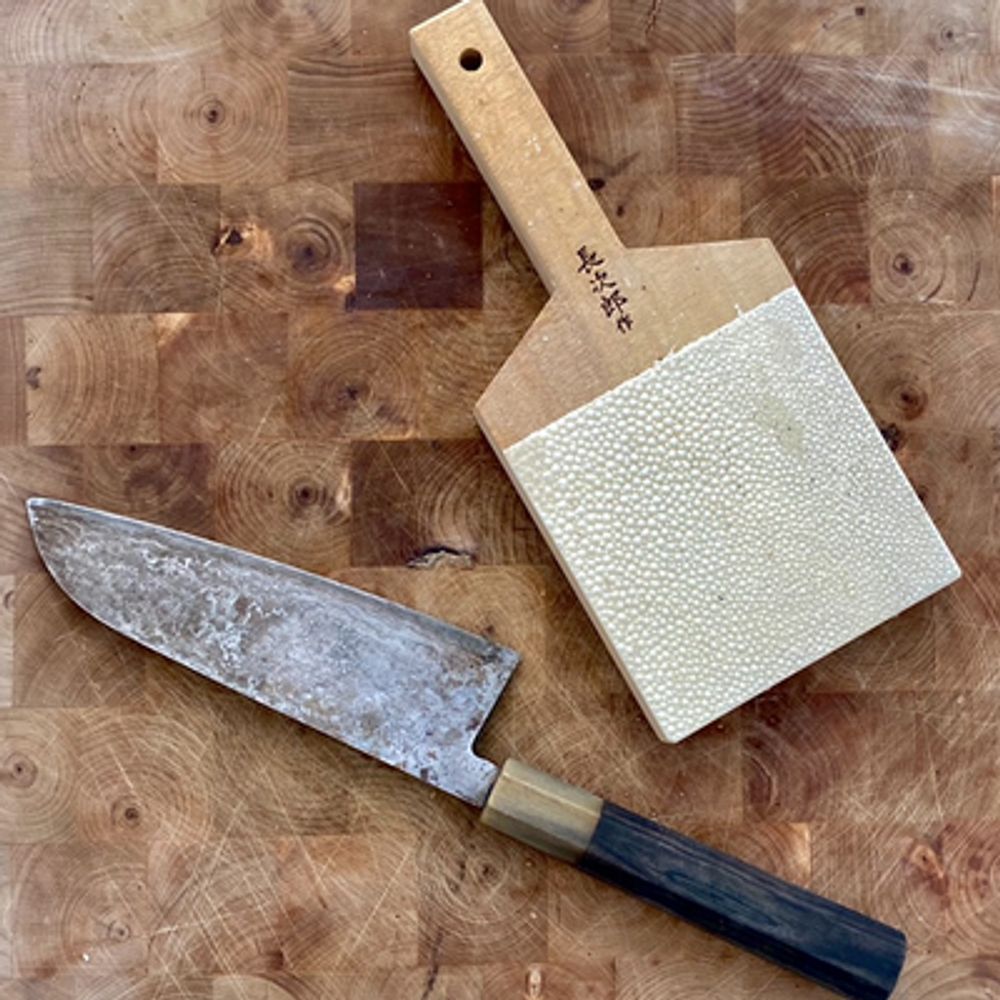
The #recipe of this week is a cake, Galatopita from #greece. Surprisingly little known, yet very easy to bake and a great alternative to cheesecake.
https://nextgen-cookbook.org/en/galatopita-2/
https://nextgen-cookbook.org/en/galatopita-2/

Galatopita
When you think of Greek cuisine, savoury dishes often spring to mind: feta cheese, olives, stuffed vine leaves, perhaps moussaka or grilled meat. But there is also a wide variety of desserts. One of these is Galatopita – literally “milk pie”.
Galatopita is a simple dish that originated in rural areas. Milk, semolina, eggs and sugar – that’s all it takes. Nevertheless (or perhaps because of this), Galatopita has endured for generations. This is often the case with things associated with childhood and grandparents. Galatopita is somewhere between semolina pudding, flan and cake. In some regions, a little filo pastry is added underneath, but this should not be confused with Galaktoboureko, which is a completely different dish.
This is our version with small but subtle special features.
First, milk is flavoured. It should be whole milk with a higher fat content. The dish requires sugar, which we generally use sparingly. As always, you will find the detailed ingredients at the end of the recipe. Traditionally, you would now cut open a vanilla pod, scrape out the contents and boil everything in the milk. This tastes great, of course, but we prefer to grate tonka bean into it instead. This is a shockingly delicious spice. It is banned in the USA, just like real cheese, which underlines its greatness.
Add a pinch of salt and cinnamon, although the latter can be omitted if desired. If you like the flavour of cinnamon, you can boil a cinnamon stick with the milk or add a little powder, which is what we did today (excellent cinnamon comes from Vietnam, by the way). It is common to add lemon zest (and sometimes a little juice), less commonly orange zest. We love the combination of both and only use zest, of course from organic fruit, which we have washed thoroughly under hot water.
Put everything in a saucepan, stir well so that the sugar dissolves, and slowly bring almost to the boil. Keep the milk hot until it has taken on the desired flavour. This takes about 20 minutes.
Mix the other ingredients in your biggest bowl, which are eggs, a bit more milk, some starch, and semolina. Here in Germany, we can buy semolina made from durum wheat and soft wheat. These are two totally different types of wheat (Triticum durum and Triticum aestivum), which you can compare to waxy and floury potatoes – similar, yet very different. Durum wheat semolina is the right choice for pasta, while soft wheat semolina is better for puddings, for example. The alternative to soft wheat semolina is extra finely ground semolina, but you will need to find out more about this depending on where you live.
So, the pot contains hot seasoned milk, and the bowl contains the cold mixed ingredients. Now add a ladleful of hot milk to the bowl, stirring constantly. This allows the semolina and egg mixture to slowly heat up without the egg curdling. Continue doing this until all the milk is in the bowl.
Then return the mixture to the pot and heat it again over medium heat. Stir constantly with a whisk, because now everything happens very quickly. You are actually cooking semolina pudding, which only takes about 3 minutes to form a thick mass. It is so thick that it would become too firm without the butter that is now added. It is also stirred in with a whisk until it has completely melted.
A baking tin, we use a ceramic tart mould, is coated with softened butter. Semolina is added and the mould is tilted in a circle until the base and sides are covered.
Then the entire mixture is poured into the mould and its surface is coated with a mixture of egg, water and sugar. Most recipes call for a lot of sugar here, which results not only in sweetness but also in a dark surface of the cake. We are always very restrained with sugar and do without uniform colouring. We replace the sugar with icing sugar, and thus use only a fraction of the usual amount.
Bake in a preheated oven at 180 °C with fan (without fan at 200 °C) for 40 minutes. The degree of browning on the surface is decisive for the exact time; the cake will always be baked through.
With more sugar, it turns a uniform brown colour
For us, Galatopita tastes best with a dollop of Greek yoghurt. The mild acidity is the perfect accompaniment. A little honey also tastes very good with it, but we only like it on the yoghurt and not on the cake. Our compromise for using less sugar is to lightly dust the whole thing at the end. It just looks pretty too.
Enjoy.
And may the taste be with you.
## Ingredients (for a cake with a diameter of 28 cm):
For the flavoured milk:
1 litre whole milk
150 g sugar (175 g for more sweetness)
1 vanilla pod or gratings from a tonka bean
1 cinnamon stick or 1/3 tsp ground cinnamon
Zest of ½ lemon and ½ orange (or just one of each)
1 pinch of salt
* * *
For the cold mixture:
100 g soft wheat semolina (or very fine durum wheat semolina)
30 g starch
3 medium eggs
250 ml milk
80 g butter
* * *
For the mould (28–30 cm diameter):
30 g soft butter
4 tbsp semolina
* * *
For the glazing:
1 egg
2 tbsp water
2 tbsp sugar (we use icing sugar)
nextgen-cookbook.org
January 10, 2026 at 3:31 PM
The #recipe of this week is a cake, Galatopita from #greece. Surprisingly little known, yet very easy to bake and a great alternative to cheesecake.
https://nextgen-cookbook.org/en/galatopita-2/
https://nextgen-cookbook.org/en/galatopita-2/

January 10, 2026 at 3:42 PM
Reposted by morph

I created a simple FEP-ae97 web client:
https://codeberg.org/silverpill/fep-ae97-web-client
It is written in #rust using Leptos and APx. Everything is compiled to WebAssembly and the application can be served as a static website.
This technology stack is very promising, but I think it is not […]
https://codeberg.org/silverpill/fep-ae97-web-client
It is written in #rust using Leptos and APx. Everything is compiled to WebAssembly and the application can be served as a static website.
This technology stack is very promising, but I think it is not […]
Original post on mitra.social
mitra.social
January 9, 2026 at 6:52 PM
I created a simple FEP-ae97 web client:
https://codeberg.org/silverpill/fep-ae97-web-client
It is written in #rust using Leptos and APx. Everything is compiled to WebAssembly and the application can be served as a static website.
This technology stack is very promising, but I think it is not […]
https://codeberg.org/silverpill/fep-ae97-web-client
It is written in #rust using Leptos and APx. Everything is compiled to WebAssembly and the application can be served as a static website.
This technology stack is very promising, but I think it is not […]

January 7, 2026 at 10:54 PM
Reposted by morph

Duelling monkeys. psalter and hours, Ghent ca. 1315-1325. Baltimore, Walters Art Museum, W.82, fol. 205v.
#medieval #medievalart
#medieval #medievalart

January 7, 2026 at 6:05 AM
Duelling monkeys. psalter and hours, Ghent ca. 1315-1325. Baltimore, Walters Art Museum, W.82, fol. 205v.
#medieval #medievalart
#medieval #medievalart
MEEOW! MEEOW! 🎼🎶🎵🎶
On Jan 6th (Epiphania) tigers are walking from door to door. They sing along until the habitants passover food and beer. 🍖 🍺
In believe that over the year the house will be save from raids by carnivores. 😼
#tuesdaytiger #socialartwork
On Jan 6th (Epiphania) tigers are walking from door to door. They sing along until the habitants passover food and beer. 🍖 🍺
In believe that over the year the house will be save from raids by carnivores. 😼
#tuesdaytiger #socialartwork

January 6, 2026 at 9:42 AM
MEEOW! MEEOW! 🎼🎶🎵🎶
On Jan 6th (Epiphania) tigers are walking from door to door. They sing along until the habitants passover food and beer. 🍖 🍺
In believe that over the year the house will be save from raids by carnivores. 😼
#tuesdaytiger #socialartwork
On Jan 6th (Epiphania) tigers are walking from door to door. They sing along until the habitants passover food and beer. 🍖 🍺
In believe that over the year the house will be save from raids by carnivores. 😼
#tuesdaytiger #socialartwork

January 4, 2026 at 6:56 PM
Reposted by morph

Is there interest in starting up a new server? I am incentivized to provide something for this niche (or perhaps not-so-niche) part of the fediverse.
It would be a forum. Running NodeBB. Not Mastodon.
It would be a forum. Running NodeBB. Not Mastodon.
January 3, 2026 at 2:12 AM
Is there interest in starting up a new server? I am incentivized to provide something for this niche (or perhaps not-so-niche) part of the fediverse.
It would be a forum. Running NodeBB. Not Mastodon.
It would be a forum. Running NodeBB. Not Mastodon.
Reposted by morph
The first #recipe of the new year is Strangolapreti from #trentino. Alpine cuisine the Italian way.
https://nextgen-cookbook.org/en/strangolapreti-alla-trentina-2/
https://nextgen-cookbook.org/en/strangolapreti-alla-trentina-2/

Strangolapreti alla Trentina
Trento is the capital of the autonomous province of the same name and of the autonomous region of Trentino-South Tyrol in northern Italy. We live in Munich, so not very far away. The city lies nestled in the Adige Valley and, coming from the north, is usually reached via the Brenner Pass, which has been one of the most important connections across the Alps for thousands of years. Trento is not very large and today has just under 120,000 inhabitants, but it has almost always been a very important bishopric, hosting the Council of Trento (1545–1563) in the 16th century, which initiated the Counter-Reformation and profoundly changed the Catholic Church.
Just a few kilometres to the south lies Rovereto, an even smaller and quieter town. During the First World War, it was the front line between Italy and Austria-Hungary. Today, the monumental peace bell ‘Campana dei Caduti’ on Colle di Miravalle commemorates the victims. It was cast partly from the metal of cannons belonging to the nations involved in the war.
These small towns are worth visiting for their museums alone, which are magnificent. We name here the Diocesan Museum and the modern MUSE in Trento, as well as the architecturally sensational Mart (Italy’s most important museum of contemporary art!) and the Casa d’Arte Futurista Depero in Rovereto. All of them are well worth a visit.
But this is about cooking, and we’re bringing back a recipe for ‘Strangolapreti alla Trentina’ from our trip. Literally translated, strangolapreti means ‘priest strangler’. The stories behind this name are all speculation, so we won’t repeat them here.
Strangolapreti are a type of gnocchi that consist mainly of spinach (or should do). In Trentino, only one cheese is used for this dish, namely Trentingrana – a delicious cheese of the Grana Padano variety. And we brought that with us too.
In Trentino, the cuisine is Alpine, just like in the north of the mountains. We have ‘Knödel’ in Bavaria and Austria, and ‘Canederli’ in northern Italy. But strangolapreti are slightly different and should definitely not have the consistency of dumplings. There are many recipes in which they are prepared with twice as much bread as spinach. We strongly advise against this.
The best strangolapreti are made with as much spinach as possible. This doesn’t make things any easier, but it doesn’t make them overly complicated either.
The spinach is washed and then blanched in boiling salted water, i.e. cooked for just 1 minute, then immediately poured through a sieve and cooled with cold water to stop the cooking process. Afterwards, the water must be thoroughly squeezed out of the spinach with your hands. **This is very important** , otherwise the rest of the process will not work.
White bread is cut into small cubes and covered with a little milk to soften it. You can use stale bread without the crust; we usually use slices of toast, which we also remove the crust from.
In a large bowl, mix together more milk, the blanched spinach and a little olive oil with salt, freshly ground black pepper and freshly grated nutmeg.
Chop everything thoroughly, preferably using a hand blender. At this point, you can taste the mixture and season it further as desired. Then add egg and soaked bread and stir both thoroughly in.
The mixture is thickened further with breadcrumbs and Trentingrana (or Grana Padano), which adds a lot of umami.
This is now quite a thick mass, but by no means firm, and that’s how it should be, because otherwise you would be making dumplings, as mentioned above.
Finally, stir in a little flour.
Now proceed as follows: Spread out a clean kitchen towel, as thick as possible, and dust it with flour. Then use a large tablespoon to form thick dumplings from the mixture and place them on the towel, leaving space between them.
Leave them to rest for at least 10 minutes. During this time, the underside of the dumplings will dry out a little, while the flour prevents them from sticking to the cloth. Then dust the tops with a little flour and flip them over using the tablespoon.
After another 10 minutes, the strangolapreti are ready to be cooked. Bring a large pot of water to the boil, salt it as you would for pasta and carefully add the strangolapreti one by one with the spoon. Do not add too many at once, as they should not stick together. The temperature must be adjusted so that the water no longer boils; the strangolapreti must simmer just below boiling point, like Knödel or canederli. As they cook, they rise to the surface. After 10 minutes, during which time they should be turned once, they are cooked and can be removed from the pot. We place them on a clean cloth again to absorb the excess water.
These steps allow enough time to melt butter in a pan over medium heat and flavour it with sage leaves to taste.
The strangolapreti are coated with this butter, and we also serve the gently roasted sage leaves with them. More Trentingrana is grated over the top according to personal taste.
Any leftover strangolapreti can be stored in the refrigerator for several days, cut into thick slices, fried in butter until crispy and enjoyed with a salad, for example. Some people are said to find this even more delicious.
Enjoy.
And may the taste be with you.
## Ingredients (for 2 hungry people = 10 pieces):
350 g fresh spinach leaves
40 g white bread (toast or stale bread without the crust)
200 ml milk
1 egg, size M or larger
2 tbsp olive oil
6 tbsp breadcrumbs
80 g finely grated Trentingrana (Grana Padano)
150 g flour
Salt, black pepper and nutmeg to taste
* * *
To serve:
Butter
Sage leaves
Grated Trentingrana (Grana Padano)
nextgen-cookbook.org
January 3, 2026 at 4:07 PM
The first #recipe of the new year is Strangolapreti from #trentino. Alpine cuisine the Italian way.
https://nextgen-cookbook.org/en/strangolapreti-alla-trentina-2/
https://nextgen-cookbook.org/en/strangolapreti-alla-trentina-2/

January 3, 2026 at 1:05 PM
The Knave of Swords
Experimental fusion of the motive from classic decks.
#tarotartchallenge #socialartwork
Experimental fusion of the motive from classic decks.
#tarotartchallenge #socialartwork

January 1, 2026 at 9:17 PM
The Knave of Swords
Experimental fusion of the motive from classic decks.
#tarotartchallenge #socialartwork
Experimental fusion of the motive from classic decks.
#tarotartchallenge #socialartwork

December 30, 2025 at 8:08 AM

December 28, 2025 at 6:11 PM


December 27, 2025 at 5:49 PM
Well, the card pulled at the first evening of the twelve Rauhnächte (no English term) is the Nine of Swords dedicated to January.
#tarotartchallenge
#tarotartchallenge

December 25, 2025 at 10:53 PM
Well, the card pulled at the first evening of the twelve Rauhnächte (no English term) is the Nine of Swords dedicated to January.
#tarotartchallenge
#tarotartchallenge

December 23, 2025 at 6:23 PM

December 21, 2025 at 8:55 AM

December 20, 2025 at 6:18 PM


December 19, 2025 at 11:56 PM

December 16, 2025 at 7:06 AM
A whimsical illustration featuring several snowmen engaged in various activities. One snowman plays drums while another plays a unique horn-like instrument. A flying snowman, possibly a bird, tosses a gift, while holding a banner reading “Sleddin' Sticks," with a […]
[Original post on morphnet.de]
[Original post on morphnet.de]

December 15, 2025 at 3:12 PM
A whimsical illustration featuring several snowmen engaged in various activities. One snowman plays drums while another plays a unique horn-like instrument. A flying snowman, possibly a bird, tosses a gift, while holding a banner reading “Sleddin' Sticks," with a […]
[Original post on morphnet.de]
[Original post on morphnet.de]

December 14, 2025 at 6:32 AM
Reposted by morph
#pasta with cavolo nero is our next winter dish. Good food hardly gets much simpler than this. #recipe #food #cooking
https://nextgen-cookbook.org/en/linguine-con-cavolo-nero-2/
https://nextgen-cookbook.org/en/linguine-con-cavolo-nero-2/

Linguine con Cavolo Nero
In autumn, our favorite greengrocer not only stocks pumpkins and other seasonal produce, but also lesser-known vegetables, such as black kale, also known as cavolo nero, in German also called “Palmkohl” (palm kale). Its enormous leaves really do resemble palm fronds. This wonderful vegetable originates from Tuscany and has a more delicate flavour, but is just as complex and earthy as the kale we know in Germany (“Grünkohl”), only not quite as intense. It’s most often used in soups, but it also works wonderfully in pasta dishes.
This recipe is actually very simple, and we only need a few ingredients:
First, dice onion and sauté it in plenty of good olive oil in a pan over medium high heat. The onion shouldn’t brown, but rather soften gently.
While this is happening, brush mushrooms clean and cut them into pieces. Add the mushrooms to the onions and let them sizzle gently in the olive oil.
Then wash the cavolo nero leaves thoroughly. They often come straight from the soil and can be covered in it. This is a good sign, as this vegetable is not typically grown in greenhouses, but is usually a healthy field crop.
Then separate the greens from the stems. The stems are hard and often woody and are put in the compost or organic waste bin. The larger the leaves, the harder the stems, which were once even used to make walking sticks. Cut the greens into larger pieces; they should not be too small.
Now add the kale to the pan. Mix it well with the onions and mushrooms and give it time to wilt. Then season with salt and pepper. The final seasoning should be done at the very end. You can also add a clove of garlic crushed with the flat side of a knife to the pan. In Italy, however, there are very different regional views on the use of garlic and onions. Many believe that the two should not be used together in a dish. We don’t take such a strict view.
Now it’s time to cook the pasta. We’re using linguine, but spaghetti or tagliatelle also work well for this dish.
Finally, add quartered cherry tomatoes to the sauce. They should not be cut so small that they fall apart in the pan. The dish thrives on each forkful containing a different mixture of vegetables, which is what makes it so exciting. It is sufficient if the tomatoes just melt slightly in the heat.
Now add **a little** of the pasta cooking water. This is well salted and contains starch from the pasta, which thickens the sauce when stirred.
Then grate a generous portion of Parmigiano Reggiano.
Do not drain the pasta in a colander, but add it dripping wet to the pan and mix it thoroughly with the vegetables and Parmigiano.
Only now season finally with salt and pepper to taste.
winter pasta, bittersweet
Enjoy.
And may the taste be with you.
## Ingredients (for 4 people):
3 tbsp olive oil
1 large onion
Optional: 1 clove of garlic
160 g mushrooms
400 g cavolo nero
10–12 cherry tomatoes
80 g Parmigiano Reggiano
400 g linguine or spaghetti
Salt and pepper
nextgen-cookbook.org
December 13, 2025 at 4:26 PM
#pasta with cavolo nero is our next winter dish. Good food hardly gets much simpler than this. #recipe #food #cooking
https://nextgen-cookbook.org/en/linguine-con-cavolo-nero-2/
https://nextgen-cookbook.org/en/linguine-con-cavolo-nero-2/
Is it a squid ... is it a train? It's Fish-Man! 🐟
couloured version of the famous superhero
#illustration #socialartwork
couloured version of the famous superhero
#illustration #socialartwork

December 12, 2025 at 8:48 PM
Is it a squid ... is it a train? It's Fish-Man! 🐟
couloured version of the famous superhero
#illustration #socialartwork
couloured version of the famous superhero
#illustration #socialartwork
Is it a squid ... is it a train? It's Fish-Man! 🐟
couloured version of the famous superhero
#illustration #socialartwork
couloured version of the famous superhero
#illustration #socialartwork
December 12, 2025 at 8:47 PM
Is it a squid ... is it a train? It's Fish-Man! 🐟
couloured version of the famous superhero
#illustration #socialartwork
couloured version of the famous superhero
#illustration #socialartwork