



Moely Prairie
@moelyprairie.bsky.social
Moely Prairie, pronounced May-lee, is a 23.5 acre, never plowed, remnant prairie that is managed and cared for by The Prairie Enthusiasts Empire-Sauk Chapter. It is located along Hwy PF in Prairie du Sac WI. Watch our restoration efforts!

January 22, 2025 at 4:04 PM
This Siberian elm is not native to the US but instead comes to us from East Asia. It and others like it line our borders and negatively affect our prairie restoration efforts due to their prolific (weedy) seeding and no prairie restoration project needs that. 🤨 #prairierestoration #invasivespecies


January 16, 2025 at 7:06 PM
This Siberian elm is not native to the US but instead comes to us from East Asia. It and others like it line our borders and negatively affect our prairie restoration efforts due to their prolific (weedy) seeding and no prairie restoration project needs that. 🤨 #prairierestoration #invasivespecies

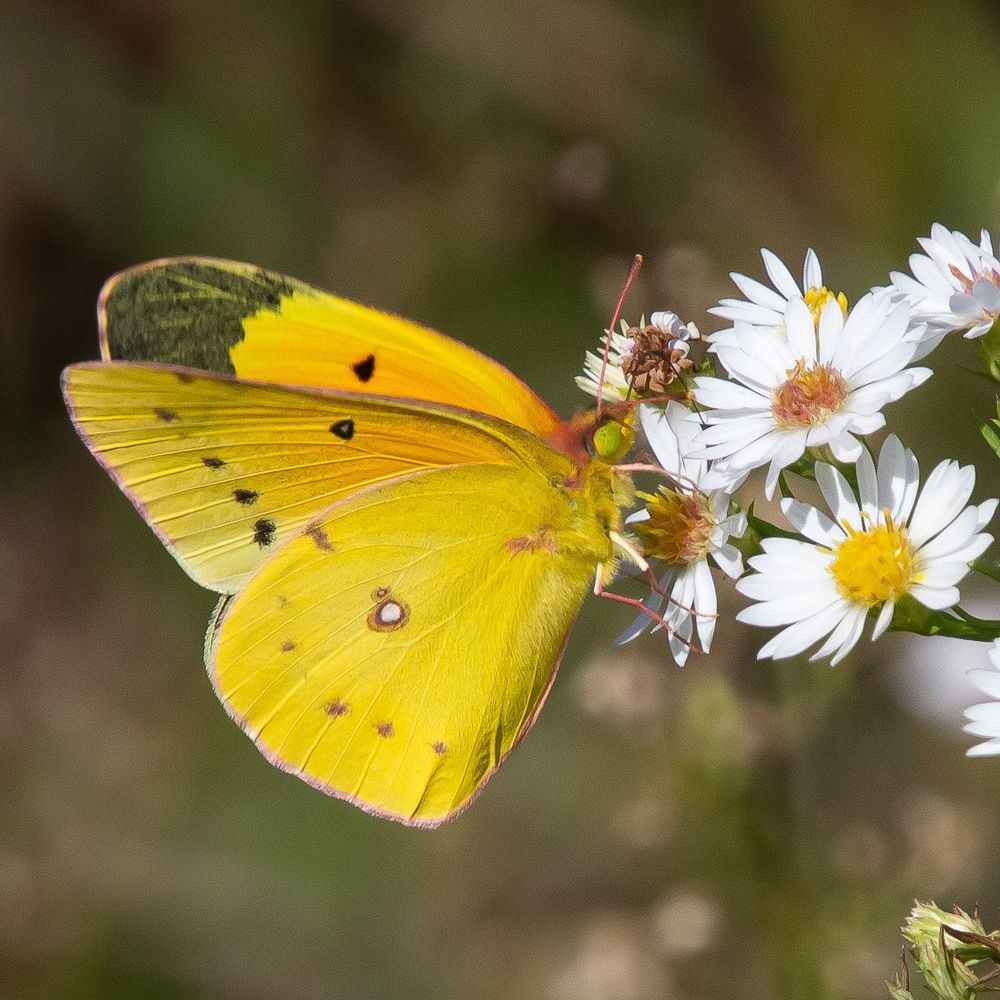
Native plants bring native butterflies. There are about 150 species of butterflies found in Wisconsin and these are just a few that we often spot on Moely Prairie. As restoration efforts continue, we continue to draw in more species. We often record our findings to the Wisconsin Butterflies website.

January 16, 2025 at 6:56 PM
Native plants bring native butterflies. There are about 150 species of butterflies found in Wisconsin and these are just a few that we often spot on Moely Prairie. As restoration efforts continue, we continue to draw in more species. We often record our findings to the Wisconsin Butterflies website.
This wee mole hung around and allowed me to take their photo on the prairie the other day. They’re so adorable!
A recent small mammal study done on the prairie showed a good population of Meadow Voles, but the more rare Prairie Vole was not recorded. With more restoration, perhaps that will change!
A recent small mammal study done on the prairie showed a good population of Meadow Voles, but the more rare Prairie Vole was not recorded. With more restoration, perhaps that will change!

January 16, 2025 at 6:52 PM
This wee mole hung around and allowed me to take their photo on the prairie the other day. They’re so adorable!
A recent small mammal study done on the prairie showed a good population of Meadow Voles, but the more rare Prairie Vole was not recorded. With more restoration, perhaps that will change!
A recent small mammal study done on the prairie showed a good population of Meadow Voles, but the more rare Prairie Vole was not recorded. With more restoration, perhaps that will change!
I don’t often step in front of the camera, but I want to share my new favorite tshirt from the Natural Resources Foundation of Wisconsin. The NRF has provided Moely Prairie with many grant awards, including our kiosk and monies to begin our high school summer internship monitoring Monarchs. #nature

January 16, 2025 at 6:49 PM
I don’t often step in front of the camera, but I want to share my new favorite tshirt from the Natural Resources Foundation of Wisconsin. The NRF has provided Moely Prairie with many grant awards, including our kiosk and monies to begin our high school summer internship monitoring Monarchs. #nature
"A rose by any other name would smell as sweet".
All of these rose species can be found growing on Moely Prairie. When shown side by side, you can really see some similarities in the flower structure. Can you name them? #nativeplants #prairies
All of these rose species can be found growing on Moely Prairie. When shown side by side, you can really see some similarities in the flower structure. Can you name them? #nativeplants #prairies

January 16, 2025 at 6:45 PM
"A rose by any other name would smell as sweet".
All of these rose species can be found growing on Moely Prairie. When shown side by side, you can really see some similarities in the flower structure. Can you name them? #nativeplants #prairies
All of these rose species can be found growing on Moely Prairie. When shown side by side, you can really see some similarities in the flower structure. Can you name them? #nativeplants #prairies
Seven different citizen science initiatives take place on Moely Prairie every year. Monarch butterfly research, moth lighting, regular bumblebee and butterfly surveys, Kestrel and bluebird nest box monitoring, and a WI DNR trail cam. Stay tuned for updates throughout the year! #citizenscience


January 16, 2025 at 6:41 PM
Seven different citizen science initiatives take place on Moely Prairie every year. Monarch butterfly research, moth lighting, regular bumblebee and butterfly surveys, Kestrel and bluebird nest box monitoring, and a WI DNR trail cam. Stay tuned for updates throughout the year! #citizenscience
Moely Prairie has four Bluebird nest boxes strategically placed on the property and so many times they are occupied like this one last summer. Prairies offer many opportunities for nesting and certainly lots of native insects to raise their babies. #bluebirds @audubon.org

January 16, 2025 at 6:30 PM
Moely Prairie has four Bluebird nest boxes strategically placed on the property and so many times they are occupied like this one last summer. Prairies offer many opportunities for nesting and certainly lots of native insects to raise their babies. #bluebirds @audubon.org
It happens less frequently after nearly eight years of restoration work, but a visiting prairie enthusiast recently discovered a new native plant species on the prairie! This beauty is Hudsonia tomentosa, otherwise known as Beach Heather. It's a fan of the dry sandy soil found on Moely Prairie.

January 16, 2025 at 6:25 PM
It happens less frequently after nearly eight years of restoration work, but a visiting prairie enthusiast recently discovered a new native plant species on the prairie! This beauty is Hudsonia tomentosa, otherwise known as Beach Heather. It's a fan of the dry sandy soil found on Moely Prairie.
These are just a few of the color variations of Blue-eyed grasses, Sisyrinchium albidum, you may encounter as you walk the Moely Prairie. Although this perennial plant has grass-like leaves, it is actually more closely related to the Iris. #nativeplants

January 16, 2025 at 6:22 PM
These are just a few of the color variations of Blue-eyed grasses, Sisyrinchium albidum, you may encounter as you walk the Moely Prairie. Although this perennial plant has grass-like leaves, it is actually more closely related to the Iris. #nativeplants
With the generous support of a Sauk County Good Ideas Grant in conjunction with the Wisconsin Arts Board, we were able to produce these plant identification signs that are placed throughout the prairie along our walking trails. They were so well liked we're adding more this summer! #nativeplants

January 16, 2025 at 6:21 PM
With the generous support of a Sauk County Good Ideas Grant in conjunction with the Wisconsin Arts Board, we were able to produce these plant identification signs that are placed throughout the prairie along our walking trails. They were so well liked we're adding more this summer! #nativeplants
As we continue to remove honeysuckle and buckthorn, the native shrubs are really starting to stand out, especially in the low areas of the prairie.
This is known as Bush Indigo, Amorpha fruticosa. It is a species of flowering plant in the legume family and is closely related to Leadplant.
This is known as Bush Indigo, Amorpha fruticosa. It is a species of flowering plant in the legume family and is closely related to Leadplant.


January 16, 2025 at 6:16 PM
As we continue to remove honeysuckle and buckthorn, the native shrubs are really starting to stand out, especially in the low areas of the prairie.
This is known as Bush Indigo, Amorpha fruticosa. It is a species of flowering plant in the legume family and is closely related to Leadplant.
This is known as Bush Indigo, Amorpha fruticosa. It is a species of flowering plant in the legume family and is closely related to Leadplant.
“Think big and don’t listen to people who tell you it can’t be done. Life’s too short to think small.” —Tim Ferriss

January 16, 2025 at 6:13 PM
“Think big and don’t listen to people who tell you it can’t be done. Life’s too short to think small.” —Tim Ferriss
“The beauty here is often subtle. It doesn’t knock you off your feet at a glance the way the snow-capped Colorado Rockies or the rugged coastline of the Pacific Northwest do. But it can be every bit as remarkable.” - Michael Forsberg, conservation photographer

January 16, 2025 at 6:09 PM
“The beauty here is often subtle. It doesn’t knock you off your feet at a glance the way the snow-capped Colorado Rockies or the rugged coastline of the Pacific Northwest do. But it can be every bit as remarkable.” - Michael Forsberg, conservation photographer
Controlled burns help clear the prairie of dead plant material, enrich the soil with nutrients, and allow fire-adapted plants like grasses and wildflowers to thrive. Without fire, woody shrubs and invasive species could take over, disrupting habitats and reducing the diversity of wildlife. #prairie

January 16, 2025 at 5:54 PM
Controlled burns help clear the prairie of dead plant material, enrich the soil with nutrients, and allow fire-adapted plants like grasses and wildflowers to thrive. Without fire, woody shrubs and invasive species could take over, disrupting habitats and reducing the diversity of wildlife. #prairie
Killdeer often make their nests on the ground of Moely Prairie, blending perfectly with their surroundings! Their nests are simple scrapes in the dirt, often hidden in gravel or on rocky surfaces. Their eggs look just like stones, helping to keep them safe from predators! #killdeer #nativebirds

January 16, 2025 at 5:50 PM
Killdeer often make their nests on the ground of Moely Prairie, blending perfectly with their surroundings! Their nests are simple scrapes in the dirt, often hidden in gravel or on rocky surfaces. Their eggs look just like stones, helping to keep them safe from predators! #killdeer #nativebirds
Moely Prairie goals:
1) Recover and maintain as much
original prairie as possible
2) Provide habitat for grassland birds and
other species native to prairie ecosystems
3) Improve habitat for insect populations
including the threatened Monarch butterfly
1) Recover and maintain as much
original prairie as possible
2) Provide habitat for grassland birds and
other species native to prairie ecosystems
3) Improve habitat for insect populations
including the threatened Monarch butterfly

January 16, 2025 at 3:19 PM
Moely Prairie goals:
1) Recover and maintain as much
original prairie as possible
2) Provide habitat for grassland birds and
other species native to prairie ecosystems
3) Improve habitat for insect populations
including the threatened Monarch butterfly
1) Recover and maintain as much
original prairie as possible
2) Provide habitat for grassland birds and
other species native to prairie ecosystems
3) Improve habitat for insect populations
including the threatened Monarch butterfly
Moely Prairie is open to the public for hiking, bird watching, photography, cross country skiing and snowshoeing. Bicycles, motorized vehicles, and plant removal are prohibited. The prairie is an especially sensitive ecosystem that shelters nesting grassland birds, so pets are prohibited year-round.

January 16, 2025 at 3:16 PM
Moely Prairie is open to the public for hiking, bird watching, photography, cross country skiing and snowshoeing. Bicycles, motorized vehicles, and plant removal are prohibited. The prairie is an especially sensitive ecosystem that shelters nesting grassland birds, so pets are prohibited year-round.
There are twenty native bumble bee species
found in Wisconsin. Moely Prairie restoration is leading to
increased numbers of native plant species that
provide nectar and habitat for our declining bee
and other pollinator populations, including the rare Rusty-patch bumblebee. #savethebees
found in Wisconsin. Moely Prairie restoration is leading to
increased numbers of native plant species that
provide nectar and habitat for our declining bee
and other pollinator populations, including the rare Rusty-patch bumblebee. #savethebees

January 16, 2025 at 3:11 PM
There are twenty native bumble bee species
found in Wisconsin. Moely Prairie restoration is leading to
increased numbers of native plant species that
provide nectar and habitat for our declining bee
and other pollinator populations, including the rare Rusty-patch bumblebee. #savethebees
found in Wisconsin. Moely Prairie restoration is leading to
increased numbers of native plant species that
provide nectar and habitat for our declining bee
and other pollinator populations, including the rare Rusty-patch bumblebee. #savethebees
Moely Prairie is home to a variety of pollinators. The diversity of native prairie plants, including five species of Milkweed, particularly benefit the Monarch population. Citizen science research conducted on the property provides meaningful data used to further understand the specie’s decline.

January 16, 2025 at 3:06 PM
Moely Prairie is home to a variety of pollinators. The diversity of native prairie plants, including five species of Milkweed, particularly benefit the Monarch population. Citizen science research conducted on the property provides meaningful data used to further understand the specie’s decline.
Because Moely Prairie was never plowed, it harbors over 200 species of native plants. Especially popular is a spectacular spring display of Prairie Smoke plants whose wispy seed heads are said to resemble a layer of fog or smoke in the morning sunlight.

January 16, 2025 at 3:03 PM
Because Moely Prairie was never plowed, it harbors over 200 species of native plants. Especially popular is a spectacular spring display of Prairie Smoke plants whose wispy seed heads are said to resemble a layer of fog or smoke in the morning sunlight.
This 23.5 acre parcel is a tiny survivor of the
14,000 acre Sauk Prairie. Barbara Moely, whose ancestors settled in Sauk Prairie after leaving Switzerland in the 1850’s, gave Moely Prairie protection through a conservation easement granted to The Prairie Enthusiasts organization.
14,000 acre Sauk Prairie. Barbara Moely, whose ancestors settled in Sauk Prairie after leaving Switzerland in the 1850’s, gave Moely Prairie protection through a conservation easement granted to The Prairie Enthusiasts organization.

January 16, 2025 at 3:00 PM
This 23.5 acre parcel is a tiny survivor of the
14,000 acre Sauk Prairie. Barbara Moely, whose ancestors settled in Sauk Prairie after leaving Switzerland in the 1850’s, gave Moely Prairie protection through a conservation easement granted to The Prairie Enthusiasts organization.
14,000 acre Sauk Prairie. Barbara Moely, whose ancestors settled in Sauk Prairie after leaving Switzerland in the 1850’s, gave Moely Prairie protection through a conservation easement granted to The Prairie Enthusiasts organization.
Moely Prairie evokes the end of an ice age 12,000 years ago. Flood waters from Lake Merrimac washed gravel downstream, leaving behind a sandy plain. This outwash now makes up much of the land in our area. The soil is excellent for supporting native insects, animals, grasses and flowering plants.

January 16, 2025 at 2:55 PM
Moely Prairie evokes the end of an ice age 12,000 years ago. Flood waters from Lake Merrimac washed gravel downstream, leaving behind a sandy plain. This outwash now makes up much of the land in our area. The soil is excellent for supporting native insects, animals, grasses and flowering plants.