



J. Mir-Arguimbau
@mirarguimbau.bsky.social
PhD en Ciències del Mar i il·lustrador científic. Il•lustració a:
https://www.instagram.com/j.mir?igsh=b2txa3lmNWJ0Zms5
https://www.instagram.com/j.mir?igsh=b2txa3lmNWJ0Zms5
Reposted by J. Mir-Arguimbau

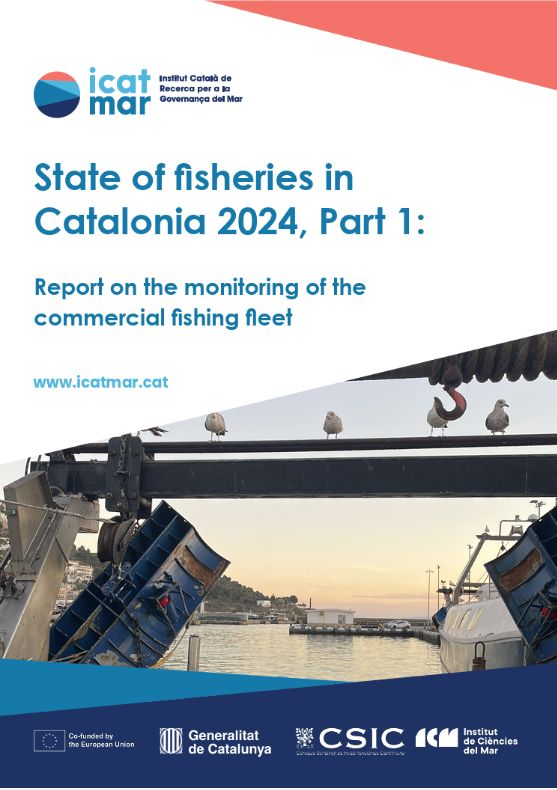
📢 The 2024 reports on the state of fisheries in #Catalonia are now available!
📄Part 1: methodology and results of the continuous monitoring of fishery resources.
🐟Part 2: stock assessment of the main commercial species.
📥Download them here 👉 icatmar.cat/en/publicati...
📄Part 1: methodology and results of the continuous monitoring of fishery resources.
🐟Part 2: stock assessment of the main commercial species.
📥Download them here 👉 icatmar.cat/en/publicati...

August 13, 2025 at 8:02 AM
📢 The 2024 reports on the state of fisheries in #Catalonia are now available!
📄Part 1: methodology and results of the continuous monitoring of fishery resources.
🐟Part 2: stock assessment of the main commercial species.
📥Download them here 👉 icatmar.cat/en/publicati...
📄Part 1: methodology and results of the continuous monitoring of fishery resources.
🐟Part 2: stock assessment of the main commercial species.
📥Download them here 👉 icatmar.cat/en/publicati...
6/
🔥 This double stressor — rising temperatures and reduced food availability — creates a challenging environment for juvenile sardines in the North
📚 Our study highlights how local environmental changes can have major biological and socioeconomic impacts
🔗 read the article doi.org/10.1016/j.ma...
🔥 This double stressor — rising temperatures and reduced food availability — creates a challenging environment for juvenile sardines in the North
📚 Our study highlights how local environmental changes can have major biological and socioeconomic impacts
🔗 read the article doi.org/10.1016/j.ma...
Redirecting
doi.org
August 1, 2025 at 6:26 PM
6/
🔥 This double stressor — rising temperatures and reduced food availability — creates a challenging environment for juvenile sardines in the North
📚 Our study highlights how local environmental changes can have major biological and socioeconomic impacts
🔗 read the article doi.org/10.1016/j.ma...
🔥 This double stressor — rising temperatures and reduced food availability — creates a challenging environment for juvenile sardines in the North
📚 Our study highlights how local environmental changes can have major biological and socioeconomic impacts
🔗 read the article doi.org/10.1016/j.ma...
5/
🌱 We also detected a shift in the phenology of primary productivity (a proxy for food availability):
In the North, the productive season now ends 32 days earlier than 20 years ago.
In the South, it has remained more stable.
🌱 We also detected a shift in the phenology of primary productivity (a proxy for food availability):
In the North, the productive season now ends 32 days earlier than 20 years ago.
In the South, it has remained more stable.
August 1, 2025 at 6:26 PM
5/
🌱 We also detected a shift in the phenology of primary productivity (a proxy for food availability):
In the North, the productive season now ends 32 days earlier than 20 years ago.
In the South, it has remained more stable.
🌱 We also detected a shift in the phenology of primary productivity (a proxy for food availability):
In the North, the productive season now ends 32 days earlier than 20 years ago.
In the South, it has remained more stable.
4/
📉 But long-term trends reveal a more complex picture.
⚠️ While higher temperatures promote growth at small scales, the sudden drop in sardine size observed the North after 2007 would linked to reduced growth between ages 1 and 2, likely due to earlier maturation triggered by warming.
📉 But long-term trends reveal a more complex picture.
⚠️ While higher temperatures promote growth at small scales, the sudden drop in sardine size observed the North after 2007 would linked to reduced growth between ages 1 and 2, likely due to earlier maturation triggered by warming.
August 1, 2025 at 6:26 PM
4/
📉 But long-term trends reveal a more complex picture.
⚠️ While higher temperatures promote growth at small scales, the sudden drop in sardine size observed the North after 2007 would linked to reduced growth between ages 1 and 2, likely due to earlier maturation triggered by warming.
📉 But long-term trends reveal a more complex picture.
⚠️ While higher temperatures promote growth at small scales, the sudden drop in sardine size observed the North after 2007 would linked to reduced growth between ages 1 and 2, likely due to earlier maturation triggered by warming.
3/
📈 Sardines in the South grow faster during their first year of life, reaching larger sizes at the same age compared to those in the North.
🌡️ Why?
In the South, waters reach 24 °C for 3 months — optimal for juvenile growth.
In the North, this temperature is rarely reached.
📈 Sardines in the South grow faster during their first year of life, reaching larger sizes at the same age compared to those in the North.
🌡️ Why?
In the South, waters reach 24 °C for 3 months — optimal for juvenile growth.
In the North, this temperature is rarely reached.
August 1, 2025 at 6:26 PM
3/
📈 Sardines in the South grow faster during their first year of life, reaching larger sizes at the same age compared to those in the North.
🌡️ Why?
In the South, waters reach 24 °C for 3 months — optimal for juvenile growth.
In the North, this temperature is rarely reached.
📈 Sardines in the South grow faster during their first year of life, reaching larger sizes at the same age compared to those in the North.
🌡️ Why?
In the South, waters reach 24 °C for 3 months — optimal for juvenile growth.
In the North, this temperature is rarely reached.
📍 The two study areas are only 90 km apart, but show clear environmental differences:
North: colder waters
South: warmer waters
➡️ And this directly affects juvenile growth.
North: colder waters
South: warmer waters
➡️ And this directly affects juvenile growth.
August 1, 2025 at 6:26 PM
📍 The two study areas are only 90 km apart, but show clear environmental differences:
North: colder waters
South: warmer waters
➡️ And this directly affects juvenile growth.
North: colder waters
South: warmer waters
➡️ And this directly affects juvenile growth.