




M. Eleonora Rossi
@meleonora-rossi.bsky.social
Postdoc at the Gahan Lab in 🇨🇮
Origin of animals, phylogenomics, evolutionary biology
Origin of animals, phylogenomics, evolutionary biology
Reposted by M. Eleonora Rossi

Sponges are notoriously difficult to understand in evolutionary biology terms. I think this paper is a big step forward : www.science.org/doi/10.1126/...

Independent origins of spicules reconcile paleontological and molecular evidence of sponge evolutionary history
Sponges have a cryptic Ediacaran history because ancestral sponges were soft-bodied and had low fossilization potential.
www.science.org
January 8, 2026 at 10:02 AM
Sponges are notoriously difficult to understand in evolutionary biology terms. I think this paper is a big step forward : www.science.org/doi/10.1126/...
Reposted by M. Eleonora Rossi

Our work on the evolution of the regulatory genome of echinoderms is now out in @natecoevo.nature.com. Led by my former PhD Marta Magri, Danila Voronov & Saoirse Foley. Great collaboration of Arnone, Hinman & Maeso labs, started long time ago with our missed José Luis Gomez-Skarmeta: rdcu.be/eXX8l

Deep conservation of cis-regulatory elements and chromatin organization in echinoderms uncover ancestral regulatory features of animal genomes
Nature Ecology & Evolution - Analysis of the 3D chromatin architecture and cis-regulatory elements in a sea urchin and a sea star reveals mechanisms of 3D chromatin organization in echinoderms...
rdcu.be
January 7, 2026 at 7:33 PM
Our work on the evolution of the regulatory genome of echinoderms is now out in @natecoevo.nature.com. Led by my former PhD Marta Magri, Danila Voronov & Saoirse Foley. Great collaboration of Arnone, Hinman & Maeso labs, started long time ago with our missed José Luis Gomez-Skarmeta: rdcu.be/eXX8l
Reposted by M. Eleonora Rossi
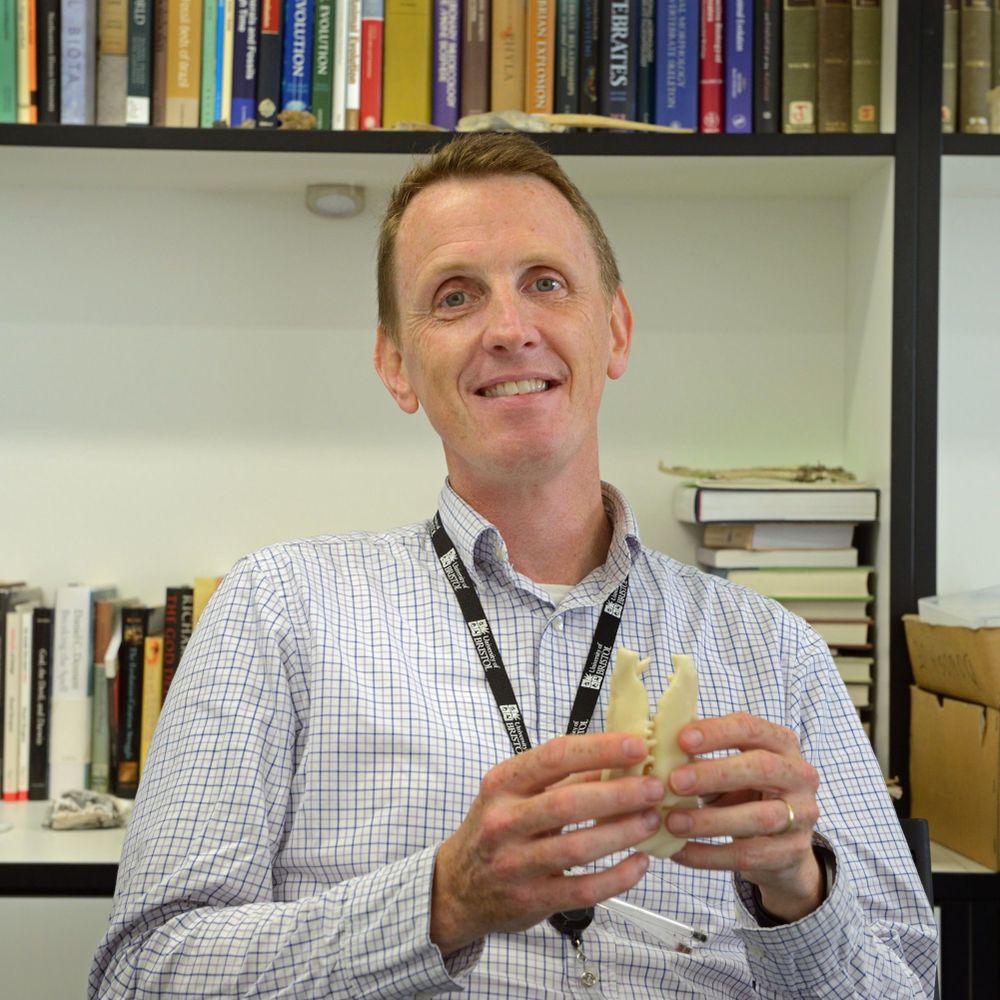
Our latest: Independent origins of spicules reconcile paleontological and molecular evidence of sponge evolutionary history, led by @meleonora-rossi.bsky.social with help from friends @bristolpalaeo.bsky.social including @anariesgo.bsky.social @evopalaeo.bsky.social Davide Pisani and many others

Independent origins of spicules reconcile paleontological and molecular evidence of sponge evolutionary history
Sponges have a cryptic Ediacaran history because ancestral sponges were soft-bodied and had low fossilization potential.
www.science.org
January 8, 2026 at 7:39 AM
Our latest: Independent origins of spicules reconcile paleontological and molecular evidence of sponge evolutionary history, led by @meleonora-rossi.bsky.social with help from friends @bristolpalaeo.bsky.social including @anariesgo.bsky.social @evopalaeo.bsky.social Davide Pisani and many others
Reposted by M. Eleonora Rossi
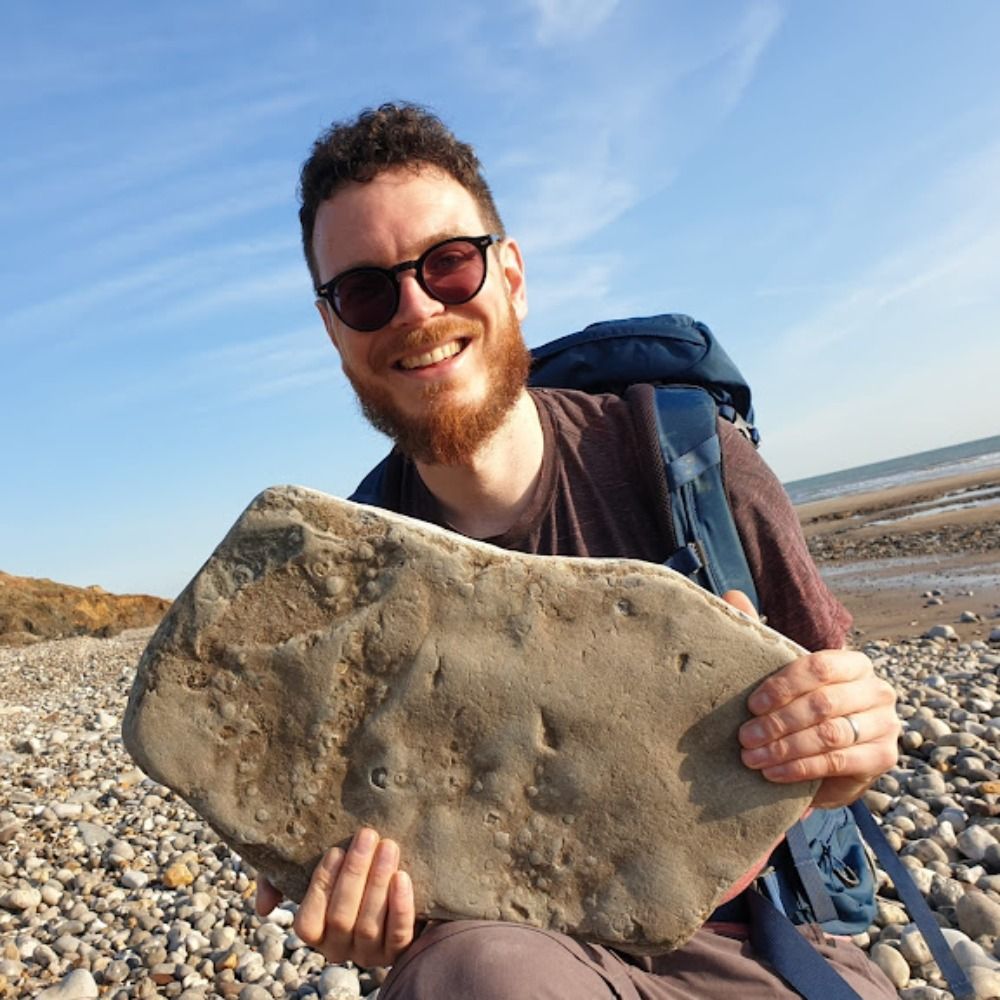
Early sponges lacked [mineralised] skeletons.
New paper led by M. Eleonora Rossi. Great to have contributed alongside colleagues from @bristolpalaeo.bsky.social , @nhm-london.bsky.social and @mncn-csic.bsky.social.
Read it here: www.science.org/doi/10.1126/...
New paper led by M. Eleonora Rossi. Great to have contributed alongside colleagues from @bristolpalaeo.bsky.social , @nhm-london.bsky.social and @mncn-csic.bsky.social.
Read it here: www.science.org/doi/10.1126/...

January 7, 2026 at 10:38 PM
Early sponges lacked [mineralised] skeletons.
New paper led by M. Eleonora Rossi. Great to have contributed alongside colleagues from @bristolpalaeo.bsky.social , @nhm-london.bsky.social and @mncn-csic.bsky.social.
Read it here: www.science.org/doi/10.1126/...
New paper led by M. Eleonora Rossi. Great to have contributed alongside colleagues from @bristolpalaeo.bsky.social , @nhm-london.bsky.social and @mncn-csic.bsky.social.
Read it here: www.science.org/doi/10.1126/...