


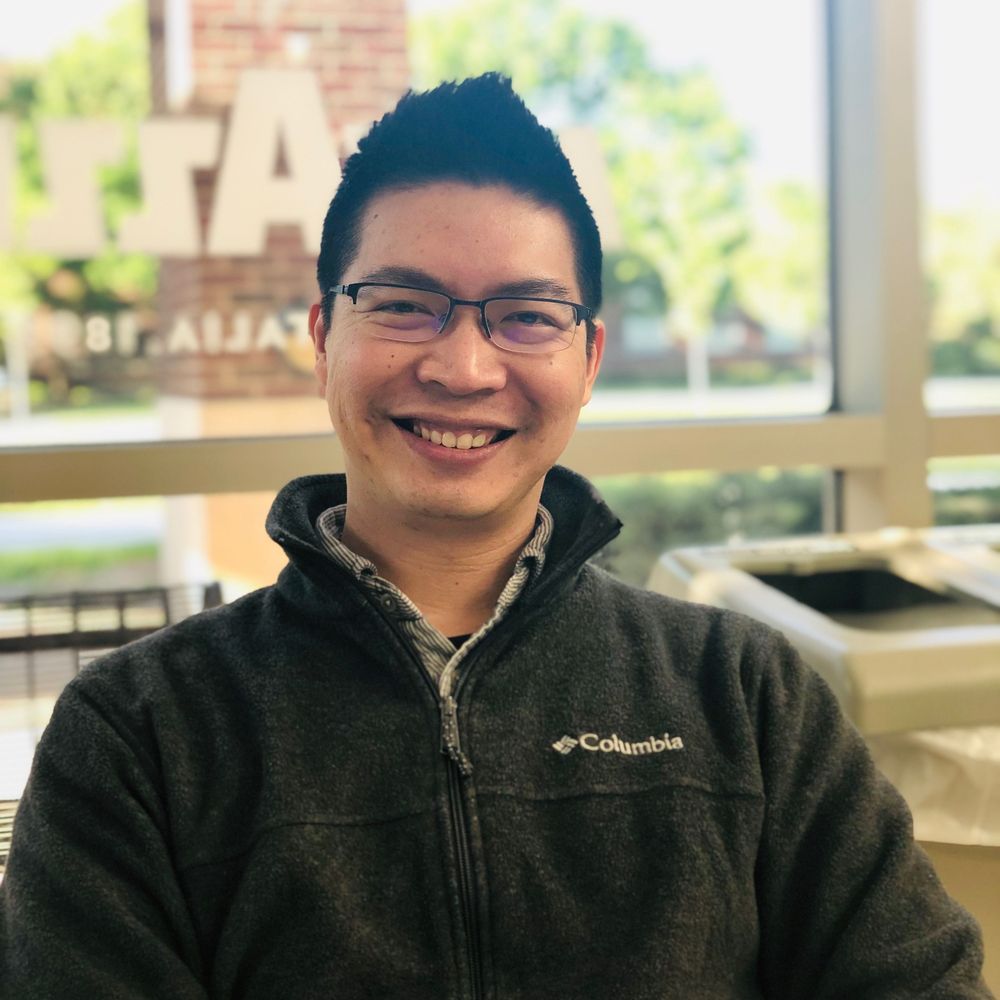
Louis Tay
@louistay.bsky.social
Psychology Professor. Founder of www.expiwell.com
📍 Takeaway: Beyond vocational interests themselves, it's crucial to consider motivational factors that shape the development of interests.
Honored to have been part of the collaboration and shoutout to the team: Laura Kaizer, Sarah Schmiege, and Molly Cooper
Honored to have been part of the collaboration and shoutout to the team: Laura Kaizer, Sarah Schmiege, and Molly Cooper
December 1, 2025 at 2:02 PM
📍 Takeaway: Beyond vocational interests themselves, it's crucial to consider motivational factors that shape the development of interests.
Honored to have been part of the collaboration and shoutout to the team: Laura Kaizer, Sarah Schmiege, and Molly Cooper
Honored to have been part of the collaboration and shoutout to the team: Laura Kaizer, Sarah Schmiege, and Molly Cooper
✨ Three interest development profiles: intrinsic, disengaged, and pan-motivated pursuers.
✨ Intrinsic and pan-motivated pursuers reported higher well-being and career satisfaction than disengaged pursuers.
✨ The disengaged pursuers had the least favorable outcomes.
✨ Intrinsic and pan-motivated pursuers reported higher well-being and career satisfaction than disengaged pursuers.
✨ The disengaged pursuers had the least favorable outcomes.
December 1, 2025 at 2:02 PM
✨ Three interest development profiles: intrinsic, disengaged, and pan-motivated pursuers.
✨ Intrinsic and pan-motivated pursuers reported higher well-being and career satisfaction than disengaged pursuers.
✨ The disengaged pursuers had the least favorable outcomes.
✨ Intrinsic and pan-motivated pursuers reported higher well-being and career satisfaction than disengaged pursuers.
✨ The disengaged pursuers had the least favorable outcomes.
Work can be meaningful and even joyful, but in our work-obsessed culture, we risk falling into the tyranny of more - more outputs, more papers, more grants.
Paradoxically, savoring life and relationships can lead to greater creativity, insight, and even productivity.
November 24, 2025 at 4:59 PM
Work can be meaningful and even joyful, but in our work-obsessed culture, we risk falling into the tyranny of more - more outputs, more papers, more grants.
Paradoxically, savoring life and relationships can lead to greater creativity, insight, and even productivity.
I’d like to suggest a reframe: the goal of efficiency isn’t to fit more work in, but it’s to create more time for what truly nourishes us:
- Exercise
- Sleep
- Rest
- Connection
- Recreation
- Exercise
- Sleep
- Rest
- Connection
- Recreation
November 24, 2025 at 4:59 PM
I’d like to suggest a reframe: the goal of efficiency isn’t to fit more work in, but it’s to create more time for what truly nourishes us:
- Exercise
- Sleep
- Rest
- Connection
- Recreation
- Exercise
- Sleep
- Rest
- Connection
- Recreation
Accepting help isn’t weakness - it’s really how we do our best work!
Thompson, P. S., & Bolino, M. C. (2018). Negative beliefs about accepting coworker help: Implications for employee attitudes, job performance, and reputation. Journal of Applied Psychology, 103(8), 842–866. doi.org/10.1037/apl0...
Thompson, P. S., & Bolino, M. C. (2018). Negative beliefs about accepting coworker help: Implications for employee attitudes, job performance, and reputation. Journal of Applied Psychology, 103(8), 842–866. doi.org/10.1037/apl0...
doi.org
November 19, 2025 at 2:47 PM
Accepting help isn’t weakness - it’s really how we do our best work!
Thompson, P. S., & Bolino, M. C. (2018). Negative beliefs about accepting coworker help: Implications for employee attitudes, job performance, and reputation. Journal of Applied Psychology, 103(8), 842–866. doi.org/10.1037/apl0...
Thompson, P. S., & Bolino, M. C. (2018). Negative beliefs about accepting coworker help: Implications for employee attitudes, job performance, and reputation. Journal of Applied Psychology, 103(8), 842–866. doi.org/10.1037/apl0...
To make help seeking the norm for your organization:
• Model asking for help
• Give help with no implied debt
• Recognize those who collaborate (not just “go it alone”)
• Model asking for help
• Give help with no implied debt
• Recognize those who collaborate (not just “go it alone”)
doi.org
November 19, 2025 at 2:47 PM
To make help seeking the norm for your organization:
• Model asking for help
• Give help with no implied debt
• Recognize those who collaborate (not just “go it alone”)
• Model asking for help
• Give help with no implied debt
• Recognize those who collaborate (not just “go it alone”)
These are not things that get “automated away.” They take time. They take emotional energy. They require us to show up as whole people.
So I’m not preparing for a future of “less work.” I’m preparing for a future where the work is more demanding - but hopefully, more meaningful.
So I’m not preparing for a future of “less work.” I’m preparing for a future where the work is more demanding - but hopefully, more meaningful.
November 17, 2025 at 5:06 PM
These are not things that get “automated away.” They take time. They take emotional energy. They require us to show up as whole people.
So I’m not preparing for a future of “less work.” I’m preparing for a future where the work is more demanding - but hopefully, more meaningful.
So I’m not preparing for a future of “less work.” I’m preparing for a future where the work is more demanding - but hopefully, more meaningful.
As AI increasingly handles the routine, the work left to us will be the most deeply human parts of our jobs.
- Listening closely
- Understanding others
- Creating thoughtfully
- Caring and supporting
- Leading with integrity
- Listening closely
- Understanding others
- Creating thoughtfully
- Caring and supporting
- Leading with integrity
November 17, 2025 at 5:05 PM
As AI increasingly handles the routine, the work left to us will be the most deeply human parts of our jobs.
- Listening closely
- Understanding others
- Creating thoughtfully
- Caring and supporting
- Leading with integrity
- Listening closely
- Understanding others
- Creating thoughtfully
- Caring and supporting
- Leading with integrity
We may be working more - not necessarily in hours but in emotional and relational investment.
This is something Alicia Grandey’s research in I-O psychology has been illuminating for years. Her work on emotional labor demonstrates that managing our emotions in service roles can be deeply taxing.
This is something Alicia Grandey’s research in I-O psychology has been illuminating for years. Her work on emotional labor demonstrates that managing our emotions in service roles can be deeply taxing.
November 17, 2025 at 5:05 PM
We may be working more - not necessarily in hours but in emotional and relational investment.
This is something Alicia Grandey’s research in I-O psychology has been illuminating for years. Her work on emotional labor demonstrates that managing our emotions in service roles can be deeply taxing.
This is something Alicia Grandey’s research in I-O psychology has been illuminating for years. Her work on emotional labor demonstrates that managing our emotions in service roles can be deeply taxing.
Thank you to Richard Landers, Editor of Technology, Mind, and Behavior, for supporting this urgent and timely special issue.
November 14, 2025 at 5:01 PM
Thank you to Richard Landers, Editor of Technology, Mind, and Behavior, for supporting this urgent and timely special issue.
While AI is transforming our research and work phenomenology, our I-O training also uniquely positions us to contribute to AI-related work and research.
Thank you to the faculty and students for the thoughtful questions and warm hospitality. I left energized and inspired.
Thank you to the faculty and students for the thoughtful questions and warm hospitality. I left energized and inspired.
November 10, 2025 at 2:15 PM
While AI is transforming our research and work phenomenology, our I-O training also uniquely positions us to contribute to AI-related work and research.
Thank you to the faculty and students for the thoughtful questions and warm hospitality. I left energized and inspired.
Thank you to the faculty and students for the thoughtful questions and warm hospitality. I left energized and inspired.
It’s a fascinating glimpse of where physical AI is heading, but also how far we still have to go.
Would you invite a robot like this into your home if you knew a human was behind the controls? It seems a tad bit creepy to me!
Would you invite a robot like this into your home if you knew a human was behind the controls? It seems a tad bit creepy to me!
November 8, 2025 at 2:15 PM
It’s a fascinating glimpse of where physical AI is heading, but also how far we still have to go.
Would you invite a robot like this into your home if you knew a human was behind the controls? It seems a tad bit creepy to me!
Would you invite a robot like this into your home if you knew a human was behind the controls? It seems a tad bit creepy to me!