


Katarzyna Świderek
@kswiderek.bsky.social
Reposted by Katarzyna Świderek
Latest paper from our group, from Yazdan Maghsoud in collaboration with @vicentmoliner.bsky.social @kswiderek.bsky.social and Maite Roca:
doi.org/10.1021/acs....
doi.org/10.1021/acs....

Comparing Force Field Treatments in QM/MM Studies of the SARS-CoV-2 RNA-Dependent RNA Polymerase (RdRp) Mechanism
Molecular simulations have been instrumental in elucidating the SARS-CoV-2 lifecycle, thereby supporting the design and development of antiviral therapies and diagnostic tools for COVID-19. Here, the molecular mechanism of the SARS-CoV-2 RNA-dependent RNA polymerase (RdRp), a potential target for antiviral drugs to treat COVID-19, was explored based on QM/MM simulations with fixed-charge and polarizable force fields (cFF and pFF, respectively). The free energy perturbation (FEP) method allowed exploring the free energy landscape of the enzymatic reaction mechanism, addressing key questions about the initial deprotonation of the 3′-OH group of the terminal nucleotide before a nucleophilic attack on the incoming nucleotide takes place. Indeed, among the five mechanisms explored, the most favorable was identified as a three-step process. The first step consists of a proton transfer from the 3′-OH group of the terminal nucleotide to a hydroxide group coordinated with an Mg2+ ion. Subsequently, the O3′ atom nucleophilically attacks the Pα atom of the incoming ATP. Finally, a proton is transferred from the water molecule formed in the first step to the γ-phosphate group of the pyrophosphate leaving group, regenerating the Mg2+-coordinated hydroxide group. This mechanism was found to be exergonic, with the rate-determining step being the nucleophilic attack, having a free energy barrier of 15.2 kcal mol–1. Both cFF and pFF yield consistent energetic and geometrical descriptions of the full RdRp-catalyzed reaction. Noncovalent interaction (NCI) and electron localization function (ELF) analyses provide insights into the electronic evolution during the reaction, showing strong polarization on electronic basins associated with the reactive oxygens O3′ and O3α. Together, findings contribute to a deeper understanding of the RdRp mechanism, which could aid in the discovery of new antiviral inhibitors.
doi.org
November 25, 2025 at 3:28 PM
Latest paper from our group, from Yazdan Maghsoud in collaboration with @vicentmoliner.bsky.social @kswiderek.bsky.social and Maite Roca:
doi.org/10.1021/acs....
doi.org/10.1021/acs....
Reposted by Katarzyna Świderek
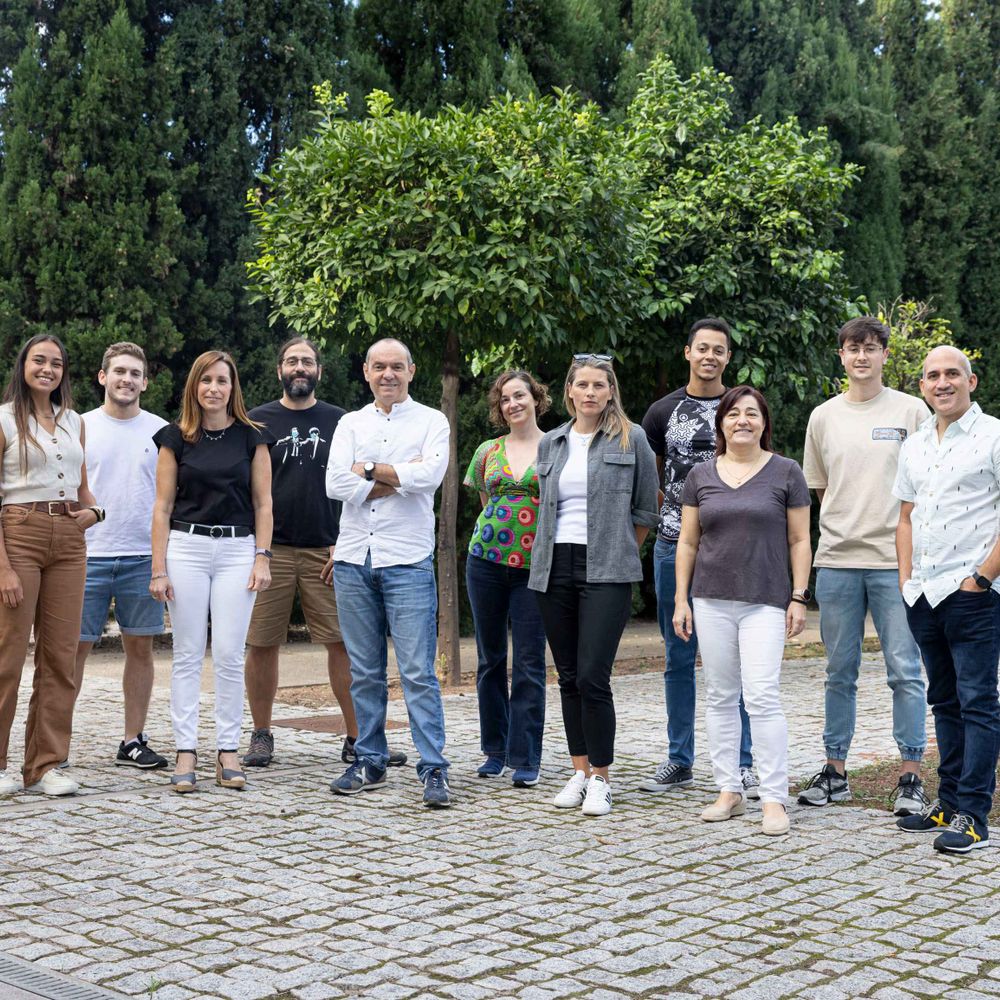
The BioComp group, in collaboration with F. López-Gallego's team from @cicbiomagune.bsky.social, just published a research on Metagenome-Derived Urethanase in
@jacs.acspublications.org
📎 pubs.acs.org/doi/10.1021/...
@uji.es @inam-uji.bsky.social @ageinves.bsky.social
Generalitat Valenciana
@jacs.acspublications.org
📎 pubs.acs.org/doi/10.1021/...
@uji.es @inam-uji.bsky.social @ageinves.bsky.social
Generalitat Valenciana

Insights into the Catalytic Activity of a Metagenome-Derived Urethanase
The discovery of urethanases shows an opportunity to access the biotechnological recycling of polyurethane-based plastics (PURs), widely used in the manufacture of everyday materials. However, the mec...
pubs.acs.org
November 6, 2025 at 1:06 PM
The BioComp group, in collaboration with F. López-Gallego's team from @cicbiomagune.bsky.social, just published a research on Metagenome-Derived Urethanase in
@jacs.acspublications.org
📎 pubs.acs.org/doi/10.1021/...
@uji.es @inam-uji.bsky.social @ageinves.bsky.social
Generalitat Valenciana
@jacs.acspublications.org
📎 pubs.acs.org/doi/10.1021/...
@uji.es @inam-uji.bsky.social @ageinves.bsky.social
Generalitat Valenciana
Reposted by Katarzyna Świderek
🧪Yesterday, Biocomp group participated in 🇪🇺 the European Night of Researchers and Investigators.
sciencegts.eu/en/inicio/
sciencegts.eu/en/inicio/

September 27, 2025 at 3:20 PM
🧪Yesterday, Biocomp group participated in 🇪🇺 the European Night of Researchers and Investigators.
sciencegts.eu/en/inicio/
sciencegts.eu/en/inicio/
Reposted by Katarzyna Świderek
Our latest contribution on engineering the Tobacco Etch Virus protease in collaboration with Volter’s (Technical University of Munich), Alcalde’s (@CSIC) groups, and biotech partners @EvoEnzyme (@pcmmadrid.bsky.social) & @numaferm (Germany) just published in @ACSSynBio
pubs.acs.org/doi/full/10....
pubs.acs.org/doi/full/10....

September 16, 2025 at 4:11 PM
Our latest contribution on engineering the Tobacco Etch Virus protease in collaboration with Volter’s (Technical University of Munich), Alcalde’s (@CSIC) groups, and biotech partners @EvoEnzyme (@pcmmadrid.bsky.social) & @numaferm (Germany) just published in @ACSSynBio
pubs.acs.org/doi/full/10....
pubs.acs.org/doi/full/10....
Reposted by Katarzyna Świderek
Excited to share latest results from @Biocomp, in collaboration with the groups of Luca Salassa (@dipcehu.bsky.social) and Fernando López-Gallego @cicbiomagune.bsky.social)
chemrxiv.org/engage/chemr...
chemrxiv.org/engage/chemr...

September 16, 2025 at 3:59 PM
Excited to share latest results from @Biocomp, in collaboration with the groups of Luca Salassa (@dipcehu.bsky.social) and Fernando López-Gallego @cicbiomagune.bsky.social)
chemrxiv.org/engage/chemr...
chemrxiv.org/engage/chemr...
Reposted by Katarzyna Świderek
Latest preprint from our group. Great collaboration with @vicentmoliner.bsky.social @kswiderek.bsky.social Maite Roca and Yazdan Maghsoud: Comparing Force Field Treatments in QM/MM Studies of the SARS-CoV-2 RNA-Dependent RNA Polymerase (RdRp) Mechanism
| ChemRxiv
| ChemRxiv

Comparing Force Field Treatments in QM/MM Studies of the SARS-CoV-2 RNA-Dependent RNA Polymerase (RdRp) Mechanism
Molecular simulations have been instrumental in elucidating the SARS-CoV-2 lifecycle, thereby supporting the design and development of antiviral therapies and diagnostic tools for COVID-19. Here, the ...
doi.org
September 3, 2025 at 1:37 PM
Latest preprint from our group. Great collaboration with @vicentmoliner.bsky.social @kswiderek.bsky.social Maite Roca and Yazdan Maghsoud: Comparing Force Field Treatments in QM/MM Studies of the SARS-CoV-2 RNA-Dependent RNA Polymerase (RdRp) Mechanism
| ChemRxiv
| ChemRxiv
Reposted by Katarzyna Świderek
Congratulations to Lucia Peiró Sales and her supervisor, Katarzyna Świderek (@kswiderek.bsky.social), for receiving the award funded by La Cátedra Reciplasa-UJI for the Best Final Degree Project promoting environmental sustainability. castellonplaza.com/castellonpla...
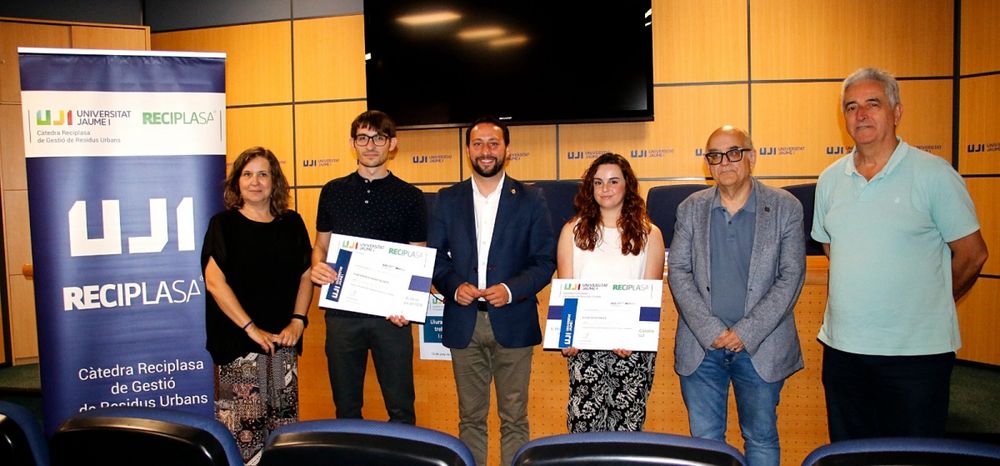
La Cátedra Reciplasa impulsa la innovación en los premios a los mejores Trabajos de Fin de Grado y Máster
Los proyectos están relacionados con el estudio y síntesis de catalizadores que permiten transformar el dióxido de carbono (CO2) atmosférico en compuestos químicos de alto valor añadido
castellonplaza.com
June 13, 2025 at 8:05 AM
Congratulations to Lucia Peiró Sales and her supervisor, Katarzyna Świderek (@kswiderek.bsky.social), for receiving the award funded by La Cátedra Reciplasa-UJI for the Best Final Degree Project promoting environmental sustainability. castellonplaza.com/castellonpla...
Reposted by Katarzyna Świderek
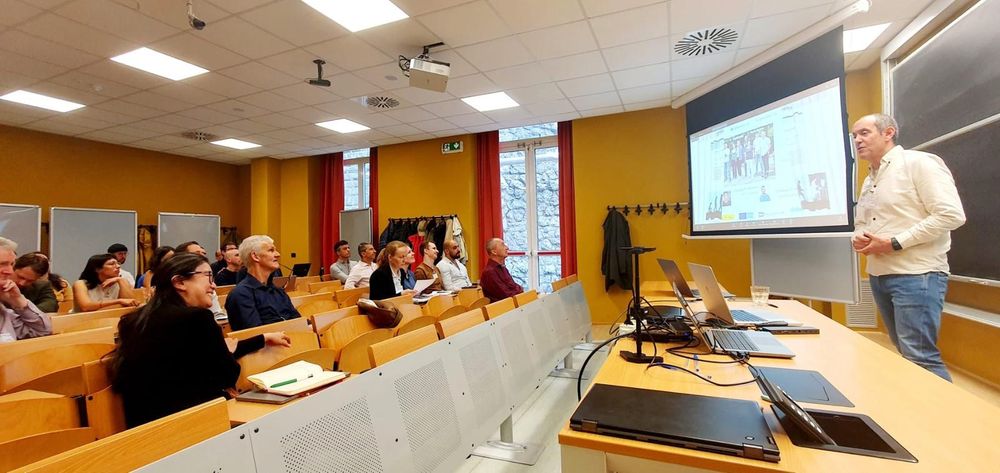
Vicent (@vicentmoliner.bsky.social ) presented the latest research from the BioComp group at the
CECAM workshop "Computations meet Experiments to Advance the Enzymatic Depolymerization of Plastics One Atom at a Time" held last week at the CECAM-IT-SISSA-SNS node in Trieste, Italy.
CECAM workshop "Computations meet Experiments to Advance the Enzymatic Depolymerization of Plastics One Atom at a Time" held last week at the CECAM-IT-SISSA-SNS node in Trieste, Italy.
May 12, 2025 at 4:11 PM
Vicent (@vicentmoliner.bsky.social ) presented the latest research from the BioComp group at the
CECAM workshop "Computations meet Experiments to Advance the Enzymatic Depolymerization of Plastics One Atom at a Time" held last week at the CECAM-IT-SISSA-SNS node in Trieste, Italy.
CECAM workshop "Computations meet Experiments to Advance the Enzymatic Depolymerization of Plastics One Atom at a Time" held last week at the CECAM-IT-SISSA-SNS node in Trieste, Italy.
Reposted by Katarzyna Świderek
We are pleased to announce the launch of a new 2-year project within the BioComp group. Congratulations to Kasia
(@kswiderek.bsky.social) on receiving funding from
MICIU as part of the “Ayudas para Incentivar la Consolidación Investigadora” program. Looking forward to the great work ahead!
(@kswiderek.bsky.social) on receiving funding from
MICIU as part of the “Ayudas para Incentivar la Consolidación Investigadora” program. Looking forward to the great work ahead!

April 16, 2025 at 9:54 AM
We are pleased to announce the launch of a new 2-year project within the BioComp group. Congratulations to Kasia
(@kswiderek.bsky.social) on receiving funding from
MICIU as part of the “Ayudas para Incentivar la Consolidación Investigadora” program. Looking forward to the great work ahead!
(@kswiderek.bsky.social) on receiving funding from
MICIU as part of the “Ayudas para Incentivar la Consolidación Investigadora” program. Looking forward to the great work ahead!
Reposted by Katarzyna Świderek
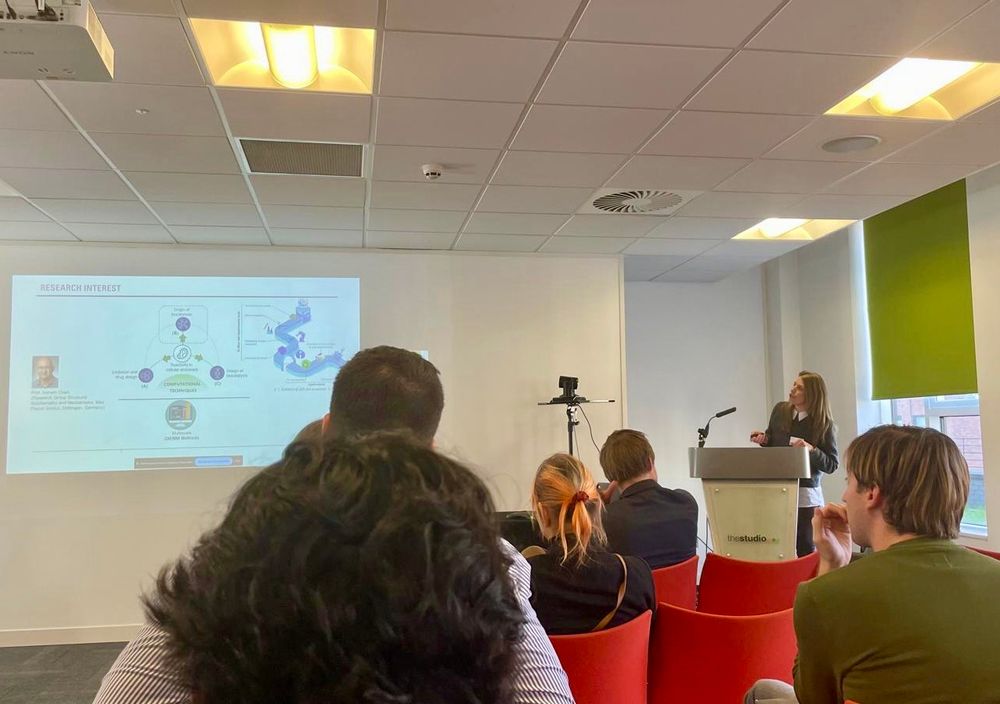
Kasia (@kswiderek.bsky.social) shared recent results of BioComp group at 6th Manchester Multiscale Conference ccpbiosim.ac.uk/multiscale2025
April 8, 2025 at 4:59 PM
Kasia (@kswiderek.bsky.social) shared recent results of BioComp group at 6th Manchester Multiscale Conference ccpbiosim.ac.uk/multiscale2025
Reposted by Katarzyna Świderek
“Advances in the Simulations of Enzyme Reactivity in the Dawn of the Artificial Intelligence Age” published in
@WIREs_Reviews. A great job in collaboration with the group of Iñaki Tuñón (UV) and Prof. J. Bertran (UAB)
wires.onlinelibrary.wiley.com/doi/10.1002/...
@WIREs_Reviews. A great job in collaboration with the group of Iñaki Tuñón (UV) and Prof. J. Bertran (UAB)
wires.onlinelibrary.wiley.com/doi/10.1002/...
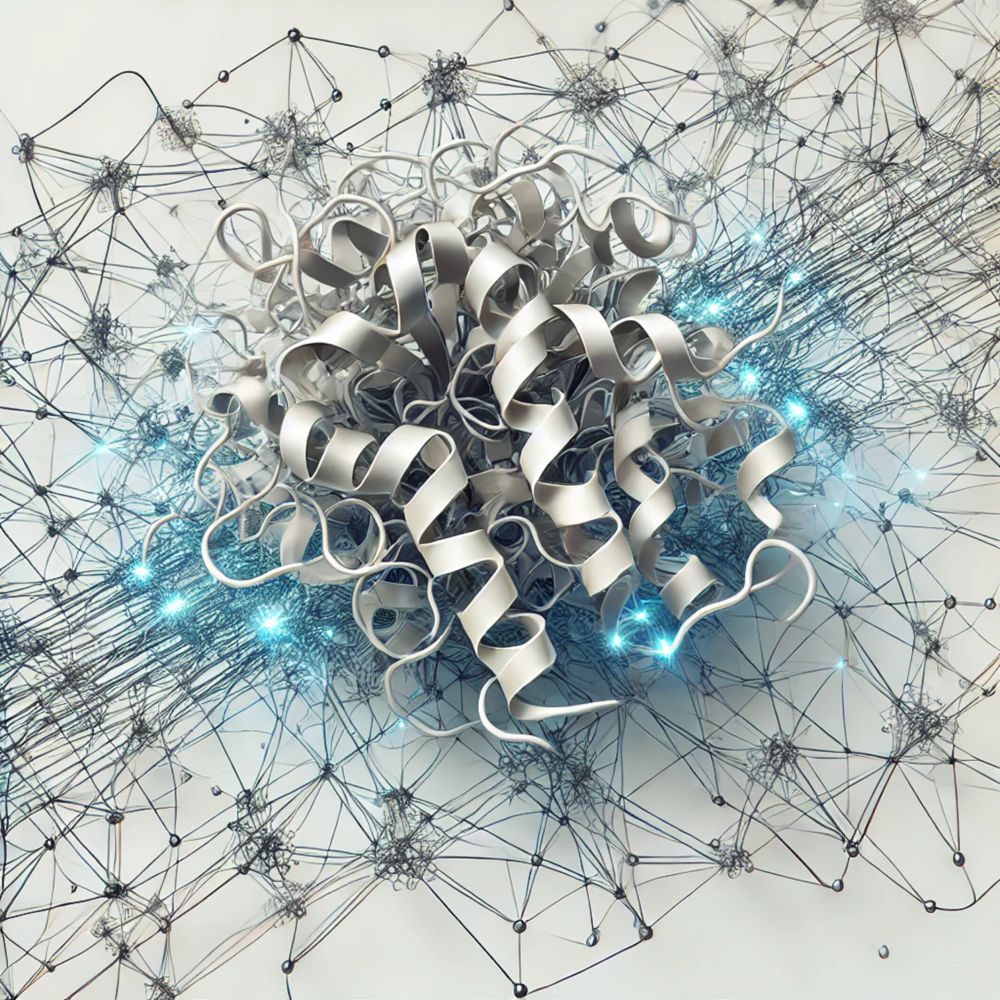
Advances in the Simulations of Enzyme Reactivity in the Dawn of the Artificial Intelligence Age
The study of natural enzyme catalytic processes at a molecular level can provide essential information for a rational design of new enzymes, to be applied in more efficient and environmentally friend...
wires.onlinelibrary.wiley.com
January 20, 2025 at 9:31 PM
“Advances in the Simulations of Enzyme Reactivity in the Dawn of the Artificial Intelligence Age” published in
@WIREs_Reviews. A great job in collaboration with the group of Iñaki Tuñón (UV) and Prof. J. Bertran (UAB)
wires.onlinelibrary.wiley.com/doi/10.1002/...
@WIREs_Reviews. A great job in collaboration with the group of Iñaki Tuñón (UV) and Prof. J. Bertran (UAB)
wires.onlinelibrary.wiley.com/doi/10.1002/...
Reposted by Katarzyna Świderek
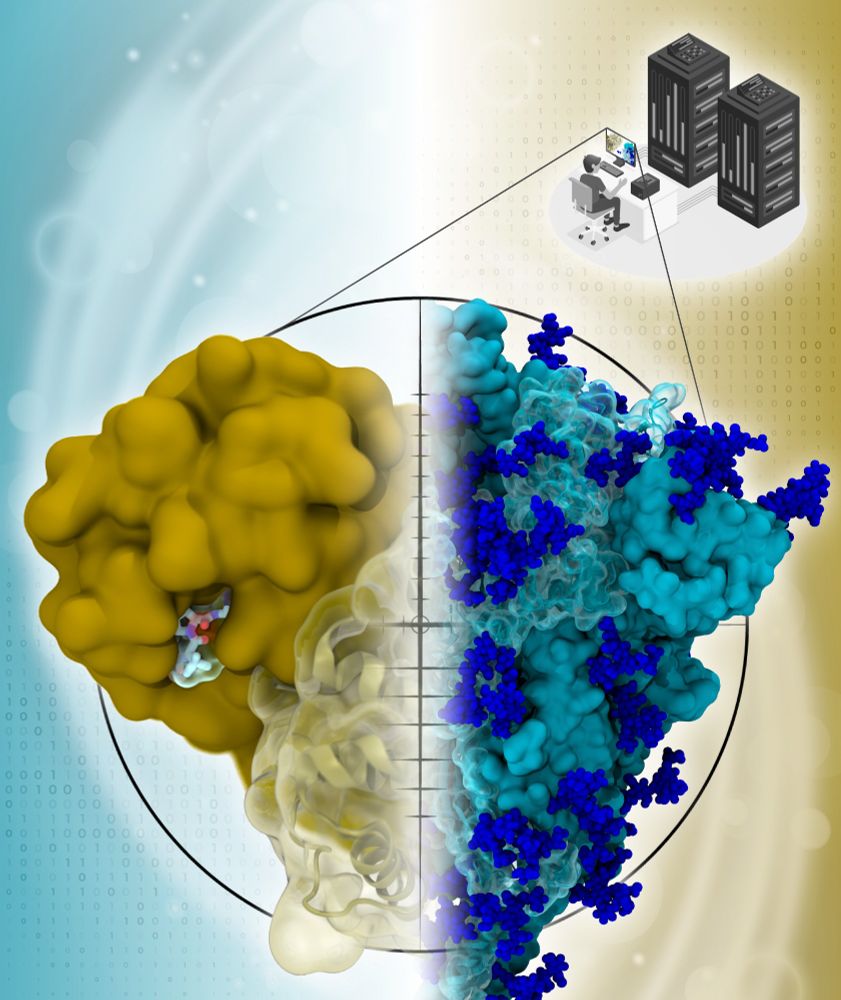
Our perspective “A Reflection on the Use of Molecular Simulation to Respond to SARS-CoV2 Pandemic Threats”, in collaboration with the groups of
@rommieamaro.bsky.social @adrianmulholla1.bsky.social Alessio Lodola and Carlos Simmerling just available as open access pubs.acs.org/doi/10.1021/...
@rommieamaro.bsky.social @adrianmulholla1.bsky.social Alessio Lodola and Carlos Simmerling just available as open access pubs.acs.org/doi/10.1021/...
March 25, 2025 at 5:18 PM
Our perspective “A Reflection on the Use of Molecular Simulation to Respond to SARS-CoV2 Pandemic Threats”, in collaboration with the groups of
@rommieamaro.bsky.social @adrianmulholla1.bsky.social Alessio Lodola and Carlos Simmerling just available as open access pubs.acs.org/doi/10.1021/...
@rommieamaro.bsky.social @adrianmulholla1.bsky.social Alessio Lodola and Carlos Simmerling just available as open access pubs.acs.org/doi/10.1021/...