


Kristen Wacker
@kswacker.bsky.social
Postdoc at LSUMNS, formerly PhD at UMich | Diversification and genomics of Neotropical birds | Lover of novels, movies, art, and Chicago | She/her 🏳️🌈
Reposted by Kristen Wacker

Full OA paper here: royalsocietypublishing.org/doi/10.1098/...

Confounding fuels misinterpretation in human genetics | Proceedings of the Royal Society B: Biological Sciences
The scientific literature has seen a resurgence of interest in genetic influences
on human behaviour and socioeconomic outcomes. Such studies face the central difficulty
of distinguishing possible cau...
royalsocietypublishing.org
November 7, 2025 at 7:06 PM
Full OA paper here: royalsocietypublishing.org/doi/10.1098/...
Reposted by Kristen Wacker
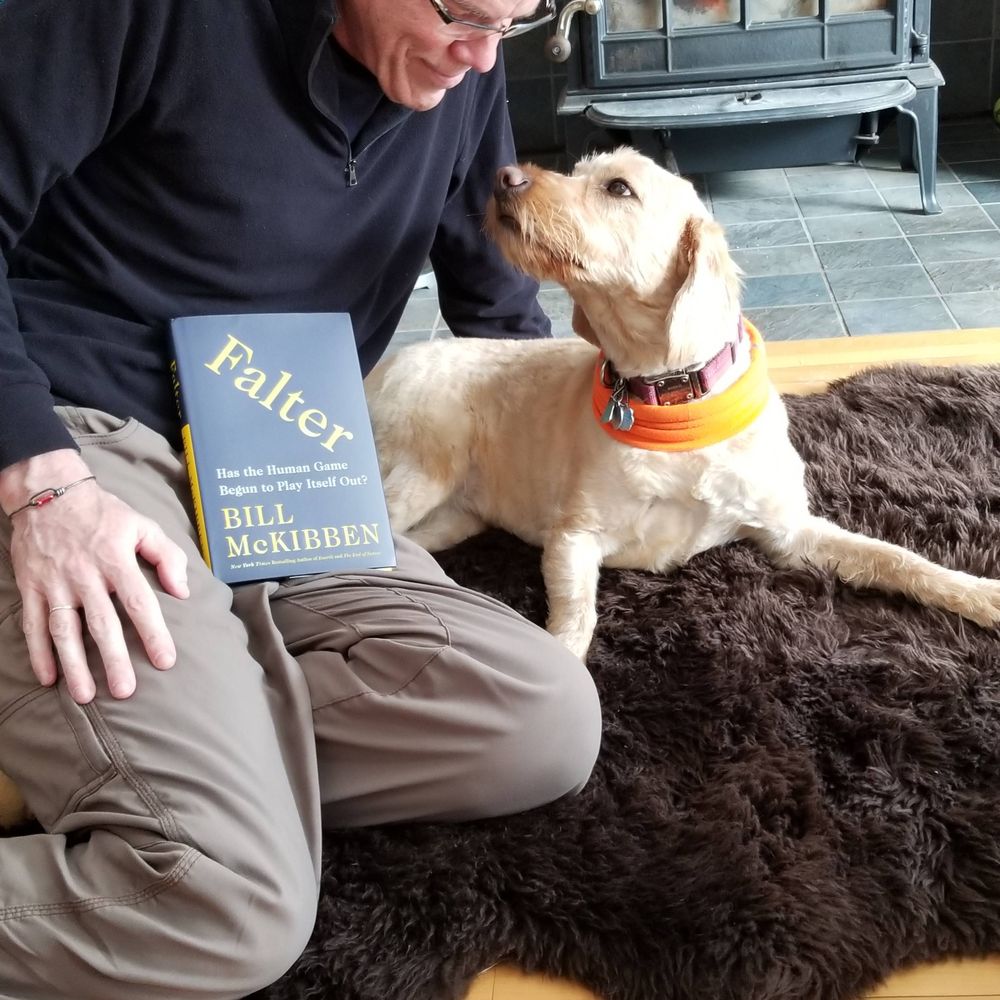
No one gets this moment any better than the ever-eloquent @rebeccasolnit.bsky.social, so much fun to be working with her on Sun Day
www.meditationsinanemergency.com/the-future-i...
www.meditationsinanemergency.com/the-future-i...

The Future Is Coming and It's (Literally) Sunny: Notes on the Solar Revolution
I drove home to San Francisco from New Mexico last weekend, and in the western Mojave desert of California I passed in quick succession three vast renewable energy sites: the first was three solar con...
www.meditationsinanemergency.com
September 17, 2025 at 5:52 AM
No one gets this moment any better than the ever-eloquent @rebeccasolnit.bsky.social, so much fun to be working with her on Sun Day
www.meditationsinanemergency.com/the-future-i...
www.meditationsinanemergency.com/the-future-i...
Reposted by Kristen Wacker

In the early 1980’s, we began preparing separate spread wings to help illustrate features of birds that had never been accurately drawn.
Today our collection of spread wings is the largest in the world, preserving more than 40,000 specimens.
Today our collection of spread wings is the largest in the world, preserving more than 40,000 specimens.
September 12, 2025 at 5:07 PM
In the early 1980’s, we began preparing separate spread wings to help illustrate features of birds that had never been accurately drawn.
Today our collection of spread wings is the largest in the world, preserving more than 40,000 specimens.
Today our collection of spread wings is the largest in the world, preserving more than 40,000 specimens.
Reposted by Kristen Wacker
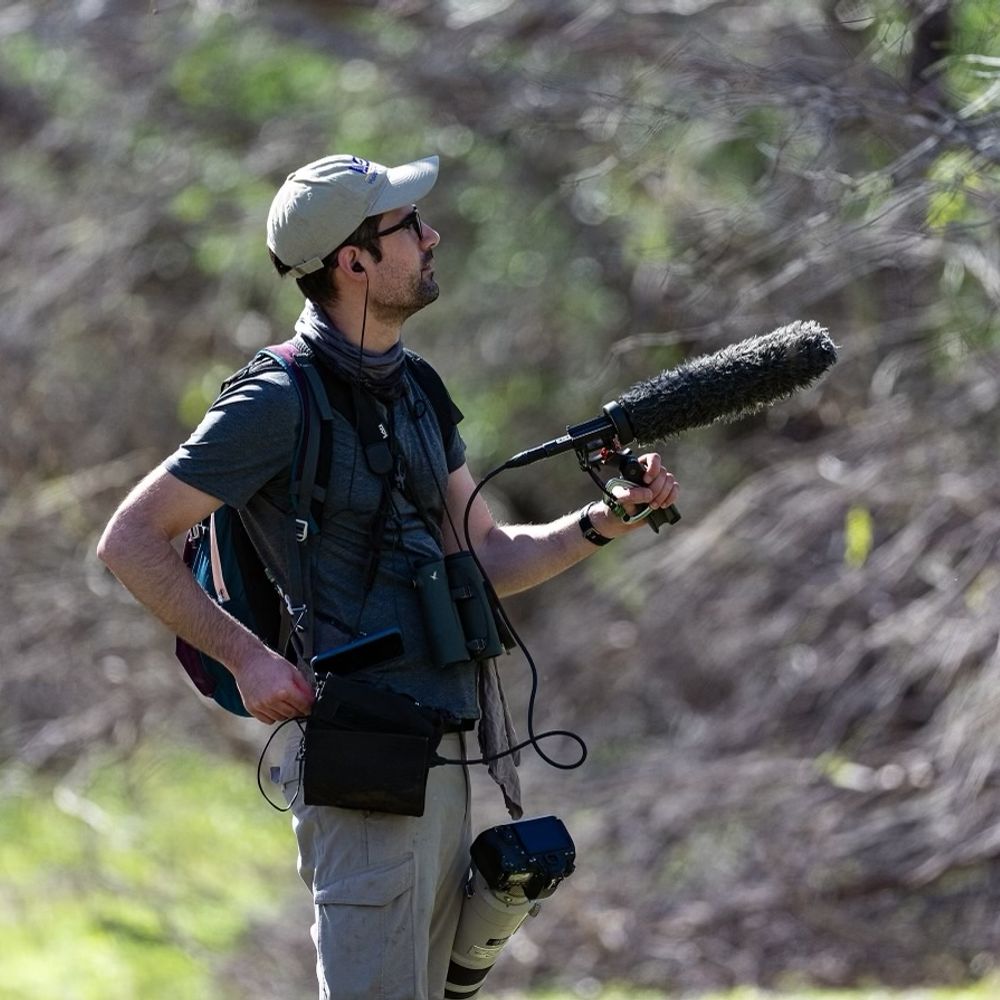
🐦🔬 Recruiting PhD students! 🌎🧬
I’m looking for 1–2 PhD students to join our team starting Fall 2026 at the Sam Noble Museum & University of Oklahoma.
Our research: 🐦 birds • 🌍 biogeography • 🌴 Neotropics • 🧬 population genomics • 🌱 speciation
👉 Learn more: www.moncriefflab.org
Please share!
I’m looking for 1–2 PhD students to join our team starting Fall 2026 at the Sam Noble Museum & University of Oklahoma.
Our research: 🐦 birds • 🌍 biogeography • 🌴 Neotropics • 🧬 population genomics • 🌱 speciation
👉 Learn more: www.moncriefflab.org
Please share!

Moncrieff Lab | Bird Evolution
The Moncrieff Lab is a research lab based at the Sam Noble Oklahoma Museum of Natural History on the campus of the University of Oklahoma. Research in the lab involves museum specimens, fieldwork, and...
www.moncriefflab.org
August 25, 2025 at 11:58 PM
🐦🔬 Recruiting PhD students! 🌎🧬
I’m looking for 1–2 PhD students to join our team starting Fall 2026 at the Sam Noble Museum & University of Oklahoma.
Our research: 🐦 birds • 🌍 biogeography • 🌴 Neotropics • 🧬 population genomics • 🌱 speciation
👉 Learn more: www.moncriefflab.org
Please share!
I’m looking for 1–2 PhD students to join our team starting Fall 2026 at the Sam Noble Museum & University of Oklahoma.
Our research: 🐦 birds • 🌍 biogeography • 🌴 Neotropics • 🧬 population genomics • 🌱 speciation
👉 Learn more: www.moncriefflab.org
Please share!
Reposted by Kristen Wacker

🚨 First PhD chapter is out! My work thus far, with @andy2dobson.bsky.social
We found that formerly common species have declined the fastest, on average.
📄 North American bird declines are driven by reductions in common species | Science Advances www.science.org/doi/10.1126/...
We found that formerly common species have declined the fastest, on average.
📄 North American bird declines are driven by reductions in common species | Science Advances www.science.org/doi/10.1126/...
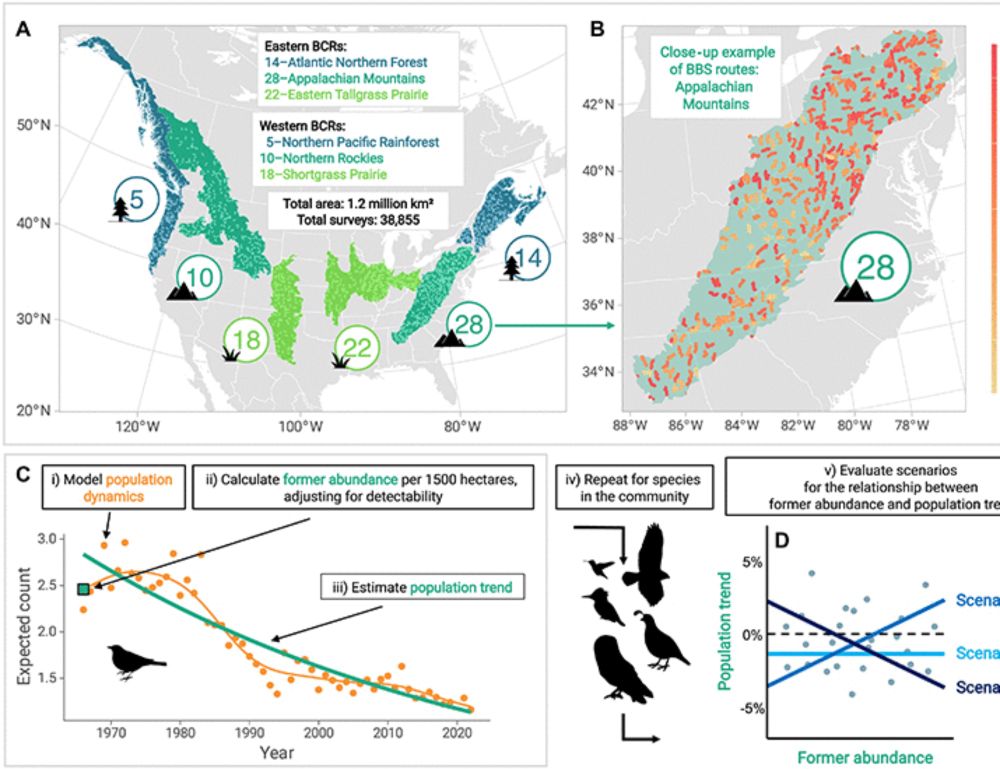
North American bird declines are driven by reductions in common species
Declines in North American birds are driven not by rare species vanishing but by sharp losses among formerly common species.
www.science.org
July 31, 2025 at 3:18 AM
🚨 First PhD chapter is out! My work thus far, with @andy2dobson.bsky.social
We found that formerly common species have declined the fastest, on average.
📄 North American bird declines are driven by reductions in common species | Science Advances www.science.org/doi/10.1126/...
We found that formerly common species have declined the fastest, on average.
📄 North American bird declines are driven by reductions in common species | Science Advances www.science.org/doi/10.1126/...
Reposted by Kristen Wacker

Not to state the obvious, but some birds fly better than others. The ones that are awesome at flying -- this means they can get around obstacles, right? Expand their ranges as needed? Maybe be a little less vulnerable to extinction?
Turns out it's SUPER complicated.
www.cell.com/current-biol...
Turns out it's SUPER complicated.
www.cell.com/current-biol...

A new time tree of birds reveals the interplay between dispersal, geographic range size, and diversification
Flight may affect the dispersal and evolution of birds. Using a new evolutionary tree,
Claramunt et al. find that efficient fliers have broader geographic ranges, and speciation
reduces range size, bu...
www.cell.com
July 30, 2025 at 4:01 PM
Not to state the obvious, but some birds fly better than others. The ones that are awesome at flying -- this means they can get around obstacles, right? Expand their ranges as needed? Maybe be a little less vulnerable to extinction?
Turns out it's SUPER complicated.
www.cell.com/current-biol...
Turns out it's SUPER complicated.
www.cell.com/current-biol...
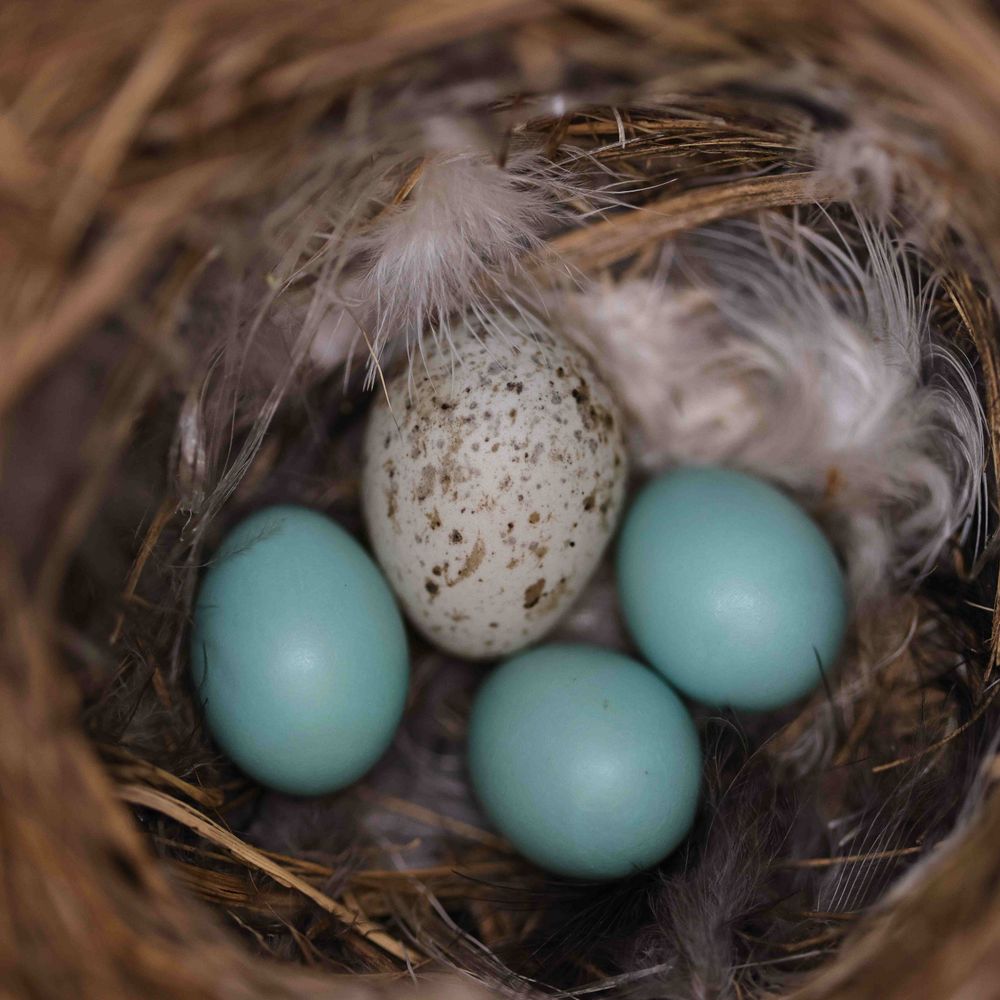
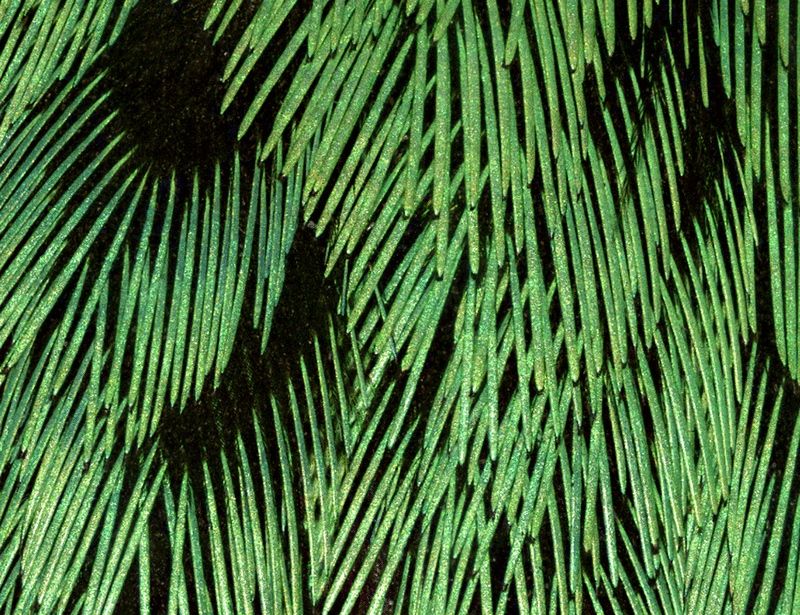
Reposted by Kristen Wacker

Registration for the SSB breakout meeting in Baton Rouge, LA in Jan. 2026 will be opening soon!
Registrants need to be SSB members, so make sure to check on your membership today and join/renew if needed: www.systbio.org
Check here regularly for updates: ssb2026.github.io
@systbiol.bsky.social
Registrants need to be SSB members, so make sure to check on your membership today and join/renew if needed: www.systbio.org
Check here regularly for updates: ssb2026.github.io
@systbiol.bsky.social
2026 SSB Breakout Meeting
ssb2026.github.io
July 18, 2025 at 9:37 PM
Registration for the SSB breakout meeting in Baton Rouge, LA in Jan. 2026 will be opening soon!
Registrants need to be SSB members, so make sure to check on your membership today and join/renew if needed: www.systbio.org
Check here regularly for updates: ssb2026.github.io
@systbiol.bsky.social
Registrants need to be SSB members, so make sure to check on your membership today and join/renew if needed: www.systbio.org
Check here regularly for updates: ssb2026.github.io
@systbiol.bsky.social
Reposted by Kristen Wacker

New diversification study led by Verónica Rincón Rubio. Carotenoid-dependent plumage and frugivory. Idea from the lab of @agonzalezvoyer.bsky.social
doi.org/10.1093/evol...
doi.org/10.1093/evol...

The macroevolutionary consequences of the association between frugivory and carotenoid-dependent plumage coloration in passerine birds
Abstract. Biotic interactions influence evolutionary pathways, impacting diversification positively and negatively. Here, we examine the coevolutionary dyn
doi.org
June 13, 2025 at 10:04 PM
New diversification study led by Verónica Rincón Rubio. Carotenoid-dependent plumage and frugivory. Idea from the lab of @agonzalezvoyer.bsky.social
doi.org/10.1093/evol...
doi.org/10.1093/evol...
Reposted by Kristen Wacker

Congratulations to our 2025 Early-Career Research Award Winners! Our James G. Cooper Early Professional Award winners are Teresa Pegan, PhD and Valentina Gómez-Bahamón, PhD; our Ned K. Johnson Early Investigator Award winner is Maria Stager, PhD.
americanornithology.org/aos-announce...
#AOSAwards
americanornithology.org/aos-announce...
#AOSAwards


May 20, 2025 at 6:06 PM
Congratulations to our 2025 Early-Career Research Award Winners! Our James G. Cooper Early Professional Award winners are Teresa Pegan, PhD and Valentina Gómez-Bahamón, PhD; our Ned K. Johnson Early Investigator Award winner is Maria Stager, PhD.
americanornithology.org/aos-announce...
#AOSAwards
americanornithology.org/aos-announce...
#AOSAwards
Reposted by Kristen Wacker
New paper out in Ecology Letters (open access): I and Daniel Matute consider 'species sorting' -- a bias in the outcome of secondary contact following the allopatric stage of speciation -- as a reason for the much-observed pattern of elevated trait differences in sympatric close relatives
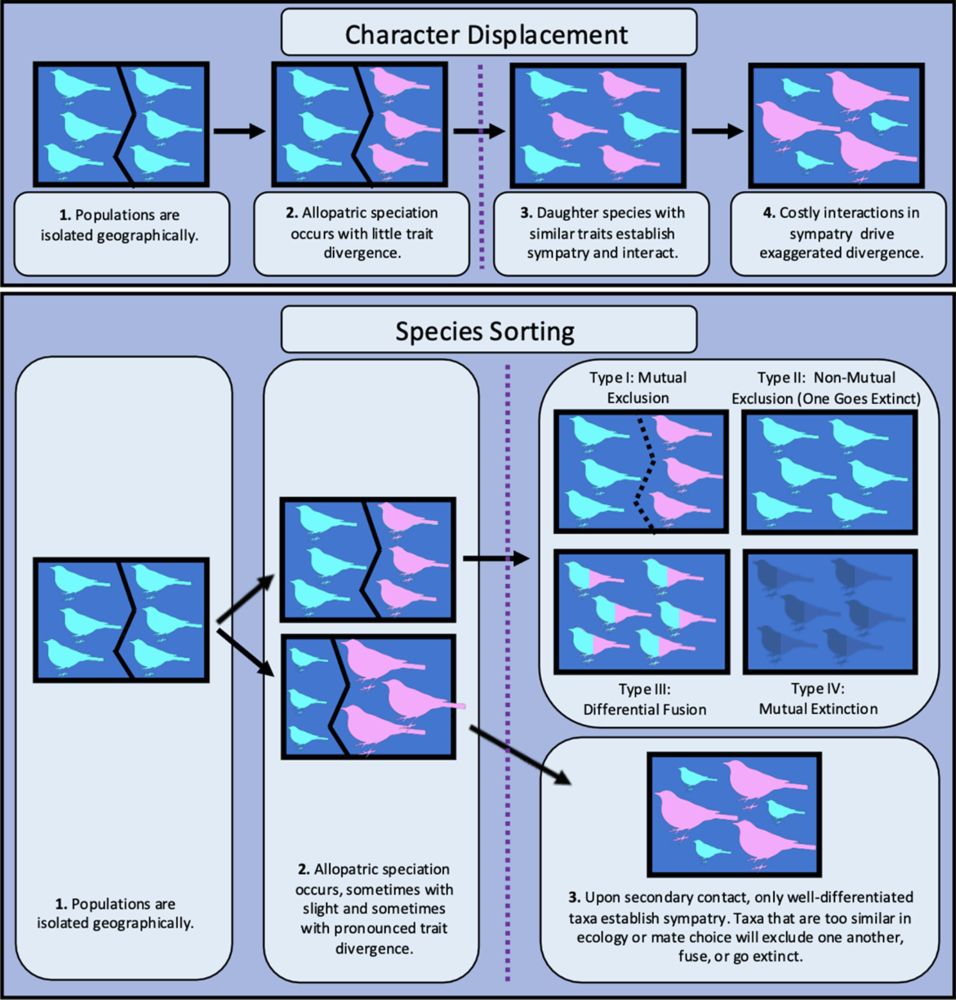
Secondary Sympatry as a Sorting Process
Early explanations for the frequent observation of exaggerated trait divergence in sympatric versus allopatric taxa focused on secondary contact between allopatrically speciating lineages and emphasi...
onlinelibrary.wiley.com
April 11, 2025 at 1:35 PM
New paper out in Ecology Letters (open access): I and Daniel Matute consider 'species sorting' -- a bias in the outcome of secondary contact following the allopatric stage of speciation -- as a reason for the much-observed pattern of elevated trait differences in sympatric close relatives
Reposted by Kristen Wacker

My first paper as a member of the Manthey lab is out in Biology Letters! We used whole genome data from a classic "great speciator" (the Solomon Island White-eyes) to explore the relationship between island size and genetic diversity.
doi.org/10.1098/rsbl...
doi.org/10.1098/rsbl...

Island size shapes genomic diversity in a great speciator (Aves: Zosterops) | Biology Letters
Islands have long represented natural laboratories for studying many aspects of ecology
and evolutionary biology, from speciation to community assembly. One aspect that has
been well documented is the...
doi.org
March 5, 2025 at 5:17 PM
My first paper as a member of the Manthey lab is out in Biology Letters! We used whole genome data from a classic "great speciator" (the Solomon Island White-eyes) to explore the relationship between island size and genetic diversity.
doi.org/10.1098/rsbl...
doi.org/10.1098/rsbl...
Reposted by Kristen Wacker
This is growing; let me know which societies we're missing.
Add this to your browser's bookmarks for easy access to explore their publications (see posts of each journal in the pack) or to discover potential outlets for your research:
go.bsky.app/2YNcEzK
Add this to your browser's bookmarks for easy access to explore their publications (see posts of each journal in the pack) or to discover potential outlets for your research:
go.bsky.app/2YNcEzK
March 3, 2025 at 5:18 PM
This is growing; let me know which societies we're missing.
Add this to your browser's bookmarks for easy access to explore their publications (see posts of each journal in the pack) or to discover potential outlets for your research:
go.bsky.app/2YNcEzK
Add this to your browser's bookmarks for easy access to explore their publications (see posts of each journal in the pack) or to discover potential outlets for your research:
go.bsky.app/2YNcEzK
Reposted by Kristen Wacker

New Special Feature aimed at increasing accessibility of ecological theories available now! Read "Demystifying Fundamental Theories in Ecology" by Rachel Germain & Sebastian J. Schreiber now ahead of print! www.journals.uchicago.edu/doi/10.1086/...
Demystifying Fundamental Theories in Ecology | The American Naturalist
Abstract As scientists, our collective goal is to make scientific progress in the pursuit of an absolute truth about the nature of the universe, through a feedback loop of observation, theory, and exp...
www.journals.uchicago.edu
February 11, 2025 at 7:23 PM
New Special Feature aimed at increasing accessibility of ecological theories available now! Read "Demystifying Fundamental Theories in Ecology" by Rachel Germain & Sebastian J. Schreiber now ahead of print! www.journals.uchicago.edu/doi/10.1086/...
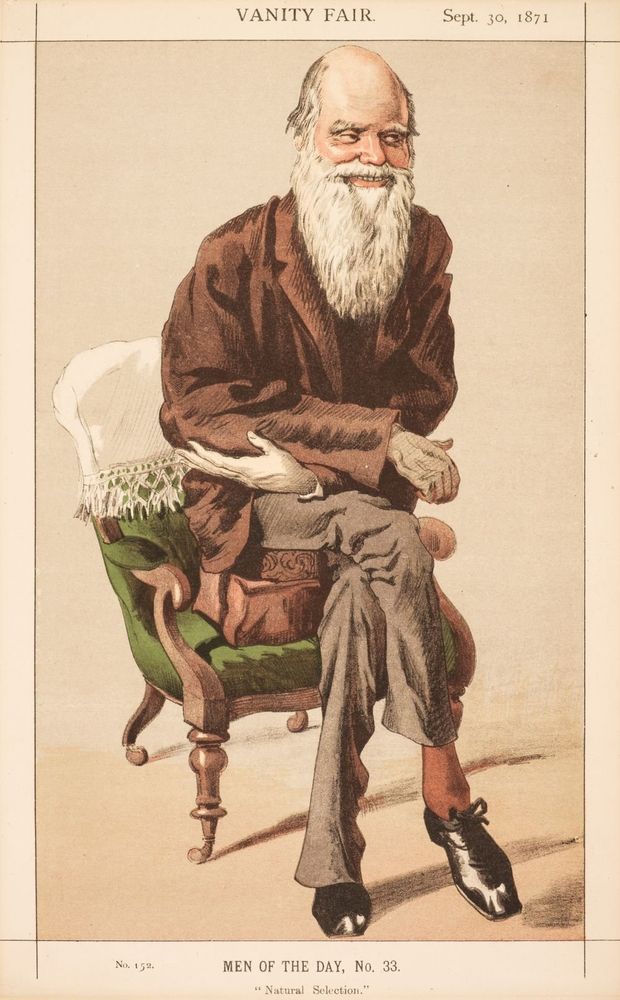
not Vanity Fair 😂

It's #DarwinDay! Here is Charles Darwin as part of the series "Men of the Day" (1871) from Vanity Fair (UK), a weekly magazine. Unsigned chromolithograph by James Jacques Tissot that is accompanied by an article by Thomas Gibson Bowles.
Read here: bit.ly/40S5cdP
Read here: bit.ly/40S5cdP
February 12, 2025 at 1:21 PM
not Vanity Fair 😂
Reposted by Kristen Wacker
1. Today the NIH director issued a new directive slashing overhead rates to 15%.
I want to provide some context on what that means and why it matters.
grants.nih.gov/grants/guide...
I want to provide some context on what that means and why it matters.
grants.nih.gov/grants/guide...
NOT-OD-25-068: Supplemental Guidance to the 2024 NIH Grants Policy Statement: Indirect Cost Rates
NIH Funding Opportunities and Notices in the NIH Guide for Grants and Contracts: Supplemental Guidance to the 2024 NIH Grants Policy Statement: Indirect Cost Rates NOT-OD-25-068. OD
grants.nih.gov
February 8, 2025 at 12:18 AM
1. Today the NIH director issued a new directive slashing overhead rates to 15%.
I want to provide some context on what that means and why it matters.
grants.nih.gov/grants/guide...
I want to provide some context on what that means and why it matters.
grants.nih.gov/grants/guide...