



Karina Meyer-Acosta
@karinameyera.bsky.social
🧠 Neuroscience PhD from Hsieh lab, UTSA |
All things APOE, neuron function, glia, Alzheimer's, and promoting research in minority populations. Just chasing my passion for science
All things APOE, neuron function, glia, Alzheimer's, and promoting research in minority populations. Just chasing my passion for science
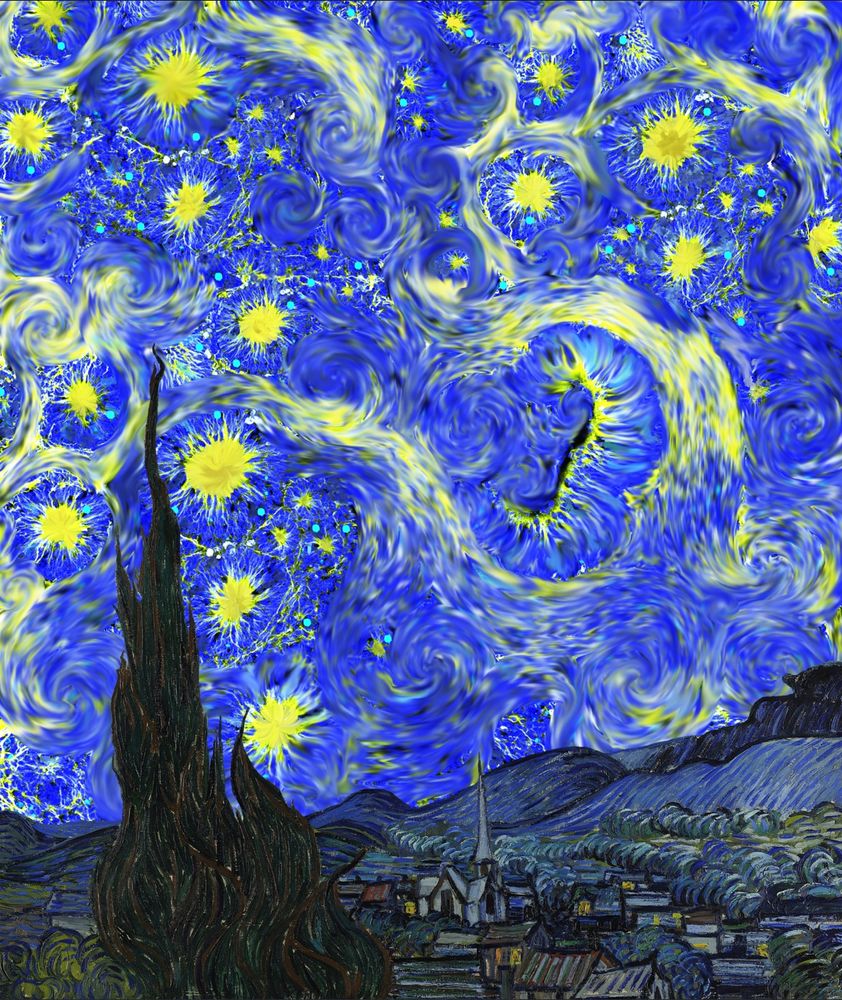
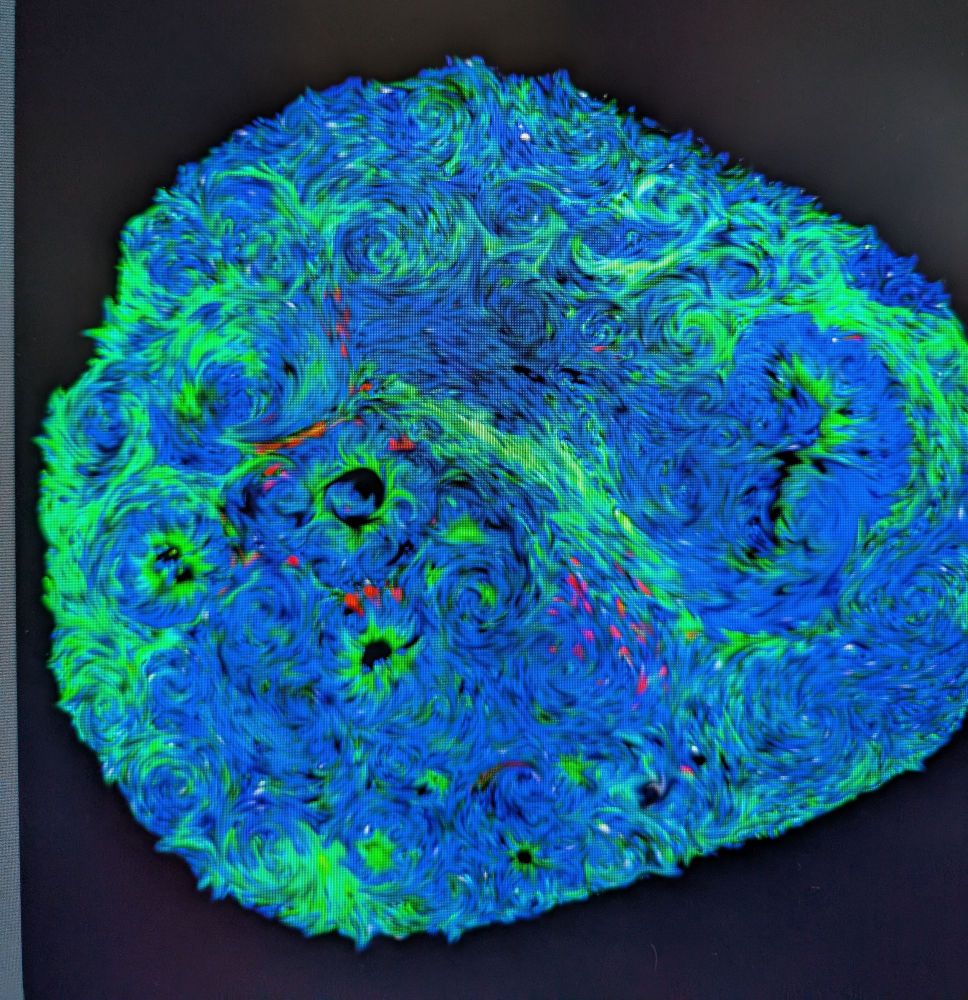
Organoid photo and inspiration for the Cover of @stemcellreports.bsky.social July issue - many thanks to the team that made APOE4's starry night the cover! 🟢 Tuj1 (beta III tubulin for neurons, 🔵 DAPI for DNA 🔴 My favorite protein, APOE
July 17, 2025 at 4:38 AM
Organoid photo and inspiration for the Cover of @stemcellreports.bsky.social July issue - many thanks to the team that made APOE4's starry night the cover! 🟢 Tuj1 (beta III tubulin for neurons, 🔵 DAPI for DNA 🔴 My favorite protein, APOE
My talented undergrad student, Adyasha Aruk showing off her cryomolds from organoids she cut (each mold is 1-2 hours). I might make it into a trophy 👀

July 17, 2025 at 4:27 AM
My talented undergrad student, Adyasha Aruk showing off her cryomolds from organoids she cut (each mold is 1-2 hours). I might make it into a trophy 👀
Excited to share my first author publication exploring the neurodevelopmental role of APOE4.
Using organoids, we show that APOE4 shifts the balance between neurogenesis and gliogenesis, accelerates maturation, and alters network function. Lasty, cortical APOE4 was sufficient to alter function.
Using organoids, we show that APOE4 shifts the balance between neurogenesis and gliogenesis, accelerates maturation, and alters network function. Lasty, cortical APOE4 was sufficient to alter function.

APOE4 impacts cortical neurodevelopment and alters network formation in human brain organoids
Meyer-Acosta et al. reveal that Alzheimer’s disease genetic risk factor APOE4 decreases
cortical neurons and increases glia in cortical organoids and enhances GABAergic neuron
maturation in ganglionic...
www.cell.com
June 19, 2025 at 3:46 PM
Excited to share my first author publication exploring the neurodevelopmental role of APOE4.
Using organoids, we show that APOE4 shifts the balance between neurogenesis and gliogenesis, accelerates maturation, and alters network function. Lasty, cortical APOE4 was sufficient to alter function.
Using organoids, we show that APOE4 shifts the balance between neurogenesis and gliogenesis, accelerates maturation, and alters network function. Lasty, cortical APOE4 was sufficient to alter function.
Can't believe I'm graduating with my PhD in Neuro in 10 days. I loved my dissertation project, studying the neurodevelopmental impact of APOE, and the implications on Alzheimer's. Starting over from Twitter, please help me meet more neuro enthusiasts that love research in Alz, glia, and APOE!

May 8, 2025 at 2:59 AM
Can't believe I'm graduating with my PhD in Neuro in 10 days. I loved my dissertation project, studying the neurodevelopmental impact of APOE, and the implications on Alzheimer's. Starting over from Twitter, please help me meet more neuro enthusiasts that love research in Alz, glia, and APOE!
My second science card for my husband (also PhD), interested in aging research. Fun fact, naked mole rates like like 27 years, the longest relative life span to most rodent species. Anyone know why?

May 8, 2025 at 2:48 AM
My second science card for my husband (also PhD), interested in aging research. Fun fact, naked mole rates like like 27 years, the longest relative life span to most rodent species. Anyone know why?
Making science cards for my favorite scientists 🤓 C. Elegans for my advisor

May 6, 2025 at 2:14 PM
Making science cards for my favorite scientists 🤓 C. Elegans for my advisor
My NIH funded fellowship has allowed me to investigate how the leading Alzheimer's disease genetic risk factor, APOE4, shapes the developing human brain. 1 in 4 people are APOE4 carriers, and my research suggests that early changes in the brain may lead to later brain vulnerability.

To help people understand the importance of NIH, share what you’ve used their funding for (in easily understandable terms).
I’ll start: my NIH postdoc funding helped me develop and test AI tools that could identify skin cancer across diverse skin tones.
I’ll start: my NIH postdoc funding helped me develop and test AI tools that could identify skin cancer across diverse skin tones.
January 29, 2025 at 2:48 AM
My NIH funded fellowship has allowed me to investigate how the leading Alzheimer's disease genetic risk factor, APOE4, shapes the developing human brain. 1 in 4 people are APOE4 carriers, and my research suggests that early changes in the brain may lead to later brain vulnerability.
Reposted by Karina Meyer-Acosta

APOE4 increases energy metabolism in APOE-isogenic iPSC-derived neurons https://www.biorxiv.org/content/10.1101/2024.06.03.597106v1
APOE4 increases energy metabolism in APOE-isogenic iPSC-derived neurons https://www.biorxiv.org/content/10.1101/2024.06.03.597106v1
The apolipoprotein E4 (APOE4) allele represents the major genetic risk factor for Alzheimers disease
www.biorxiv.org
June 4, 2024 at 12:15 AM
APOE4 increases energy metabolism in APOE-isogenic iPSC-derived neurons https://www.biorxiv.org/content/10.1101/2024.06.03.597106v1