


Obesity Surgery Journal
@journalobesity.bsky.social
Obesity Surgery is a premier interdisciplinary & international forum for research & clinical knowledge on all aspects of bariatric/metabolic surgery.
Read the full article here: doi.org/10.1007/s11695-025-08244-2 🧵2/2

Quantifying Malabsorption After Roux-en-Y Gastric Bypass and Sleeve Gastrectomy Using Near Infrared Spectroscopy - Obesity Surgery
Background Roux-en-Y gastric bypass (RYGB) and sleeve gastrectomy (SG) are common bariatric procedures that lead to substantial and sustained weight loss. Although both procedures induce hormonal and ...
doi.org
November 11, 2025 at 1:20 AM
Read the full article here: doi.org/10.1007/s11695-025-08244-2 🧵2/2
📖Read the full article here: doi.org/10.1007/s11695-025-08092-0 🧵2/2

Comparison Between Single Anastomosis Duodeno-Ileal Bypass with Sleeve Gastrectomy (SADI-S) and Roux-En-Y Gastric Bypass (RYGB) in Terms of Weight Loss, Associated Medical Problems Remission, and Comp...
Background Evaluate and compare the results of weight loss outcomes, associated medical problems resolution, and complications in the short and long term between SADI-S and RYGB. Methods A systematic ...
doi.org
November 4, 2025 at 1:36 AM
📖Read the full article here: doi.org/10.1007/s11695-025-08092-0 🧵2/2
📖You can read the full article here: doi.org/10.1007/s11695-025-08190-z 🧵3/3

Predictive Factors for Pulmonary Embolism in Patients Undergoing Metabolic and Bariatric Surgery: Insights from the Latest MBSAQIP Data - Obesity Surgery
Introduction Obesity is a major risk factor for many diseases, including cardiovascular disease and cancer, among others. While metabolic and bariatric surgery (MBS) is an effective treatment, pulmona...
doi.org
October 31, 2025 at 4:18 PM
📖You can read the full article here: doi.org/10.1007/s11695-025-08190-z 🧵3/3
🤔Dr Rodolfo Oviedo interviews Top-10 author Dr Emiliano G Manueli Laos about this fascinating article (part of The IFSO Collection)“Predictive Factors for Pulmonary Embolism in Patients Undergoing Metabolic and Bariatric Surgery: Insights from the Latest MBSAQIP Data.” 🧵 2/
Predictive Factors for Pulmonary Embolism in Patients Undergoing Metabolic and Bariatric Surgery: Insights from the Latest MBSAQIP Data - Obesity Surgery
Introduction Obesity is a major risk factor for many diseases, including cardiovascular disease and cancer, among others. While metabolic and bariatric surgery (MBS) is an effective treatment, pulmona...
doi.org
October 31, 2025 at 4:18 PM
🤔Dr Rodolfo Oviedo interviews Top-10 author Dr Emiliano G Manueli Laos about this fascinating article (part of The IFSO Collection)“Predictive Factors for Pulmonary Embolism in Patients Undergoing Metabolic and Bariatric Surgery: Insights from the Latest MBSAQIP Data.” 🧵 2/
The article is titled, “Sustained Improvement of Cognition, Mood and Plasma Markers Three Years After Metabolic Bariatric Surgery. The BARICO Study.”
📖You can read the full article here: link.springer.com/article/10.1... 🧵2/2
📖You can read the full article here: link.springer.com/article/10.1... 🧵2/2
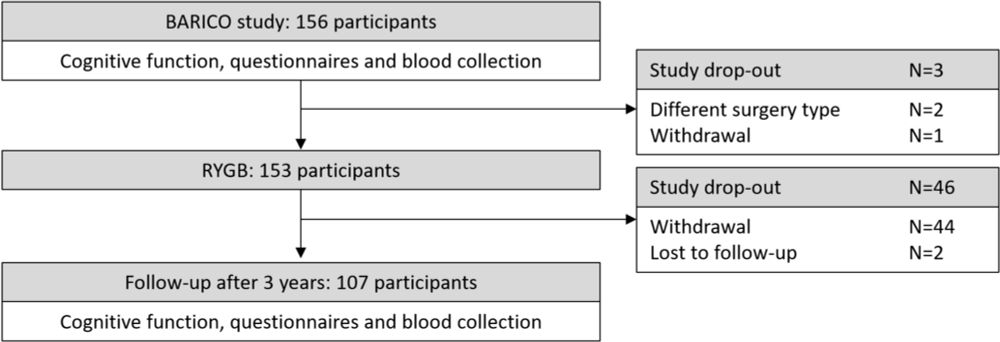
Sustained Improvement of Cognition, Mood and Plasma Markers Three Years After Metabolic Bariatric Surgery. The BARICO Study - Obesity Surgery
Background The primary aim of this study is to investigate the impact of MBS induced weight loss on cognition, and secondary investigate the impact of this weight loss on adipokines, inflammatory fact...
link.springer.com
October 22, 2025 at 3:19 AM
The article is titled, “Sustained Improvement of Cognition, Mood and Plasma Markers Three Years After Metabolic Bariatric Surgery. The BARICO Study.”
📖You can read the full article here: link.springer.com/article/10.1... 🧵2/2
📖You can read the full article here: link.springer.com/article/10.1... 🧵2/2
📖You can read the full article here: doi.org/10.1007/s11695-025-08107-w

Combining Whole-Body Electromyostimulation and Dynamic Exercise After Bariatric Surgery: A Randomized, Double-Blind, and Sham-Controlled Trial - Obesity Surgery
Background The weight loss induced by bariatric surgery is accompanied by an important reduction in lean mass, where the aerobic capacity reflected by the peak oxygen consumption (V̇O2peak) may not im...
doi.org
October 20, 2025 at 1:26 AM
📖You can read the full article here: doi.org/10.1007/s11695-025-08107-w
📖You can read the full article here: doi.org/10.1007/s11695-025-08034-w
🧵2/2
🧵2/2

Three-Year Results of Comparison Between Ring- versus Non-ring-Augmented Roux-en-Y Gastric Bypass: A Randomized Control Trial - Obesity Surgery
Background Suboptimal clinical response (SCR) after laparoscopic Roux-en-Y gastric bypass (RYGB) is often attributed to gastric pouch and gastrojejunostomy dilatation. Ring placement, which includes a ring to prevent pouch dilatation, may help reduce SCR. This study compared 3-year outcomes of ring-augmented (rRYGB) versus non-ring-augmented RYGB (nrRYGB). Methods A single-blinded, randomized controlled trial was conducted in two specialized bariatric centers, including 120 rRYGB and 120 nrRYGB patients operated on between January 2019 and March 2020. The primary endpoint was weight loss (WL), assessed by the percentage of excess weight loss (%EWL) and total weight loss (%TWL). Secondary endpoints included gastric pouch and gastrojejunostomy volumetry, complications, quality of life (QoL), food tolerance (FT), associated medical problems, and recurrent weight gain (RWG, > 20% of TWL). Results Ninety-two nrRYGB and 96 rRYGB patients completed the 3-year follow-up. Both groups achieved significant WL (p < 0.001); however, rRYGB had significantly higher %EWL and %TWL (p = 0.012, < 0.001) and lower RWG (p < 0.001). At 3 years, rRYGB had smaller gastric pouch volumes, narrower gastrojejunostomy diameters, and alimentary limb diameters (p < 0.001), with lower FT scores (p < 0.001) and incidence of dumping (p = 0.042). Both groups showed comparable QoL improvements and resolution of associated medical problems. Conclusion rRYGB patients had better %EWL and %TWL and less recurrent weight gain. They maintained smaller volumes of the gastric pouches, smaller diameters of the gastrojejunostomy anastomoses and the alimentary limbs, and lower dumping after 3 years. The attribution of the ring could help patients in the long term in their postoperative period.
doi.org
October 9, 2025 at 2:04 AM
📖You can read the full article here: doi.org/10.1007/s11695-025-08034-w
🧵2/2
🧵2/2
📖You can read the full article here: doi.org/10.1007/s11695-025-08035-9

Tailored Biliopancreatic Limb Length to 40% of Total Small Bowel Length in One Anastomosis Gastric Bypass (TABLE-40): Protocol of a Prospective Randomized Controlled Trial - Obesity Surgery
Background One anastomosis gastric bypass (OAGB) is the most common metabolic and bariatric surgery (MBS) in Israel, recognized for its effectiveness in achieving sustainable weight loss and mitigating obesity-related diseases. The metabolic outcomes of OAGB are significantly influenced by the length of the biliopancreatic limb (BPL). The objective of this study is to determine whether tailoring the BPL length to the total small bowel length (TSBL) results in more effective weight loss compared to patients undergoing OAGB with a fixed BPL of 180 cm. Efficacy and safety of this approach will also be evaluated, ensuring it does not lead to long-term morbidity or negatively impact patients’ quality of life. Methods This multicenter, prospective, randomized trial will enroll at least 200 participants undergoing OAGB across three centers. Participants, aged 18 and older, will be randomized into two groups: one group will undergo a tailored BPL length based on TSBL (40%), while the control group will receive a standard BPL length of 180 cm. The primary endpoint is comparison of total weight loss after 1 and 3 years. Secondary endpoints include postoperative complications, quality of life, and improvements in obesity-related diseases. Results The study will collect and analyze data as outlined in the protocol. The results will be reported upon completion of data collection and analysis. Conclusions The TABLE-40 study will provide robust evidence on whether tailoring the BPL to 40% of TSBL offers higher weight loss outcomes compared to a fixed-length approach in OAGB. By assessing both efficacy and safety across multiple centers, the trial aims to inform best practices in limb length selection and optimize long-term outcomes for patients undergoing OAGB. Trial Registration This study was registered at Clinicaltrials.gov (NCT06829381) on 29/1/2025. Graphical Abstract
doi.org
September 30, 2025 at 1:36 AM
📖You can read the full article here: doi.org/10.1007/s11695-025-08035-9
📖You can read the full article here: link.springer.com/article/10.1... 🧵2/2
Impact of Prophylactic Apixaban for 14 Days After Sleeve Gastrectomy on Thromboembolic Events and Its Side Effects - Obesity Surgery
Background Venous thromboembolism (VTE) is a significant complication following bariatric surgery, with most events occurring after discharge. While inpatient VTE chemoprophylaxis is well-established, its extension post-discharge remains controversial. Apixaban, an oral direct factor Xa inhibitor, is a potential alternative for this purpose, offering convenience and a favorable safety profile compared to enoxaparin. This study evaluates the efficacy and safety of a 14-day apixaban regimen in preventing VTE after sleeve gastrectomy (SG). Methods This retrospective review analyzed 2737 SG patients who received apixaban 2.5 mg twice daily for 14 days post-discharge between January 2018 and September 2024. Demographics, baseline characteristics, and postoperative complications were collected, focusing on VTE and bleeding events. Patients with contraindications to apixaban, therapeutic anticoagulation, or revisional procedures were excluded. Results VTE occurred in 0.1% (3/2737) of patients, all presenting as portomesenteric vein thrombosis. The mean time to diagnosis was 18 days. Bleeding complications were observed in 0.4% (11/2,737) of patients, with abdominal bleeding being the most common source. Most bleeding events were managed conservatively, with only two cases requiring invasive interventions. No deaths or cases of deep vein thrombosis (DVT) or pulmonary embolism (PE) were reported. Conclusions A 14-day apixaban prophylactic regimen after SG demonstrated low rates of VTE and bleeding complications, comparable to longer regimens and enoxaparin in the literature. Apixaban’s fixed dosing, oral administration, and safety profile make it a strong candidate for extended VTE prophylaxis in SG patients. Prospective studies are warranted to validate these findings and inform guideline revisions.
link.springer.com
September 24, 2025 at 5:44 AM
📖You can read the full article here: link.springer.com/article/10.1... 🧵2/2
📖You can read the full article here: doi.org/10.1007/s11695-025-08074-2 🧵2/2
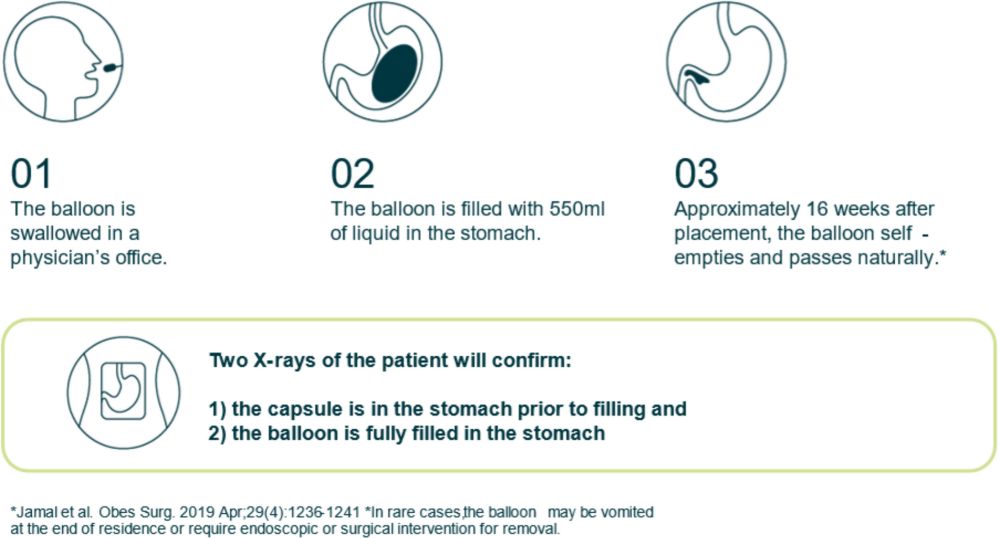
Weight Loss Maintenance 1 Year after the Swallowable Gastric Balloon: Results from an International Multicenter Study - Obesity Surgery
Background The Allurion Swallowable Gastric Balloon Program (SGBP) is a non-endoscopic balloon and behavior change program for weight loss that provides remote patient monitoring, secure messaging, an...
doi.org
September 17, 2025 at 4:21 AM
📖You can read the full article here: doi.org/10.1007/s11695-025-08074-2 🧵2/2
📖You can read the full article here: link.springer.com/article/10.1... 🧵3/3

Laparoscopic Roux-en-Y Gastric Bypass: Evolution of Weight Loss and Metabolic Obesity-Related Complications After 15–20 Years - Obesity Surgery
Background Roux-en-Y gastric bypass (RYGB) is one of the prevailing metabolic/bariatric surgical (MBS) procedures. It has been used for > 50 years, yet few long-term results (> 10 years) have been pub...
link.springer.com
September 10, 2025 at 1:35 AM
📖You can read the full article here: link.springer.com/article/10.1... 🧵3/3
📺Watch the interview here: youtu.be/O1SjXINCTf0

OBSU Brief Interview: Dr. Aarts interviews Dr. Michel Suter about this Top-10 article of Interest!
YouTube video
youtu.be
September 10, 2025 at 1:35 AM
📺Watch the interview here: youtu.be/O1SjXINCTf0
📖You can read the full article here: link.springer.com/article/10.1... 🧵2/2

Breast Cancer Characteristics after Metabolic and Bariatric Surgery: A Matched Comparison to Patients with Severe Obesity - Obesity Surgery
Background Severe obesity increases breast cancer (BC) risk and progression. Metabolic and Bariatric Surgery (MBS) modulates metabolic and hormonal pathways, potentially influencing cancer biology. Th...
link.springer.com
August 15, 2025 at 4:20 AM
📖You can read the full article here: link.springer.com/article/10.1... 🧵2/2