




Jeff Lesperance | Astrophotography
@jml-astrophotos.bsky.social
Astrophotographer and scientist
I photographed one of the most famous nebulae in the sky for 10 hours!
This pic features the entire Orion's Belt region, including the famous Horsehead nebula and nearby Flame nebula. Made famous by Hubble photos, the Horsehead is also useful in astrophysics, being a model photodissociation region
This pic features the entire Orion's Belt region, including the famous Horsehead nebula and nearby Flame nebula. Made famous by Hubble photos, the Horsehead is also useful in astrophysics, being a model photodissociation region

November 30, 2025 at 1:47 AM
I photographed one of the most famous nebulae in the sky for 10 hours!
This pic features the entire Orion's Belt region, including the famous Horsehead nebula and nearby Flame nebula. Made famous by Hubble photos, the Horsehead is also useful in astrophysics, being a model photodissociation region
This pic features the entire Orion's Belt region, including the famous Horsehead nebula and nearby Flame nebula. Made famous by Hubble photos, the Horsehead is also useful in astrophysics, being a model photodissociation region
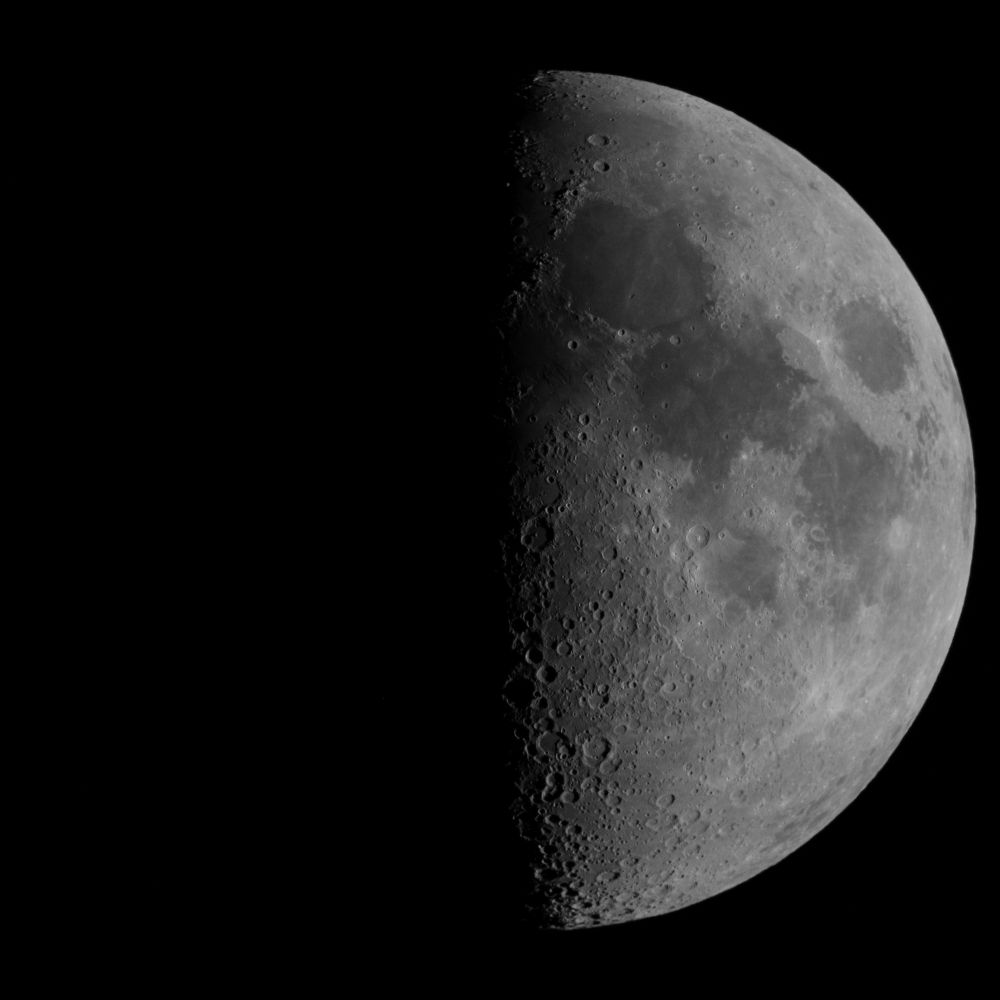
X marks the spot
Just before the first quarter phase, an X is visible on the moon, creatively named the "Lunar X". This X is an optical effect caused by the rims of the Blanchinus, La Caille, and Pubach craters.
Can you find it?
(Swipe for a closeup on the X
Just before the first quarter phase, an X is visible on the moon, creatively named the "Lunar X". This X is an optical effect caused by the rims of the Blanchinus, La Caille, and Pubach craters.
Can you find it?
(Swipe for a closeup on the X

March 8, 2025 at 2:07 AM
X marks the spot
Just before the first quarter phase, an X is visible on the moon, creatively named the "Lunar X". This X is an optical effect caused by the rims of the Blanchinus, La Caille, and Pubach craters.
Can you find it?
(Swipe for a closeup on the X
Just before the first quarter phase, an X is visible on the moon, creatively named the "Lunar X". This X is an optical effect caused by the rims of the Blanchinus, La Caille, and Pubach craters.
Can you find it?
(Swipe for a closeup on the X
This project will take YEARS...
This photo is the first of what will become hundreds of photos of an event you likely never knew about: a 9 year long transit of a binary star system behind a circumbinary disk!
Check my astrobin post (linked in comments) for more details about this system!
This photo is the first of what will become hundreds of photos of an event you likely never knew about: a 9 year long transit of a binary star system behind a circumbinary disk!
Check my astrobin post (linked in comments) for more details about this system!

February 28, 2025 at 5:22 PM
This project will take YEARS...
This photo is the first of what will become hundreds of photos of an event you likely never knew about: a 9 year long transit of a binary star system behind a circumbinary disk!
Check my astrobin post (linked in comments) for more details about this system!
This photo is the first of what will become hundreds of photos of an event you likely never knew about: a 9 year long transit of a binary star system behind a circumbinary disk!
Check my astrobin post (linked in comments) for more details about this system!
The Blaze Star is ramping up! ❗️❗️
T Coronae Borealis is showing signs that it's very close to eruption, including strengthening Ha spectral lines, as well as the appearance of high-energy HeI and HeII lines!
Check my Astrobin post for more details about recent studies of this star!
T Coronae Borealis is showing signs that it's very close to eruption, including strengthening Ha spectral lines, as well as the appearance of high-energy HeI and HeII lines!
Check my Astrobin post for more details about recent studies of this star!

February 26, 2025 at 3:01 PM
The Blaze Star is ramping up! ❗️❗️
T Coronae Borealis is showing signs that it's very close to eruption, including strengthening Ha spectral lines, as well as the appearance of high-energy HeI and HeII lines!
Check my Astrobin post for more details about recent studies of this star!
T Coronae Borealis is showing signs that it's very close to eruption, including strengthening Ha spectral lines, as well as the appearance of high-energy HeI and HeII lines!
Check my Astrobin post for more details about recent studies of this star!
I caught an unexpected eclipse the other night!
The crosshairs center on an eclipsing binary named ASAS J075845+1521.6. One star passed in front of the other, causing a significant dip in the light, recorded by the red line in the light curve vs a bunch of references (black)
The crosshairs center on an eclipsing binary named ASAS J075845+1521.6. One star passed in front of the other, causing a significant dip in the light, recorded by the red line in the light curve vs a bunch of references (black)

February 7, 2025 at 5:45 PM
I caught an unexpected eclipse the other night!
The crosshairs center on an eclipsing binary named ASAS J075845+1521.6. One star passed in front of the other, causing a significant dip in the light, recorded by the red line in the light curve vs a bunch of references (black)
The crosshairs center on an eclipsing binary named ASAS J075845+1521.6. One star passed in front of the other, causing a significant dip in the light, recorded by the red line in the light curve vs a bunch of references (black)
Houston, we have emersion!
A few hours ago, Mars (small dot) got blocked by the moon (big dot)! These events, called "occultations", are relatively rare, with the next one visible from the US happening in 2042!
Canon EOS Ra
Skywatcher Evostar 72
0.001s and 2s exposures blended as HDR in GIMP
A few hours ago, Mars (small dot) got blocked by the moon (big dot)! These events, called "occultations", are relatively rare, with the next one visible from the US happening in 2042!
Canon EOS Ra
Skywatcher Evostar 72
0.001s and 2s exposures blended as HDR in GIMP

January 14, 2025 at 6:01 AM
Houston, we have emersion!
A few hours ago, Mars (small dot) got blocked by the moon (big dot)! These events, called "occultations", are relatively rare, with the next one visible from the US happening in 2042!
Canon EOS Ra
Skywatcher Evostar 72
0.001s and 2s exposures blended as HDR in GIMP
A few hours ago, Mars (small dot) got blocked by the moon (big dot)! These events, called "occultations", are relatively rare, with the next one visible from the US happening in 2042!
Canon EOS Ra
Skywatcher Evostar 72
0.001s and 2s exposures blended as HDR in GIMP

Jeff Lesperance's gallery
Astrophotography by Jeff Lesperance on AstroBin
www.astrobin.com
January 10, 2025 at 5:15 PM
this year was insane
25 photos,
7 sun pics,
2 instances of aurora from South Carolina,
2 supermoons,
2 exoplanet transits,
2 comets,
nearly 7 days without power and some dark skies,
1 nebula pic,
1 star that just won't blow up,
1 beautiful conjunction of the moon and M45,
and one amazing 2024
25 photos,
7 sun pics,
2 instances of aurora from South Carolina,
2 supermoons,
2 exoplanet transits,
2 comets,
nearly 7 days without power and some dark skies,
1 nebula pic,
1 star that just won't blow up,
1 beautiful conjunction of the moon and M45,
and one amazing 2024


December 29, 2024 at 8:01 PM
this year was insane
25 photos,
7 sun pics,
2 instances of aurora from South Carolina,
2 supermoons,
2 exoplanet transits,
2 comets,
nearly 7 days without power and some dark skies,
1 nebula pic,
1 star that just won't blow up,
1 beautiful conjunction of the moon and M45,
and one amazing 2024
25 photos,
7 sun pics,
2 instances of aurora from South Carolina,
2 supermoons,
2 exoplanet transits,
2 comets,
nearly 7 days without power and some dark skies,
1 nebula pic,
1 star that just won't blow up,
1 beautiful conjunction of the moon and M45,
and one amazing 2024
We live in a country where governors like Larry Hogan can't tell the difference between Orion, one of the most recognizable constellations in the entire sky, and a drone

December 14, 2024 at 4:34 AM
We live in a country where governors like Larry Hogan can't tell the difference between Orion, one of the most recognizable constellations in the entire sky, and a drone
The Moon meets M45
Last night, something cool happened. Not only was it a supermoon, the last of 2024, but this supermoon also went directly in front of the famous Pleiades star cluster! This happens fairly often, but is beautiful every single time.
#supermoon #astrophotography
Last night, something cool happened. Not only was it a supermoon, the last of 2024, but this supermoon also went directly in front of the famous Pleiades star cluster! This happens fairly often, but is beautiful every single time.
#supermoon #astrophotography
November 16, 2024 at 5:49 PM
The Moon meets M45
Last night, something cool happened. Not only was it a supermoon, the last of 2024, but this supermoon also went directly in front of the famous Pleiades star cluster! This happens fairly often, but is beautiful every single time.
#supermoon #astrophotography
Last night, something cool happened. Not only was it a supermoon, the last of 2024, but this supermoon also went directly in front of the famous Pleiades star cluster! This happens fairly often, but is beautiful every single time.
#supermoon #astrophotography

October 31, 2024 at 3:49 PM
What's up Bluesky, anyone here like #astrophotography ?


October 30, 2024 at 7:12 PM
What's up Bluesky, anyone here like #astrophotography ?