




Historic Pudong
@historic-pudong.bsky.social
The often overlooked side of Shanghai by a 23-year resident. Coverage includes everything east of the Huangpu River.
Gu left seven children. He was buried north of his home. The area now is just south of Line 16 near Hangsan Road.
He and his brother were among eight revolutionary martyrs from their village of Jiangqiao.
Some photos from: meipian.cn/394r33fs
He and his brother were among eight revolutionary martyrs from their village of Jiangqiao.
Some photos from: meipian.cn/394r33fs


January 20, 2025 at 1:28 AM
Gu left seven children. He was buried north of his home. The area now is just south of Line 16 near Hangsan Road.
He and his brother were among eight revolutionary martyrs from their village of Jiangqiao.
Some photos from: meipian.cn/394r33fs
He and his brother were among eight revolutionary martyrs from their village of Jiangqiao.
Some photos from: meipian.cn/394r33fs
That same year, Gu’s elder brother, Gu Menghua (顾梦花), joined the Songhu detachment of the New Fourth Army, engaging in reconnaissance work in Pudong. In March 1944, he was captured while performing a mission. He was later executed at the Tanzhi Bridge (坦直桥).


January 20, 2025 at 1:28 AM
That same year, Gu’s elder brother, Gu Menghua (顾梦花), joined the Songhu detachment of the New Fourth Army, engaging in reconnaissance work in Pudong. In March 1944, he was captured while performing a mission. He was later executed at the Tanzhi Bridge (坦直桥).
During the Japanese occupation, he joined a local peasant resistance association serving as its president and participating in underground activities. He was admitted as a CPC member in 1941.

January 20, 2025 at 1:28 AM
During the Japanese occupation, he joined a local peasant resistance association serving as its president and participating in underground activities. He was admitted as a CPC member in 1941.
Gu was born in 1913 and, according to a recent account by his great granddaughter, was the only literate person in his family.
He was admitted to Shanghai East Asia Sports College, now the Department of Physical Education of East China Normal University.
He was admitted to Shanghai East Asia Sports College, now the Department of Physical Education of East China Normal University.


January 20, 2025 at 1:28 AM
Gu was born in 1913 and, according to a recent account by his great granddaughter, was the only literate person in his family.
He was admitted to Shanghai East Asia Sports College, now the Department of Physical Education of East China Normal University.
He was admitted to Shanghai East Asia Sports College, now the Department of Physical Education of East China Normal University.
The home of Gu Qintang (顾琴堂) is in Jiangqiao Village (蒋桥村), which was an important center of Communist Party activity in the war against the Japanese and later in the civil war.


January 20, 2025 at 1:28 AM
The home of Gu Qintang (顾琴堂) is in Jiangqiao Village (蒋桥村), which was an important center of Communist Party activity in the war against the Japanese and later in the civil war.
Two plaques on a rather small old structure near the tourist town of Xinchang (新场) are the only signs that this was once the home of a revolutionary martyr.


January 20, 2025 at 1:28 AM
Two plaques on a rather small old structure near the tourist town of Xinchang (新场) are the only signs that this was once the home of a revolutionary martyr.
In recent times. the Caojiagou has been dredged and straightened in 1957, 1972, and 1984. The temple was destroyed and rebuilt in the late Qing Dynasty, then destroyed again during the Cultural Revolution.


January 6, 2025 at 12:31 AM
In recent times. the Caojiagou has been dredged and straightened in 1957, 1972, and 1984. The temple was destroyed and rebuilt in the late Qing Dynasty, then destroyed again during the Cultural Revolution.
The Caojiagou was extended in 1460 to Xinchang (新场) in the south and Donggou (东沟) in the north, joining the Huangpu River roughly near today’s Donglu Road Station on Line 12. The project was also intended to irrigate crops and help with flood control.

January 6, 2025 at 12:31 AM
The Caojiagou was extended in 1460 to Xinchang (新场) in the south and Donggou (东沟) in the north, joining the Huangpu River roughly near today’s Donglu Road Station on Line 12. The project was also intended to irrigate crops and help with flood control.
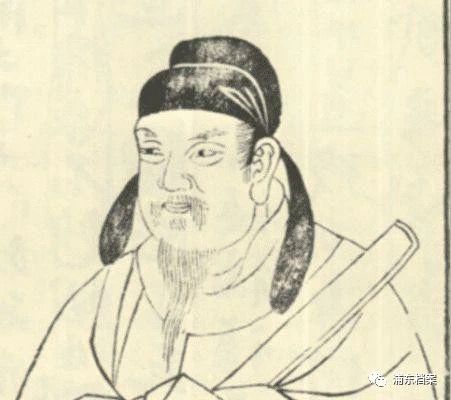
n 1457, on an inspection of southern China, Ming imperial envoy Cui Gong (崔恭) determined that the ditch was too short and narrow. He ordered an expansion.
January 6, 2025 at 12:31 AM
n 1457, on an inspection of southern China, Ming imperial envoy Cui Gong (崔恭) determined that the ditch was too short and narrow. He ordered an expansion.
The Dutaipu Relic Site (都台浦遗址) in Tangzhen Greenland Culture Park (唐城绿地文化公园) near the Outer Ring Road marks the location of the canal from the Zhengtong period (1436-1449).


January 6, 2025 at 12:31 AM
The Dutaipu Relic Site (都台浦遗址) in Tangzhen Greenland Culture Park (唐城绿地文化公园) near the Outer Ring Road marks the location of the canal from the Zhengtong period (1436-1449).
In a quiet, secluded corner of Pudong, there’s a marker commemorating a north-south canal dating from the Ming dynasty that once played a vital part in the local economy. 🧵
#historicshanghai
#historicshanghai


January 6, 2025 at 12:31 AM
In a quiet, secluded corner of Pudong, there’s a marker commemorating a north-south canal dating from the Ming dynasty that once played a vital part in the local economy. 🧵
#historicshanghai
#historicshanghai
After his death, Li was honored with a statute in one of the most prominent locations in Shanghai: Yuyuan Garden. His statute was on the Huxin Pavilion (湖心亭) next to the Jiuqu Bridge (九曲桥).


November 29, 2024 at 1:41 PM
After his death, Li was honored with a statute in one of the most prominent locations in Shanghai: Yuyuan Garden. His statute was on the Huxin Pavilion (湖心亭) next to the Jiuqu Bridge (九曲桥).
Li was buried back in Pudong near his hometown southwest of Gaoqiao. Due to the excavation of the river in Gaoqiao, Li Pingshu's tomb was moved in 1977 to Gaohang.

November 29, 2024 at 1:41 PM
Li was buried back in Pudong near his hometown southwest of Gaoqiao. Due to the excavation of the river in Gaoqiao, Li Pingshu's tomb was moved in 1977 to Gaohang.
Primary schools were also established. Among them is today’s Gaoqiao Town Primary School (高桥镇小学). Li initiated the establishment of the Pudong Tongren Association (浦东同人会). In 1907, he had merged five sports organizations to a new association, serving as its president.

November 29, 2024 at 1:41 PM
Primary schools were also established. Among them is today’s Gaoqiao Town Primary School (高桥镇小学). Li initiated the establishment of the Pudong Tongren Association (浦东同人会). In 1907, he had merged five sports organizations to a new association, serving as its president.
Now fully in charge, Li moved quickly to demolish the city wall, gaining the support of both the local and foreign communities. Only six days after a petition was submitted, the wall began to come down on January 19, 1912.


November 29, 2024 at 1:41 PM
Now fully in charge, Li moved quickly to demolish the city wall, gaining the support of both the local and foreign communities. Only six days after a petition was submitted, the wall began to come down on January 19, 1912.
In healthcare, Li in 1905 founded the Shanghai Women's Chinese and Western Medicine Academy (上海女子中西医学院), which was the first women's medical school in China. Next door was a women's ward of traditional Chinese and Western medicine.

November 29, 2024 at 1:41 PM
In healthcare, Li in 1905 founded the Shanghai Women's Chinese and Western Medicine Academy (上海女子中西医学院), which was the first women's medical school in China. Next door was a women's ward of traditional Chinese and Western medicine.
He was soon called back to government service, returning to Shanghai in 1903. His initial duties in the city included helping to train soldiers and working in the Jiangnan Manufacturing Bureau (江南制造局), which was the main Qing army arsenal.


November 29, 2024 at 1:41 PM
He was soon called back to government service, returning to Shanghai in 1903. His initial duties in the city included helping to train soldiers and working in the Jiangnan Manufacturing Bureau (江南制造局), which was the main Qing army arsenal.
When the French occupied the area in April 1898, Li’s group was among the Chinese who fought back over the next two months.
The Qing were not pleased with Li’s military initiative. Under pressure from the French, Li was treated as a scapegoat for the fighting and fired.
The Qing were not pleased with Li’s military initiative. Under pressure from the French, Li was treated as a scapegoat for the fighting and fired.


November 29, 2024 at 1:41 PM
When the French occupied the area in April 1898, Li’s group was among the Chinese who fought back over the next two months.
The Qing were not pleased with Li’s military initiative. Under pressure from the French, Li was treated as a scapegoat for the fighting and fired.
The Qing were not pleased with Li’s military initiative. Under pressure from the French, Li was treated as a scapegoat for the fighting and fired.
Li’s first venture was water. After studying at the waterworks in the former International Concession, Li set up his own facility to draw water into the city to sell in the former French Concession and other city districts.

November 29, 2024 at 1:41 PM
Li’s first venture was water. After studying at the waterworks in the former International Concession, Li set up his own facility to draw water into the city to sell in the former French Concession and other city districts.
Li was born in 1854 in Gaoqiao (高桥) into a medical family. At age 15, he passed the Shanghai county-level examination (庠生 or 秀才). He later entered Longmen Academy (龙门书院), which was the predecessor of Shanghai High School. He also studied Chinese medicine part-time.

November 29, 2024 at 1:41 PM
Li was born in 1854 in Gaoqiao (高桥) into a medical family. At age 15, he passed the Shanghai county-level examination (庠生 or 秀才). He later entered Longmen Academy (龙门书院), which was the predecessor of Shanghai High School. He also studied Chinese medicine part-time.
The only memorial for one of the most significant figures in recent Shanghai history—in effect the city’s first mayor—is a small plaque next to a busy road in Gaohang (高行), Pudong.
But at one time, he had one of the most prominent statues in the city.
But at one time, he had one of the most prominent statues in the city.

November 29, 2024 at 1:41 PM
The only memorial for one of the most significant figures in recent Shanghai history—in effect the city’s first mayor—is a small plaque next to a busy road in Gaohang (高行), Pudong.
But at one time, he had one of the most prominent statues in the city.
But at one time, he had one of the most prominent statues in the city.