



FreundederNatur
@freundedernatur.bsky.social
FreundederNatur ist Treffpunkt für Alle, die Tiere + Natur mögen, besonders Schmetterlinge und Schafe. :-)
www.dieschmetterlinge.com
www.colouria.com
#Natur #Tiere #Pflanzen #Schafe #Schmetterlinge #Insekten #Landschaftspflege #Outdoor #butterflies #sheep
www.dieschmetterlinge.com
www.colouria.com
#Natur #Tiere #Pflanzen #Schafe #Schmetterlinge #Insekten #Landschaftspflege #Outdoor #butterflies #sheep
Reposted by FreundederNatur

Clouded and Pale Clouded Yellow (C hyale+crocea, gele en oranje luzernevlinder) are migrants in NL and show large year-year fluctuations in density on Dutch Butterfly Monitoring transects. Before 1980 C hyale was considered more abundant, now it is C croceus. Numbers for 2025 up to now.

August 24, 2025 at 8:38 AM
Clouded and Pale Clouded Yellow (C hyale+crocea, gele en oranje luzernevlinder) are migrants in NL and show large year-year fluctuations in density on Dutch Butterfly Monitoring transects. Before 1980 C hyale was considered more abundant, now it is C croceus. Numbers for 2025 up to now.
Reposted by FreundederNatur
Though some species (Peacock!) have a very good start of the butterfly year 2025 on Dutch Butterfly Monitoring transects, others seem to struggle. Numbers of Orangetip (A cardamines, oranjetipje) of 2025 (red line) are lower than 2024 (black line) and most of the years before (gray lines).

April 13, 2025 at 2:48 PM
Though some species (Peacock!) have a very good start of the butterfly year 2025 on Dutch Butterfly Monitoring transects, others seem to struggle. Numbers of Orangetip (A cardamines, oranjetipje) of 2025 (red line) are lower than 2024 (black line) and most of the years before (gray lines).
Reposted by FreundederNatur

Became extinct in Dorset last year 😢😢
Small Pearl-bordered Fritillary (Boloria selene) is really struggling in the UK, having lost almost three-quarters of its population since 1976 (72% decrease). Its numbers have been below average in 25 of the last 27 yrs and it had its worst year on record in 2024 at UKBMS sites. (📷Mark Searle)

April 5, 2025 at 12:44 PM
Became extinct in Dorset last year 😢😢
Reposted by FreundederNatur

Deeply saddened to hear of so many redundancies at @savebutterflies.bsky.social, most in front line butterfly+moth conservation. A huge loss of expertise just when we need it. Also cessation of international work. Let’s hope their finances recover soon when so many species are in dire trouble
April 1, 2025 at 6:26 AM
Deeply saddened to hear of so many redundancies at @savebutterflies.bsky.social, most in front line butterfly+moth conservation. A huge loss of expertise just when we need it. Also cessation of international work. Let’s hope their finances recover soon when so many species are in dire trouble
Reposted by FreundederNatur
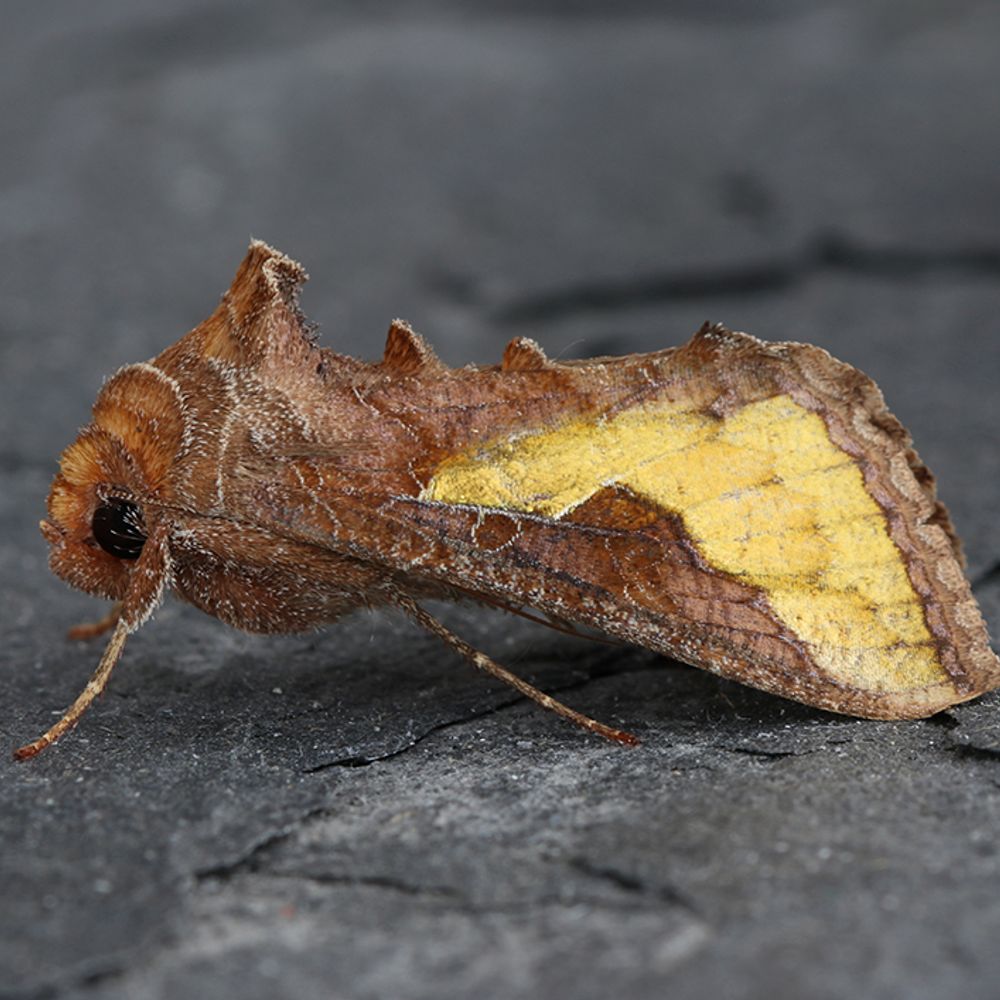
Warm conditions over NW Europe today/tomorrow, before low pressure pushes east over the weekend. Mild in the south/west tonight but chilly in the north/east. Milder in the east tomorrow night as the cold front pushes in from the west. Promising conditions for the south in particular #teammoth


March 20, 2025 at 1:08 PM
Warm conditions over NW Europe today/tomorrow, before low pressure pushes east over the weekend. Mild in the south/west tonight but chilly in the north/east. Milder in the east tomorrow night as the cold front pushes in from the west. Promising conditions for the south in particular #teammoth
Reposted by FreundederNatur
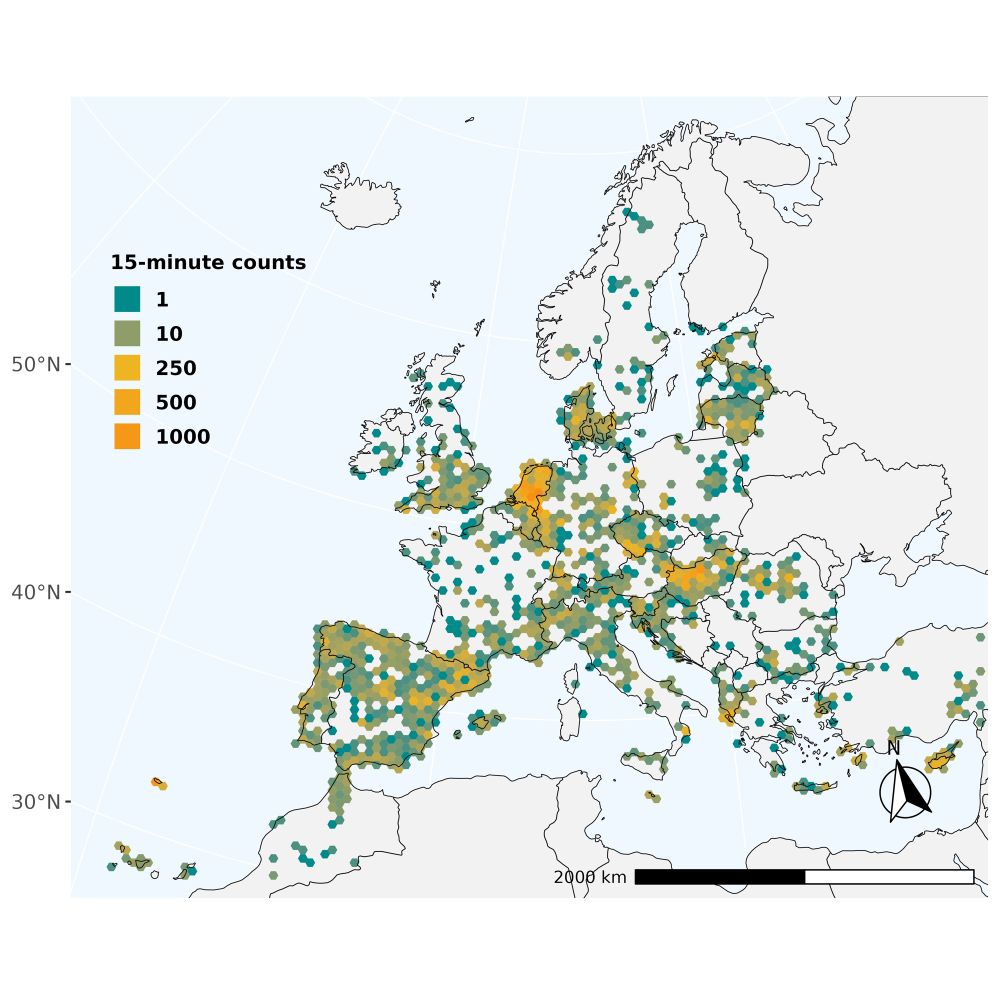
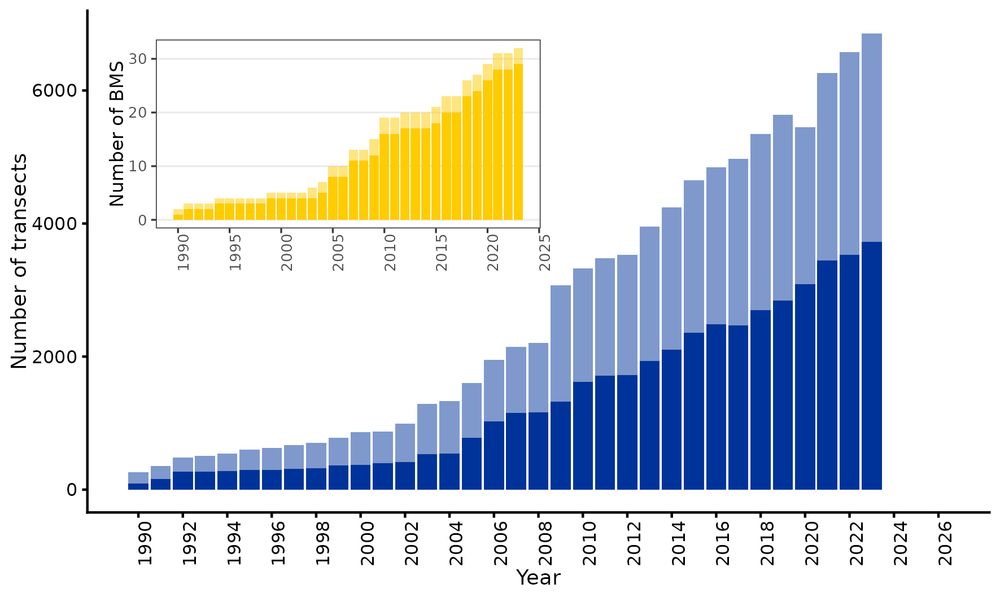
Our latest Activity Report is now available on our website. It shows the amazing growth of the European Butterfly Monitoring Scheme and some exciting projects now underway to help slow the decline of butterflies, moths and other pollinators assets.vlinderstichting.nl/docs/28d3ebc...
March 12, 2025 at 7:14 AM
Our latest Activity Report is now available on our website. It shows the amazing growth of the European Butterfly Monitoring Scheme and some exciting projects now underway to help slow the decline of butterflies, moths and other pollinators assets.vlinderstichting.nl/docs/28d3ebc...
Reposted by FreundederNatur

It feels very cold but there are moths flying in the woods on my first outing of the year: Pale Brindled Beauty, Spring Usher,
Tortricodes alternella (Spring Harbinger) & Winter Moth #teammoth
Tortricodes alternella (Spring Harbinger) & Winter Moth #teammoth


February 18, 2025 at 7:56 PM
It feels very cold but there are moths flying in the woods on my first outing of the year: Pale Brindled Beauty, Spring Usher,
Tortricodes alternella (Spring Harbinger) & Winter Moth #teammoth
Tortricodes alternella (Spring Harbinger) & Winter Moth #teammoth
Reposted by FreundederNatur

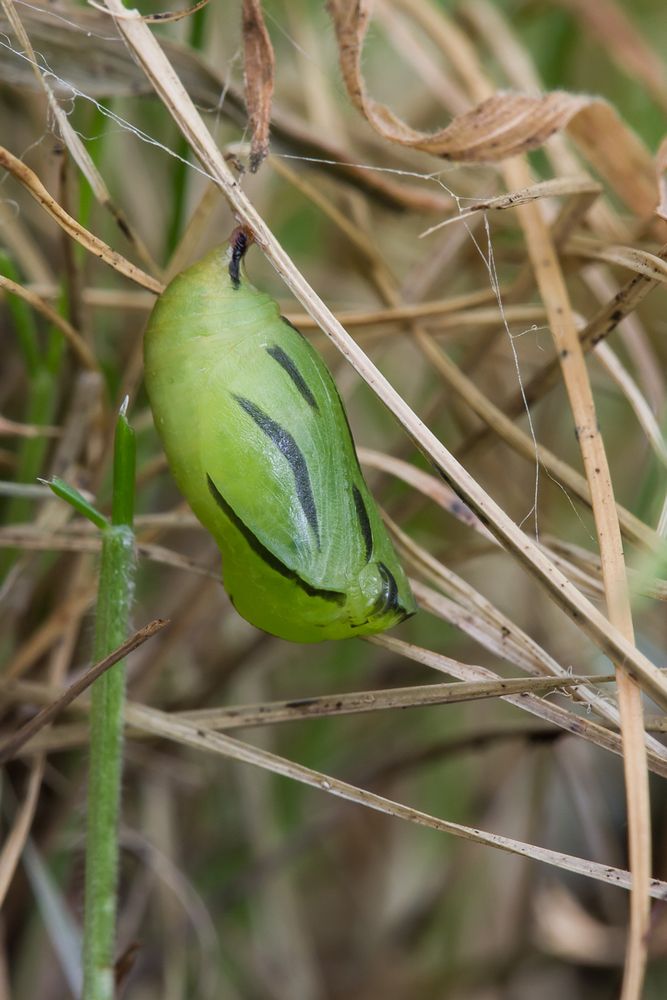
Who cannot love the markings on the pupal cases of our two Ceononympha species - the Large and Small Heaths? Just beautiful! And, in addition to the adult butterfly, did you know that taxonomists may also consider the similarity of immature stages when classifying species? And rightly so 😀

February 15, 2025 at 8:54 PM
Who cannot love the markings on the pupal cases of our two Ceononympha species - the Large and Small Heaths? Just beautiful! And, in addition to the adult butterfly, did you know that taxonomists may also consider the similarity of immature stages when classifying species? And rightly so 😀
Reposted by FreundederNatur
In 2018, it was a privilege to rear Large Blue (under license) from egg to final (4th instar) larva on Wild Thyme. But the most amazing photo (in 'Life Cycles of British & Irish Butterflies') is, I think, that of a larva eating an ant grub, taken by Marcin Sielezniew. Gruesome but incredible!


February 9, 2025 at 9:22 AM
In 2018, it was a privilege to rear Large Blue (under license) from egg to final (4th instar) larva on Wild Thyme. But the most amazing photo (in 'Life Cycles of British & Irish Butterflies') is, I think, that of a larva eating an ant grub, taken by Marcin Sielezniew. Gruesome but incredible!
Reposted by FreundederNatur
Butterflies vulnerable in NL: Silver-studded Blue (P argus, heideblauwtje). Where in other species climate change has led to extra generations, in this species the (small) September generation has now almost vanished.

January 18, 2025 at 11:25 AM
Butterflies vulnerable in NL: Silver-studded Blue (P argus, heideblauwtje). Where in other species climate change has led to extra generations, in this species the (small) September generation has now almost vanished.
Reposted by FreundederNatur
Butterflies increasing in NL: Brimstone (G rhamni, citroenvlinder). After a strong decline of 75% up to 2005 (and only a marginal decline in distribution - occupancy) recovery and now abundant again. No idea of the reason of the decline in the 1990s.

January 14, 2025 at 10:34 AM
Butterflies increasing in NL: Brimstone (G rhamni, citroenvlinder). After a strong decline of 75% up to 2005 (and only a marginal decline in distribution - occupancy) recovery and now abundant again. No idea of the reason of the decline in the 1990s.
Reposted by FreundederNatur
Butterflies increasing in NL: Queen of Spain Fritillary (I lathonia, kleine parelmoer). When I started butterflying (left) it was a rare species only in the coastal dunes. After 2000 it started spreading inland and in 2023 was widespread. In wet 2024 the inland pop collapsed.

January 10, 2025 at 7:36 AM
Butterflies increasing in NL: Queen of Spain Fritillary (I lathonia, kleine parelmoer). When I started butterflying (left) it was a rare species only in the coastal dunes. After 2000 it started spreading inland and in 2023 was widespread. In wet 2024 the inland pop collapsed.
Reposted by FreundederNatur
Butterflies increasing in NL: Comma (P c-album, gehakkelde aurelia). Before 1980 only in the south, now all over the country. Interestingly the Sept generation has gradually become smaller after 1990, I have no idea why, as with other species (A levana, A io) we see more Sept butterflies in time.

January 9, 2025 at 7:30 AM
Butterflies increasing in NL: Comma (P c-album, gehakkelde aurelia). Before 1980 only in the south, now all over the country. Interestingly the Sept generation has gradually become smaller after 1990, I have no idea why, as with other species (A levana, A io) we see more Sept butterflies in time.
Reposted by FreundederNatur
Butterflies increasing in NL: White Admiral (L camilla, kleine ijsvogel). Strong decline in numbers in the 1990s, recovered after that. Occupancy trend is slow and poor in detecting declines, but oversensitive in picking up increases. Trends in km2 should be treated with care.

January 8, 2025 at 7:23 AM
Butterflies increasing in NL: White Admiral (L camilla, kleine ijsvogel). Strong decline in numbers in the 1990s, recovered after that. Occupancy trend is slow and poor in detecting declines, but oversensitive in picking up increases. Trends in km2 should be treated with care.
Reposted by FreundederNatur
Butterflies increasing in NL: Orange Tip (A cardamines, oranjetipje). Distribution (occupancy) increase with 50%, populationsize 2.5x, especially because of expansion to west (Holland). Now flies 3 wks earlier than 30 yrs ago.

January 7, 2025 at 10:20 AM
Butterflies increasing in NL: Orange Tip (A cardamines, oranjetipje). Distribution (occupancy) increase with 50%, populationsize 2.5x, especially because of expansion to west (Holland). Now flies 3 wks earlier than 30 yrs ago.
Reposted by FreundederNatur
Butterflies increasing in NL: Holly Blue (C argiolus, boomblauwtje). Slow expansion in distribution (occupancy), but rapid growth of population, esp. in 1990s. Can show large fluctuations from year to year. Also occurs in gardens, eg. on Ivy.

January 6, 2025 at 8:46 AM
Butterflies increasing in NL: Holly Blue (C argiolus, boomblauwtje). Slow expansion in distribution (occupancy), but rapid growth of population, esp. in 1990s. Can show large fluctuations from year to year. Also occurs in gardens, eg. on Ivy.
Reposted by FreundederNatur
Butterflies endangered in NL: Small Pearl-bordered Fritillary (B selene, zilveren maan). Out of 26 pops in 1990, 14 are still present now. Apart from 3 large ones, most of the others might seem like dust particles on your screen, as they are all very small (only a few ha). Can you spot all of them?

January 4, 2025 at 8:16 AM
Butterflies endangered in NL: Small Pearl-bordered Fritillary (B selene, zilveren maan). Out of 26 pops in 1990, 14 are still present now. Apart from 3 large ones, most of the others might seem like dust particles on your screen, as they are all very small (only a few ha). Can you spot all of them?
Reposted by FreundederNatur
Butterflies endangered in NL: Small Skipper (T sylvestris, geelsprietdikkopje). Huge decline, esp. in 1990s, recently a small recovery. Changes in distribution (occupancy) appr. 10 yrs later than populationchange: eBMS pop-monitoring (butterfly-monitoring.net) is more sensitive than distribution.

January 5, 2025 at 8:47 AM
Butterflies endangered in NL: Small Skipper (T sylvestris, geelsprietdikkopje). Huge decline, esp. in 1990s, recently a small recovery. Changes in distribution (occupancy) appr. 10 yrs later than populationchange: eBMS pop-monitoring (butterfly-monitoring.net) is more sensitive than distribution.
Reposted by FreundederNatur
Butterflies threatened NL: Alcon Blue (P alcon, gentiaanblauwtje). Even though I visited many pops myself in the 1980s and 1990s, it is still hard to recall how widespread (but always local) this species once was. Now 15 pops left of this iconic butterfly of wet heaths and grasslands.

January 2, 2025 at 7:45 AM
Butterflies threatened NL: Alcon Blue (P alcon, gentiaanblauwtje). Even though I visited many pops myself in the 1980s and 1990s, it is still hard to recall how widespread (but always local) this species once was. Now 15 pops left of this iconic butterfly of wet heaths and grasslands.
Reposted by FreundederNatur
Butterflies threatened in NL: Grizzled Skipper (P malvae, aardbeivlinder). The decline of this once widespread species started already 100 years ago, and still hasn't stopped. Although we still have a few large pops, the small ones disappear one after the other.

December 30, 2024 at 8:43 AM
Butterflies threatened in NL: Grizzled Skipper (P malvae, aardbeivlinder). The decline of this once widespread species started already 100 years ago, and still hasn't stopped. Although we still have a few large pops, the small ones disappear one after the other.
Reposted by FreundederNatur
Species still doing OK in UK, but confined to south coast of Isle of Wight where coastal erosion maintains suitable habitat
Butterflies Critically Endangered in NL: Glanville Fritillary (M cinxia, veldparelmoer). Once widespread, also in coastal dunes. Not seen between 1995 and 2004. Now several pops in south, including a coastal one. Mobile species, almost every year seen at unexpected locations.

December 28, 2024 at 9:05 AM
Species still doing OK in UK, but confined to south coast of Isle of Wight where coastal erosion maintains suitable habitat
Reposted by FreundederNatur
An important discovery of new population of the Endangered Euchloe bazae in southern Spain by our partners in @asoczerynthia.bsky.social . www.researchgate.net/publication/...

(PDF) Contributions to the distribution, biology, and conservation of Euchloe bazae Fabiano, 1993 (Lepidoptera: Pieridae): discovery of a new population and new host plant in the province of Granada (...
PDF | ABSTRACT: Euchloe bazae is an endemic butterfly of the Iberian Peninsula with a highly restricted and disjunct distribution, classified as... | Find, read and cite all the research you need on R...
www.researchgate.net
December 27, 2024 at 11:44 AM
An important discovery of new population of the Endangered Euchloe bazae in southern Spain by our partners in @asoczerynthia.bsky.social . www.researchgate.net/publication/...
Reposted by FreundederNatur
A species doing surprisingly well in UK, with a 4 fold increase on monitored sites since 1990 (State of UK Butts 2022). Maybe likes our wet weather but also suggests good conservation of many bog nature reserves in North? But threats remain elsewhere
Butterflies Critically Endangered in NL: Large Heath (C tullia, veenhooibeestje). Once on all wet places on sandy soil with some peat, now restricted to a few sites in the north, 2 of them having good populations.

December 27, 2024 at 9:00 AM
A species doing surprisingly well in UK, with a 4 fold increase on monitored sites since 1990 (State of UK Butts 2022). Maybe likes our wet weather but also suggests good conservation of many bog nature reserves in North? But threats remain elsewhere
Reposted by FreundederNatur
Butterflies Critically Endangered in NL: Dingy Skipper (E tages, bruin dikkopje). Once widespread over half of NL on dry grasslands, in 1990 only 2 pops left, now 5, all in S Limburg. Before 1990 2nd gen small, nowadays larger than 1st gen thanks to climate warming.

December 23, 2024 at 6:57 AM
Butterflies Critically Endangered in NL: Dingy Skipper (E tages, bruin dikkopje). Once widespread over half of NL on dry grasslands, in 1990 only 2 pops left, now 5, all in S Limburg. Before 1990 2nd gen small, nowadays larger than 1st gen thanks to climate warming.
Reposted by FreundederNatur
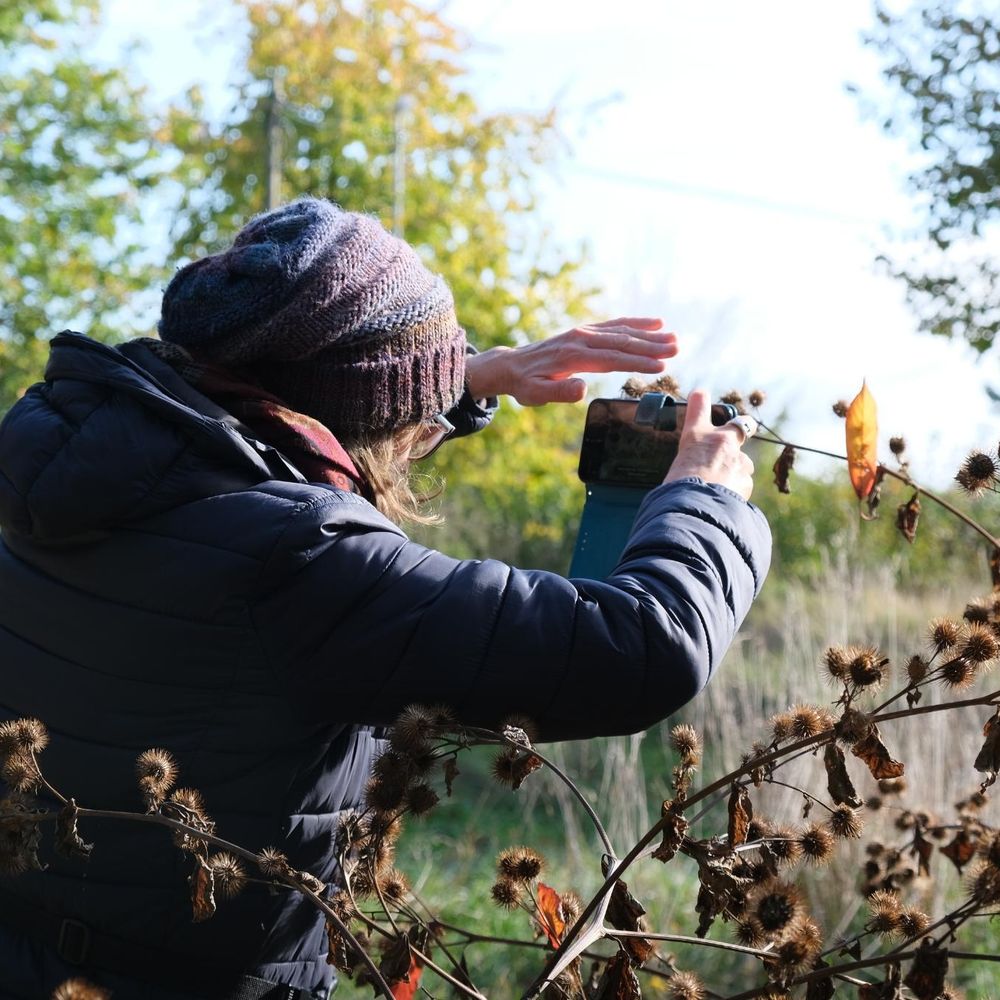
Guten Morgen. 😊 Hinter dem heutigen Türchen vom #Blühwiesen #Adventskalender hat sich ein #Bläuling versteckt. #Insekten #Schmetterlinge

December 23, 2024 at 7:12 AM
Guten Morgen. 😊 Hinter dem heutigen Türchen vom #Blühwiesen #Adventskalender hat sich ein #Bläuling versteckt. #Insekten #Schmetterlinge