


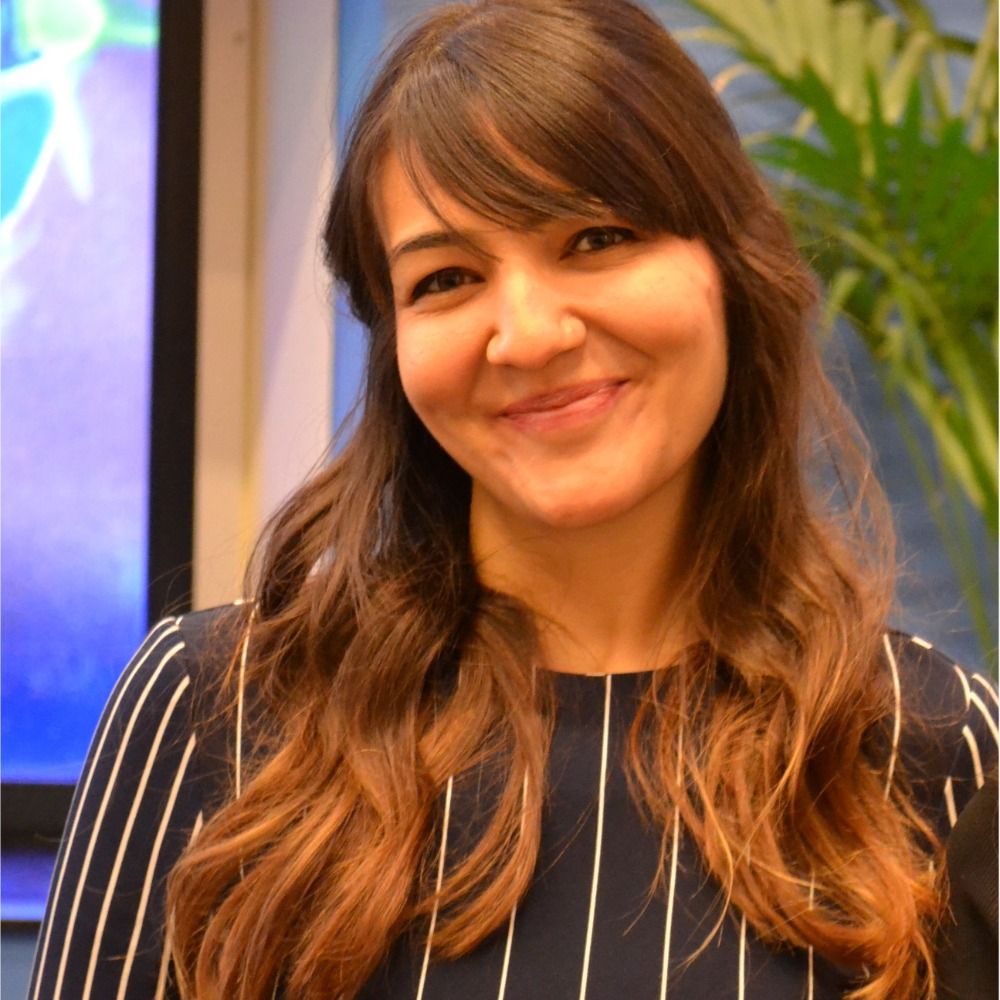
damnmemory
@edamizrak.bsky.social
Lecturer at Queen Mary University, Marie Curie Fellow at Oxford University, Neuroscientist, memory researcher, humanitarian, immigrant
Time effects on working memory and long-term memory, are they similar or different? Our work with Alessandra Souza and Klaus Oberauer here.

Memory researchers have known this: If we leave more free time between one study item and the next, memory is better. This is true for WM and LTM - but is it so for the same reason? Probably not. If you want to know more, have a look at our new paper in JEP:General: psycnet.apa.org/record/2026-...
APA PsycNet
psycnet.apa.org
November 26, 2025 at 1:49 PM
Time effects on working memory and long-term memory, are they similar or different? Our work with Alessandra Souza and Klaus Oberauer here.
Our new paper on how free time improves working memory and long-term memory differently at JEP:General with Klaus Oberauer and Alessandra Souza: Our results challenge a single explanation of the free-time benefit for memory retention across short and long intervals.
psycnet.apa.org/record/2026-...
psycnet.apa.org/record/2026-...
APA PsycNet
psycnet.apa.org
November 14, 2025 at 12:11 PM
Our new paper on how free time improves working memory and long-term memory differently at JEP:General with Klaus Oberauer and Alessandra Souza: Our results challenge a single explanation of the free-time benefit for memory retention across short and long intervals.
psycnet.apa.org/record/2026-...
psycnet.apa.org/record/2026-...
Reposted by damnmemory
I am pleased to share that "the bird study" is now accepted at Psychology and Aging! A great collaboration with visiting intern Kishen Senziani, @leabartsch.bsky.social & @edamizrak.bsky.social 😀 Check out the pre-print below and a short thread on the study design and main takeaways 🧵👇
What Makes a Birdbrain Tick: Long-term Memory Drives Expertise Effects on Working Memory Binding: https://osf.io/y835u
September 23, 2025 at 7:23 PM
I am pleased to share that "the bird study" is now accepted at Psychology and Aging! A great collaboration with visiting intern Kishen Senziani, @leabartsch.bsky.social & @edamizrak.bsky.social 😀 Check out the pre-print below and a short thread on the study design and main takeaways 🧵👇
Reposted by damnmemory
New Preprint with @edamizrak.bsky.social! Performance in immediate memory tasks reflects a flexible mixture of contributions of #workingmemory and LTM. Distraction disrupts WM, while PI impairs retrieval from LTM; when both are in play, performance depends on the relative reliability of each system
Interactions of Working and Long-term Memory - Evidence from Proactive Interference in the Brown-Peterson Task: https://osf.io/zemkw
May 22, 2025 at 1:38 PM
New Preprint with @edamizrak.bsky.social! Performance in immediate memory tasks reflects a flexible mixture of contributions of #workingmemory and LTM. Distraction disrupts WM, while PI impairs retrieval from LTM; when both are in play, performance depends on the relative reliability of each system
Reposted by damnmemory
Honey, we fixed Signal Detection Theory (SDT)! In this preprint, Constantin Meyer-Grant, David Kellen, Sam Harding, and I critically evaluate the (unequal-variance) Gaussian SDT model in recognition memory and pursue the Gumbel-min model as a principled alternative: doi.org/10.31234/osf...
🧵
🧵

Extreme-Value Signal Detection Theory for RecognitionMemory: The Parametric Road Not Taken
Signal Detection Theory has long served as a cornerstone of psychological research, particularly in recognition memory. Yet its conventional application hinges almost exclusively on the Gaussian…
doi.org
April 27, 2025 at 2:46 PM
Honey, we fixed Signal Detection Theory (SDT)! In this preprint, Constantin Meyer-Grant, David Kellen, Sam Harding, and I critically evaluate the (unequal-variance) Gaussian SDT model in recognition memory and pursue the Gumbel-min model as a principled alternative: doi.org/10.31234/osf...
🧵
🧵
Reposted by damnmemory
The Special Issue on "the information exchange between working memory & long-term memory" at Memory & Cognition which I had the pleasure to Co-Edit with @keisukefukuda.bsky.social,@vmloaiza1.bsky.social and @edamizrak.bsky.social is out now! rdcu.be/d0GjA #workingmemory #cogSci #Psychology #psynom24
November 19, 2024 at 8:43 AM
The Special Issue on "the information exchange between working memory & long-term memory" at Memory & Cognition which I had the pleasure to Co-Edit with @keisukefukuda.bsky.social,@vmloaiza1.bsky.social and @edamizrak.bsky.social is out now! rdcu.be/d0GjA #workingmemory #cogSci #Psychology #psynom24
This one is interesting. The results contradict all existing explanations about the detrimental effect of distractors in complex span tasks and the use of free time to "counteract" this. Distractors impair items encoded before them, however, time does not help counteract this.
How Does Free Time Benefit Working Memory in Complex Span Tasks?: http://osf.io/a7jxc/
November 15, 2024 at 8:50 PM
This one is interesting. The results contradict all existing explanations about the detrimental effect of distractors in complex span tasks and the use of free time to "counteract" this. Distractors impair items encoded before them, however, time does not help counteract this.
Reposted by damnmemory

Free Time Benefits Working Memory and Long-Term Memory differently: http://osf.io/ckz76/
November 15, 2024 at 9:15 AM
Free Time Benefits Working Memory and Long-Term Memory differently: http://osf.io/ckz76/
Reposted by damnmemory
I am super excited about our highly antcipated forthcoming special issue on the information exchange between working memory & long-term memory! It's been a pleasure to work with @leabartsch.bsky.social @edamizrak.bsky.social and @keisukefukuda.bsky.social on it -- check out our editorial!
The Information Exchange between Working Memory and Long-term Memory: http://osf.io/u723w/
September 29, 2024 at 9:20 AM
I am super excited about our highly antcipated forthcoming special issue on the information exchange between working memory & long-term memory! It's been a pleasure to work with @leabartsch.bsky.social @edamizrak.bsky.social and @keisukefukuda.bsky.social on it -- check out our editorial!