

Chuck Oehrlein
banner
droehrlein.bsky.social
Chuck Oehrlein
@droehrlein.bsky.social
Arm candy for the best wife ever. Dad to 2 kids who are smarter than I’ll ever be. Caretaker of 1 grand dog. Overweight and undertrained Clydesdale. Podiatric physician. That looks pretty good right?
The Importance of Wearing the Right Shoes for Cold Weather Work
Wearing the right shoes while working in the cold weather is essential for protecting your feet, maintaining comfort, and preventing injury. Wool sneakers or high-top shoes provide warmth and flexibility, keeping feet insulated while allowing natural movement. Leather boots offer durability, support, and water resistance, making them ideal for demanding tasks in snowy or wet conditions. For active winter days, lightweight shoes with good traction provide comfort and help prevent slips or falls. Wearing proper footwear also supports circulation and reduces the risk of frostbite or cold-related discomfort. A podiatrist can assess your foot structure, recommend the best shoes for your work environment, and provide guidance to prevent cold-weather foot problems. If you have foot pain from wearing the wrong shoes for the environment during your workday, it is suggested that you schedule a visit with a podiatrist who can offer effective relief tips and guide you on the correct shoes to wear. While working on the feet, it is important to take the proper care of them. For more information about working on your feet, contact Charles Oehrlein, DPM from Hoover Foot Care. Our practitioner will treat your foot and ankle needs. Working on Your Feet Standing on your feet for long periods of time can cause stress and pain in your feet. Your whole body may experience change in terms of posture, back pain, bunions, callouses and or plantar warts. There are ways to avoid these conditions with proper foot care, smart choices and correct posture. Positive Changes Negative heeled shoe – Choosing this shoe type places the heel slightly lower than the ball of the foot. These are great for overall foot health. Find shoes that fit you correctly. Go barefoot – Our feet were not designed to be enclosed for all hours of the day. Try to periodically expose your feet to air. Eliminate Pain Foot Exercises – Performing simple exercises, incorporating yoga and doing stretches are beneficial. This will allow increased blood flow to the area and muscles of the foot. Achilles tendon – Stretching the foot out flat on the floor will relax the calf muscles and tendon. These exercises can be performed almost anywhere. Make sure you add these exercises to your daily regimen.  With a little bit of this information and knowing more about foot health, you will notice changes. Foot stretches and proper footwear will help with pain and prevent further issues. If you have any questions please contact our office located in Hoover, Oneonta, and Munford, AL . We offer the newest diagnostic and treatment technologies for all your foot and ankle needs. Read more about Working on Your Feet
dlvr.it
December 2, 2025 at 11:42 PM
What are Bunions?
A bunion is a common foot condition that causes a visible bony protrusion to form at the base of the big or pinky toe. Bunions vary in severity, so while some may be mild, others can be painful. If a bunion is causing discomfort or pain, this could potentially lead to other foot ailments due to a shift in gait. Treatment for bunions usually begins with a change in footwear. Wearing narrow, tight, and pointed footwear can intensify an already existing bunion. Switching to wider shoes that fit properly and offer support should help to alleviate some of the symptoms associated with bunions. Shoe inserts that help improve arch support and toe spacers are also recommended in treating bunions. If these conservative methods don't provide relief, it is suggested that you consult with a local podiatrist.  If you are suffering from bunions, contact Charles Oehrlein, DPM of Hoover Foot Care. Our practitioner can provide the care you need to keep you pain-free and on your feet. What Is a Bunion? A bunion is formed of swollen tissue or an enlargement of boney growth, usually located at the base joint of the toe that connects to the foot. The swelling occurs due to the bones in the big toe shifting inward, which impacts the other toes of the foot. This causes the area around the base of the big toe to become inflamed and painful. Why Do Bunions Form? Genetics – Susceptibility to bunions are often hereditary Stress on the feet – Poorly fitted and uncomfortable footwear that places stress on feet, such as heels, can worsen existing bunions How Are Bunions Diagnosed? Doctors often perform two tests – blood tests and x-rays – when trying to diagnose bunions, especially in the early stages of development. Blood tests help determine if the foot pain is being caused by something else, such as arthritis, while x-rays provide a clear picture of your bone structure to your doctor. How Are Bunions Treated? * Refrain from wearing heels or similar shoes that cause discomfort * Select wider shoes that can provide more comfort and reduce pain * Anti-inflammatory and pain management drugs * Orthotics or foot inserts * Surgery If you have any questions, please feel free to contact our office located in Hoover, Oneonta, and Munford, AL . We offer the newest diagnostic and treatment technologies for all your foot care needs. Read more about Bunions
dlvr.it
November 26, 2025 at 12:02 AM
Understanding Plantar Fasciitis and How to Find Relief
Plantar fasciitis is one of the most common causes of heel pain and affects people of all ages and activity levels. It occurs when the thick band of tissue that connects the heel bone to the toes becomes inflamed, often due to overuse, high arches, flat feet, or prolonged standing. Symptoms typically include sharp heel pain, especially with the first steps in the morning or after sitting for long periods. The foot may feel tight, sore, or swollen along the bottom, and discomfort often worsens after exercise. A podiatrist can diagnose plantar fasciitis through a physical exam, gait evaluation, and imaging when needed. Treatment includes stretching exercises, custom orthotics, or supportive footwear. Early care can prevent chronic pain and help restore mobility. It is suggested that you make an appointment with a podiatrist to relieve your heel pain and promote healthy movement. Plantar fasciitis is a common foot condition that is often caused by a strain injury. If you are experiencing heel pain or symptoms of plantar fasciitis, contact Charles Oehrlein, DPM from Hoover Foot Care. Our practitioner can provide the care you need to keep you pain-free and on your feet. What Is Plantar Fasciitis? Plantar fasciitis is one of the most common causes of heel pain. The plantar fascia is a ligament that connects your heel to the front of your foot. When this ligament becomes inflamed, plantar fasciitis is the result. If you have plantar fasciitis you will have a stabbing pain that usually occurs with your first steps in the morning. As the day progresses and you walk around more, this pain will start to disappear, but it will return after long periods of standing or sitting. What Causes Plantar Fasciitis? * Excessive running * Having high arches in your feet * Other foot issues such as flat feet * Pregnancy (due to the sudden weight gain) * Being on your feet very often There are some risk factors that may make you more likely to develop plantar fasciitis compared to others. The condition most commonly affects adults between the ages of 40 and 60. It also tends to affect people who are obese because the extra pounds result in extra stress being placed on the plantar fascia. Prevention * Take good care of your feet – Wear shoes that have good arch support and heel cushioning. * Maintain a healthy weight * If you are a runner, alternate running with other sports that won’t cause heel pain There are a variety of treatment options available for plantar fasciitis along with the pain that accompanies it. Additionally, physical therapy is a very important component in the treatment process. It is important that you meet with your podiatrist to determine which treatment option is best for you. If you have any questions, please feel free to contact our office located in Hoover, Oneonta, and Munford, AL . We offer the newest diagnostic and treatment technologies for all your foot care needs.   Read more about Plantar Fasciitis
dlvr.it
November 19, 2025 at 12:23 AM
Understanding Foot Anatomy
The human foot is a complex structure made up of 26 bones, 33 joints, and more than 100 muscles, tendons, and ligaments. These components work together to provide stability, flexibility, and mobility. The foot is divided into three main sections known as the forefoot, midfoot, and hindfoot. The toes or phalanges, and the metatarsals form the forefoot, while the midfoot contains the arches and bones that absorb shock. The hindfoot consists of the heel or calcaneus, and ankle bones, providing support and balance. Muscles and tendons in the foot enable movement, from walking to running, while ligaments help stabilize the joints. The arches of the foot, formed by the bones and supported by muscles and tendons, play a key role in shock absorption and weight distribution. Proper foot function is crucial for overall mobility and posture. A podiatrist can help identify and treat any conditions affecting the foot's bones, muscles, or joints. If you are dealing with a foot condition or foot pain, it is suggested that you make an appointment with a podiatrist. If you have any concerns about your feet, contact Charles Oehrlein, DPM from Hoover Foot Care. Our practitioner can provide the care you need to keep you pain-free and on your feet. Biomechanics in Podiatry Podiatric biomechanics is a particular sector of specialty podiatry with licensed practitioners who are trained to diagnose and treat conditions affecting the foot, ankle and lower leg. Biomechanics deals with the forces that act against the body, causing an interference with the biological structures. It focuses on the movement of the ankle, the foot and the forces that interact with them. A History of Biomechanics * Biomechanics dates back to the BC era in Egypt where evidence of professional foot care has been recorded. * In 1974, biomechanics gained a higher profile from the studies of Merton Root, who claimed that by changing or controlling the forces between the ankle and the foot, corrections or conditions could be implemented to gain strength and coordination in the area. Modern technological improvements are based on past theories and therapeutic processes that provide a better understanding of podiatric concepts for biomechanics. Computers can provide accurate information about the forces and patterns of the feet and lower legs. Understanding biomechanics of the feet can help improve and eliminate pain, stopping further stress to the foot. If you have any questions please feel free to contact our office located in Hoover, Oneonta, and Munford, AL . We offer the newest diagnostic and treatment technologies for all your foot and ankle needs. Read more about The Importance of Biomechanics in Podiatry
dlvr.it
November 12, 2025 at 12:45 AM
Caring for Growing Feet
Children’s feet are constantly developing, and issues in the forefoot or midfoot can affect how they walk and play. Common concerns include flat feet, metatarsus adductus, or inward turning of the front of the foot, toe walking, or pain across the ball or arch of the foot. Sometimes these conditions resolve naturally as bones and muscles strengthen, but persistent pain or unusual gait patterns may signal a structural or alignment issue. A podiatrist can evaluate growth, check for joint flexibility, and recommend treatments such as custom orthotics, stretching, or footwear guidance to support healthy development. Early care helps prevent long-term problems and encourages confident, comfortable movement. If your child complains of foot pain, limps, or wears out shoes unevenly, it is suggested that you schedule an appointment with a podiatrist for a professional evaluation and personalized treatment plan. The health of a child’s feet is vital to their overall well-being. If you have any questions regarding foot health, contact Charles Oehrlein, DPM of Hoover Foot Care. Our practitioner can provide the care you need to keep you pain-free and on your feet. Tips for Keeping Children's Feet Healthy * Make sure their shoes fit properly * Look for any signs of in-toeing or out-toeing * Check to see if they have Clubfoot (condition that affects your child’s foot and ankle, twisting the heel and toes inward) which is one of the most common nonmajor birth defects. * Lightly cover your baby’s feet (Tight covers may keep your baby from moving their feet freely, and could prevent normal development) * Allow your toddler to go shoeless (Shoes can be restricting for a young child’s foot) * Cut toenails straight across to avoid ingrown toenails * Keep your child’s foot clean and dry * Cover cuts and scrapes. Wash any scratches with soap and water and cover them with a bandage until they’ve healed. If you have any questions, please feel free to contact our office located in Hoover, Oneonta, and Munford, AL . We offer the newest diagnostic and treatment technologies for all your foot care needs. Read more about How to Care for Your Child's Feet
dlvr.it
November 5, 2025 at 1:06 AM
Foot Care for Diabetic Health
Proper foot care is essential for individuals with diabetes because poor circulation and nerve damage can lead to serious complications. Conditions such as diabetic foot ulcers and peripheral vascular disease can cause serious problems when foot care is neglected. Wearing shoes that fit properly, trimming toenails regularly, and keeping feet elevated can help prevent injuries and improve blood flow. A podiatrist plays a key role in managing diabetic foot health by checking circulation, detecting early signs of infection, and providing customized care plans. If you have diabetes, it is strongly suggested that you are under the care of a podiatrist who can help you to manage this serious condition. Diabetic foot care is important in preventing foot ailments such as ulcers. If you are suffering from diabetes or have any other concerns about your feet, contact Charles Oehrlein, DPM from Hoover Foot Care. Our practitioner can provide the care you need to keep you pain-free and on your feet. Diabetic Foot Care Diabetes affects millions of people every year. The condition can damage blood vessels in many parts of the body, especially the feet. Because of this, taking care of your feet is essential if you have diabetes, and having a podiatrist help monitor your foot health is highly recommended. The Importance of Caring for Your Feet * Routinely inspect your feet for bruises or sores. * Wear socks that fit your feet comfortably. * Wear comfortable shoes that provide adequate support. Patients with diabetes should have their doctor monitor their blood levels, as blood sugar levels play such a huge role in diabetic care. Monitoring these levels on a regular basis is highly advised. It is always best to inform your healthcare professional of any concerns you may have regarding your feet, especially for diabetic patients. Early treatment and routine foot examinations are keys to maintaining proper health, especially because severe complications can arise if proper treatment is not applied. If you have any questions, please feel free to contact our office located in Hoover, Oneonta, and Munford, AL . We offer the newest diagnostic and treatment technologies for all your foot care needs. Read more about Diabetic Foot Conditions
dlvr.it
October 29, 2025 at 1:27 AM
Proper Footwear in the Restaurant Industry
Wearing the right shoes in the restaurant industry is essential for comfort, safety, and long-term foot health. Restaurant workers spend long hours on their feet, often on slippery or hard surfaces. The best footwear includes slip-resistant soles to prevent falls, strong arch support for stability, durable materials for all-day wear, and easy-to-clean designs to maintain hygiene. Slip-on shoes can also provide convenience during busy shifts. Without proper footwear, employees risk foot pain, fatigue, and even chronic conditions. A podiatrist can help evaluate your foot structure and recommend the best shoes for your work environment. If you have developed foot pain during your work day, it is suggested that you consult a podiatrist who can treat various foot conditions and guide you on the correct shoes to wear. While working on the feet, it is important to take the proper care of them. For more information about working on your feet, contact Charles Oehrlein, DPM from Hoover Foot Care. Our practitioner will treat your foot and ankle needs. Working on Your Feet Standing on your feet for long periods of time can cause stress and pain in your feet. Your whole body may experience change in terms of posture, back pain, bunions, callouses and or plantar warts. There are ways to avoid these conditions with proper foot care, smart choices and correct posture. Positive Changes Negative heeled shoe – Choosing this shoe type places the heel slightly lower than the ball of the foot. These are great for overall foot health. Find shoes that fit you correctly. Go barefoot – Our feet were not designed to be enclosed for all hours of the day. Try to periodically expose your feet to air. Eliminate Pain Foot Exercises – Performing simple exercises, incorporating yoga and doing stretches are beneficial. This will allow increased blood flow to the area and muscles of the foot. Achilles tendon – Stretching the foot out flat on the floor will relax the calf muscles and tendon. These exercises can be performed almost anywhere. Make sure you add these exercises to your daily regimen.  With a little bit of this information and knowing more about foot health, you will notice changes. Foot stretches and proper footwear will help with pain and prevent further issues. If you have any questions please contact our office located in Hoover, Oneonta, and Munford, AL . We offer the newest diagnostic and treatment technologies for all your foot and ankle needs. Read more about How to Handle a Long Work Day on Your Feet
dlvr.it
October 22, 2025 at 1:48 AM
Understanding Flat Feet and How to Improve Comfort
Flat feet occur when the arches of the feet collapse, causing the entire sole to touch the ground. This condition can lead to pronation issues, foot and leg pain, reduced shock absorption, and muscle fatigue during daily activities. While flat feet can create challenges, there are effective ways to improve comfort and function. Supportive footwear, strengthening exercises, and a consistent stretching routine can reduce strain. Orthotic inserts provide added support and help correct alignment. A podiatrist can evaluate the severity of flat feet, recommend personalized treatment options, and guide long-term care to prevent complications. If you have discomfort from flat feet, it is suggested that you schedule a visit with a podiatrist who can provide effective relief and treatment solutions. Flatfoot is a condition many people suffer from. If you have flat feet, contact Charles Oehrlein, DPM from Hoover Foot Care. Our practitioner will treat your foot and ankle needs. What Are Flat Feet? Flatfoot is a condition in which the arch of the foot is depressed and the sole of the foot is almost completely in contact with the ground. About 20-30% of the population generally has flat feet because their arches never formed during growth. Conditions & Problems: Having flat feet makes it difficult to run or walk because of the stress placed on the ankles. Alignment – The general alignment of your legs can be disrupted, because the ankles move inward which can cause major discomfort. Knees – If you have complications with your knees, flat feet can be a contributor to arthritis in that area.   Symptoms * Pain around the heel or arch area * Trouble standing on the tip toe * Swelling around the inside of the ankle * Flat look to one or both feet * Having your shoes feel uneven when worn Treatment If you are experiencing pain and stress on the foot you may weaken the posterior tibial tendon, which runs around the inside of the ankle.  If you have any questions, please feel free to contact our office located in Hoover, Oneonta, and Munford, AL . We offer the newest diagnostic and treatment technologies for all your foot care needs. Read more about Flatfoot
dlvr.it
October 15, 2025 at 2:08 AM
Ankle Arthritis and Surgical Treatment Options
Ankle arthritis is a condition where the cartilage in the ankle joint wears down, causing pain, swelling, and stiffness that limit mobility. When conservative treatments are not effective, ankle surgery may be recommended. Ankle arthroscopy uses small instruments to remove damaged tissue and smooth the joint. Ankle fusion joins the bones of the ankle to eliminate pain and increase stability. Additionally, joint replacement replaces the damaged joint with an artificial implant to restore movement. A podiatrist can assess your condition, recommend the best treatment, and provide exercise  guidance for long term success. If arthritis is affecting your ankles, it is suggested that you schedule an appointment with a podiatrist to explore whether surgical options are right for you. Foot surgery is sometimes necessary to treat a foot ailment. To learn more, contact Charles Oehrlein, DPM of Hoover Foot Care. Our practitioner will assist you with all of your foot and ankle needs. When Is Surgery Necessary? Foot and ankle surgery is generally reserved for cases in which less invasive, conservative procedures have failed to alleviate the problem. Some of the cases in which surgery may be necessary include: * Removing foot deformities like bunions and bone spurs * Severe arthritis that has caused bone issues * Cosmetic reconstruction What Types of Surgery Are There? The type of surgery you receive will depend on the nature of the problem you have. Some of the possible surgeries include: * Bunionectomy for painful bunions * Surgical fusion for realignment of bones * Neuropathy decompression surgery to treat nerve damage Benefits of Surgery Although surgery is usually a last resort, it can provide more complete pain relief compared to non-surgical methods and may allow you to finally resume full activity. Surgical techniques have also become increasingly sophisticated. Techniques like endoscopic surgery allow for smaller incisions and faster recovery times. If you have any questions, please feel free to contact our office located in Hoover, Oneonta, and Munford, AL . We offer the newest diagnostic and treatment technologies for all your foot care needs. Read more about Foot Surgery
dlvr.it
October 8, 2025 at 2:30 AM
Causes and Risks of Foot Stress Fractures
Stress fractures in the feet are hairline cracks in the bone that often develop from repetitive force, rather than a single traumatic event. Stress fractures generally occur in the long bones of the foot, which endure significant impact during walking, running, and jumping. Overtraining, sudden increases in activity, or inadequate rest between workouts raise the risk. Foot structure also plays a role, with flat feet, high arches, or rigid arches contributing to uneven distribution of pressure that can stress certain bones. People with osteoporosis or low bone density are at higher risk, and nutritional deficiencies, such as inadequate calcium or vitamin D, may weaken bone strength. A podiatrist can confirm a diagnosis through examination and imaging, recommend appropriate footwear or orthotics, and advise whether surgery is required in severe cases. If you have symptoms of stress fractures in your feet, it is suggested that you make an appointment with a podiatrist for an exam, diagnosis, and treatment. Stress fractures occur when there is a tiny crack within a bone. To learn more, contact Charles Oehrlein, DPM from Hoover Foot Care. Our practitioner can provide the care you need to keep you pain free and on your feet. How Are They Caused? Stress fractures are the result of repetitive force being placed on the bone. Since the lower leg and feet often carry most of the body’s weight, stress fractures are likely to occur in these areas. If you rush into a new exercise, you are more likely to develop a stress fracture since you are starting too much, too soon.  Pain resulting from stress fractures may go unnoticed at first, however it may start to worsen over time. Risk Factors * Gender – They are more commonly found in women compared to men. * Foot Problems – People with unusual arches in their feet are more likely to develop stress fractures. * Certain Sports – Dancers, gymnasts, tennis players, runners, and basketball players are more likely to develop stress fractures. * Lack of Nutrients – A lack of vitamin D and calcium may weaken the bones and make you more prone to stress fractures * Weak Bones – Osteoporosis can weaken the bones therefore resulting in stress fractures Stress fractures do not always heal properly, so it is important that you seek help from a podiatrist if you suspect you may have one. Ignoring your stress fracture may cause it to worsen, and you may develop chronic pain as well as additional fractures. If you have any questions please contact our office located in Hoover, Oneonta, and Munford, AL . We offer the newest diagnostic and treatment technologies for all your foot and ankle needs. Read more about Stress Fractures of the Foot and Ankle
dlvr.it
October 1, 2025 at 2:51 AM
I’m singing Turn! Turn! Turn! As I read this bsky.app/profile/brit...

(solemnly) You've had mail.
September 30, 2025 at 10:08 PM
Exercises That Can Help With Drop Foot
Drop foot makes it difficult to lift the front part of the foot, which can cause tripping or an unusual walking pattern. Exercises for drop foot that focus on strengthening the muscles along the front of the lower leg can help improve movement and control. Simple stretches of the ankle, done while sitting or standing, can loosen stiffness and make the foot move more freely. Toe raises, where you lift the front of your foot while keeping your heel on the ground, are often helpful. Using a band to pull your foot upward against resistance can also build strength. Walking on your heels is another way to train the foot to lift properly during each step. These movements support better balance and reduce the chance of stumbling when you take a step. A podiatrist can check the muscle strength in your leg and foot, look for problems with alignment, and recommend safe exercises. If you have symptoms of drop foot, it is suggested that you make an appointment with a podiatrist for an exam, diagnosis, and treatment, which may include a series of exercises. Exercising your feet regularly with the proper foot wear is a great way to prevent injuries and build strength. If you have any concerns about your feet, contact Charles Oehrlein, DPM from Hoover Foot Care. Our practitioner can provide the care you need to keep you pain-free and on your feet. Exercise for Your Feet Exercise for your feet can help you gain strength, mobility and flexibility in your feet. They say that strengthening your feet can be just as rewarding as strengthening another part of the body. Your feet are very important, and we often forget about them in our daily tasks. But it is because of our feet that are we able to get going and do what we need to. For those of us fortunate enough to not have any foot problems, it is an important gesture to take care of them to ensure good health in the long run. Some foot health exercises can include ankle pumps, tip-toeing, toe rises, lifting off the floor doing reps and sets, and flexing the toes. It is best to speak with Our practitioner to determine an appropriate regimen for your needs. Everyone’s needs and bodies are different, and the activities required to maintain strength in the feet vary from individual to individual.  Once you get into a routine of doing regular exercise, you may notice a difference in your feet and how strong they may become. If you have any questions, please feel free to contact our office located in Hoover, Oneonta, and Munford, AL . We offer the newest diagnostic and treatment technologies for all your foot care needs. Read more about Exercise for Your Feet
dlvr.it
September 24, 2025 at 3:12 AM
Bunion Causes and Symptoms
Bunions are a foot deformity that often develop gradually, leading to pain and changes in toe alignment. The most noticeable symptom of a bunion is a hard, bony bump on the side of the big toe that may become red, swollen, and tender from pressure inside shoes. As the bunion progresses, the big toe shifts inward toward the second toe, sometimes crossing over or under it, which can cause stiffness and difficulty in moving the joint. Pain at the base of the toe is common, especially when walking or standing for long periods. Bunions may also lead to irritation of the bursa, a small fluid-filled sac, resulting in bursitis, or displacement of the sesamoid bones under the big toe joint. Causes of bunions include inherited foot structure, arthritis, and frequent use of shoes that lack adequate support or have a narrow, pointed toe box, such as high heels or flip-flops. If you are experiencing pain from a bunion, it is suggested that you schedule an appointment with a podiatrist for an evaluation and appropriate treatment. If you are suffering from bunion pain, contact Charles Oehrlein, DPM of Hoover Foot Care. Our practitioner can provide the care you need to keep you pain-free and on your feet. What Is a Bunion? Bunions are painful bony bumps that usually develop on the inside of the foot at the joint of the big toe. As the deformity increases over time, it may become painful to walk and wear shoes. Women are more likely to exacerbate existing bunions since they often wear tight, narrow shoes that shift their toes together. Bunion pain can be relieved by wearing wider shoes with enough room for the toes. Causes * Genetics – some people inherit feet that are more prone to bunion development * Inflammatory Conditions - rheumatoid arthritis and polio may cause bunion development Symptoms * Redness and inflammation * Pain and tenderness * Callus or corns on the bump * Restricted motion in the big toe In order to diagnose your bunion, your podiatrist may ask about your medical history, symptoms, and general health. Your doctor might also order an x-ray to take a closer look at your feet. Nonsurgical treatment options include orthotics, padding, icing, changes in footwear, and medication. If nonsurgical treatments don’t alleviate your bunion pain, surgery may be necessary. If you have any questions, please feel free to contact our office located in Hoover, Oneonta, and Munford, AL . We offer the newest diagnostic and treatment technologies for all your foot care needs. Read more about What Are Bunions?
dlvr.it
September 17, 2025 at 3:33 AM
Reposted by Chuck Oehrlein
NEW YORK (AP) — A judge on Tuesday dismissed terrorism charges against Luigi Mangione in New York state’s case over the killing of UnitedHealthcare CEO Brian Thompson, but he kept the state’s second-degree murder charges against him.
New York judge tosses terrorism charges against Luigi Mangione, lets murder count stand
NEW YORK (AP) — A judge on Tuesday dismissed terrorism charges against Luigi Mangione in New York state’s case over the killing of UnitedHealthcare CEO Brian Thompson, but he kept the state’s second-degree murder charges against him.
www.winnipegfreepress.com
September 16, 2025 at 5:44 PM
A Permanent Solution for Ingrown Toenails
An ingrown toenail can cause repeated discomfort, swelling, and even infection if it continues to grow improperly into the surrounding skin. While temporary relief may be found with soaks or trimming, these methods rarely provide lasting results. For individuals dealing with persistent pain, a more definitive treatment is available. A podiatrist can perform a minor procedure that removes the part of the nail responsible for the problem. In many cases, the nail root is treated so the edge will not grow back. This approach prevents the cycle of recurring irritation and allows the surrounding skin to heal completely. The procedure is usually quick, performed in the office, and recovery is often easier than expected. If you are struggling with repeated ingrown toenails, it is suggested that you visit a podiatrist to discuss a permanent solution. Ingrown toenails can become painful if they are not treated properly. For more information about ingrown toenails, contact Charles Oehrlein, DPM of Hoover Foot Care. Our practitioner can provide the care you need to keep you pain-free and on your feet. Ingrown Toenails Ingrown toenails occur when a toenail grows sideways into the bed of the nail, causing pain, swelling, and possibly infection. Causes * Bacterial infections * Improper nail cutting such as cutting it too short or not straight across * Trauma to the toe, such as stubbing, which causes the nail to grow back irregularly * Ill-fitting shoes that bunch the toes too close together * Genetic predisposition Prevention Because ingrown toenails are not something found outside of shoe-wearing cultures, going barefoot as often as possible will decrease the likeliness of developing ingrown toenails. Wearing proper fitting shoes and using proper cutting techniques will also help decrease your risk of developing ingrown toenails. Treatment Ingrown toenails are a very treatable foot condition. In minor cases, soaking the affected area in salt or antibacterial soaps will not only help with the ingrown nail itself, but also help prevent any infections from occurring. In more severe cases, surgery is an option. In either case, speaking to your podiatrist about this condition will help you get a better understanding of specific treatment options that are right for you. If you have any questions, please feel free to contact our office located in Hoover, Oneonta, and Munford, AL . We offer the newest diagnostic and treatment technologies for all your foot care needs. Read more about Ingrown Toenail Care
dlvr.it
September 10, 2025 at 3:54 AM
Causes of Poor Foot Circulation
Poor circulation in the feet occurs when blood flow is reduced, preventing tissues from receiving enough oxygen and nutrients. This condition can lead to discomfort and complications, if left untreated. Causes include peripheral artery disease, diabetes, smoking, and sitting for long periods of time. Symptoms may involve numbness, tingling, cold feet, swelling, or slow healing wounds. Risk factors include age, high cholesterol, obesity, and a sedentary lifestyle. A podiatrist can evaluate circulation, identify underlying issues, and recommend treatments such as lifestyle changes, footwear guidance, or medical treatments to improve blood flow. If you are experiencing signs of poor circulation in your feet, it is suggested that you consult a podiatrist who can help you to manage this condition. While poor circulation itself isn’t a condition; it is a symptom of another underlying health condition you may have. If you have any concerns with poor circulation in your feet contact Charles Oehrlein, DPM of Hoover Foot Care. Our practitioner will treat your foot and ankle needs. Poor Circulation in the Feet Peripheral artery disease (PAD) can potentially lead to poor circulation in the lower extremities. PAD is a condition that causes the blood vessels and arteries to narrow. In a linked condition called atherosclerosis, the arteries stiffen up due to a buildup of plaque in the arteries and blood vessels. These two conditions can cause a decrease in the amount of blood that flows to your extremities, therefore resulting in pain. Symptoms Some of the most common symptoms of poor circulation are: * Numbness * Tingling * Throbbing or stinging pain in limbs * Pain * Muscle Cramps Treatment for poor circulation often depends on the underlying condition that causes it. Methods for treatment may include insulin for diabetes, special exercise programs, surgery for varicose veins, or compression socks for swollen legs. As always, see a podiatrist as he or she will assist in finding a regimen that suits you. A podiatrist can also prescribe you any needed medication.  If you have any questions, please feel free to contact our office located in Hoover, Oneonta, and Munford, AL . We offer the newest diagnostic and treatment technologies for all your foot care needs. Read more about Causes Symptoms and Treatment for Poor Circulation in the Feet
dlvr.it
September 3, 2025 at 4:15 AM
What Causes Heel Spurs?
Heel spurs are bony growths that develop on the underside of the heel bone, often forming in response to long-term strain on foot muscles and ligaments. They can be caused by weakened muscles that fail to properly support the foot, joint stiffness that alters walking patterns, and repeated forced impact from walking or standing on hard floors. These factors place extra stress on the heel, leading to inflammation and pain. A podiatrist can diagnose heel spurs through examination and imaging, then recommend treatments like custom orthotics, stretching exercises, and supportive footwear. If heel pain is affecting your daily life, it is suggested that you consult a podiatrist who can accurately diagnose and treat heel spurs. Heel spurs can be incredibly painful and sometimes may make you unable to participate in physical activities. To get medical care for your heel spurs, contact Charles Oehrlein, DPM from Hoover Foot Care. Our practitioner will do everything possible to treat your condition. Heels Spurs Heel spurs are formed by calcium deposits on the back of the foot where the heel is. This can also be caused by small fragments of bone breaking off one section of the foot, attaching onto the back of the foot. Heel spurs can also be bone growth on the back of the foot and may grow in the direction of the arch of the foot. Older individuals usually suffer from heel spurs and pain sometimes intensifies with age. One of the main condition's spurs are related to is plantar fasciitis. Pain The pain associated with spurs is often because of weight placed on the feet. When someone is walking, their entire weight is concentrated on the feet. Bone spurs then have the tendency to affect other bones and tissues around the foot. As the pain continues, the feet will become tender and sensitive over time. Treatments There are many ways to treat heel spurs. If one is suffering from heel spurs in conjunction with pain, there are several methods for healing. Medication, surgery, and herbal care are some options. If you have any questions, please feel free to contact our office located in Hoover, Oneonta, and Munford, AL . We offer the newest diagnostic and treatment technologies for all your foot care needs. Read more about Heel Spurs
dlvr.it
August 27, 2025 at 4:36 AM
Symptoms and Treatment of High Arch Pain
High arch pain, or pes cavus, occurs when the foot has an unusually high arch. This puts extra stress on the ball and heel of the foot. Common symptoms include pain, instability, and difficulty walking. Other issues include metatarsalgia, calluses, ankle arthritis, and Achilles tendonitis. High arch pain can be caused by neurological disorders, muscle imbalances, or previous injuries. A podiatrist can help by assessing the foot’s structure and offering treatments, such as custom orthotics and specialized footwear. In more severe cases, surgery may be needed to relieve pain and improve foot function. If you are experiencing pain in the arch of the foot, it is suggested that you schedule an appointment with a podiatrist for a diagnosis and appropriate treatment options. If you have any concerns about your feet, contact Charles Oehrlein, DPM from Hoover Foot Care. Our practitioner can provide the care you need to keep you pain-free and on your feet. Biomechanics in Podiatry Podiatric biomechanics is a particular sector of specialty podiatry with licensed practitioners who are trained to diagnose and treat conditions affecting the foot, ankle and lower leg. Biomechanics deals with the forces that act against the body, causing an interference with the biological structures. It focuses on the movement of the ankle, the foot and the forces that interact with them. A History of Biomechanics * Biomechanics dates back to the BC era in Egypt where evidence of professional foot care has been recorded. * In 1974, biomechanics gained a higher profile from the studies of Merton Root, who claimed that by changing or controlling the forces between the ankle and the foot, corrections or conditions could be implemented to gain strength and coordination in the area. Modern technological improvements are based on past theories and therapeutic processes that provide a better understanding of podiatric concepts for biomechanics. Computers can provide accurate information about the forces and patterns of the feet and lower legs. Understanding biomechanics of the feet can help improve and eliminate pain, stopping further stress to the foot. If you have any questions please feel free to contact our office located in Hoover, Oneonta, and Munford, AL . We offer the newest diagnostic and treatment technologies for all your foot and ankle needs. Read more about Biomechanics in Podiatry
dlvr.it
August 21, 2025 at 4:55 AM
What Does Plantar Fasciitis Feel Like?
Plantar fasciitis is a foot condition that causes pain and stiffness in the heel and arch. Symptoms include heel pain, aching arches, foot discomfort, and stiffness that is worse in the morning or after long periods of standing. Causes include wearing improper footwear, biomechanical issues, weight gain, aging, or repetitive strain on the plantar fascia, which is the ligament that supports the arch of the foot. If left untreated, plantar fasciitis can interfere with daily activities and mobility. A podiatrist can diagnose the condition, provide custom orthotics, recommend stretching and strengthening exercises, and develop a treatment plan to relieve pain. If you have heel pain, it is suggested that you consult a podiatrist who can provide an accurate diagnosis and treatment.  Plantar fasciitis can be very painful and inconvenient. If you are experiencing heel pain or symptoms of plantar fasciitis, contact Charles Oehrlein, DPM  from Hoover Foot Care. Our practitioner can provide the care you need to keep you pain-free and on your feet. What Is Plantar Fasciitis? Plantar fasciitis is the inflammation of the thick band of tissue that runs along the bottom of your foot, known as the plantar fascia, and causes mild to severe heel pain. What Causes Plantar Fasciitis? * Excessive running * Non-supportive shoes * Overpronation * Repeated stretching and tearing of the plantar fascia How Can It Be Treated? * Conservative measures – anti-inflammatories, ice packs, stretching exercises, physical therapy, orthotic devices * Shockwave therapy – sound waves are sent to the affected area to facilitate healing and are usually used for chronic cases of plantar fasciitis * Surgery – usually only used as a last resort when all else fails. The plantar fascia can be surgically detached from the heel While very treatable, plantar fasciitis is definitely not something that should be ignored. Especially in severe cases, speaking to your doctor right away is highly recommended to avoid complications and severe heel pain. Your podiatrist can work with you to provide the appropriate treatment options tailored to your condition. If you have any questions please feel free to contact our office located in Hoover, Oneonta, and Munford, AL . We offer the newest diagnostic and treatment technologies for all your foot and ankle needs. Read more about Plantar Fasciitis
dlvr.it
August 13, 2025 at 5:19 AM
Reposted by Chuck Oehrlein
For all our colleagues, please take tonight and this weekend to recover. We ❤️ you all.

If you want to rage, join us anytime.
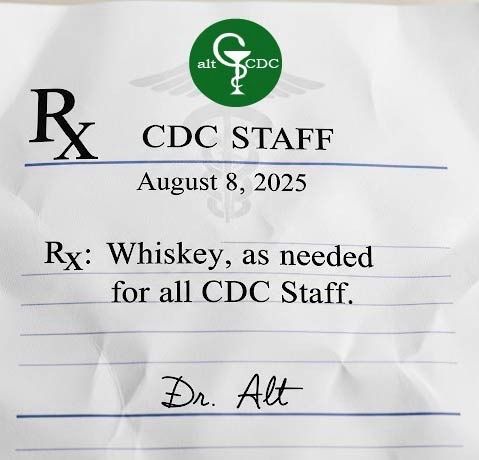
August 9, 2025 at 12:34 AM
Do I Need Walking or Running Shoes?
Walking shoes and running shoes are designed with different purposes in mind. Walking shoes typically offer firmer soles, greater arch support, and a focus on heel-to-toe movement. Running shoes, on the other hand, provide more cushioning, flexibility, and shock absorption to handle the higher impact of running. Wearing the wrong type of shoe can lead to discomfort or injury, over time. A podiatrist can assess your gait, foot structure, and activity level to help you select the most appropriate footwear. If you experience foot pain or need guidance on proper shoes for walking or running, it is suggested that you schedule a visit with a podiatrist who can treat various foot conditions, and guide you on what type of shoes to wear for your desired activity.  For more information about walking shoes versus running shoes, consult with Charles Oehrlein, DPM from Hoover Foot Care. Our practitioner can measure your feet to determine what your needs are and help you find an appropriate pair of footwear. Foot Health: The Differences between Walking & Running Shoes There are great ways to stay in shape: running and walking are two great exercises to a healthy lifestyle. It is important to know that running shoes and walking shoes are not interchangeable. There is a key difference on how the feet hit the ground when someone is running or walking. This is why one should be aware that a shoe is designed differently for each activity. You may be asking yourself what the real differences are between walking and running shoes and the answers may shock you. Differences Walking doesn’t involve as much stress or impact on the feet as running does. However, this doesn’t mean that you should be any less prepared. When you’re walking, you land on your heels and have your foot roll forward. This rolling motion requires additional support to the feet. Flexibility – Walking shoes are designed to have soft, flexible soles. This allows the walker to push off easily with each step. If you have any questions, please feel free to contact our office located in Hoover, Oneonta, and Munford, AL . We offer the newest diagnostic and treatment technologies for all your foot care needs. Read more about Differences between Walking and Running Shoes
dlvr.it
August 6, 2025 at 5:40 AM