



@ceciarce.bsky.social
Reposted

Executive wants to frame the NIH indirects cut as $4B in savings.
But given that NIH returns $2.5 on every $1 investment, this would actually cost US economy a net $6 BILLION (per year!). Not to mention the human costs of wrecking education and research sectors and the communities they serve.
But given that NIH returns $2.5 on every $1 investment, this would actually cost US economy a net $6 BILLION (per year!). Not to mention the human costs of wrecking education and research sectors and the communities they serve.
Direct Economic Contributions
NIH directly supports the economy through investments in research institutions and job formation.
www.nih.gov
February 8, 2025 at 3:08 AM
Executive wants to frame the NIH indirects cut as $4B in savings.
But given that NIH returns $2.5 on every $1 investment, this would actually cost US economy a net $6 BILLION (per year!). Not to mention the human costs of wrecking education and research sectors and the communities they serve.
But given that NIH returns $2.5 on every $1 investment, this would actually cost US economy a net $6 BILLION (per year!). Not to mention the human costs of wrecking education and research sectors and the communities they serve.
Congrats Sofia Carrera!
After 9 years in the making, it's finally out (!) White-faced capuchins with a stronger stress response to previous droughts were more likely to survive a severe El Niño drought. Kudos to the heroic efforts of first authors Sofia Carrera and Irene Godoy. www.science.org/doi/epdf/10....
Stress responsiveness in a wild primate predicts survival across an extreme El Niño drought
You have to enable JavaScript in your browser's settings in order to use the eReader.
www.science.org
March 19, 2025 at 4:13 PM
Congrats Sofia Carrera!
Reposted
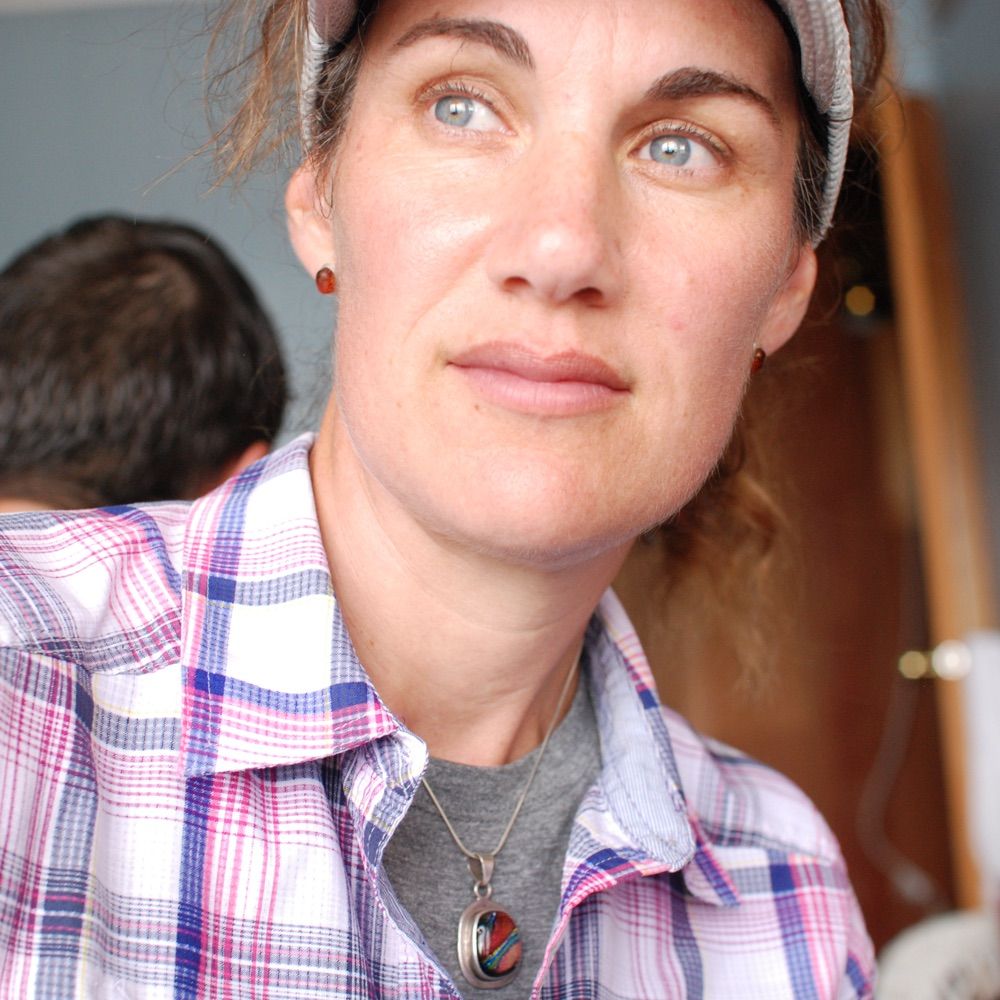
After 9 years in the making, it's finally out (!) White-faced capuchins with a stronger stress response to previous droughts were more likely to survive a severe El Niño drought. Kudos to the heroic efforts of first authors Sofia Carrera and Irene Godoy. www.science.org/doi/epdf/10....
Stress responsiveness in a wild primate predicts survival across an extreme El Niño drought
You have to enable JavaScript in your browser's settings in order to use the eReader.
www.science.org
January 22, 2025 at 7:54 PM
After 9 years in the making, it's finally out (!) White-faced capuchins with a stronger stress response to previous droughts were more likely to survive a severe El Niño drought. Kudos to the heroic efforts of first authors Sofia Carrera and Irene Godoy. www.science.org/doi/epdf/10....
Reposted

🧪 Check out our new paper in Sciences Advances! www.science.org/doi/10.1126/...
🐒 When a severe drought hit a population of wild monkeys in Costa Rica, individuals with a stronger stress response were more likely to survive
@jbeehner.bsky.social @irene-godoy.bsky.social
🐒 When a severe drought hit a population of wild monkeys in Costa Rica, individuals with a stronger stress response were more likely to survive
@jbeehner.bsky.social @irene-godoy.bsky.social

Stress responsiveness in a wild primate predicts survival across an extreme El Niño drought
White-faced capuchins with a stronger stress response to previous droughts were more likely to survive a severe El Niño drought.
www.science.org
January 22, 2025 at 9:34 PM
🧪 Check out our new paper in Sciences Advances! www.science.org/doi/10.1126/...
🐒 When a severe drought hit a population of wild monkeys in Costa Rica, individuals with a stronger stress response were more likely to survive
@jbeehner.bsky.social @irene-godoy.bsky.social
🐒 When a severe drought hit a population of wild monkeys in Costa Rica, individuals with a stronger stress response were more likely to survive
@jbeehner.bsky.social @irene-godoy.bsky.social