


Cascadian_Wildflowers
@cascadiawildflower.bsky.social
Your morning useless information about the various wild flowers of the cascadian provinces of Oregon, Washington, and Canada's British Columbia 🪴📷
Afternoon, Blueskyians
#wildlife #nature #wildflowers
The Western Lily (Lilium occidentale) is a are wildflower found in coastal bogs and wet meadows Jefferson bio-state It thrives in cool, foggy climates. Its vibrant red-orange blooms attract bees, butterflies, and even hummingbirds.
#wildlife #nature #wildflowers
The Western Lily (Lilium occidentale) is a are wildflower found in coastal bogs and wet meadows Jefferson bio-state It thrives in cool, foggy climates. Its vibrant red-orange blooms attract bees, butterflies, and even hummingbirds.


June 15, 2025 at 1:22 AM
Afternoon, Blueskyians
#wildlife #nature #wildflowers
The Western Lily (Lilium occidentale) is a are wildflower found in coastal bogs and wet meadows Jefferson bio-state It thrives in cool, foggy climates. Its vibrant red-orange blooms attract bees, butterflies, and even hummingbirds.
#wildlife #nature #wildflowers
The Western Lily (Lilium occidentale) is a are wildflower found in coastal bogs and wet meadows Jefferson bio-state It thrives in cool, foggy climates. Its vibrant red-orange blooms attract bees, butterflies, and even hummingbirds.
Noon, Blueskyians,
#cascadia #wildlife #nature
The Tiger Lily (Lilium columbianum) thrives in moist meadows and open woods. Native to Cascadia, it supports dozens of native bees and butterflies. Found from BC to northern California, it prefers well-drained but damp soils and partial sun.
🌺🦫
#cascadia #wildlife #nature
The Tiger Lily (Lilium columbianum) thrives in moist meadows and open woods. Native to Cascadia, it supports dozens of native bees and butterflies. Found from BC to northern California, it prefers well-drained but damp soils and partial sun.
🌺🦫


June 6, 2025 at 7:01 PM
My favorite beautiful flower :)

Wild lupine (Lupinus perennis) is in bloom in our prairie restoration experiment @kelloggbiostn.bsky.social

June 4, 2025 at 6:48 PM
My favorite beautiful flower :)
Heyo Blueskyians!
The Calypso Orchid (Calypso bulbosa), or Fairy Slipper, is a delicate pink wildflower found in Oregon’s shady conifer forests. Blooming in spring, it attracts up to 10 native bee species but offers no nectar tricking pollinators! How rude!
#wildflowers #Cascadia #Nature
The Calypso Orchid (Calypso bulbosa), or Fairy Slipper, is a delicate pink wildflower found in Oregon’s shady conifer forests. Blooming in spring, it attracts up to 10 native bee species but offers no nectar tricking pollinators! How rude!
#wildflowers #Cascadia #Nature


June 4, 2025 at 4:04 PM
Heyo Blueskyians!
The Calypso Orchid (Calypso bulbosa), or Fairy Slipper, is a delicate pink wildflower found in Oregon’s shady conifer forests. Blooming in spring, it attracts up to 10 native bee species but offers no nectar tricking pollinators! How rude!
#wildflowers #Cascadia #Nature
The Calypso Orchid (Calypso bulbosa), or Fairy Slipper, is a delicate pink wildflower found in Oregon’s shady conifer forests. Blooming in spring, it attracts up to 10 native bee species but offers no nectar tricking pollinators! How rude!
#wildflowers #Cascadia #Nature
Morning Blueskyians!
The Oregon Iris (Iris tenax), native to western Oregon, thrives in meadows and open woods, blooming in late spring. Its purpleish-blue attract bees and butterflies, and its tough, grass-like leaves were once used by Indigenous tribes for weaving strong cordage.
#wildflowers
The Oregon Iris (Iris tenax), native to western Oregon, thrives in meadows and open woods, blooming in late spring. Its purpleish-blue attract bees and butterflies, and its tough, grass-like leaves were once used by Indigenous tribes for weaving strong cordage.
#wildflowers


May 28, 2025 at 4:03 PM
Morning Blueskyians!
The Oregon Iris (Iris tenax), native to western Oregon, thrives in meadows and open woods, blooming in late spring. Its purpleish-blue attract bees and butterflies, and its tough, grass-like leaves were once used by Indigenous tribes for weaving strong cordage.
#wildflowers
The Oregon Iris (Iris tenax), native to western Oregon, thrives in meadows and open woods, blooming in late spring. Its purpleish-blue attract bees and butterflies, and its tough, grass-like leaves were once used by Indigenous tribes for weaving strong cordage.
#wildflowers
Hello Blueskyians!
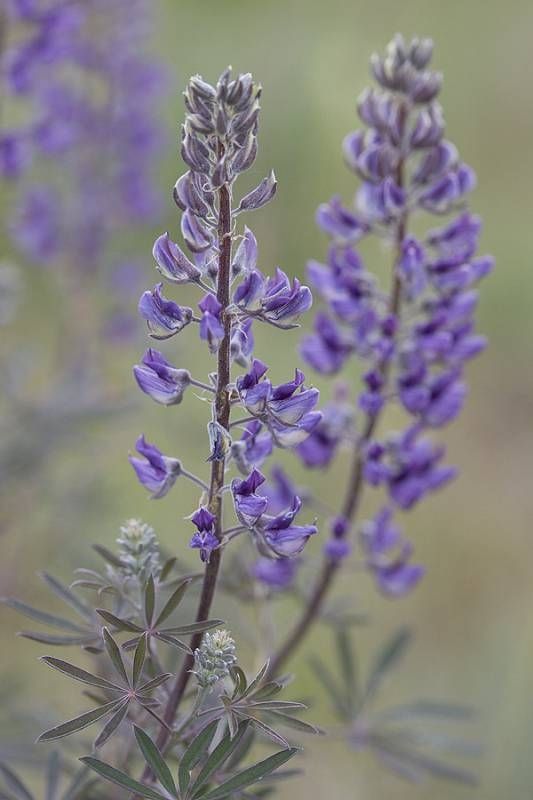
Today I would like to share a personal favorite of mine for starters, the Lupinus Albieaulus meaning either many leaved, or wolf leaved! It is also known as sicklekeel lupine, and is mostly found all across the western coast. It supports 19 species of bee, and 4 of butterfly!
Today I would like to share a personal favorite of mine for starters, the Lupinus Albieaulus meaning either many leaved, or wolf leaved! It is also known as sicklekeel lupine, and is mostly found all across the western coast. It supports 19 species of bee, and 4 of butterfly!


May 25, 2025 at 8:40 PM
Hello Blueskyians!
Today I would like to share a personal favorite of mine for starters, the Lupinus Albieaulus meaning either many leaved, or wolf leaved! It is also known as sicklekeel lupine, and is mostly found all across the western coast. It supports 19 species of bee, and 4 of butterfly!
Today I would like to share a personal favorite of mine for starters, the Lupinus Albieaulus meaning either many leaved, or wolf leaved! It is also known as sicklekeel lupine, and is mostly found all across the western coast. It supports 19 species of bee, and 4 of butterfly!