



Ciaran O'Hare
@cajohare.bsky.social
senior lecturer in astroparticle physics at sydney uni.
https://cajohare.com/
https://cajohare.com/
The break down of a recent Australian Research Council grant scheme by field of research. How kind of them to allow a few non-engineering grants this year...
And by the way: the ARC's Discovery program of grants is, according to them, intended to "fund fundamental, ‘blue sky’ research".
And by the way: the ARC's Discovery program of grants is, according to them, intended to "fund fundamental, ‘blue sky’ research".

November 25, 2025 at 2:07 AM
The break down of a recent Australian Research Council grant scheme by field of research. How kind of them to allow a few non-engineering grants this year...
And by the way: the ARC's Discovery program of grants is, according to them, intended to "fund fundamental, ‘blue sky’ research".
And by the way: the ARC's Discovery program of grants is, according to them, intended to "fund fundamental, ‘blue sky’ research".
Are stellar-mass primordial black holes ruled out as dark matter? Hawkins and Garcia-Bellido launch a barrage of criticisms at the OGLE microlensing survey analysis. Some of the language used in this paper makes me wince... arxiv.org/abs/2509.05400


September 10, 2025 at 12:06 AM
Are stellar-mass primordial black holes ruled out as dark matter? Hawkins and Garcia-Bellido launch a barrage of criticisms at the OGLE microlensing survey analysis. Some of the language used in this paper makes me wince... arxiv.org/abs/2509.05400
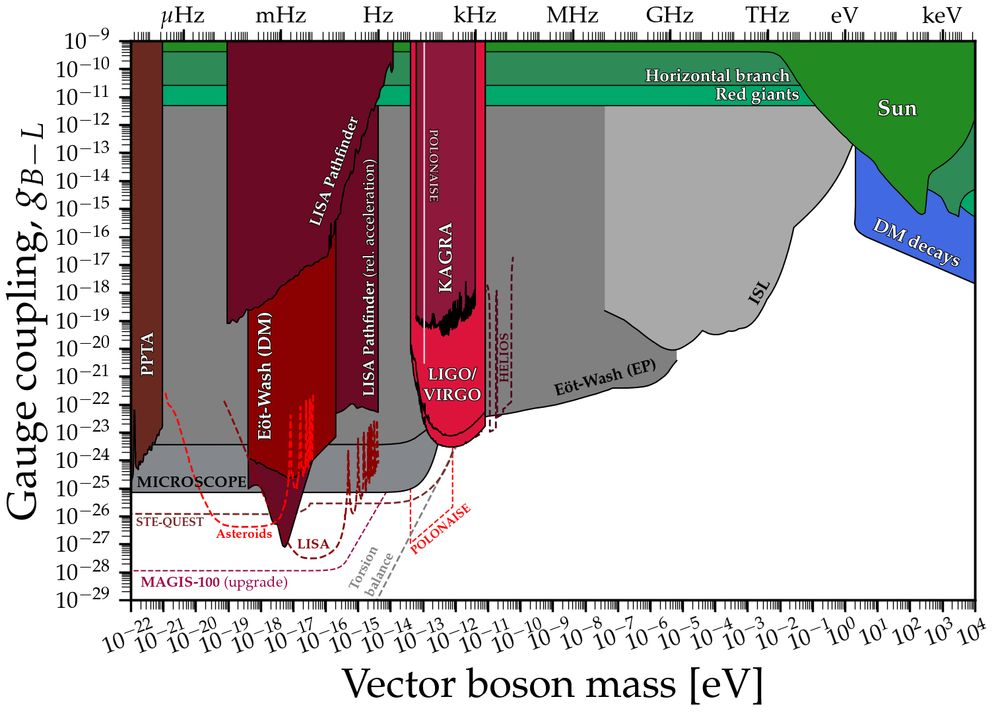
Finally, my GitHub repo is not all about axions! Many new results for dark photons, vector and scalar bosons also came out this year. I’ll leave you to go through my webpage to learn more… github.com/cajohare/Axi...



January 15, 2025 at 8:20 AM
Finally, my GitHub repo is not all about axions! Many new results for dark photons, vector and scalar bosons also came out this year. I’ll leave you to go through my webpage to learn more… github.com/cajohare/Axi...
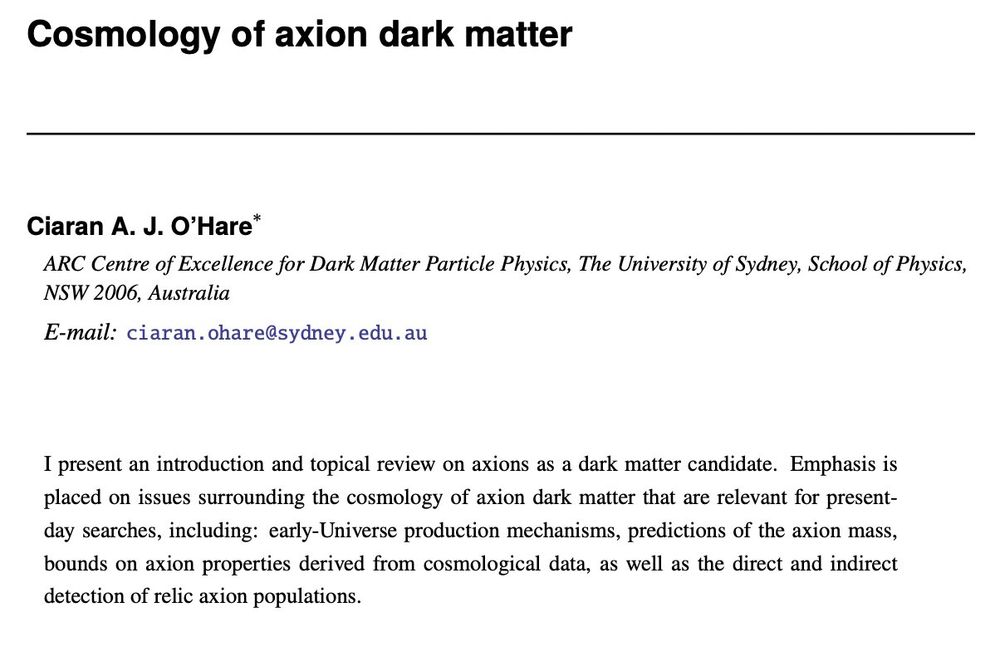
On that note I may as well plug a set of lecture notes I put out this year on axion cosmology. Go and read if you want to know more! arxiv.org/abs/2403.17697


January 15, 2025 at 8:20 AM
On that note I may as well plug a set of lecture notes I put out this year on axion cosmology. Go and read if you want to know more! arxiv.org/abs/2403.17697
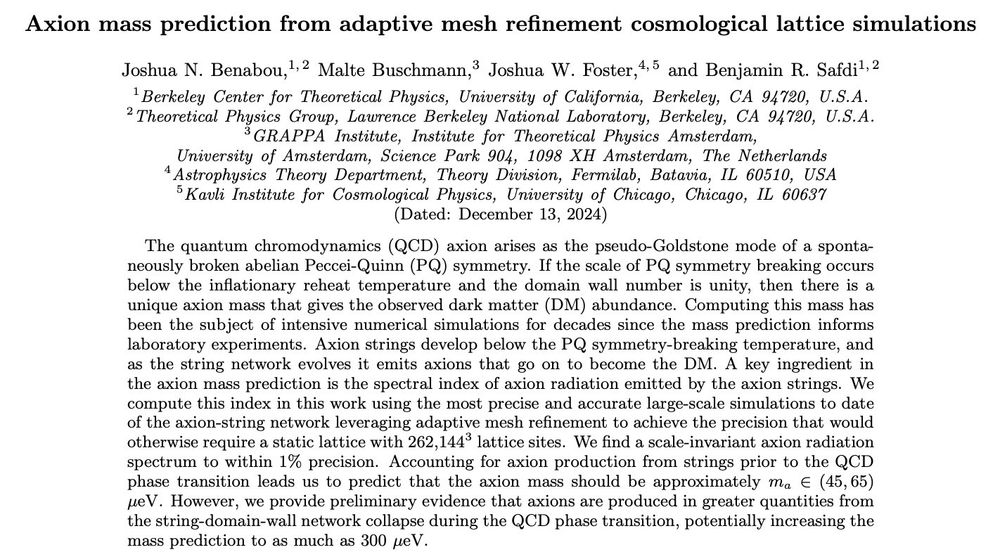
However making this prediction requires performing incredibly computationally expensive lattice simulations. The most sophisticated sims to date were presented this year by Saikawa et al (arxiv.org/abs/2401.17253) and Benabou et al. (arxiv.org/abs/2412.08699)


January 15, 2025 at 8:20 AM
However making this prediction requires performing incredibly computationally expensive lattice simulations. The most sophisticated sims to date were presented this year by Saikawa et al (arxiv.org/abs/2401.17253) and Benabou et al. (arxiv.org/abs/2412.08699)
There is also a huge effort on axion theory+cosmology. One highlight is simulations of the production of axion dark matter in the early Universe. It is in principle possible to predict the mass that axion must have for it to be consistent with all the dark matter in the universe

January 15, 2025 at 8:20 AM
There is also a huge effort on axion theory+cosmology. One highlight is simulations of the production of axion dark matter in the early Universe. It is in principle possible to predict the mass that axion must have for it to be consistent with all the dark matter in the universe
An experiment from Gavilan-Martin et al (arxiv.org/abs/2408.02668) went one step further and looked for axion waves acting across a 1000 km baseline by comparing two K-Rb-3He comagnetometers located in Poland and Germany.

January 15, 2025 at 8:20 AM
An experiment from Gavilan-Martin et al (arxiv.org/abs/2408.02668) went one step further and looked for axion waves acting across a 1000 km baseline by comparing two K-Rb-3He comagnetometers located in Poland and Germany.
It's also possible to search for axions if they couple to other particles. For example: axions can act on nucleon spins in a similar way to magnetic fields, and so comagnetometers can be repurposed as dark matter detectors. Here are the constraints on the coupling to the neutron:

January 15, 2025 at 8:20 AM
It's also possible to search for axions if they couple to other particles. For example: axions can act on nucleon spins in a similar way to magnetic fields, and so comagnetometers can be repurposed as dark matter detectors. Here are the constraints on the coupling to the neutron:
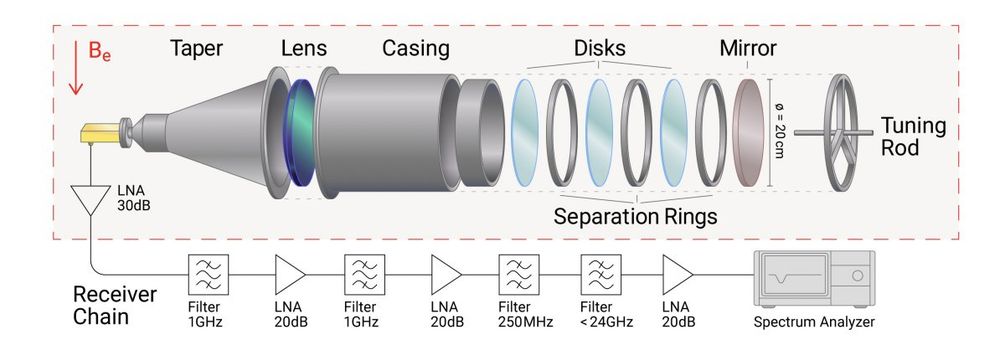
Another is MADMAX arxiv.org/abs/2409.11777, which is one of the most ambitious axion experiments currently being built. Its long-awaited first results came out this year from a smaller-scale prototype run.

January 15, 2025 at 8:20 AM
Another is MADMAX arxiv.org/abs/2409.11777, which is one of the most ambitious axion experiments currently being built. Its long-awaited first results came out this year from a smaller-scale prototype run.
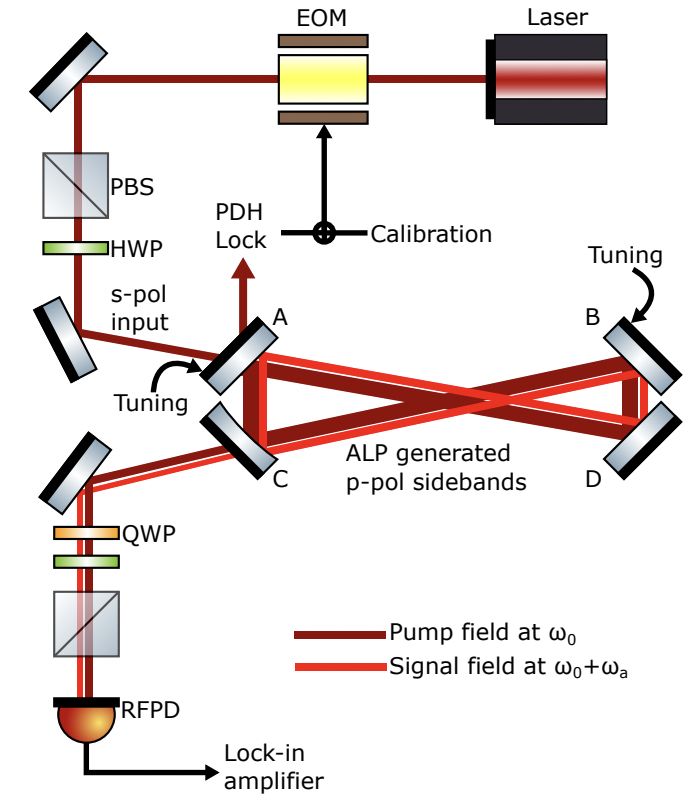
The cavity approach is the traditional one for looking for axions in the lab. But there are new groups exploring novel approaches who released first results this year. One is ADBC arxiv.org/abs/2404.12517 which uses lasers to search for the axion-induced birefringence effect

January 15, 2025 at 8:20 AM
The cavity approach is the traditional one for looking for axions in the lab. But there are new groups exploring novel approaches who released first results this year. One is ADBC arxiv.org/abs/2404.12517 which uses lasers to search for the axion-induced birefringence effect
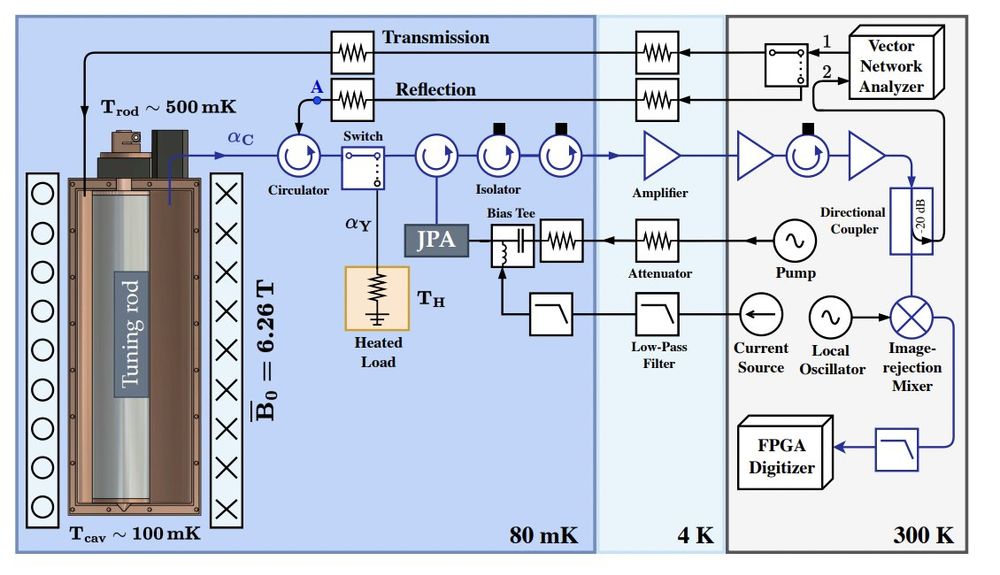
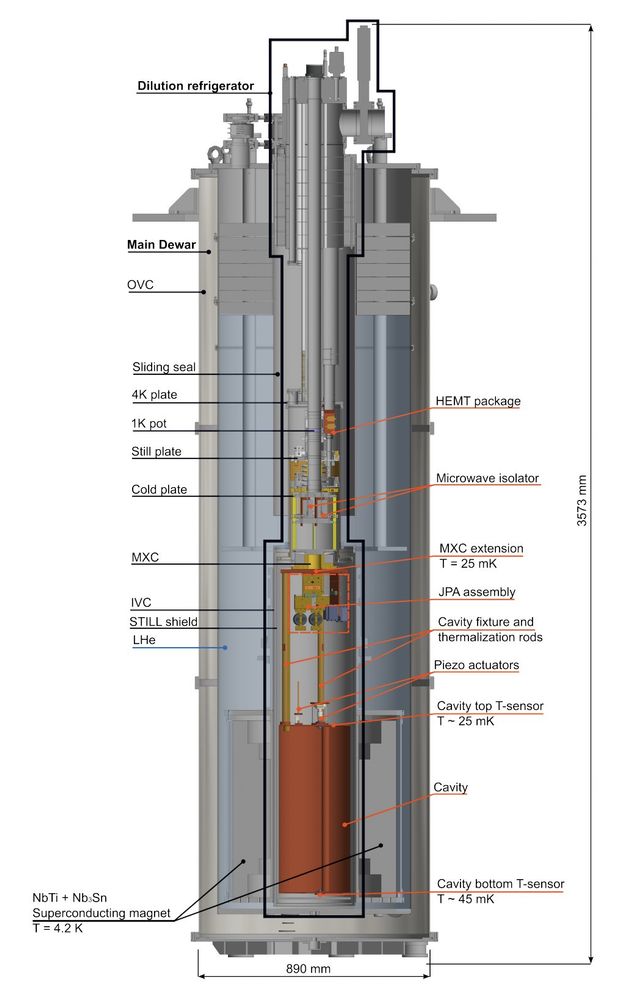
Some 2024 highlights: there were new results from ADMX, HAYSTAC, CAPP, RADES & ORGAN, using the resonant cavity approach. These are like radios where one has to tune them to just the right frequency to tap into the oscillations in the axion field we would be swimming through.

January 15, 2025 at 8:20 AM
Some 2024 highlights: there were new results from ADMX, HAYSTAC, CAPP, RADES & ORGAN, using the resonant cavity approach. These are like radios where one has to tune them to just the right frequency to tap into the oscillations in the axion field we would be swimming through.
Of course, what everyone would love to see is an experimental detection of axions here on Earth. While this has not happened yet, the global community interested in trying to do this has grown astonishingly fast in recent years. Look at all the experiments now on my map!

January 15, 2025 at 8:20 AM
Of course, what everyone would love to see is an experimental detection of axions here on Earth. While this has not happened yet, the global community interested in trying to do this has grown astonishingly fast in recent years. Look at all the experiments now on my map!
Various collaborations searched for axion dark matter in galaxy using this birefringence effect this year. Including CMB experiments like POLARBEAR as well as pulsar timing arrays like EPTA and PPTA

January 15, 2025 at 8:20 AM
Various collaborations searched for axion dark matter in galaxy using this birefringence effect this year. Including CMB experiments like POLARBEAR as well as pulsar timing arrays like EPTA and PPTA
If axions are extremely light then their decays to photons do not happen within the age of the Universe. However, the nature of the axion’s coupling to the photon means that dark matter halos act like a birefringent medium, causing the polarisation of passing photons to rotate.

January 15, 2025 at 8:20 AM
If axions are extremely light then their decays to photons do not happen within the age of the Universe. However, the nature of the axion’s coupling to the photon means that dark matter halos act like a birefringent medium, causing the polarisation of passing photons to rotate.
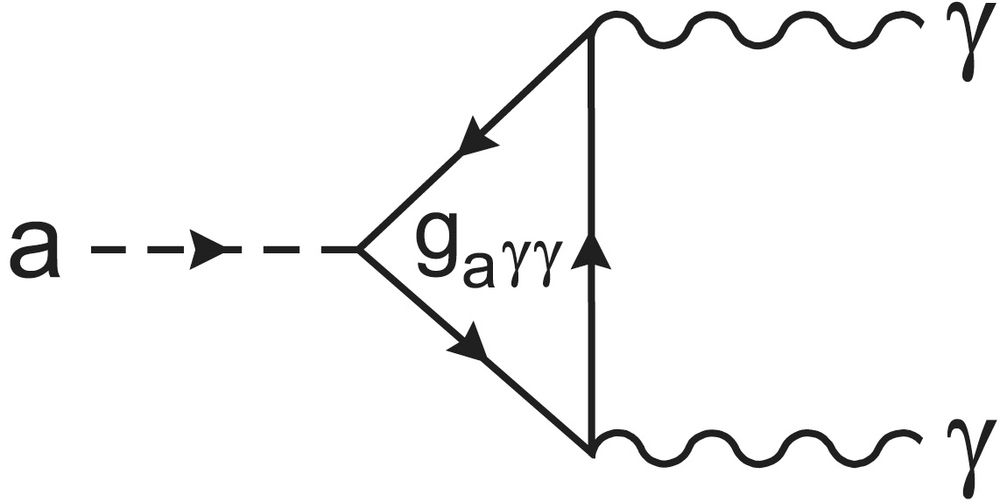
If axions are heavy, then they could simply decay into two photons with an energy equal to 1/2 the axion mass. Spectra from JWST, WINERED, HST, eROSITA and more (e.g. arxiv.org/abs/2407.10618) were used this year to look for this new spectral line in and around our galaxy


January 15, 2025 at 8:20 AM
If axions are heavy, then they could simply decay into two photons with an energy equal to 1/2 the axion mass. Spectra from JWST, WINERED, HST, eROSITA and more (e.g. arxiv.org/abs/2407.10618) were used this year to look for this new spectral line in and around our galaxy
Axions are also excellent dark matter candidates. If galaxies are indeed enveloped by halos of axions, then there are many more ways their existence might be revealed to us.

January 15, 2025 at 8:20 AM
Axions are also excellent dark matter candidates. If galaxies are indeed enveloped by halos of axions, then there are many more ways their existence might be revealed to us.
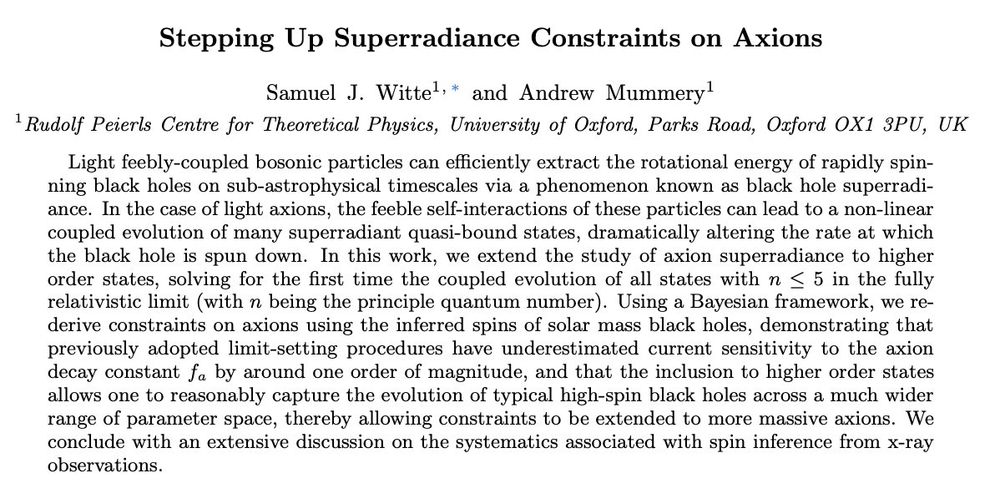
There has been a lot of debate in the literature about how to draw these constraints robustly. Many of these issues were settled in this thorough theoretical treatment of the axion cloud formation by Witte & Mummery arxiv.org/abs/2412.03655

January 15, 2025 at 8:20 AM
There has been a lot of debate in the literature about how to draw these constraints robustly. Many of these issues were settled in this thorough theoretical treatment of the axion cloud formation by Witte & Mummery arxiv.org/abs/2412.03655
A fascinating technique to exclude axions is to use the fact we see black holes spinning. If axions have a Compton wavelength similar to the Schwarzchild radius of a BH, then a cloud of them can be excited from the vacuum at the cost of the BH’s spin. This is called "superradiance"

January 15, 2025 at 8:20 AM
A fascinating technique to exclude axions is to use the fact we see black holes spinning. If axions have a Compton wavelength similar to the Schwarzchild radius of a BH, then a cloud of them can be excited from the vacuum at the cost of the BH’s spin. This is called "superradiance"
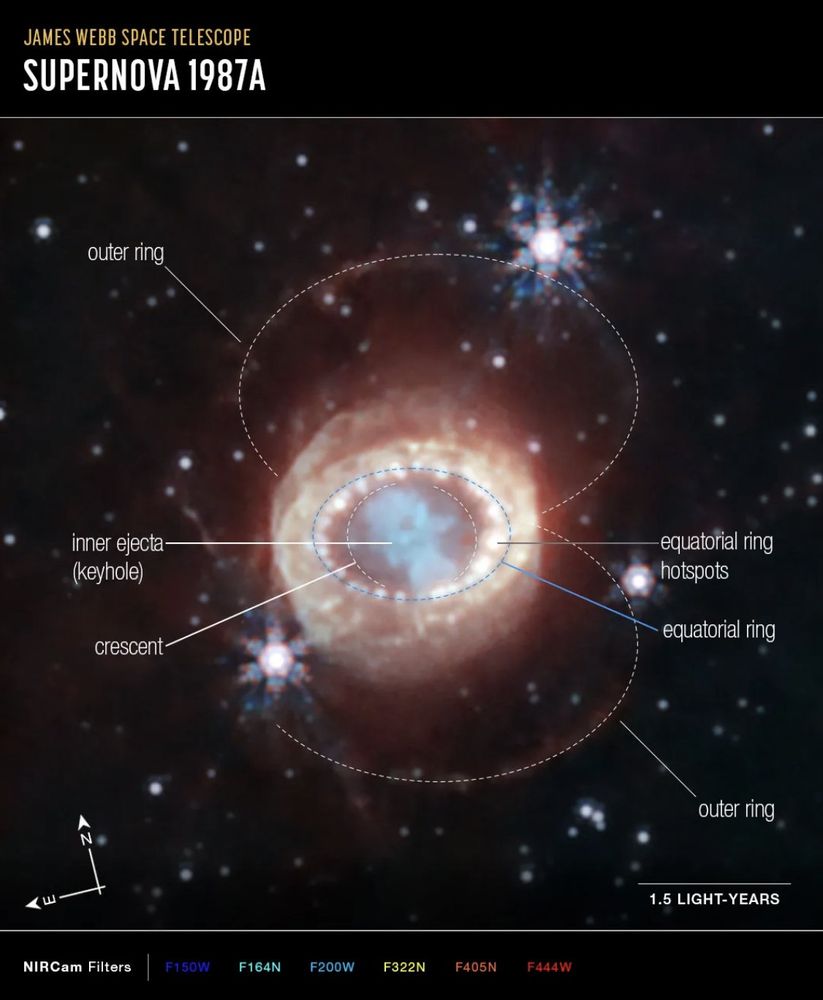
As an aside, it continues to amaze me how much a single event from almost 40 yrs ago is still one of the best laboratories for testing new physics. Needless to say, the next galactic supernova will be a major event and will generate a lot of papers (and maybe even a discovery?)
January 15, 2025 at 8:20 AM
As an aside, it continues to amaze me how much a single event from almost 40 yrs ago is still one of the best laboratories for testing new physics. Needless to say, the next galactic supernova will be a major event and will generate a lot of papers (and maybe even a discovery?)
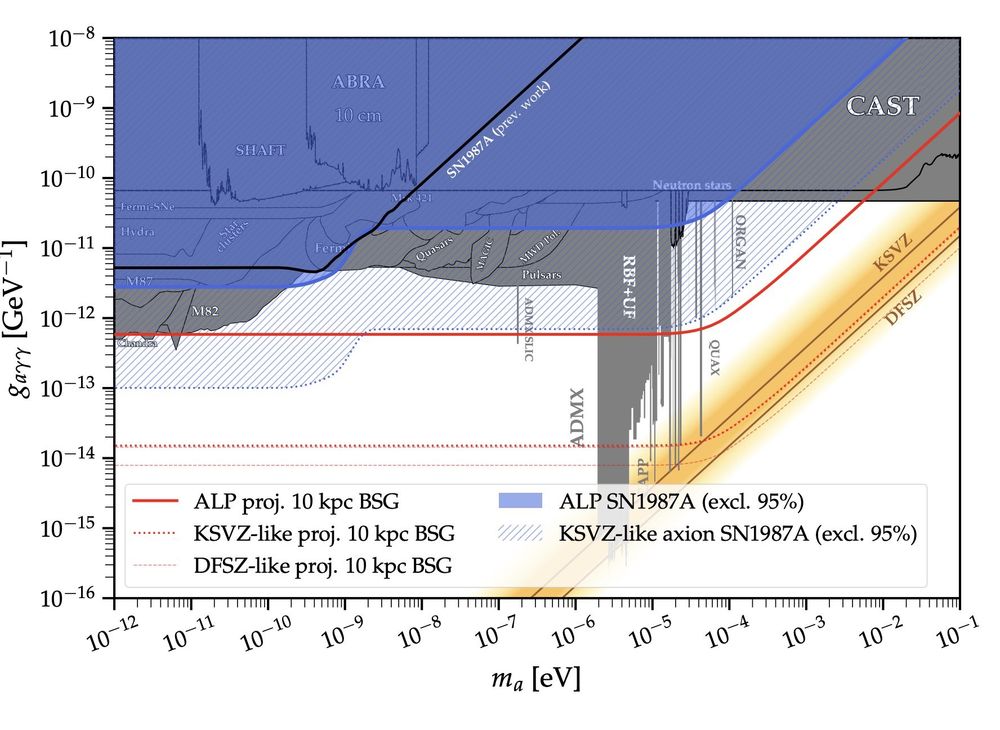
Manzari et al arxiv.org/abs/2405.19393 improved constraints from the 1987 Supernova. Axions produced in the explosion converting into photons would have been seen in a gamma-ray spectrometer on NASA’s Solar Maximum Mission which happened to be looking in that direction at the time
January 15, 2025 at 8:20 AM
Manzari et al arxiv.org/abs/2405.19393 improved constraints from the 1987 Supernova. Axions produced in the explosion converting into photons would have been seen in a gamma-ray spectrometer on NASA’s Solar Maximum Mission which happened to be looking in that direction at the time
It’s not all about high-energy astrophysics. This study by Goldstein et al arxiv.org/abs/2409.10514, explored how CMB photons could convert into axions as they traverse the Universe, leading to a “patchy screening” effect observable by cross-correlating the CMB with galaxy maps


January 15, 2025 at 8:20 AM
It’s not all about high-energy astrophysics. This study by Goldstein et al arxiv.org/abs/2409.10514, explored how CMB photons could convert into axions as they traverse the Universe, leading to a “patchy screening” effect observable by cross-correlating the CMB with galaxy maps
NuSTAR continues to prove itself to be one of the most useful instruments to search for axions. Another study by Ruz et al arxiv.org/abs/2407.03828 used data from the Sun to look for axions produced in the core, which its magnetic field would then convert into photons


January 15, 2025 at 8:20 AM
NuSTAR continues to prove itself to be one of the most useful instruments to search for axions. Another study by Ruz et al arxiv.org/abs/2407.03828 used data from the Sun to look for axions produced in the core, which its magnetic field would then convert into photons
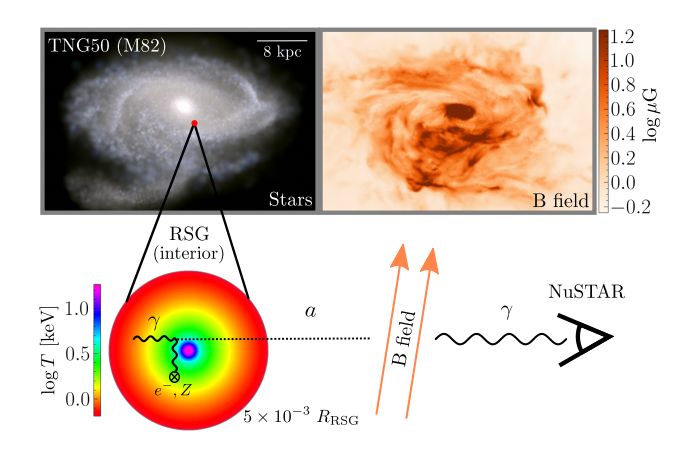
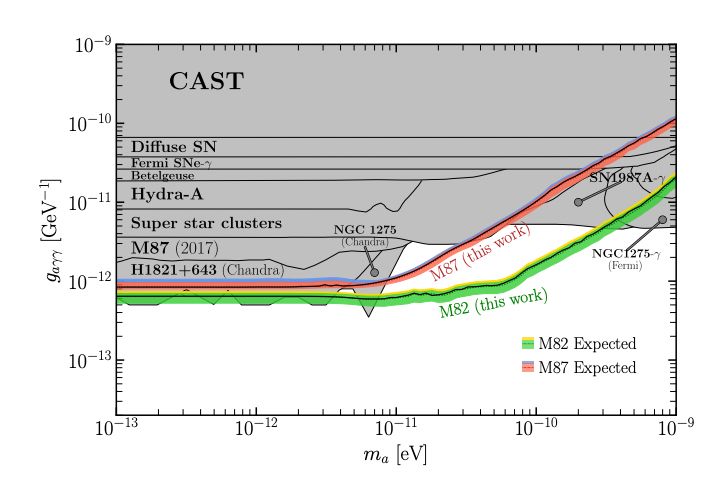
Several studies advanced these techniques this year, including this new strong constraint from Ning & Safdi arxiv.org/abs/2404.14476. They looked at data from the NuSTAR X-ray telescope to see if there was evidence of the starburst galaxy M82 producing axions.
January 15, 2025 at 8:20 AM
Several studies advanced these techniques this year, including this new strong constraint from Ning & Safdi arxiv.org/abs/2404.14476. They looked at data from the NuSTAR X-ray telescope to see if there was evidence of the starburst galaxy M82 producing axions.
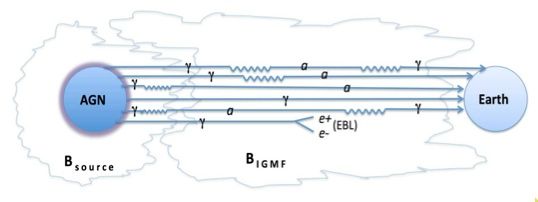
One of the best ways to find axions is to see if they are being produced in astrophysical environments. Axions can be generated by astrophysical plasmas, and in the presence of a background magnetic field, axions also exhibit a mixing phenomenon with the regular photon.
January 15, 2025 at 8:20 AM
One of the best ways to find axions is to see if they are being produced in astrophysical environments. Axions can be generated by astrophysical plasmas, and in the presence of a background magnetic field, axions also exhibit a mixing phenomenon with the regular photon.
I added over 50 new constraints this year, bringing the total number of refs in the library to around 500! Here is how the status of limits on the axion's coupling to the photon has advanced from 2020 until now... In this thread I'll go through some personal highlights from 2024

January 15, 2025 at 8:20 AM
I added over 50 new constraints this year, bringing the total number of refs in the library to around 500! Here is how the status of limits on the axion's coupling to the photon has advanced from 2020 until now... In this thread I'll go through some personal highlights from 2024