



@bananajoker.bsky.social
Reposted

As I'm preparing new lecture material, I'm reminded again of what a wonderful ressource the @biodivlibrary.bsky.social is! It's the world’s largest open access digital library for biodiversity literature and archives and it is well worth a visit (the images and the thematic collections are amazing)💚

September 16, 2025 at 12:53 AM
As I'm preparing new lecture material, I'm reminded again of what a wonderful ressource the @biodivlibrary.bsky.social is! It's the world’s largest open access digital library for biodiversity literature and archives and it is well worth a visit (the images and the thematic collections are amazing)💚
Reposted

🌍❄️ New paper out! Early primates didn’t just thrive in tropical forests, they evolved and dispersed through cold & temperate climates 🐒🧊
Enjoyed being part of this collaboration led by @avaria_jorge! doi.org/10.1073/pnas...
Enjoyed being part of this collaboration led by @avaria_jorge! doi.org/10.1073/pnas...
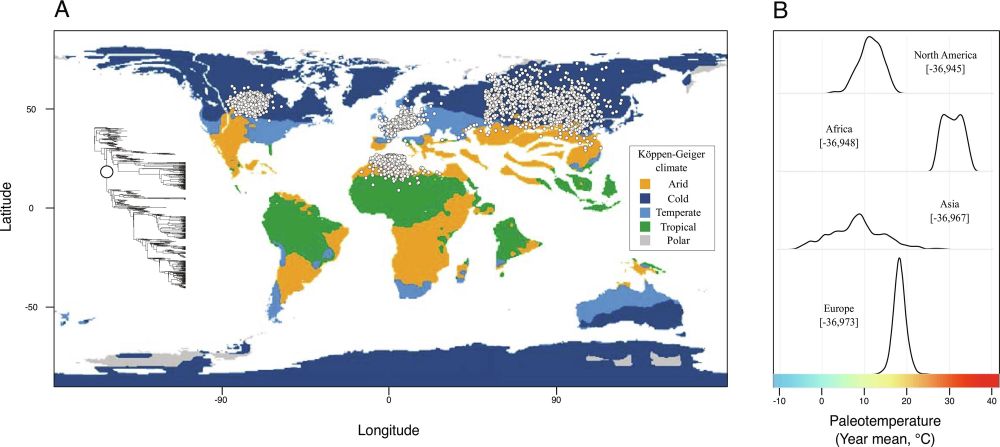
The radiation and geographic expansion of primates through diverse climates | PNAS
One of the most influential hypotheses about primate evolution postulates that their
origin, radiation, and major dispersals were associated with e...
doi.org
August 6, 2025 at 7:37 AM
🌍❄️ New paper out! Early primates didn’t just thrive in tropical forests, they evolved and dispersed through cold & temperate climates 🐒🧊
Enjoyed being part of this collaboration led by @avaria_jorge! doi.org/10.1073/pnas...
Enjoyed being part of this collaboration led by @avaria_jorge! doi.org/10.1073/pnas...
Reposted
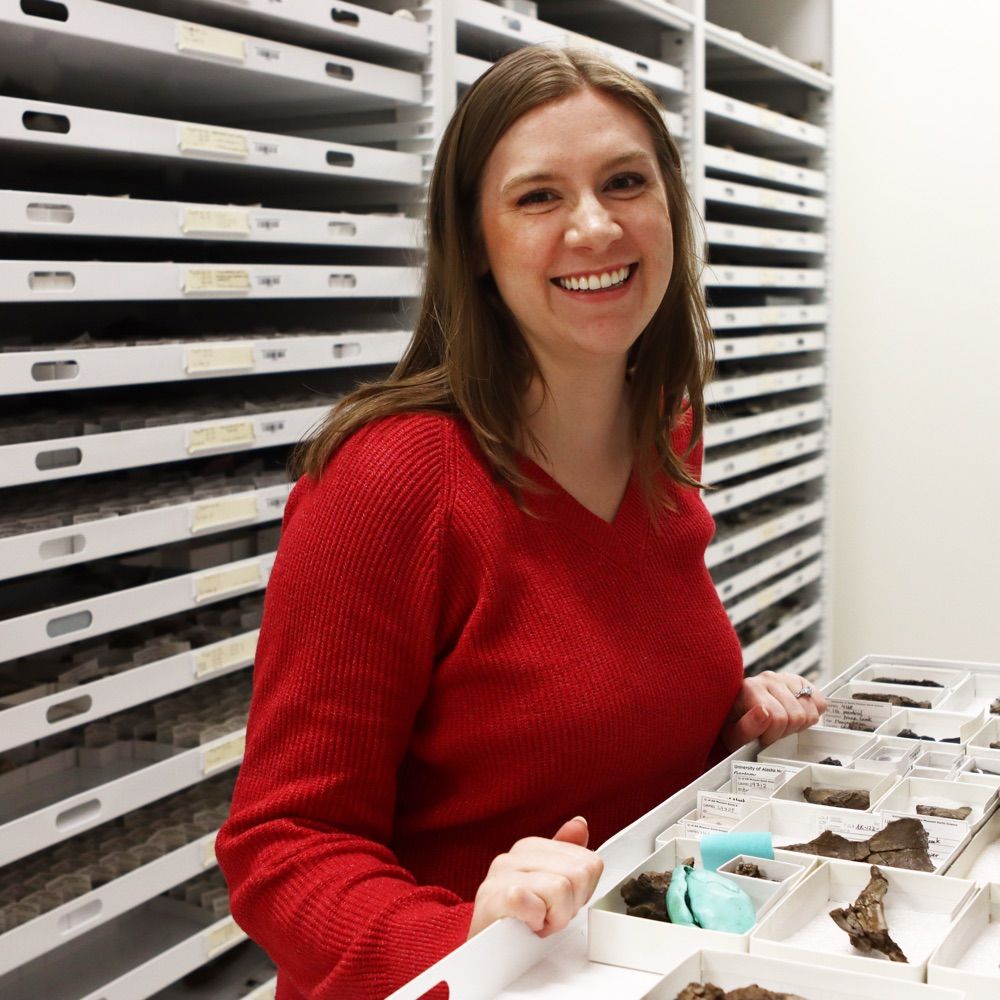
Need to predict an unknown trait, like body size, for extinct species? Use phylogenies! A new paper by colleagues from the @uniofreading.bsky.social and Montana State demonstrates that phylogenetic prediction is more accurate than regression formulae.
doi.org/10.1038/s414...
doi.org/10.1038/s414...

Phylogenetically informed predictions outperform predictive equations in real and simulated data - Nature Communications
Phylogenetically informed predictions account for phylogenetic relationships among species while predicting unknown trait values. Here, the authors critically compare this approach with equations deri...
doi.org
July 4, 2025 at 9:14 PM
Need to predict an unknown trait, like body size, for extinct species? Use phylogenies! A new paper by colleagues from the @uniofreading.bsky.social and Montana State demonstrates that phylogenetic prediction is more accurate than regression formulae.
doi.org/10.1038/s414...
doi.org/10.1038/s414...
Reposted
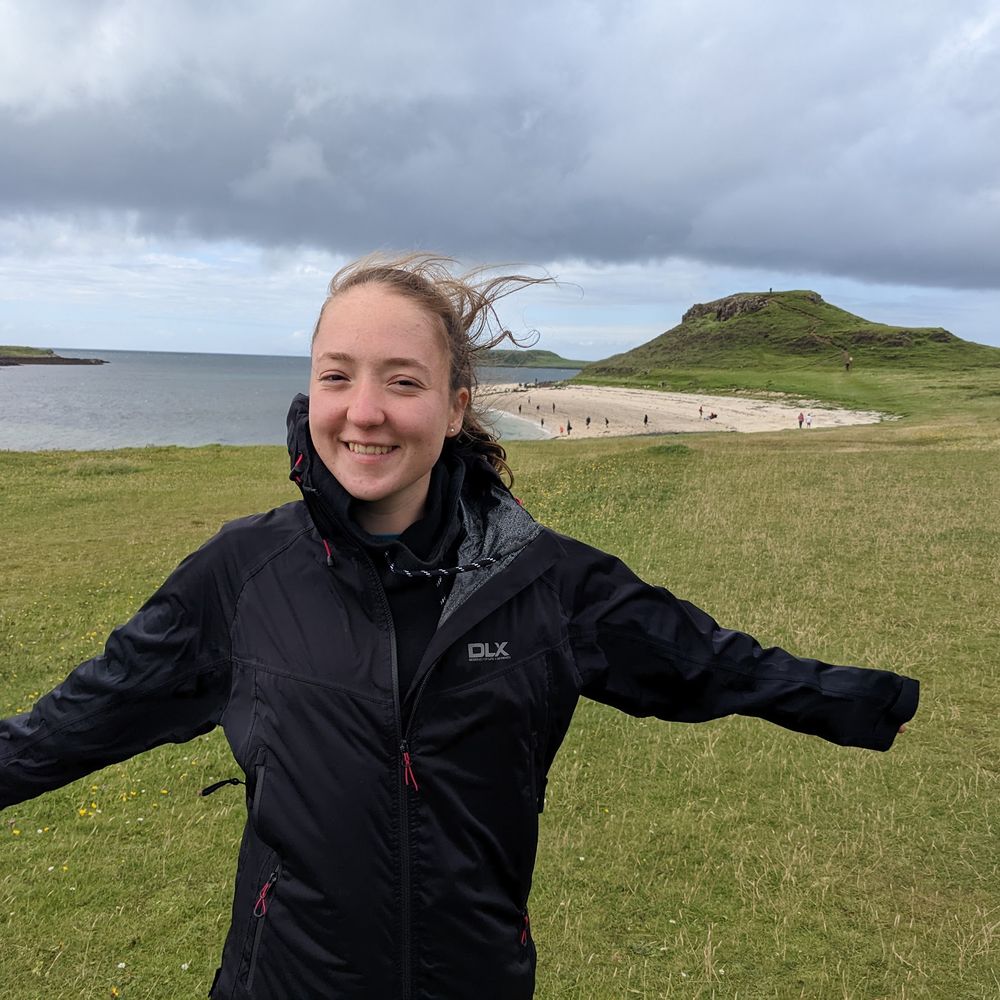
New paper!
"Threat reduction must be coupled with targeted recovery programmes to conserve global bird diversity" www.nature.com/articles/s41....
Great working with @mgs-cielo-azul.bsky.social, @josephtobias.bsky.social, @cpcarmona.bsky.social, @expecocons.bsky.social, Chris Venditti and Jo Baker.
"Threat reduction must be coupled with targeted recovery programmes to conserve global bird diversity" www.nature.com/articles/s41....
Great working with @mgs-cielo-azul.bsky.social, @josephtobias.bsky.social, @cpcarmona.bsky.social, @expecocons.bsky.social, Chris Venditti and Jo Baker.

Threat reduction must be coupled with targeted recovery programmes to conserve global bird diversity - Nature Ecology & Evolution
Projections of extinctions of bird species and losses of functional diversity over the next 100 years suggest that even immediate and widespread threat abatement would be insufficient to prevent losse...
www.nature.com
June 24, 2025 at 9:54 AM
New paper!
"Threat reduction must be coupled with targeted recovery programmes to conserve global bird diversity" www.nature.com/articles/s41....
Great working with @mgs-cielo-azul.bsky.social, @josephtobias.bsky.social, @cpcarmona.bsky.social, @expecocons.bsky.social, Chris Venditti and Jo Baker.
"Threat reduction must be coupled with targeted recovery programmes to conserve global bird diversity" www.nature.com/articles/s41....
Great working with @mgs-cielo-azul.bsky.social, @josephtobias.bsky.social, @cpcarmona.bsky.social, @expecocons.bsky.social, Chris Venditti and Jo Baker.