



20. One Day, Everyone Will Have Always Been Against This by Omar El Akkad
If you've raged at society turning a blind eye to genocide and lost patience with liberal hand-wringing about "complexity," this book is a cathartic read, a snapshot of the dissonance of living in the heart of empire in 2025.
If you've raged at society turning a blind eye to genocide and lost patience with liberal hand-wringing about "complexity," this book is a cathartic read, a snapshot of the dissonance of living in the heart of empire in 2025.

November 26, 2025 at 3:58 AM
20. One Day, Everyone Will Have Always Been Against This by Omar El Akkad
If you've raged at society turning a blind eye to genocide and lost patience with liberal hand-wringing about "complexity," this book is a cathartic read, a snapshot of the dissonance of living in the heart of empire in 2025.
If you've raged at society turning a blind eye to genocide and lost patience with liberal hand-wringing about "complexity," this book is a cathartic read, a snapshot of the dissonance of living in the heart of empire in 2025.
19. Authority By Andrea Long Chu
What is the task of the art critic? "To restore the work of art to its original worldliness. The artist creates by removing something from the world; the critic’s job is to put it back."
Two new essays on criticism, plus a couple dozen republished hits.
What is the task of the art critic? "To restore the work of art to its original worldliness. The artist creates by removing something from the world; the critic’s job is to put it back."
Two new essays on criticism, plus a couple dozen republished hits.

November 22, 2025 at 9:16 PM
19. Authority By Andrea Long Chu
What is the task of the art critic? "To restore the work of art to its original worldliness. The artist creates by removing something from the world; the critic’s job is to put it back."
Two new essays on criticism, plus a couple dozen republished hits.
What is the task of the art critic? "To restore the work of art to its original worldliness. The artist creates by removing something from the world; the critic’s job is to put it back."
Two new essays on criticism, plus a couple dozen republished hits.
18. Authority by Jeff Vandermeer
A time capsule of left-liberal concerns of 2014: the futility of change given the bureaucracy & conspiracy of the State, surveillance & "brainwashing."
Book 1's narrator's interior drama was rich & unusual, while Book 2's narrator's emotional arc felt well-trodden.
A time capsule of left-liberal concerns of 2014: the futility of change given the bureaucracy & conspiracy of the State, surveillance & "brainwashing."
Book 1's narrator's interior drama was rich & unusual, while Book 2's narrator's emotional arc felt well-trodden.

November 22, 2025 at 7:07 PM
18. Authority by Jeff Vandermeer
A time capsule of left-liberal concerns of 2014: the futility of change given the bureaucracy & conspiracy of the State, surveillance & "brainwashing."
Book 1's narrator's interior drama was rich & unusual, while Book 2's narrator's emotional arc felt well-trodden.
A time capsule of left-liberal concerns of 2014: the futility of change given the bureaucracy & conspiracy of the State, surveillance & "brainwashing."
Book 1's narrator's interior drama was rich & unusual, while Book 2's narrator's emotional arc felt well-trodden.
17. The 18th Brumaire of Louis Bonaparte by Marx
Universal suffrage poses a problem for capitalists: how do you retain power & manage class contradictions? Marx untangles these tensions in the "farce" of 1848-1852 France
Beautiful writing, good insight into Marx's thinking on politics & the state
Universal suffrage poses a problem for capitalists: how do you retain power & manage class contradictions? Marx untangles these tensions in the "farce" of 1848-1852 France
Beautiful writing, good insight into Marx's thinking on politics & the state

November 12, 2025 at 2:48 PM
17. The 18th Brumaire of Louis Bonaparte by Marx
Universal suffrage poses a problem for capitalists: how do you retain power & manage class contradictions? Marx untangles these tensions in the "farce" of 1848-1852 France
Beautiful writing, good insight into Marx's thinking on politics & the state
Universal suffrage poses a problem for capitalists: how do you retain power & manage class contradictions? Marx untangles these tensions in the "farce" of 1848-1852 France
Beautiful writing, good insight into Marx's thinking on politics & the state
Compare Engels with Hegel:
"When we look more closely, the impositions on any finite thing aren’t merely external; their own nature is the cause of their negation, transforming them into their opposite... Life as such carries within it the germ of death"
redsails.org/dialectics/
"When we look more closely, the impositions on any finite thing aren’t merely external; their own nature is the cause of their negation, transforming them into their opposite... Life as such carries within it the germ of death"
redsails.org/dialectics/

October 12, 2025 at 5:16 PM
Compare Engels with Hegel:
"When we look more closely, the impositions on any finite thing aren’t merely external; their own nature is the cause of their negation, transforming them into their opposite... Life as such carries within it the germ of death"
redsails.org/dialectics/
"When we look more closely, the impositions on any finite thing aren’t merely external; their own nature is the cause of their negation, transforming them into their opposite... Life as such carries within it the germ of death"
redsails.org/dialectics/
16. The Death & Life of Great American Cities by Jane Jacobs
Why do some cities thrive while others decay? Jacobs' approach is (unwittingly?) dialectical—cities are characterized by dynamic, organized complexity
Her critique misses the big picture of capitalism (her inheritors include Hayekians!)
Why do some cities thrive while others decay? Jacobs' approach is (unwittingly?) dialectical—cities are characterized by dynamic, organized complexity
Her critique misses the big picture of capitalism (her inheritors include Hayekians!)

October 12, 2025 at 2:43 PM
16. The Death & Life of Great American Cities by Jane Jacobs
Why do some cities thrive while others decay? Jacobs' approach is (unwittingly?) dialectical—cities are characterized by dynamic, organized complexity
Her critique misses the big picture of capitalism (her inheritors include Hayekians!)
Why do some cities thrive while others decay? Jacobs' approach is (unwittingly?) dialectical—cities are characterized by dynamic, organized complexity
Her critique misses the big picture of capitalism (her inheritors include Hayekians!)
Glad you find it useful! 😊
October 12, 2025 at 12:36 PM
Glad you find it useful! 😊
15. Canada's Long Fight [or War?] Against Democracy by Yves Engler and Owen Schalk
Reads hastily put together. It's a rundown of Canada's foreign meddling, with little structure or drawing out of major themes. The publisher can't even keep the title straight
Read Shipley's book (see above) instead
Reads hastily put together. It's a rundown of Canada's foreign meddling, with little structure or drawing out of major themes. The publisher can't even keep the title straight
Read Shipley's book (see above) instead

October 11, 2025 at 5:26 PM
15. Canada's Long Fight [or War?] Against Democracy by Yves Engler and Owen Schalk
Reads hastily put together. It's a rundown of Canada's foreign meddling, with little structure or drawing out of major themes. The publisher can't even keep the title straight
Read Shipley's book (see above) instead
Reads hastily put together. It's a rundown of Canada's foreign meddling, with little structure or drawing out of major themes. The publisher can't even keep the title straight
Read Shipley's book (see above) instead
14. Canada In The World by Tyler Shipley
Shipley traces the consistency in Canada's founding capitalist & colonialist ideology, from its genocide of First Nations to its anti-communist and imperialist geopolitics of today
Great "counter-history" of Canada, I'd recommend it as an intro for leftists
Shipley traces the consistency in Canada's founding capitalist & colonialist ideology, from its genocide of First Nations to its anti-communist and imperialist geopolitics of today
Great "counter-history" of Canada, I'd recommend it as an intro for leftists

October 11, 2025 at 5:08 PM
14. Canada In The World by Tyler Shipley
Shipley traces the consistency in Canada's founding capitalist & colonialist ideology, from its genocide of First Nations to its anti-communist and imperialist geopolitics of today
Great "counter-history" of Canada, I'd recommend it as an intro for leftists
Shipley traces the consistency in Canada's founding capitalist & colonialist ideology, from its genocide of First Nations to its anti-communist and imperialist geopolitics of today
Great "counter-history" of Canada, I'd recommend it as an intro for leftists
13. Ti Amo by Hanne Ørstavik
A devastating story about love and grief, based on the author's own experience losing her partner to cancer.
The inability of the two characters to talk about death grows a gulf between them, and they each tragically deal with their pain emotionally alone.
A devastating story about love and grief, based on the author's own experience losing her partner to cancer.
The inability of the two characters to talk about death grows a gulf between them, and they each tragically deal with their pain emotionally alone.

October 10, 2025 at 4:16 PM
13. Ti Amo by Hanne Ørstavik
A devastating story about love and grief, based on the author's own experience losing her partner to cancer.
The inability of the two characters to talk about death grows a gulf between them, and they each tragically deal with their pain emotionally alone.
A devastating story about love and grief, based on the author's own experience losing her partner to cancer.
The inability of the two characters to talk about death grows a gulf between them, and they each tragically deal with their pain emotionally alone.
12. The Knowledge Economy and Socialism by Agustín Lage Dávila
In capitalism, knowledge itself has been privatized. Knowledge shares many similarities with other commodities, but there are also meaningful differences. The author reports what Cuba has learned about knowledge production in socialism.
In capitalism, knowledge itself has been privatized. Knowledge shares many similarities with other commodities, but there are also meaningful differences. The author reports what Cuba has learned about knowledge production in socialism.

October 8, 2025 at 2:11 PM
12. The Knowledge Economy and Socialism by Agustín Lage Dávila
In capitalism, knowledge itself has been privatized. Knowledge shares many similarities with other commodities, but there are also meaningful differences. The author reports what Cuba has learned about knowledge production in socialism.
In capitalism, knowledge itself has been privatized. Knowledge shares many similarities with other commodities, but there are also meaningful differences. The author reports what Cuba has learned about knowledge production in socialism.
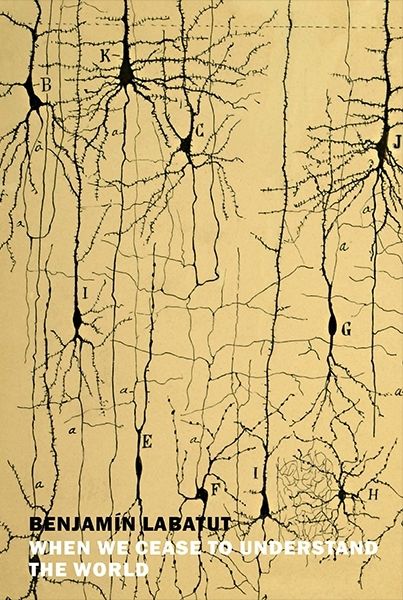
11. When We Cease to Understand the World by Benjamín Labatut
Blending fiction, history & personal essay, the author explores the interconnection of science & society
The characters are scientists, but their struggles are broader: How do you keep going when all you once knew proves to be wrong?
Blending fiction, history & personal essay, the author explores the interconnection of science & society
The characters are scientists, but their struggles are broader: How do you keep going when all you once knew proves to be wrong?
September 17, 2025 at 4:35 PM
11. When We Cease to Understand the World by Benjamín Labatut
Blending fiction, history & personal essay, the author explores the interconnection of science & society
The characters are scientists, but their struggles are broader: How do you keep going when all you once knew proves to be wrong?
Blending fiction, history & personal essay, the author explores the interconnection of science & society
The characters are scientists, but their struggles are broader: How do you keep going when all you once knew proves to be wrong?
10. Meditations by Marcus Aurelius
There are 3 ways to read this book:
– as life advice (not recommended)
– as an influential work: how did this shape Western culture?
– as psychological mystery: who was this man who wrote these repetitive private notes, phrasing his frustrations so abstractly?
There are 3 ways to read this book:
– as life advice (not recommended)
– as an influential work: how did this shape Western culture?
– as psychological mystery: who was this man who wrote these repetitive private notes, phrasing his frustrations so abstractly?

September 17, 2025 at 1:57 PM
10. Meditations by Marcus Aurelius
There are 3 ways to read this book:
– as life advice (not recommended)
– as an influential work: how did this shape Western culture?
– as psychological mystery: who was this man who wrote these repetitive private notes, phrasing his frustrations so abstractly?
There are 3 ways to read this book:
– as life advice (not recommended)
– as an influential work: how did this shape Western culture?
– as psychological mystery: who was this man who wrote these repetitive private notes, phrasing his frustrations so abstractly?
9. The Iron Heel by Jack London
Unabashedly socialist dystopian SciFi novel. Published in 1908, it is a remarkably prescient tale of a liberal capitalist country sliding into violently oppressive oligarchy. Very fun.
My long-form review here: dialibra.org/reviews/the-...
Unabashedly socialist dystopian SciFi novel. Published in 1908, it is a remarkably prescient tale of a liberal capitalist country sliding into violently oppressive oligarchy. Very fun.
My long-form review here: dialibra.org/reviews/the-...

August 20, 2025 at 2:31 PM
9. The Iron Heel by Jack London
Unabashedly socialist dystopian SciFi novel. Published in 1908, it is a remarkably prescient tale of a liberal capitalist country sliding into violently oppressive oligarchy. Very fun.
My long-form review here: dialibra.org/reviews/the-...
Unabashedly socialist dystopian SciFi novel. Published in 1908, it is a remarkably prescient tale of a liberal capitalist country sliding into violently oppressive oligarchy. Very fun.
My long-form review here: dialibra.org/reviews/the-...
8. Becoming Kin by Patty Krawec
After centuries of genocide, how can settlers and indigenous people in Canada and the US live together as Kin? Krawec urges different understandings of community & land. Each essay ends with an aambe ("let's go!"), a little piece of practical homework for the reader.
After centuries of genocide, how can settlers and indigenous people in Canada and the US live together as Kin? Krawec urges different understandings of community & land. Each essay ends with an aambe ("let's go!"), a little piece of practical homework for the reader.

July 24, 2025 at 2:25 PM
8. Becoming Kin by Patty Krawec
After centuries of genocide, how can settlers and indigenous people in Canada and the US live together as Kin? Krawec urges different understandings of community & land. Each essay ends with an aambe ("let's go!"), a little piece of practical homework for the reader.
After centuries of genocide, how can settlers and indigenous people in Canada and the US live together as Kin? Krawec urges different understandings of community & land. Each essay ends with an aambe ("let's go!"), a little piece of practical homework for the reader.
7. Our History Is The Future by Nick Estes
History of indigenous resistance. Chapters 1, 5 & 6 on NoDAPL, 20th c. radical movements and internationalism stand out since these topics are particularly underreported.
Light on philosophy and on outlining a path for the future, but a useful reference.
History of indigenous resistance. Chapters 1, 5 & 6 on NoDAPL, 20th c. radical movements and internationalism stand out since these topics are particularly underreported.
Light on philosophy and on outlining a path for the future, but a useful reference.

June 5, 2025 at 9:02 PM
7. Our History Is The Future by Nick Estes
History of indigenous resistance. Chapters 1, 5 & 6 on NoDAPL, 20th c. radical movements and internationalism stand out since these topics are particularly underreported.
Light on philosophy and on outlining a path for the future, but a useful reference.
History of indigenous resistance. Chapters 1, 5 & 6 on NoDAPL, 20th c. radical movements and internationalism stand out since these topics are particularly underreported.
Light on philosophy and on outlining a path for the future, but a useful reference.
6. The Gadfly by E.L. Voynich
A novel about revolutionaries written by a revolutionary.
Voynich explores the emotional aspects of radical organizing and the way the personal and the political intertwine.
Some parts have aged poorly, but the climactic philosophical debate was excellent.
A novel about revolutionaries written by a revolutionary.
Voynich explores the emotional aspects of radical organizing and the way the personal and the political intertwine.
Some parts have aged poorly, but the climactic philosophical debate was excellent.

June 4, 2025 at 1:51 PM
6. The Gadfly by E.L. Voynich
A novel about revolutionaries written by a revolutionary.
Voynich explores the emotional aspects of radical organizing and the way the personal and the political intertwine.
Some parts have aged poorly, but the climactic philosophical debate was excellent.
A novel about revolutionaries written by a revolutionary.
Voynich explores the emotional aspects of radical organizing and the way the personal and the political intertwine.
Some parts have aged poorly, but the climactic philosophical debate was excellent.
5. The Poverty of Philosophy by Karl Marx
A brutal takedown of Proudhon, whose petty-bourgeois ideas continue to be re-invented on the left.
Assumes familiarity with Proudhon's work; Marx's Inferno (see above) provides helpful context.
Reads like an early draft of Capital. Some great lines.
A brutal takedown of Proudhon, whose petty-bourgeois ideas continue to be re-invented on the left.
Assumes familiarity with Proudhon's work; Marx's Inferno (see above) provides helpful context.
Reads like an early draft of Capital. Some great lines.

June 3, 2025 at 1:33 PM
5. The Poverty of Philosophy by Karl Marx
A brutal takedown of Proudhon, whose petty-bourgeois ideas continue to be re-invented on the left.
Assumes familiarity with Proudhon's work; Marx's Inferno (see above) provides helpful context.
Reads like an early draft of Capital. Some great lines.
A brutal takedown of Proudhon, whose petty-bourgeois ideas continue to be re-invented on the left.
Assumes familiarity with Proudhon's work; Marx's Inferno (see above) provides helpful context.
Reads like an early draft of Capital. Some great lines.
4. Marx's Inferno by WC Roberts
A reading of Capital as political theory, situating Marx in opposition to other socialists of his time.
Marxism vs utopian socialism/Proudhonism continues to play out in organizing debates today, and so this work is a crucial, practical read.
(also reread for me!)
A reading of Capital as political theory, situating Marx in opposition to other socialists of his time.
Marxism vs utopian socialism/Proudhonism continues to play out in organizing debates today, and so this work is a crucial, practical read.
(also reread for me!)

June 1, 2025 at 8:01 PM
4. Marx's Inferno by WC Roberts
A reading of Capital as political theory, situating Marx in opposition to other socialists of his time.
Marxism vs utopian socialism/Proudhonism continues to play out in organizing debates today, and so this work is a crucial, practical read.
(also reread for me!)
A reading of Capital as political theory, situating Marx in opposition to other socialists of his time.
Marxism vs utopian socialism/Proudhonism continues to play out in organizing debates today, and so this work is a crucial, practical read.
(also reread for me!)
3. Capital by Karl Marx, Reitter translation
A rewarding reread. This time I really tuned into the class struggle elements of the historical chapters.
The new translation was very readable, but I missed some of the poetry of the older texts. Some annotations were helpful, some were the opposite.
A rewarding reread. This time I really tuned into the class struggle elements of the historical chapters.
The new translation was very readable, but I missed some of the poetry of the older texts. Some annotations were helpful, some were the opposite.

May 31, 2025 at 8:06 PM
3. Capital by Karl Marx, Reitter translation
A rewarding reread. This time I really tuned into the class struggle elements of the historical chapters.
The new translation was very readable, but I missed some of the poetry of the older texts. Some annotations were helpful, some were the opposite.
A rewarding reread. This time I really tuned into the class struggle elements of the historical chapters.
The new translation was very readable, but I missed some of the poetry of the older texts. Some annotations were helpful, some were the opposite.