




Whale Scientists
@whalescientists.bsky.social
Whale Scientists is a blog created by early-career researchers to share knowledge about whales and dolphins. Our website aims to be a platform where people from all backgrounds can learn a thing or two about marine mammals.
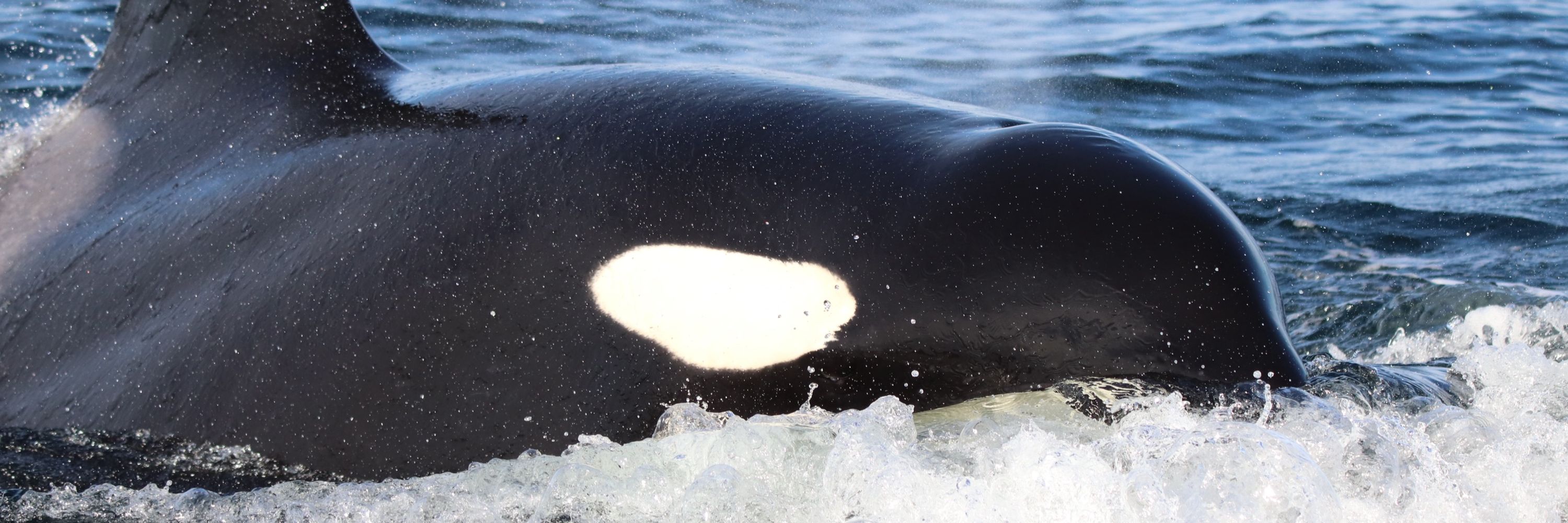
New research reveals something unexpected: when killer whales hear the calls of long-finned pilot whales, they don’t investigate — they leave. Fast.

February 16, 2026 at 4:53 PM
New research reveals something unexpected: when killer whales hear the calls of long-finned pilot whales, they don’t investigate — they leave. Fast.
🐬 Fraser’s dolphins in the Caribbean turn out to be the ultimate social networkers, swimming with other species 83% of the time while island-hopping across 229km of ocean.

October 20, 2025 at 4:42 PM
🐬 Fraser’s dolphins in the Caribbean turn out to be the ultimate social networkers, swimming with other species 83% of the time while island-hopping across 229km of ocean.
Reposted by Whale Scientists

Anaïs brought some fascinating info with her to the Whale Tales Podcast this month and while a lot of it was disheartening, as always there are things you can do to help!
buff.ly/fS9t7qg
#WhaleTales #WhaleTalesPodcast @anaisremili.bsky.social @whalescientists.bsky.social
buff.ly/fS9t7qg
#WhaleTales #WhaleTalesPodcast @anaisremili.bsky.social @whalescientists.bsky.social
October 7, 2025 at 4:16 PM
Anaïs brought some fascinating info with her to the Whale Tales Podcast this month and while a lot of it was disheartening, as always there are things you can do to help!
buff.ly/fS9t7qg
#WhaleTales #WhaleTalesPodcast @anaisremili.bsky.social @whalescientists.bsky.social
buff.ly/fS9t7qg
#WhaleTales #WhaleTalesPodcast @anaisremili.bsky.social @whalescientists.bsky.social
Can whales smell? The answer is not so simple!

June 11, 2025 at 4:57 PM
Can whales smell? The answer is not so simple!
Scientists have assembled the first high-quality genomes of New Zealand’s Hector’s + critically endangered Māui dolphins using degraded DNA—an unprecedented breakthrough that offers insights for conservation and a new path forward for endangered species worldwide.
whalescientists.com/new-zealand-...
whalescientists.com/new-zealand-...
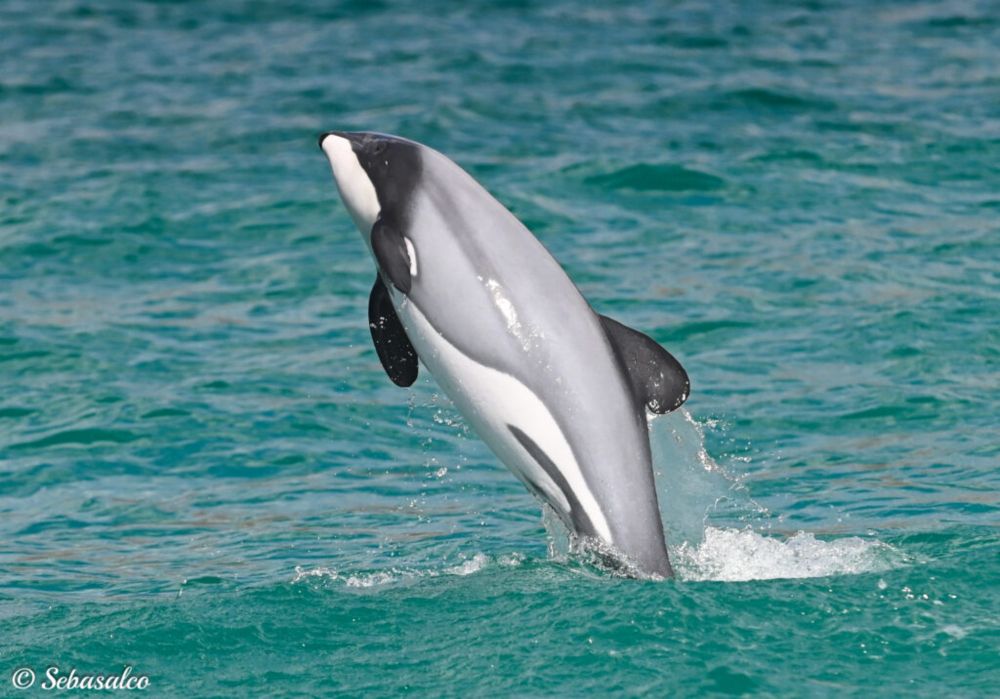
New Genome Assembly Approach Unlocks Secrets of Critically Endangered Dolphins in New Zealand
Despite working with degraded DNA, scientists assembled high-quality genomes of New Zealand's dolphins, with insights for conservation.
whalescientists.com
April 7, 2025 at 9:19 PM
Scientists have assembled the first high-quality genomes of New Zealand’s Hector’s + critically endangered Māui dolphins using degraded DNA—an unprecedented breakthrough that offers insights for conservation and a new path forward for endangered species worldwide.
whalescientists.com/new-zealand-...
whalescientists.com/new-zealand-...
A new and exciting @nature.com Communications study reveals baleen whales operate the planet's largest nutrient transport system, moving tons of nitrogen and carbon from polar feeding grounds to tropical breeding areas. Great job @jjkiszka.bsky.social and coauthors ✨

March 10, 2025 at 4:35 PM
A new and exciting @nature.com Communications study reveals baleen whales operate the planet's largest nutrient transport system, moving tons of nitrogen and carbon from polar feeding grounds to tropical breeding areas. Great job @jjkiszka.bsky.social and coauthors ✨
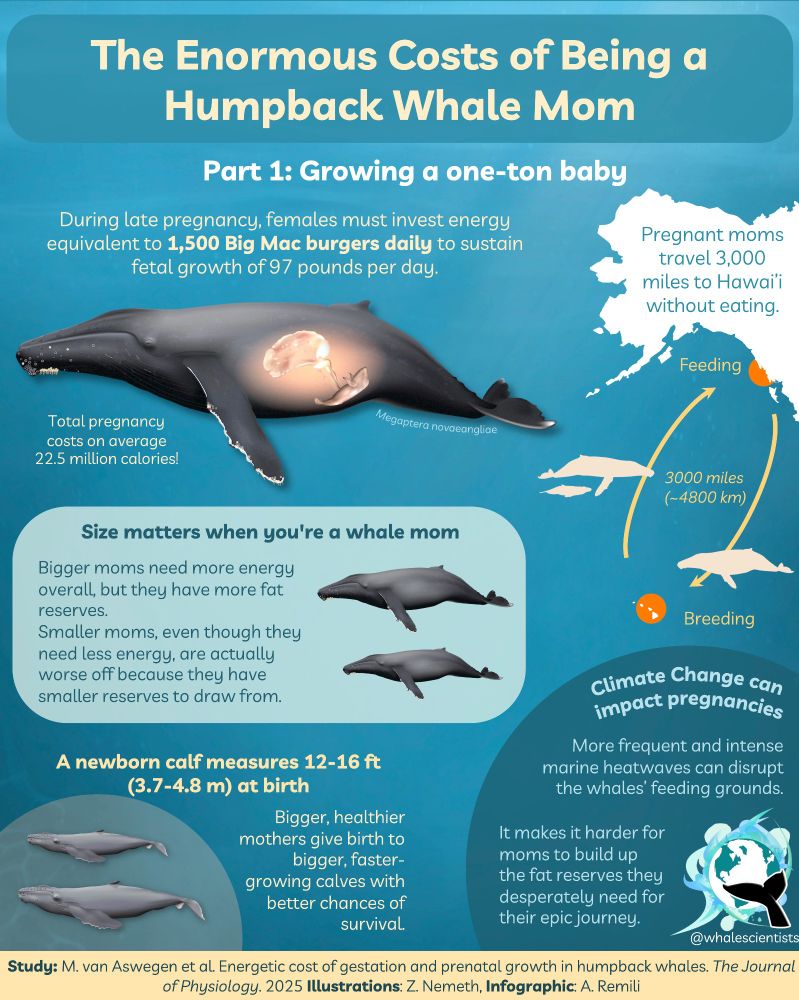
New research reveals the extraordinary energy demands of humpback whale mothers, who travel over 3,000 miles without food to birth and nourish their 2,600-pound calves, a feat now further imperiled by climate change and marine heatwaves disrupting their critical food supply.
January 28, 2025 at 5:21 PM
New research reveals the extraordinary energy demands of humpback whale mothers, who travel over 3,000 miles without food to birth and nourish their 2,600-pound calves, a feat now further imperiled by climate change and marine heatwaves disrupting their critical food supply.
Reposted by Whale Scientists
🧬 New Paper 🧬
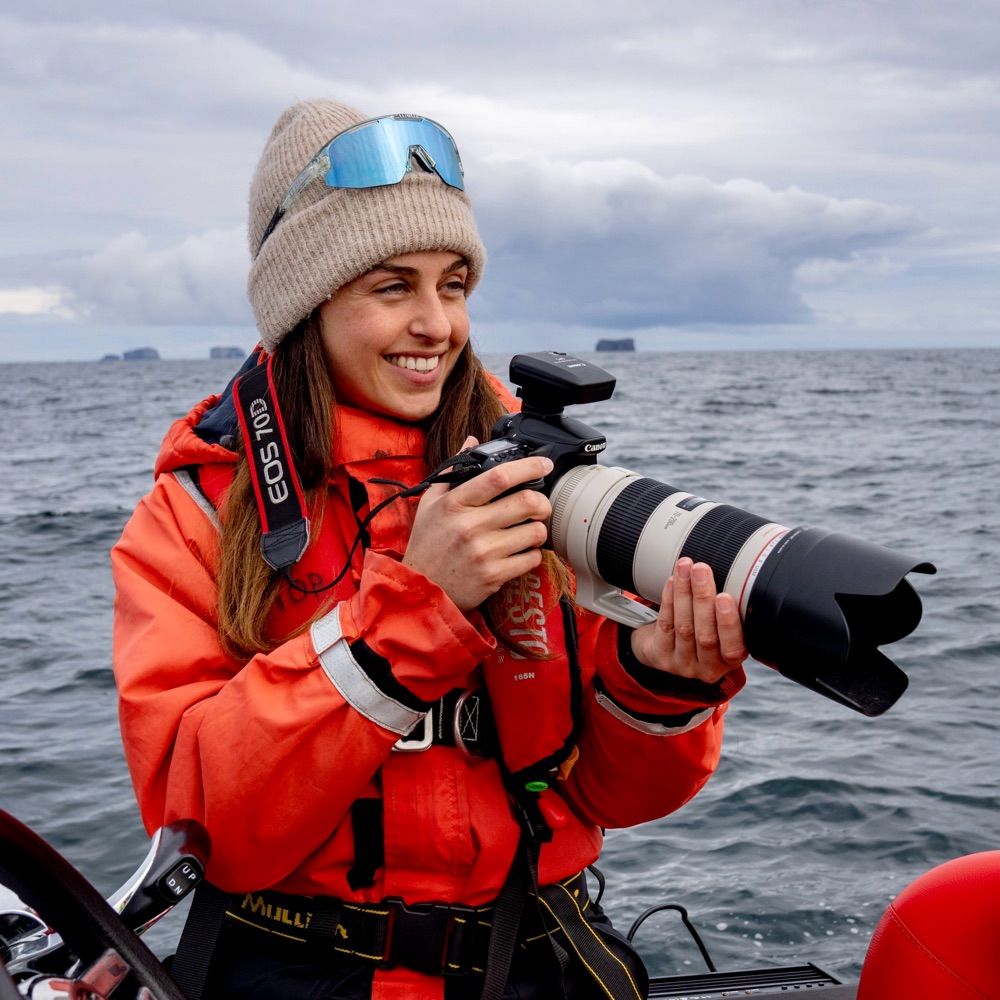
Together with Eve Jourdain, @andrewfoote.bsky.social, @fipsamarra.bsky.social et al. we investigated how ecological & spatio-temporal factors shape gene flow in killer whales from Greenland to Norway. 🧶⬇️
www.nature.com/articles/s41...
Together with Eve Jourdain, @andrewfoote.bsky.social, @fipsamarra.bsky.social et al. we investigated how ecological & spatio-temporal factors shape gene flow in killer whales from Greenland to Norway. 🧶⬇️
www.nature.com/articles/s41...

Kinship clustering within an ecologically diverse killer whale metapopulation - Heredity
Heredity - Kinship clustering within an ecologically diverse killer whale metapopulation
www.nature.com
January 23, 2025 at 1:25 PM
🧬 New Paper 🧬
Together with Eve Jourdain, @andrewfoote.bsky.social, @fipsamarra.bsky.social et al. we investigated how ecological & spatio-temporal factors shape gene flow in killer whales from Greenland to Norway. 🧶⬇️
www.nature.com/articles/s41...
Together with Eve Jourdain, @andrewfoote.bsky.social, @fipsamarra.bsky.social et al. we investigated how ecological & spatio-temporal factors shape gene flow in killer whales from Greenland to Norway. 🧶⬇️
www.nature.com/articles/s41...
New study: Researchers studied how "forever chemicals" (PFAS) are affecting Arctic wildlife, specifically polar bears and ringed seals.

January 22, 2025 at 7:06 PM
New study: Researchers studied how "forever chemicals" (PFAS) are affecting Arctic wildlife, specifically polar bears and ringed seals.
Did you know killer whale poo is green? @anaisremili.bsky.social has been working with some precious samples for a metabolomics project. She told us the shades vary from green-brownish to bright green.

January 10, 2025 at 4:57 PM
Did you know killer whale poo is green? @anaisremili.bsky.social has been working with some precious samples for a metabolomics project. She told us the shades vary from green-brownish to bright green.
Dreaming of a career in whale research but worried about needing a PhD? Good news—you don’t need one to contribute meaningfully to the field!

January 3, 2025 at 6:22 PM
Dreaming of a career in whale research but worried about needing a PhD? Good news—you don’t need one to contribute meaningfully to the field!
Ever wondered how scientists identify sperm whales? Traditionally, it’s all about capturing photos of their tail flukes when they dive. But what if the whales don’t dive? Enter drones: a game-changer in marine mammal research.

December 13, 2024 at 5:29 PM
Ever wondered how scientists identify sperm whales? Traditionally, it’s all about capturing photos of their tail flukes when they dive. But what if the whales don’t dive? Enter drones: a game-changer in marine mammal research.
Dive into the icy waters of the Southern Ocean and discover the hauntingly beautiful vocalizations of Antarctic seals. 🦭✨
whalescientists.com/seal-antarct...
whalescientists.com/seal-antarct...

Seal singers in Antarctica: From love songs to ultrasonic vocalizations
Seal species in Antarctica use unique sounds for communication and navigation in their frigid remote habitat
whalescientists.com
December 5, 2024 at 7:13 PM
Dive into the icy waters of the Southern Ocean and discover the hauntingly beautiful vocalizations of Antarctic seals. 🦭✨
whalescientists.com/seal-antarct...
whalescientists.com/seal-antarct...
🧪 How To Study The Deepest Diving Whales? Use Chemistry! 🐋
Beaked whales are elusive deep divers, making them tough to study. But stable isotope analysis is changing that!
Beaked whales are elusive deep divers, making them tough to study. But stable isotope analysis is changing that!

November 28, 2024 at 10:55 PM
🧪 How To Study The Deepest Diving Whales? Use Chemistry! 🐋
Beaked whales are elusive deep divers, making them tough to study. But stable isotope analysis is changing that!
Beaked whales are elusive deep divers, making them tough to study. But stable isotope analysis is changing that!
The Australian snubfin dolphin is one of Australia’s only endemic dolphin species, identified as a new species in 2005. This small dolphin is adorable, but it faces conservation threats due to its small population and coastal habitat preference. whalescientists.com/australian-s...

November 27, 2024 at 2:34 AM
The Australian snubfin dolphin is one of Australia’s only endemic dolphin species, identified as a new species in 2005. This small dolphin is adorable, but it faces conservation threats due to its small population and coastal habitat preference. whalescientists.com/australian-s...